Long-haired cats are magical right up until you find a felted mat the size of a grape under an armpit and your cat looks at you like you did it. If you share your home with a floofy Maine Coon, Persian, Ragdoll, Siberian, or a glorious domestic longhair, grooming is not optional. For many long-haired cats, it is a core part of preventive care and comfort.
The good news: you do not need a bathroom drawer full of gadgets. You need the right tools, used gently and consistently, to prevent painful matting and help cut down on hairballs.
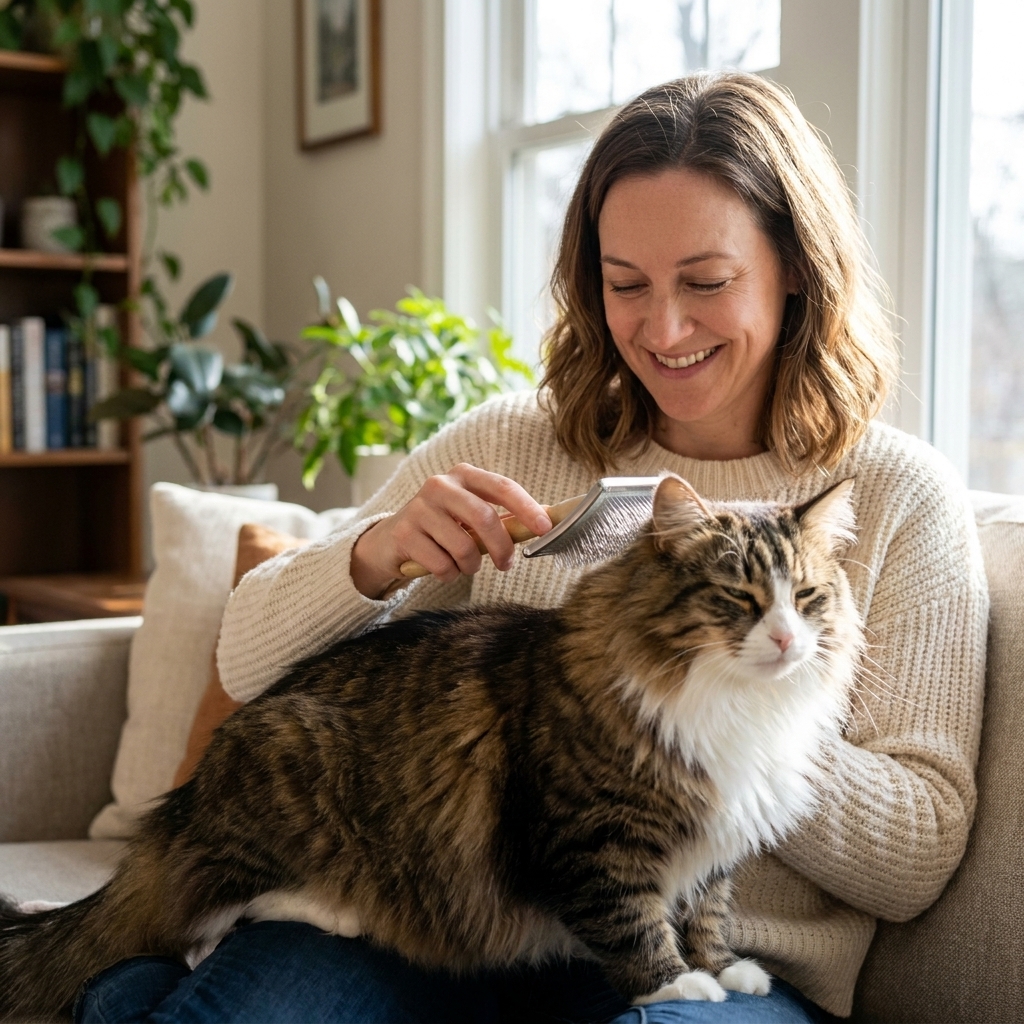
Below are the 10 grooming tools I consider essential for long-haired cat homes, along with what each one is for and how to use it without turning grooming into a wrestling match.
Before you buy tools
Long-haired coats tangle in layers. You can make the top look smooth while the undercoat quietly compacts into mats underneath, especially in high-friction areas like:
- Behind the ears
- Under the collar
- Armpits and inner front legs
- Belly and groin
- “Pants” and tail base
The goal is not just “brushing.” The goal is separating hair down to the skin without scratching, pulling, or scaring your cat.
Quick reality check from rescue life: once a mat is tight to the skin, brushing it out can be painful and unsafe. In those cases, a vet or professional groomer is the kindest next step.
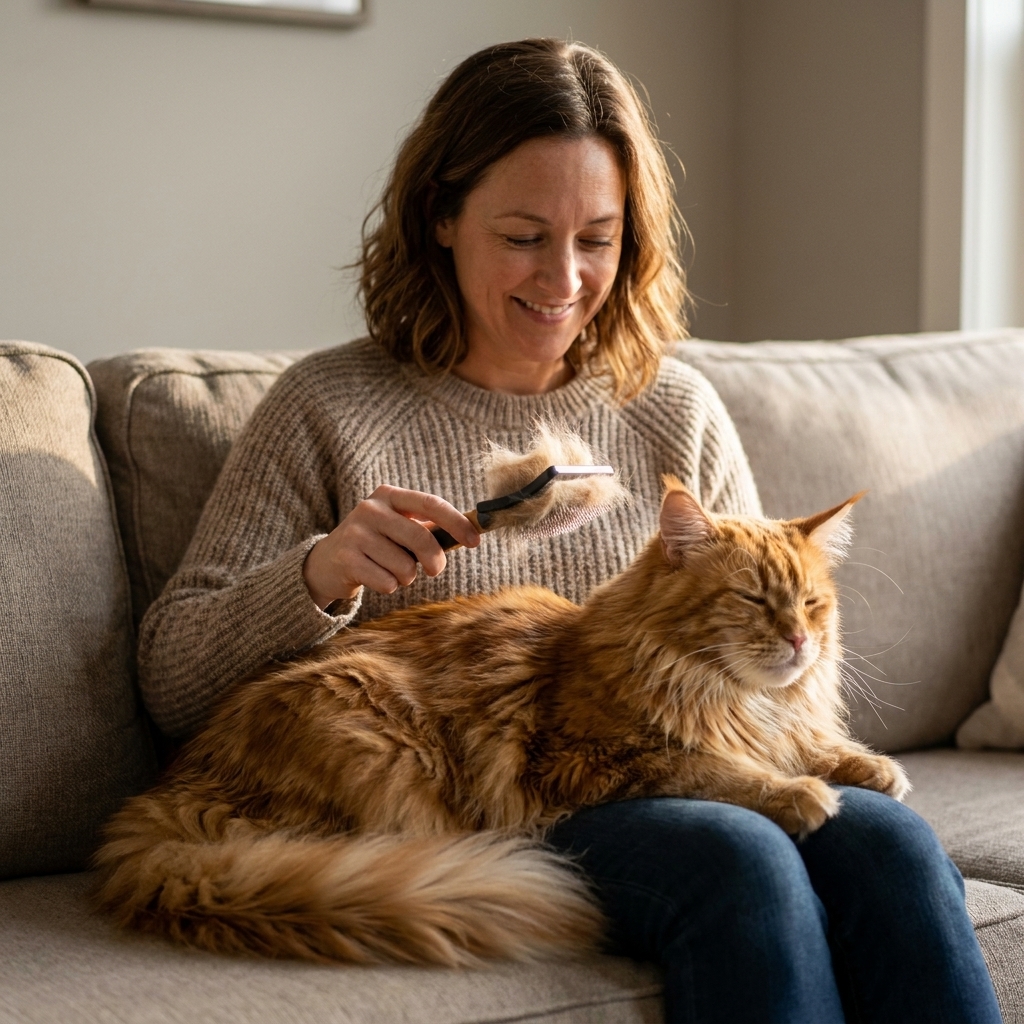
1) Long-pin slicker brush
If you only buy one brush, make it a slicker with longer, flexible pins. Long pins reach through the topcoat and actually touch the undercoat where tangles start.
Best for
- Daily or every-other-day maintenance
- Removing loose undercoat before it becomes a mat
- Fluffing and finishing after detangling
How to use it
Use light pressure and short strokes. If you hear “scritch scritch” on skin, you are pressing too hard or the pins are too stiff for your cat’s coat and sensitivity.
Tip: Brush “line by line.” Part the coat with your hand and brush a small section from skin outward, then move to the next line. This is how you find hidden tangles before they become surprises.
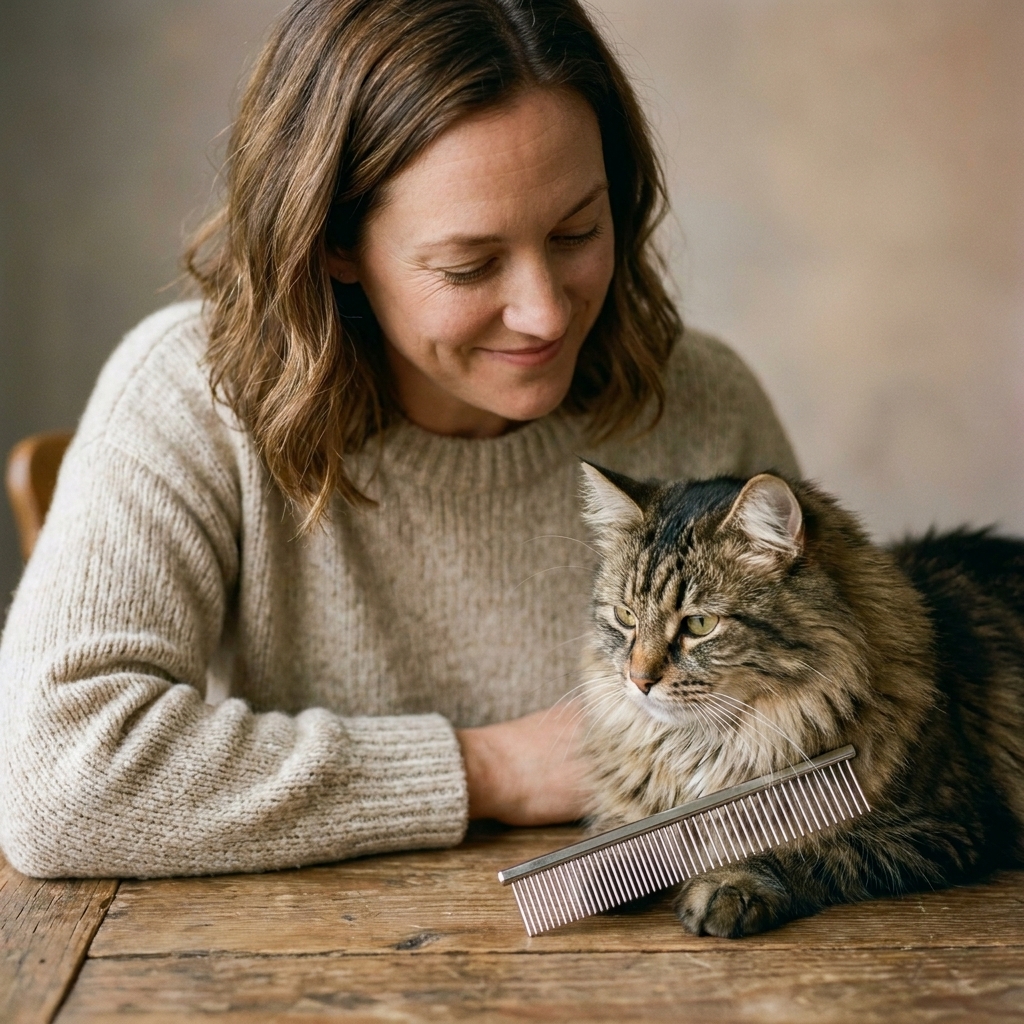
2) Stainless steel greyhound comb
A good metal comb is your truth-teller. A slicker can make a coat look nice, but a comb tells you whether you are actually tangle-free.
Best for
- Checking your work after brushing
- Detail work on ruff, belly, and “pants”
- Face and behind-the-ears touch-ups (use the fine side gently)
How to use it
Comb in the direction of hair growth. If the comb stops, do not yank. Back up, hold the hair close to the skin with your fingers to reduce pulling, and work the tangle out in tiny motions.
3) Undercoat rake
An undercoat rake helps lift shedding undercoat that a slicker may miss, especially during seasonal shedding. Look for rounded tips and spacing designed for cats, not a sharp, aggressive dog rake.
Best for
- Heavy shedding seasons
- Thick coats (Maine Coons and other dense-coated cats)
- Reducing loose fluff that turns into hairballs
How to use it
Use gentle, slow passes and avoid repeatedly raking the same spot. Overdoing it can irritate skin, cut guard hairs, and make cats hate grooming.
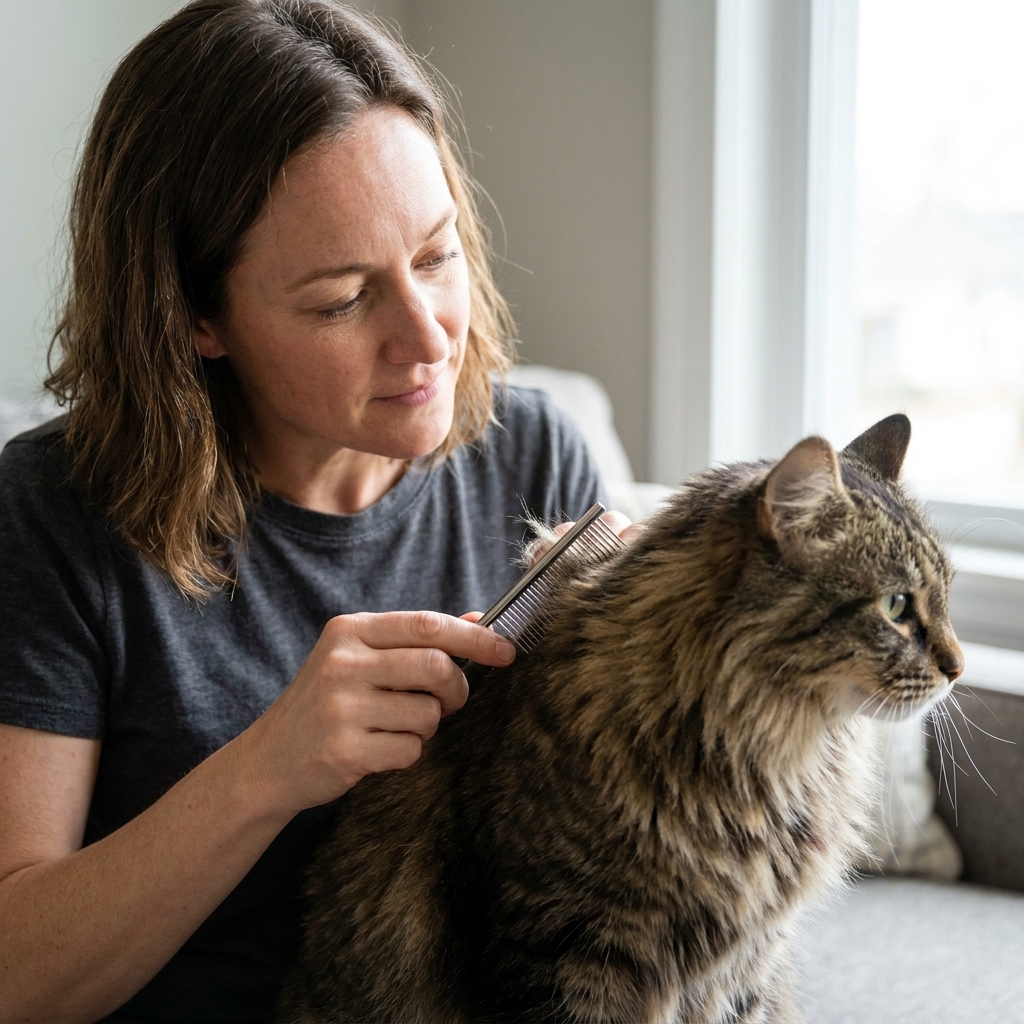
4) Dematting comb
A dematting comb has protected blades that cut through a mat in a controlled way. It is not for everyday brushing. It is for targeted rescue missions when you catch a small mat early.
Best for
- Small, early mats in friction zones
- Breaking a mat into smaller pieces so you can comb it out
Safety notes
- Never use on tight mats stuck to the skin.
- Keep the blades facing away from skin, and use short, careful motions.
- If your cat flinches, vocalizes, or the skin moves with the mat, stop and reassess.
5) Mat splitter
A mat splitter is a specialty tool that slices a mat lengthwise so it can be teased apart. It can be helpful, but it also comes with a higher risk of scraping skin if used incorrectly.
Best for
- Dense clumps that are not skin-tight but cannot be combed through
- Owners with steady hands and a calm cat
When to skip it
If your cat is wiggly, reactive, or the mat is in a delicate area (belly, groin, armpit), I would rather you use a dematting comb in tiny sessions or call a professional. Safety first, pride second.
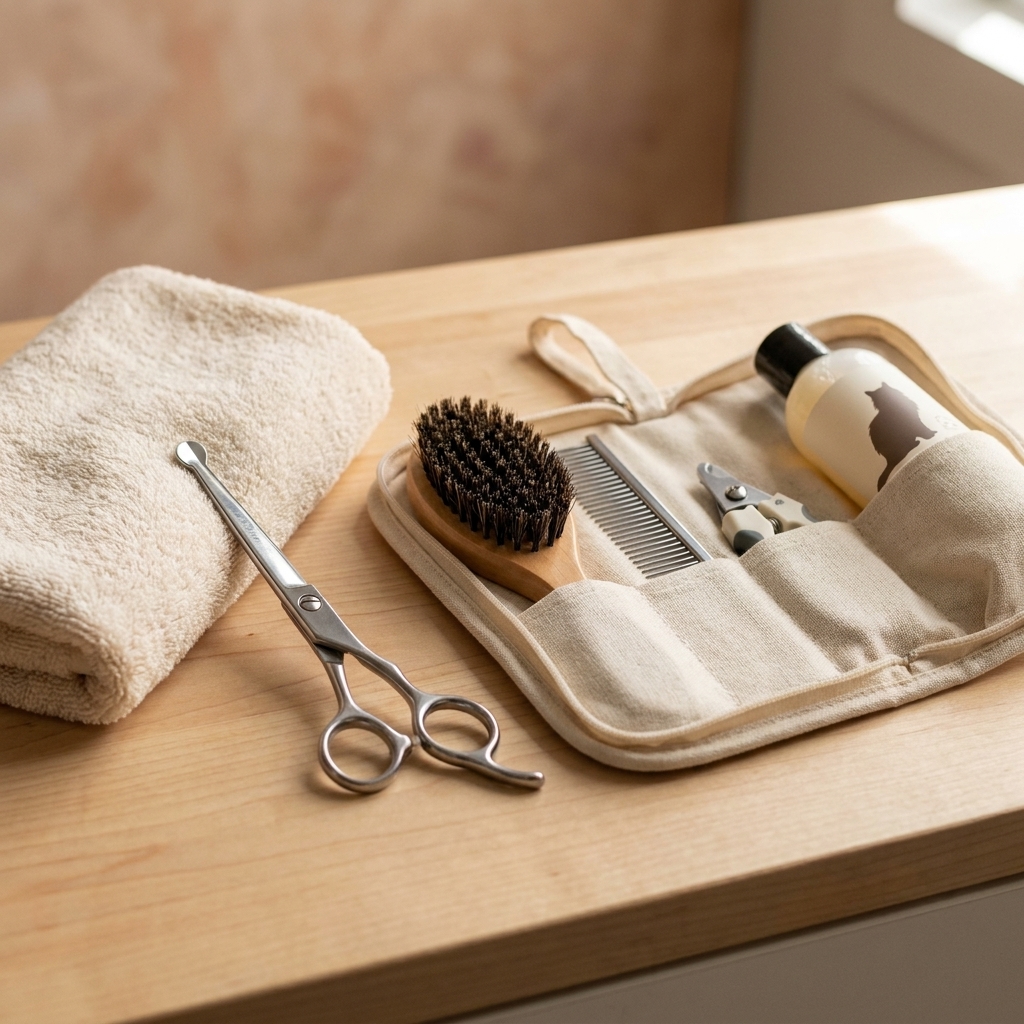
6) Rounded-tip grooming scissors
Rounded-tip grooming scissors are for trimming small wisps and cleaning up fur that traps litter or food. They are not for cutting mats out close to the skin.
Best for
- Sanitary trims around the rear (light tidy, not a shave)
- Trimming long toe tufts if your cat slips on floors
- Snipping away a tiny burr or debris caught at the ends of hair
Important warning
Never cut a mat that is close to the skin with scissors. Cat skin is thin and can pull into the mat like fabric into a zipper. If you cannot easily slide a comb between mat and skin, do not cut.
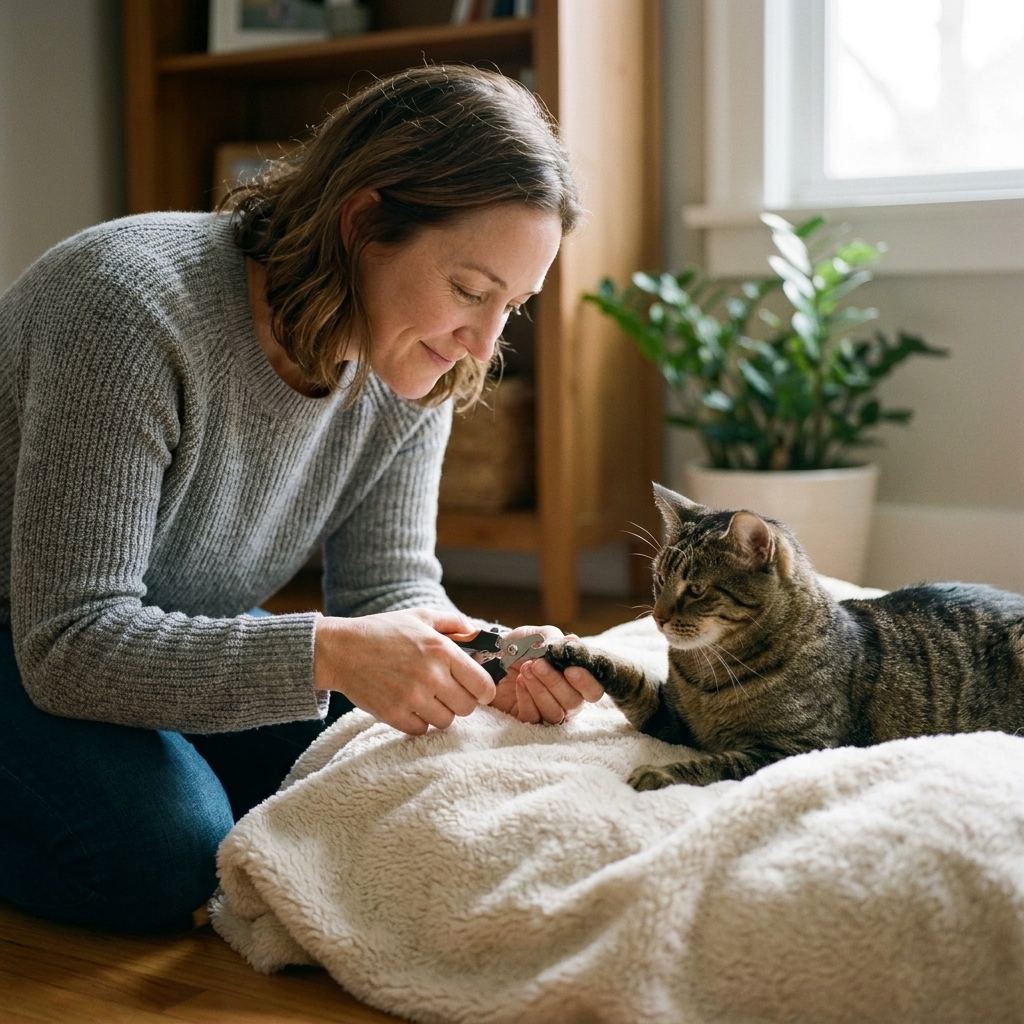
7) Cat nail clippers
Nails are part of grooming. Overgrown nails snag the coat, snag blankets, and can make a cat less tolerant of being handled. Keeping nails tidy makes brushing sessions smoother and safer for everyone.
Best for
- Preventing snag-related tangles
- Reducing accidental scratches when your cat gets overstimulated
How to use it
Trim just the sharp tip, ideally when your cat is relaxed. If you are unsure where the quick is, ask your vet team to demo. That five-minute lesson is worth its weight in salmon treats.
8) Cat-safe detangling spray
A cat-safe detangling spray adds slip, reduces static, and can make combing far more comfortable. This is especially helpful for fine, cottony coats that mat if you look at them funny.
Best for
- De-static and dry winter coats
- Light tangles that need extra glide
- Making brushing gentler for sensitive cats
How to use it
Mist your brush or hands first rather than spraying directly at your cat’s body. Many cats hate the sound and sensation of spritzing.
Ingredient caution
Skip human detanglers and anything with essential oils or heavy fragrance unless it is clearly labeled safe for cats. Cats groom themselves, so what goes on the coat often ends up swallowed.
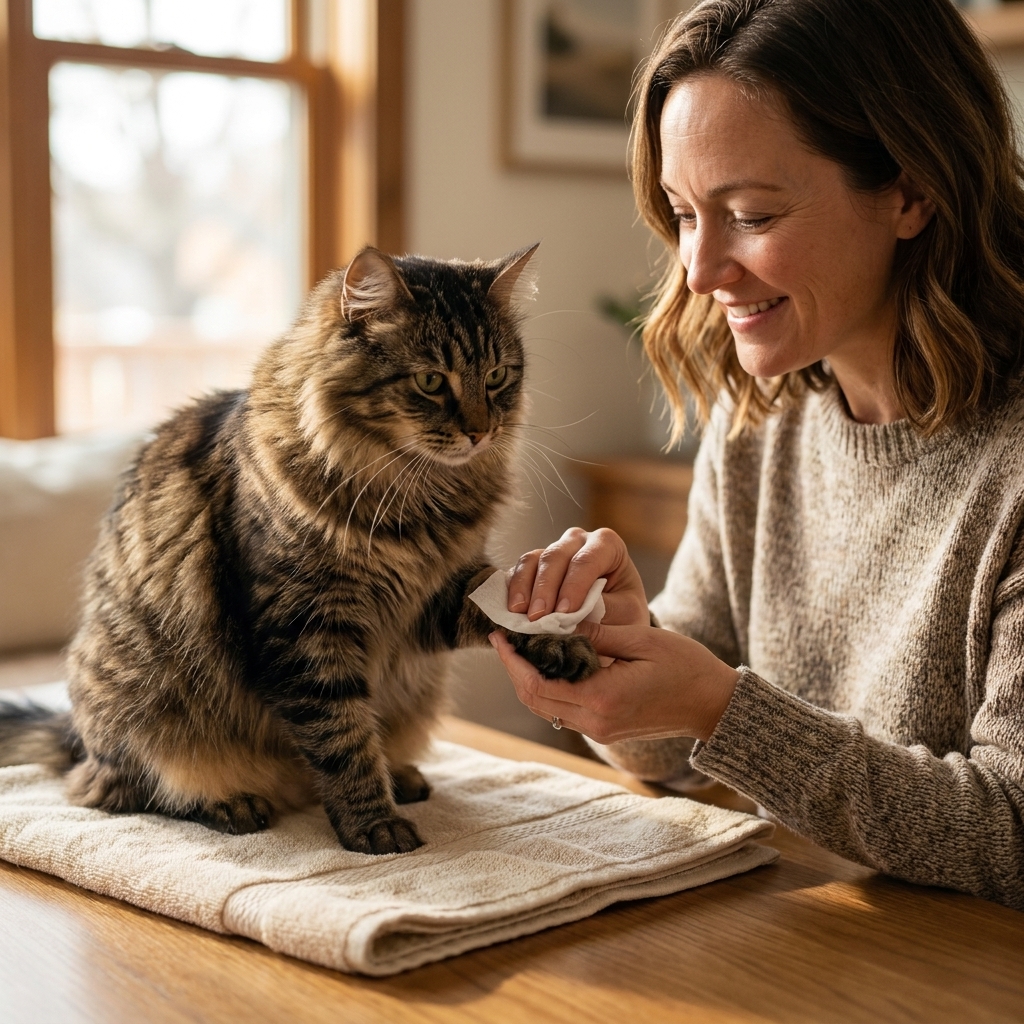
9) Grooming wipes
Wipes are not a replacement for brushing, but they are fantastic for quick cleanups. Long-haired cats can get little “souvenirs” stuck in their pants, paws, or chin ruff.
Best for
- Cleaning paws after litter box mishaps
- Wiping drool or wet food from the ruff
- Spot-cleaning so you do not have to bathe a cat over one sticky patch
What to look for
Choose wipes labeled safe for cats, ideally fragrance-free. If it smells like a spa day, it is probably not what you want on something your cat will lick later.
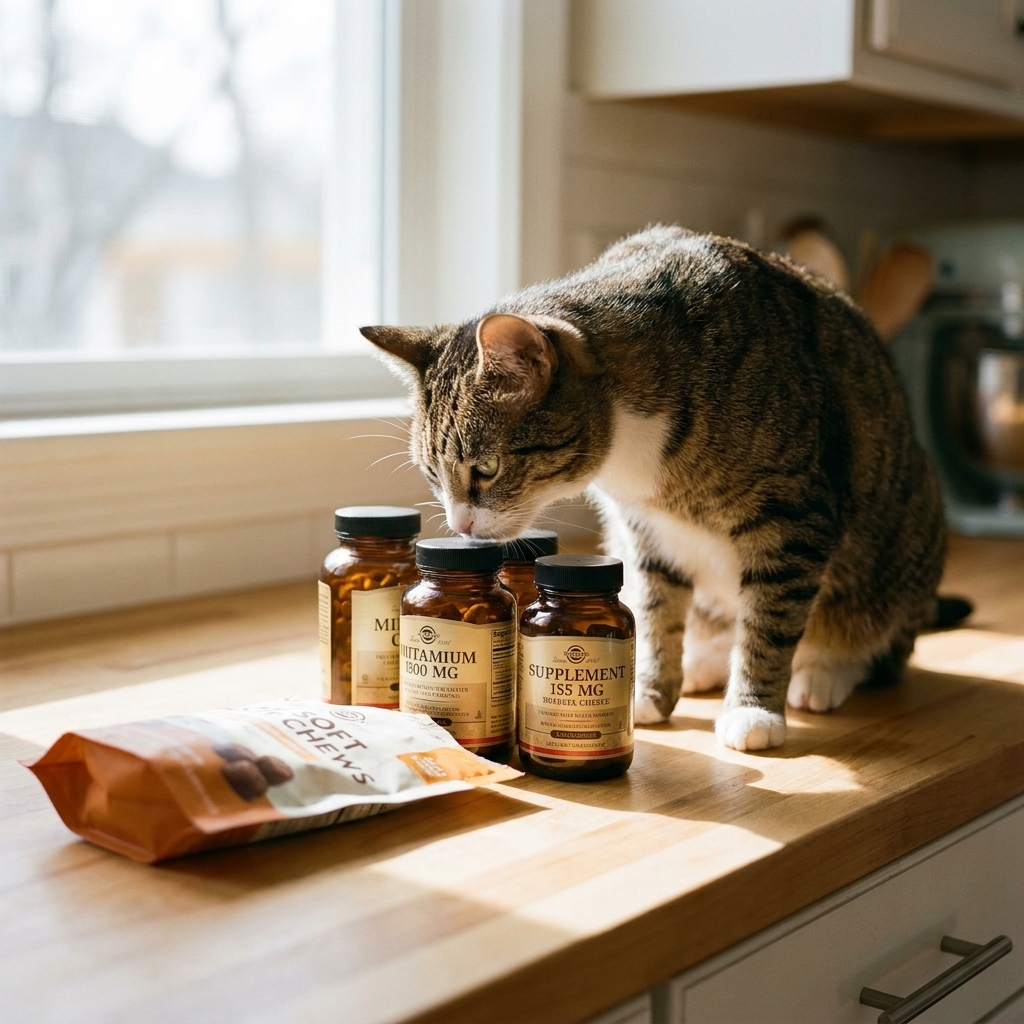
10) Hairball support gel
Hairballs are not just about shedding. They are also about how much hair your cat swallows while self-grooming. Good brushing lowers the amount of loose hair available, and some hairball gels can help some cats move swallowed hair through the digestive tract.
Best for
- Cats prone to frequent hairballs
- Seasonal shedding spikes
- Multi-cat homes where someone is always grooming someone
How to use it
Follow the product directions and your veterinarian’s guidance, especially if your cat has constipation issues or a sensitive stomach. Not every cat benefits, and overuse can cause digestive upset. Many cats will lick a small amount off a spoon or your finger.
Big caution: If your cat is gagging repeatedly, seems distressed, stops eating, or you suspect they cannot pass a hairball, treat it as urgent and call your vet. A “stuck hairball” can look like coughing but may be something far more serious.
Handling basics
The best tool in your kit is ending the session early.
- Watch for overstimulation: tail flicking, skin twitching, ears rotating back, sudden head turns, or a tense body. Pause before it turns into “I am done.”
- Go for micro-sessions: one minute now, one minute later. You are building tolerance, not winning a contest.
- Set your cat up for success: a non-slip bath mat, a towel on the couch, or a familiar perch gives better footing and less panic.
- When in doubt, go pro: if matting is widespread or your cat cannot be safely handled, a vet or groomer can do a humane shave-out. Some cats need veterinary sedation for safety, and that is not a failure. It is responsible.
Bathing basics
Most cats do not need regular baths, but an occasional sanitary wash or coat clean-up can help some long-haired cats, especially if they get greasy or messy around the rear.
Important: do not bathe a matted cat to “fix” mats. Water can tighten mats and make them harder and more painful to remove. Detangle first, or let a professional handle it.
A simple routine
You do not need marathon grooming sessions. Consistency beats intensity.
- 2 to 5 minutes daily: slicker brush on friction zones (behind ears, armpits, belly edges, pants)
- Twice weekly: comb check with the greyhound comb. If the comb glides, you are golden.
- Weekly or as needed: undercoat rake during heavy shedding
- As needed: detangling spray and dematting tool for tiny tangles you catch early
If your cat is not a fan, aim for micro-sessions and pair them with something your cat loves. For Clementine, it is a squeeze-up treat. For Waffles, it is praise and a heated blanket.
Common mistakes
Brushing only the top layer
Fix it by line-brushing and doing a comb check. If a comb does not pass through, the job is not done yet.
Trying to power through a mat
Fix it by stopping sooner. Use detangler and fingers to gently separate, or use a dematting comb for small mats. Tight mats belong with a professional shave-out, not a home battle.
Waiting until grooming is urgent
Fix it by setting a tiny routine. Two minutes today prevents a stressful hour next week.
Using the wrong bladed tool
Fix it by choosing cat-appropriate tools and using a light hand. Some bladed de-shedding tools and aggressive rakes can cut coat, irritate skin, and cause brush burn when overused. If you see redness or your cat starts avoiding the brush, dial it back and reassess.
Missing what mats can hide
Fix it by checking down to the skin. Mats can hide irritation, sores, fleas, and other skin problems. If you smell odor, see redness, or your cat is suddenly sensitive in one spot, loop in your vet.
FAQ
Do long-haired cats really need daily brushing?
Many do best with near-daily maintenance, especially cats with fine coats or a history of matting. If your cat’s coat mats easily, daily quick sessions are kinder than occasional long ones.
Is a Furminator-style tool safe for long-haired cats?
Use caution. Some de-shedding blades can remove too much coat, irritate skin, and create brush burn if overused. I generally prefer a long-pin slicker, a comb, and a cat-safe undercoat rake.
My cat hates grooming. What is the first tool I should buy?
Start with a gentle long-pin slicker and a metal comb, then keep sessions extremely short and reward-heavy. If your cat is very sensitive, a softer slicker and a detangling spray on the brush can help.
When is matting a vet issue?
If mats are tight to the skin, widespread, smelly, hiding sores, or your cat is painful or aggressive when you touch the area, it is time for a vet or professional groomer. Severe matting can cause skin infections, hide parasites or wounds, and can restrict movement.
The takeaway
For long-haired cats, grooming tools are not about perfection. They are about comfort, skin health, and preventing mats before they become painful. If you build a small kit around a long-pin slicker, a metal comb, and a safe way to address early tangles, you are already ahead of most households I meet in rescue.
And if you ever feel behind, you are not failing. You are learning. Your cat will forgive you quickly once the brushing comes with snacks.