Hi, I’m Chloe Patterson, and I’m really glad you’re here.
I’m an IAABC Certified Cat Behavior Consultant (CCBC), and I’ve spent more than a decade with my hands, heart, and hoodie pockets full of treats, helping cats move from stressed and misunderstood to safe and thriving.
If you found your way to Meow Mentor because you love your cat but feel stuck, overwhelmed, or a little defeated, you’re in the right place. Cat care can be confusing, especially because cats are subtle communicators and also very honest about their opinions. Sometimes that honesty shows up as yowling at 3 a.m., refusing a perfectly reasonable food you just bought in bulk, or treating your couch like a scratch post built specifically for them.
My job is to help you decode what’s going on and give you steps you can actually use, starting today.
How I got here
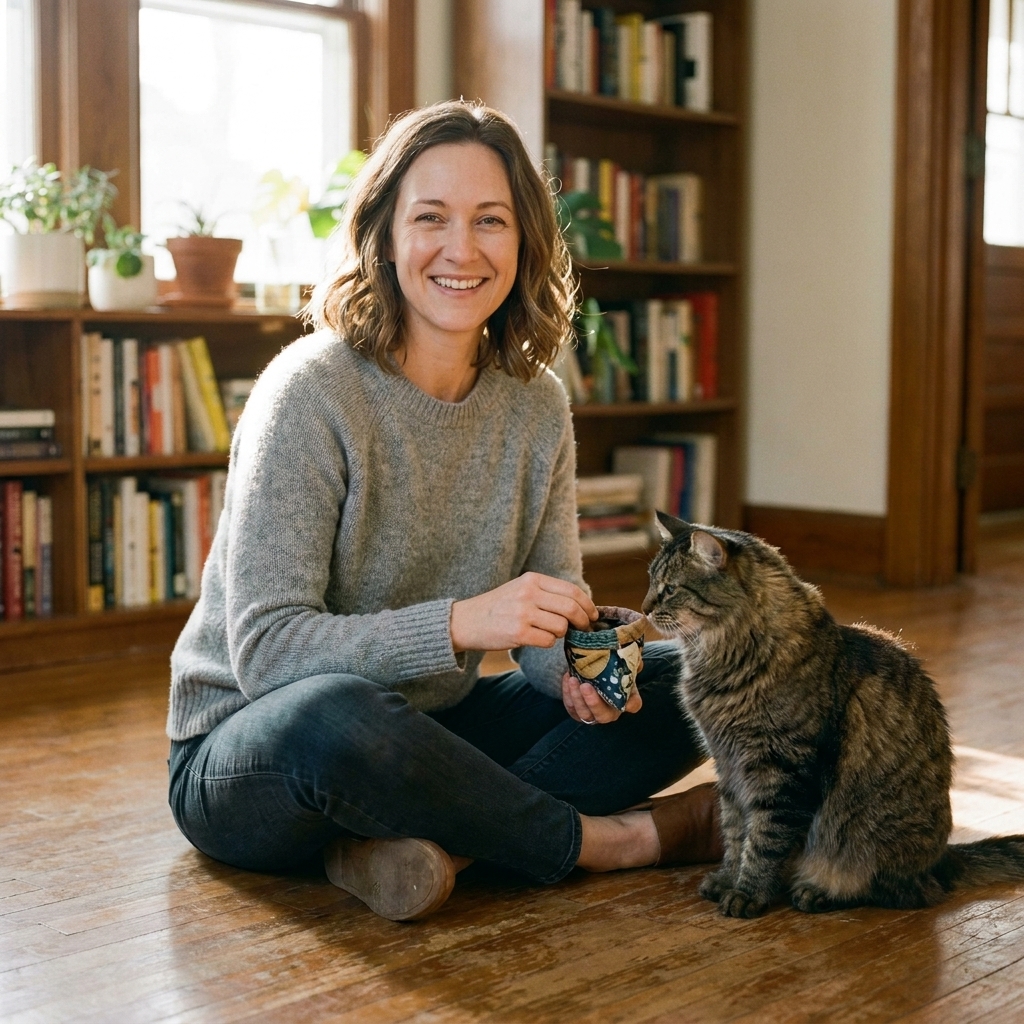
I grew up fostering kittens for my local animal shelter. It started as a childhood passion, the kind that turns your bedroom into a temporary nursery and teaches you early that tiny lives can be incredibly determined. Over time, that foster experience became the foundation for everything I do now: observing body language, building trust, and meeting cats where they are instead of where we wish they’d be.
Before joining Meow Mentor, I spent seven years as a foster coordinator and behavior support lead with a feline-focused rescue in my region. A big part of my work was helping cats labeled “unadoptable,” the ones called difficult, aggressive, or hopeless. In reality, many of them were terrified, under-stimulated, in pain, or trying to cope with environments that did not make sense to them. Seeing those transformations is what made me so committed to practical, evidence-based education. The right information, delivered with patience, keeps cats in homes and out of shelters.
What Meow Mentor does
Meow Mentor exists for cat parents who want clear answers and compassionate guidance. Not perfection. Not shame. Just solid support that respects both sides of the relationship: the human trying their best and the cat doing cat things for very real reasons.
Our mission is simple: help you build a happier, healthier life with your cat through education you can trust. When you understand why a behavior is happening and what your options are, you can make changes that actually stick.
I believe educating owners is one of the most effective ways to keep cats happy, healthy, and out of the shelter system.
What to expect
Meow Mentor is where I share the same kind of guidance I give in rescue settings and consults, translated into everyday language. I’m warm, but I’m also going to be honest with you, because that’s what helps. Cat care works best when we combine empathy with a plan.
Evidence-based, not trendy
I’m careful about what I recommend. If something is a best practice in feline behavior, husbandry, and nutrition, I’ll explain it in a way you can use. If something is popular but questionable, I’ll tell you why it might not be the right fit and what to do instead.
Practical steps for real life
You’ll see checklists, troubleshooting steps, and small changes that create big results, like adjusting litter box setup, adding enrichment, or changing how you introduce new food. Cat care is rarely one dramatic fix. It’s usually a handful of doable tweaks, combined thoughtfully.
Respectful behavior help
I focus on humane, cat-friendly training and behavior change. That means we look at stress, environment, routines, and communication first, rather than assuming your cat is “being bad.”
- Midnight zoomies: Often a schedule and enrichment issue, but sudden changes can also point to stress or discomfort.
- Picky eating: Sometimes preference, sometimes nausea, sometimes a feeding setup that needs a small adjustment. If appetite drops or your cat stops eating, it’s vet time.
- Scratching: Normal, healthy behavior that needs the right outlets in the right places.
You’ll find support for common challenges like litter box trouble, introductions, multi-cat tension, play and enrichment, fear and confidence building, carrier training, and gentle handling skills. What I do not do is diagnose medical issues online. If a behavior is new, sudden, or worrying, or if your cat seems painful or unwell, please loop in your veterinarian.
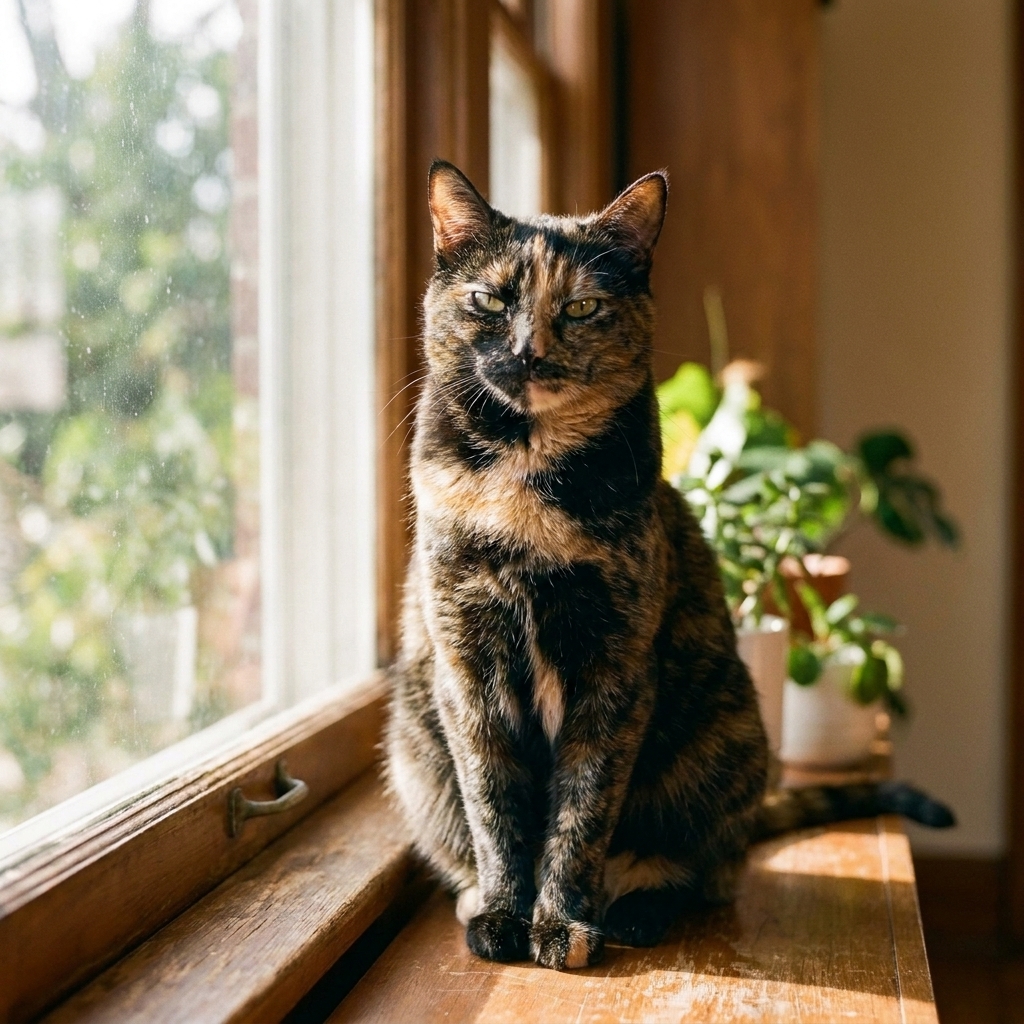
My cats
At home, I live with two rescue cats who keep me humble.
Clementine is a tortoiseshell with big opinions and zero hesitation about sharing them. She’s my reminder that confidence can look like sass, and that consent matters in every interaction.
Waffles is an orange tabby who is perpetually confused, deeply lovable, and the reason I double-check that doors are fully closed. He’s proof that sweetness and chaos can exist in the same cat.

Nutrition, briefly
I’m a self-proclaimed cat nutrition nerd. Not because I think every cat needs an expensive, complicated diet, but because food impacts almost everything: energy levels, coat and skin, digestion, weight, and sometimes even mood and behavior. Nutrition advice online can get intense fast, so you’ll see me bring it back to basics: what cats need biologically, how to transition food safely, and when it’s time to loop in your veterinarian, especially for sudden appetite, vomiting, diarrhea, or weight changes.
Start here
If you take one thing from this page, let it be this: you are not failing if cat care feels hard. Cats are incredible, but they are not always intuitive. Getting support is part of responsible ownership, not a sign you’re doing it wrong.
Take a look around, save what helps, and come back whenever you need a steady voice and a practical next step. Clementine and Waffles and I are happy you’re here.
- New here? Start with the Start Here guide.
- Want help week to week? Join the newsletter.
- Need personalized support? Book a consult. Sessions are typically virtual, focused on your cat’s behavior and home setup, and you’ll leave with a clear plan you can start the same day.