If you have ever watched your cat slink low to the ground, freeze at a sound you barely noticed, or bolt under the bed when nothing seems “wrong,” you are not alone. Anxiety and stress behaviors in cats are not unusual, and they are often misunderstood because cats are masters at looking fine while feeling anything but.
I have worked with many anxious cats in rescue, foster homes, and adoptive homes, including the ones labeled “unadoptable.” The good news is that many cats improve significantly when you do two things consistently: remove or reduce stress triggers, and build a predictable, cat-friendly environment.

Signs your cat is anxious
Some cats show stress loudly, but many show it in subtle, easy-to-miss ways. Anxiety is less about one single behavior and more about a pattern that appears around certain situations.
Common anxiety signals
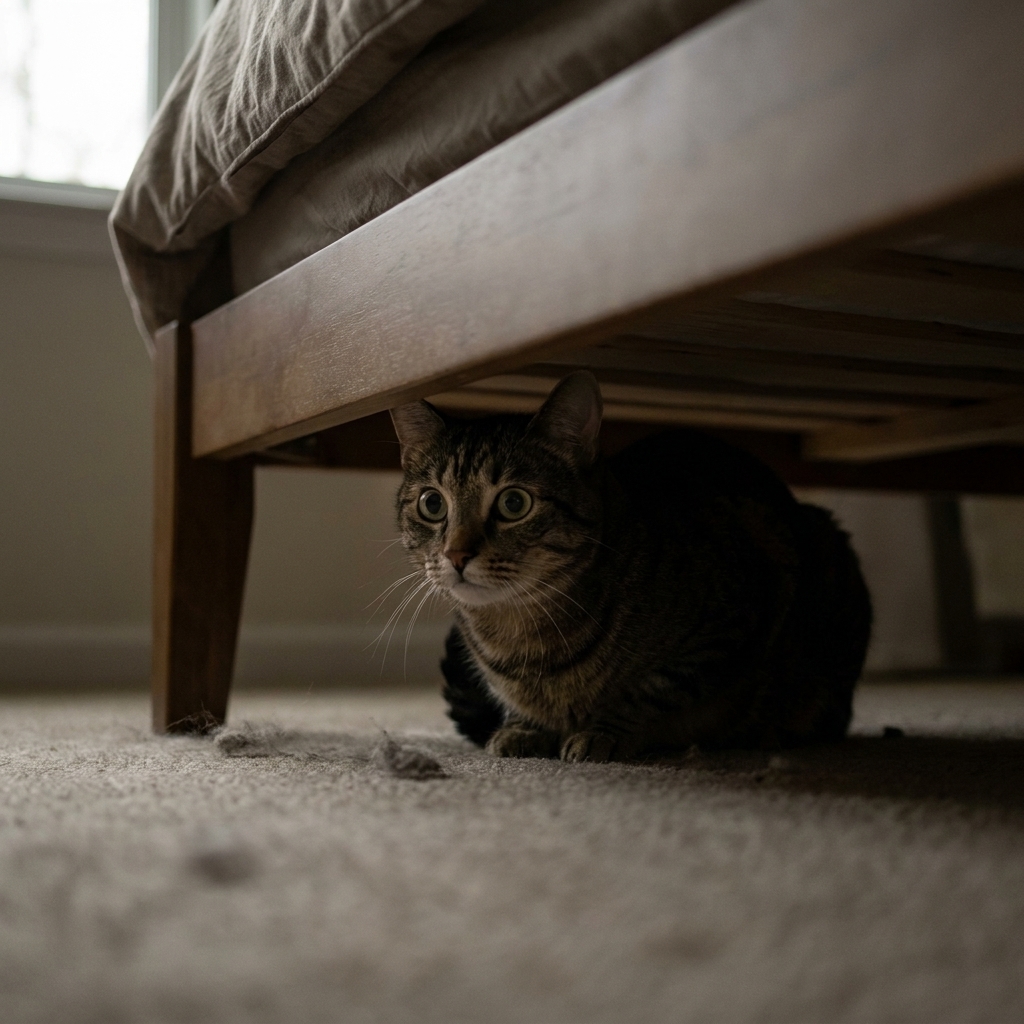
- Hiding more than usual, especially when people are home
- Startle response to normal household sounds
- Overgrooming (thinning fur on the belly, legs, or sides)
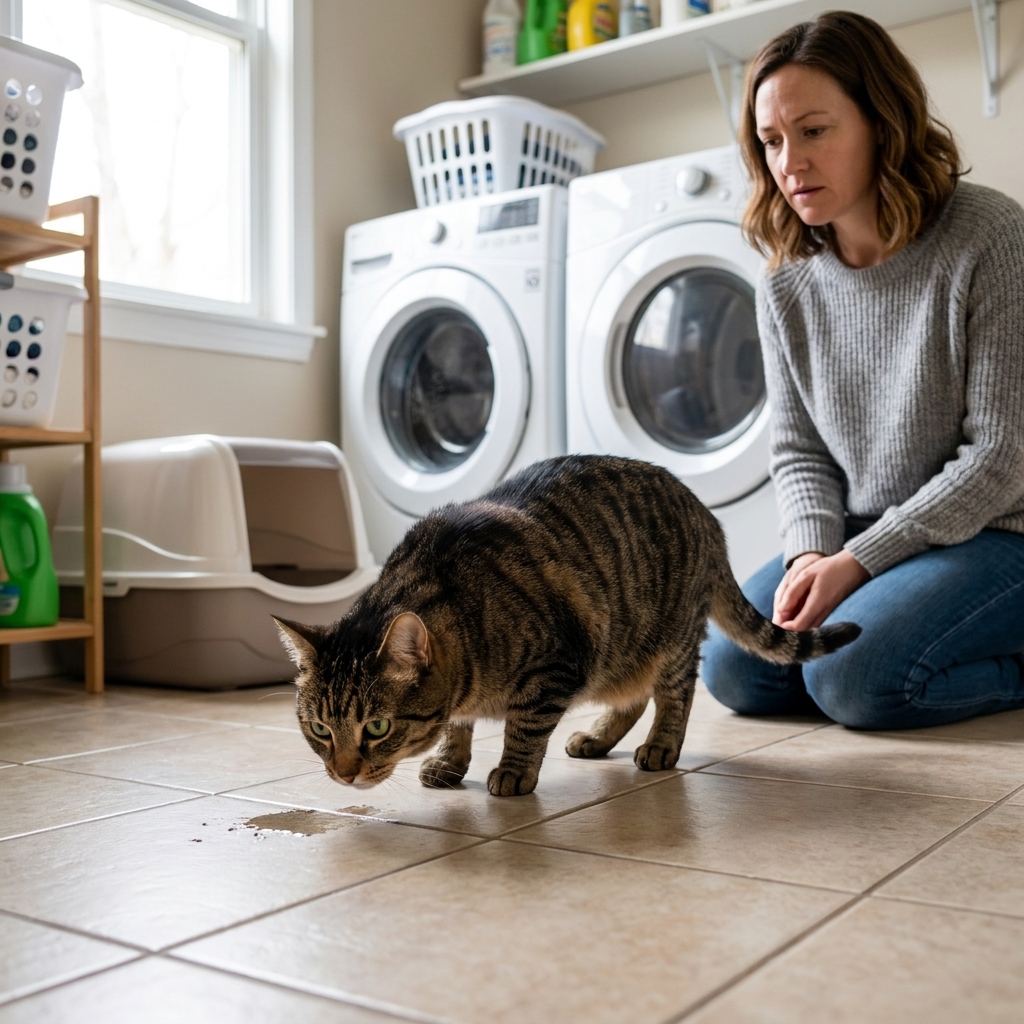
- Changes in litter box habits, including peeing outside the box
- Clinginess or, conversely, sudden avoidance of touch
- Appetite changes (either reduced appetite or “stress snacking”)
- Vocalizing more, especially at night
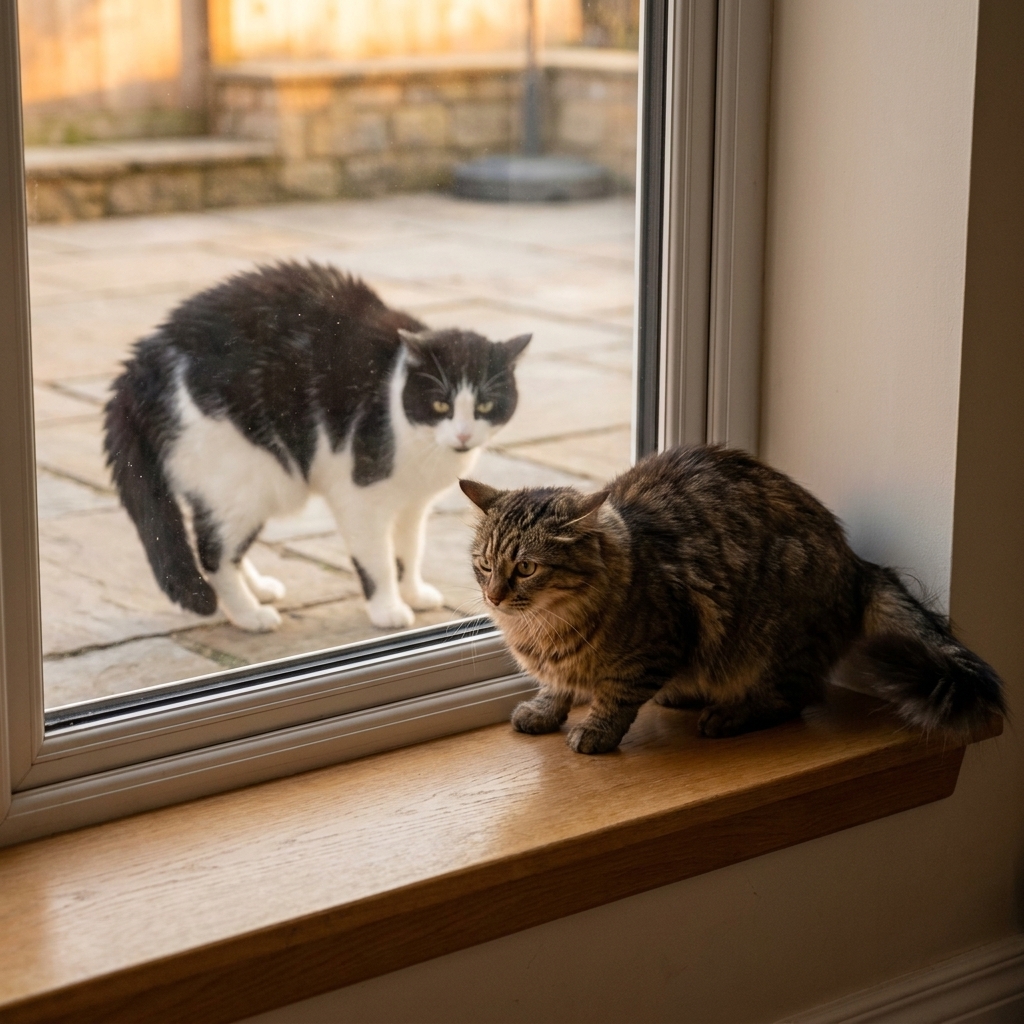
- Redirected aggression (swatting a housemate after a scary noise or a cat outside the window)
A quick caution on overgrooming: stress can play a role, but medical and skin issues are very common, too. Fleas, allergies, pain, and infection can look exactly like “anxiety grooming.”
If your cat’s behavior change is sudden, intense, or paired with symptoms like vomiting, weight loss, frequent urination, straining, or blood in urine, treat that as a medical red flag. Pain and illness can look exactly like anxiety.
Stress triggers for cats
Cats tend to do best with control and predictability. Many anxiety triggers boil down to “something changed” or “I can’t escape it.” Here are the stressors I see most often.
Home and routine changes
- Moving homes, remodeling, new furniture smells
- New schedule (returning to office, school breaks, travel)
- Guests staying over, parties, or noisy gatherings
- Loss of a person or animal companion
Territory and social tension
- New cat or dog in the home
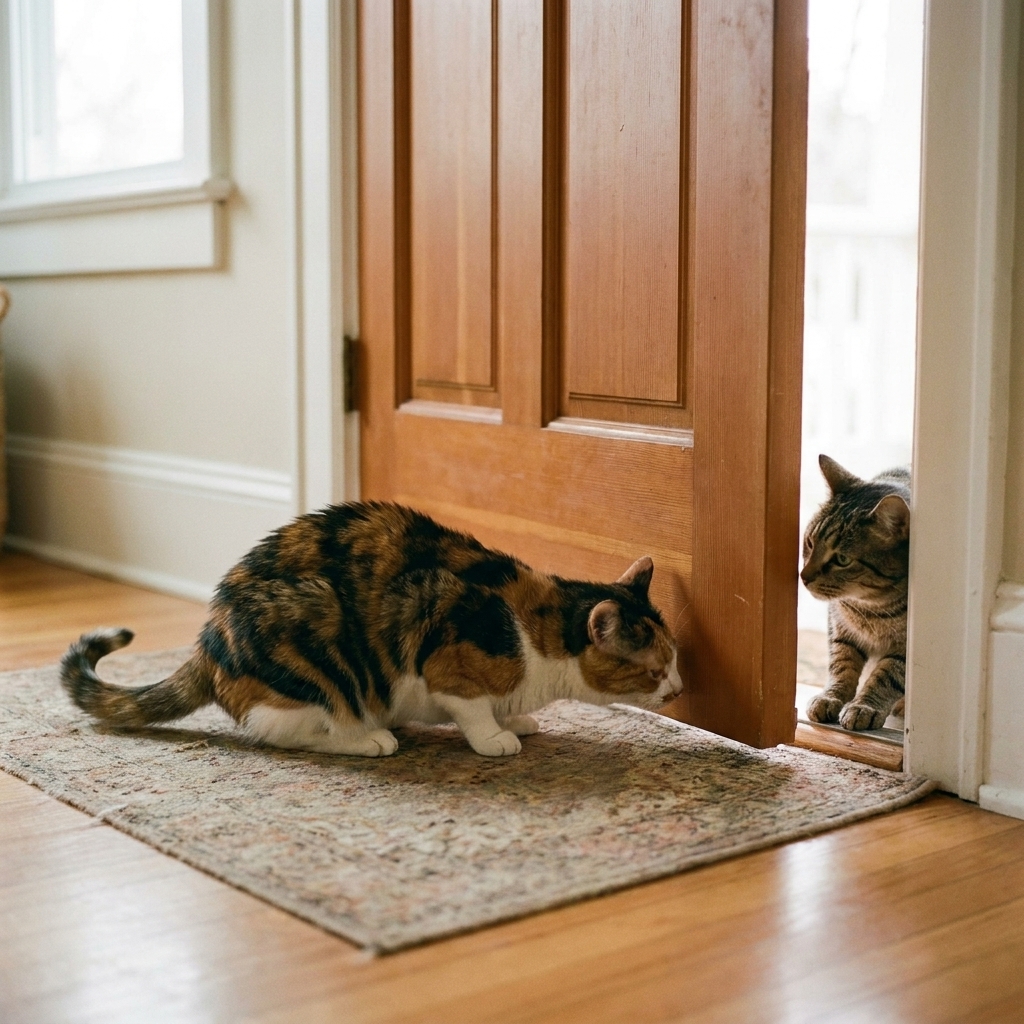
- Bullying between cats (blocking hallways, staring, ambushing)
- Outdoor cats visible through windows
- Too few resources (not enough litter boxes, beds, perches, or food stations)
Sensory overload
- Loud sounds (construction, thunderstorms, vacuum, fireworks)
- Strong scents (heavy cleaners, scented litter, essential oil diffusers)
- Busy traffic areas in the home with no escape route
Fear, stress, or anxiety?
These words get used interchangeably, but a simple way to think about it is this: fear is an immediate response to something scary, stress is the strain of coping with pressure, and anxiety is ongoing worry or anticipation even when the threat is not right in front of them. In real life, they overlap, which is why the same calming steps often help.
First step: rule out medical causes
This is the unglamorous part, but it matters. Before you assume anxiety, I recommend a vet visit if you are seeing any of the following:
- Litter box accidents, especially new ones
- Overgrooming with skin irritation
- Sudden aggression or touch sensitivity
- Appetite changes lasting more than 24 hours, or any refusal to eat in kittens, seniors, or medically fragile cats
- Nighttime yowling in an older cat
Common medical issues that can mimic “behavior problems” include urinary tract disease, constipation, dental pain, arthritis, hyperthyroidism, and GI discomfort. Treating the underlying issue often lowers stress dramatically.
Skip punishment, start with safety
If your cat is anxious, deterrents and punishment (spray bottles, yelling, startling devices) can backfire. They do not teach “calm,” they teach “my environment is unpredictable.” You will get better results by lowering triggers, rewarding brave behavior, and giving your cat safe choices.
Pheromones: a low-risk calming tool
If you want one natural remedy that is simple and generally safe to try, start with pheromones. These are synthetic versions of calming chemical signals cats naturally use to mark safe territory.
How to use feline pheromones
- Diffusers: Best for ongoing household stress. Place in the rooms your cat uses most, not behind furniture and not under shelves. Give it at least 2 to 4 weeks to judge results.
- Sprays: Useful for carriers, bedding, and “hot spots” like scratching posts. Spray and allow it to dry for 10 to 15 minutes before your cat contacts the area.
- Collars: Can help some cats, but not ideal if your cat hates wearing collars or if there is any risk of getting caught. Use breakaway collars only.
Realistic expectation: pheromones often take the edge off. They are rarely a stand-alone fix for significant anxiety, but they can make your other changes work better.
Supplements for cat anxiety
Supplements can be helpful, especially for mild-to-moderate anxiety, but “natural” does not automatically mean safe for cats. Evidence also varies by ingredient and product, so I recommend choosing veterinary-formulated options and checking with your veterinarian if your cat has kidney disease, liver disease, heart disease, is on other medications, or is very young or elderly.
Common supplement options
- L-theanine: An amino acid often used for situational stress (guests, travel) and general nervousness. Many cats tolerate it well.
- Alpha-casozepine (milk protein hydrolysate): Used in some veterinary calming diets and supplements, helpful for anxious, tense cats.
- Colostrum-based calming chews: Some formulas are designed for stress-related digestion and mild anxiety.
- Probiotics labeled for calming: The gut-brain connection is real in cats, and some cats show less stress-related tummy trouble with the right probiotic.
Herbal options: proceed carefully
Cat metabolism is not the same as ours, and many herbs and essential oils are risky. If you use an herbal product, choose one made specifically for cats and discuss it with your vet. I avoid homemade tinctures and anything that is not clearly labeled with dosing information for cats.
What to avoid
- Essential oil diffusers: Even “pet-safe” marketing can be misleading. Cats can be sensitive to airborne oils and residues on fur.
- Human sleep aids or anxiety supplements unless your veterinarian explicitly recommends them.
- Products with unclear ingredients or proprietary blends that do not list amounts.
If your cat’s anxiety is severe or escalating, supplements may not be enough. Some cats need prescription anti-anxiety medication, at least short term, to allow learning and confidence-building to happen.
Enrichment that reduces anxiety
The most sustainable calming “remedy” is making your cat’s daily life feel safe, predictable, and satisfying. Enrichment is not about spoiling. It is about meeting core feline needs: hunting, climbing, scratching, hiding, and resting without being bothered.
Create a predictable routine
- Feed meals on a schedule when possible
- Plan two short play sessions daily (5 to 10 minutes can be enough)
- Use consistent cues before stressful events (carrier comes out, then treats appear)
Make safe hiding and high spaces essential
- Provide at least one covered hideaway per main area (igloo bed, covered cat cave, box with a towel)
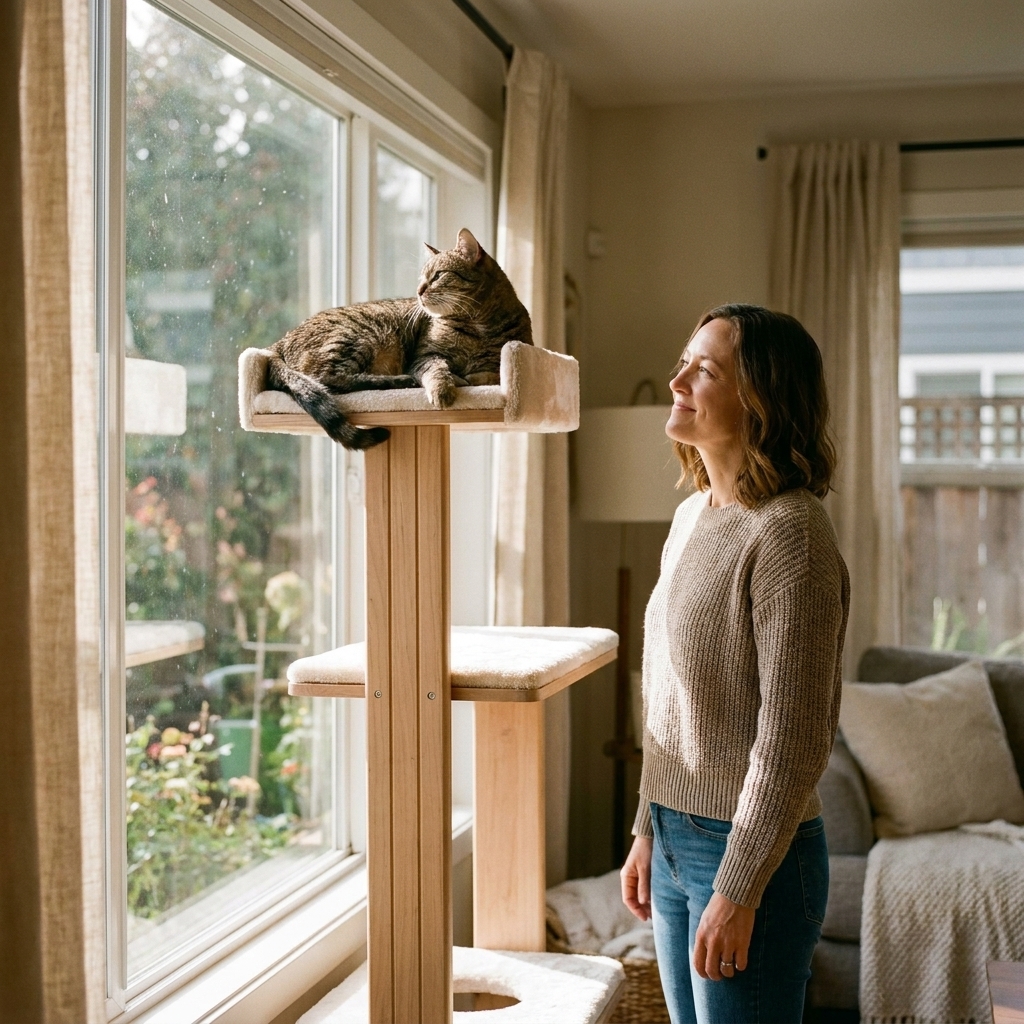
- Add vertical space: cat tree, wall shelves, or a cleared bookcase level
- Ensure there is a route to retreat that does not involve crossing a “bully” cat’s path
Upgrade the scratching setup
Scratching is stress relief and territory marking. An anxious cat may scratch more.
- Offer both vertical and horizontal scratchers
- Place scratchers near sleeping areas and favorite pathways
- Use sturdy options that do not wobble
Feed the hunter brain
- Use food puzzles or treat balls for part of daily calories
- Scatter feed dry food if your cat eats kibble (in a clean, safe area)
- Try “hunt, catch, eat” play: wand toy session followed by a small meal
Calming techniques you can do today
1) Set up a quiet safe room
For visitors, repairs, fireworks, or moving day, a safe room can prevent panic spirals.
- Choose a low-traffic room with a door
- Add litter box, water, food, bed, and a hiding spot
- Close curtains if outside cats are a trigger
- Use white noise or calming music at a low volume
2) Use consent-based affection
Many anxious cats get overwhelmed by well-meaning cuddles. Let your cat choose contact. Offer a hand, see if they rub in, and stop after a few seconds to see if they ask for more.
3) Teach a simple mat settle
This is a gentle training exercise that builds confidence.
- Place a small blanket or mat in a calm room
- Toss a treat onto the mat when your cat approaches
- Gradually reward for stepping on, then sitting, then relaxing
- Keep sessions short and end on success
4) Reduce visual triggers
If your cat is reacting to outside cats, block access to that “battle window” temporarily.
- Frosted window film on the lower half of the window
- Close blinds at peak outdoor-cat hours
- Move a perch to a different window to redirect watching behavior
Multi-cat tension: reset the room
If your stress is happening in a multi-cat home, think like a traffic engineer. Your goal is to reduce forced encounters and competition.
Simple steps that help fast
- Spread out resources: separate food, water, and litter box stations so one cat cannot guard them.
- Add vertical “passing lanes”: shelves, cat trees, and furniture routes so cats can move without squeezing past each other.
- Use short separations: if ambushing is happening, give everyone a break with baby gates or closed doors, then reintroduce shared space gradually.
- Reward calm co-existence: treats when they are in the same room and relaxed, not when they are posturing.
If there is fighting with injury risk, or one cat is chronically hiding, it is worth getting veterinary behavior help sooner rather than later.
Carrier and vet visit anxiety
Many cats are not “bad at the vet,” they are terrified of the carrier, the car, or the handling. A little conditioning goes a long way.
Make the carrier less scary
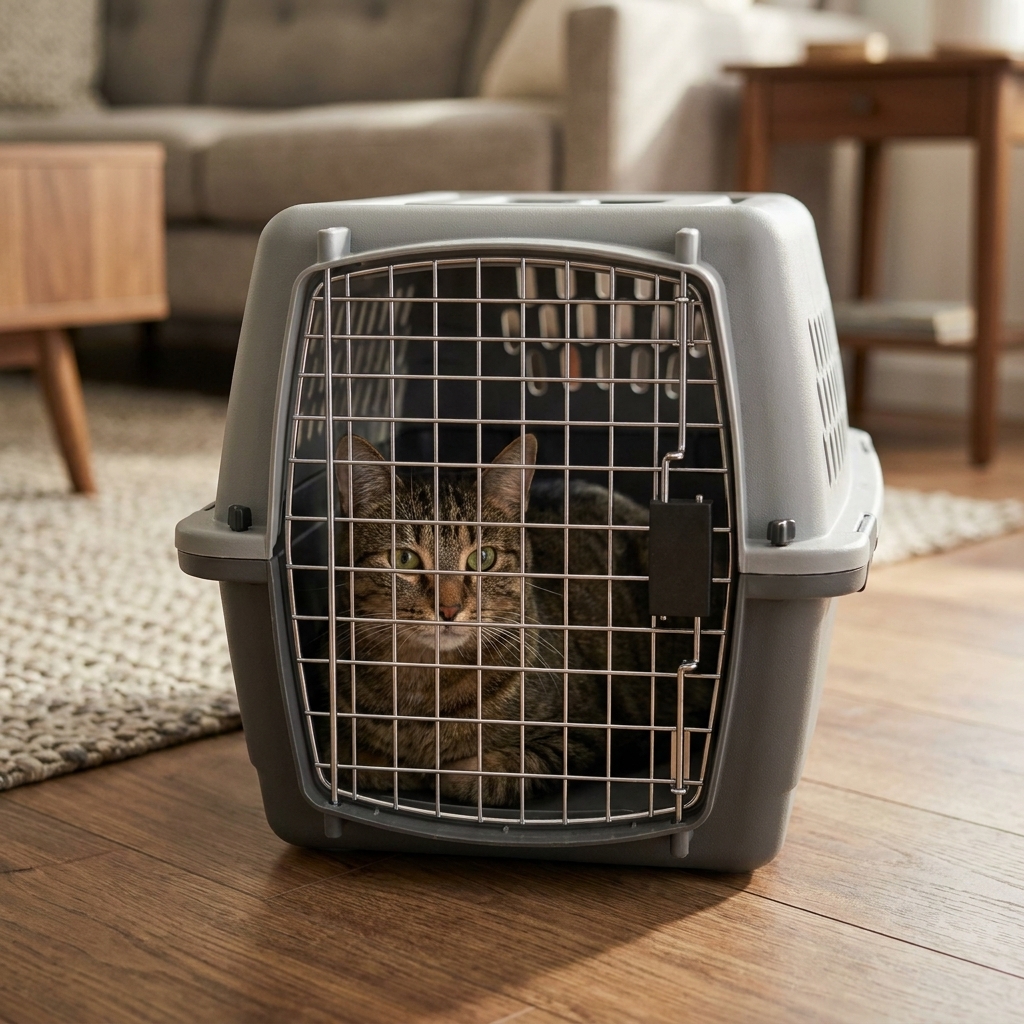
- Leave the carrier out year-round with a soft bed inside
- Feed treats or meals near it, then inside it, at your cat’s pace
- Practice brief door-closes, reward, then open right back up
- Use a pheromone spray on a towel or bedding, and let it dry before use
If your cat panics in transit, ask your vet about pre-visit medication. For some cats, it is the difference between trauma and a manageable appointment.
Litter box stress
I cannot tell you how many stress cases show up first as litter box issues and then become anxiety because everyone is stressed. If your cat is avoiding the box, think comfort and safety.
Quick litter box checklist
- Number of boxes: Aim for one per cat, plus one extra
- Location: Quiet, easy to access, and not cornered by another cat
- Litter: Unscented, soft texture; keep it consistent during transitions
- Cleanliness: Scoop daily, fully refresh as needed
- Box style: Many cats prefer large, open boxes with low entry
If accidents persist, see your veterinarian promptly. If your cat is straining to urinate, visiting the box repeatedly, crying, or producing little or no urine, treat it as an emergency, especially in male cats.
When anxiety needs more help
Some cats need more than natural remedies. In many cases, medication is not “sedating the cat.” It is lowering the panic enough that the cat can learn new associations and feel safe again.
Consider veterinary or behavior support if you see:
- Self-injury from overgrooming or frantic scratching
- Aggression that seems unpredictable
- Chronic hiding and reduced quality of life
- Persistent urine marking
- Anxiety that worsens over weeks rather than improving
Your primary vet can discuss medication options and may refer you to a veterinary behaviorist for a full plan. If you work with a trainer or behavior consultant, make sure they use reward-based methods and avoid punishment.
Frequently asked questions about cat anxiety
How long does it take to calm an anxious cat?
For mild stress, you may see improvement within days once triggers are reduced. For chronic anxiety, plan for several weeks of consistent routine, enrichment, and calming supports. With multi-cat tension or long-standing fear, progress can take months, but it is usually very doable.
Do calming treats work for cats?
Some do, especially those featuring ingredients like L-theanine or alpha-casozepine. Treats work best when paired with environmental changes. If your cat refuses the treat or gets an upset stomach, discontinue and talk with your vet about alternatives.
Can catnip calm a cat?
It depends. Catnip can be stimulating for many cats, which is not ideal for anxiety. Silver vine and valerian can also be activating. If your cat gets “wild” with these, skip them and focus on steady routines and safe spaces instead.
Is it okay to pick up a scared cat and comfort them?
Usually, no. A frightened cat often feels trapped when held, even by someone they love. Offer safety instead: reduce noise, dim lights, open access to a hiding spot, and sit nearby quietly. Let your cat decide when to approach.
A gentle plan to start tonight
If you are feeling overwhelmed, start small. I use this three-part reset in foster homes all the time:
- Lower the pressure: create one calm safe zone with hiding and vertical space
- Add predictability: two short play sessions and consistent mealtimes
- Support the nervous system: try a pheromone diffuser and discuss supplements with your vet
Anxious cats are not being difficult. They are communicating that something feels unsafe. With patience and the right setup, many cats can learn to relax in their home again, and watching that shift happen is one of the most rewarding parts of living with them.