If you have ever stood in the pet store aisle staring at “immune support,” “skin and coat,” and “calming” chews, you are not alone. Supplements are everywhere, and they can sound so reassuring, especially when you are trying to do right by a picky eater, a senior cat, or a rescued kitty with a mysterious past.
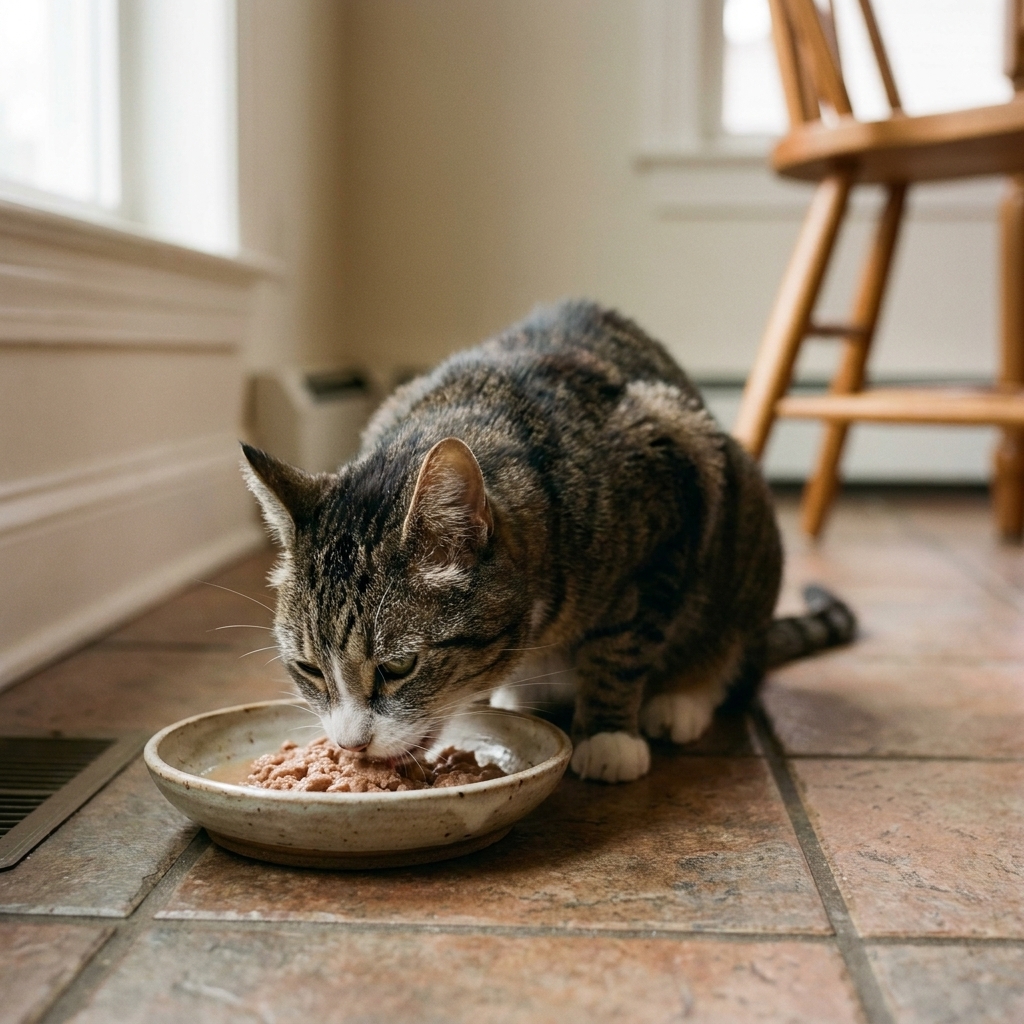
Here is the truth I share with adopters and clients all the time: most healthy cats eating a complete and balanced diet do not need extra vitamins. In some cases, adding them can do more harm than good. That said, a few supplements can be genuinely helpful when there is a clear goal, a solid product, and your veterinarian is on board.
Vitamins vs. supplements
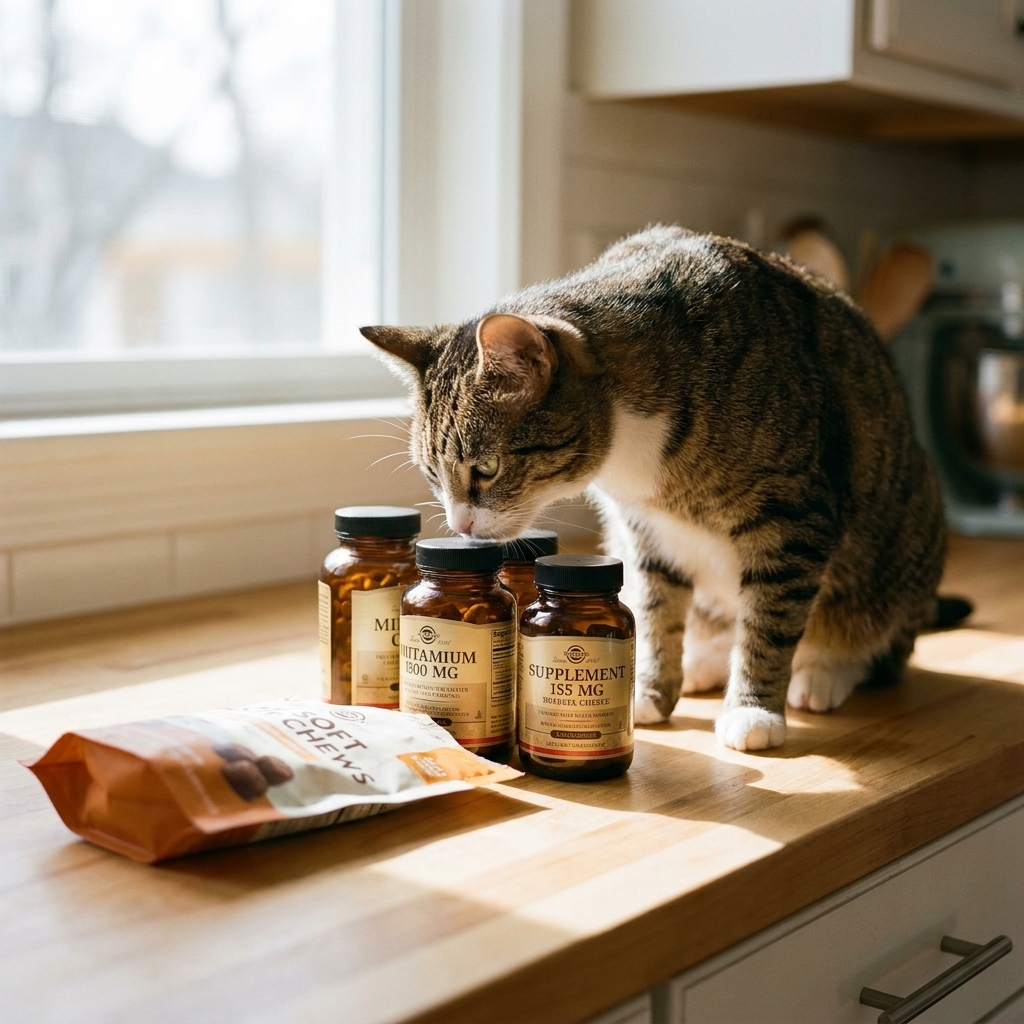
When people say “vitamins,” they often mean any add-on: a multivitamin, fish oil, probiotics, joint chews, hairball gels, or even herbal calming products. Technically:
- Vitamins are specific micronutrients (like vitamin A, D, E, B vitamins).
- Minerals include things like calcium, phosphorus, zinc, iron, iodine.
- Supplements is the big umbrella that includes vitamins, fatty acids (omega-3s), probiotics, amino acids, joint compounds, and more.
A nutritionally complete cat food that meets AAFCO or FEDIAF standards is formulated to provide the required vitamins and minerals in the right amounts. That is the key phrase: right amounts. More is not automatically better in cats.
When supplements help
I see supplements help most when they fall into one of these buckets:
- A diagnosed medical condition (for example osteoarthritis, chronic kidney disease, inflammatory bowel disease), where your vet wants nutritional support alongside other care.
- A life stage or special situation where needs shift (senior cats, recovery after illness, kittens who are not eating a balanced diet yet).
- A carefully chosen targeted add-on with some evidence behind it (omega-3s and certain joint ingredients are good examples).
- A diet gap such as home-cooked diets that are not properly formulated, or cats on unbalanced feeding plans.
Supplements are least helpful when they are used as a shortcut for something bigger, like untreated dental pain, stress, poor litter box setup, or a diet that is not actually complete and balanced.
Do healthy cats need a multivitamin?
In most cases, no. If your cat eats a complete and balanced commercial diet (wet, dry, or a combination), adding a multivitamin can tip nutrients into excess.
Why extra can be risky
- Fat-soluble vitamins can accumulate: Vitamins A and D are the big ones. Too much can cause serious health issues over time.
- Mineral balance matters: Adding calcium, phosphorus, or trace minerals can interfere with the overall formulation, especially for cats with urinary or kidney concerns.
- Palatability and stomach upset: Many multivitamins cause nausea, drooling, or diarrhea. If you have ever watched a cat foam at the mouth after a bitter liquid, you know what I mean.
When a multivitamin might make sense: if your veterinarian has identified a deficiency risk, or if your cat is eating a non-standard diet that is not formulated to be complete. This includes many home-prepared diets unless a veterinary nutritionist has balanced the recipe and included a supplement mix designed for that exact plan.
Omega-3s (fish oil)
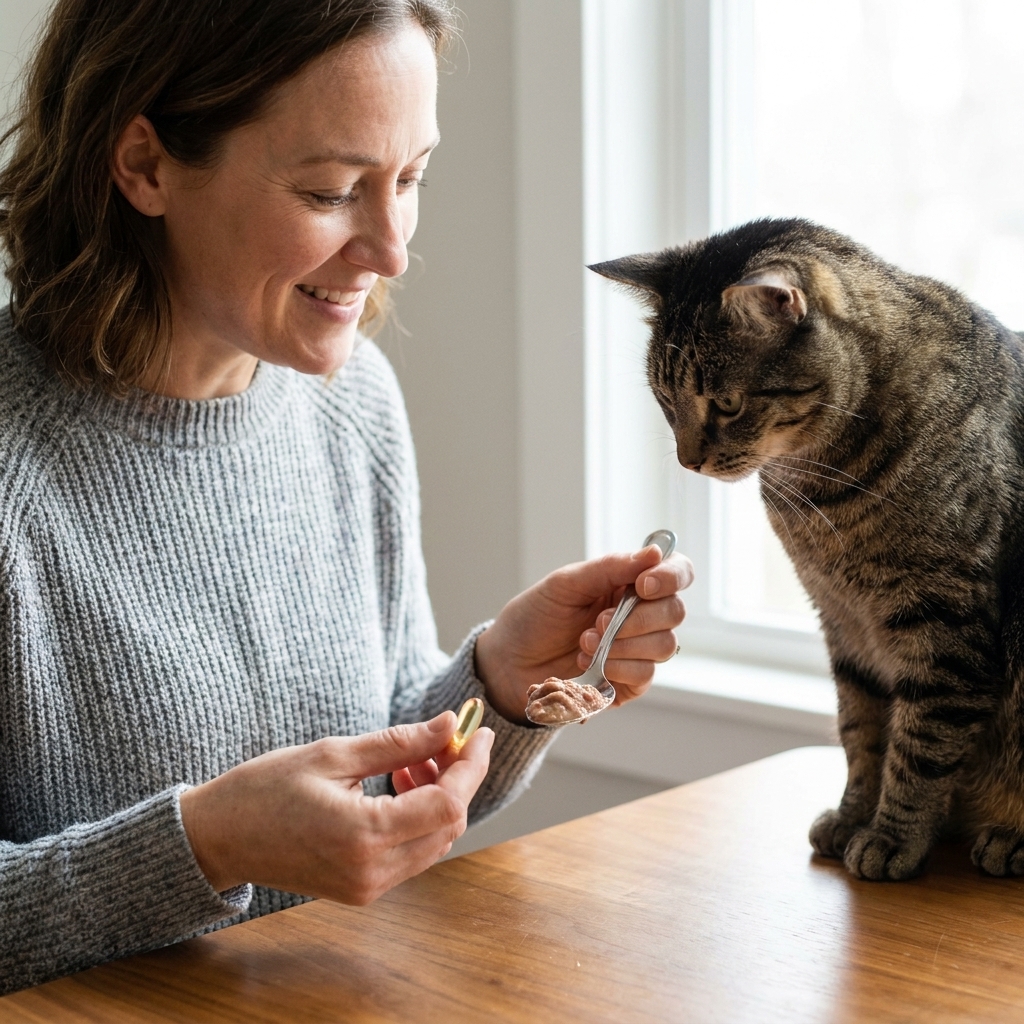
If I had to pick one category that is often genuinely helpful, it is omega-3 fatty acids, specifically EPA and DHA (commonly from fish oil or algae oil). Omega-3s can support:
- Skin and coat (itchy, dry skin, dull coat)
- Inflammation modulation (some allergic skin disease cases, some inflammatory conditions)
- Joint comfort as part of an arthritis plan
- Heart and kidney support in certain cases, under veterinary guidance
How to choose
- Look for EPA and DHA amounts clearly listed (not just “fish oil 1000 mg”). Dosing discussions should be based on EPA plus DHA, not total oil.
- Prefer products made for pets or high-quality human products that list purity testing.
- Store correctly: omega-3s oxidize. Choose opaque bottles, check expiration dates, and keep them sealed.
Common mistakes
- Too much too fast, which can cause diarrhea and vomiting. High-fat add-ons can also be a problem for cats with a history of pancreatitis or fat intolerance, so loop your vet in.
- Using cod liver oil as a “fish oil.” Cod liver oil can contain high vitamins A and D, which is not what you want to casually add.
My practical tip: start low, go slow, and talk dosing with your vet, especially if your cat is on medications or has a chronic condition. If your cat takes blood-thinning medications or has a bleeding disorder, ask about omega-3s before you start.
Probiotics
Probiotics can be useful for certain digestive issues, particularly:
- Loose stool related to stress or diet transition
- Some cases of antibiotic-associated diarrhea
- Support during a carefully managed food change
But they are not magic, and results vary by cat and by product. Probiotics are strain-specific, and not all strains do the same job.
What to look for
- Clear labeling of strains and CFUs (colony-forming units) through expiration, not “at time of manufacture.”
- Good storage guidance (some need refrigeration, some do not).
- A simple ingredient list if your cat has food sensitivities. Many powders are fine, but some chews are packed with extras.
When to skip supplements
If your cat has chronic vomiting, weight loss, blood or mucus in stool, or persistent diarrhea, skip the supplement guessing game and book a vet visit. I have fostered plenty of “sensitive stomach” cats who turned out to have parasites, dental disease, pancreatitis, or inflammatory bowel disease that needed real diagnostics.
Joint supplements
Arthritis in cats is wildly underdiagnosed because cats are masters of quiet coping. Instead of limping, they often:
- Stop jumping up
- Hesitate before stairs
- Miss the litter box edge
- Groom less or get a “scruffy” coat
- Seem crankier about being touched
Joint supplements can be a useful piece of a bigger comfort plan that may include weight management, environmental changes, and vet-prescribed pain control.
Ingredients with the best odds
- Omega-3s (EPA/DHA) for inflammation support
- Green-lipped mussel, which has promising evidence in pets and may help some cats
- Undenatured type II collagen (UC-II), which may benefit some cats, though responses vary
Ingredients like glucosamine and chondroitin are very common. Some cats seem to benefit, but evidence is mixed and product quality varies. If you use them, choose reputable brands and give it a fair trial window.
How long to trial
Most joint supplements are not instant. I typically tell clients to look for changes over 4 to 8 weeks, unless the product is causing stomach upset. If nothing changes, it is not “failing” you. It is simply not the right tool for your cat.
Hairball products
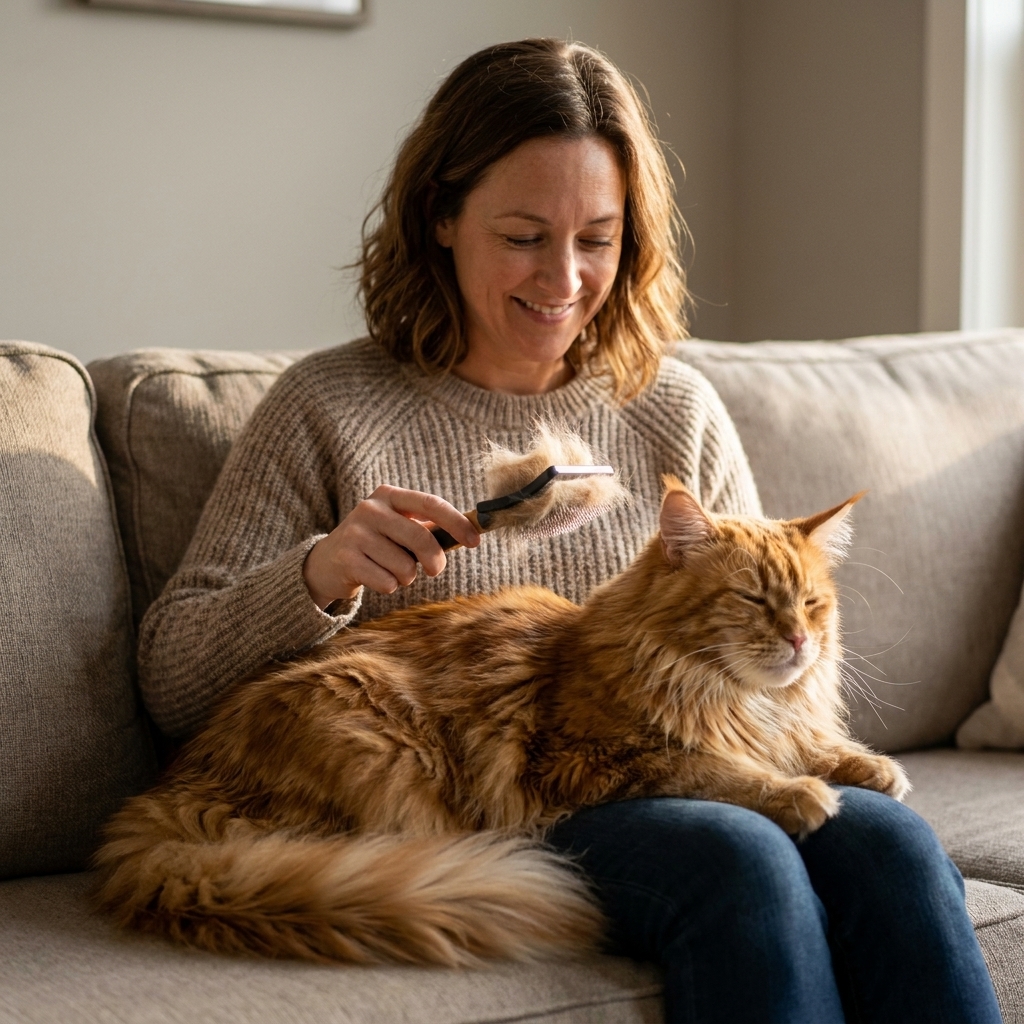
Hairballs are normal to a point, especially in long-haired cats. The goal is to help swallowed hair move through the digestive tract instead of clumping.
What usually helps most
- More hydration (wet food, water fountains, adding water to meals if your cat accepts it)
- Regular grooming to reduce loose hair ingestion
- Appropriate fiber if your vet agrees, especially for cats prone to constipation
Hairball gels often use petroleum-based lubricants. Some cats do fine, but I do not love them as an everyday habit, especially for cats that are already prone to tummy trouble. If you are seeing frequent vomiting, talk to your vet. Repeated “hairballs” are sometimes gastrointestinal disease in disguise.
Calming supplements
I get it. When your cat is stressed, you will try almost anything to help. Calming supplements can be worth a try for mild stress, but they are not a substitute for addressing the cause.
Common options
- L-theanine and alpha-casozepine in some veterinary calming products
- Melatonin (should be vet-directed, especially with medical conditions or other sedating medications)
- Herbal blends (quality and safety vary a lot, and some herbs can interact with medications)
If your cat has litter box avoidance, aggression, overgrooming, or urine marking, think “behavior and environment” first, then discuss supplements as an add-on. In my experience, the biggest breakthroughs come from changing the setup: litter box count and location, play routines, predictable feeding, safe hiding spots, and stress reduction in multi-cat homes.
Supplements that cause trouble
These are the ones I am most cautious about, because I see side effects or false reassurance:
- Human gummy vitamins: may contain xylitol or other sugar alcohols, plus doses not designed for cats. Xylitol is highly toxic to dogs and should be treated as unsafe around cats as well.
- High-vitamin fish oils (like cod liver oil): can push vitamins A and D too high.
- Detox products: your cat already has organs that process and eliminate waste. Evidence is thin, and some ingredients can irritate the gut or even stress the liver in cats.
- Essential oils given orally or applied to fur: many are unsafe for cats.
Quality and regulation
This is the frustrating part: supplements are not regulated like prescription drugs, and quality control can vary a lot from brand to brand. When I help someone choose a product, I look for signs the company takes manufacturing seriously:
- Third-party quality seals (for pet products, the NASC seal is a common one)
- Transparent testing for purity and contaminants, especially with fish oils
- Clear contact information and lot numbers on packaging
- Realistic claims rather than miracle language
If a company cannot tell you where the ingredients come from, how they test the final product, or how they confirm potency through the expiration date, I usually move on.
How to tell if your cat needs supplements
Instead of asking, “What supplement should I buy?” try asking, “What problem are we solving?” These signs warrant a vet conversation before you add anything:
- Weight loss or reduced appetite
- Chronic vomiting or diarrhea
- Dull coat, excessive dandruff, or persistent itching
- Stiffness, reduced jumping, litter box accidents in a senior cat
- Excessive thirst or urination
- Any cat on a homemade diet that has not been professionally balanced
Sometimes the best “supplement” is actually a diet change to a veterinary therapeutic food that targets the issue more reliably than over-the-counter add-ons.
A quick note on taurine
Taurine is not a trendy add-on, but it is essential for cats. A complete and balanced commercial diet contains taurine in the right amount. The biggest taurine mistakes I see happen with unbalanced homemade diets, poorly formulated raw diets, or creative feeding plans that are not built by a veterinary nutritionist.
Safety checklist
- Check with your veterinarian if your cat has any chronic disease, takes medications, is a kitten, is pregnant, or is elderly.
- Introduce one product at a time so you can identify what caused any reaction.
- Start with a tiny dose for 3 to 5 days, then increase gradually as directed.
- Watch for stomach upset: vomiting, diarrhea, drooling, hiding, reduced appetite.
- Avoid doubling up on products with overlapping ingredients (for example, fish oil plus “skin and coat” chews that also contain omega-3s).
- Be skeptical of big claims: “cures kidney disease,” “reverses diabetes,” “prevents cancer” is a red flag.
Quick FAQ
Can I give my cat human vitamins?
Usually, no. Doses are not designed for cats, and some formulations include ingredients that are unsafe. If a veterinarian recommends a human product for a specific reason, follow their exact guidance.
Do indoor cats need extra vitamin D?
Not if they are eating a complete and balanced diet. Cats do not synthesize vitamin D from sunlight the way humans do, so diet is their primary source. That is exactly why adding extra vitamin D can be risky.
Is nutritional yeast safe for cats?
In small amounts, plain nutritional yeast is generally considered safe for many cats, but it should not be used to “balance” a diet or replace veterinary care. If you are using it as a topper and your cat has a sensitive stomach, go slowly and stop if you see gas or diarrhea.
What is the best supplement for picky eaters?
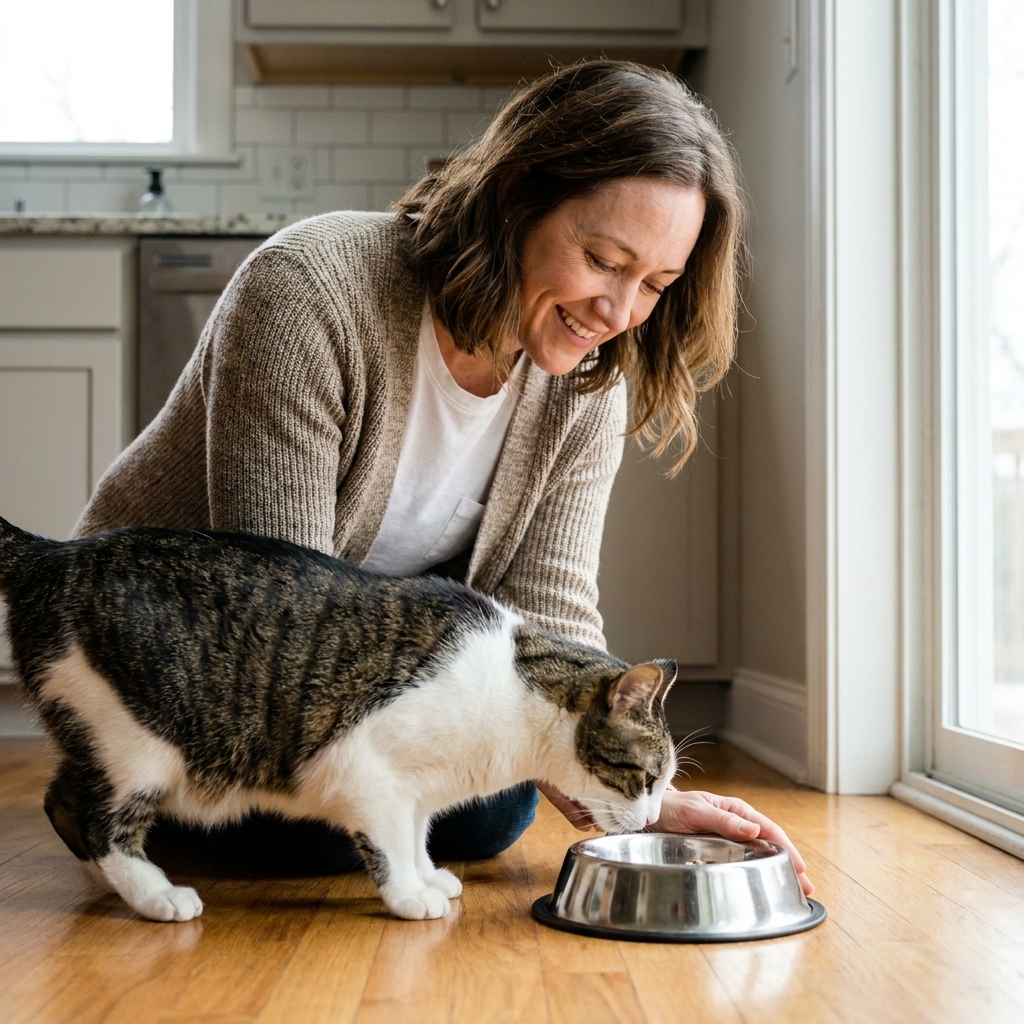
If “picky” is new behavior, rule out dental pain or nausea first. For truly picky cats, the best strategy is often food management rather than vitamins: scheduled meals, warming wet food slightly, trying different textures, and avoiding too many toppers that create a “my cat only eats if I add something” spiral. If your vet suspects a deficiency risk due to limited intake, they can recommend a targeted approach.
The bottom line
If your cat eats a complete and balanced diet and seems healthy, vitamins are usually not necessary and can sometimes cause problems. When supplements are helpful, they work best as targeted tools, not as a daily “just in case” habit.
If you want the most practical next step, pick one goal (skin, stool, joints, stress), talk it through with your veterinarian, and choose a high-quality product you can use consistently for long enough to judge results. Your cat does not need a cabinet full of powders and chews. They need the right support for their body.