If you live with a cat who is in the double digits, congratulations. You have officially entered my favorite chapter of cat parenting: the senior years. Depending on who you ask, “senior” can start somewhere around 10 to 12, and some cats act youthful well past that. Either way, older cats are often sweeter, cuddlier, and a little more opinionated about their routines. They are also masters at quietly coping with discomfort. That is why a simple, repeatable checklist matters.
This guide focuses on the three big themes I see most often in rescue and behavior work: arthritis pain, early kidney changes, and the diet adjustments that support both. I will also cover the vet testing that catches problems early and the home upgrades that make a huge difference with minimal effort.
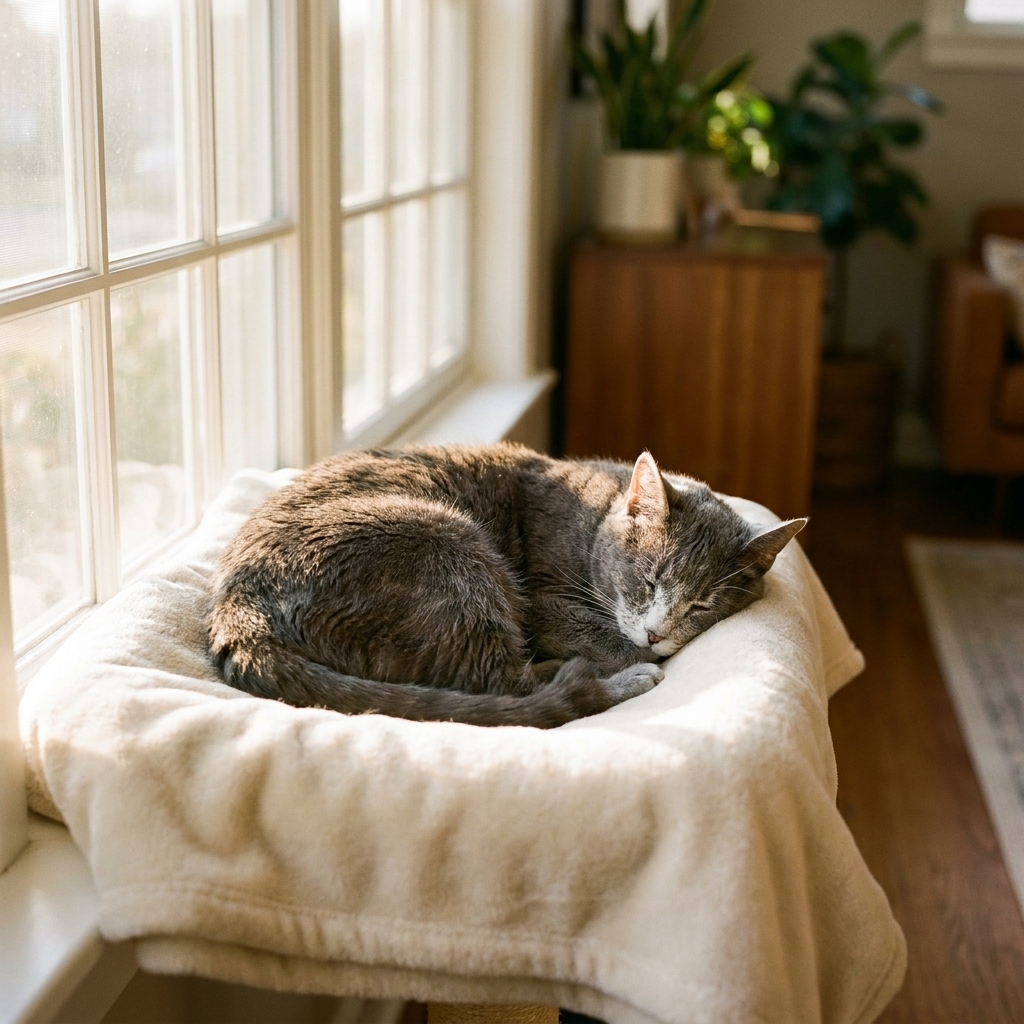
At-a-glance senior cat checklist
Bookmark this section and come back monthly. Small changes over time are the most important clues.
- Body and behavior: Weigh monthly, note appetite and thirst, track litter box output, watch jumping and grooming habits.
- Comfort: Add low-entry litter boxes, ramps or steps, soft, warm beds, and easy-access water stations.
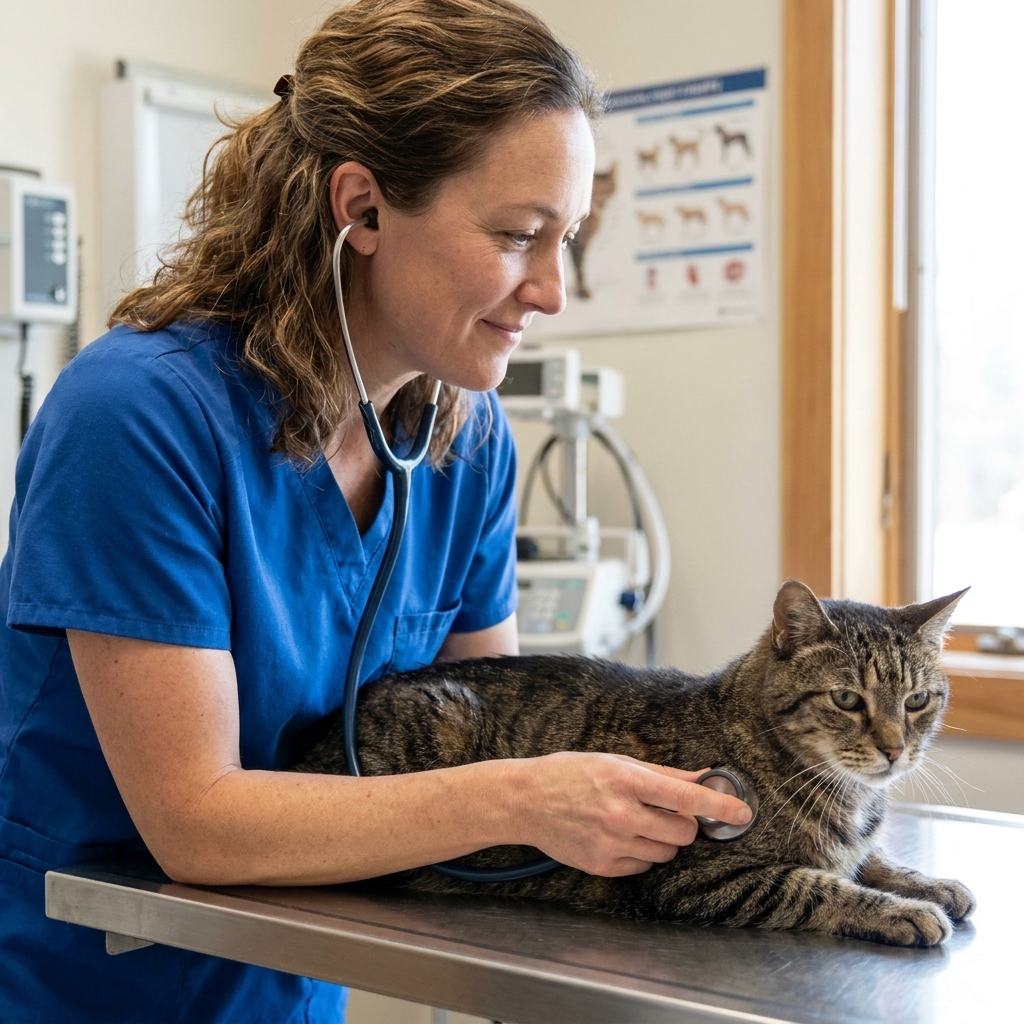
- Vet basics: Many senior cats do best with checkups about every 6 months, plus periodic bloodwork and urinalysis, blood pressure checks, and dental evaluations. Your veterinarian can tailor this to your cat and your budget.
- Arthritis screening: Look for subtle mobility and behavior shifts, discuss pain control options early.
- Kidney screening: Monitor hydration, urine volume, weight, and lab trends over time.
- Diet tune-up: Prioritize high moisture, age-appropriate calories and protein strategy, and a plan for picky eating.
Arthritis: the quiet senior issue
In my experience, many people imagine arthritis as obvious limping. In cats, it is usually sneakier. Cats change their habits to avoid pain. They jump less, groom less, and stop doing the things that used to make them feel confident.
Common arthritis signs people miss
- “She just doesn’t jump up anymore” or hesitates before jumping
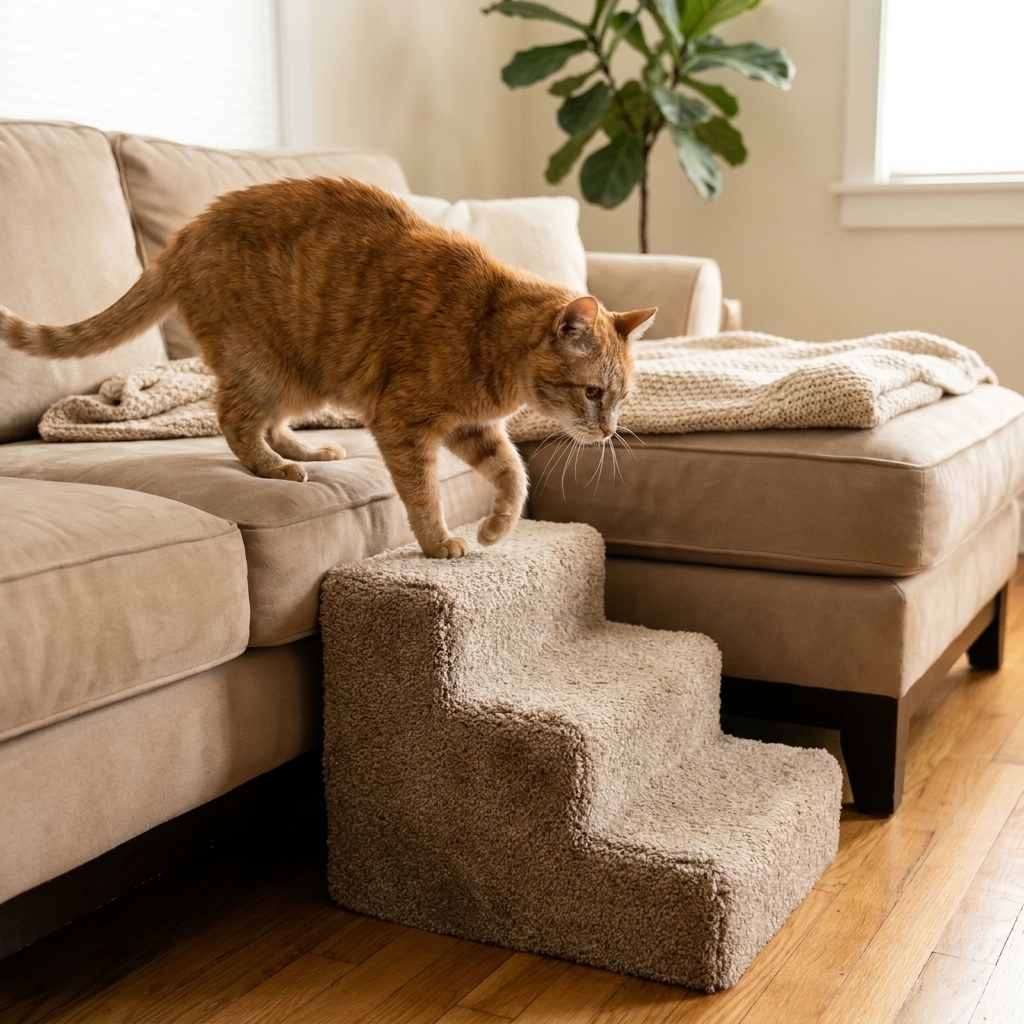
- Taking the long way to furniture, using intermediate steps, or pulling up with front legs first
- Less grooming, a dull coat, dandruff, or mats along the lower back
- Litter box changes, including peeing just outside the box or avoiding high-sided boxes
- Crankiness when touched, especially along hips, lower back, or shoulders
- Sleeping more or choosing different resting spots that require less climbing
- Nail overgrowth from reduced scratching and movement
If you are thinking, “Wow, that sounds like my cat,” you are not alone. Arthritis and degenerative joint changes are very common in older cats, and the good news is that we have more tools than ever to help.
What to ask your vet about (and what to avoid)
Start the conversation with a simple log: when the changes started, what your cat avoids, and any litter box accidents. Ask about:
- Pain control options: Your veterinarian can discuss cat-safe medications and newer long-acting options where appropriate.
- Joint supplements: Some cats benefit, especially when started early, but quality and dosing matter. Ask for a brand your clinic trusts.
- Weight management: Even a small amount of extra weight increases joint strain.
- Physical rehab guidance: Gentle, targeted movement can help some cats, but it should be tailored.
Important safety note: Never give human pain meds to cats unless your veterinarian specifically prescribes it. Many are toxic, even at small doses.
Another gentle caution: A lot of people reach for over-the-counter supplements, including CBD products. Some may interact with medications or be inconsistently formulated. Run anything new by your vet, especially for seniors with kidney or liver concerns.
Kidney health: what to notice early
Chronic kidney disease is one of the more common diagnoses we see as cats age, and it often develops gradually. Early support can meaningfully improve comfort and quality of life. The tricky part is that cats can look “fine” while changes are happening internally.
Everyday signs to watch at home
- Increased thirst or hanging out near water sources
- More urine clumps or larger clumps in the litter box
- Weight loss, especially if appetite seems unchanged
- Picky eating, walking away mid-meal, or new food fussiness
- Nausea clues like lip smacking, drooling, or sniffing food then refusing
- Constipation or drier stools
- Dehydration signs such as tacky gums or a dull coat
None of these automatically mean kidney disease, but they are good reasons to schedule a checkup. They can also overlap with other very common senior issues like dental disease, hyperthyroidism, and diabetes, which is another reason testing matters.
Senior lab work that tells a real story
Your veterinarian will tailor recommendations, but for many cats around 10 and up, this is a solid baseline:
- Bloodwork: Looks at kidney markers and overall organ function, plus electrolytes. Many clinics also include thyroid screening in older cats, depending on age and symptoms.
- Urinalysis: Helps evaluate urine concentration and detect issues like infection or crystals.
- Urine protein check: Protein loss can be an important clue in some cats.
- Blood pressure: High blood pressure can occur alongside kidney changes and can affect eyes, brain, and heart.
- Trend tracking: One test is a snapshot. Two or three over time is a story.
If money is tight, ask your vet which tests provide the best information for your specific cat. In rescue, we often prioritize what will change the treatment plan first.
Diet after 10: goals and traps
I am, admittedly, a cat nutrition nerd. But I also keep it practical: senior diets are less about “the perfect food” and more about meeting a few key goals consistently.
Goal 1: Hydration
Many senior cats benefit from higher-moisture diets, especially if kidney values are trending upward or constipation is a recurring issue. Practical ways to boost water intake:
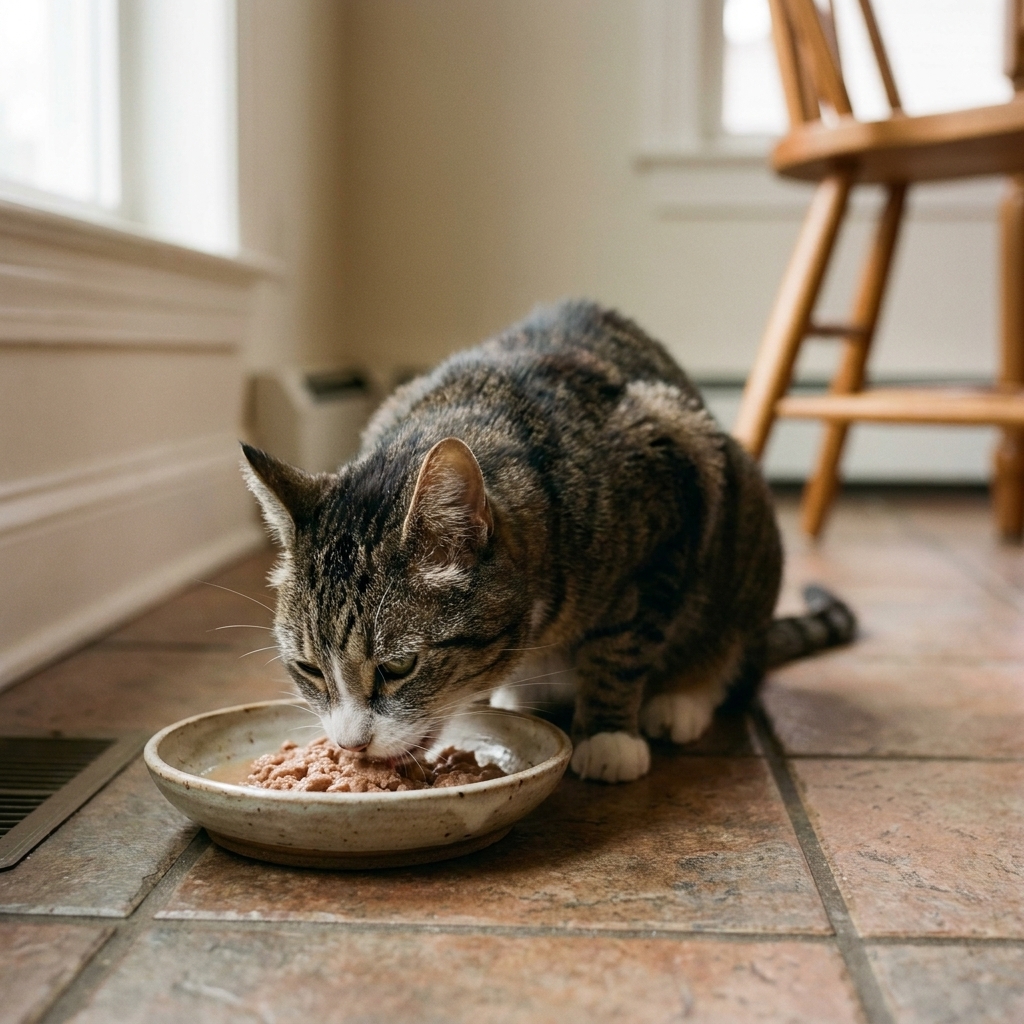
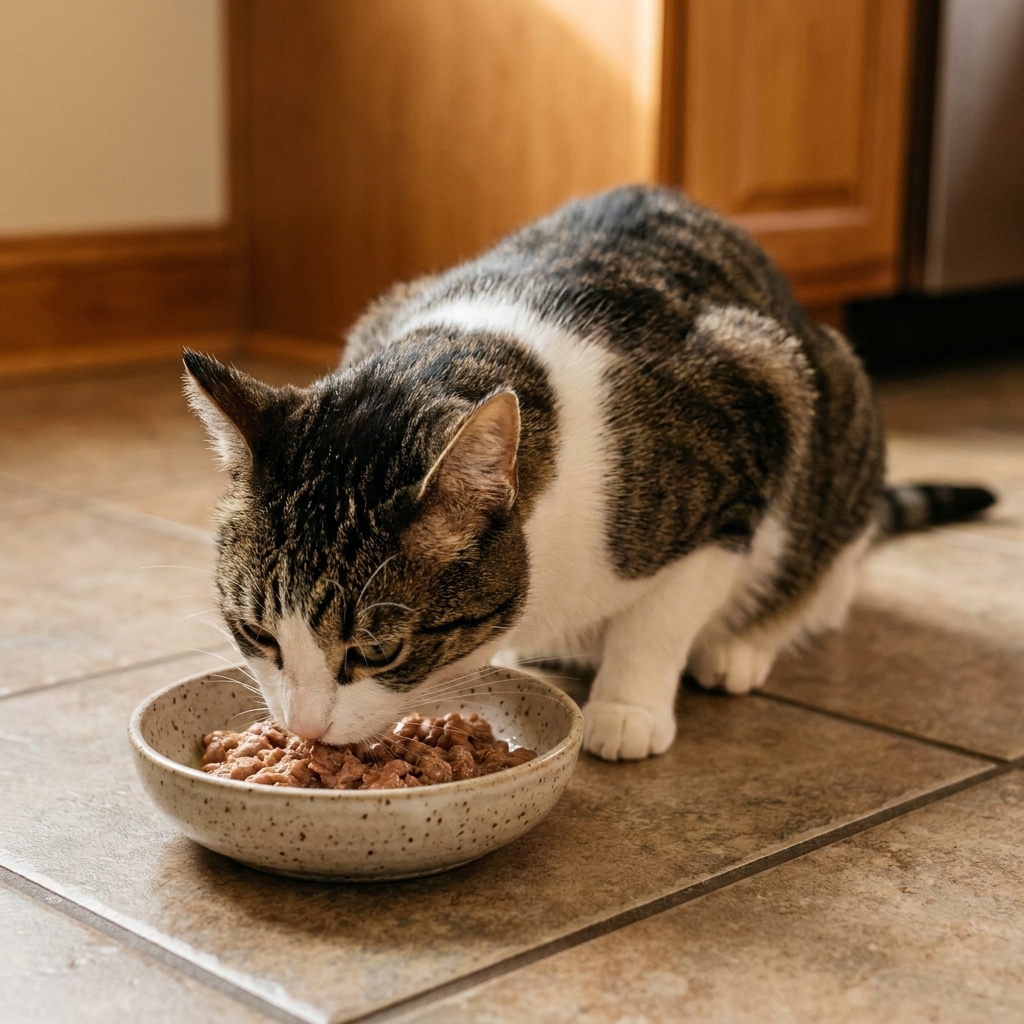
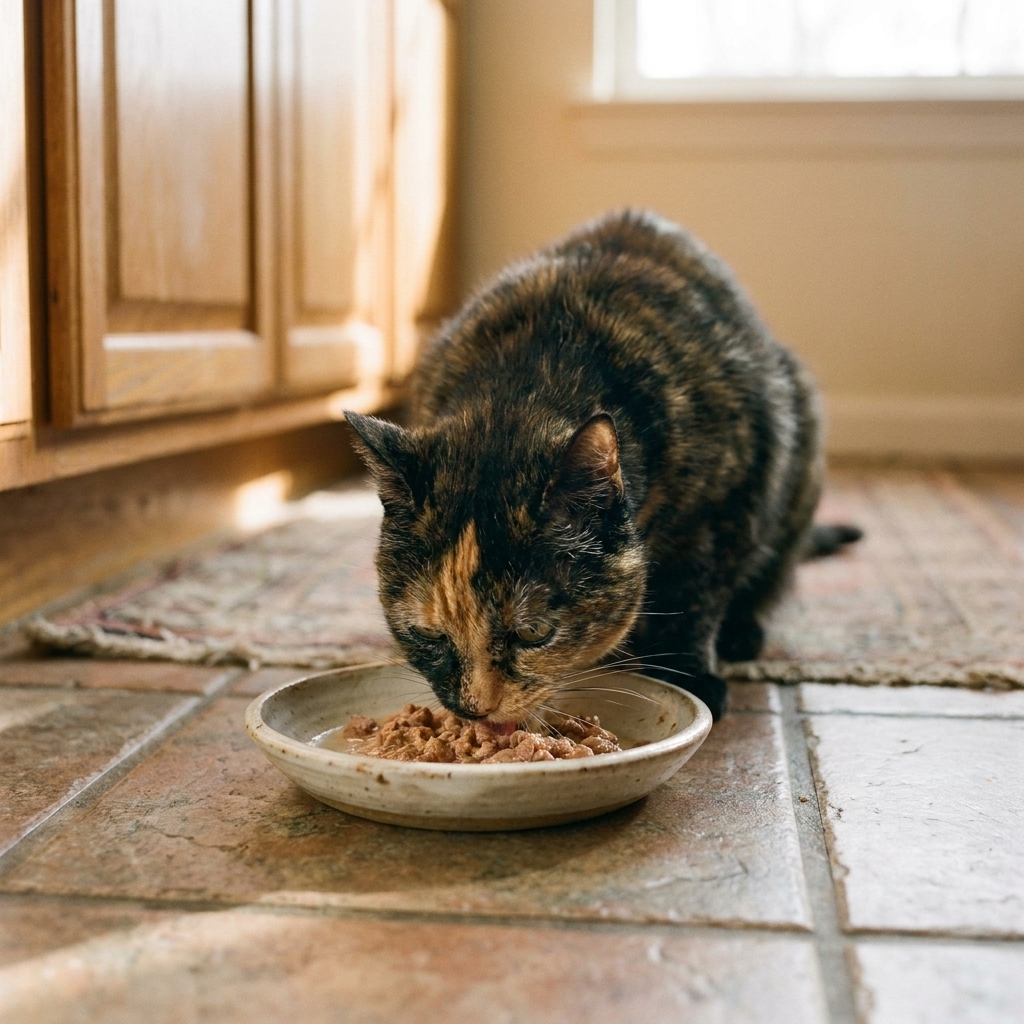
- Prioritize wet food for at least part of the day if your cat will eat it.
- Add water or unsalted broth to wet food to make a stew consistency.
- Use multiple water stations in quiet locations.
- Try a pet fountain if your cat prefers moving water.
If your cat only eats dry food, do not panic. Work with your vet on a realistic plan, and focus on increasing water intake through environment and feeding routines.
Goal 2: Maintain muscle, not just weight
Older cats can lose muscle even when the scale looks stable. You want your cat to stay strong in the shoulders, back, and hind end. This is one reason regular weigh-ins and body condition checks matter.
Ask your vet whether your cat needs:
- More calories (some seniors get thin easily)
- Fewer calories (if mobility drops and weight creeps up)
- A protein strategy tailored to medical status, especially if kidney disease is diagnosed
Nutrition for kidney disease can be nuanced, and it is not just “lower protein.” Kidney-support diets often focus heavily on controlling phosphorus (and other mineral balances), while still keeping calories and palatability high enough that your cat actually eats.
Goal 3: Make eating comfortable
Arthritis can make it uncomfortable to lean down. Dental pain can make crunchy foods hard. Nausea can make mealtimes stressful. Simple adjustments:
- Use a slightly raised bowl for cats who seem stiff.
- Offer smaller, more frequent meals to reduce nausea and keep calories steady.
- Warm wet food slightly to increase aroma for picky seniors.
- Keep routines predictable, especially in multi-cat homes where seniors can feel pressured.
Home modifications that help
Senior cats want independence. The goal is to reduce the number of times your cat has to choose between “do it the hard way” and “do not do it at all.”
Litter box upgrades
- Low entry: Choose a low-entry box or cut a doorway into one side of a plastic storage bin.
- One box per floor: Seniors should not have to navigate stairs urgently.
- Soft, unscented litter: Strong fragrances can be off-putting, and some seniors prefer gentler textures.
- Large box footprint: Give stiff hips room to turn around comfortably.
Steps, ramps, and landing zones
- Add pet stairs to favorite furniture.
- Create halfway perches like ottomans that break up big jumps.
- Use non-slip rugs on slick floors to prevent sliding.
Warmth and sleep
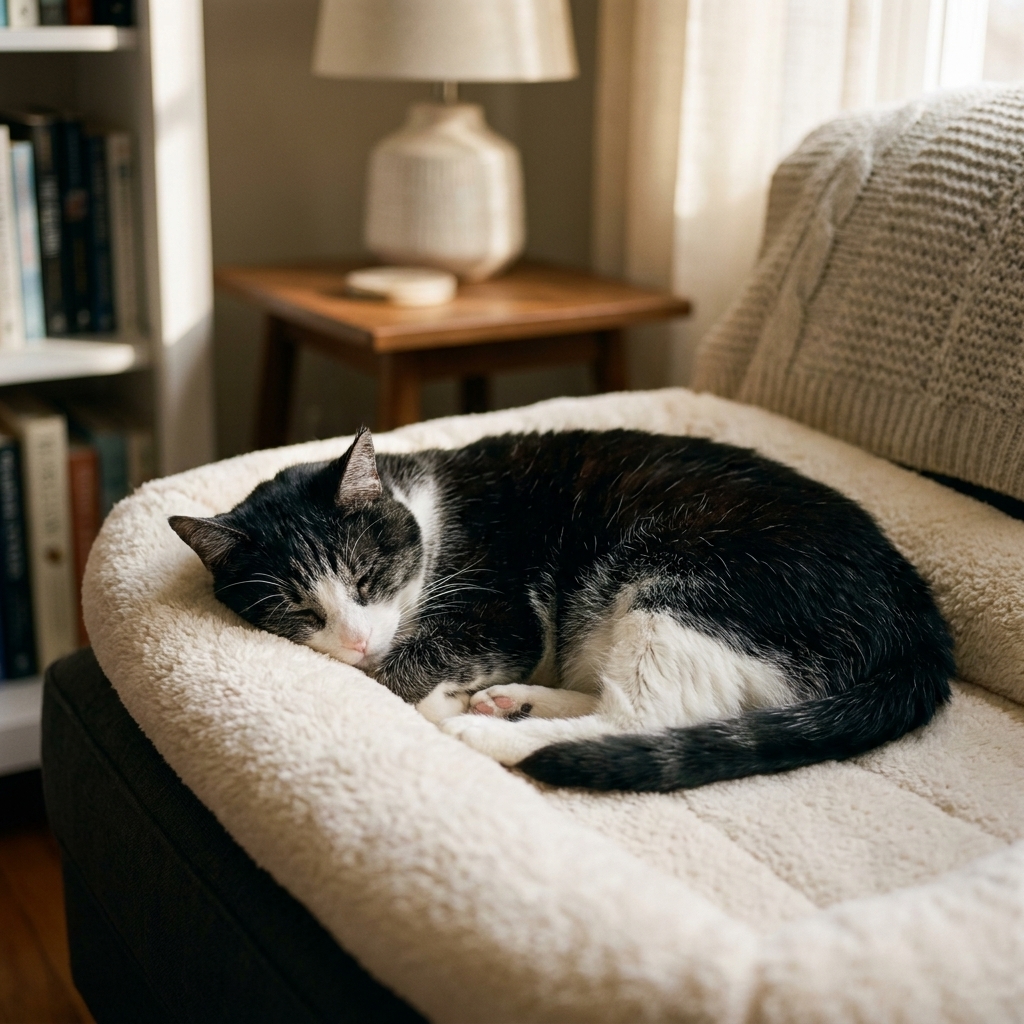
Older joints often feel better with warmth. Place beds away from drafts. If you use a heating pad, make sure it is designed for pets and always allows your cat to move away from heat.
Vet visit planning for older cats
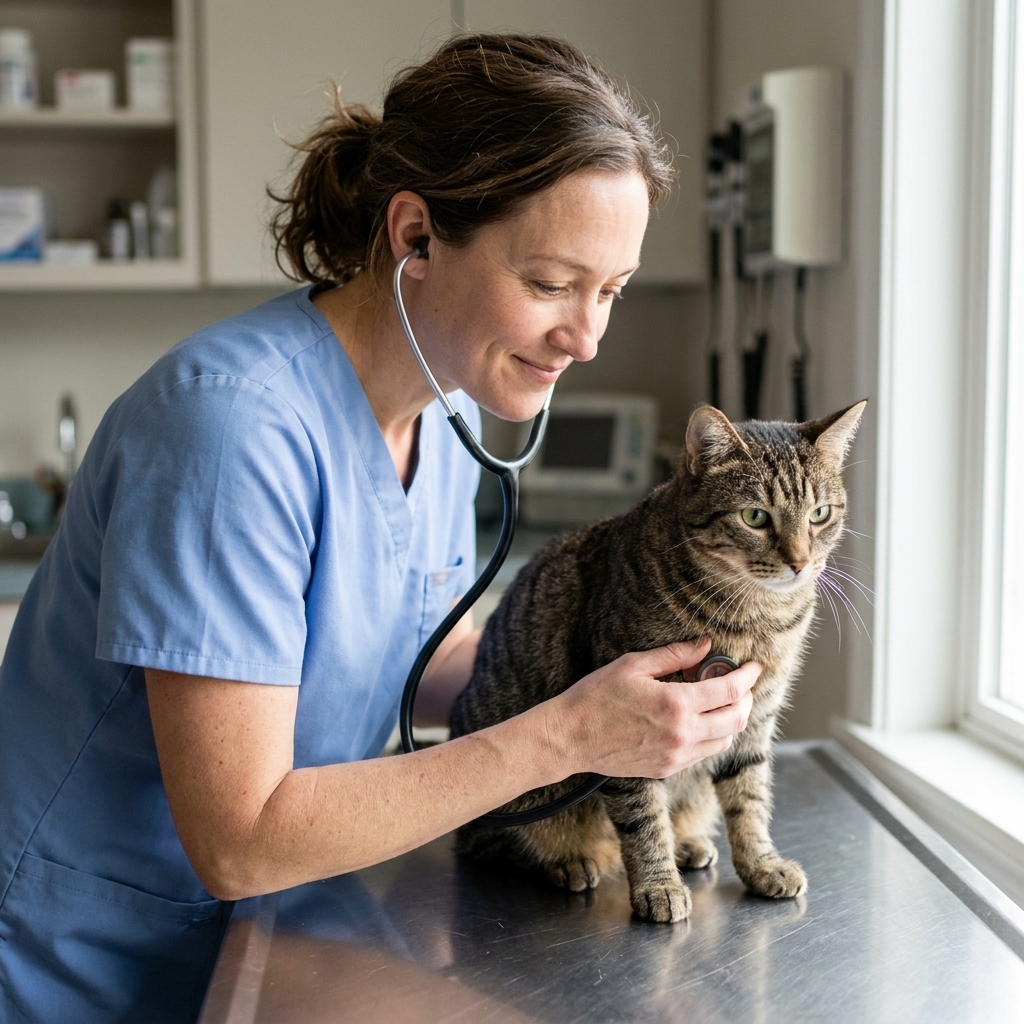
For many seniors, checkups about twice a year are ideal. Cats age faster than we do, and a lot can change in six months. Some cats can go longer, and some need more frequent monitoring. Your vet can help you pick a schedule that fits your cat’s health profile.
Bring this cheat sheet
- Current diet (brand, flavor, how much per day, treats)
- Water intake changes you have noticed
- Litter box notes (clump size, frequency, accidents)
- Weight history if you have it
- Mobility notes (jumping, stairs, grooming, stiffness)
- Any vomiting, constipation, or appetite shifts
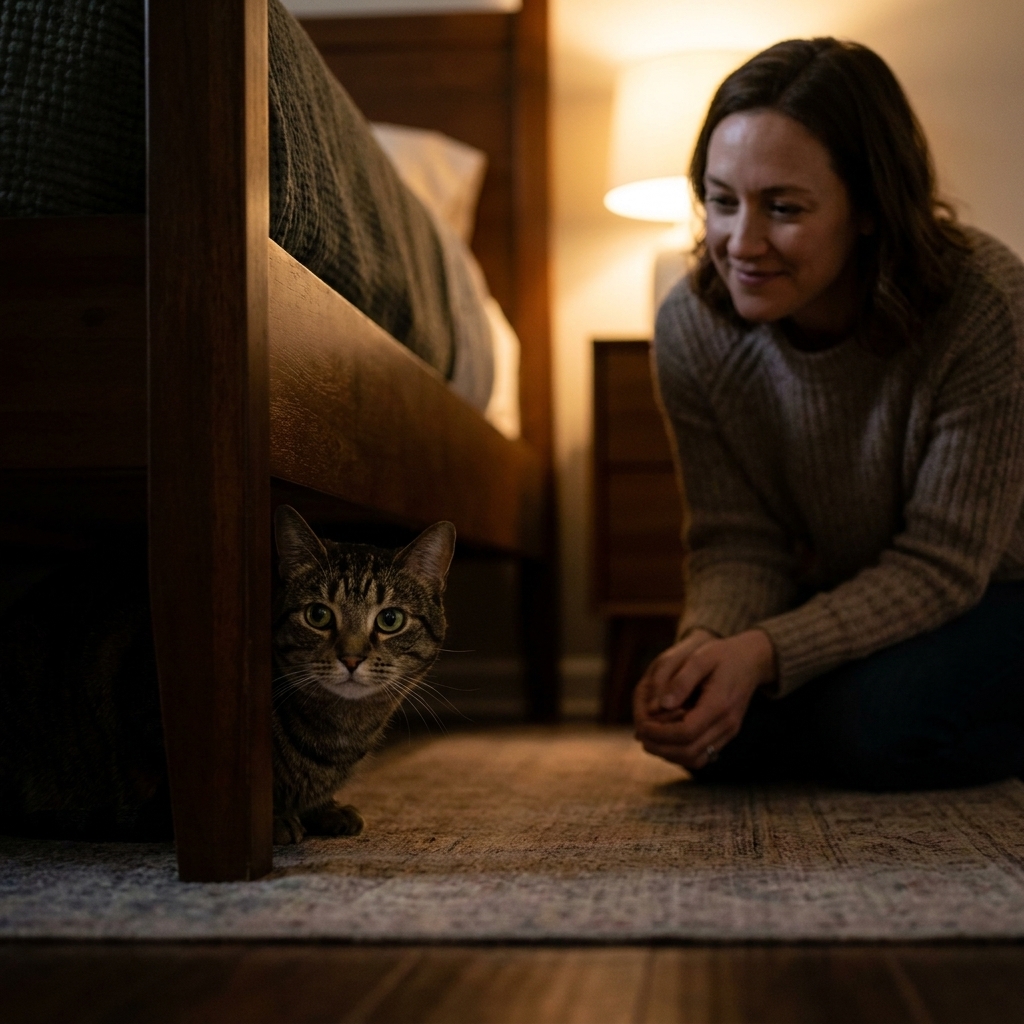
- Behavior changes (hiding, irritability, nighttime restlessness)
If your cat gets stressed at the vet, ask about pre-visit calming strategies. Fear-free handling and a good plan can turn a scary day into a manageable one.
Monthly at-home monitoring
You do not need fancy equipment. You need consistency.
What I recommend tracking
- Weight: Use a baby scale or weigh yourself holding your cat, then subtract. Aim for monthly.
- Appetite: Note how quickly meals are finished and any food refusals.
- Water and urine: Pay attention to bowl refills and litter clump size.
- Coat and grooming: Look for dandruff, mats, or greasy patches.
- Mobility: Record any new hesitations, slips, or changes in jumping.
Patterns are what matter. A single off day is usually not the story. A slow drift over weeks often is.
When to call the vet sooner
Senior cats can go downhill quickly when something is brewing. Reach out promptly if you notice:
- Not eating for 12 to 24 hours (sooner if your cat has known health issues)
- Rapid weight loss or sudden weakness
- Vomiting repeatedly or signs of dehydration
- Straining in the litter box or crying while urinating
- Sudden hind-end weakness, collapse, or severe pain
- Open-mouth breathing or significant breathing changes
- Noticeable vision changes, bumping into things, or sudden dilated pupils
FAQ: Arthritis, kidneys, and diet
At what age is a cat considered a senior?
Many veterinarians start thinking “senior” somewhere around 10 to 12 years old, with a “mature” phase before that. Age is a guide, not a verdict, and the cat in front of you matters more than the label.
Can my cat have arthritis without limping?
Absolutely. In cats, arthritis often shows up as behavior change: less jumping, less grooming, sleeping more, or litter box avoidance. Think “avoidance,” not “limp.”
Should I switch to a senior food automatically?
Not automatically. “Senior” formulas vary widely. The best choice depends on your cat’s weight trend, muscle condition, dental health, kidney values, and appetite. I like to make diet changes based on what the cat in front of me actually needs, not just the number on the birthday candle.
Is wet food always better for senior cats?
Wet food can be very helpful for hydration and palatability, but the best food is the one your cat will reliably eat that also supports their medical needs. A mixed feeding plan works beautifully for many households.
A final note from my house to yours
Clementine, my sassy tortie, would like you to know that senior cats deserve extra blankets and faster dinner service. Waffles, my confused orange tabby, would like you to know that ramps are excellent for dramatic entrances.
Jokes aside, senior cat care is about noticing the small stuff early, then making life easier in a hundred tiny ways. If you build a routine around this checklist, you will catch problems sooner, help your cat feel better faster, and buy more good days together.