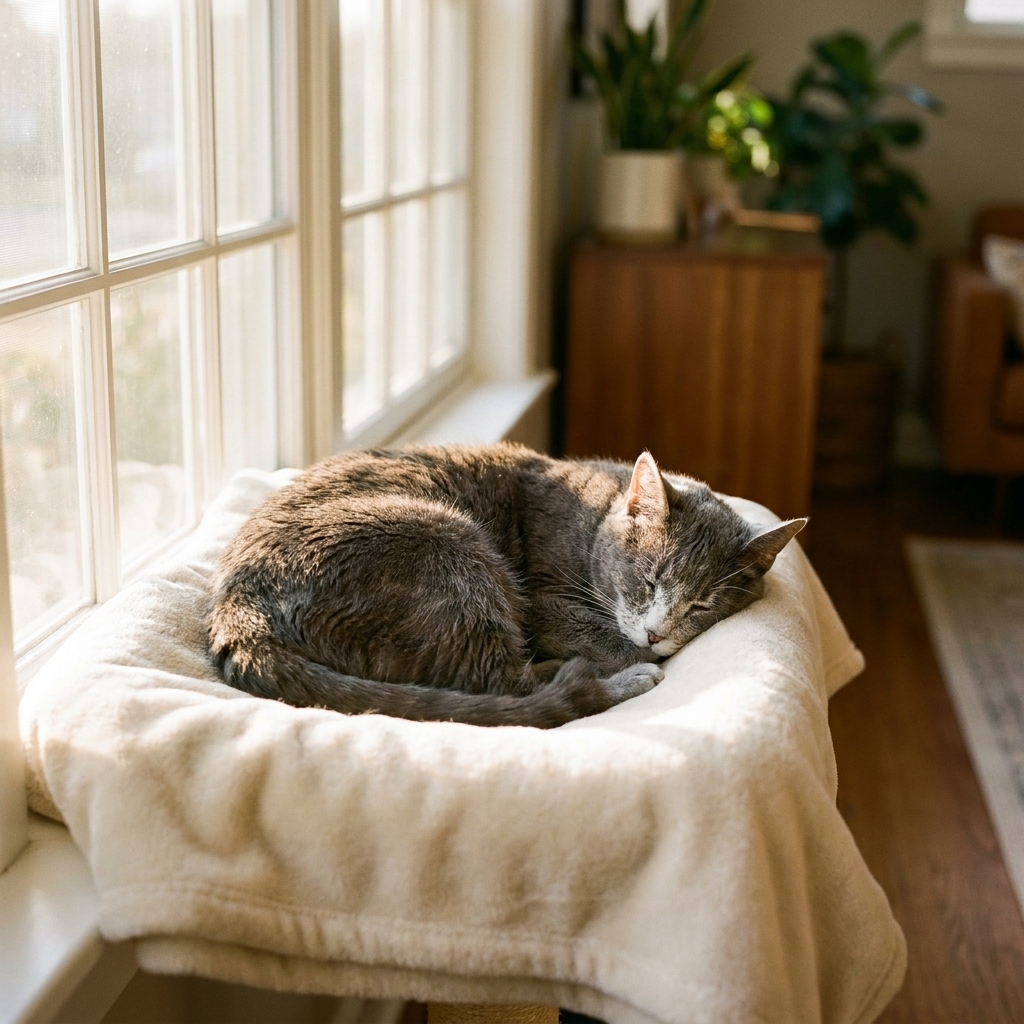
If you live with a senior cat, you have probably noticed the “little” changes first: a nap that lasts longer, a jump that looks more carefully calculated, a coat that needs more grooming help, or a suddenly picky appetite. Nutrition cannot stop the clock, but it can make those golden years far more comfortable.
I have cared for countless older fosters who arrived labeled “just old.” Once we matched their diet to what their aging bodies actually needed, many perked up in ways that surprised everyone. Let’s walk through what changes nutritionally as cats age, and how to choose food that supports joints, kidneys, and digestion without overcomplicating your routine.
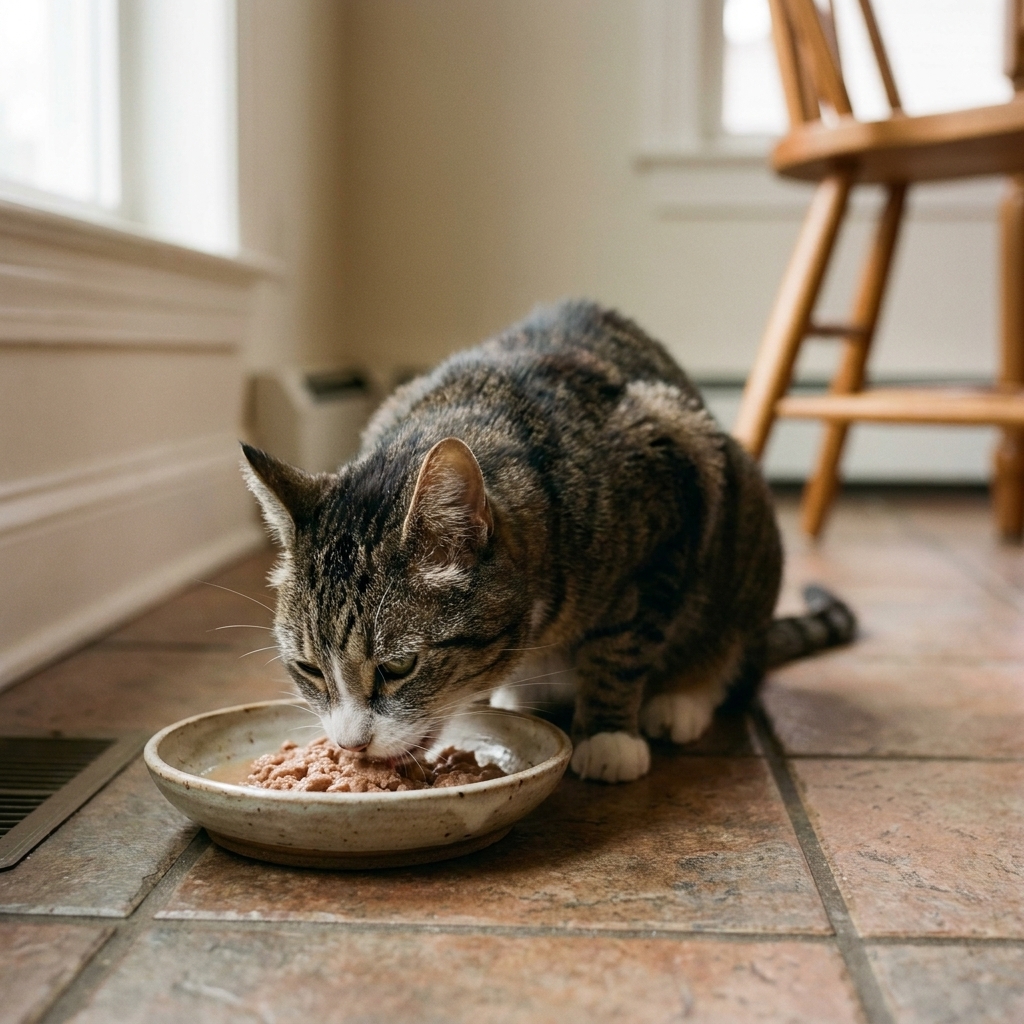
When is a cat “senior”?
Many veterinarians use these general life-stage ranges:
- Mature: about 7 to 10 years
- Senior: about 11 to 14 years
- Geriatric: 15+ years
That said, age is only half the story. A 12-year-old cat with early kidney changes and arthritis has different nutritional priorities than a 12-year-old who is still scaling the cat tree like a teenager.
If you are unsure where your cat falls, a senior wellness exam (and routine lab work, especially kidney and thyroid values) gives you the map you need to choose the right diet.
How needs change with age
Muscle maintenance matters more
As cats age, many start to lose lean muscle more easily. You might notice a bony spine, a thinner top line, or weaker hind legs. Nutrition that supports muscle helps preserve mobility and overall resilience.
For many seniors, that means:
- Highly digestible, high-quality protein to maintain muscle
- Enough calories to prevent unwanted weight loss
- Consistent intake since “nibbling less” can snowball into frailty
Digestion can get more sensitive
Some older cats do perfectly fine on their lifelong diet. Others develop constipation, hairball trouble, or new digestive sensitivity. Digestive support often includes:
- Moderate, appropriate fiber (not necessarily high fiber, unless your vet recommends it)
- Moisture to keep stools comfortable and support hydration
- Simple ingredient profiles if your cat is prone to food sensitivities
Hydration is a bigger deal
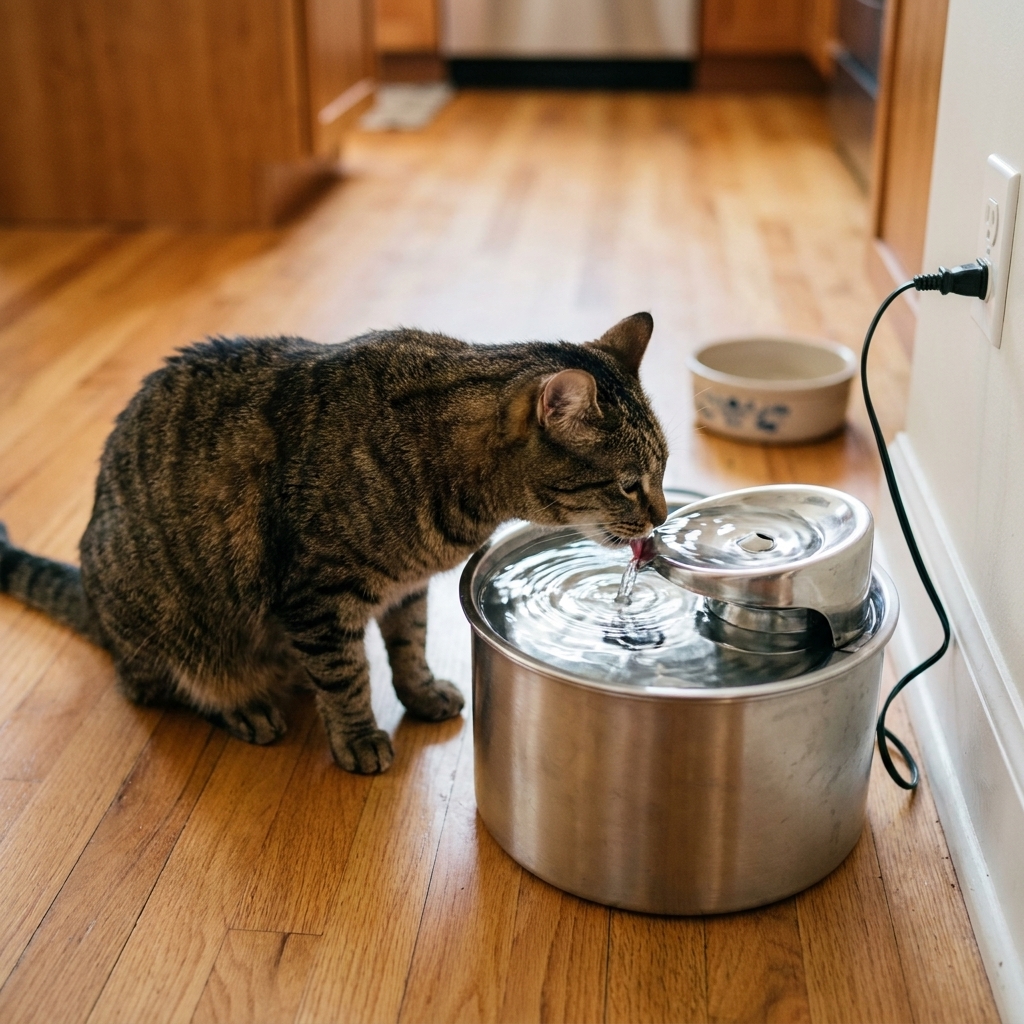
Many senior cats, especially those with chronic kidney disease, hyperthyroidism, diabetes, or chronic GI issues, are prone to dehydration. Some drink less, some lose more fluid due to disease, and many simply do better with more dietary moisture.
This is one big reason wet food often shines for older cats, particularly when kidney or urinary health is part of the picture.
Kidneys: what to feed
Chronic kidney disease (CKD) is common in aging cats. The nutritional approach depends on whether your cat has diagnosed kidney disease, early borderline changes, or normal kidney values for their age.
If your cat has diagnosed CKD
In many cases, a therapeutic kidney diet is the first choice veterinarians recommend because it is formulated to lower phosphorus burden and help manage CKD-related symptoms. It is not one-size-fits-all, though. Stage of disease, other conditions, and your cat’s appetite all matter, so follow your veterinarian’s guidance.
Kidney-support diets typically feature:
- Controlled phosphorus (a cornerstone of CKD nutrition)
- Moderate, high-quality protein (not “low protein at all costs”)
- Increased omega-3 fatty acids for anti-inflammatory support
- Extra B vitamins and other targeted nutrients
- Calorie support because maintaining weight is critical
Important: if your veterinarian has recommended a prescription kidney diet, focus first on what your cat will reliably eat. The “best” kidney diet is the one your cat consumes consistently.
If your cat is older but does not have CKD
Many healthy senior cats do well on a quality senior formula or an adult formula with great digestibility and moisture. You do not need to preemptively restrict protein in a healthy older cat without medical direction.
Instead, prioritize:
- Regular screening (early detection changes outcomes)
- High moisture intake (wet food helps)
- Balanced minerals from a reputable complete-and-balanced food
Red flags that warrant a vet visit
Any of these merit a check-in, especially for seniors:
- Increased thirst and urination
- Weight loss despite eating
- Reduced appetite or “sniff and walk away” behavior
- Vomiting that is more than occasional hairball-related
- Bad breath with a chemical or ammonia-like note
Appetite changes matter because they can signal kidney disease, dental pain, nausea, hyperthyroidism, or diabetes. And if a cat stops eating altogether, the risk of hepatic lipidosis (fatty liver) becomes a real concern, particularly in overweight cats. Do not wait it out.
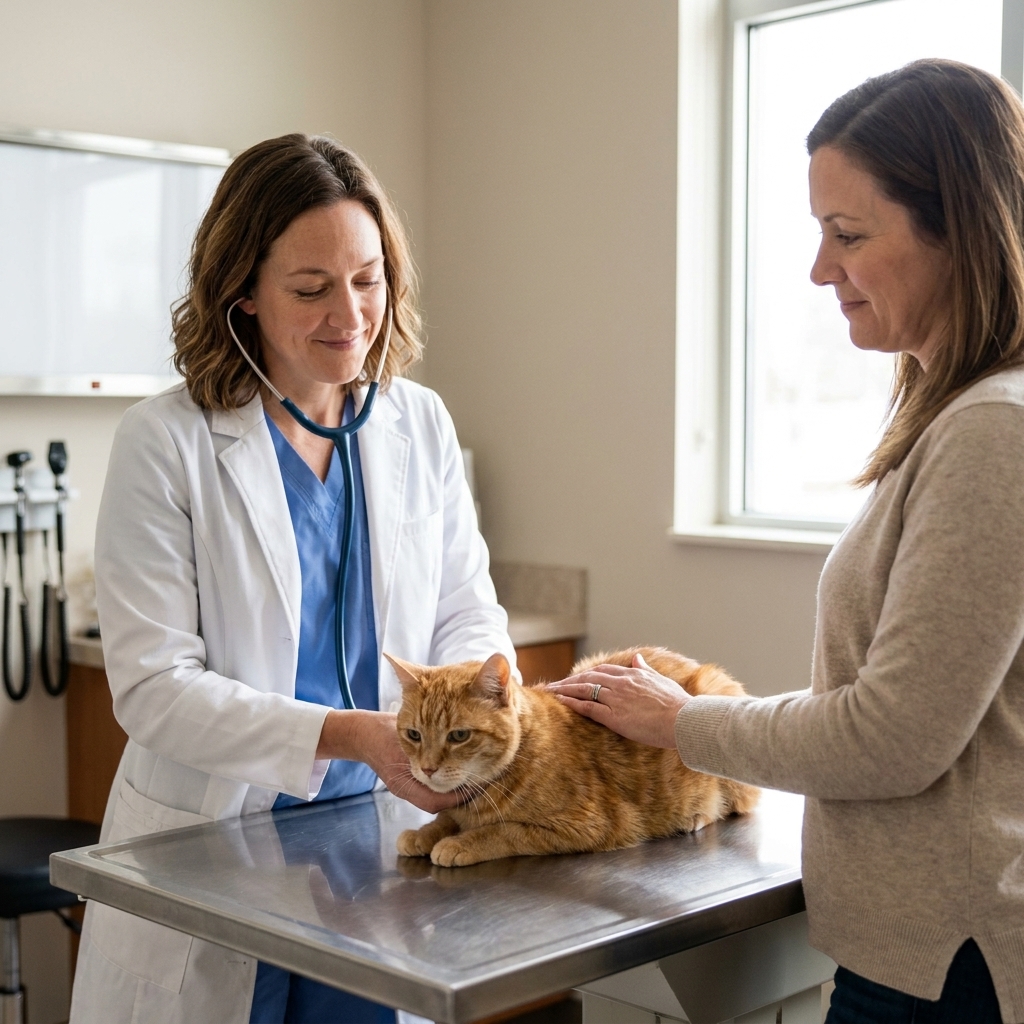
Joints: helpful nutrition
Arthritis is extremely common in older cats, and it is often underdiagnosed because cats are masters at quietly doing less. Nutrition can support comfort and mobility, especially when paired with vet-guided pain management and home setup changes.
Nutrients that can support joints
- Omega-3 fatty acids (EPA and DHA): anti-inflammatory support that can benefit joints and skin
- Appropriate calories and protein: to preserve muscle that stabilizes joints
- Antioxidants: supportive for overall aging and inflammation balance
You may see glucosamine and chondroitin listed on labels. They can be helpful for some cats, but the evidence is mixed, and the doses in foods can vary. If your cat has clear arthritis signs, I prefer discussing a targeted supplement or medication plan with your veterinarian rather than relying on a food label promise.
Weight and joints
If your senior cat is overweight, even a small amount of safe weight loss can reduce joint strain. If your senior cat is underweight, that is also a mobility problem because muscle is part of joint support. The goal is not “thin.” The goal is steady, strong, and comfortable.
Digestion and hairballs
Older cats may groom less effectively (arthritis, dental pain) or more obsessively (stress, skin discomfort). Either way, hairballs and constipation can become a bigger issue.
Signs digestion needs support
- Hard, dry stools or skipping days between bowel movements
- Frequent hairballs or hacking without producing a hairball
- Vomiting more than occasionally
- Stool changes after a diet switch that do not stabilize within a couple of weeks
Diet strategies that often help
- More moisture: wet food, adding water to food, or pet-safe broth made for cats
- Moderate fiber: enough to keep things moving, not so much that it reduces calorie density in a thin senior
- Highly digestible formulas: especially for cats who get gassy or have loose stool on richer foods
If you use broth, skip human broths. Choose a cat-safe option with no onion or garlic and low sodium, or ask your vet what is appropriate for your cat’s health conditions.
Constipation in seniors can also signal pain, dehydration, kidney disease, or thyroid issues, so do not treat it as “just old age.”
Wet vs dry for seniors
There is no single perfect answer, but here is how I think about it in real homes with real cats.
Wet food benefits
- Higher moisture supports hydration and often urinary and kidney health
- Often more palatable for cats with reduced appetite
- Easier to chew for some dental issues (though dental pain still needs treatment)
Dry food benefits
- Convenience and easier free-feeding for multi-cat homes
- Can work well for cats who truly prefer kibble and drink adequately on their own
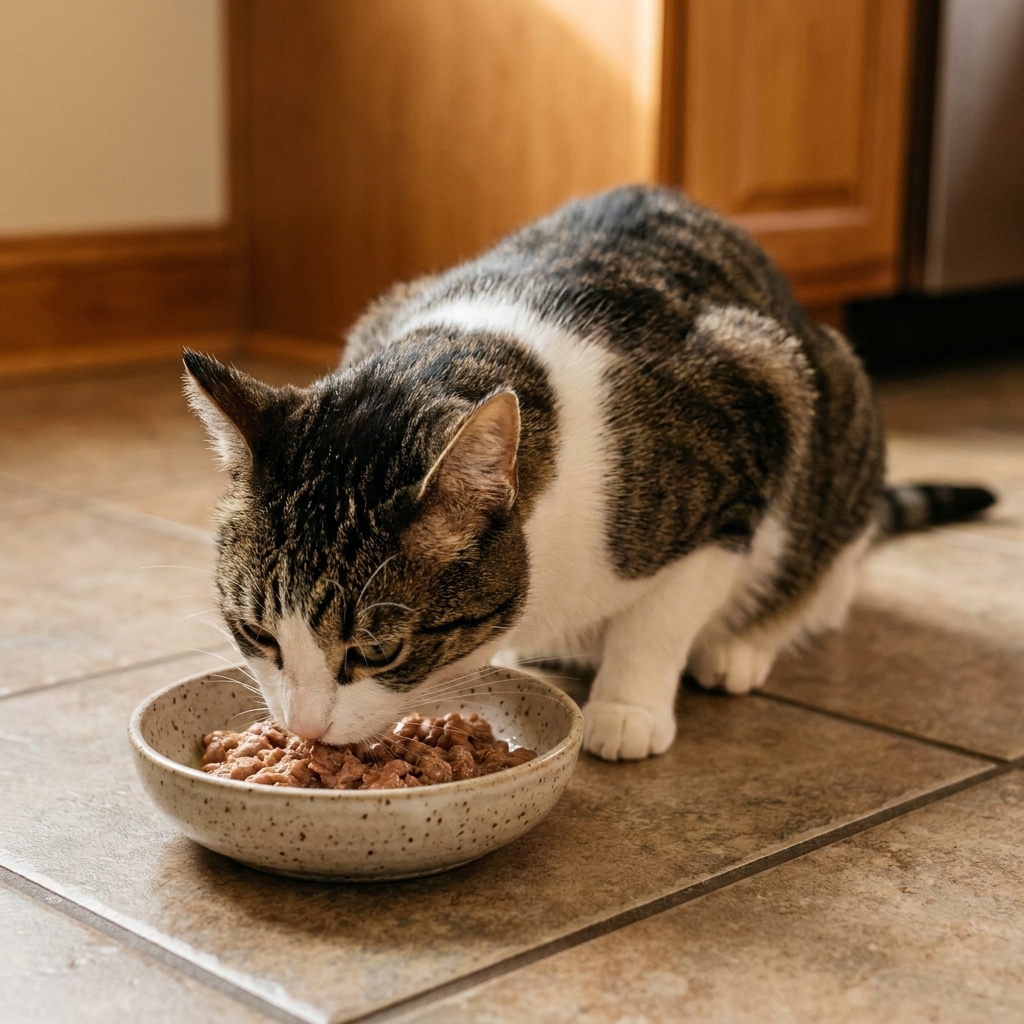
For many seniors, a mixed feeding approach works beautifully: wet meals for moisture and appetite, plus some dry if your cat enjoys it and it fits their medical needs.
What to look for in food
Ignore the marketing buzzwords for a moment and focus on the practical checks that matter.
1) Complete and balanced
Look for a statement indicating the food is complete and balanced for adult cats. Senior-specific labeling can be helpful, but the actual nutrient profile and your cat’s health status matter more than the word “senior” on the bag.
2) Protein your cat digests well
Older cats often do best with digestible animal-based proteins. If your cat has kidney disease, follow your veterinarian’s diet guidance.
3) Phosphorus control when needed
If your cat has kidney disease, phosphorus control is key because excess phosphorus can contribute to CKD progression and make cats feel worse over time. Therapeutic diets are designed for this. For healthy seniors, choose reputable brands and do not chase extreme restriction without lab work.
4) Omega-3s (EPA/DHA)
These are commonly sourced from fish oil. This can support joints, skin, and overall inflammatory balance.
5) A texture your cat will eat
I cannot stress this enough. Senior nutrition only works if your cat eats. Many older cats develop strong preferences for:
- Pate vs shreds
- Slightly warmed food (more aroma)
- Gravy-style foods
6) Calorie clarity
Ask your veterinarian for a daily calorie target, then use the food’s kcal per can or kcal per cup to portion more accurately. This is especially helpful when you are managing weight loss, weight gain, or a cat who is slowly getting thinner.
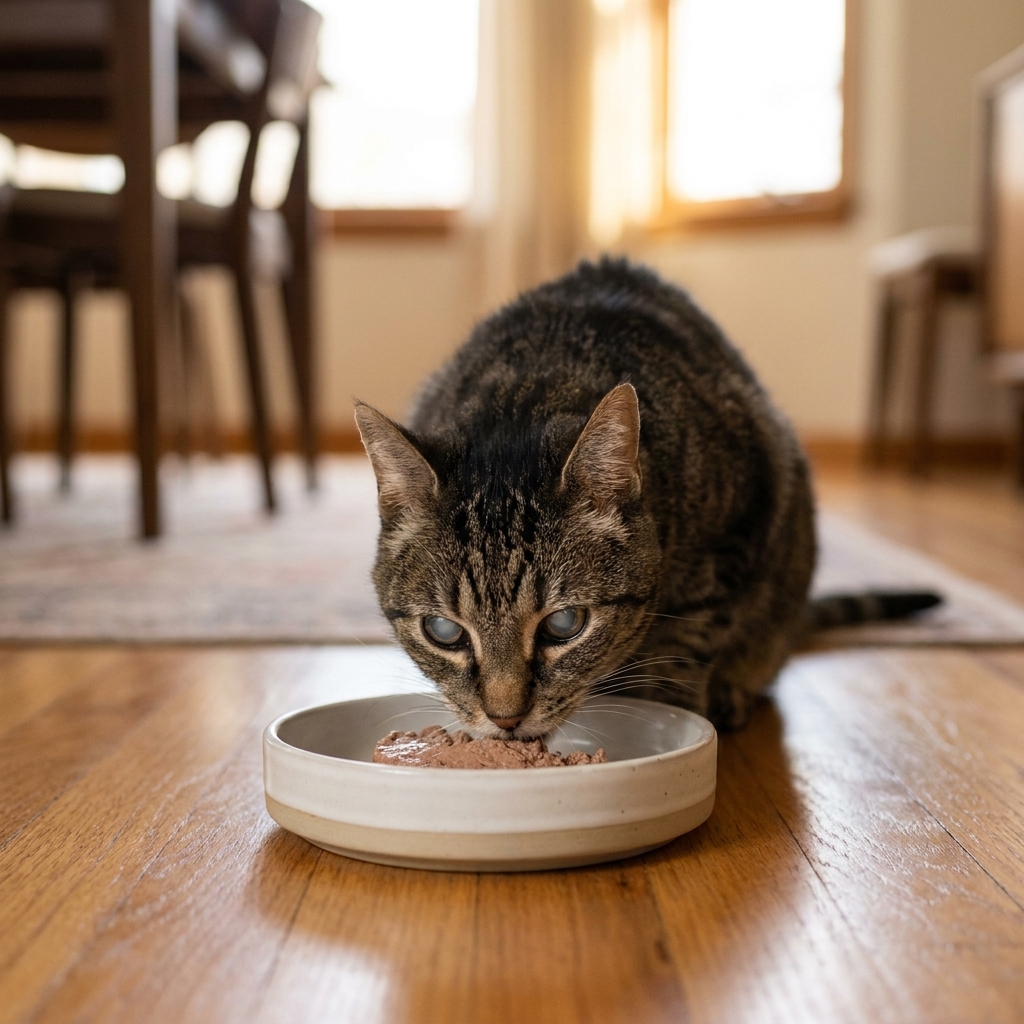
Common challenges
Picky eating
First, rule out medical causes like dental pain, nausea, hyperthyroidism, kidney disease, diabetes, or arthritis affecting posture at the bowl. Then try:
- Warm the wet food slightly to boost aroma
- Offer smaller, more frequent meals
- Try a different texture rather than jumping brands endlessly
- Use a shallow dish to reduce whisker stress
If your cat is barely eating or stops eating, call your veterinarian promptly. Seniors can go downhill quickly when calorie intake drops.
Weight loss
Unplanned weight loss in a senior cat is a vet visit, not a “try a new food” situation. Hyperthyroidism and diabetes are common culprits, and both change how a cat uses calories. Once you have guidance, calorie-dense wet foods, scheduled meals, and appetite support strategies can help.
Weight gain
Some seniors slow down and gain weight, which stresses joints and can worsen inflammation. Ask your vet for a safe calorie target. Crash dieting in older cats is risky.
Dental disease
Dental pain makes cats eat less and can push them toward only licking gravy. Soft food can help them eat, but it does not treat the underlying problem. If your senior’s breath is foul or they chew strangely, a dental exam is worth it.
How to change diets
Senior cats tend to be less forgiving of sudden changes, both behaviorally and gastrointestinally. A slow transition helps prevent food refusal and diarrhea.
A gentle transition schedule
- Days 1 to 3: 75% old food, 25% new food
- Days 4 to 6: 50% old food, 50% new food
- Days 7 to 9: 25% old food, 75% new food
- Day 10+: 100% new food
If your cat has a sensitive stomach, extend each step. If your cat refuses the new food, step back and move more slowly.
If your senior cat has medical issues like kidney disease, diabetes, or a history of hepatic lipidosis, work closely with your veterinarian on transition speed and appetite monitoring.
Supplements to ask about
Supplements can be useful, but I like them best as supporting actors, not the whole plot.
Options often used in seniors
- Omega-3 fish oil: for joint and skin support
- Probiotics: for some cats with sensitive digestion
- Targeted joint supplements: depending on your cat’s arthritis plan
Always ask your vet before adding supplements, especially if your cat has kidney disease, diabetes, or is on medications. “Natural” can still interact with medical conditions.
Feeding setup tips
Sometimes the issue is not the food. It is how eating feels.
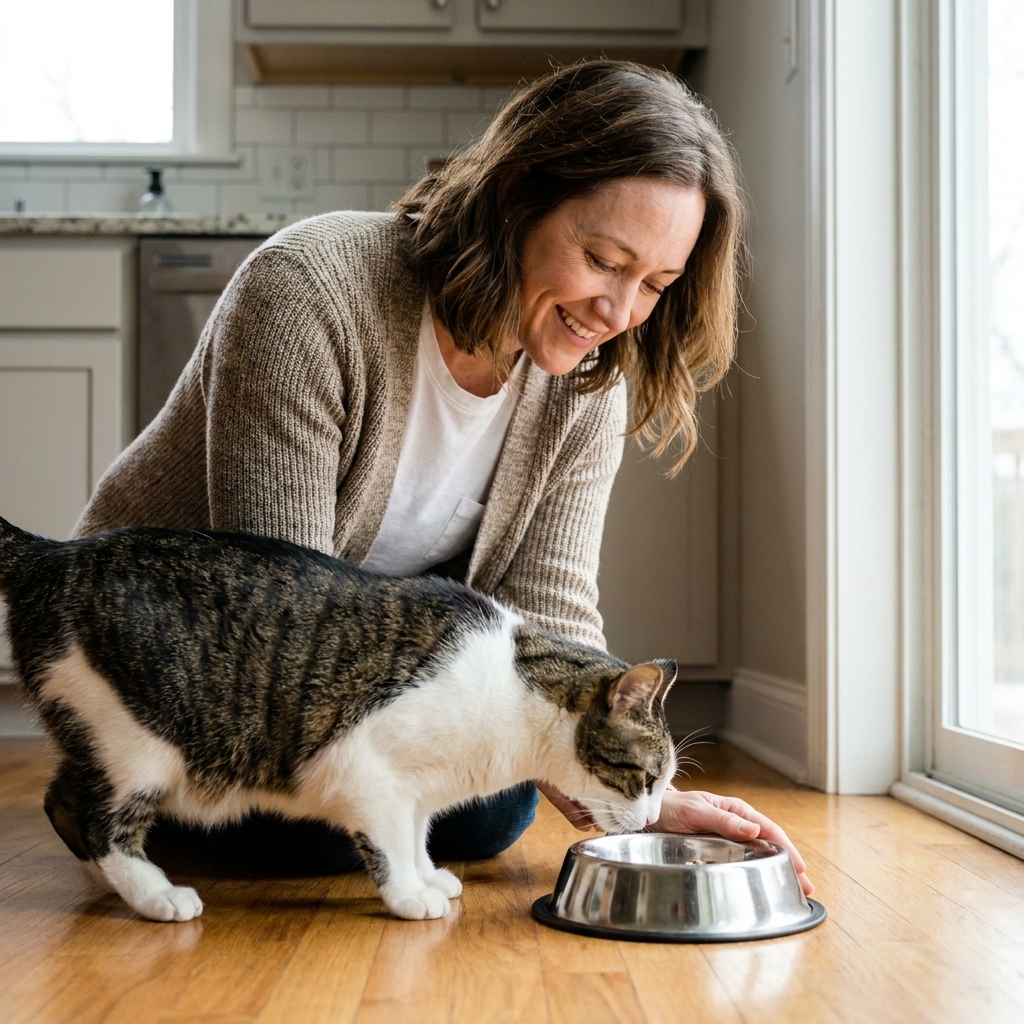
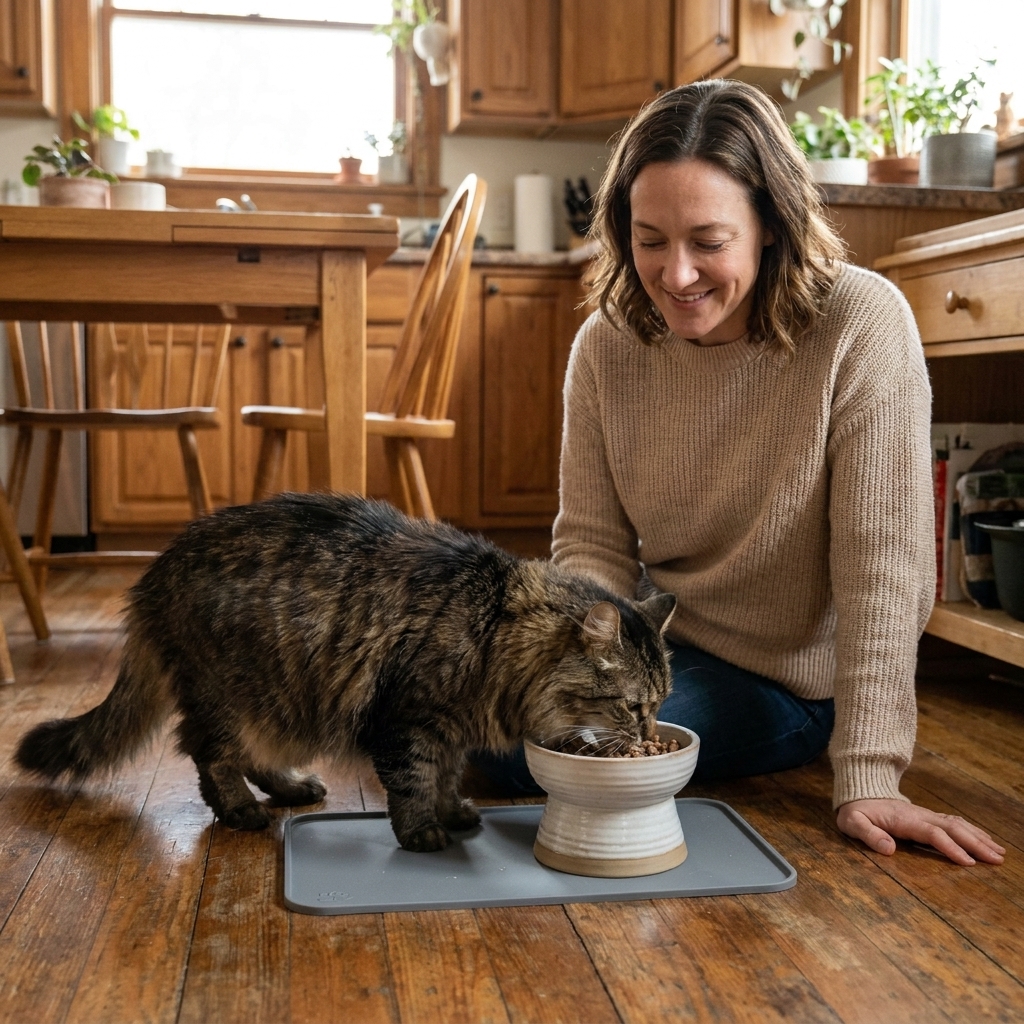
- Raise bowls slightly if your cat seems uncomfortable bending down
- Use wide, shallow dishes to reduce whisker stress
- Place food away from loud appliances for easily startled seniors
- Offer traction with a small mat so arthritic cats do not slip while eating
FAQ
Should senior cats eat less protein?
Not automatically. Healthy senior cats often benefit from digestible, high-quality protein to maintain muscle. Cats with kidney disease may need a therapeutic diet with controlled phosphorus and moderated protein, guided by your veterinarian and lab results.
Is wet food better for older cats?
Wet food can be very helpful for seniors because it increases moisture intake and is often easier to eat. Some cats do well on a mix of wet and dry. The best choice depends on your cat’s medical needs, preferences, and hydration status.
What is the best diet for a senior cat with arthritis?
A diet that supports a healthy weight, maintains muscle, and includes omega-3 fatty acids is a strong foundation. Many cats with arthritis also need pain management and environmental changes. Food alone usually is not enough.
My senior cat is hungry all the time. Is that normal?
Increased hunger can happen, but in seniors it can also signal medical issues such as hyperthyroidism or diabetes. If your older cat suddenly seems ravenous or is losing weight, schedule a vet visit.
How often should I feed my senior cat?
Many seniors do well with two to four smaller meals per day, especially if appetite is variable or digestion is sensitive. If your cat has a medical condition, follow your vet’s meal timing guidance.
The bottom line
Feeding a senior cat is less about finding a single “perfect” food and more about matching nutrition to what your cat’s body is doing right now. Support muscle, prioritize hydration, take kidney health seriously, and keep joints in mind, especially through weight and omega-3 support.
If you want the most helpful next step, start with a senior wellness exam and lab work, then choose a diet plan that your cat will happily eat. That combination keeps more older cats feeling like themselves, which is always the goal.