Few nutrition debates spark as many strong opinions as wet versus dry cat food. I get it. You want to feed your cat well, keep them hydrated, protect their teeth, and not feel like you are playing “guess what will get eaten today” at every meal.
Here is the honest answer: there is no single “best” option for every cat. But there are clear situations where wet is the better tool, where dry can be a practical win, and where a combo approach is the sweet spot.
The big picture
Before we compare formats, let’s zoom out. What actually drives health outcomes is not the shape of the food. It is:
- Overall nutrient profile (especially adequate protein, appropriate calories, complete vitamins and minerals)
- Total daily intake (portion size matters more than most people think)
- Hydration (many cats are under-hydrated, especially on all-dry diets)
- Your cat’s medical needs (kidneys, urinary tract history, diabetes risk, dental disease, IBD, etc.)
- Consistency (a “perfect” diet that your cat refuses is not perfect)
Both wet and dry foods can be complete and balanced if they meet AAFCO or equivalent standards for your cat’s life stage. The differences show up in moisture, calorie density, texture, and how cats tend to eat them.
One quick life stage note: kittens need a diet labeled for growth (or “all life stages”), and they often do best with more frequent meals. For cats who need a therapeutic prescription diet (for example, urinary stone prevention, kidney disease, diabetes/weight-loss plans), the “wet vs. dry” question is usually secondary to feeding the right formula in the form your cat will reliably eat.
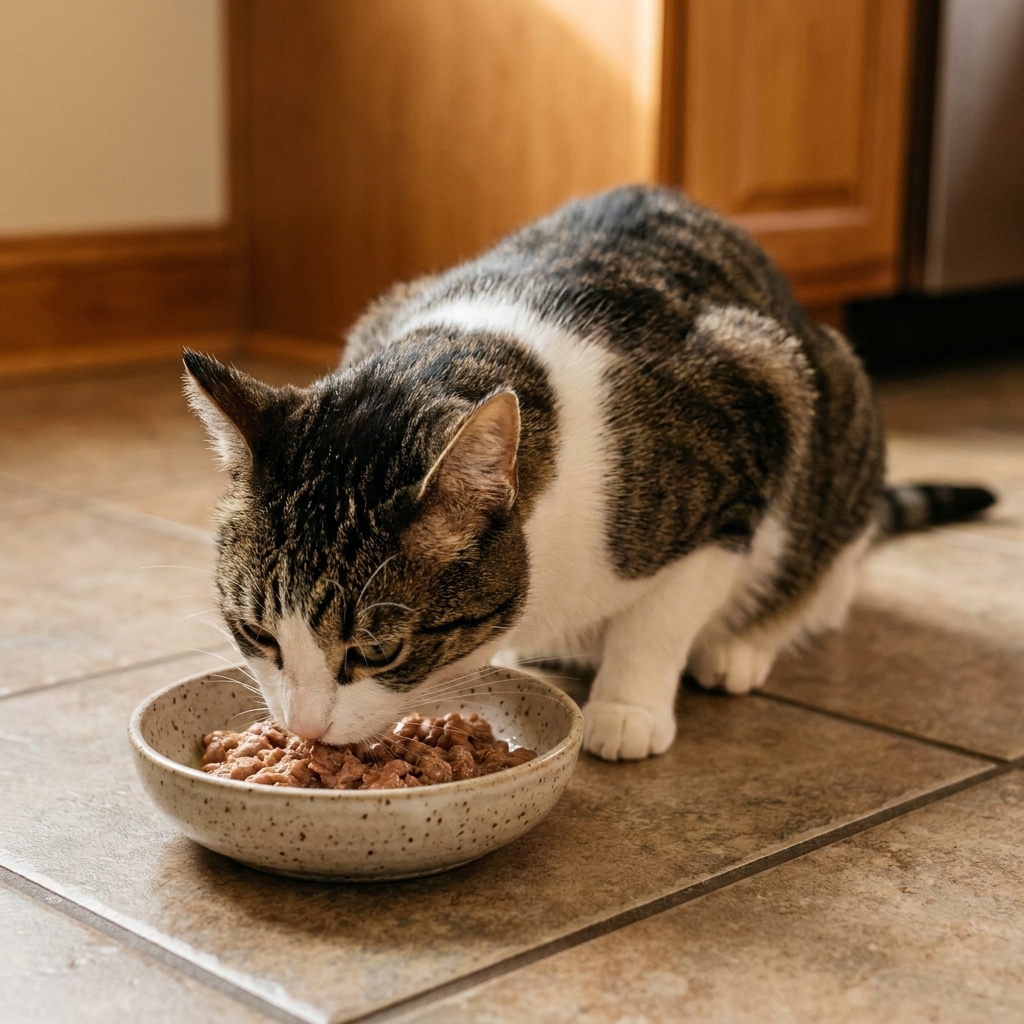
Wet food
Hydration: the biggest advantage
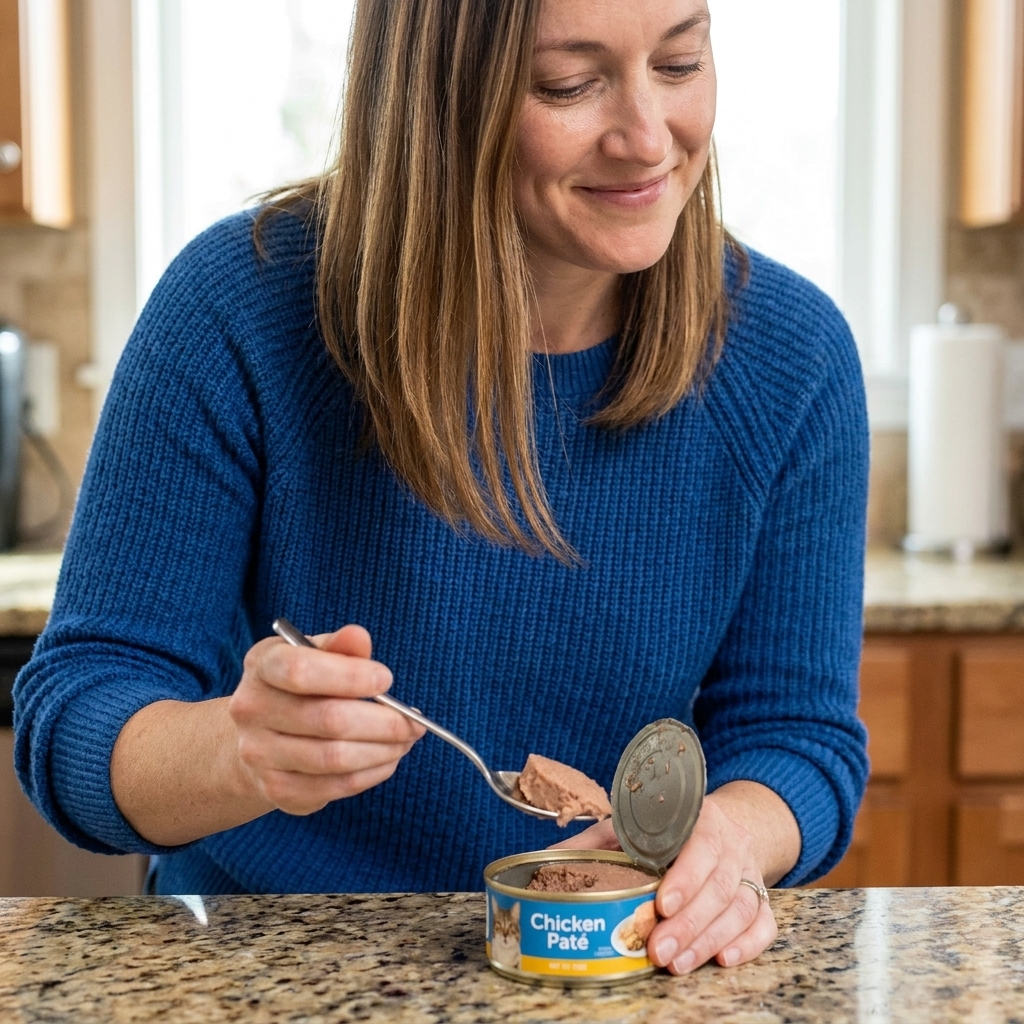
Wet food is often around 70 to 85 percent moisture, though it varies by product. Dry food is often around 6 to 12 percent moisture. Cats are biologically designed to get a lot of their water from prey, so many cats do not “make up the difference” by drinking enough from a bowl.
In plain terms, getting water into cats via food is often more reliable than hoping they will drink more.
That is why wet food is often my go-to for:
- Cats with a history of urinary crystals, urinary blockage, or recurrent cystitis (more moisture can help dilute urine, but risk is multifactorial, so loop in your vet)
- Cats prone to constipation (extra moisture often helps, but constipation has many causes, so see your vet if it is recurrent)
- Some senior cats who do not drink enough (and a reminder: increased thirst can also be a red flag worth a vet call)
- Multi-cat homes where it is hard to track who’s drinking
Weight management
Because wet food contains so much water, it is usually less calorie-dense per bite. Many cats feel more satisfied on wet food while eating fewer calories, which can make weight loss or weight maintenance easier.
One common surprise: a cup of dry food can contain a lot of calories. If your cat is gaining weight on kibble, the issue is often portion size, free-feeding, or calorie density, not your cat being “lazy.”
Potential drawbacks
- Cost: Wet food usually costs more per calorie.
- Spoilage: It cannot sit out all day. Most cats do best with scheduled meals.
- Dental misconception: Wet food does not “cause” dental disease, but it also does not provide meaningful tooth-cleaning.
- Picky eating patterns: Some cats get hooked on one texture or brand. (Not a moral failing, just a cat being a cat.)
Dry food
Convenience and consistency
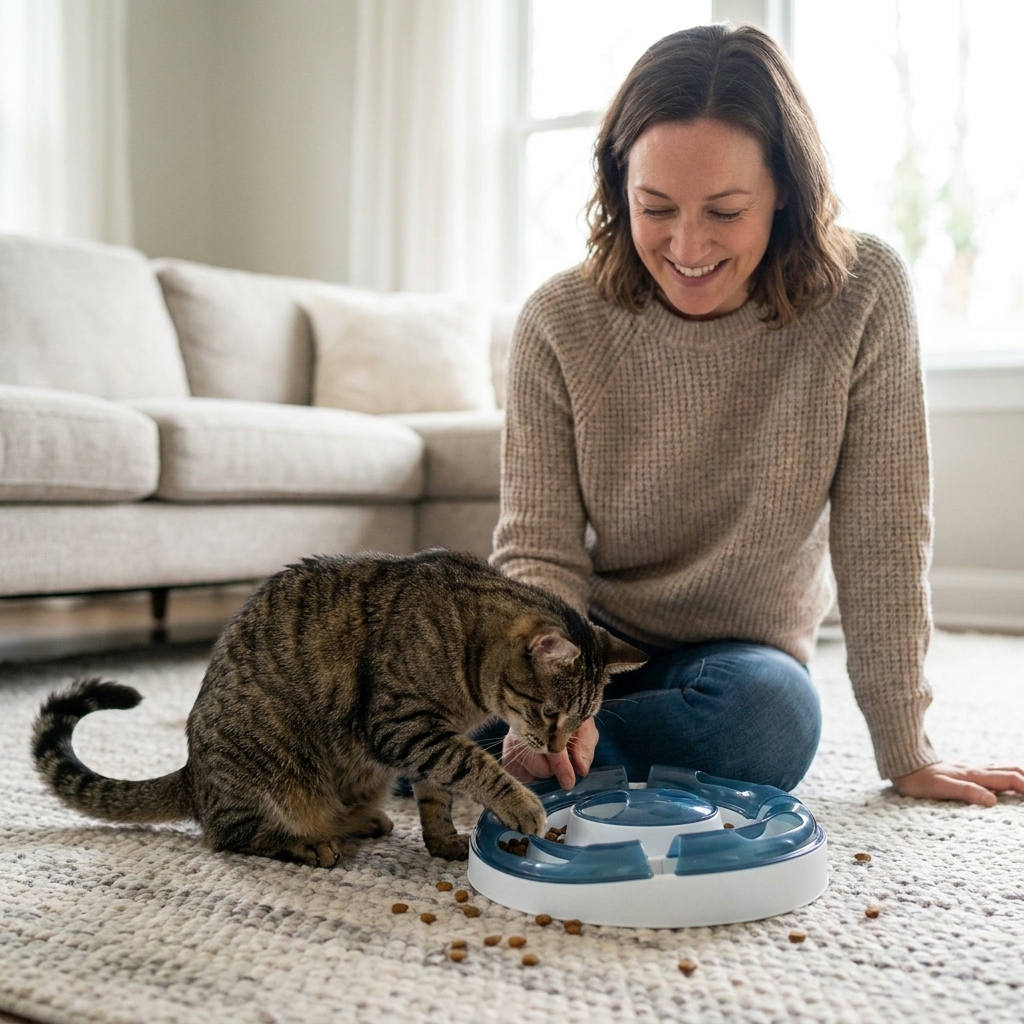
Dry food is easy to measure, store, and use with puzzle feeders or timed feeders. For many families, those practical benefits are the difference between “I can stick with this plan” and “I am overwhelmed.” Consistency matters.
Dry can be especially helpful for:
- Cats who do better with frequent small meals (with an automatic feeder)
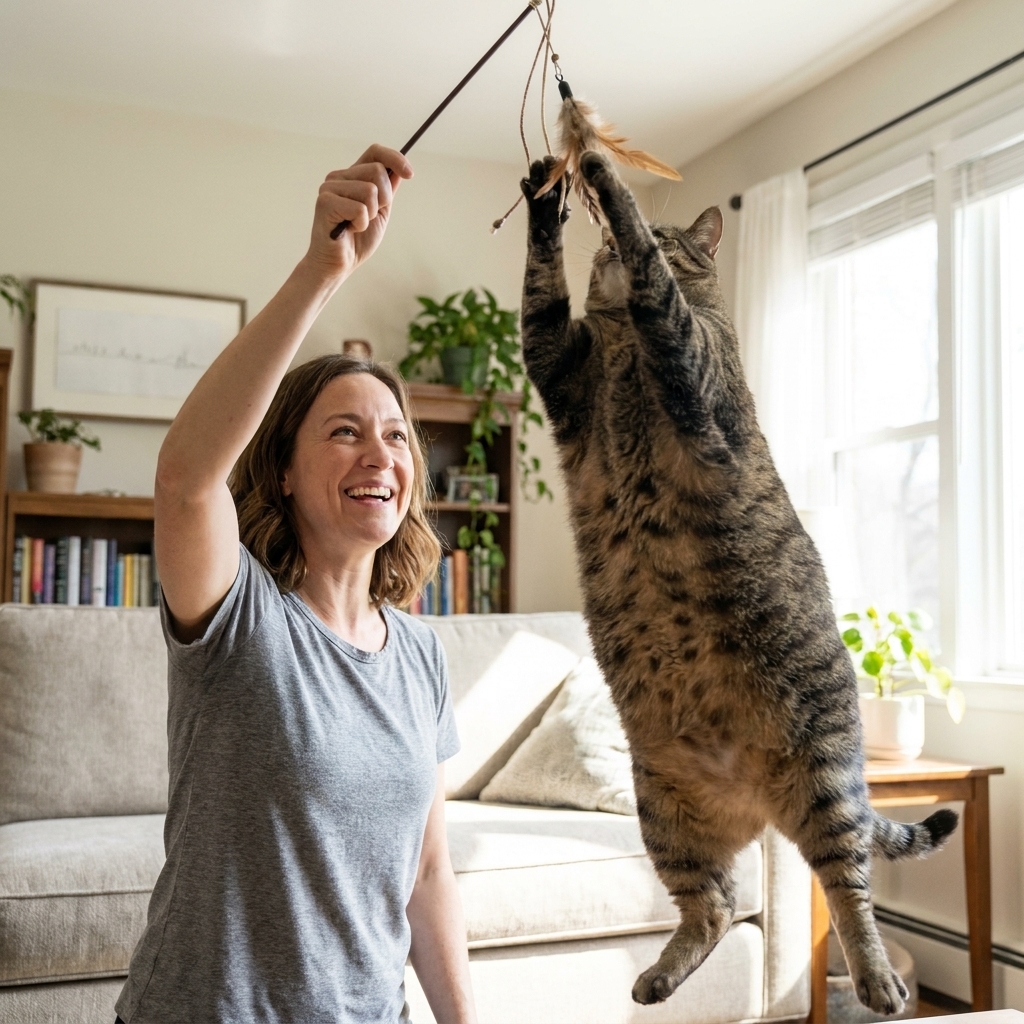
- Food puzzles and enrichment (a great tool for boredom and scarf-and-barf)
- Budget-conscious households trying to feed a complete diet reliably
The hydration challenge
The main nutritional downside of dry food is not “kibble is bad.” It is that dry food is dry. Cats on all-dry diets may produce more concentrated urine, and for some cats, that can contribute to urinary problems alongside other factors like stress, obesity, sex, activity level, mineral content, and urine pH.
If you feed dry, build hydration on purpose:
- Offer multiple water stations and refresh daily
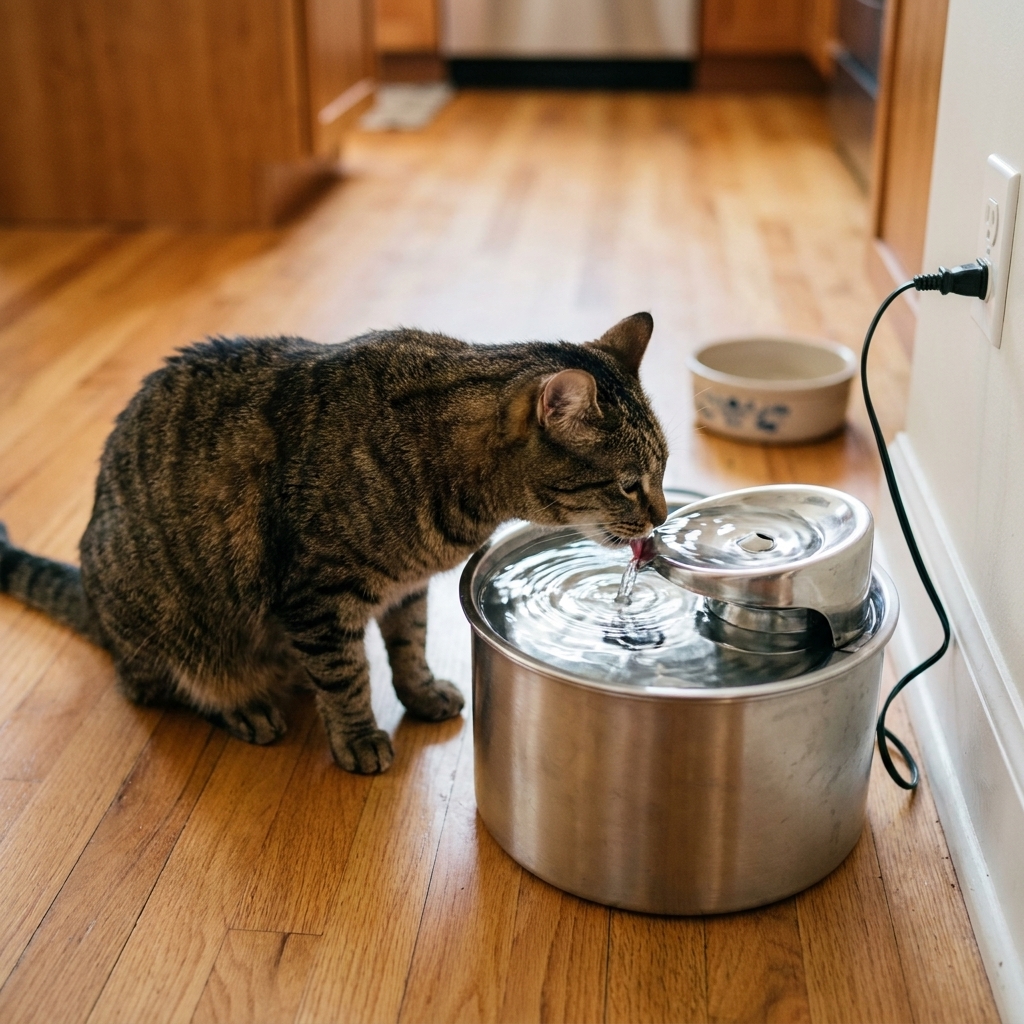
- Try a pet water fountain (many cats prefer moving water)
- Add water or low-sodium broth to meals if your cat accepts it
- Consider a partial wet-food routine, even a few times per week
Does dry food clean teeth?
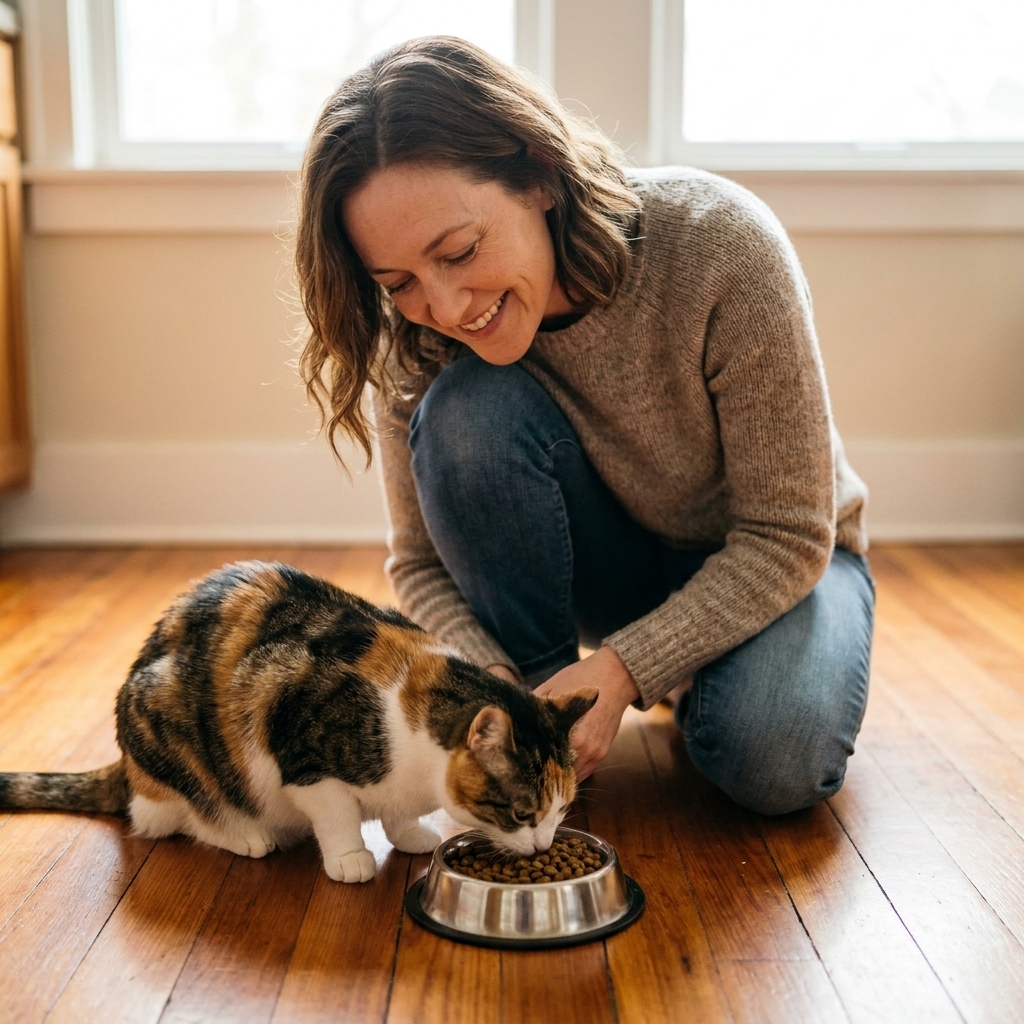
I know you have heard this one: “Kibble scrapes tartar off.” In real life, most cats crunch kibble into smaller pieces and swallow. Standard kibble does not create enough abrasion to function like tooth brushing.
There is a useful caveat: some VOHC-accepted dental diets (including some prescription options) are designed with specific kibble shape and texture to provide real mechanical cleaning. Regular kibble, though, is not a dental care plan.
Dental health is more about:
- Genetics (some cats are plaque magnets)
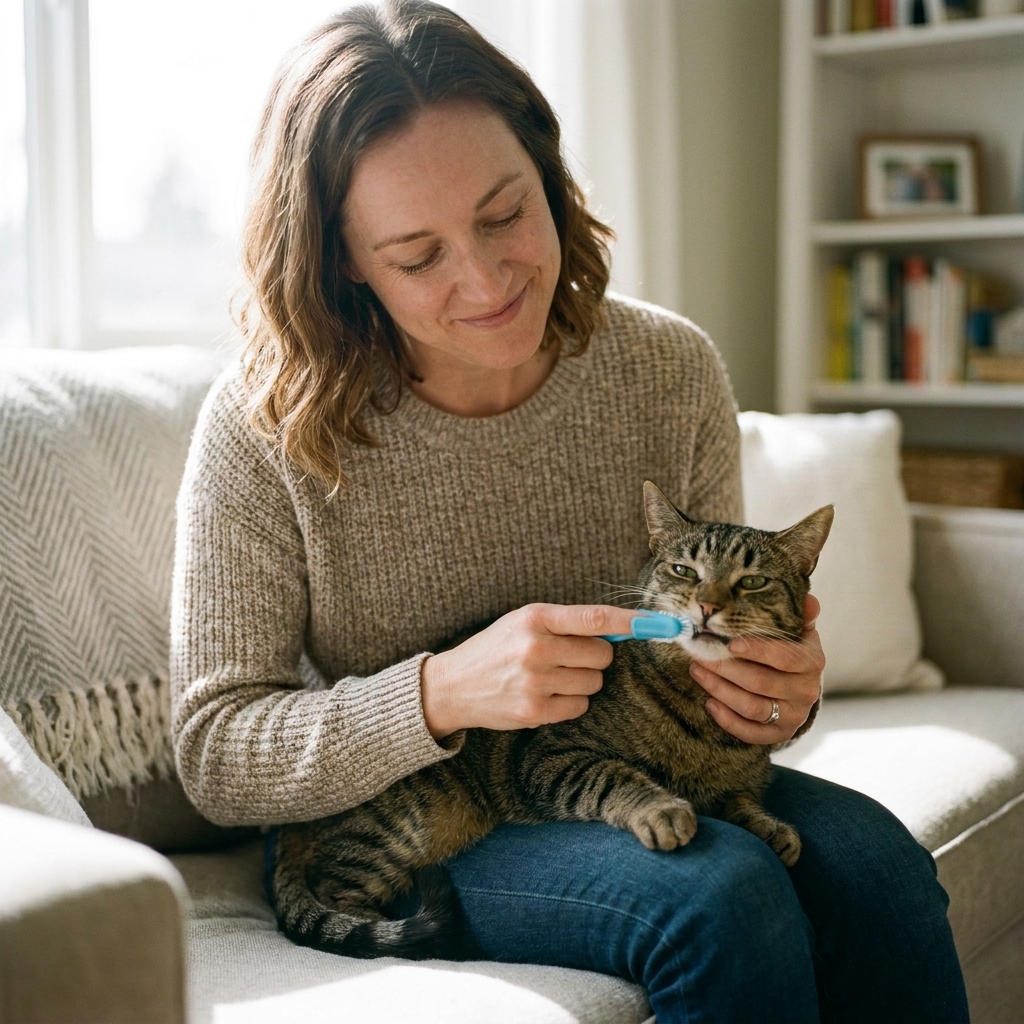
- Home care (brushing is gold-standard if your cat will tolerate it)
- VOHC-accepted dental diets and treats (look for the VOHC seal)
- Professional cleanings when needed
Nutrition quality
Here is the part that gets lost online: there is amazing wet food, mediocre wet food, amazing dry food, and mediocre dry food. The format alone does not tell you if it is appropriate for your cat.
What to look for on the label
- Life stage statement: “Complete and balanced” for adult maintenance, growth, or all life stages (whichever fits your cat).
- Calorie info: For wet, look for kcal per can. For dry, kcal per cup. This helps prevent accidental overfeeding.
- Protein and fat: Cats are obligate carnivores. Most cats thrive on diets with adequate animal-based protein.
- Carbohydrates: Cats do not have a nutritional requirement for carbs, but they can digest some carbs, and small amounts are often used for structure and processing in balanced foods. The bigger issue is whether the overall diet supports a healthy weight and stable digestion for your individual cat.
Ingredients: useful, not everything
Ingredient lists can be misleading because they are ordered by weight before processing. Instead of chasing buzzwords, focus on how your cat does on the food: body condition, muscle tone, stool quality, coat, energy, and medical markers your vet tracks.
Common scenarios
“My cat barely drinks water”
Lean toward more wet food, or a wet-dominant mix. Add a fountain and extra water stations to boost intake further.
“My cat is overweight”
Wet food can make calorie control easier, but the winning move is a measured daily calorie plan. Many cats do well on a wet base plus measured dry in puzzles for enrichment.
“My cat has urinary issues”
Talk with your vet about whether a prescription urinary diet is indicated. In general, higher moisture is often helpful, but urinary health is multifactorial, so the best plan depends on your cat’s history (and the type of crystals or stones, if any).
“My cat has bad teeth”
Choose food based on comfort and medical needs. Soft food may be easier if chewing is painful, but it will not treat dental disease. Pair diet with vet dental care and consider VOHC-approved options if appropriate.
“I need something affordable and realistic”
Dry food can be a perfectly responsible primary diet. If you can, add one small wet meal daily or even a few wet meals per week to boost moisture and variety. Progress beats perfection.
Combining wet and dry
A combo diet is very common and can be the best of both worlds. A few practical tips from the foster-room trenches:
- Pick a schedule: Many cats do well with wet meals morning and evening, plus a small dry portion in a puzzle feeder midday.
- Measure the dry: Free-pouring kibble is the fastest way I see cats gain weight without anyone realizing it.
- Store wet food correctly: Refrigerate opened cans, cover them, and use within the time listed by the manufacturer. Commonly, that is about 2 to 5 days.
- Warm cold wet food: A teaspoon of warm water stirred in can improve aroma and acceptance. If you microwave, transfer food to a microwave-safe dish first and stir well to avoid hot spots.
Switching foods
Cats tend to do best with gradual transitions. A sudden switch can cause vomiting, diarrhea, or a total refusal to eat.
A gentle 7 to 10 day transition
- Days 1 to 3: 75% old food, 25% new food
- Days 4 to 6: 50% old, 50% new
- Days 7 to 9: 25% old, 75% new
- Day 10: 100% new
Go slower for sensitive stomachs, and always prioritize safety: if your cat stops eating entirely, contact your vet. Cats can develop hepatic lipidosis if they go without adequate calories, especially if they are overweight.
So which is better?
If I had to boil it down the way I would for a friend at my kitchen table while Clementine supervises and Waffles looks confused by the spoon:
- Wet food tends to win for hydration, and it can be a big help for urinary health support and weight management.
- Dry food tends to win for convenience, budget, and enrichment tools like puzzle feeders, but it requires you to be intentional about water intake and portions.
- The best choice is the one your cat thrives on, that fits your household, and that you can feed consistently while maintaining a healthy body condition.
If your cat has urinary disease, kidney concerns, diabetes, or recurring GI upset, loop in your veterinarian early. Nutrition is one of the most powerful levers we have, but the right plan should match the cat in front of you.
Quick FAQ
Is wet food always higher protein than dry?
Not always. Because wet food contains more water, the “as-fed” numbers can look lower. Compare foods on a calorie basis when possible, or ask your vet for help interpreting labels.
Can I leave wet food out all day?
It is safer to pick up wet food after about 1 to 2 hours, and sooner in warm rooms. Some manufacturers allow longer. When in doubt, follow the package guidance and prioritize clean bowls over “topping up” old food.
Is grain-free better?
Not necessarily. Grain-free does not automatically mean low-carb or higher quality. Choose a complete and balanced diet that agrees with your cat and supports a healthy weight.
What if my cat will only eat dry?
You are not alone. Start by improving hydration with fountains and extra water stations, then try small steps: a tablespoon of wet food as a “side,” or a gradual transition to a wet-dominant mix if your cat accepts it.
Any basic food safety tips?
Wash food and water bowls regularly, discard old wet food instead of adding fresh on top, and keep storage containers sealed to preserve freshness.