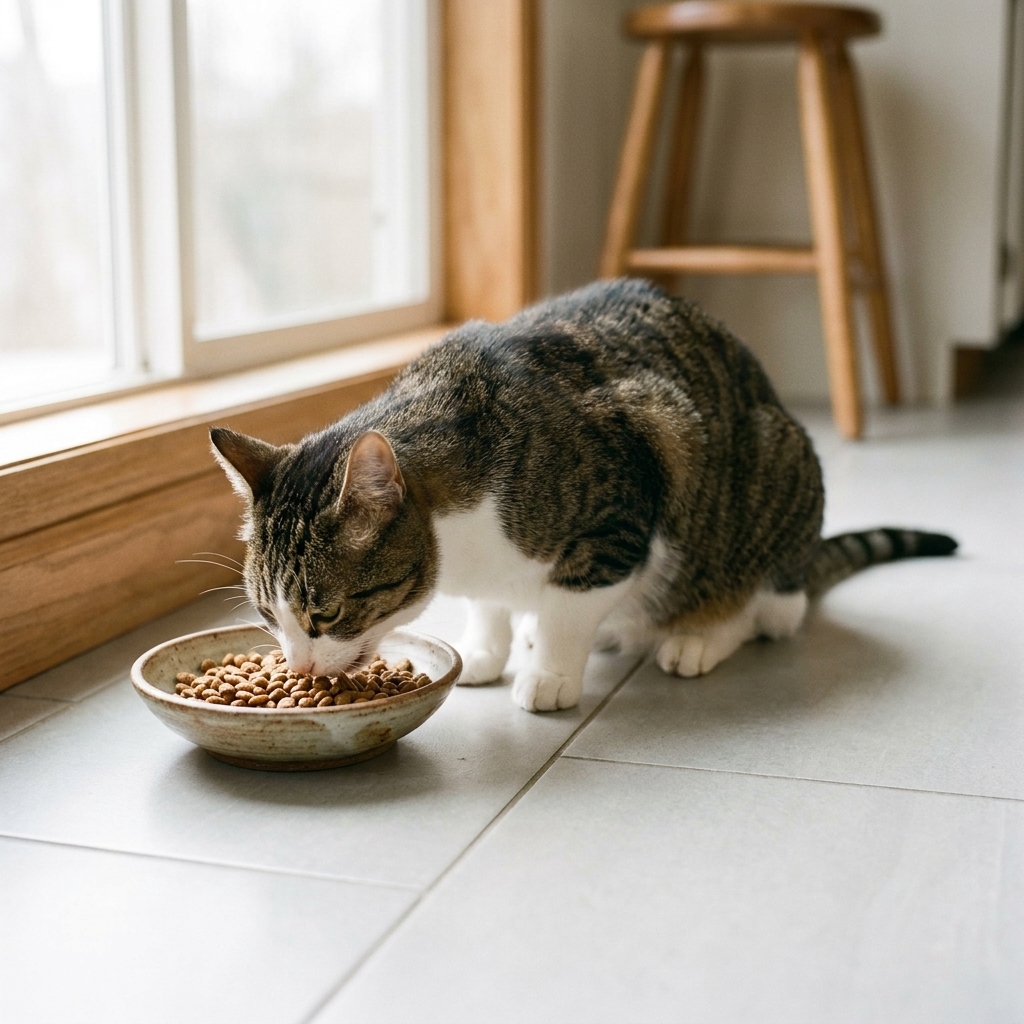
If you live with a picky cat, you already know how personal they can make mealtime feel. One day they inhale a food like it is the best thing that has ever happened to them, and the next day they look at it like you served them a sock.
Before we jump into the fixes, one safety note from years of rescue work: cats are obligate carnivores, and they can become dangerously ill if they stop eating. One of the big concerns vets watch for is hepatic lipidosis (fatty liver disease), especially if a cat goes without enough calories for too long.
First, make sure it is truly pickiness
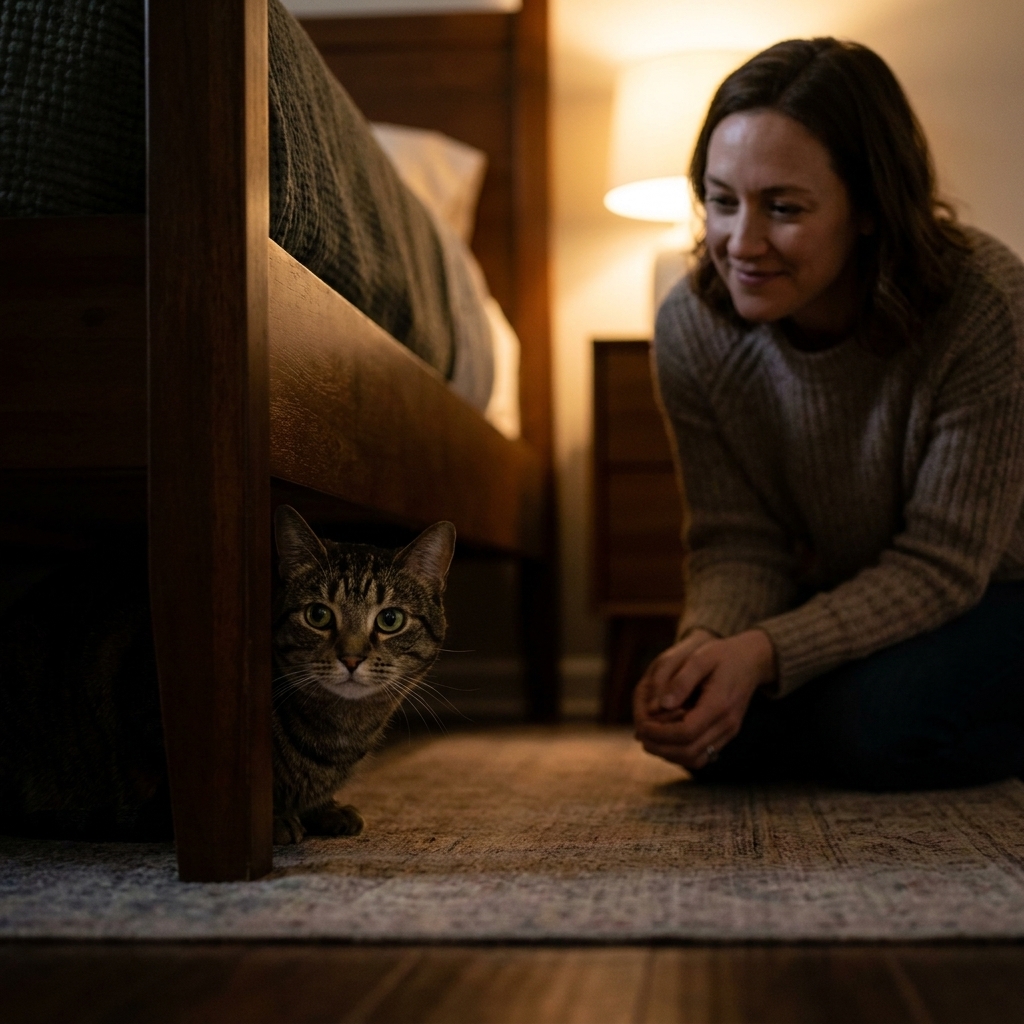
Many cats who seem “fussy” are actually communicating discomfort, nausea, dental pain, or stress. If your cat is suddenly refusing a food they normally like, treat it as a clue, not an attitude.
Call your vet promptly if you notice any of these
- No food intake for about 24 hours, or your cat is eating dramatically less than normal (contact your vet sooner for kittens, seniors, underweight cats, diabetics, or cats with chronic illness)
- Repeated vomiting, diarrhea, or drooling
- Hiding, lethargy, or a “meatloaf” hunched posture
- Bad breath, pawing at the mouth, chewing on one side, or dropping kibble
- Weight loss, increased thirst, or changes in urination
If your cat is otherwise acting normal and just being selective, the strategies below can make a big difference.
1) Warm the food
Smell drives appetite for cats. Cold food straight from the fridge can be a dealbreaker, especially for cats who already eat cautiously.
How to do it
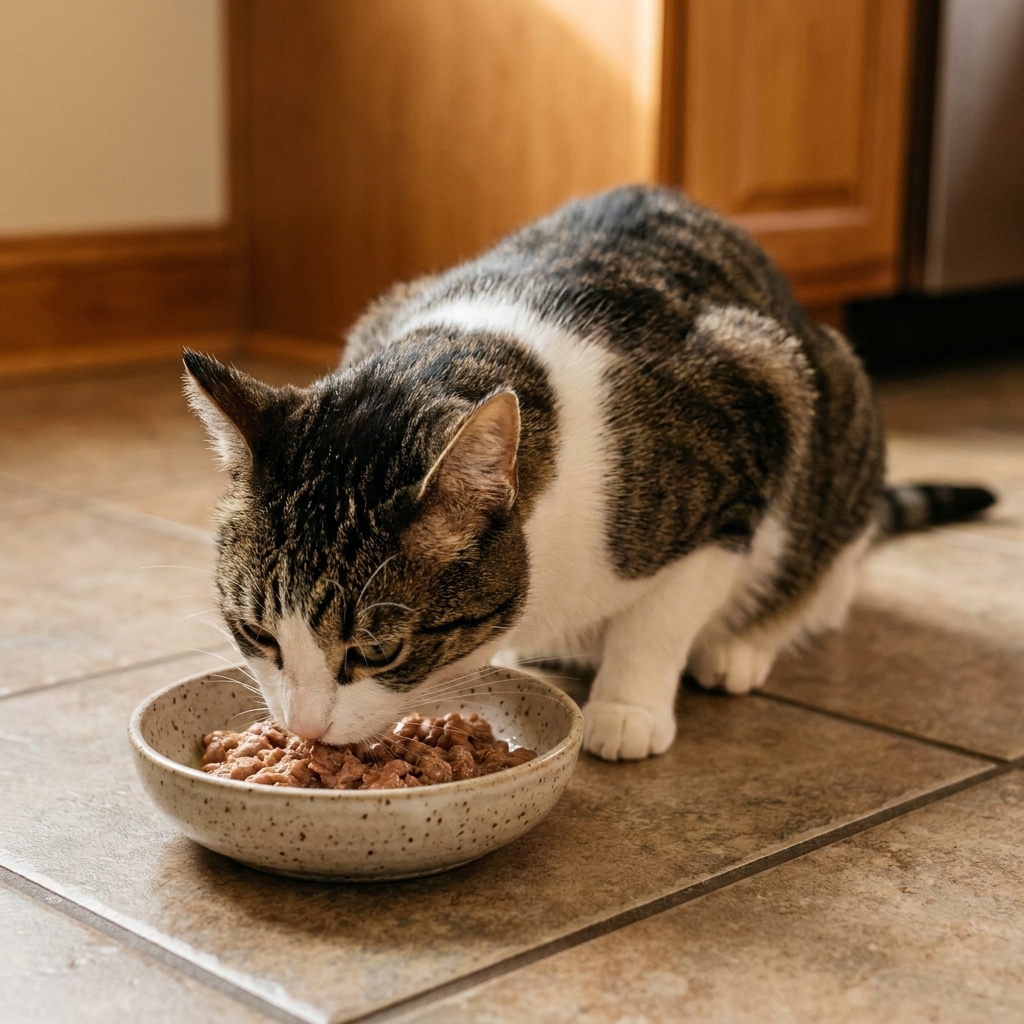
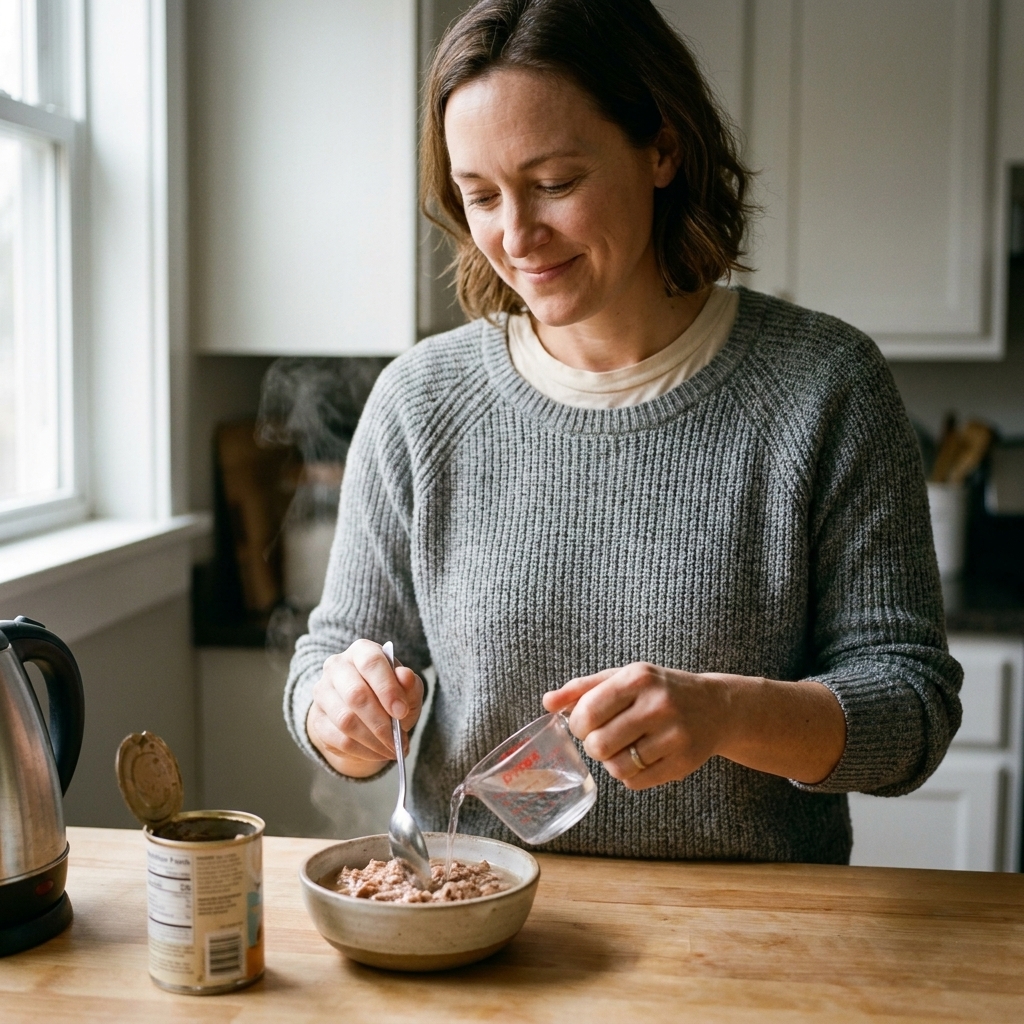
- Wet food: Stir in a teaspoon or two of warm water and mix well. Aim for lukewarm, around body temperature, not hot.
- Refrigerated leftovers: Let the portion sit out for 10 to 15 minutes, or warm briefly and stir thoroughly so there are no hot spots.
- Dry food: You can add a small splash of warm water or a cat-safe broth to increase scent and softness.
My tortie Clementine is the queen of walking away from chilly pate. Two tablespoons of warm water turns it into something she will actually consider.
2) Use toppers wisely
Toppers can be a helpful bridge, especially during food transitions or after stress. The goal is to make food appealing without accidentally teaching your cat to hold out for “better.”
Topper ideas many cats like
- FortiFlora or similar probiotics: Many cats love the flavor. Use as directed, and if your cat is immunocompromised or medically fragile, ask your vet before adding supplements.
- Freeze-dried meat treats: Crush into a powder and dust over the meal.
- Bonito flakes: A little goes a long way for scent.
- Tuna water: Use water from tuna packed in water only, offered occasionally and in small amounts. Avoid salty options, and do not rely on tuna as a daily routine.
- Warm water or low-sodium broth: Choose broth without onion or garlic, and avoid heavily seasoned or high-salt broths.
A quick anti “hold out” tip
Start with a tiny amount of topper, then gradually use less over several days. You want the base diet to remain the main attraction.
3) Change the texture
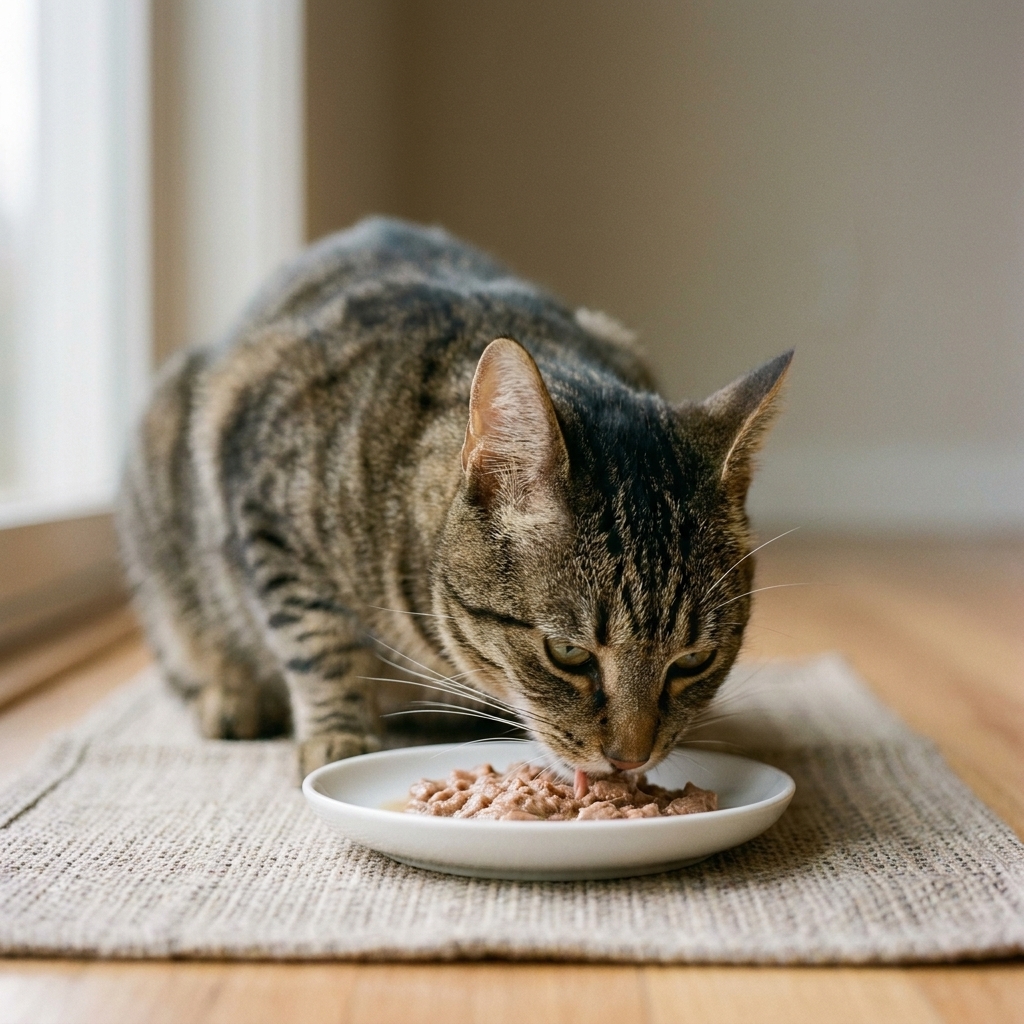
Some cats are not picky about taste, they are picky about mouthfeel. Pate vs shreds vs chunks in gravy can be the difference between “no thank you” and a clean bowl.
Simple texture tweaks
- Make pate smoother: Mash with warm water into a mousse.
- Make chunks easier: Chop pieces smaller or add extra warm water or gravy.
- If dental sensitivity is possible: Offer softer textures and talk with your vet about a mouth exam.
If your cat licks the gravy and leaves the chunks, that is a texture preference, not stubbornness. Lean into what they are telling you.
4) Improve the setup
In rescue, I saw “picky eating” disappear simply by changing the environment. Cats are detail-oriented, and small things can feel like big problems to them.
Checklist for a cat-friendly feeding station
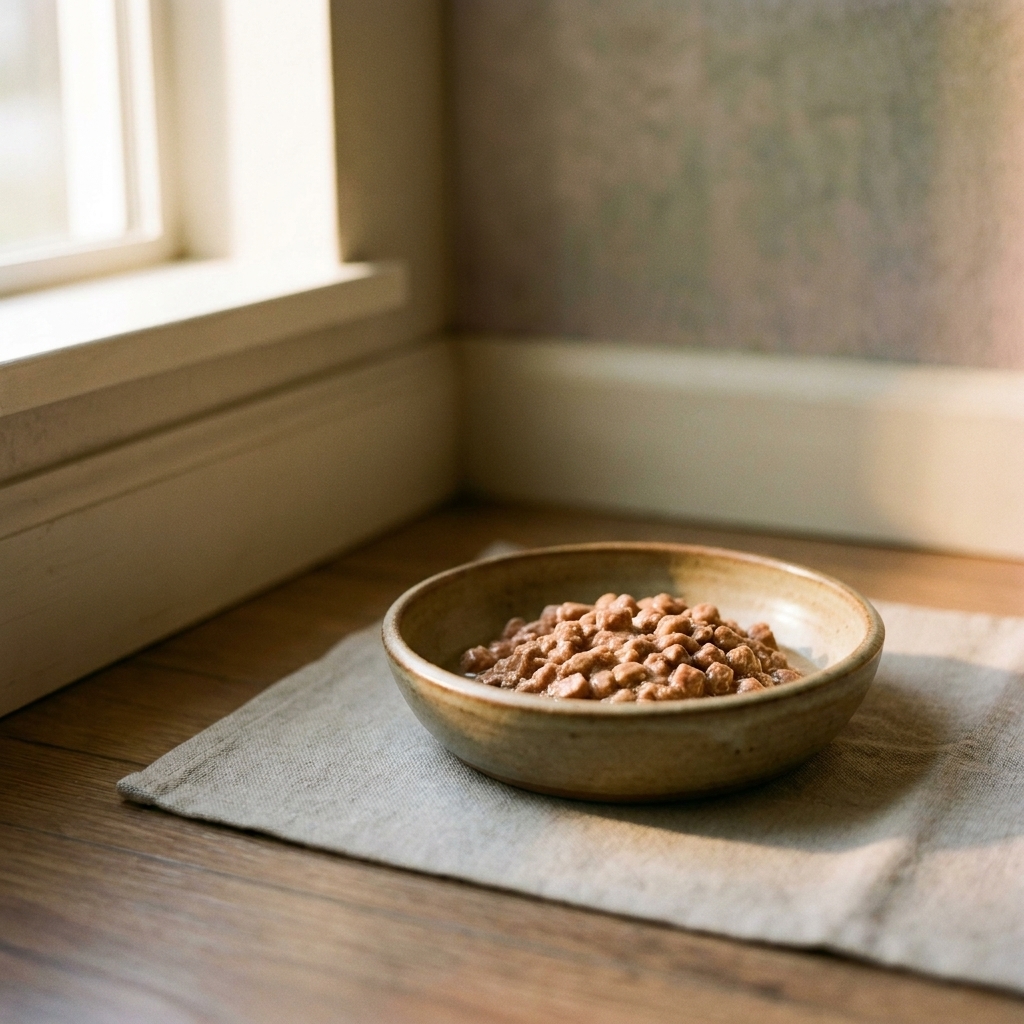
- Use a shallow, wide dish: It may help some cats that seem bothered when their whiskers brush the sides of a deep bowl.
- Wash bowls daily: Especially plastic, which can hold odors. Stainless steel or ceramic is often better.
- Feed away from the litter box: Most cats prefer distance.
- Choose a calm spot: Not next to a loud appliance or high-traffic hallway.
- For multi-cat homes: Offer multiple feeding stations, and if one cat is guarding or bullying, feed them in separate rooms.
If you have a cat like my orange tabby Waffles, who startles at his own reflection, a quieter corner can genuinely improve appetite.
5) Build a routine
Free-feeding can work for some cats, but many picky eaters do better with predictable meal times. Routine lowers stress and helps you spot appetite changes quickly.
A routine that helps many fussy cats
- Offer food at set times, 2 to 4 meals per day depending on your schedule and your cat’s needs.
- Leave the food down for 15 to 20 minutes, then pick it up.
- At the next meal, offer a fresh portion.
Wet food safety note
Do not let wet food sit out for long stretches. In many homes, 1 to 2 hours is a reasonable maximum before it starts to dry out and spoil, and on hot days it can be less. When in doubt, toss it and offer a fresh portion later.
6) Switch foods slowly
Switching foods too fast can cause nausea or diarrhea, which then creates a negative association with the new diet. Many cats respond by refusing it entirely.
A practical transition timeline
- Days 1 to 3: 75% old food, 25% new food
- Days 4 to 6: 50% old, 50% new
- Days 7 to 9: 25% old, 75% new
- Day 10+: 100% new food
If your cat has a sensitive stomach or a long history of pickiness, stretch this out to 2 to 3 weeks. Slow is fast with cats.
If your cat refuses the mix
Try offering two bowls side by side, one with the old food and one with the new. Some cats need to “opt in” before they will accept the blend.
7) Lower stress
Stress is an appetite killer. A new pet, construction noise, guests, a move, or even a change in your schedule can be enough to make a sensitive cat stop eating well.
Easy stress-lowering upgrades
- Add a little pre-meal play: 2 to 5 minutes of wand play can trigger a natural hunt-then-eat rhythm.
- Create a safe feeding zone: Use baby gates, separate rooms, or feeding stations on different levels if another pet is hovering.
- Try pheromone support: A feline pheromone diffuser can help some cats feel more settled.
- Keep changes gradual: New bowls, new spots, new foods, one change at a time.
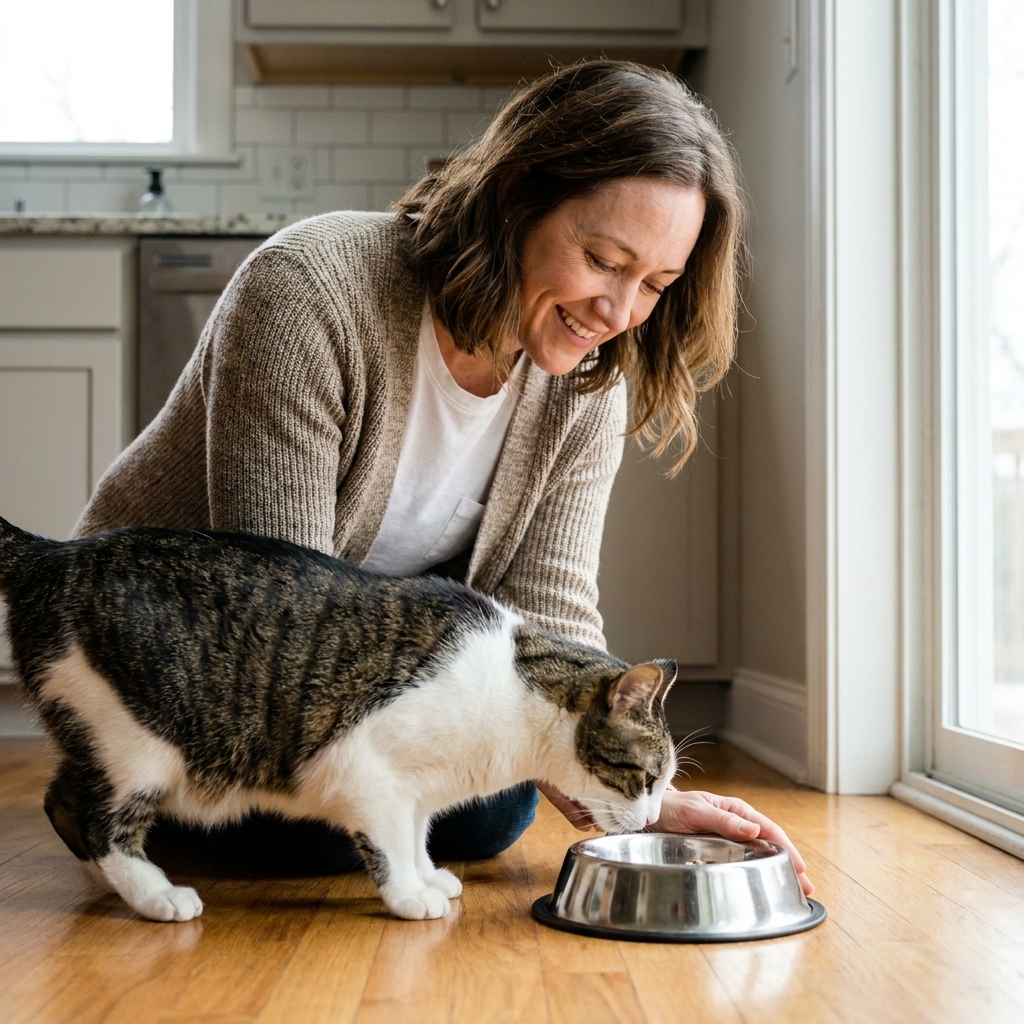
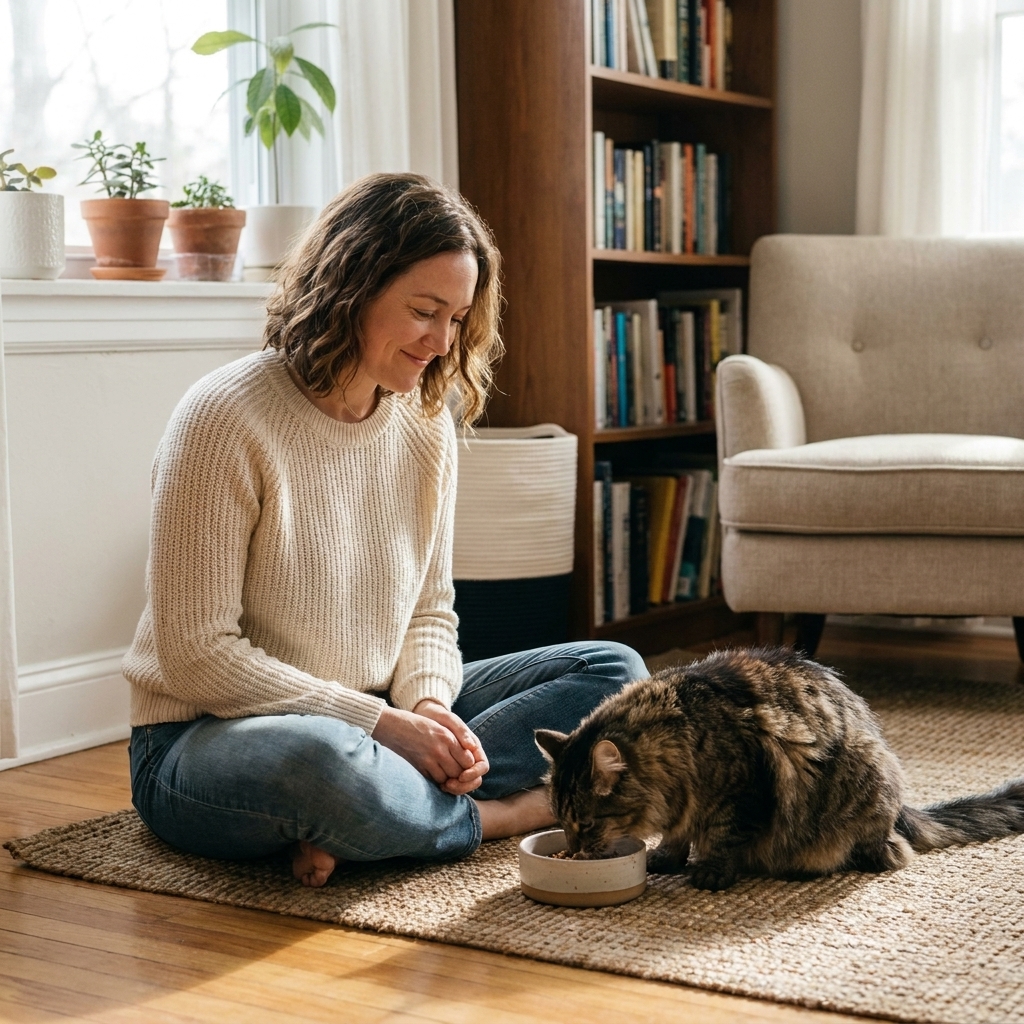
If your cat eats better when you sit nearby, that is not “clingy.” That is your cat feeling protected. You can slowly fade your presence over time if you want more independence.
Track intake and weight
When you are troubleshooting pickiness, data helps. Measure portions, note how much is actually eaten, and do weekly weigh-ins if your cat will tolerate it. Unplanned weight loss, even if your cat still “picks” at food, is a reason to call the vet.
When home tricks are not enough
If your cat is not eating well and you have tried the basics, your vet may discuss tools like anti-nausea medication, pain control, dental care, or appetite stimulants. The right fix depends on why your cat is refusing food, which is exactly why a checkup can be so valuable.
Common mistakes
- Offering too many choices at once: It often increases food refusal and anxiety. Change one variable at a time.
- Constantly swapping brands day to day: This can upset the stomach and reinforce holding out for something “better.”
- Using onion or garlic broths: These ingredients are toxic to cats.
- Using heavily salted or seasoned broths: Too much sodium and seasoning can cause problems for some cats.
- Pressuring or chasing your cat to the bowl: It can create a negative association with meals.
- Ignoring sudden appetite changes: Especially in adult and senior cats, medical issues can look like pickiness at first.
FAQ
How long can a cat go without eating?
As a general rule, contact your vet if your adult cat has eaten nothing for about 24 hours, and call sooner for higher-risk cats like kittens, seniors, underweight cats, diabetics, or cats with chronic illness. If your cat is eating much less than normal for more than a day, that also deserves attention. Cats can be at risk for hepatic lipidosis when they stop taking in enough calories.
My cat begs for food but then will not eat it. Why?
This can happen with nausea, dental pain, stress, or food that smells “off” to them. It can also happen when cats have learned that refusing leads to a more exciting option. If it is new or worsening, start with a vet call, then tighten up routine and reduce rapid food switching.
Should I leave dry food out all day?
Some cats do fine with it, but for many picky eaters it leads to grazing, stale food, and less enthusiasm at meals. Timed meals often work better for troubleshooting because you can measure appetite and keep food fresh.
Is it okay to hand-feed?
Short term, yes, especially during transitions or stress, as long as your cat is comfortable and not being forced. The long-term goal is to gradually shift back to eating from a bowl in a calm setup.
If you try one thing tonight
Warm the food, add a teaspoon of warm water, and serve it in a shallow clean dish in the quietest spot you have. Those three changes solve more “picky cat” cases than you would think.
If your cat is refusing food entirely, seems unwell, or the pickiness is new and sudden, trust your gut and call your vet. You are not overreacting. You are advocating for your cat.