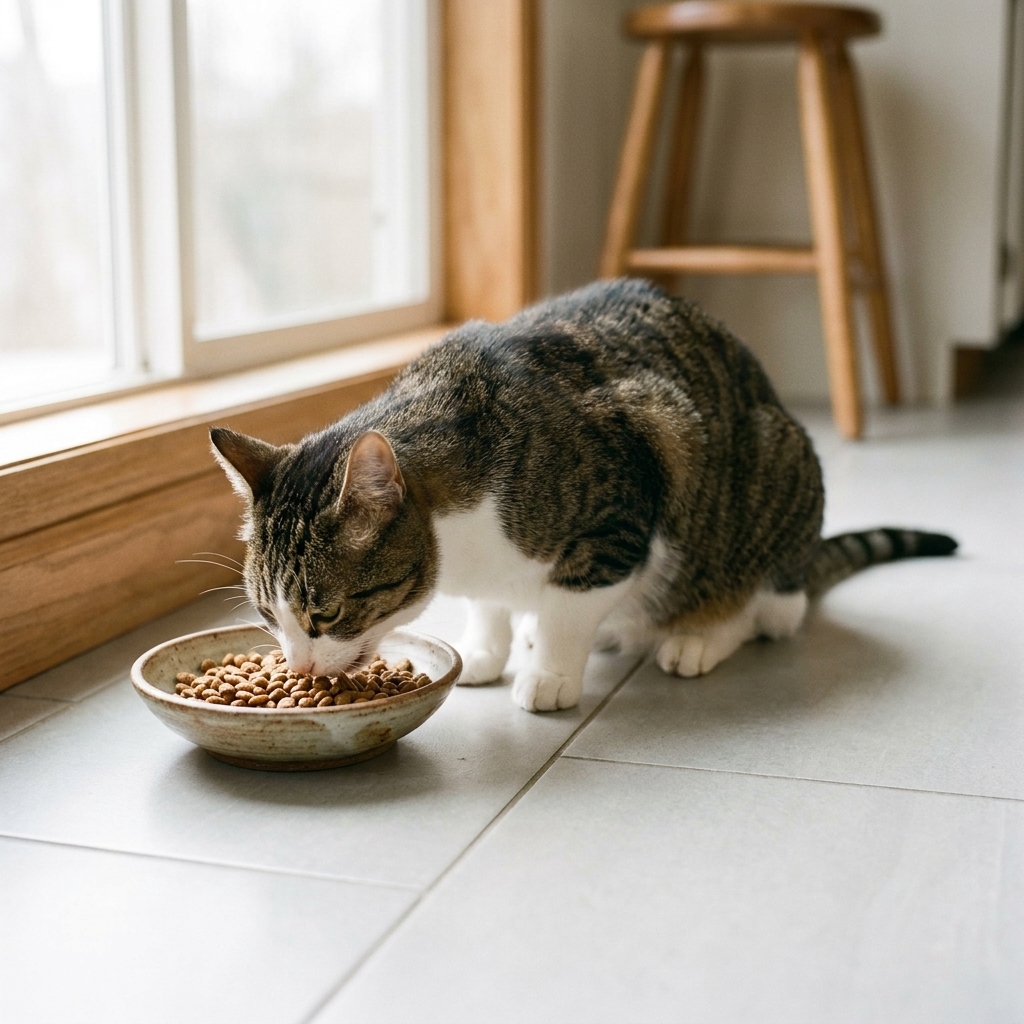
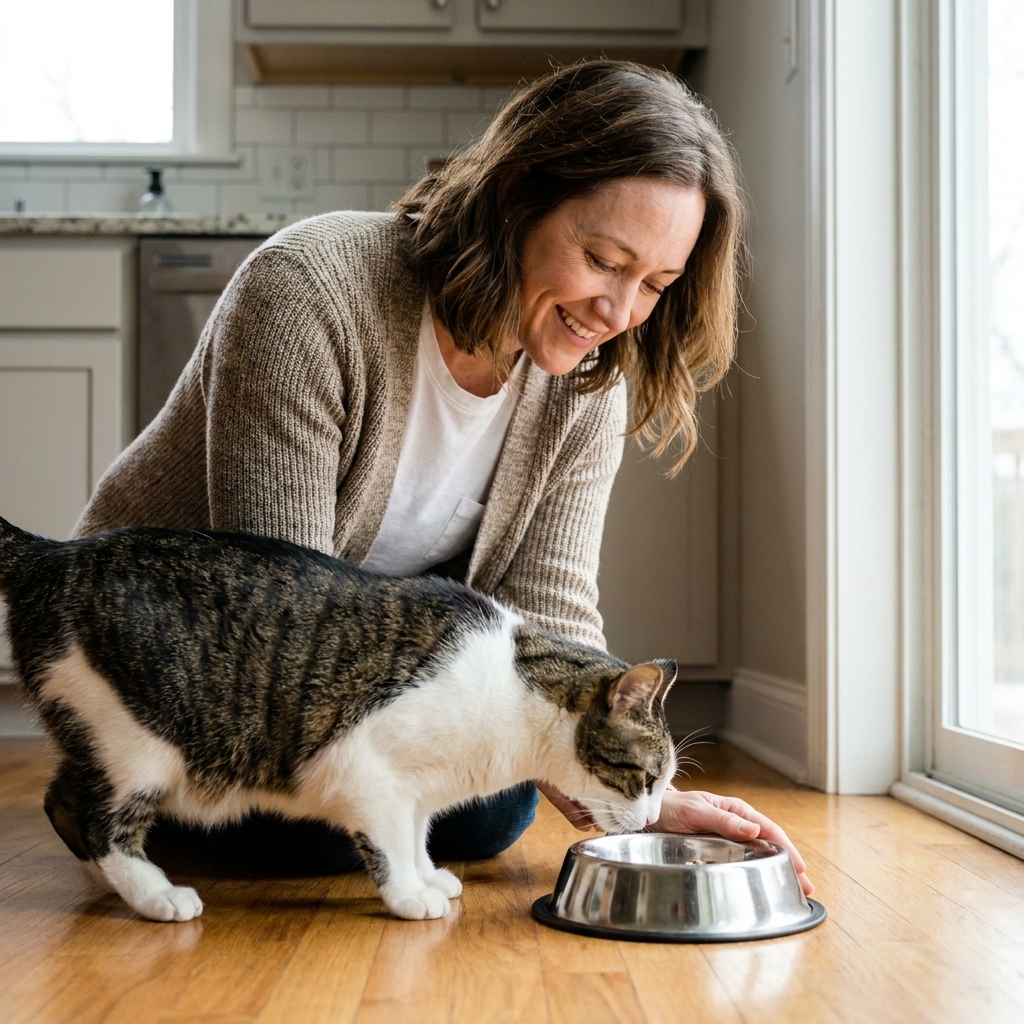
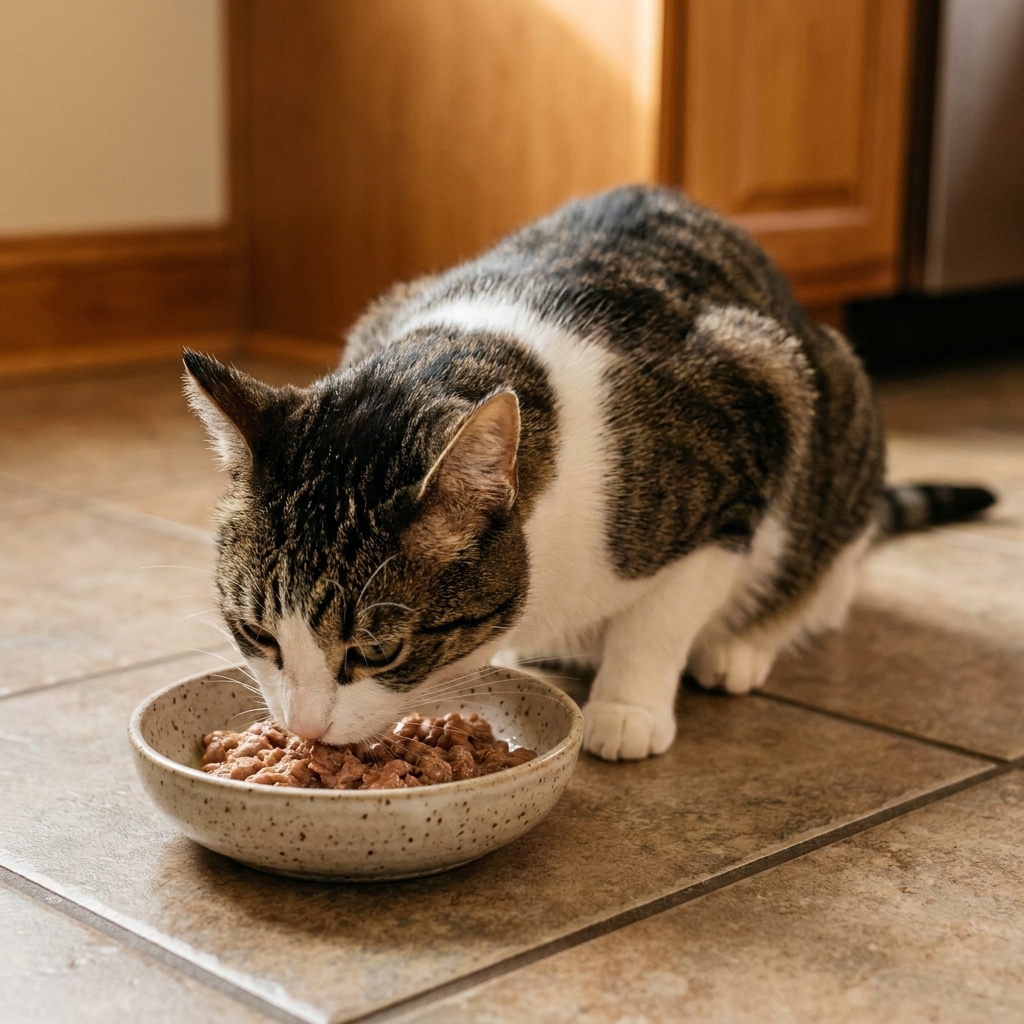
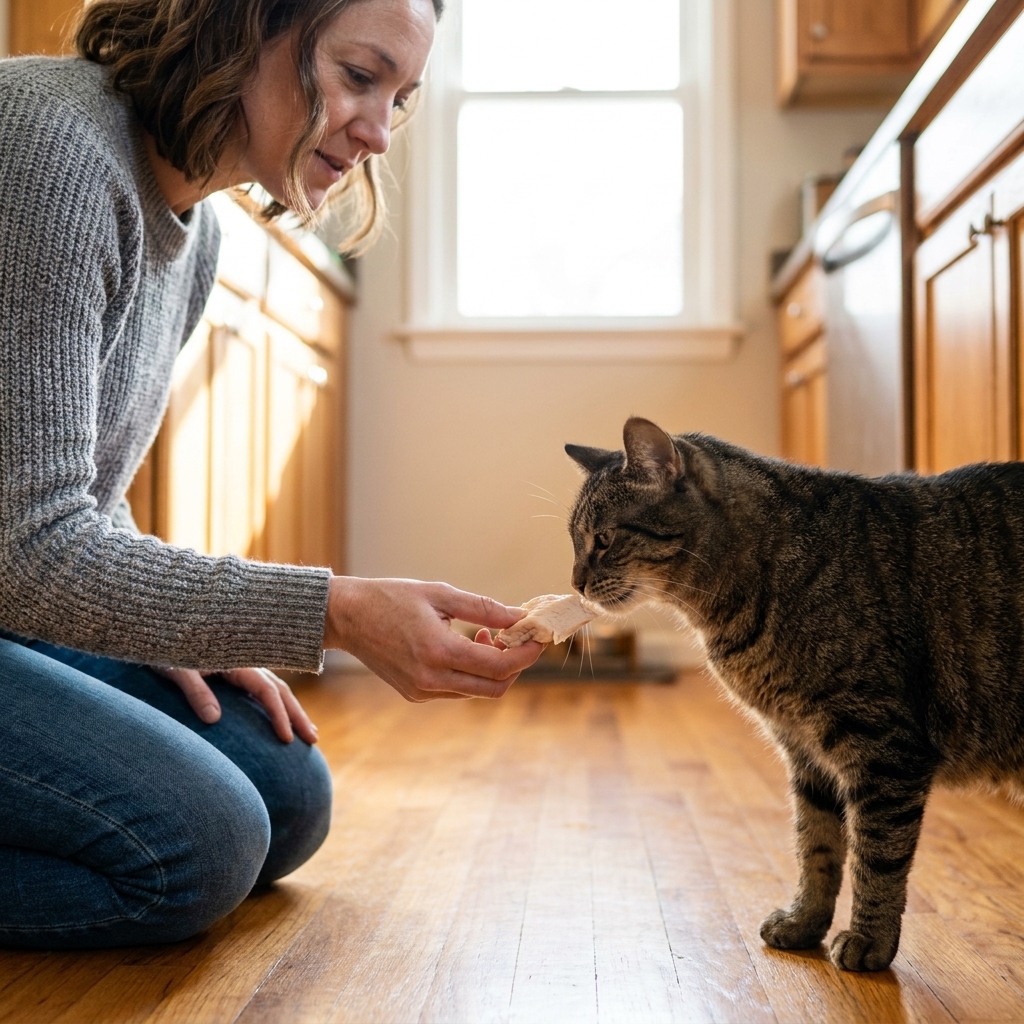
I have a soft spot for nutrition rabbit holes, and raw feeding is one of the biggest ones in cat care. Some cat parents swear their cat’s coat got glossier overnight. (For what it’s worth, true coat changes usually show up over weeks, not hours, because skin and fur need time to respond.) Others try it once, get overwhelmed, and understandably back away.
Let’s take a calm, evidence-based look at what a raw diet for cats actually is, what it can do well, where it can go wrong, and how to reduce risk if you decide to move forward. No judgment either way. My goal is the same as always at Meow Mentor: keep your cat healthy and keep you out of the panic zone.
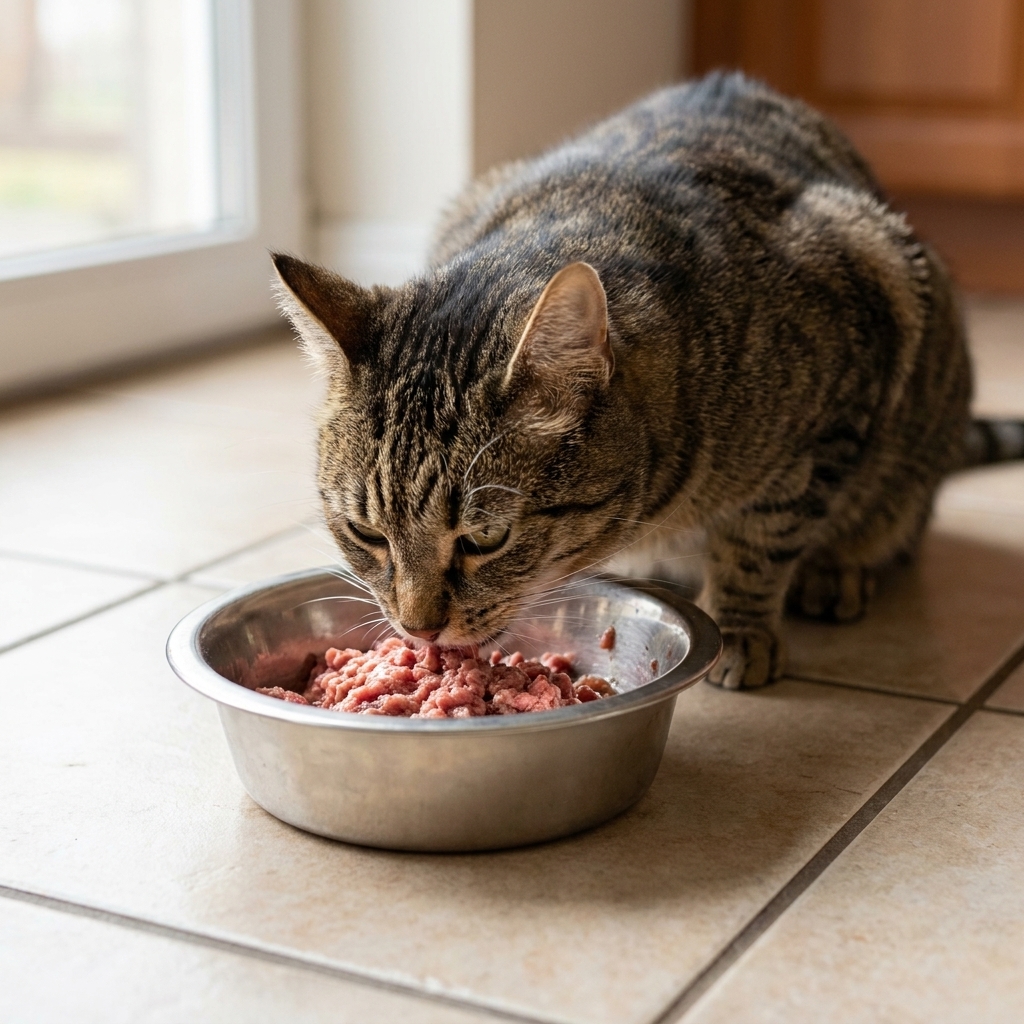
What counts as a raw diet for cats?
A raw diet generally means uncooked animal-based foods fed in a way meant to mimic a cat’s natural prey diet. In real life, raw feeding usually falls into a few categories:
- Commercial raw (frozen or freeze-dried): Made by pet food companies. Frozen raw must be kept frozen and thawed; freeze-dried is shelf-stable until rehydrated.
- Homemade raw: You buy ingredients and prepare meals yourself, typically following a recipe or using a formulated supplement mix.
- “Frankenprey” style: A homemade approach that uses specific proportions of muscle meat, organs, and edible bone to hit nutrient targets.
Important nuance: “Raw” does not automatically mean “complete and balanced.” A raw diet can be nutritionally complete, or it can be dangerously incomplete. The difference is formulation, not whether it’s cooked.
In practice, “complete and balanced” usually means the label includes a nutritional adequacy statement such as “formulated to meet the AAFCO Cat Food Nutrient Profiles” (for a specific life stage) or “animal feeding tests using AAFCO procedures substantiate…” Those phrases are not marketing fluff. They are a quick way to screen for diets that were built to hit known nutrient targets.
Why people choose raw
Here are the benefits cat parents commonly hope for, plus what we can say realistically.
1) Stool changes
Some cats on well-formulated raw diets produce smaller stools or firmer stools. That often relates to digestibility, the amount of indigestible material, and the mineral content of the diet (especially if bone is included). The flip side is that extremely firm stool is not inherently “better.” Too much bone can cause constipation, straining, or very dry, crumbly stools.
2) Shinier coat and less shedding
When a cat moves from a diet that does not agree with them to one that better fits their needs, the coat can improve. That is not raw-specific magic. It is often about overall protein quality, fatty acid balance, and adequate calories, and it typically takes a few weeks to notice.
3) High protein, low carbohydrate
Cats are obligate carnivores, so a meat-forward diet makes sense. Many commercial raw diets are high in animal protein and lower in carbohydrates than some kibbles. That said, you can also achieve appropriate macros with many canned diets, which carry fewer pathogen concerns.
4) Palatability for picky eaters
Some cats love raw. Others refuse it completely. Texture and temperature matter a lot. Many cats prefer food warmed slightly (not cooked), because it smells stronger.
5) “More natural”
I understand the appeal. But “natural” is not automatically safer or more complete. House cats are not hunting varied prey daily, and they are not self-balancing calcium, taurine, iodine, vitamin D, and essential fatty acids. Nutrition still has to be built intentionally.
The real risks
This is the part I want you to read slowly, not fearfully. Risks are manageable in some households and unacceptable in others. The key is matching the diet to your cat and your home.
Pathogens
Raw meat can carry pathogens such as Salmonella, Campylobacter, E. coli, Listeria, and parasites depending on sourcing and handling. Cats can sometimes carry these without obvious signs, and they can still shed organisms that pose a risk to other pets and people in the home. Cats can also become ill with vomiting, diarrhea, fever, lethargy, or dehydration.
Pathogen risk varies by protein and source, and it is influenced by handling. Freezing can reduce risk for certain parasites in some situations, but it does not reliably kill bacterial pathogens. Hygiene still matters.
There is also a human health angle. These organisms can spread through:
- Handling raw food and then touching your face or other surfaces
- Cat saliva after eating
- Feces in the litter box
- Contaminated bowls, counters, and sinks
Households with young children, elderly family members, pregnant people, or anyone immunocompromised should be especially cautious. In many of these homes, I recommend choosing a cooked diet instead. Same idea if your cat is a therapy cat or regularly visits high-risk settings.
Nutritional imbalance
This is the big one I see in rescue and rehab circles: a well-meaning raw recipe that is not complete. Nutrient gaps and excesses may not show up right away, but they can cause serious long-term harm.
Common trouble spots include:
- Taurine deficiency: can contribute to heart disease and vision issues
- Calcium to phosphorus imbalance: can harm skeletal health; phosphorus-heavy recipes may also be inappropriate for cats with kidney disease
- Vitamin A or D excess: often from too much liver or unbalanced supplements
- Iodine imbalance: if seaweed or kelp is used inconsistently
- Thiamine (B1) deficiency: risk increases with fish-heavy approaches, especially if they rely on raw thiaminase-containing fish species
If you only take one thing from this guide, let it be this: raw feeding is not just “meat in a bowl.” Cats need a carefully balanced nutrient profile.
Bone hazards
Raw diets may include edible bone, ground bone, or whole meaty bones. Risks include:
- Tooth fractures from hard bones
- Constipation or painful stooling with too much bone
- GI obstruction or choking, especially with whole bones
Cooked bones are particularly dangerous because they splinter. They should never be fed.
GI sensitivity and pancreatitis histories
Some cats do poorly with rich diets, sudden changes, or frequent protein switching. In cats, pancreatitis is often complex and not as straightforwardly linked to dietary fat as it is in dogs. Still, if your cat has a history of pancreatitis, chronic diarrhea, inflammatory bowel disease, or frequent vomiting, your veterinarian should be involved before any diet change.
Higher-risk cats
Raw feeding can be a higher-risk choice for:
- Kittens (they need extremely consistent, complete nutrition for growth)
- Senior cats with chronic disease
- Cats with kidney disease, liver disease, or diabetes unless a veterinarian-guided nutrition plan supports it (diabetes is not automatically incompatible, but the diet needs to be consistent, safe, and formulated appropriately)
- Cats on immunosuppressive medications
Commercial vs homemade
Commercial raw
Commercial raw diets vary widely. The safest options are from companies that:
- State the food is complete and balanced for your cat’s life stage
- Include an AAFCO nutritional adequacy statement (or equivalent formulation and testing standards)
- Have clear quality control and food safety practices
- Provide a full nutrient analysis and feeding instructions
Some manufacturers use safety steps like high-pressure processing (HPP). It may reduce certain bacteria, but it is not a guarantee of sterility, and it does not fix a formula that is nutritionally incomplete.
Homemade raw
Homemade can work, but it should be done with a recipe that is formulated for cats. The most common “internet recipe” approach I see is muscle meat plus a sprinkle of supplements. That is where deficiencies sneak in.
If you are drawn to homemade, consider working with a board-certified veterinary nutritionist (in the US, you may see credentials like DACVIM in Nutrition) or using a veterinarian-recommended formulation strategy that includes a complete supplement designed for balancing raw recipes.
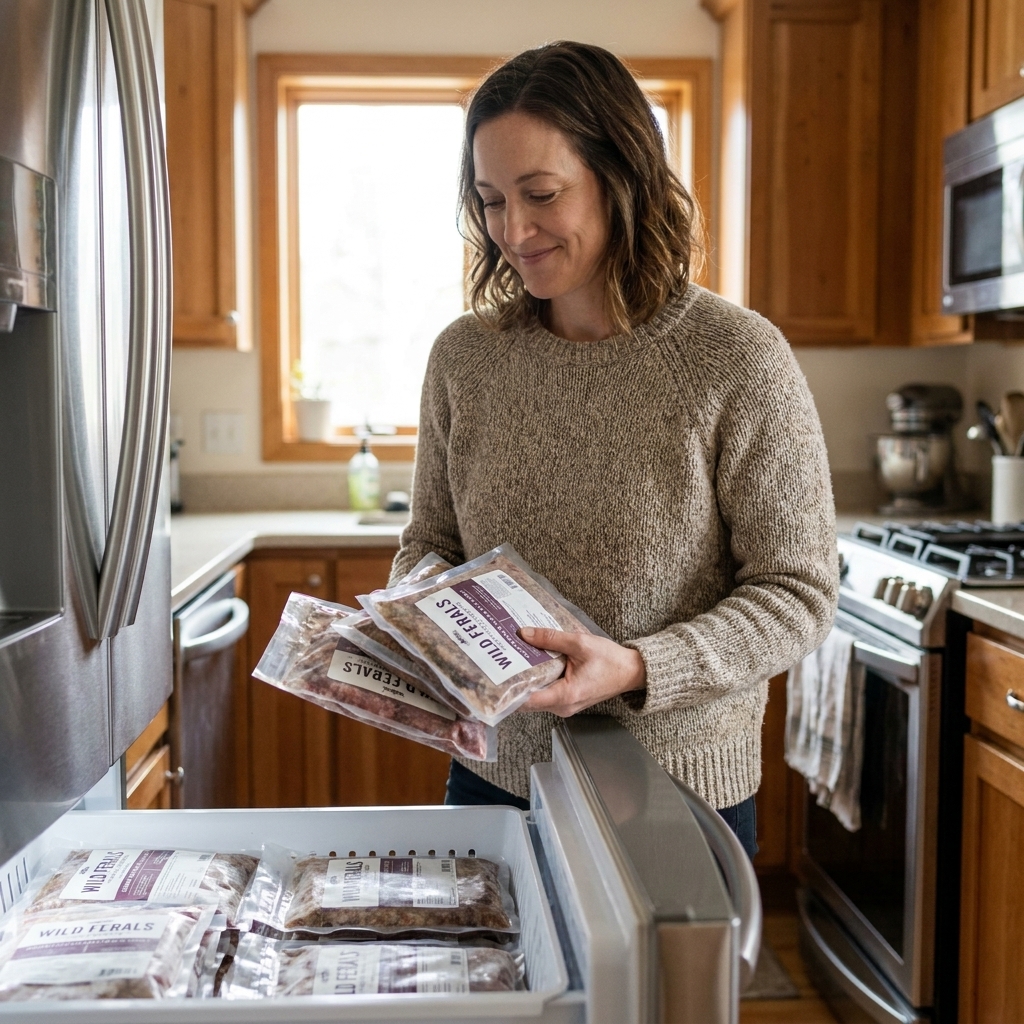
How to do raw more safely
If you decide to feed raw, treat it like handling raw chicken for your family, but with the added twist that your cat will lick their paws and groom their face afterward.
Start with the right plan
- Talk to your vet if your cat has any medical history beyond being generally healthy.
- Choose complete and balanced foods whenever possible, especially for kittens.
- Avoid random recipe swapping. Consistency helps digestion and makes it easier to spot problems.
Purchase and storage
- Buy from reputable sources with proper cold chain handling.
- Freeze promptly if not feeding immediately.
- Store raw separately from human foods when you can, and keep it sealed to prevent drips.
- Label and date packages so you rotate stock.
Thawing, leftovers, and prep
- Thaw in the refrigerator, not on the counter.
- Follow the manufacturer’s timelines for thawed food. If you prepared it yourself, keep thawed raw refrigerated and use it promptly.
- Discard food that sat out. In most homes, I would not leave raw out longer than 20 to 30 minutes.
- Use dedicated tools if possible: one cutting board, one scoop, one bowl.
- Wash hands with soap and warm water before and after.
- Sanitize surfaces after prep, including sink handles and fridge handles.
Feeding hygiene
- Serve in stainless steel or ceramic bowls that can be washed thoroughly.
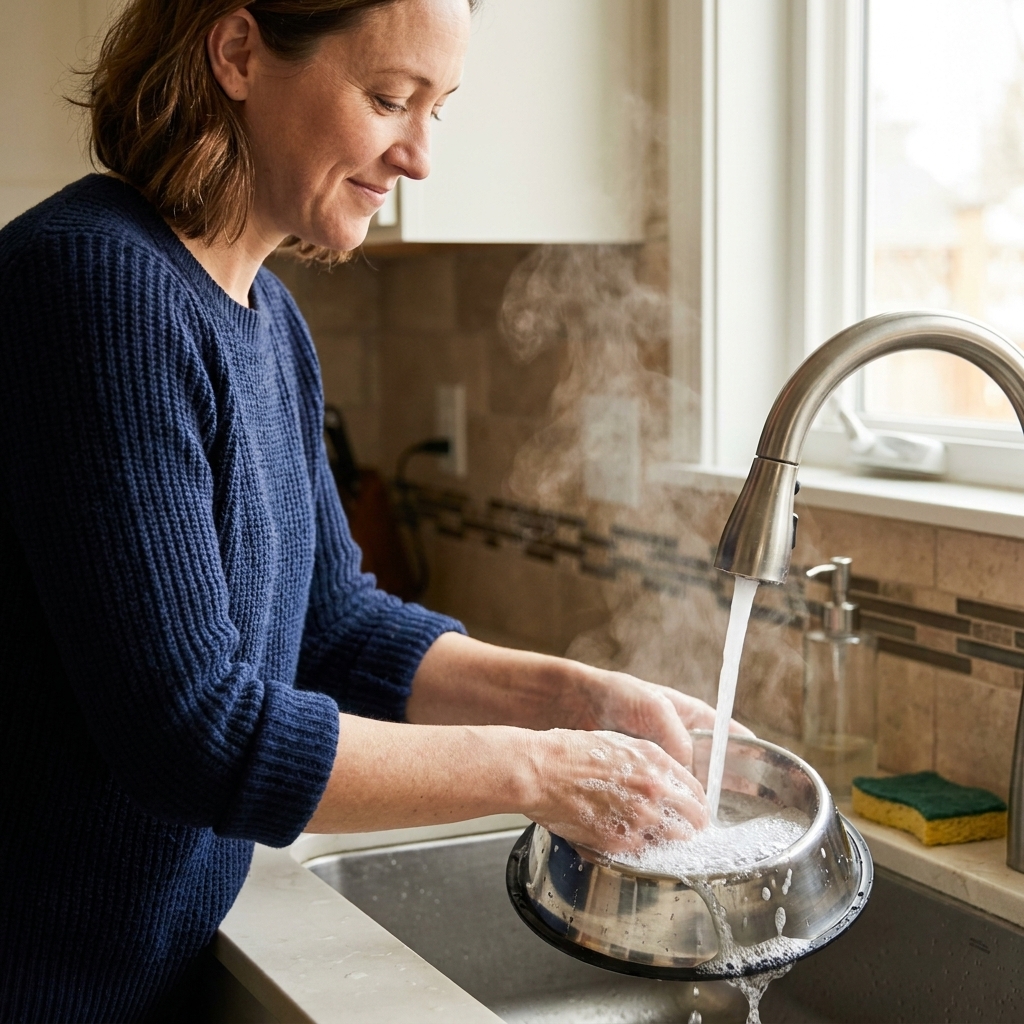
- Wash bowls with hot, soapy water after every meal.
- Clean feeding areas, especially if your cat drags food.
Litter box safety
- Scoop daily, ideally right away.
- Wash hands after scooping, every time.
- Keep litter boxes away from kitchens if possible.
Extra caution for multi-cat homes
If one cat is raw-fed and another is not, remember that shared grooming, shared bowls, and shared surfaces can spread bacteria. Feeding in separate areas and washing bowls promptly matters even more.
Transitioning without tummy drama
Sudden diet changes are a top cause of vomiting and diarrhea, regardless of whether the new food is raw or cooked. Slow and steady wins.
A gentle 10 to 14 day transition
- Days 1 to 3: 10% new food, 90% current food
- Days 4 to 6: 25% new, 75% current
- Days 7 to 10: 50% new, 50% current
- Days 11 to 14: 75% new, 25% current, then 100% if stool stays normal
Tips for picky cats
- Warm slightly by placing the sealed portion in warm water for a few minutes (do not microwave raw with bone).
- Try texture changes like paté-style grind vs chunks.
- Use a tiny topper your cat loves, like a teaspoon of their favorite canned food, and taper down.
Never let a cat “hunger strike”
If your cat will not eat for a full day (or about half a day for kittens), call your veterinarian. Call sooner if your cat is overweight, already sick, or acting “off.” Cats are not built for fasting and can develop hepatic lipidosis (fatty liver disease), which is a true emergency.
When to stop and call your vet
Raw-fed cats can have the same issues any cat can have, but I take these signs especially seriously:
- Repeated vomiting or diarrhea
- Blood in stool
- Fever, marked lethargy, or hiding
- Refusing food
- Straining to poop or very hard, dry stools
- Sudden weight loss or muscle loss
If your vet needs to run testing, bring the diet details with you: brand or recipe, proteins used, supplements added, and how long your cat has been eating it.
Frequently asked questions
Is freeze-dried raw safer than frozen raw?
Freeze-dried raw is convenient and often easier to store, but it is not automatically pathogen-free. Treat it with the same hygiene mindset, especially once rehydrated.
Can I feed raw meat from the grocery store without supplements?
For an occasional bite as a treat, talk to your vet about what is appropriate for your cat. As a main diet, plain grocery-store meat is not complete and balanced. Cats need specific levels of taurine, calcium, trace minerals, and vitamins that muscle meat alone does not provide.
Do cats need bones in raw diets?
Cats need calcium, and edible bone is one way to supply it. Another is a properly formulated calcium source in a recipe. The goal is the right calcium-to-phosphorus balance, not bones for the sake of bones.
Is raw feeding recommended by veterinarians?
Veterinary opinions vary, and many veterinarians are cautious because of pathogen risk and the high rate of nutritional imbalance in homemade raw diets. If you want to pursue raw, a collaborative approach with your veterinarian is the safest way to do it.
What is a lower-risk alternative if I like the “high meat” idea?
A high-protein, meat-forward complete and balanced canned diet is often a practical middle ground. It typically has fewer pathogen concerns than raw, strong palatability, and good hydration support.
My bottom line
Raw feeding is not automatically bad, and it is not automatically better. A thoughtfully formulated raw diet can meet a cat’s nutritional needs, but it comes with real food safety responsibilities and less room for error than most people expect.
If you are raw-curious, I usually suggest starting with a reputable complete and balanced commercial raw, keeping your hygiene standards high, and checking in with your vet before and after the transition. And if raw feels stressful, that is your answer too. The best diet is the one that is safe, complete, and sustainable in your real life, with your real kitchen, on your busiest week.
Give Clementine a new food she dislikes and she will stare at me like I have committed a personal crime. Waffles will try anything once, look confused, and then ask for a second serving. Cats are like that. Your job is not perfection. It is consistency, safety, and paying attention to what your individual cat tells you.