If you have ever watched a cat strain in the litter box, cry out, or make repeated trips with little to show for it, you know how scary urinary tract issues can be. I have fostered plenty of cats who came in with urinary discomfort, and one thing is consistently true: diet is not the whole story, but it is one of the biggest levers we can actually control at home.
Nutrition changes can help reduce the risk of urinary crystals and blockages by doing three key things: increasing urine volume through moisture, supporting a urine environment less friendly to crystal formation, and keeping certain minerals in an appropriate range. Let’s break down what that looks like in real life, with practical steps you can start today.
Quick safety note
Dietary changes are preventive and supportive. They are not a substitute for urgent care when a cat may be blocked or seriously ill.
Go to an emergency vet now if you notice:
- Straining to urinate with little or no urine produced
- Repeated litter box trips with tiny amounts and worsening discomfort
- Crying, yowling, or obvious pain in the litter box
- Lethargy, vomiting, hiding, or refusing food
- A hard, painful belly
Male cats are at higher risk for life-threatening urethral obstruction because their urethra is narrow. If a blockage is suspected, do not wait to “see if it improves.”
Call your vet same-day if you notice:
- Blood in the urine
- Urinating outside the box
- Frequent urination, licking the genitals, or other new urinary signs
Those signs can still become urgent quickly, and they can have multiple causes, including bladder inflammation (very common), crystals, stones, infection (less common in many adult cats), or other medical problems. The safest move is to get a diagnosis early.
Why diet matters
Most diet conversations around feline urinary tract issues revolve around three nutrition-driven factors:
- Moisture intake: More water in means more urine out. Dilute urine helps flush the bladder and can reduce the concentration of crystal-forming substances.
- Mineral balance: Minerals like magnesium, phosphorus, and calcium are normal and necessary. Problems happen when urine becomes supersaturated, making crystals more likely to form.
- Urine environment: Urine concentration and pH can influence which types of crystals form. Diet can help support a healthier urine profile.
Also important: many cats with lower urinary tract signs have feline idiopathic cystitis (FIC), which is inflammation without a bacterial infection. Stress, routine changes, pain, and environment play huge roles. Diet helps most when it is paired with stress reduction and excellent litter box habits.
Moisture comes first
If I could pick one “bang for your buck” change for urinary health, it is increasing total water intake. Cats are descended from desert-adapted ancestors, and many do not naturally drink enough to make up for a dry-food-only diet.
Wet food versus dry food
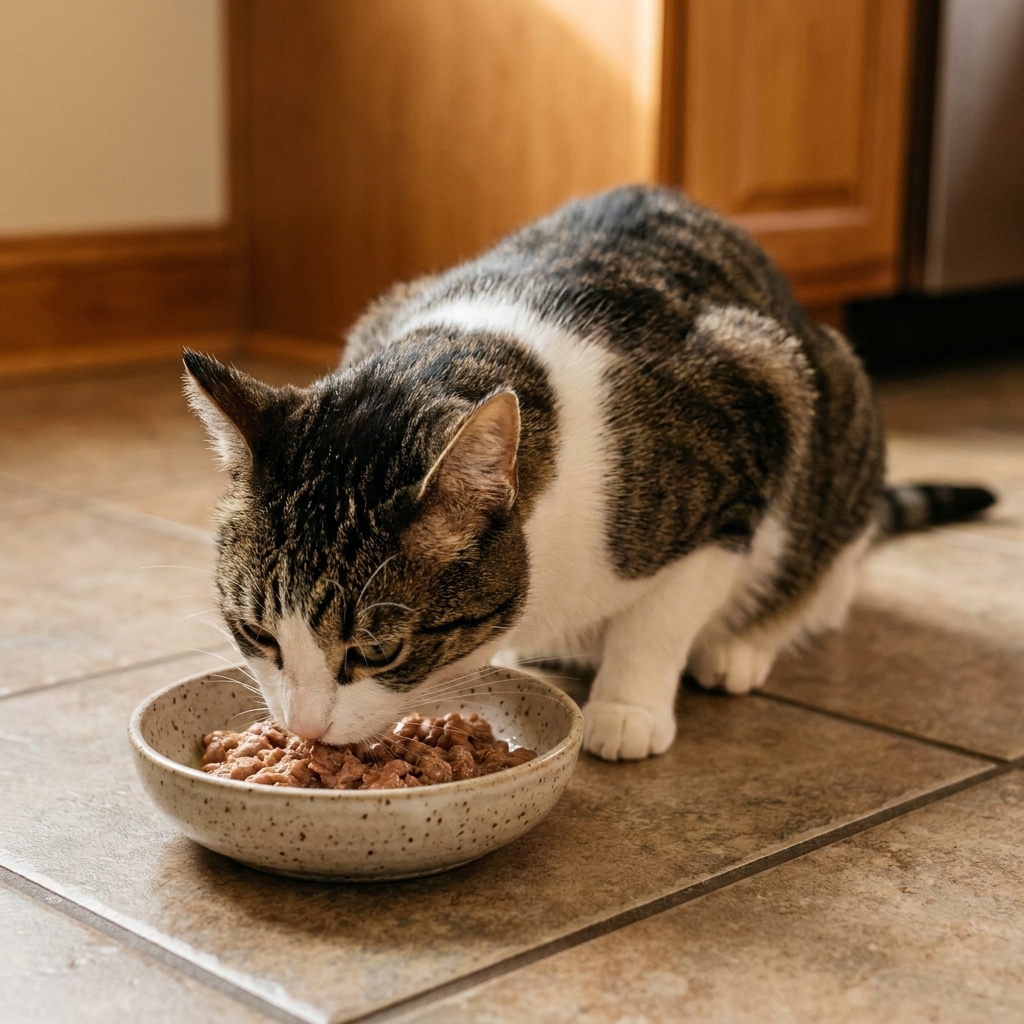
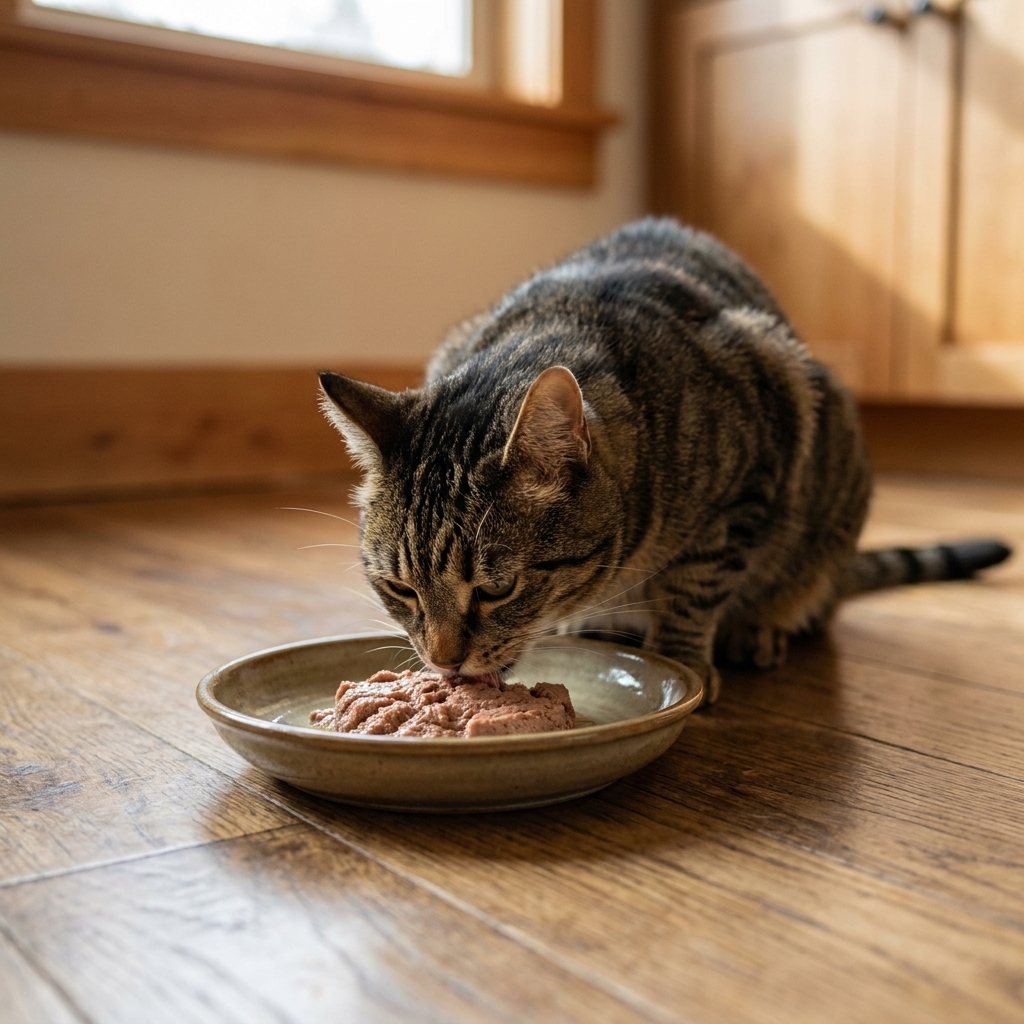
Canned and pouch foods are typically much higher in moisture than kibble. That often means bigger urine volume and more diluted urine, which is helpful for many crystal and bladder issues.
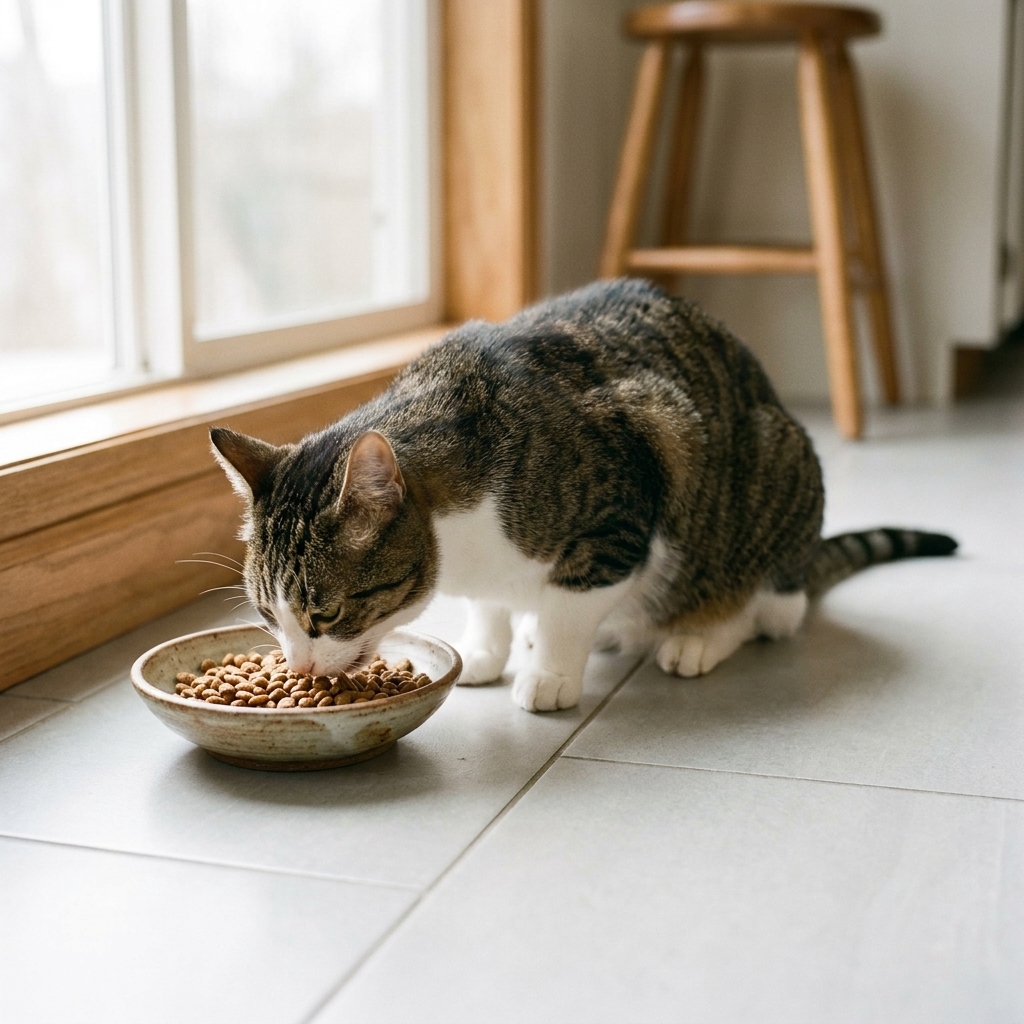
This does not mean every cat on dry food will develop urinary problems, or that every wet-fed cat is immune. It means moisture is a major protective factor, and it is worth prioritizing if your cat has a history of urinary trouble.
Easy ways to add more water through food
- Add water to wet food: Start with 1 to 2 teaspoons per meal and work up. Many cats happily eat a “stew” texture.
- Try a wet-dominant schedule: Even switching one daily meal from dry to wet can help.
- Use toppers strategically: A spoonful of tuna water from low-sodium tuna packed in water (not brine) can boost interest. Keep portions small and occasional.
- Offer broth carefully: Only use broths made for pets or truly onion-free and garlic-free options. Avoid salty products, and do not assume “natural” means safe.
Minerals and “ash”
Many cat parents stumble across terms like “low ash,” “low magnesium,” or “urinary formula” and feel like they need a chemistry degree to shop responsibly. Here is the simplified version.
Crystals form when urine is concentrated
Struvite crystals and calcium oxalate crystals are the most common. Diet can influence the levels of certain minerals in urine and, to an extent, the urine’s characteristics. Moisture still matters a lot, because concentrated urine is a major part of the problem.
Should you choose a “low magnesium” food?
For most modern cat foods, magnesium is not wildly excessive. What matters more than chasing one number is choosing a complete and balanced diet and, for at-risk cats, one designed with urinary health in mind.
If your cat has a history of struvite crystals, urinary obstruction, or recurrent urinary signs, your veterinarian may recommend a diet with controlled mineral content and specific targets for urine concentration and pH.
Be careful with DIY and heavy supplements
I love a motivated pet parent, but urinary issues are one area where well-intentioned DIY can backfire. Adding random supplements, excessive mineral-heavy treats, or feeding an unbalanced homemade recipe can shift urine chemistry in unhelpful ways. If you want to cook for your cat, do it with a veterinary nutritionist-formulated recipe and follow it precisely.
Urine pH
You may hear that struvite is favored by more alkaline urine. That is generally true. Calcium oxalate prevention is more complicated, and it is not as simple as making urine more or less acidic.
Trying to change urine pH at home with supplements is risky. Pushing pH too far in either direction can increase the risk of other crystal types or create new problems. For many cats, the safest focus at home is hydration, appropriate diet, and veterinary monitoring.
Prescription urinary diets are formulated to influence urine characteristics safely and consistently. If your cat needs pH and mineral management, that is the safer lane to stay in versus DIY acidifiers or “urinary drops.”
When prescription diets help
Prescription urinary diets get a lot of side-eye online, but in rescue and rehab work I have seen them make a dramatic difference for the right cat. They are not just “expensive kibble.” They are formulated to hit specific urine goals and reduce the building blocks that contribute to certain stones and crystals.
Common reasons vets recommend them
- History of urethral blockage, especially in male cats
- Documented struvite crystals or struvite stones
- Recurrent lower urinary tract signs
- High risk of recurrence based on urinalysis history
How long do cats stay on them?
It depends on the diagnosis and your cat’s history. Some cats use a prescription urinary diet short-term to dissolve struvite stones under veterinary supervision. Calcium oxalate stones do not dissolve with diet and are managed with different strategies, which is one reason the diagnosis matters.
Others stay on an appropriate urinary diet long-term to reduce recurrence risk. Your veterinarian will guide this based on urinalysis, imaging, and clinical signs.
Can you mix prescription and non-prescription foods?
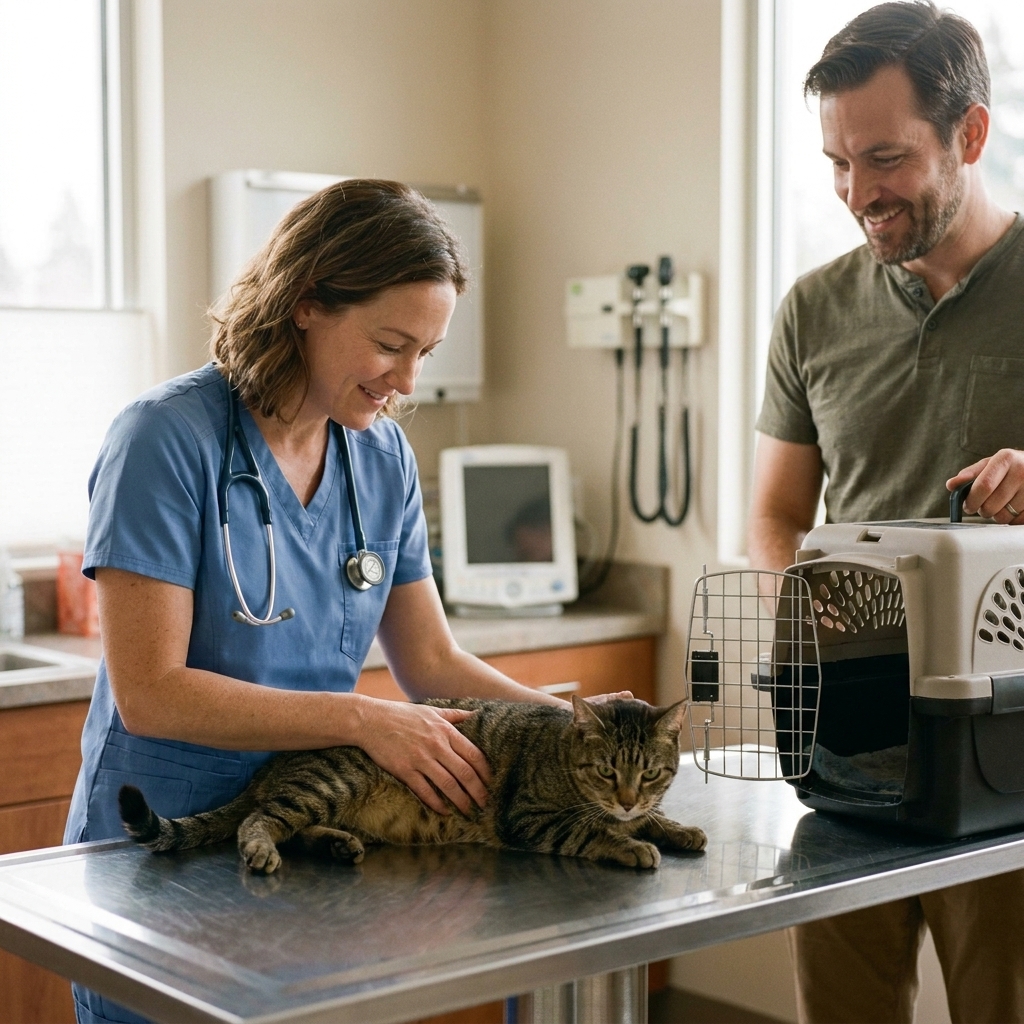
Ask your vet, but in many cases the answer is “only if we plan for it.” Mixing in a different food can dilute the therapeutic effect. If your cat is picky, talk to your clinic about texture options, gradual transitions, and whether wet versus dry prescription versions are available.
OTC urinary diets
Here is the key transition: prevention and mild sensitivity are different from managing confirmed stones or a past blockage. If your cat has had an obstruction or confirmed stones, your vet may want a prescription plan.
If your cat has mild urinary sensitivity or you are focused on prevention, your veterinarian may be comfortable with an over-the-counter urinary support formula. These diets vary widely, so I like to keep the selection process simple.
What to look for
- Complete and balanced for your cat’s life stage (AAFCO or equivalent feeding statement)
- Wet options if possible, or a plan to increase water intake if feeding dry
- Consistent brand quality control and clear nutritional information
What to be cautious about
- Foods making bold medical promises without veterinary guidance
- Heavy reliance on supplements that claim to “fix urine pH”
- Extremely fish-heavy diets for cats with a calcium oxalate history, unless your vet advises otherwise
If your cat has had a real urinary obstruction or confirmed stones, I generally consider that “prescription diet territory” unless your vet has a different plan.
Switching foods safely
Urinary cats are often sensitive cats, and sudden diet changes can lead to vomiting, diarrhea, or a hunger strike. A slow transition is your friend.
A gentle transition schedule
- Days 1 to 3: 75% current food, 25% new food
- Days 4 to 6: 50% current, 50% new
- Days 7 to 9: 25% current, 75% new
- Day 10+: 100% new food
If your cat has a history of gastrointestinal issues, stretch each step longer. And if you are transitioning to a prescription diet after a blockage or hospitalization, follow your vet’s instructions closely.
For picky eaters
- Warm wet food slightly to boost aroma
- Offer a smoother texture like pate, or the opposite if your cat has strong preferences
- Keep meal times predictable
- Reduce free-feeding so appetite has a chance to build
Water strategies at home
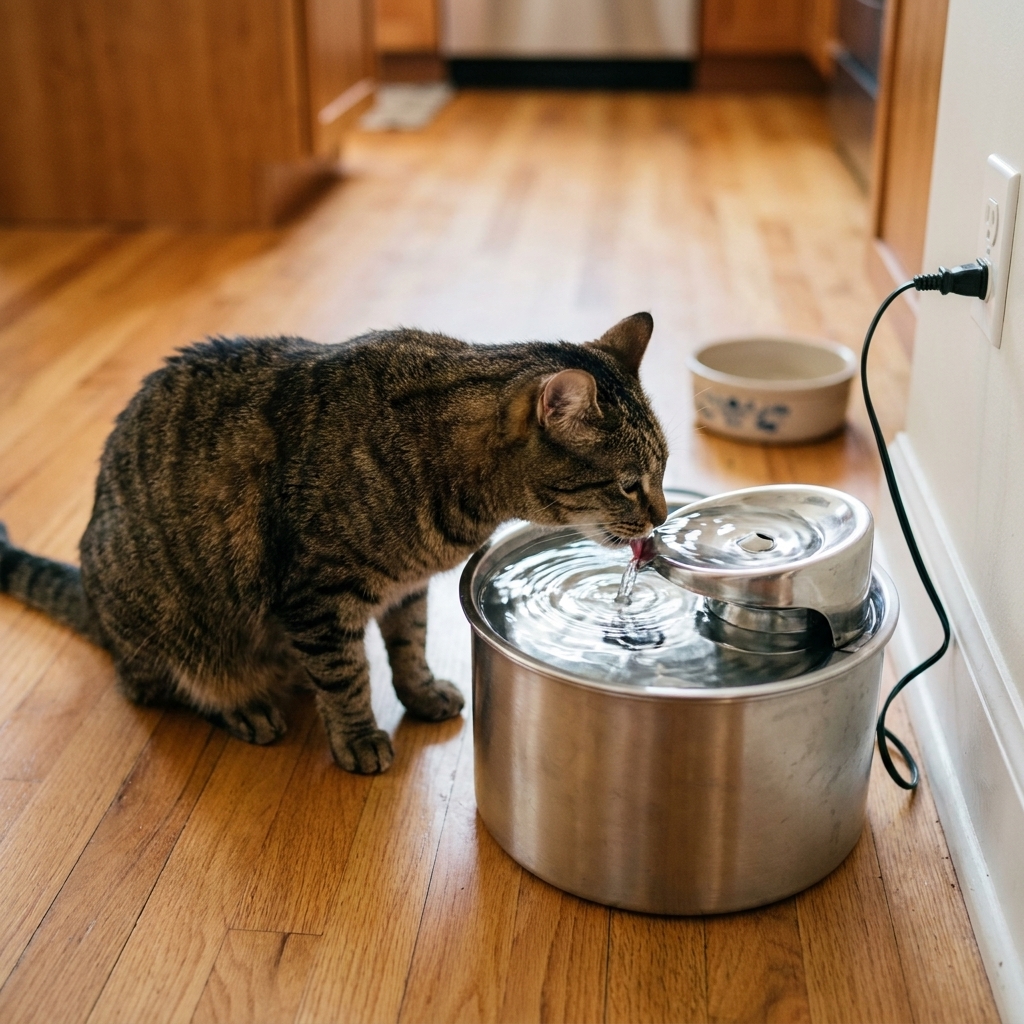
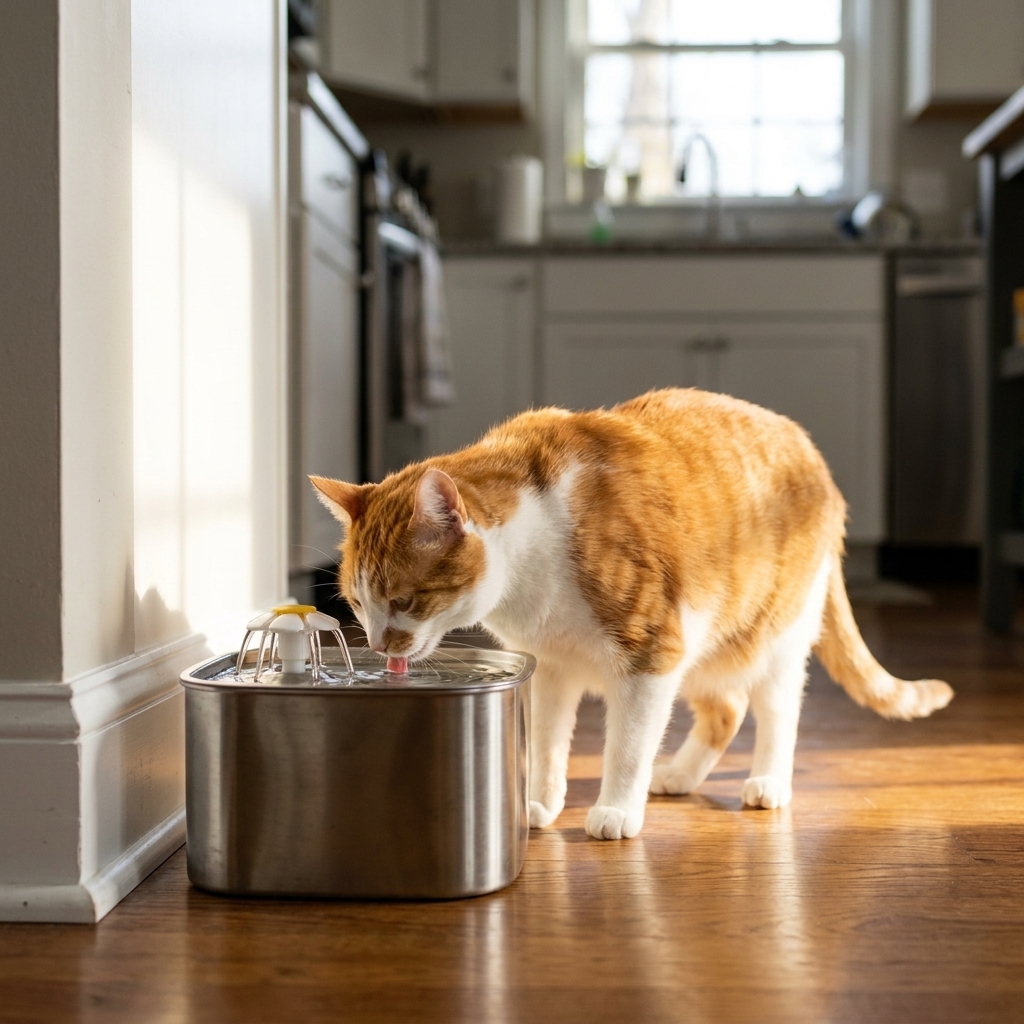
Some cats drink beautifully from a bowl. Others, like my orange tabby Waffles, stare at still water like it is a philosophical problem. If your cat is not a natural drinker, try these:
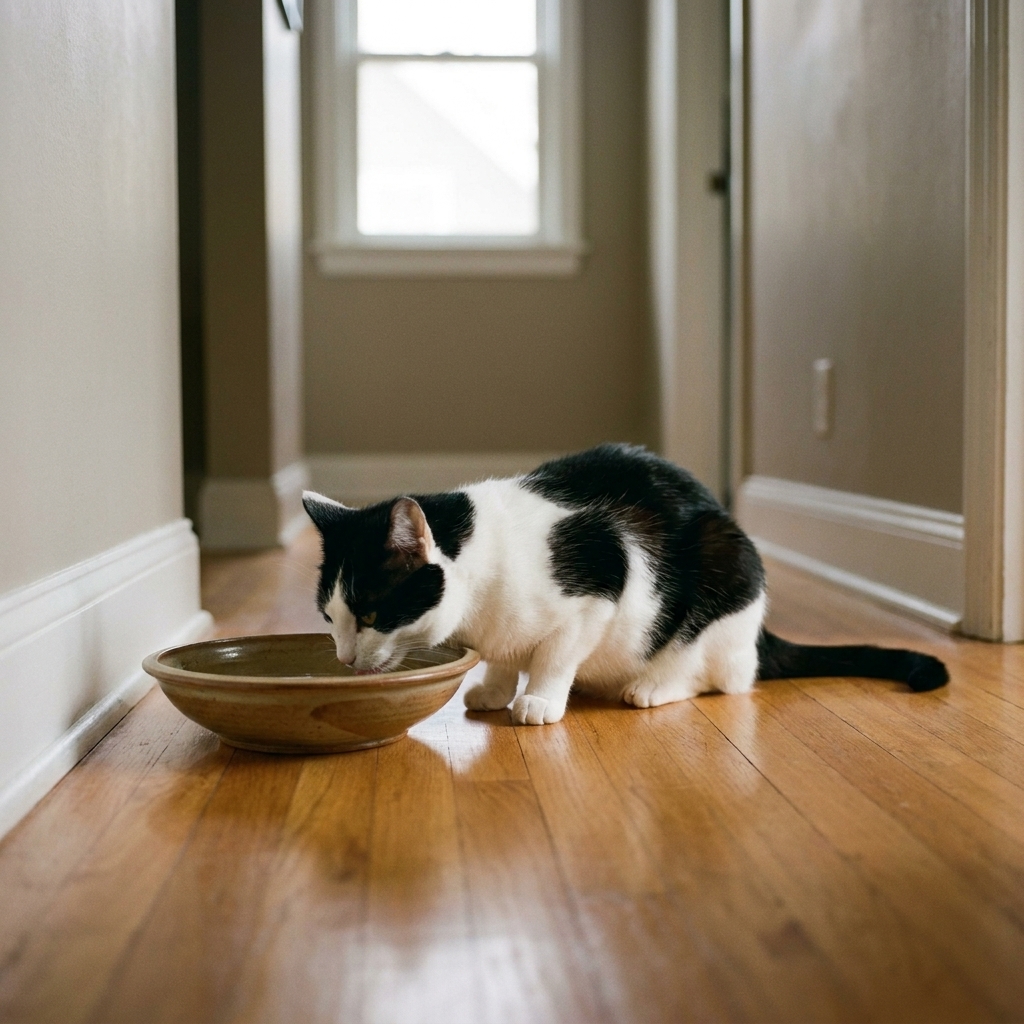
- Use multiple water stations: One in the main living area, one near favorite nap spots, and one away from the litter box.
- Try a fountain: Many cats prefer moving water. Wash fountains regularly, and change filters on the schedule recommended by the manufacturer.
- Choose wide, shallow bowls: Some cats dislike whisker contact with deep bowls.
- Keep water fresh: Replace at least daily, more if it collects crumbs.
Feeding patterns and weight
Two more diet-adjacent factors matter a lot for urinary health.
Healthy weight helps
Being overweight is associated with increased risk for lower urinary tract issues in cats. Weight management often improves overall resilience. Work with your vet on calorie targets and choose diets that support safe weight loss if needed.
Make peeing easy
Hydration is the goal, and so is making it comfortable for your cat to use the box. Many cats do well with scheduled wet meals because it can support steadier water intake and helps you notice appetite changes quickly.
Litter box basics
For many cats with FIC-type flare-ups, the litter box setup matters as much as the menu.
- Have enough boxes: Aim for one per cat, plus one extra.
- Scoop daily: More often if you can, especially in multi-cat homes.
- Place boxes thoughtfully: Quiet, accessible locations, not all clustered together.
Do not do this
When a cat is uncomfortable, it is tempting to throw every internet remedy at the problem. A few common ones can cause real harm.
- Do not give urinary acidifiers or “pH drops” unless your vet specifically prescribes them.
- Do not start leftover antibiotics at home.
- Do not assume cranberry products are a safe or effective fix for cats.
FAQ
Is dry food bad for urinary health?
Not inherently, but dry food is low in moisture. For cats prone to urinary issues, that can make it harder to keep urine dilute. Many urinary-prone cats do best with at least some wet food or added water strategies.
My cat has urinary signs. Do they need antibiotics?
Not always. True bacterial UTIs are less common in young to middle-aged cats than many people assume. Your vet will decide based on urinalysis, culture when appropriate, and your cat’s history. Do not start leftover antibiotics at home.
Can stress trigger flare-ups even with a great diet?
Yes. Stress is a major factor, especially in feline idiopathic cystitis. Diet helps, but so do predictable routines, enrichment, adequate litter boxes, and safe resting spots.
How do I know if crystals are struvite or calcium oxalate?
You cannot know reliably without veterinary testing. Your vet may run a urinalysis, imaging, and sometimes stone analysis. The crystal type matters because prevention strategies can differ.
The bottom line
If your cat is prone to urinary tract issues, think of diet as a prevention toolkit with three pillars: more moisture, thoughtful mineral balance, and the right therapeutic diet when indicated. Start with water and wet food strategies, then partner with your veterinarian on whether an over-the-counter urinary-support diet is enough or if a prescription option is the safest long-term plan.
And please, trust your gut. If something looks painful or your cat is straining, that is not a “wait and see” moment. Quick care saves lives, especially for male cats.