I love a cozy, plant-filled home. I also love a curious cat who thinks every leafy thing is a personal salad bar. Unfortunately, those two loves do not always mix.
In rescue, I have seen “just a nibble” turn into an expensive emergency fast, especially with lilies. This list focuses on common household plants that are highly toxic to cats, plus the symptoms of poisoning, what to do if your cat chews one, and safer alternatives so you can keep your space green without gambling with your cat’s health.
First, a quick safety note
Toxicity is not one-size-fits-all. The plant species, the part eaten (leaf, pollen, bulb), how much was ingested, and your cat’s size and health all matter. Some plants cause mild stomach upset. Others can trigger heart rhythm problems, severe mouth burns, or organ failure.
If you are ever unsure whether a plant is safe, assume it is not until you can confirm it from a reliable source.
For quick, authoritative guidance, two reputable options are ASPCA Animal Poison Control and Pet Poison Helpline (fees may apply). If your cat is symptomatic or you suspect a high-risk plant, your fastest route is often your nearest emergency vet.
10 common household plants highly toxic to cats
Below are ten plants that show up in homes, bouquets, and offices all the time. I am including what makes them dangerous and the most common signs I see.
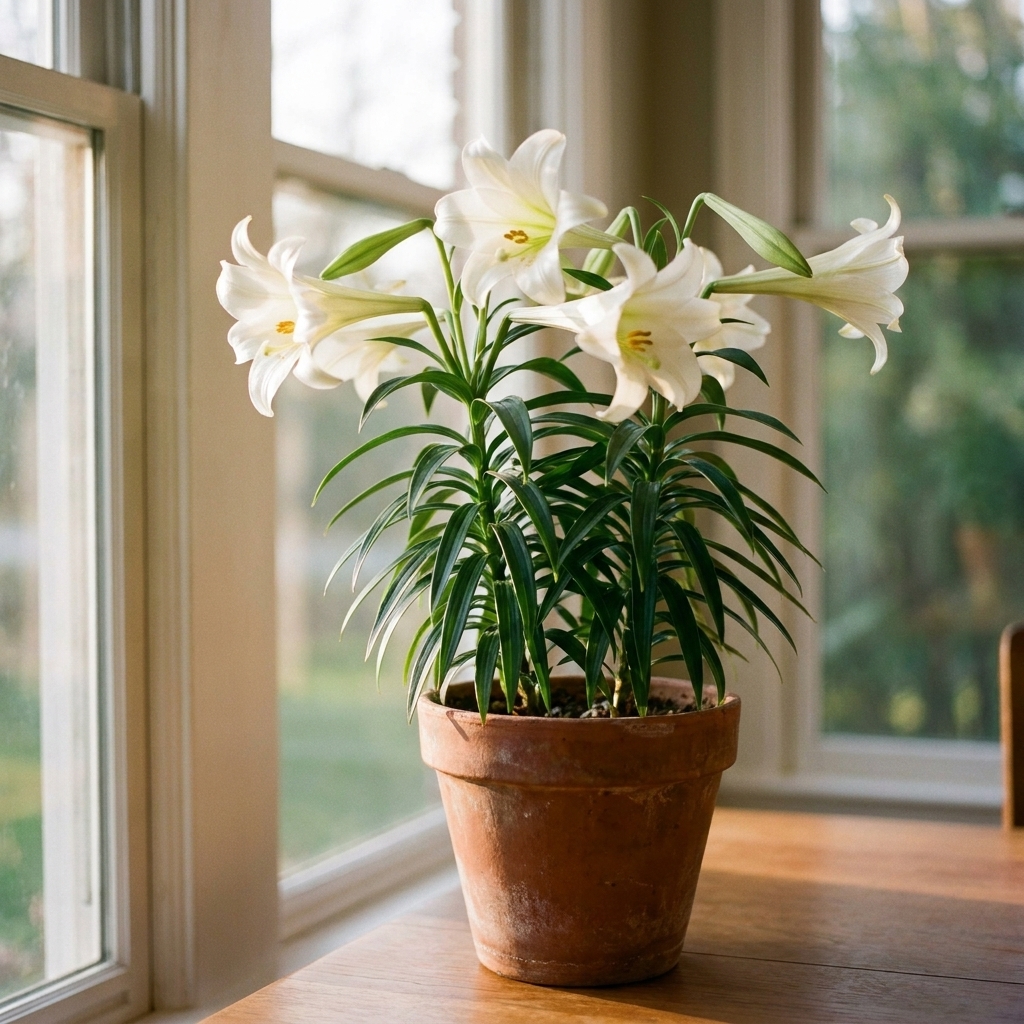
1) Lilies and daylilies (Lilium spp. and Hemerocallis spp.)
Why they are dangerous: Lilium species are the classic “true lilies.” Hemerocallis are daylilies (not true lilies botanically), but they are still highly dangerous to cats. Even small exposures can cause acute kidney failure. Pollen, leaves, petals, and even vase water can be dangerous.
Common sources: Easter lily, Stargazer lily, tiger lily, Asiatic lily, daylily.
Watch for: vomiting, drooling, lethargy, decreased appetite, increased thirst, and changes in urination (often worsening to reduced urination as kidney injury progresses).
Take this seriously: If you suspect any lily or daylily exposure, treat it as an emergency and seek veterinary care immediately.
2) Sago palm (Cycas revoluta)
Why they are dangerous: All parts are toxic, but the seeds (nuts) are especially potent. Sago palm poisoning can cause severe liver failure.
Watch for: vomiting, diarrhea, bloody stool, weakness, tremors, seizures, yellow gums or eyes (jaundice), bruising, collapse.
3) Oleander (Nerium oleander)
Why they are dangerous: Contains cardiac glycosides that can disrupt heart rhythm. Even small amounts can be life-threatening.
Watch for: drooling, vomiting, diarrhea, weakness, tremors, abnormal heart rate, collapse.
4) Autumn crocus (Colchicum autumnale)
Why they are dangerous: Contains colchicine, which can cause severe gastrointestinal damage and organ failure.
Watch for: intense vomiting and diarrhea (sometimes bloody), drooling, abdominal pain, weakness, breathing difficulty. Symptoms can worsen over days.
5) Castor bean plant (Ricinus communis)
Why they are dangerous: Seeds contain ricin, a highly toxic compound. The most common effects are severe gastrointestinal irritation, and in serious exposures it can be fatal. Risk is higher when seeds are chewed or crushed (rather than swallowed whole), and when more are ingested.
Watch for: vomiting, loss of appetite, excessive thirst, weakness, abdominal pain, tremors, seizures.
6) Dieffenbachia (dumb cane)
Why they are dangerous: Contains insoluble calcium oxalate crystals that cause immediate burning and swelling in the mouth and throat.
Watch for: pawing at the mouth, drooling, vocalizing, reduced appetite, difficulty swallowing, gagging. In significant exposures, swelling can affect breathing.
7) Philodendron
Why they are dangerous: Also contains calcium oxalate crystals. It is common in hanging baskets and trendy indoor plant collections.
Watch for: oral pain, drooling, vomiting, pawing at the face, decreased appetite.
8) Pothos (Epipremnum aureum, also called devil’s ivy)
Why they are dangerous: Another calcium oxalate crystal plant. It is one of the most frequently chewed plants I hear about because it is everywhere and often placed within easy reach.
Watch for: mouth irritation, drooling, vomiting, reluctance to eat, pawing at the mouth.
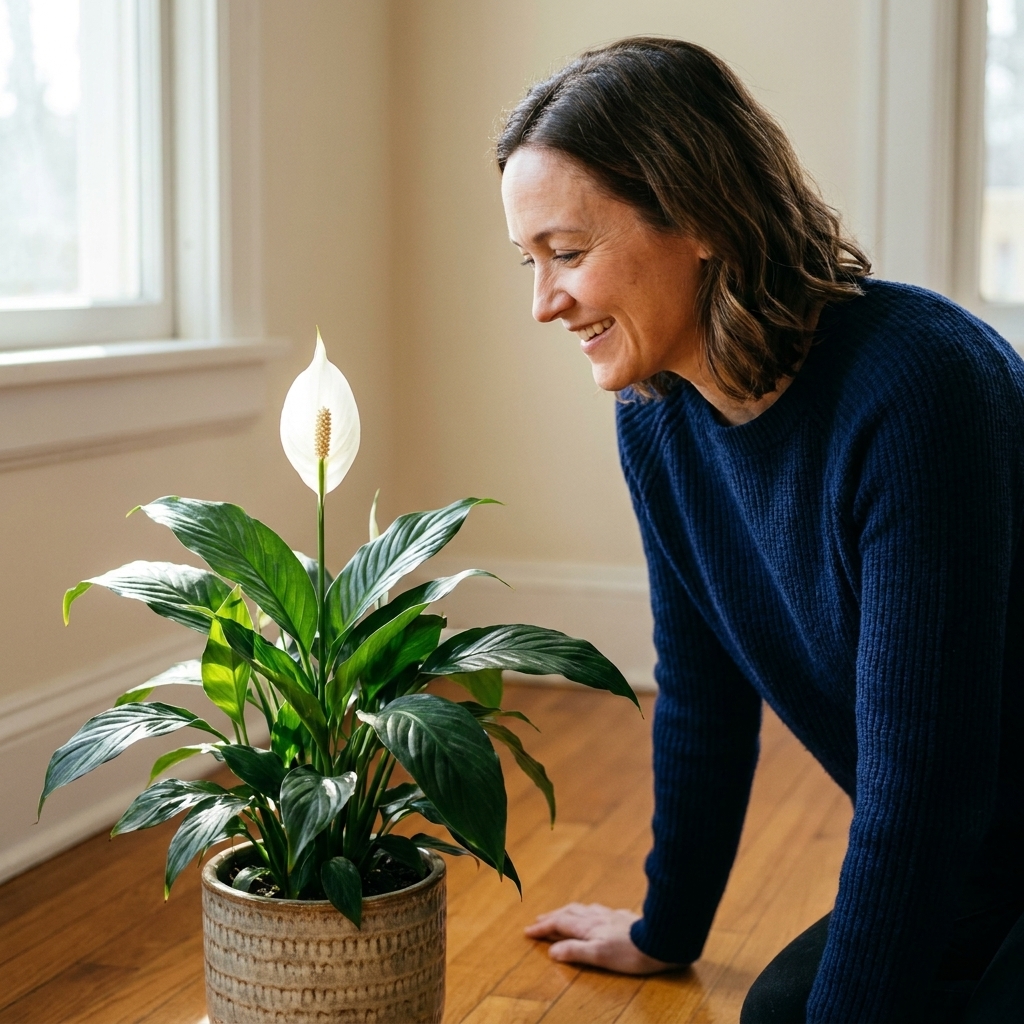
9) Peace lily (Spathiphyllum)
Why they are dangerous: Not a Lilium or Hemerocallis lily, but still harmful due to calcium oxalate crystals that irritate the mouth and digestive tract.
Watch for: drooling, oral burning, vomiting, decreased appetite.
10) Kalanchoe
Why they are dangerous: Contains cardiac glycosides (bufadienolides). It most often causes gastrointestinal upset, and in some cases, especially with larger exposures, it can affect heart rhythm.
Watch for: drooling, vomiting, diarrhea, weakness, abnormal heart rate.

Symptoms of plant poisoning in cats
Sometimes the signs are obvious (a torn leaf and a foamy-mouthed cat). Other times it is subtle, like “my cat seems off.” Here are common red flags that warrant a call to a vet or poison helpline:
- Drooling, foaming, pawing at the mouth
- Vomiting (especially repeated episodes)
- Diarrhea (especially bloody)
- Refusing food or difficulty swallowing
- Lethargy, weakness, hiding more than usual
- Tremors or seizures
- Labored breathing or coughing
- Abnormal heart rate or collapse
- Increased thirst or changes in urination
- Yellow gums/eyes (possible liver involvement)
Trust your gut. If your cat chewed a known toxic plant, do not wait for symptoms to appear.
What to do if your cat eats a toxic plant
This is the part I wish every cat parent could read before there is a crisis. A calm, fast response can make a huge difference.
1) Remove access and collect details
- Move your cat away from the plant.
- Remove plant material from the mouth if it is safe to do so.
- Take clear photos of the plant (leaves, flowers, stem) and note how much may be missing.
- If it is from a bouquet, identify all stems in the arrangement.
- If you have them, keep plant tags, receipts, or the bouquet card. Common names can be misleading, and details help with identification.
2) Call for help immediately
Contact your veterinarian, an emergency vet, or a pet poison helpline right away. If you can, call while someone else drives.
Be ready to share:
- Your cat’s weight, age, and any health conditions
- The plant name (or photos)
- When exposure likely happened
- Any symptoms you are seeing
3) Do not treat at home unless instructed
I know the internet loves a DIY fix. Please do not try home remedies like salt, hydrogen peroxide, milk, or oil. Some methods are dangerous for cats, and some toxins (like irritant crystals) can worsen with vomiting.
Also avoid giving activated charcoal or human medications unless a veterinarian or poison professional tells you to. The “right” response depends on the toxin, the timing, and your cat’s condition.
4) If lilies are involved, treat it as an emergency
For Lilium and Hemerocallis plants, time matters. Cats can develop severe kidney injury quickly, and early veterinary treatment is critical.
Safer, cat-friendly plant alternatives
No plant is worth an avoidable emergency. The good news is that you have options. If you want the vibe of greenery without the panic, these are commonly recommended as cat-friendlier choices.
One important caveat: even plants considered non-toxic can still cause vomiting or diarrhea if a cat eats a lot of them. “Cat-friendly” is not the same as “free snack.”
- Spider plant (may still cause mild stomach upset if chewed)
- Boston fern
- Areca palm (often sold as butterfly palm)
- Calathea (many varieties are considered cat-friendly)
- Polka dot plant
- Orchids (many common orchids are considered non-toxic)
- Cat grass (a safe chewing outlet)
If your cat is a committed plant-snacker, I strongly recommend adding a safe chewing option like cat grass and using environmental management (more on that next). In my house, Clementine treats forbidden greenery like a hobby, so I plan accordingly.
How to keep cats away from plants
Let’s be honest: “Just put it up high” works until your cat becomes an Olympic-level climber. Here are the tactics that tend to work best in the real world.
Use layers of prevention
- Placement: Prefer rooms your cat cannot access, or use closed-door plant rooms if possible.
- Physical barriers: Glass cabinets, cloches, or plant stands that are difficult to climb.
- Deterrents: Bitter sprays can help some cats, but many ignore them. Test safely and do not rely on this alone.
- Enrichment swap: Add cat grass, puzzle feeders, and daily interactive play. Bored cats chew plants more.
- Training: Reward your cat for choosing an appropriate chewing toy or cat grass instead of the plant. Avoid punishment, it tends to create sneaky behavior rather than safer behavior.
Be extra careful with bouquets
Many toxic exposures happen from flowers, not potted plants. If you receive an arrangement and you have cats, scan for lilies and daylilies first. When in doubt, keep bouquets in a closed room your cat cannot access.
FAQ
Are peace lilies as dangerous as lilies and daylilies?
No. Peace lilies are not in the Lilium or Hemerocallis groups, but they can still cause painful mouth irritation, drooling, and vomiting. Lilies and daylilies (like Easter lilies and Stargazer lilies, plus daylilies) are the urgent, life-threatening kidney risk for cats.
My cat took one bite and seems fine. Should I still call?
Yes if the plant is known to be highly toxic, especially lilies/daylilies, sago palm, oleander, autumn crocus, or castor bean. Some toxins have delayed or worsening effects, and early treatment is often more effective.
What if I do not know the plant name?
Take several clear photos (full plant, close-up of leaves, any flowers, the pot label if present) and call your vet or a poison helpline. Identification is often possible from photos.
Is “non-toxic” the same as “safe”?
Not always. “Non-toxic” generally means it is not expected to cause serious poisoning, but any plant can cause stomach upset or create a choking hazard if a cat eats a lot of it. If your cat is a heavy chewer, choose sturdier, truly cat-friendly options and offer cat grass.
A final reminder
If this list makes you want to panic-check every leaf in your home, I get it. My goal is not to scare you. It is to help you make a few smart swaps that prevent a very preventable emergency.
If you want the simplest rule: never keep lilies or daylilies in a home with cats. After that, focus on removing the highest-risk plants, offering safe chewing alternatives, and calling for help quickly if you suspect exposure.