If you have to evacuate your apartment with your cat, the honest answer is this: your carrier should fit your cat, allow safe airflow, and hold just a few small essentials. Most people picture packing like a suitcase. In reality, the best carrier setup is “cat first, minimal extras,” so you can move quickly, keep your cat secure, and avoid a carrier that tips, sags, or overheats.
Concrete answer: Inside the carrier, plan on your cat + one absorbent layer (pee pad) + a thin towel or blanket that smells like home. If your carrier has a pocket, add a flat ID card. Everything else goes on you in a small go-bag or securely attached to the carrier exterior.
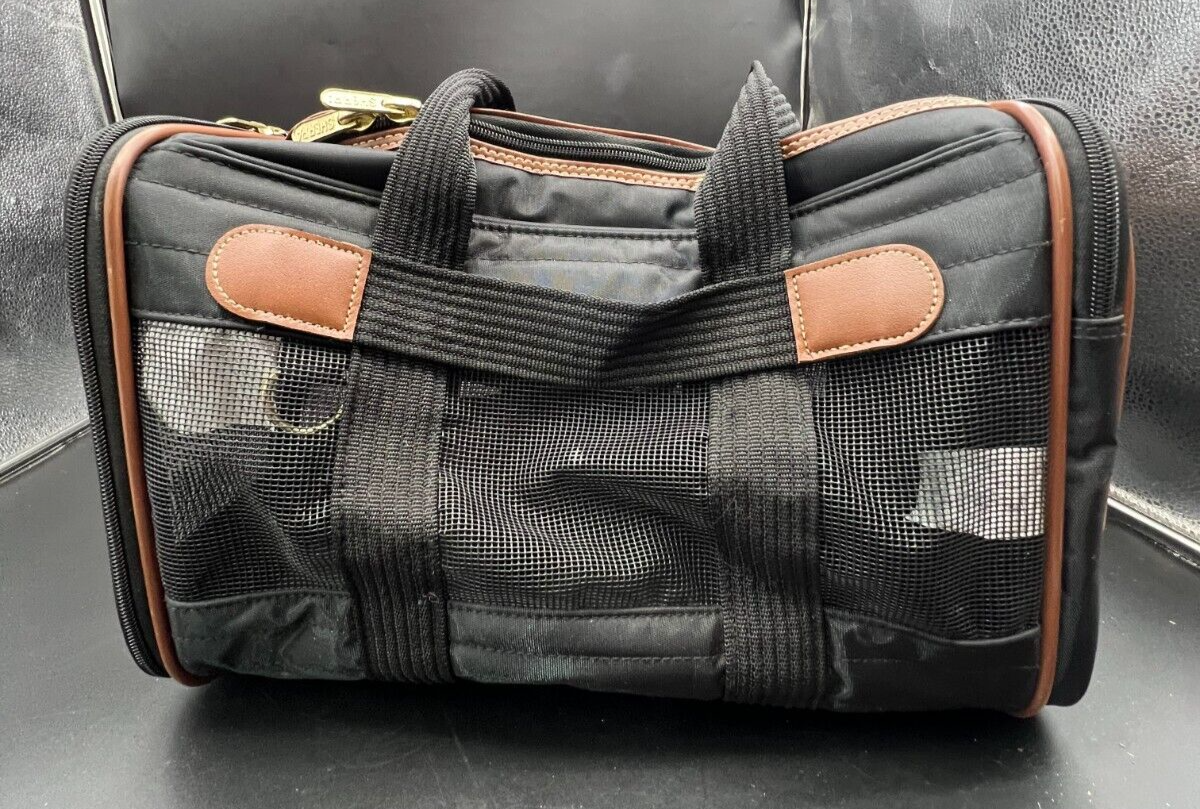
What fits inside
In an evacuation, the goal is to keep the interior dry, breathable, and uncluttered. Under stress, cats may drool, vocalize, or urinate. Some cats may pant, but open-mouth breathing can also signal medical distress, so it is a sign to take seriously.
Best in-carrier items
- Your cat.
- Absorbent base layer: a puppy pee pad or other absorbent pad under your cat. If your carrier has a removable bottom board, put the pad on top of the liner for easier cleanup.
- Thin towel or small blanket that smells like home (not fluffy enough to block airflow). In my house, I like using a small towel that has been in a favorite nap spot for a day or two.
- ID info: a flat card with your name, phone, your cat’s name, and microchip number (if applicable) placed in a carrier pocket or attached to the outside in a way your cat cannot reach.
- Optional: a light cover draped over part of the carrier from the outside. This often calms cats more than adding items inside.
Usually better outside the carrier
- Treats: useful for reward-based handling during breaks, but store them in your pocket or go-bag. Loose treats inside the carrier become crumbs quickly.
- Medications: if your cat has prescribed meds, keep them with you, not rolling around in the carrier. If your vet has prescribed an emergency-only medication, keep it labeled and follow your vet’s directions.
- Collapsible bowl: useful, but it does not need to ride inside with your cat.
- Mini litter option: a sealed bag with a small amount of litter can be helpful at your destination, but a litter tray should not be inside the carrier during movement.
What not to put inside
These are common well-meant choices that can backfire:
- Open water bowls: they spill and soak bedding. Offer water during safe breaks instead.
- Hard toys or bulky plush toys: they reduce usable space and can become a hazard if the carrier is jostled.
- Stringy items (yarn, ribbons, long straps): entanglement risk.
- Loose food in a dish: nausea is common during stress. Keep food sealed and offer later if things stabilize.
- Litter box inside the carrier: it crowds your cat and tends to spill. If you need a bathroom option, plan for breaks or set up a small confined area once you reach a safer location.
Carrier size basics
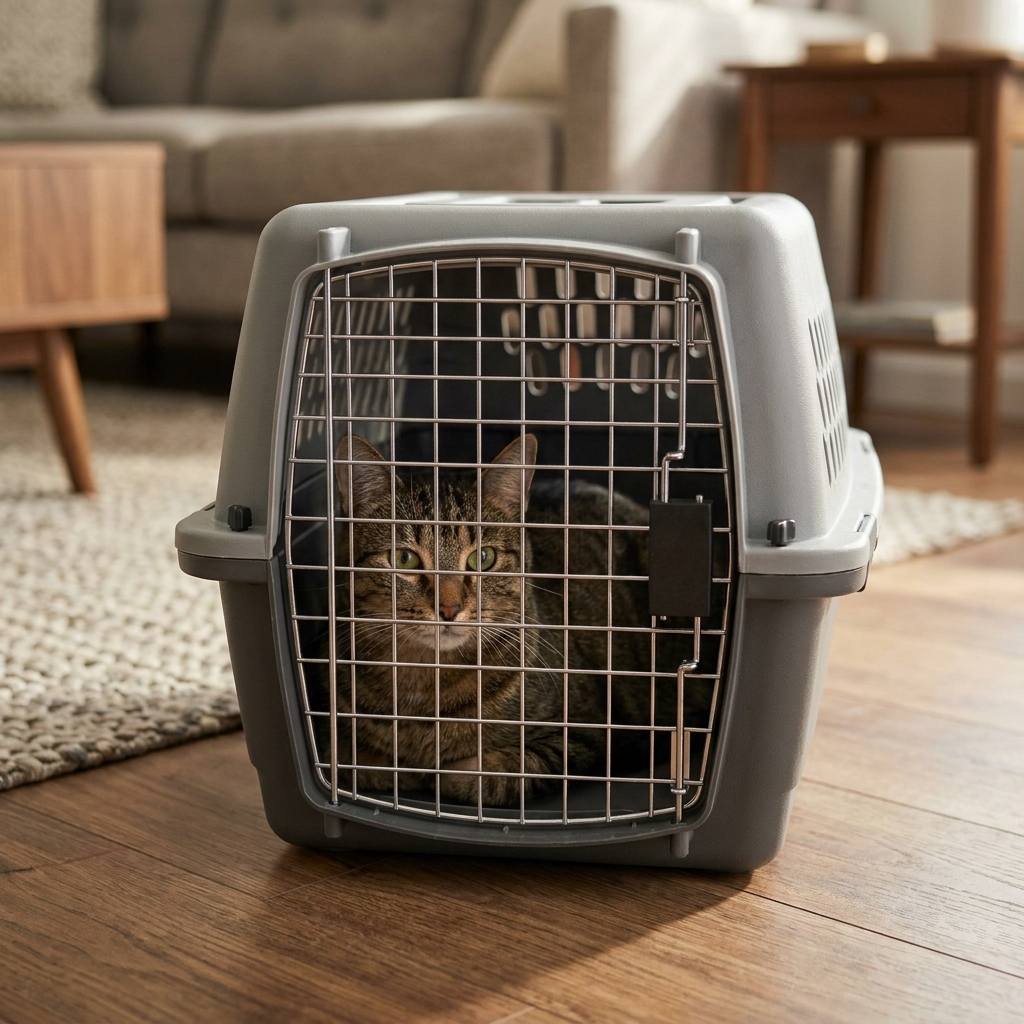
For an evacuation carrier, think “secure and turn-around capable,” not “roomy.” Your cat should be able to:
- Stand without crouching painfully low
- Turn around with a little effort
- Lie down comfortably
Too-large carriers can make a frightened cat feel less secure and can lead to more sliding and jostling when you are moving quickly, especially on stairs.
If you are shopping for a carrier, check the manufacturer’s sizing chart and compare it to your cat’s approximate length and height. If your cat is between sizes, prioritize sturdy structure and ventilation over extra interior “stuff” you think you can pack.
Hard vs. soft: Hard-sided carriers can offer more structure in crowded hallways and stairwells. Soft-sided carriers can be easier to carry and squeeze through tight spaces, but make sure zippers are robust and cannot be nudged open by paws. Whichever you use, test that doors and closures stay shut when the carrier is lifted and gently tilted.
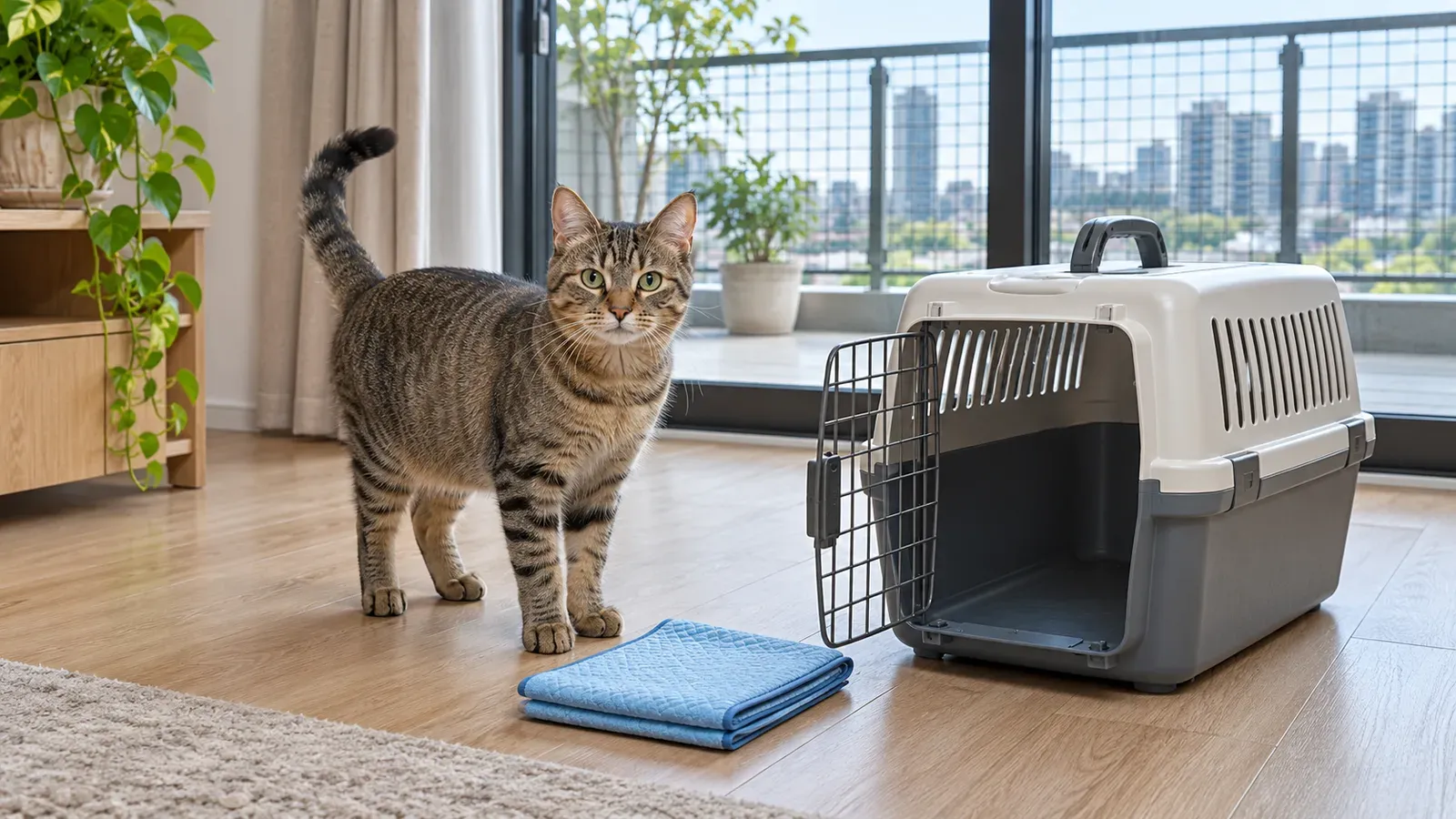
What goes where
Your carrier interior is for safety and comfort. The rest is your grab-and-go kit.
Inside the carrier
- Cat
- Pee pad
- Thin towel or small blanket
Attached to the outside (only if secure)
- ID info in an exterior pocket (or tucked under a clear luggage tag). Avoid anything dangling that your cat can reach through mesh.
- Small flat zip pouch for waste bags and wipes. Keep it flat so it does not swing.
In your go-bag
- Photo of your cat on your phone (and optionally printed). Helpful if you get separated.
- Food: 2 to 3 days of your cat’s normal food in a sealed container or zip bag.
- Water + bowl for breaks.
- Medications (as prescribed) and your vet’s contact info.
- Wet wipes or pet-safe wipes for quick cleanup.
- Disposable gloves and a few small trash bags.
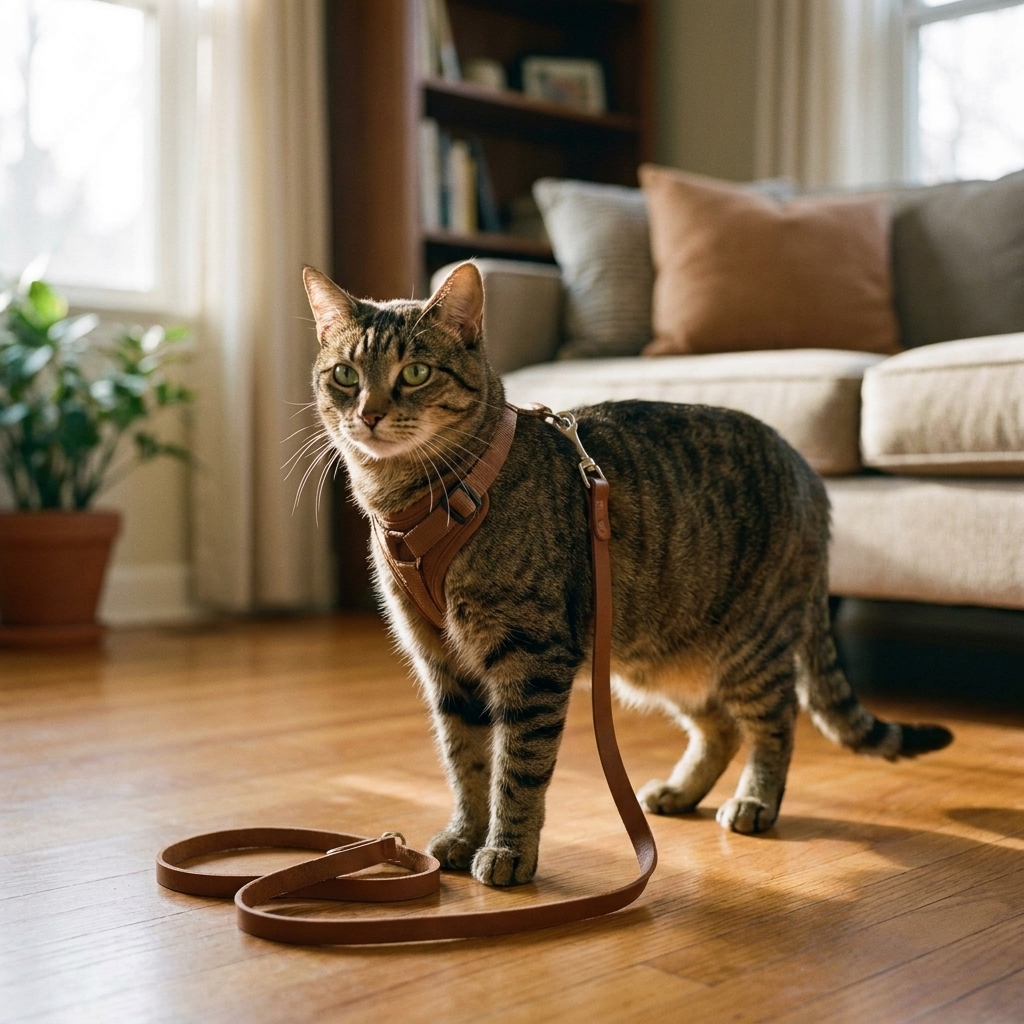
- Harness and leash if your cat is already trained to them. An evacuation is not the moment to introduce a harness for the first time.
- Microchip check: make sure your cat is microchipped and your contact info is up to date with the chip registry. It is one of the most effective “prep once, benefit forever” steps for emergencies.
Hypothetical example: If you live on the fourth floor and the alarm goes off at 2 a.m., you may have one hand for the carrier and one for a phone or flashlight. In that scenario, a lightweight go-bag worn crossbody beats trying to juggle extra items.
Keeping your cat calm
Evacuations are stressful, but there is a lot you can do ahead of time that does not involve wrestling your cat.
Make the carrier normal
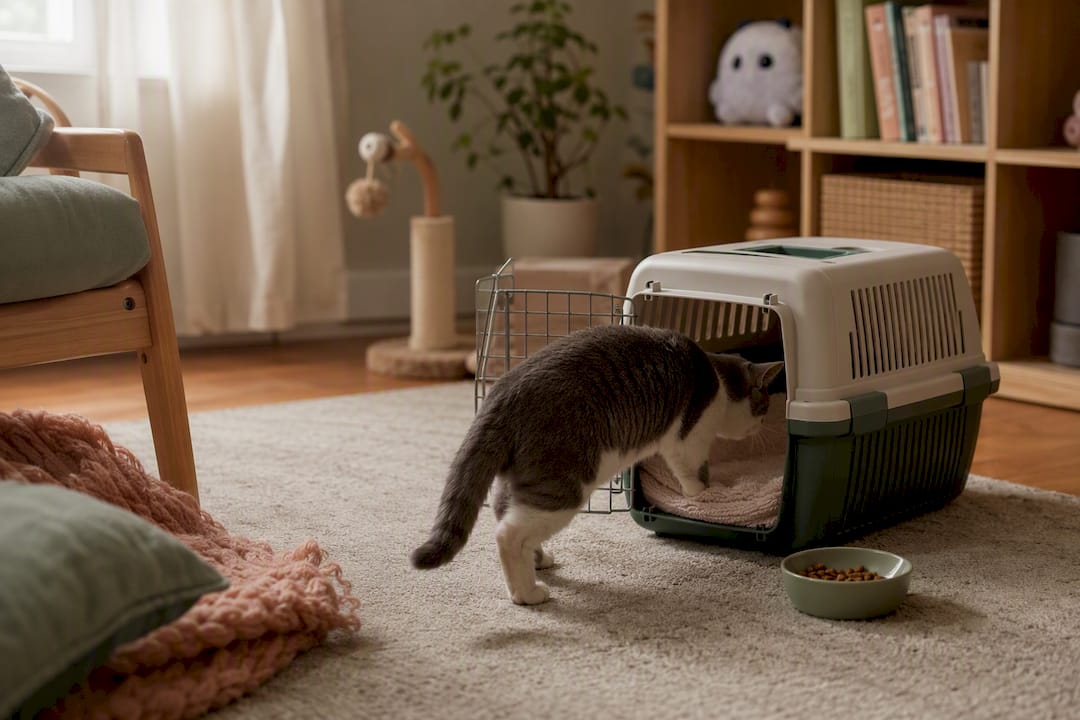
- Leave it out in a quiet corner with the door open.
- Add a familiar-smelling blanket and refresh it periodically.
- Toss a treat near the doorway, then later just inside, letting your cat choose to approach. Reward curiosity.
- Feed treats in the carrier for cats who are comfortable stepping in. Keep sessions short and upbeat.
Practice in tiny steps
Reward-based training helps most cats feel more in control.
- Say a consistent cue like “carrier” or “home base.”
- Reward when your cat looks at the carrier, approaches, or steps in.
- Once your cat is comfortable, gently close the door for one second, reward, and open. Slowly build duration over days and weeks.
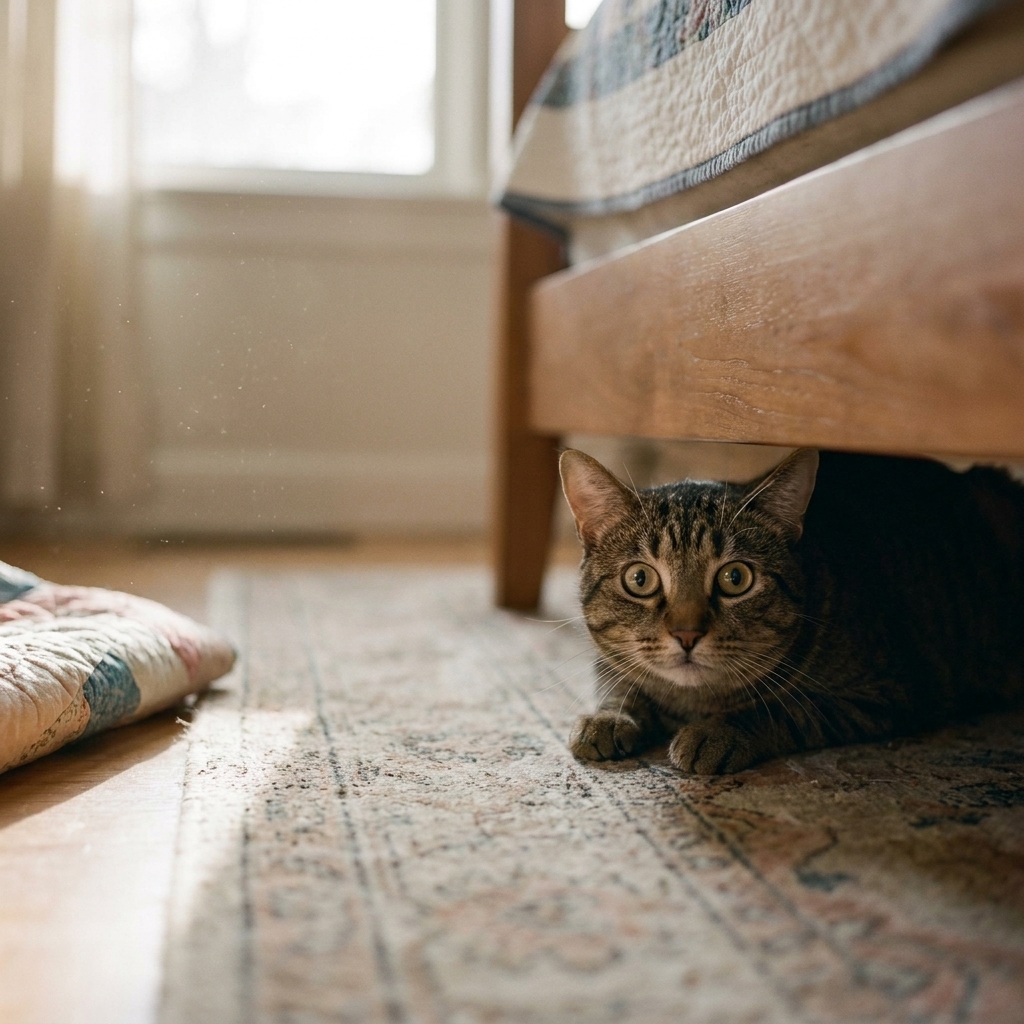
If your cat panics, back up a step. The goal is progress, not perfection.
About collars: A breakaway collar can be helpful for some cats, but skip it if your cat panics, if the carrier has snag points, or if the collar tends to catch on things. In many evacuations, a microchip plus ID attached to the carrier is the safer combo.
Heat, smoke, noise
Apartment evacuations can involve crowded stairwells, loud alarms, and sometimes smoky air. You cannot control the environment, but you can control the micro-environment around your cat.
Ventilation first
- Do not overstuff the carrier with bedding.
- If you cover the carrier to reduce visual stress, drape a thin cloth over part of it so air still flows freely.
- In warm weather, avoid thick fleece that traps heat.
Important: A cloth cover will not filter smoke. Prioritize getting out quickly and keeping airflow open.
Reduce visual stress
Many cats settle when the carrier feels like a cave. Leave ventilation openings clear.
Tip: A towel clipped to the top handle can create a shaded “roof” without blocking the side mesh panels.
Special situations
Kittens
Kittens can slip through gaps. Choose a carrier with secure zippers or a sturdy latch. Inside, keep bedding thin and flat so they cannot burrow and overheat.
Seniors and arthritis
Look for a carrier with an easy-loading door or top opening so you can guide them in gently. A thin foam pad under the pee pad can add comfort, but keep it firm so your cat has stable footing.
Two cats
For emergencies, two carriers are usually safer. Even bonded cats can redirect stress onto each other in a confined space.
At your destination
The biggest risk after an evacuation is a scared cat bolting the moment the carrier opens. If you can, do this in order:
- Pick a small closed room first, like a bathroom or bedroom.
- Close the door, then set the carrier down and let your cat come out on their own timeline.
- Set up basics (water, litter box, hiding spot) in that closed room before giving your cat more space.
Quick checklist
- Cat
- Pee pad
- Thin towel or familiar blanket
- Carrier cover (optional, outside only)
- ID info attached externally
If you do only one prep task this week, do this: set the carrier out with comfy bedding and start rewarding calm approaches. When the real emergency hits, familiarity is your best friend.
When to call a vet
Everyday carrier training and calming routines are fair game at home. But if your cat has a history of severe panic, overheating, breathing trouble, or aggression during confinement, it is worth checking in with your veterinarian before you need to evacuate. They can advise you on safe options tailored to your cat’s health, including whether any prescribed support is appropriate.
If you see open-mouth breathing, heavy panting, blue or pale gums, collapse, or extreme lethargy, treat it as urgent and seek veterinary guidance as soon as it is safe to do so.
FAQ
Can I put a small litter box inside the carrier?
Usually no. It crowds your cat and tends to spill. Plan for breaks when possible, or set up a small bathroom station once you are in a safe, enclosed room at your destination.
Should my cat wear a harness in the carrier?
If your cat is already comfortable in a harness, you can bring it to use during controlled breaks. For many cats, wearing a harness they are not trained to can increase panic, so do not introduce it for the first time during an evacuation.
How long can a cat stay in a carrier?
It depends on your cat and the conditions. Aim for the shortest time possible, offer water during safe pauses, and watch for signs of distress like open-mouth breathing, heavy panting, or extreme drooling. If you see those signs, seek veterinary guidance as soon as it is safe to do so.
Prepare a carrier for two different situations
For a wildlife sighting, bring the cat inside when safe and secure its exit points. Leave wildlife alone. A sighting is different from an evacuation alert: follow local emergency directions and plan to take the cat with you if instructed to leave.
Keep a labeled carrier in reach. Fit a thin absorbent pad inside while leaving room for the cat to stand and turn. Carry records, a leash or harness if your cat is trained to use one, food and water in a separate bag. Do not store loose objects in the carrier.