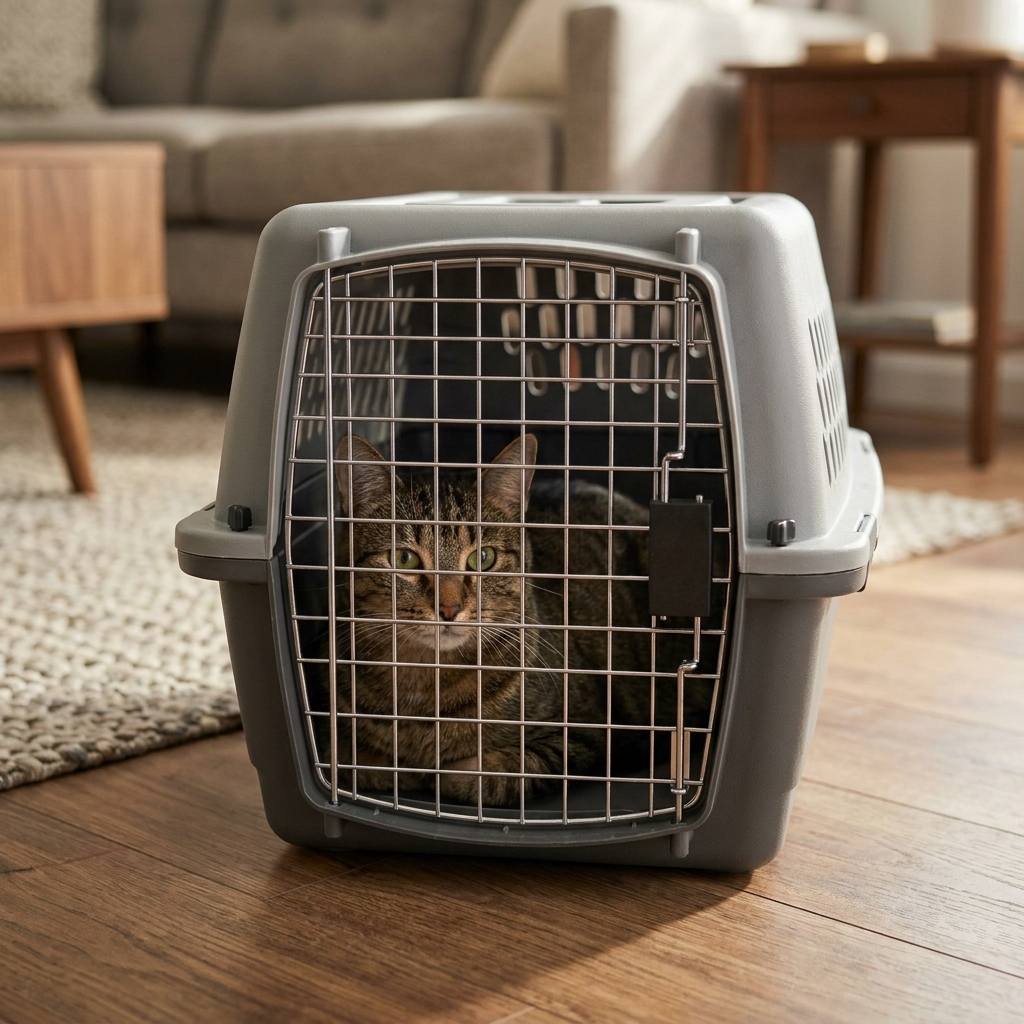
If your cat only sees the carrier when something scary happens, the carrier becomes a warning sign. The fix is surprisingly small and doable: five short, door-open practice sessions that teach your cat the carrier is a safe, predictable place they can choose to enter.
The concrete plan: Leave the carrier out, keep the door open, and run five sessions of 2 to 5 minutes over a few days. In each session you reward tiny choices toward the carrier (looking at it, stepping in, sitting inside), then you end before your cat gets stressed. No pushing, no shutting the door, no rushing.
One important reality check: for many cats, five sessions is enough to make real progress. For cats with big carrier fear, it might take more sessions or a slower version of these steps over a few weeks. That is still success. The goal is calm, not fast.
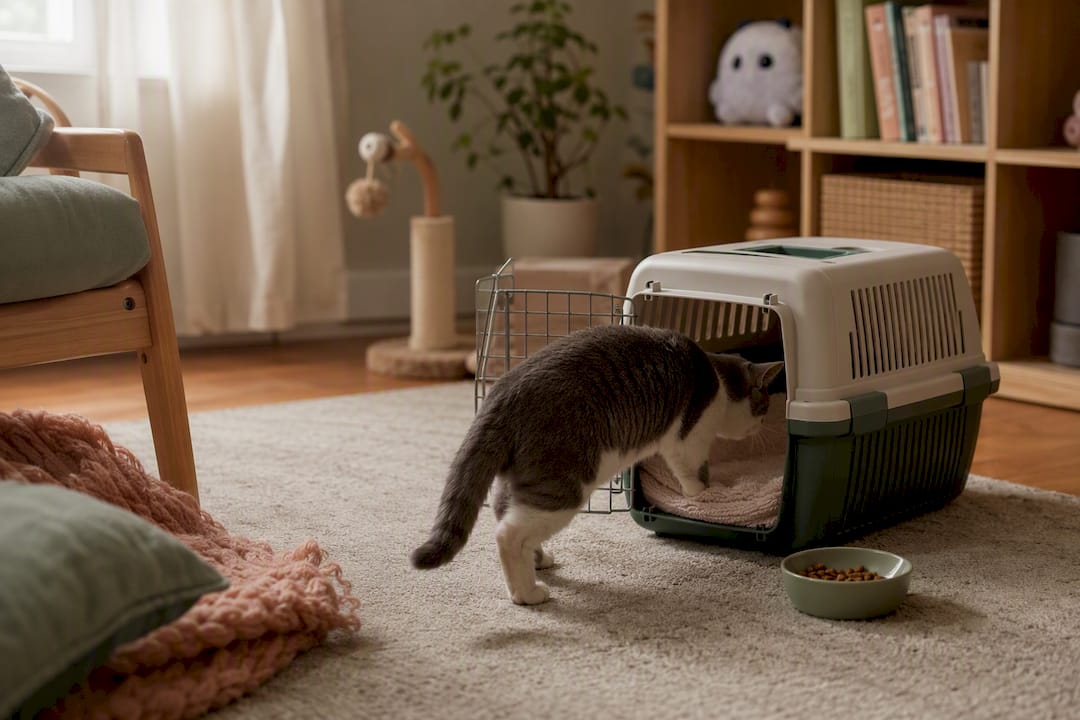
Before you start: set the carrier up
I grew up fostering kittens, and one of the fastest ways to undo carrier fear was simply making the carrier feel like furniture instead of a trap. A few setup tweaks can make your five sessions go much smoother.
Choose a calm location
- Quiet room with low foot traffic.
- Carrier placed on the floor (many cats feel steadier there than on a table).
- Door secured open so it cannot swing and bump your cat.
Make it comfortable inside
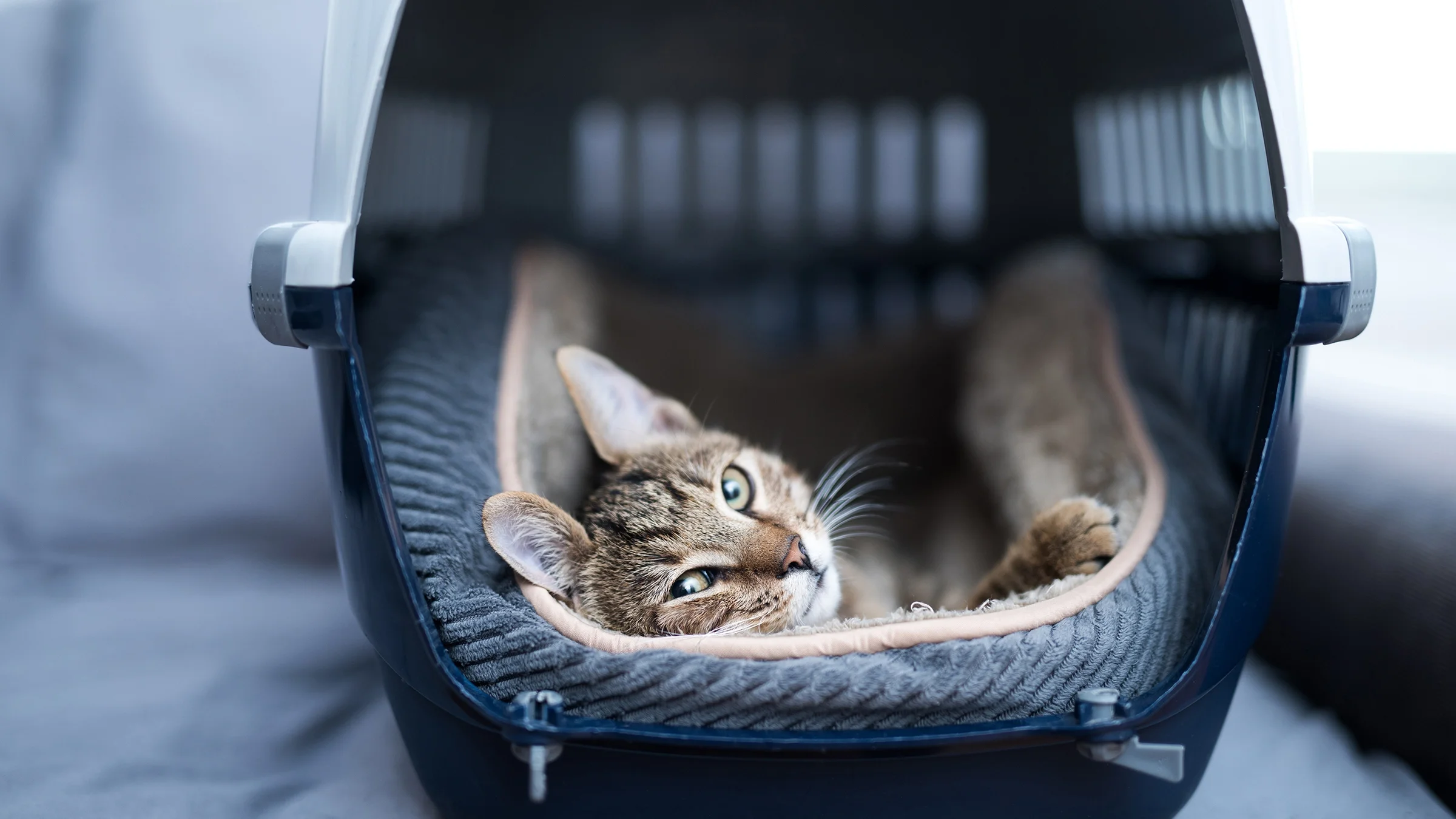
- Add a folded towel or familiar blanket that smells like home.
- If the carrier slides, place it on a rug or yoga mat for traction.
- If your cat dislikes strong smells, avoid heavily scented detergents or sprays.
Pick rewards your cat actually values
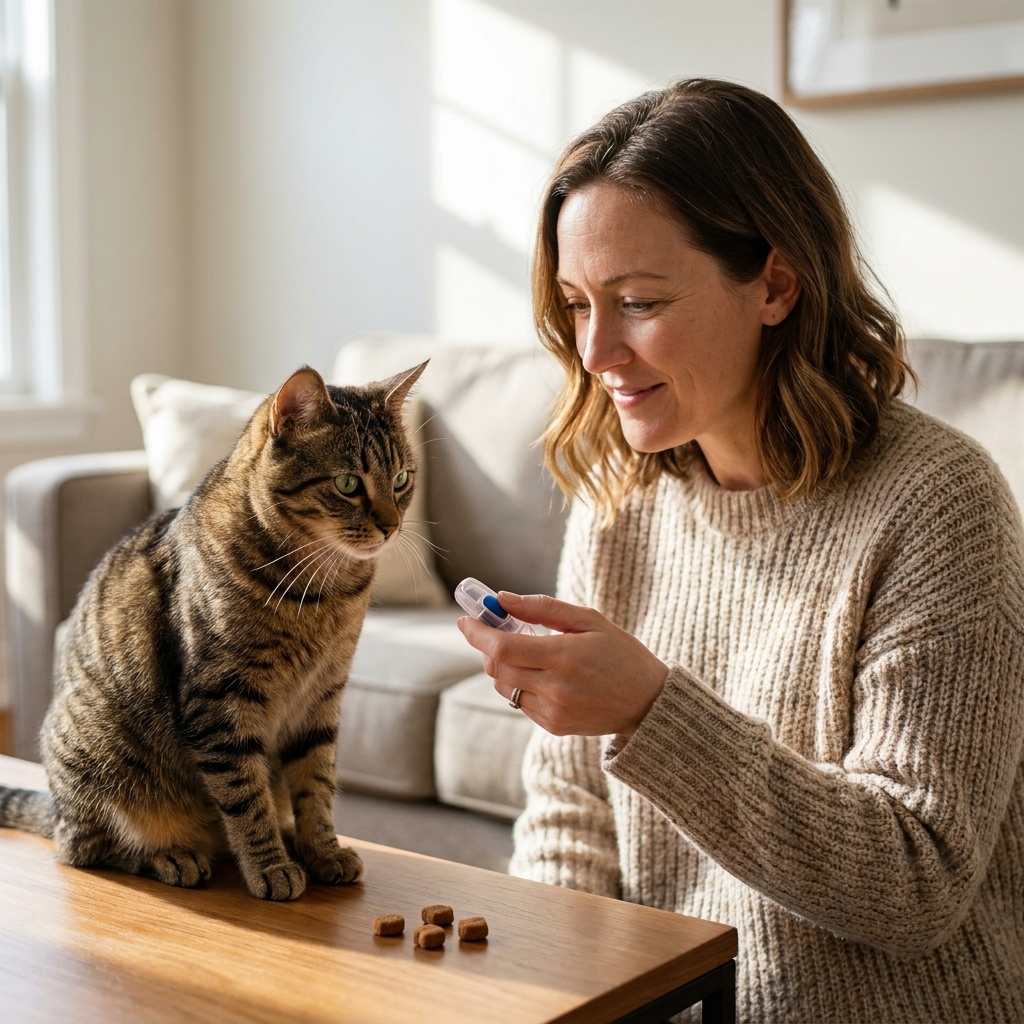
Use tiny portions so your cat can eat several rewards without getting overwhelmed.
- Soft treats, lickable treats, or a few pieces of kibble.
- A favorite wand toy for cats who play more than they snack.
- Gentle cheek rubs for cats who truly love touch (many prefer food).
Important: Don’t practice when your cat is already over-threshold (hiding, growling, dilated pupils, whipping tail). Pick a calm moment, even if it is just 3 minutes after a nap. Also, if your cat stops taking food, that is useful information. End the session and make the next one easier or choose a better reward.
The five door-open sessions
Think of this like teaching a new cue. You are rewarding choices and building trust that your cat controls the pace. If your cat hesitates, you are not “behind.” You are gathering information.
Session 1: Good things nearby
Goal: Your cat comfortably approaches the carrier.
- Sit a few feet from the carrier, sideways to your cat (less pressure than facing them head-on).
- Toss 3 to 6 treats so they land near the carrier entrance, not deep inside.
- Reward any glance toward the carrier, any step toward it, any sniff.
- End the session while your cat is still relaxed and interested.
If your cat will not approach: Move the treats farther away from the carrier and reward calm looking from a distance. That still counts.
Session 2: Front paws in, then out
Goal: Your cat discovers they can enter and leave freely.
- Place one treat right at the threshold (the “doorway”).
- Then place a treat just inside, where your cat can reach without fully committing.
- When your cat puts even one paw in, calmly drop another treat just inside and let them choose to step in farther.
- Let them exit whenever they want. Do not block the doorway.
A common mistake is trying to “keep them in” once they step in. For many fearful cats, the ability to leave is what creates confidence.
Session 3: All four paws in
Goal: Your cat stands fully inside the carrier for a moment.
- Place a few treats slightly deeper inside.
- When your cat enters with all four paws, quietly deliver a small “jackpot” (3 to 5 tiny treats in a row).
- Let them step out. Repeat once or twice if they offer it.
Optional cue: If you like, add a gentle cue such as “carrier” right before you toss the treat. Keep your voice soft and consistent.
Session 4: Settle for a few seconds
Goal: Your cat pauses, sits, or relaxes inside.
- Use a lickable treat on a spoon or a small plate placed inside the carrier, near the front at first.
- Reward for calm body language: soft eyes, normal breathing, ears neutral, tail resting.
- After a few seconds of calm, toss one treat out of the carrier to cue an easy exit.
Tossing a treat out is a simple way to keep your cat from feeling “stuck.” It teaches that leaving is part of the game, not a failure.
Session 5: Calm in, calm out
Goal: Your cat chooses the carrier as a normal hangout spot.
- Start with one treat near the carrier, then one inside, then a short lickable treat pause inside.
- End the session by walking away and doing something boring (wash a dish, sit on the couch).
- Leave the carrier out afterward, door still open, with the comfy bedding inside.
Real example: Clementine, my tortie, would do two confident carrier entries and then suddenly decide the third was suspicious. In that case, I would end immediately after the second success and try again later. Quitting early is part of the plan.
What progress looks like
Carrier comfort is mostly body language. I always tell cat parents to trust what they see, not what they wish was happening.
Green flags
- Approaches the carrier with a neutral tail and normal pace.
- Sniffs, steps in, and can eat treats inside.
- Leaves and re-enters without rushing.
- Grooms, sits, or loafs near or inside the carrier later on.
Yellow flags (slow down)
- Freezing at the entrance.
- Taking treats hard or chewing fast.
- Tail flicking, ears rotating back, crouched posture.
- Bolting out after grabbing the treat.
Red flags (end the session)
- Growling, hissing, swatting.
- Heavy panting or drooling.
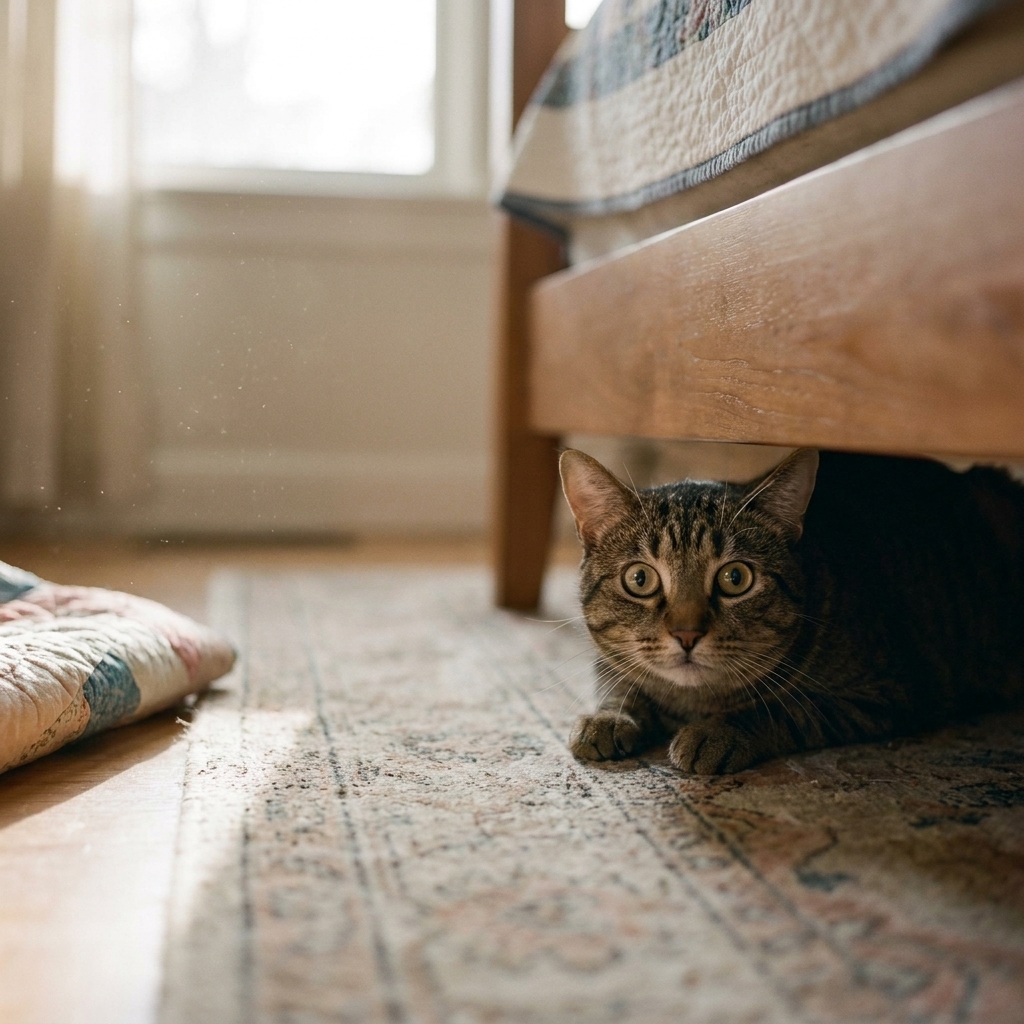
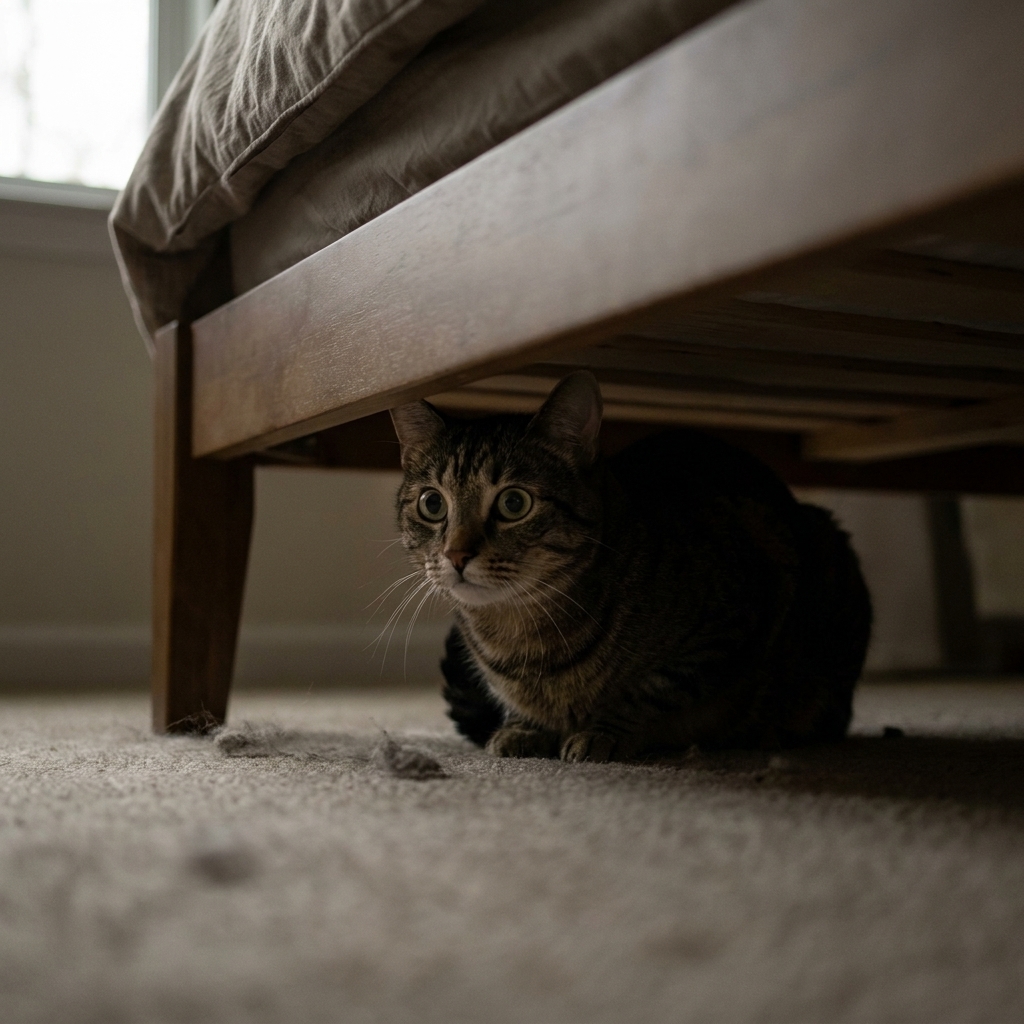
- Wide “panicked” eyes.
- Attempting to hide immediately after seeing the carrier.
Panting can happen for reasons other than training (heat, pain, stress), but either way, stop the session and let your cat recover in a cool, quiet spot. If it keeps happening, contact your veterinarian.
If you hit yellow or red flags, shorten the next session and return to the last step your cat could do comfortably.
Troubleshooting
“My cat will not go near the carrier at all.”
- Start farther away. Reward looking at the carrier from across the room.
- Cover part of the carrier with a light blanket to make it feel like a hiding cave (leave the entrance open).
- Try higher-value rewards like a lickable treat.
“My cat reaches in for treats but will not step in.”
- Use smaller treats and place them so your cat must shift weight forward slightly.
- Practice when your cat is naturally curious, not right after a scare or loud event.
- Try feeding one regular meal portion near the carrier, then gradually closer over several days (no food deprivation, just using mealtime timing).
“My cat goes in, then bolts out.”
- Move the reward closer to the entrance again and build duration slowly.
- Add a stable non-slip base under the carrier so it does not wobble.
- Switch to a lickable treat to encourage lingering.
“My cat stopped taking treats.”
- End the session. Not eating is a common sign your cat is over-threshold.
- Next time, make the step easier (treats farther from the entrance, shorter session).
- Upgrade the reward (lickable treat, tiny bit of favorite wet food) if your veterinarian says it is appropriate for your cat.
- If appetite changes outside of training, or your cat seems painful or nauseated, loop your veterinarian in. Training is hard when a cat does not feel well.
“I can only get my cat in by scruffing or shoving, and it is a disaster.”
You are not alone, and you are not a bad cat parent. Many cats have learned the carrier predicts loss of control. The door-open sessions above rebuild choice and predictability.
If you need an urgent vet visit before training is complete, ask your veterinary clinic about safer options for low-stress handling and whether pre-visit calming support is appropriate for your cat. That is a veterinarian decision based on your cat’s medical history.
If you have a top-loading hard carrier, you can also ask the clinic if they can examine your cat in the bottom half of the carrier by removing the top. Many clinics do this routinely because it reduces wrestling and fear.
Next steps after door-open work
This article focuses on door-open practice. Once your cat is happily going in and out, you can build toward real-life transport, but keep it slow. Think in tiny upgrades, spaced out over days.
- Touch the door once, then reward and walk away.
- Swing the door a few inches and open it again, then reward.
- Close for one second, immediately open, reward, and end.
- Latch briefly only when one-second closes are boring to your cat.
- Lift one inch, set down, reward, and release.
- Carry two steps, set down, reward, and open.
- Very short indoor “trips” before you ever add the car.
Two safety notes I live by: do not chase your cat into the carrier, and do not grab them after they choose to step in. If you need to transport your cat urgently, focus on calm, efficient handling and ask your veterinary team for guidance.
Keep it neutral year-round
The secret sauce is not just training once. It is making the carrier part of normal life.
- Keep it out in a common area with a cozy blanket.
- Randomly drop treats inside when your cat is not watching closely.
- Practice mini-sessions once or twice a week for 30 seconds.
- Only upgrade difficulty one step at a time: first door open, then brief door movement, then one second closed, then open again on the next day. Do not rush.
FAQ
How many minutes should each session be?
Most cats do best with 2 to 5 minutes. End sooner if your cat shows stress, even if that means a 45-second win. Short and successful beats long and messy.
Should I put catnip in the carrier?
It depends. Some cats love it, some get overstimulated, and some ignore it. If you use it, use a tiny pinch and watch your cat’s arousal level. For many cats, food rewards and a soft bed are more reliable.
Is a hard carrier or soft carrier better for training?
Either can work. Hard carriers feel sturdier to many cats and are easier to clean. Soft carriers can feel cozier for confident cats, but some wobble and make nervous cats hesitate. Choose the one your cat seems most willing to enter and that fits your travel needs.
When should I ask my veterinarian for help?
If your cat has extreme panic, injures themselves trying to escape, stops eating in stressful situations, or has a history of trauma around handling, loop your veterinarian in early. They can rule out pain and help you plan truly low-stress transport for necessary care.