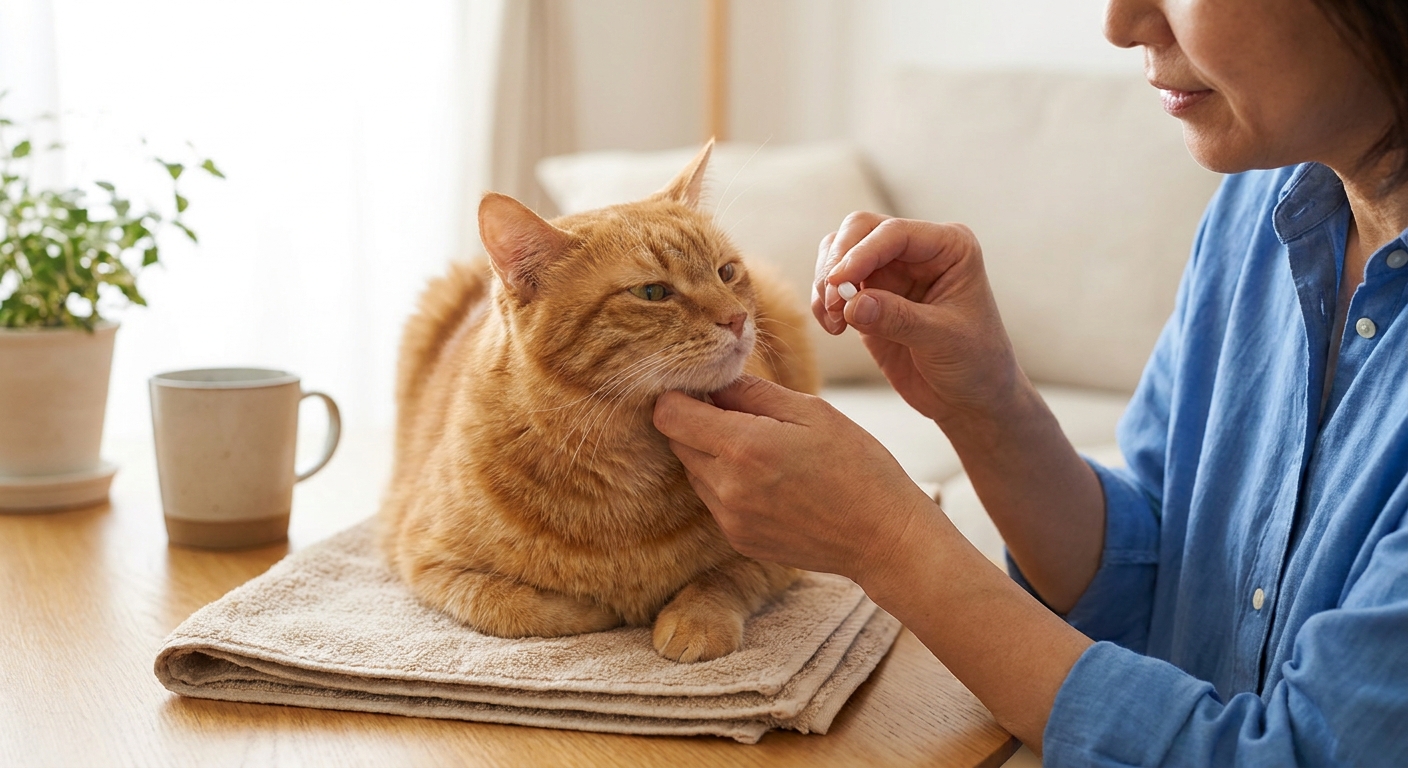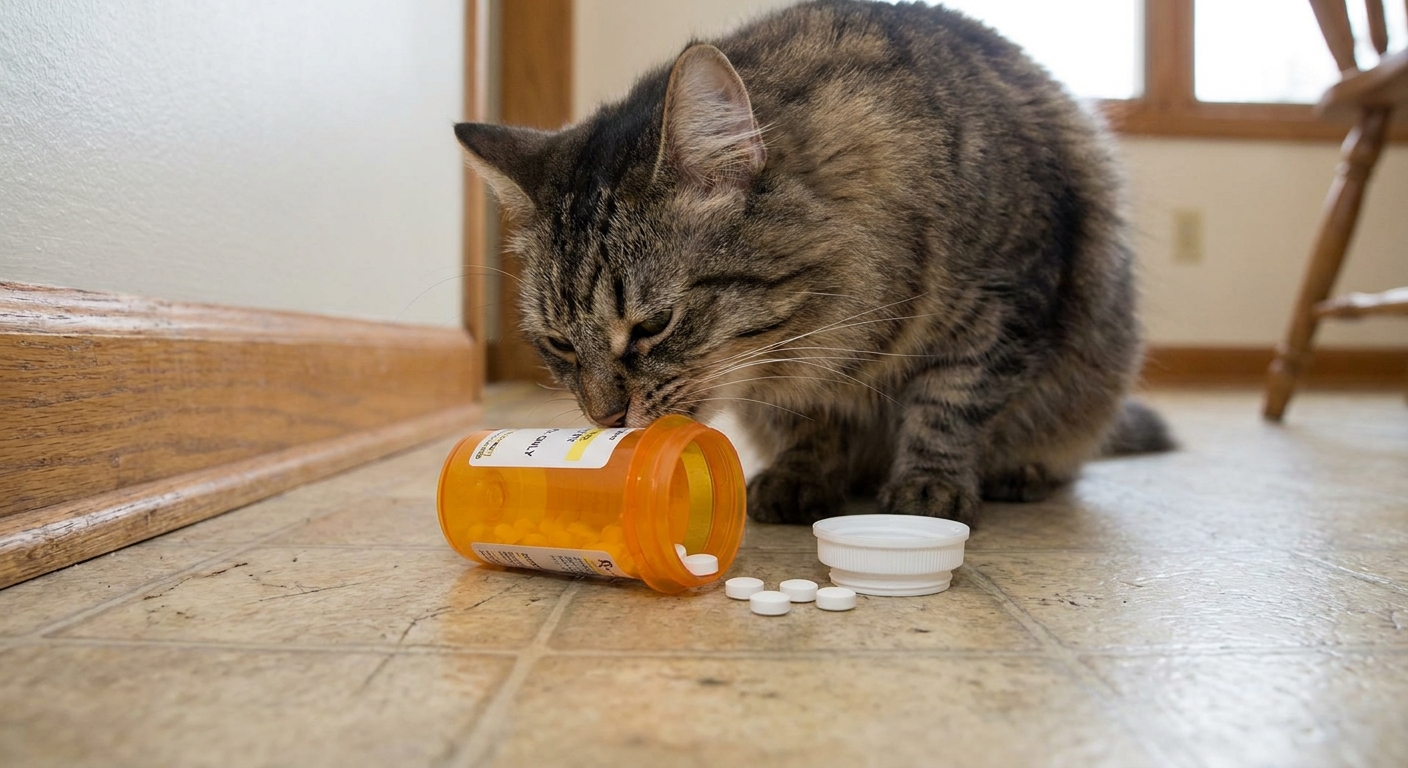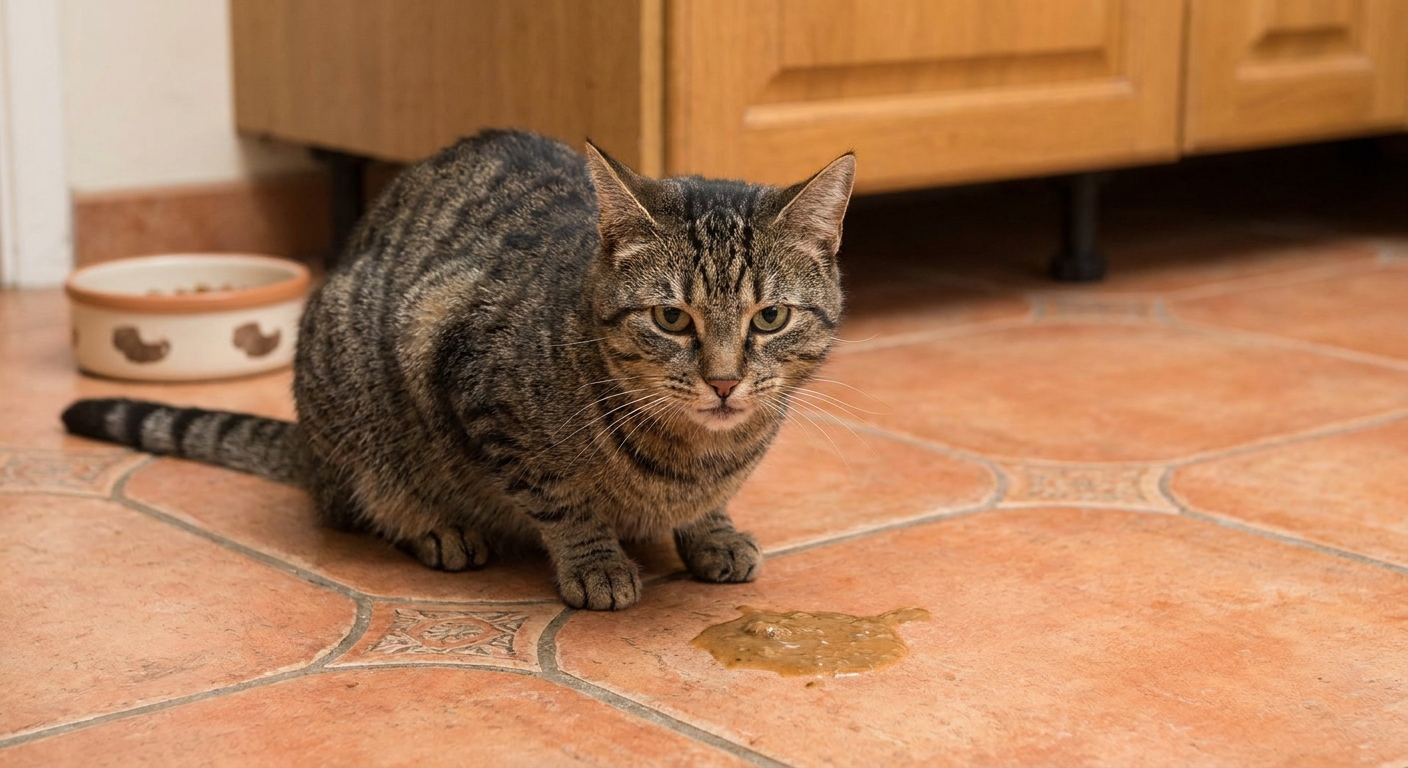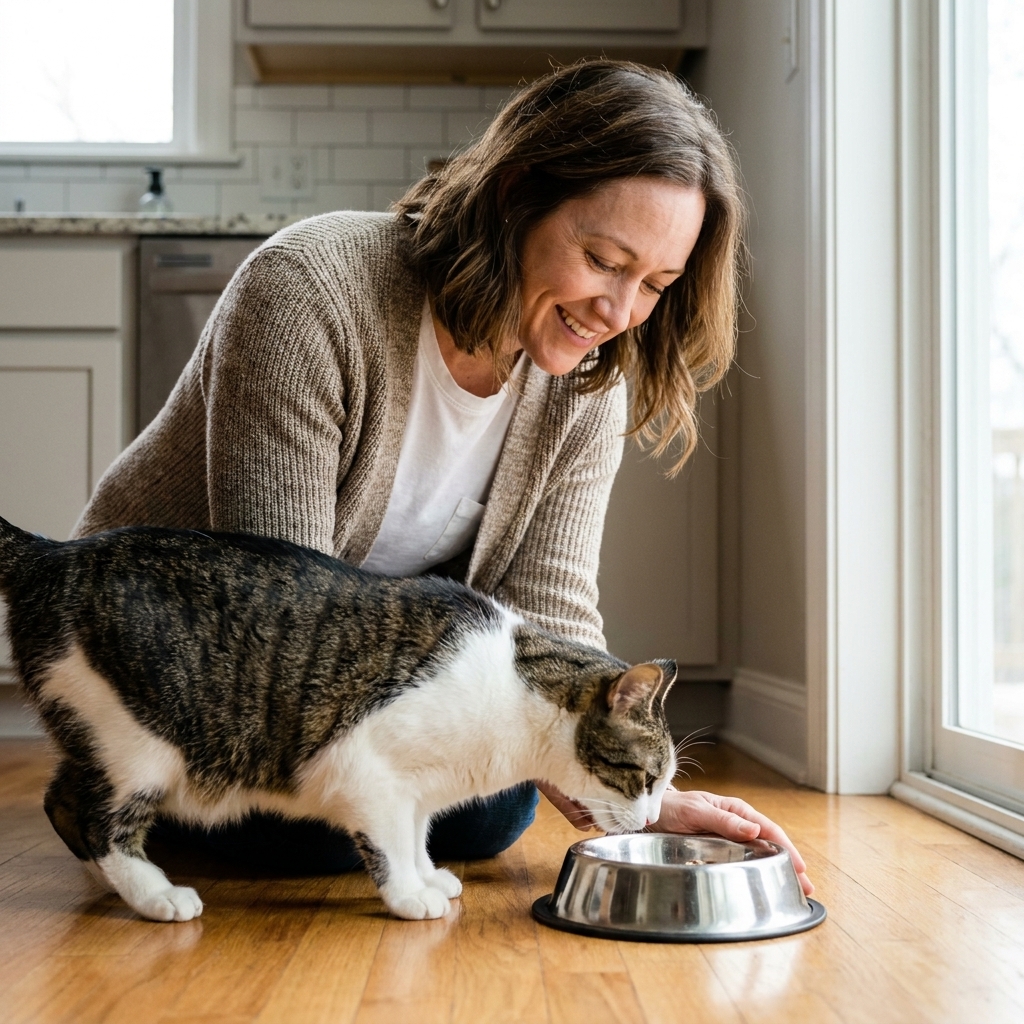
Sometimes you can crush a cat’s pill and mix it into food, but some pills must never be crushed. Because the “crushability” depends on the specific medication and how it was made, the safest rule is simple: ask your veterinarian or pharmacist before you crush anything.
I know that is not the quick fix you want at 10 p.m. with a suspicious cat and a pill in your hand. I grew up fostering kittens, and I have lived through the full spectrum, from angel babies who swallow anything to my tortie Clementine, who can detect a microscopic “medicine vibe” in her dinner from across the room. Let’s walk through what matters, what to ask, and what to do instead if crushing is a no.
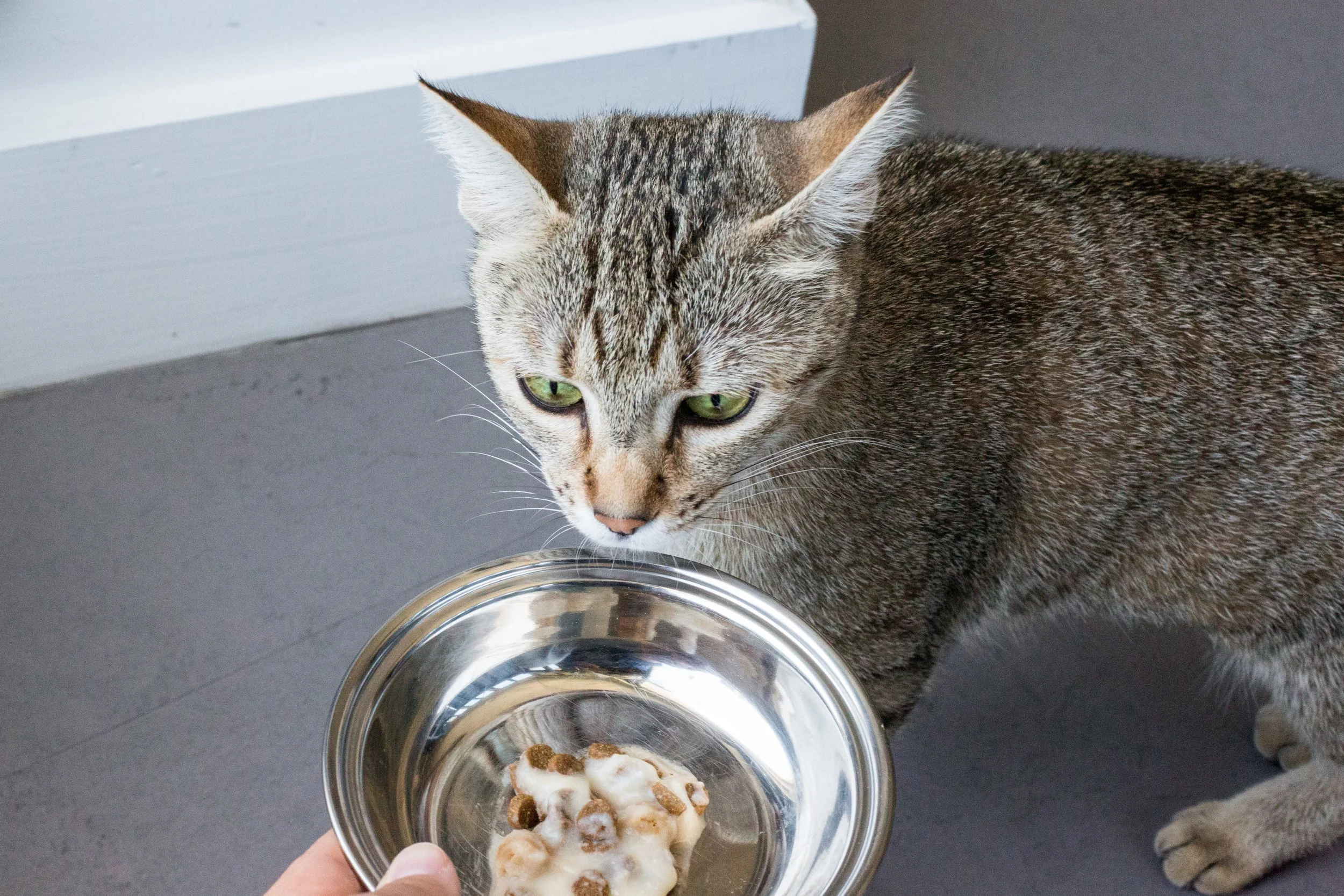
Why some pills can’t be crushed
When you crush a tablet, you are not just changing the size. You can change how the drug is absorbed, how it tastes, and how it affects the body. The main “do not crush” categories include:
- Extended-release or sustained-release tablets (often labeled ER, XR, SR, CR, LA). Crushing can release the full dose too quickly.
- Enteric-coated tablets (coated to dissolve in the intestine, not the stomach). Crushing can make the drug break down too early, irritate the stomach, or reduce effectiveness.
- Tablets with special coatings for taste or handling. Some coatings reduce bitterness, and in some cases coatings can reduce contact with the medication powder. This matters most with drugs that should not be handled as dust.
- Medications that are irritating to the mouth, esophagus, or stomach when not swallowed properly. A powder can stick and cause discomfort.
Even when a pill is technically crushable, it may be a terrible experience for you and your cat if it turns the food bitter and they refuse to eat.
Do not crush if it is hazardous
One more safety bucket that gets overlooked: hazardous medications. Some drugs used in veterinary medicine, including certain chemotherapy agents, immunosuppressants, and hormones, can be risky to crush because the dust can expose people and other pets.
If your cat is on anything in that general category, treat it like a “do not crush” medication unless your veterinary team gives explicit instructions. If they do instruct you to handle it at home, ask about gloves, how to keep powder contained, and how to clean up safely.
Why the answer varies by drug (and by cat)
Two tablets can look similar and behave completely differently once crushed. Drug formulation matters, and so does your cat’s routine.
Formulation
Some pills are designed to dissolve slowly, some are designed to survive stomach acid, and some are designed to be swallowed whole to prevent irritation. Crushing can change all of that.
Food factor
Some medications are intended to be given with food, while others may work differently when mixed into a full meal. Your vet or pharmacist can tell you whether food affects that particular medication.
Behavior factor
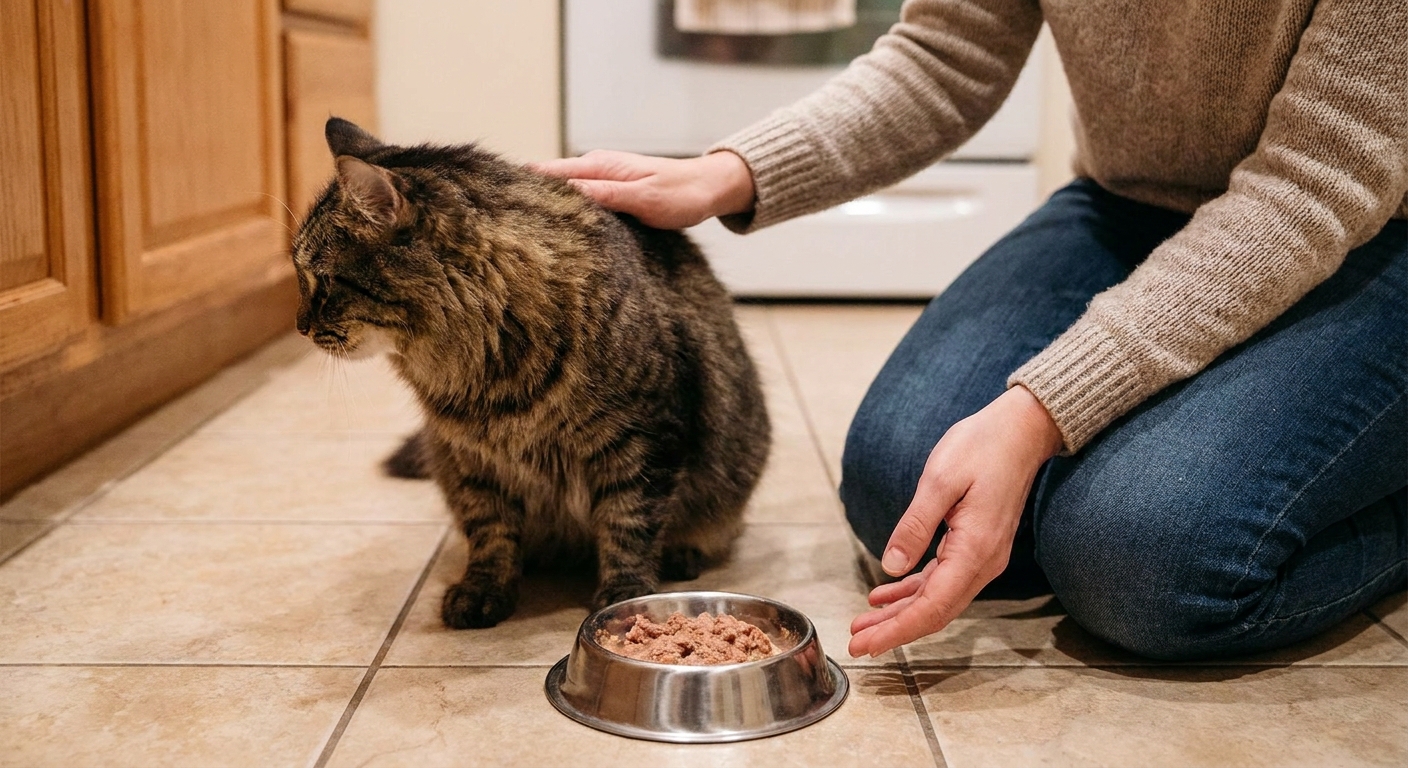
If you mix medicine into your cat’s normal dinner and they decide it tastes “off,” you risk creating a food aversion. In foster work, I saw this a lot: one bad experience can make a cat avoid that flavor or even that bowl location for days.
How to spot ER or coated pills
If you are holding the bottle and trying to decode it fast, your best clue is the label, not the pill’s appearance. Look for letters like ER, XR, SR, CR, or LA after the drug name, which often indicate an extended-release formulation. Enteric-coated products may be labeled as enteric-coated, delayed-release, or EC.
Do not assume a pill is safe to crush because it is small, scored, or “looks plain.” When in doubt, call and ask with the medication name and strength.
What to ask your vet or pharmacist
If you are standing there with a tablet and a hungry cat, these questions get you to a clear yes or no quickly:
- Can this specific medication be crushed or split? (Use the medication name and strength on the label.)
- Is it extended-release or enteric-coated?
- Does it need to be given with food, or separated from food?
- Is it okay if my cat doesn’t eat the entire portion? (This matters a lot for mixed-in methods.)
- Is there a cat-friendly alternative form? (Liquid, chew, transdermal, or compounded flavor.)
One more practical question I love: “If my cat spits it out or I miss some, what should I do?” You do not want to guess in the moment.
If crushing is allowed
If you get the green light, you can make crushing more successful by thinking like a cat: smell, texture, and trust are everything.
Use a tiny med snack
Mix the crushed medication into a small amount of something irresistible, so you can confirm your cat finished it before offering the rest of dinner. This lowers the risk of wasted medication and food aversion.
Pick a strong, sticky mixer
Ask your vet what foods are acceptable for your cat’s health needs, but in general, strong aroma and smooth texture help hide bitterness. A sticky texture also helps the powder blend evenly.
Crush finely and mix well
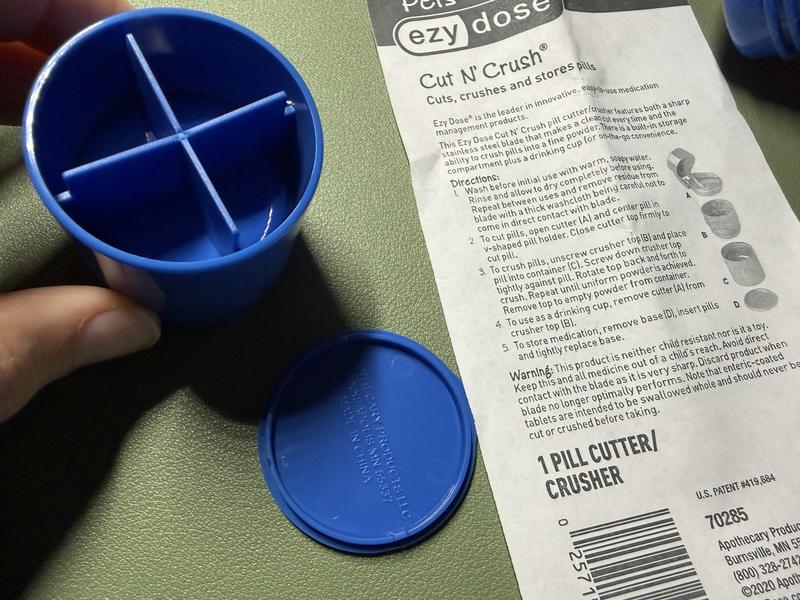
Larger gritty bits are easier for cats to detect and spit out. A pill crusher can help you get a consistent powder. Stir until the powder is fully incorporated so you do not get “hot spots” of intense bitterness.
Handle powder carefully
Try not to aerosolize medication dust. Crush inside the crusher with the lid secured, keep your face back, and wipe down the surface afterward. If your home has kids, other pets, or a curious Clementine-type who supervises all kitchen activity, keep everything out of reach while you prep.
Follow with a chaser
Powders can cling. If your cat will accept it, follow with a small treat, a bite of unmedicated food, or water. If your vet has you give pills whole, they may also recommend a food or water “chaser” to help the tablet reach the stomach, especially for medications known to irritate the esophagus.
Alternatives if crushing is not allowed
If the medication should not be crushed, you still have options. These are common alternatives your veterinary team may suggest, depending on the drug and your cat’s needs:
- Flavored liquid medication that can be measured and given by syringe into the cheek pouch.
- Compounded formulations (custom flavor or form, sometimes smaller capsules). Compounding is especially helpful for tiny doses or cats with strong taste aversions.
- Smaller tablet size or different brand that is easier to pill whole.
- Chewable tablets or treats, when available and appropriate.
- Transdermal gel (applied to the ear) for certain medications, when effective for that specific drug.
Not every medication comes in every form, and some forms are less reliable for certain drugs. Transdermal absorption, in particular, can vary by drug and by cat. If you use a transdermal medication, ask about safe handling so humans and other pets do not accidentally get exposed, and wash your hands after application.
Liquid meds and the cheek pouch
If you are new to liquid meds, “cheek pouch” just means the space between the cheek and the teeth. Aim the syringe into the side of the mouth, not straight back toward the throat, and give a little at a time so your cat can swallow comfortably.
Capsules
A very common question is whether you can open a capsule and mix the contents into food. Sometimes you can, but not always. Some capsules contain beads or special granules designed to release the drug slowly, and opening them can ruin that design.
Use the same rule as tablets: only open a capsule if your veterinarian or pharmacist confirms that specific product can be opened and mixed, and ask what food is best for the medication.
Risks of mixing medicine into food
Even when crushing is permitted, the food-mix method has a few pitfalls that I like cat parents to plan around:
- Partial dosing if your cat eats only some of the food.
- Food refusal if the medication is bitter or changes texture.
- Long-term aversion to a favorite food, flavor, bowl, or feeding spot.
- Multi-cat households where another cat steals the medicated food.
- Timing issues if the medication needs to be given on a schedule and your cat grazes.
If you have multiple cats, I strongly prefer individualized dosing methods (separate rooms, micro-portions, or pilling) so the right cat gets the right medicine.
Red flags
Contact your veterinarian promptly if any of the following happen after giving medication (crushed or not):
- Vomiting, severe drooling, gagging, or repeated retching
- Trouble breathing or open-mouth breathing
- Facial swelling, hives, or sudden itching
- Extreme lethargy, collapse, or disorientation
- Refusal to eat that lasts beyond a typical skipped meal for your cat
- Signs of mouth pain (pawing at the face, chattering jaw, head shaking)
If your cat appears to be choking, may have inhaled medication or food during administration, or is struggling to breathe, treat it as an emergency and seek immediate care.
If you think your cat may have received the wrong medication or an accidental extra dose, call your veterinarian or an emergency clinic right away. Depending on where you live, they may also direct you to a pet poison advice line.
Quick FAQ
Can I crush a pill and mix it into my cat’s wet food?
Only if your vet or pharmacist confirms that specific pill can be crushed. Many cannot, including extended-release and enteric-coated tablets.
What if my cat will only eat dry food?
Dry food usually does a poor job hiding crushed medication because the powder does not blend well and the taste is more obvious. Ask about alternatives like a liquid, smaller pill, or compounding.
Is it better to hide a pill whole or crush it?
When a pill can be given whole, it is often more reliable because you can confirm it was swallowed. Crushing can work for some meds, but it increases the risk of refusal or partial dosing.
Can I open a capsule and mix it in food?
Sometimes, but not always. Some capsules contain special beads or granules that should not be altered. Only open a capsule if your vet or pharmacist confirms it is safe for that exact medication.
Can I use tuna or strong-smelling foods to hide medicine?
Sometimes, but it depends on your cat’s health needs and dietary restrictions. If your cat has kidney disease, heart disease, pancreatitis, or food allergies, check with your vet before using rich or salty foods.
The bottom line
You can crush some cat pills and mix them into food, but you should not do it unless your vet or pharmacist confirms it is safe for that exact medication. If crushing is not allowed or your cat refuses medicated meals, ask about vet-approved alternatives like liquids, smaller tablets, or compounded forms. The goal is not just “getting it in,” it is getting the right dose into the right cat with the least stress possible.