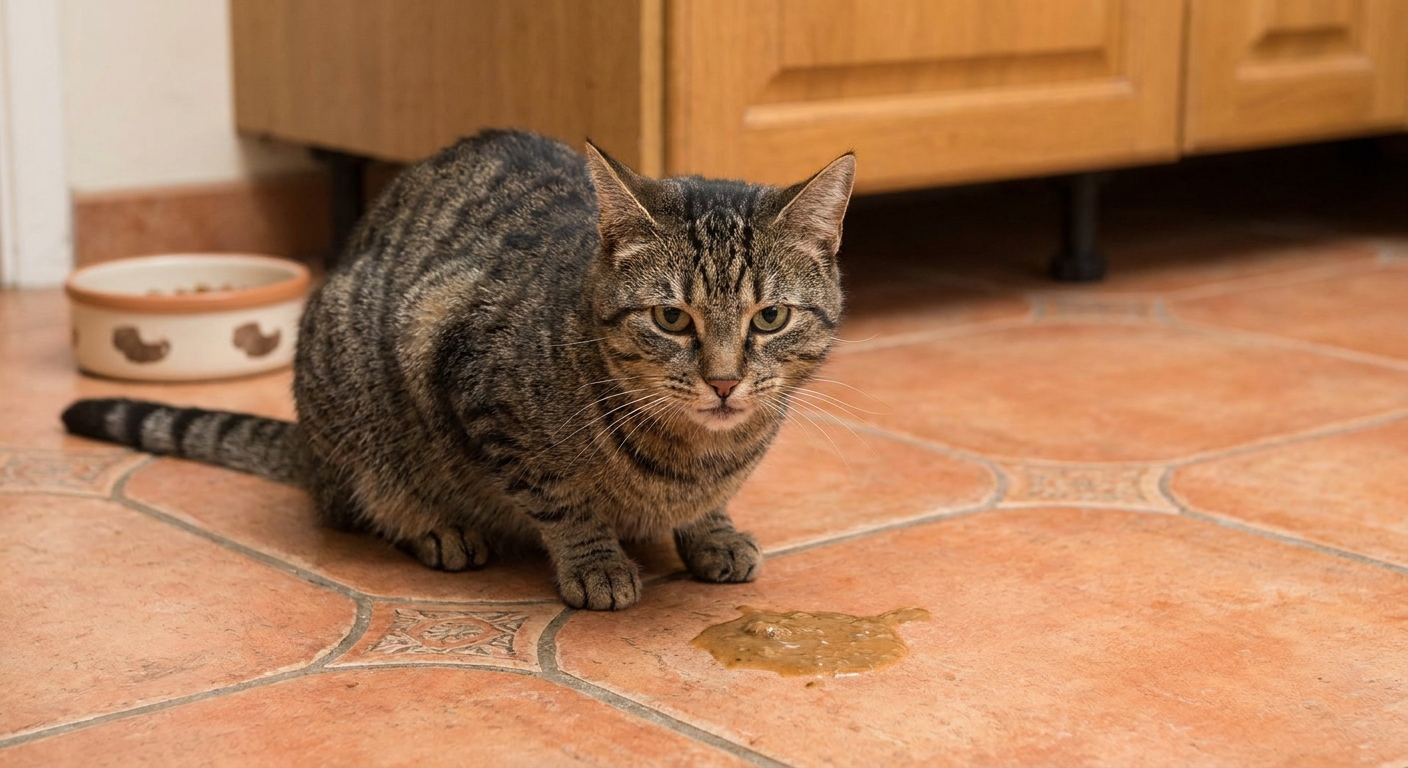
I grew up fostering kittens, and one of the scariest calls I ever got as a foster coordinator sounded deceptively small: “I think she just licked some pill dust off the counter.” No dramatic choking. No half-empty bottle. Just a tiny smudge of human medicine that a curious cat found before anyone noticed.
Here is the hard truth: cats are uniquely vulnerable to many human medications. Their bodies process drugs differently than ours, and some common pills can cause life-threatening damage even in very small amounts. If you even suspect your cat got into a medication, treat it like an emergency and call for help right away.
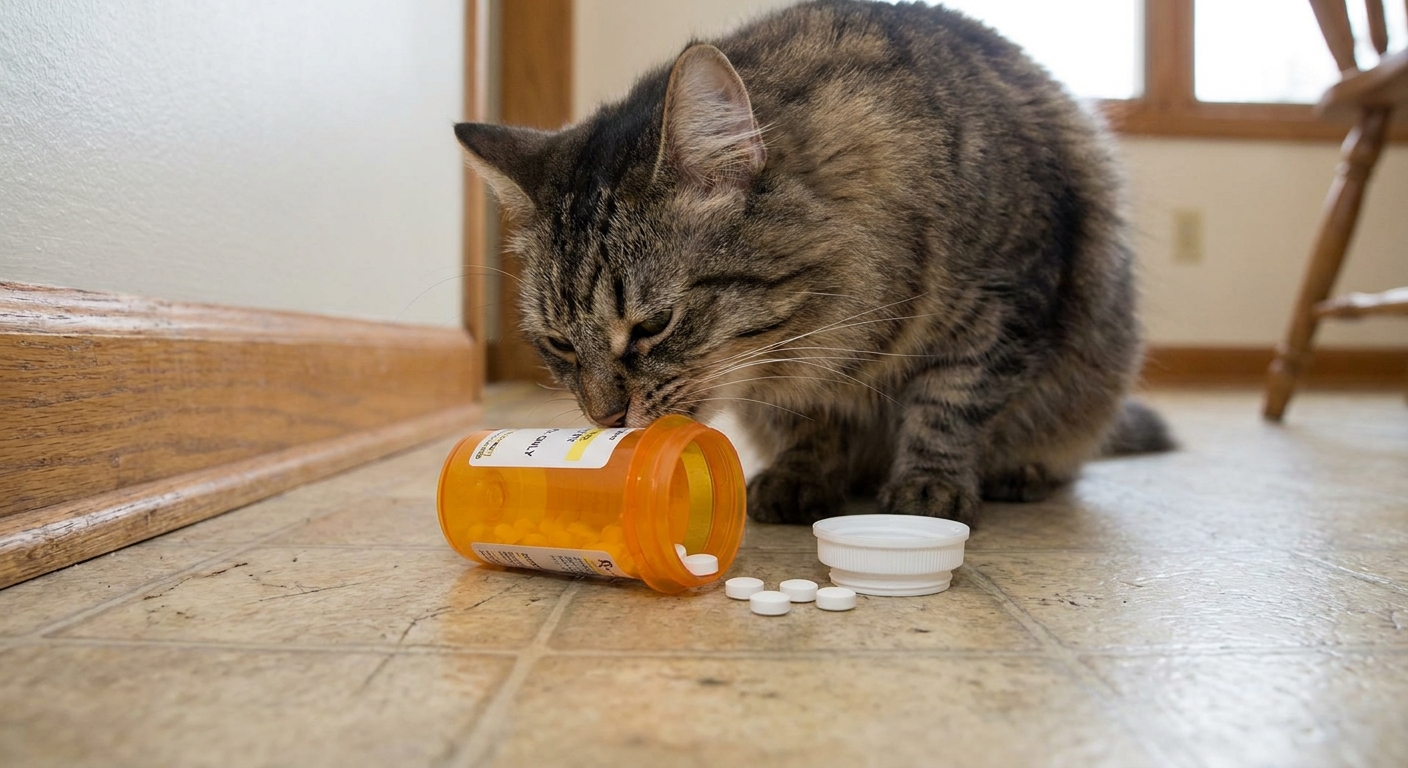
Why human meds hit cats so hard
Cats are not just small dogs, and they are definitely not tiny humans. Their livers have limited ability to process certain compounds, and their small body size means a “low” dose to you can be a big dose to them.
A few reasons poisonings happen so easily:
- Cats groom constantly. Powder from crushed tablets, residue on your hands, or medication cream on your skin can end up in their mouths.
- Some pills are flavored or coated. A curious cat may chew or lick them like treats.
- Accidents happen fast. A single tablet on the floor can vanish under a fridge, then reappear as a “toy” later.
What to do right away
If you find a chewed pill, a punctured bottle, a sticky gelcap, or you are missing medication and your cat was nearby, do this in order:
- Remove access. Put the medication container out of reach and move your cat to a safe room so you can assess the situation.
- Identify the medication. Gather the bottle, blister pack, or tube. Write down the name, strength (mg), and whether it is extended-release.
- Look for evidence. How many pills were in the container? How many are left? Are there fragments, chew marks, or colored powder on the floor or fur?
- Call for emergency guidance. Contact your veterinarian, an emergency vet, or a pet poison hotline immediately. If it is after hours, start heading to the nearest emergency clinic while you call.
- Follow instructions exactly. Do not try home remedies unless a professional specifically tells you to.
Practical note: Pet poison hotlines may charge a fee. In my experience, it is still worth it because you get time-sensitive, case-specific advice fast.
While you are getting help, do your best to keep your cat calm and prevent additional licking or grooming. A carrier, a towel wrap, or simply staying close can help, but only do what is safe for you and your cat.
Do not do these “common fixes”
- Do not induce vomiting unless directed. Some medications cause seizures, sedation, or aspiration risk if vomiting is forced at home.
- Do not give activated charcoal unless instructed. Dosing matters and it can be dangerous if your cat is sleepy or uncoordinated.
- Do not give milk, oil, or bread. They do not “soak up” drugs and can delay proper treatment.
- Do not wait for symptoms. With many drugs, serious damage starts before you can see it.
- Do not give a human pain reliever “to help.” That well-intended step is a common way toxicities happen.
Bring the container with you to the clinic. The exact drug name, dose, and formulation help your veterinary team move faster.
Common meds that are dangerous
This is not a complete list of everything that can harm cats, but these are some of the most common and most severe exposures I see discussed in emergency toxicology and rescue work.
Acetaminophen (Tylenol and many cold and flu products)
One of the most dangerous medications for cats. Cats are extremely sensitive to acetaminophen. Even small amounts can damage red blood cells and the liver.
Why it happens: Cats may swallow a dropped tablet, lick powder residue, or ingest combo products such as cold and flu medicines that contain acetaminophen.
Hallmark signs to watch for:
- Gums that look brown, gray, or blue
- Fast breathing or trouble breathing
- Extreme weakness, hiding, collapse
- Swelling of the face or paws
- Vomiting, drooling
Emergency level: Immediate. This is a “go now” situation.
NSAIDs (ibuprofen, naproxen, aspirin)
Nonsteroidal anti-inflammatory drugs are common in homes and can be disastrous for cats. They can cause stomach and intestinal ulcers and kidney failure.
Common examples: ibuprofen (Advil, Motrin), naproxen (Aleve), aspirin (Bayer and others).
Hallmark signs:
- Vomiting (sometimes with blood)
- Black, tarry stool
- Loss of appetite, abdominal pain
- Lethargy
- Increased thirst or urination, or very little urine (kidney injury)
Important note: Even if your cat seems fine, ulcers and kidney damage can develop over hours. Early treatment matters.
Cold and flu decongestants
Over-the-counter cold and flu meds can be risky for cats for multiple reasons, including combination formulas. Decongestants are a big one.
Common examples: pseudoephedrine and phenylephrine (often found in multi-symptom products).
Hallmark signs:
- Restlessness, agitation, unusual vocalizing
- Very fast heart rate
- Tremors
- High blood pressure
- Overheating
- Seizures in severe cases
If your cat gets into a cold medicine, assume it is urgent until a professional tells you otherwise.
Antidepressants and anti-anxiety medications
These are frequent exposures because they are commonly prescribed and often stored in purses, nightstands, or weekly pill organizers that are easy to knock over.
Common types: SSRIs and SNRIs (such as fluoxetine, sertraline, venlafaxine), tricyclic antidepressants, and anti-anxiety medications.
Important nuance: Effects vary by drug and dose. Some anti-anxiety medications (including some benzodiazepines) more often cause sedation and wobbliness, while others can cause agitation.
Hallmark signs:
- Agitation or restlessness
- Tremors, uncoordinated walking
- Drooling, vomiting
- Rapid heart rate
- Elevated body temperature
- Seizures in severe cases
Some antidepressant exposures can contribute to serotonin syndrome, which is a true emergency.
ADHD and stimulant medications
Stimulants can cause dangerous overstimulation in cats.
Hallmark signs:
- Hyperactivity, vocalizing, inability to settle
- Very fast heart rate
- Tremors
- High blood pressure
- Overheating
- Seizures
Because some formulations are long-acting, symptoms can be prolonged without prompt veterinary care.
Sleep aids and sedatives
Medications used for sleep, anxiety, or muscle relaxation can cause profound sedation and breathing problems, and some can trigger paradoxical agitation.
Hallmark signs:
- Severe sleepiness, weakness
- Wobbliness or collapse
- Slow or irregular breathing
- Agitation or confusion
If your cat is difficult to rouse or breathing seems off, treat it as an emergency.
Heart and blood pressure medications
Some cardiovascular drugs can cause dangerously low blood pressure, abnormal heart rhythms, or weakness.
Hallmark signs:
- Weakness, collapse
- Slow heart rate or very fast heart rate
- Cold paws or pale gums
- Disorientation
Topicals and creams count too
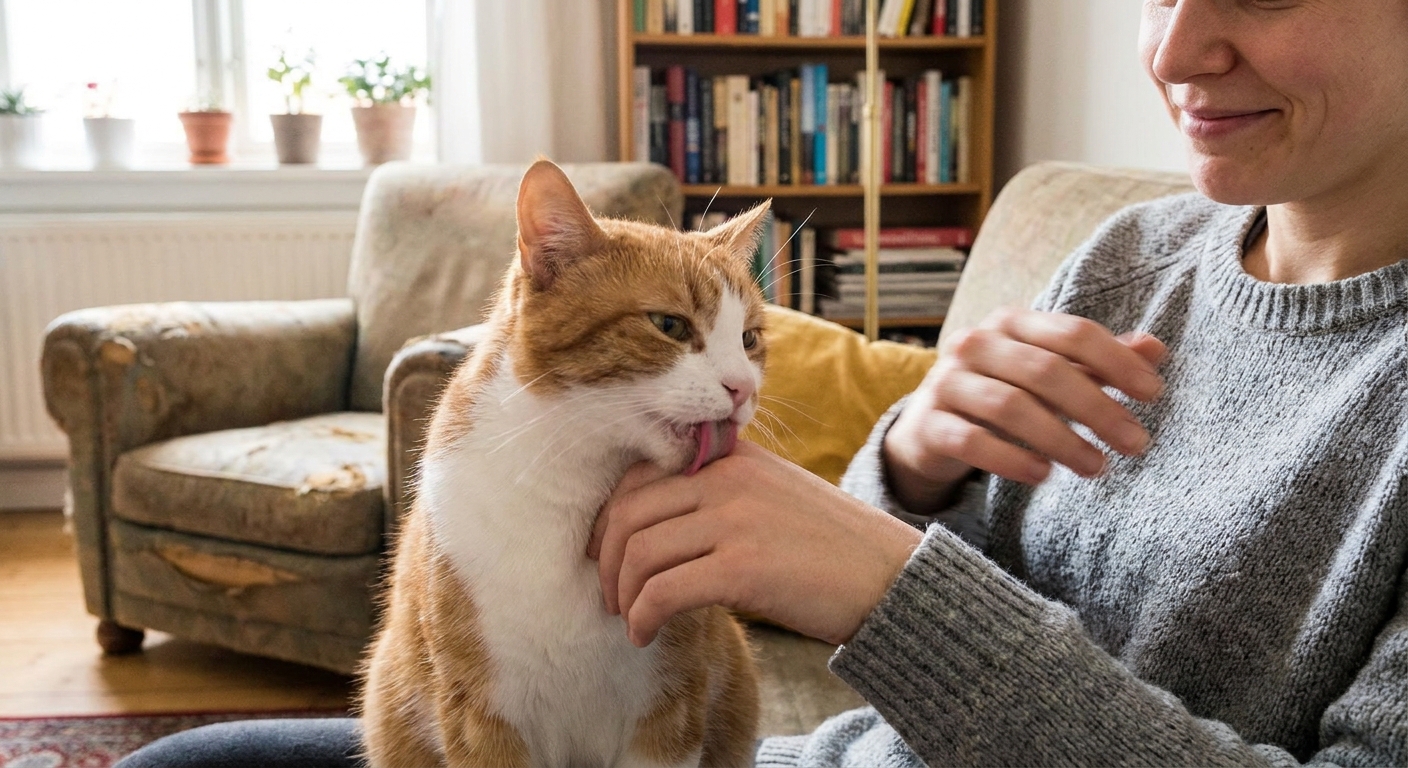
One of the sneakiest poisoning routes is skin contact and grooming. If you apply a prescription cream or gel and your cat licks your skin, your clothing, or their own fur after snuggling you, they can ingest meaningful amounts.
Be especially cautious with:
- Pain relief gels and creams
- Hormone creams
- Nicotine products and patches
- Essential oil products marketed for aches and relaxation, especially tea tree (melaleuca), wintergreen, peppermint, eucalyptus, and clove
If you use topical prescriptions, wash hands well, keep application sites covered when possible, and limit close contact until the product is fully absorbed as directed by your prescriber.
Symptoms of poisoning in cats
Different drugs cause different problems, but these are common warning signs that should prompt an urgent call or immediate trip to an emergency vet:
- Vomiting or drooling
- Loss of appetite
- Lethargy, hiding, weakness
- Unsteady walking, tremors
- Agitation, pacing, unusual vocalizing
- Fast breathing, open-mouth breathing, or labored breathing
- Pale, blue, or brown-tinged gums
- Seizures
- Collapse
One important nuance: absence of symptoms does not mean absence of danger. Many toxins have a delay before the worst effects appear.
What your vet may do
Treatment depends on the drug, dose, and time since exposure. In general, the sooner you get professional help, the more options your vet has.
Possible treatments may include:
- Decontamination (such as professionally induced vomiting when appropriate)
- Activated charcoal under veterinary guidance
- IV fluids to protect kidneys and support blood pressure
- Bloodwork to monitor liver, kidney values, red blood cells, and electrolytes
- Temperature and seizure control if neurologic signs occur
- Oxygen support for breathing problems
- Specific antidotes for certain toxins, when available
Even when everything looks “okay” on the outside, monitoring can catch internal injury early.
How to prevent it
I am a big believer in realistic prevention, not perfection. Most medication incidents happen during everyday life: a rushed morning, a pill dropped under a chair, a curious cat on the nightstand.
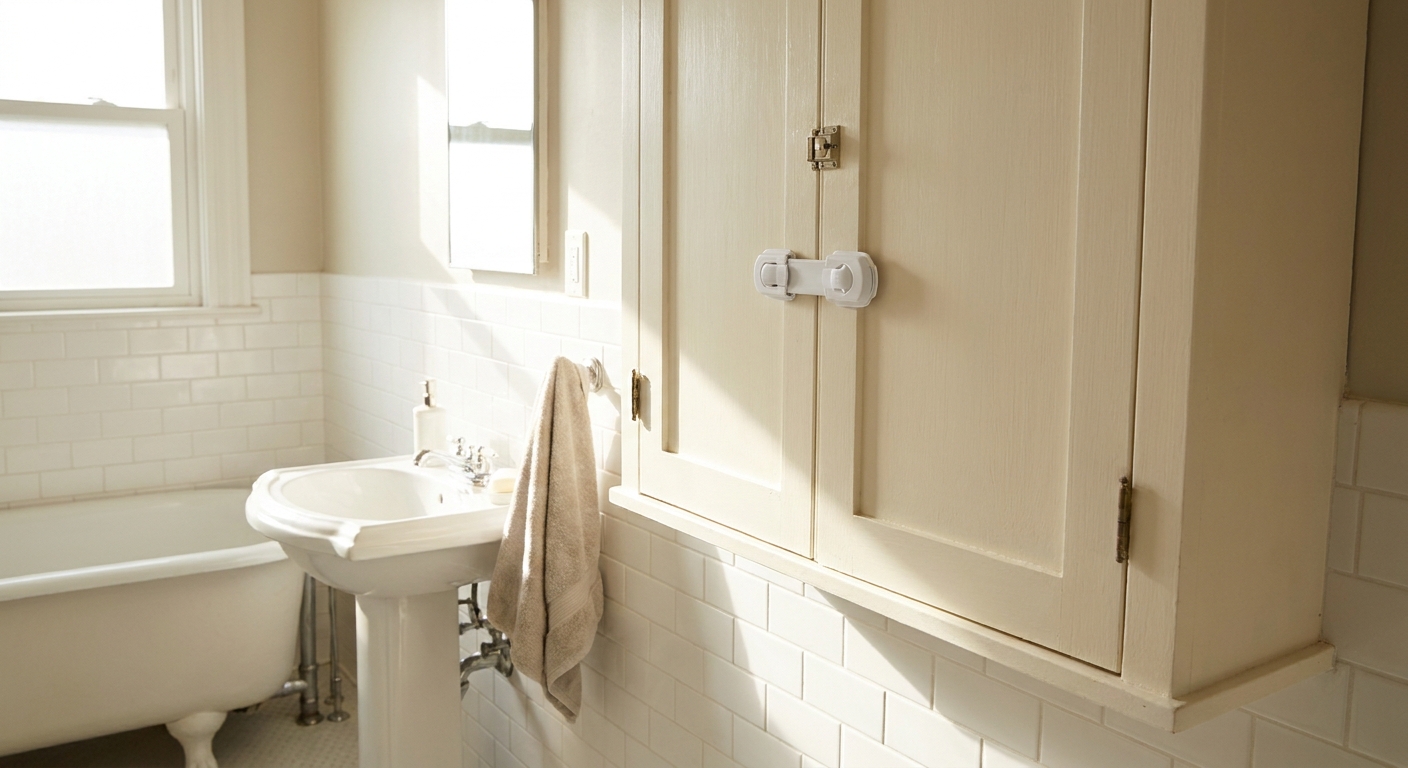
- Use a closed cabinet, not a countertop. Cats can reach almost anything if they have motivation.
- Avoid open pill organizers unless they are stored inside a drawer or container your cat cannot open.
- Never leave pills in cups on the bedside table.
- Take meds over a sink or tray so dropped tablets are easier to find.
- Check the floor after filling weekly meds, especially around the couch and under tables.
- Keep purses and backpacks closed and off the floor.
- Be careful with topical products and wash hands after applying them.
FAQ
My cat licked a tiny bit of pill dust. Is that really an emergency?
It can be. With certain medications, especially acetaminophen and some extended-release products, even very small exposures are worth an immediate call for veterinary guidance. Also, if you are not sure how much was ingested, that uncertainty alone is reason to call. Have the medication name and strength in front of you.
Should I give my cat hydrogen peroxide to make them vomit?
No. Hydrogen peroxide is not considered a safe at-home vomiting method for cats and can cause significant irritation and complications. Only induce vomiting if a veterinarian tells you to, using the method they recommend.
What information should I have ready when I call?
- The exact medication name (take a photo of the label if possible)
- Strength (mg) and formulation (extended-release, sustained-release, liquid, etc.)
- Approximate time of exposure
- Your cat’s weight (even an estimate helps)
- What you saw (chewed tablet, missing pills, residue on fur)
My cat swallowed my medication, but seems normal. Can I watch at home?
I know it is tempting, especially if your cat is acting fine. But many drug toxicities have delayed effects, and early treatment is often less invasive and more successful. Call an emergency vet for next steps.
The bottom line
When it comes to cats and human medications, “probably fine” is not a safe bet. If you suspect exposure, your best move is quick identification of the drug and rapid contact with a veterinarian or emergency clinic. You are not overreacting. You are giving your cat the best chance at a full recovery.
If you are reading this while holding a chewed pill bottle, put your cat safely in a carrier, grab the container, and call an emergency vet now.