If you have a cat who seems itchy year-round, gets ear infections on repeat, or has a stomach that never quite settles, it is natural to wonder if food is the culprit. I have fostered plenty of cats who were labeled “allergic to everything” when the real issue was more specific, and much more manageable once we narrowed it down.
Here is the honest truth: true food allergies in cats exist, but they are less common than other causes of itching and tummy trouble. The good news is that with a methodical plan (and a little patience), you can usually figure out whether food is involved and what your cat can safely eat long-term.
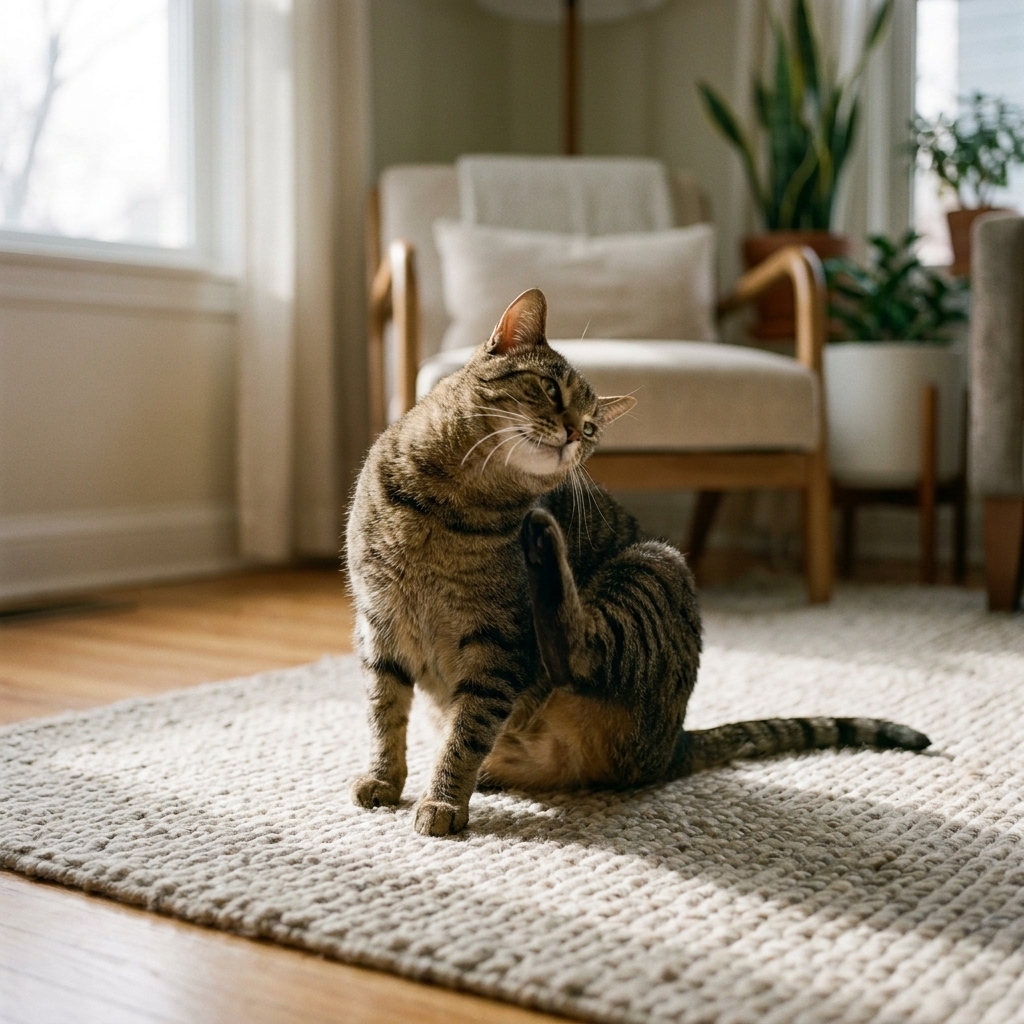
Food allergy vs sensitivity vs environmental allergy
These terms get used interchangeably online, but they mean different things. Knowing the difference helps you choose the right next step.
Food allergy (immune reaction)
A food allergy is an immune system response to a protein, most often in meat or fish. The immune system decides that ingredient is a threat and overreacts. In cats, food allergies most often show up as skin and ear issues, sometimes with gastrointestinal signs too.
Food sensitivity (non-immune intolerance)
Food sensitivity can look similar from the outside, but it is not a classic immune response. Think “this food does not agree with my cat” rather than “my cat is allergic.” Causes can include difficulty digesting certain ingredients, too-rich formulas, abrupt diet changes, or even spoilage.
Environmental allergies (atopy)
Environmental allergies are reactions to things like dust mites, pollens, molds, or indoor triggers. These often have a seasonal pattern, but indoor allergens can cause symptoms year-round. Environmental allergies are very common and can look almost identical to food allergy from the outside.
Key takeaway: You cannot diagnose a food allergy based on symptoms alone. For food, the gold standard is a properly run elimination diet followed by a controlled challenge. (Skin and blood allergy testing can be useful for environmental allergies, but they do not confirm food allergy on their own.)
Common symptoms of food allergies in cats
Food allergies do not always look like “vomiting after dinner.” Many cats primarily show skin and ear signs.
Skin and coat signs
- Itching and overgrooming (belly, inner thighs, armpits, base of tail, neck)
- Scabs or crusty bumps (often called miliary dermatitis)
- Hair loss from licking or scratching
- Redness around the face, chin, neck, or paws
- Inflamed, infected skin lesions (oozing or crusted areas can happen, even if “hot spots” are more of a dog term)
Ear signs
- Repeated ear infections (especially if they keep coming back)
- Head shaking or ear scratching
- Dark waxy debris or a strong odor
Digestive signs
- Vomiting (including frequent hairball-like vomiting)
- Diarrhea or soft stool
- Gas or noisy gut
- Decreased appetite or picky eating that escalates over time
Less obvious clues
- Chronic chin acne can sometimes be associated with inflammation and diet, though it has many causes
- Paw chewing and face rubbing
- Anal area irritation is uncommon in cats. Anal sac disease is rare, so if your cat is scooting or licking intensely, it deserves a veterinary check rather than assuming it is allergy-related.
When symptoms tend to point away from food: sneezing, watery eyes, and classic “hay fever” style signs are more suggestive of environmental triggers or irritants.
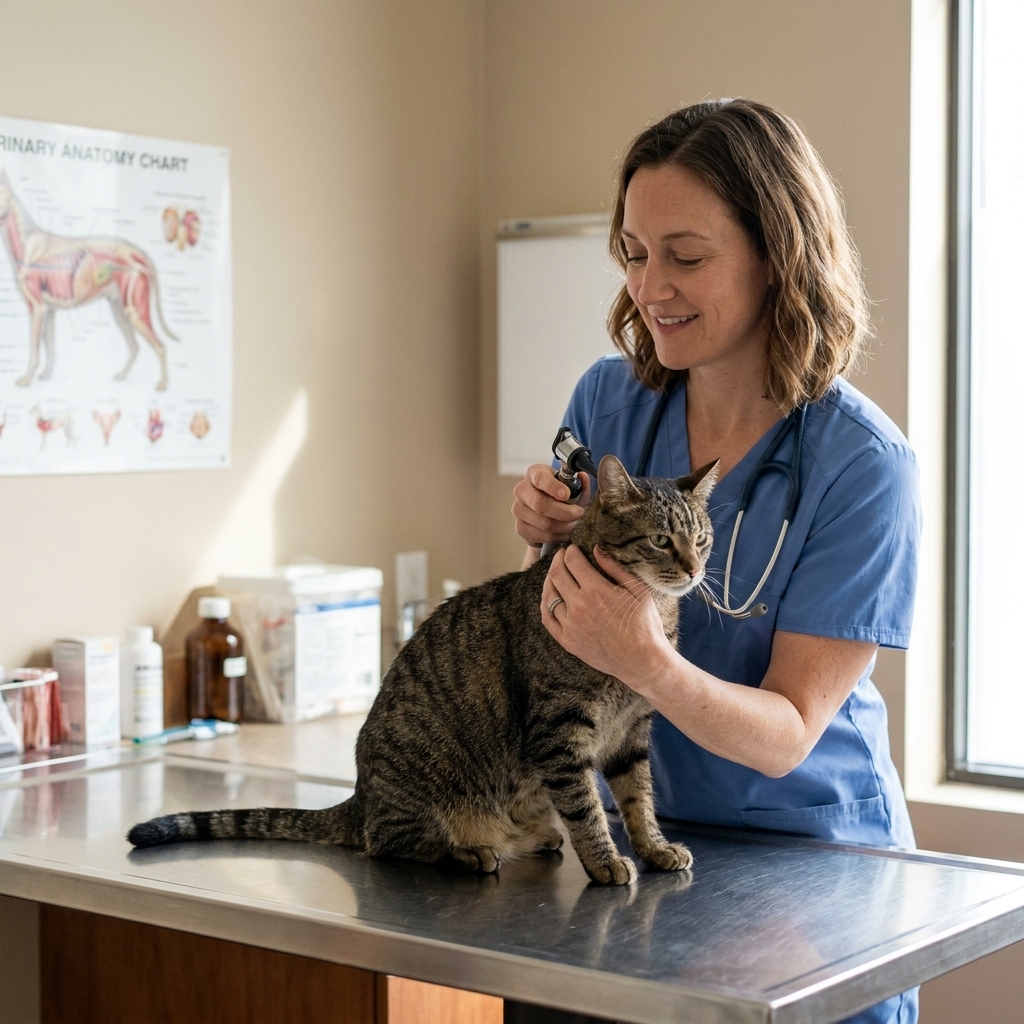
What can mimic a food allergy?
Before you change diets, it is worth ruling out the big lookalikes. In my rescue work, the “food allergy” label often stuck simply because itching was persistent, not because food was proven to be the cause.
- Fleas: Even one or two bites can trigger major itching in flea-allergic cats. You may never see fleas, especially on cats who groom heavily.
- Skin mites: Cheyletiella, Demodex (less common), and ear mites can all cause intense scratching.
- Ringworm: Not always a perfect circle. It can look like patchy hair loss or scaly skin.
- Environmental allergies: Dust mites are a big one for indoor cats.
- Secondary infections: Yeast and bacteria can turn mild irritation into constant itching.
- Inflammatory bowel disease (IBD) or other GI disease: Can cause vomiting, diarrhea, weight loss, or appetite changes. Food can also worsen GI inflammation in some cats, which is one reason diet trials are sometimes used as part of an IBD workup.
If your cat has open sores, recurrent ear infections, weight loss, lethargy, or vomiting that is increasing in frequency, contact your veterinarian early. An elimination diet works best when parasites and infections are treated first. Otherwise, you can get confusing results.
Why food allergy tests disappoint
I wish I could tell you there is a simple test panel that pinpoints food allergies in cats. In practice, blood, saliva, and hair testing marketed for pet food allergies is not reliable enough to diagnose food allergy or pick a “safe” diet with confidence.
Veterinary dermatologists generally consider the elimination diet trial plus challenge the gold standard for diagnosing adverse food reactions. That is because you are testing your cat’s response in real time, under controlled conditions, rather than relying on a lab result that may not correlate with symptoms.
If you are feeling discouraged here, I get it. The elimination diet is not glamorous. It is just the clearest path to an answer.
Elimination diet basics
An elimination diet has three non-negotiables:
- A strict, limited ingredient food using either a novel protein or a hydrolyzed protein formula
- Enough time for inflammation and itch cycles to calm down
- Zero extras that could contaminate the trial, including treats, flavored medications, and human food
The goal is not just to find a food that seems better. The goal is to test whether food is driving the symptoms by removing suspected triggers, then confirming with a controlled re-challenge.
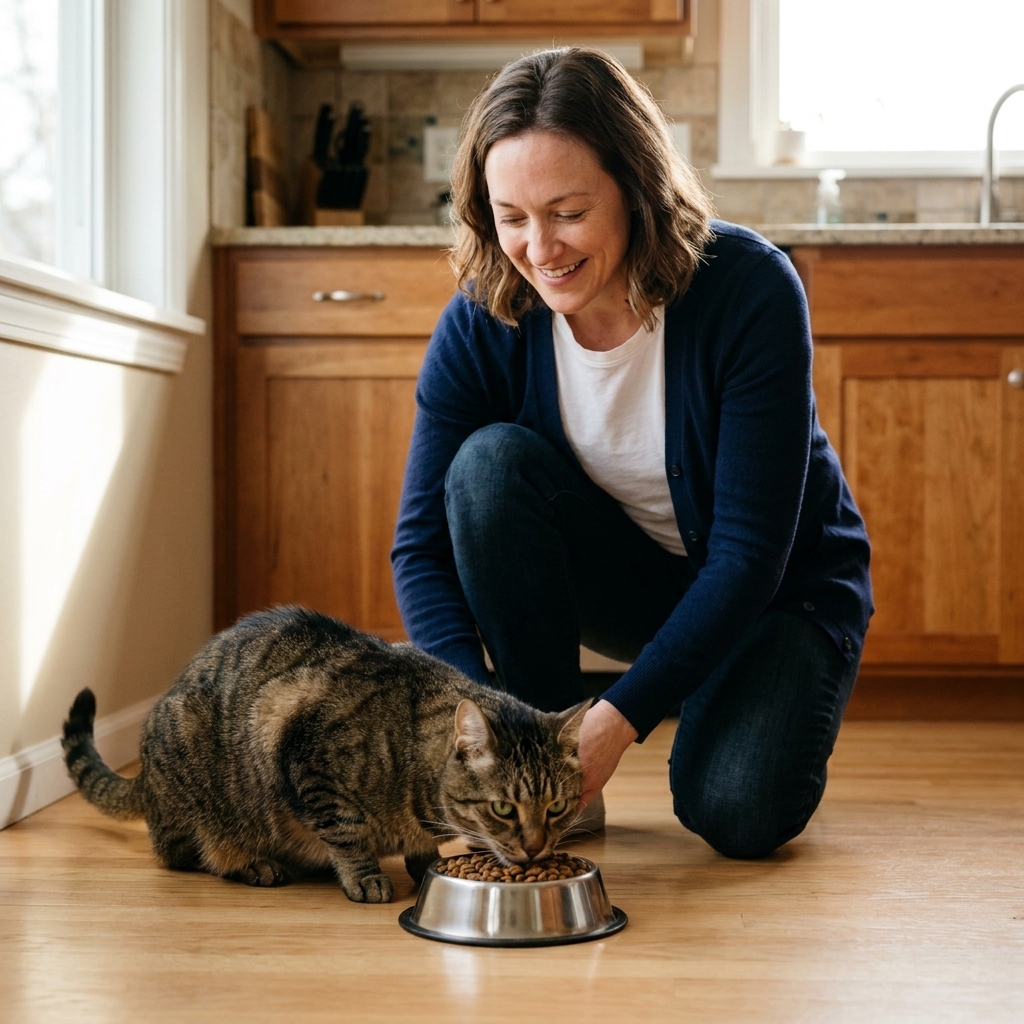
How to do an elimination diet
Step 1: Talk to your veterinarian first
Especially if your cat is a kitten, a senior, has kidney disease, diabetes, a history of urinary issues, or is underweight. Your vet can also treat active infections or parasites that would muddy the results.
Step 2: Choose the right type of diet
You typically have two evidence-based options:
- Hydrolyzed protein diet: Proteins are broken into tiny pieces that are less likely to trigger an immune response. This is often the best choice for cats who have eaten many proteins over the years or when the dietary history is unclear (hello, former strays and rescues).
- Novel protein diet: Uses a protein your cat has truly never eaten before. Examples might include rabbit, venison, duck, or kangaroo depending on what your cat has had in the past.
Important: Over-the-counter “limited ingredient” foods can be contaminated with traces of other proteins due to shared manufacturing lines. For a true diagnostic trial, prescription hydrolyzed diets or veterinary-guided novel protein options are usually more dependable.
Step 3: Commit to the timeline
Many cats need 6 to 8 weeks to show meaningful improvement, and some need 8 to 12 weeks for a fair assessment, especially when skin and ears are involved. GI signs may improve sooner, but you will get the clearest answer if you stick with the full plan your veterinarian recommends.
Step 4: Transition gradually
To avoid upsetting the stomach, transition over about a week. One common schedule is:
- Days 1 to 2: 25% new, 75% old
- Days 3 to 4: 50% new, 50% old
- Days 5 to 6: 75% new, 25% old
- Day 7: 100% new
If your cat has significant vomiting or diarrhea, your vet may advise a different plan.
Step 5: Control every calorie
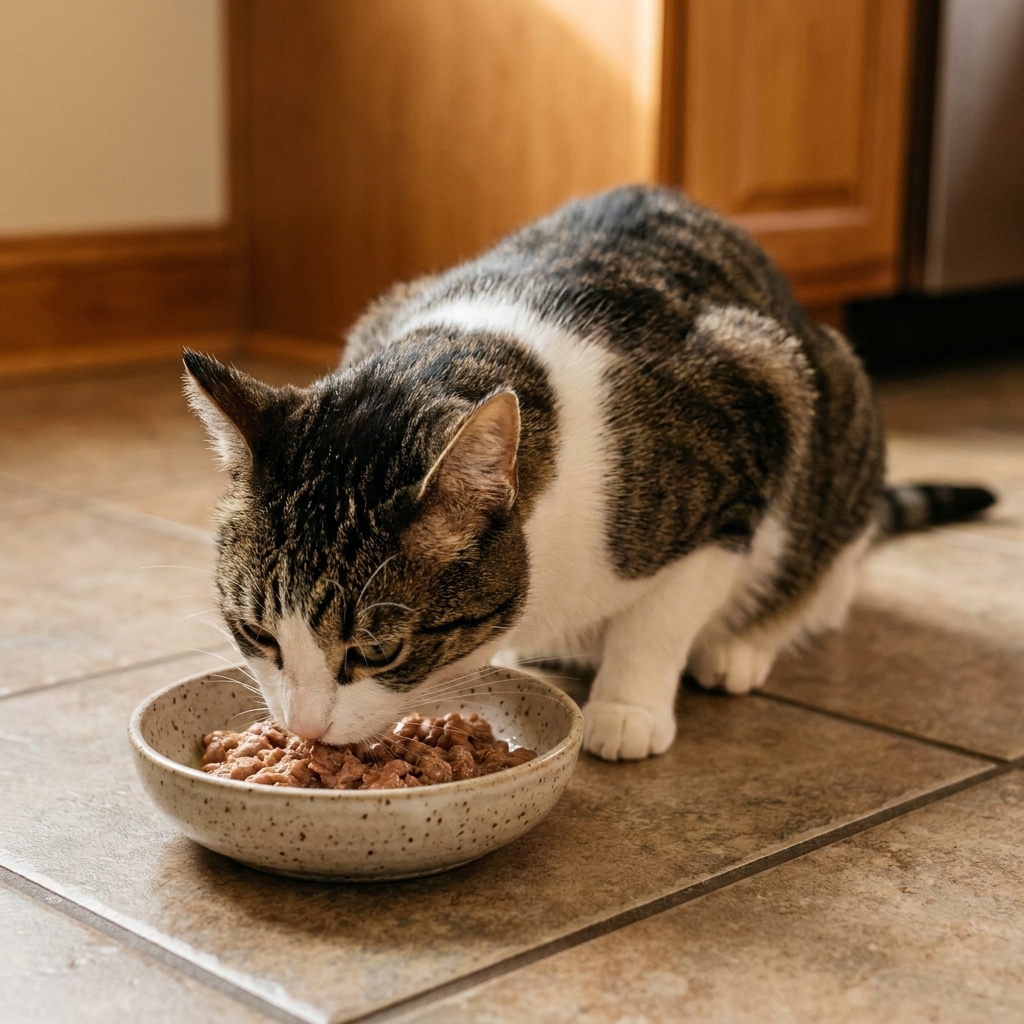
This is the part that makes or breaks the trial. The elimination diet must be the only food your cat eats (wet and or dry is fine, as long as it is the same selected diet).
- No treats, unless they are made from the exact same trial diet (many prescription diets have matching treats).
- No flavored toothpaste, broth, lickable tubes, or “just a bite” of your dinner.
- No flavored pill pockets unless your vet confirms they match the trial. Many contain chicken, beef, or fish.
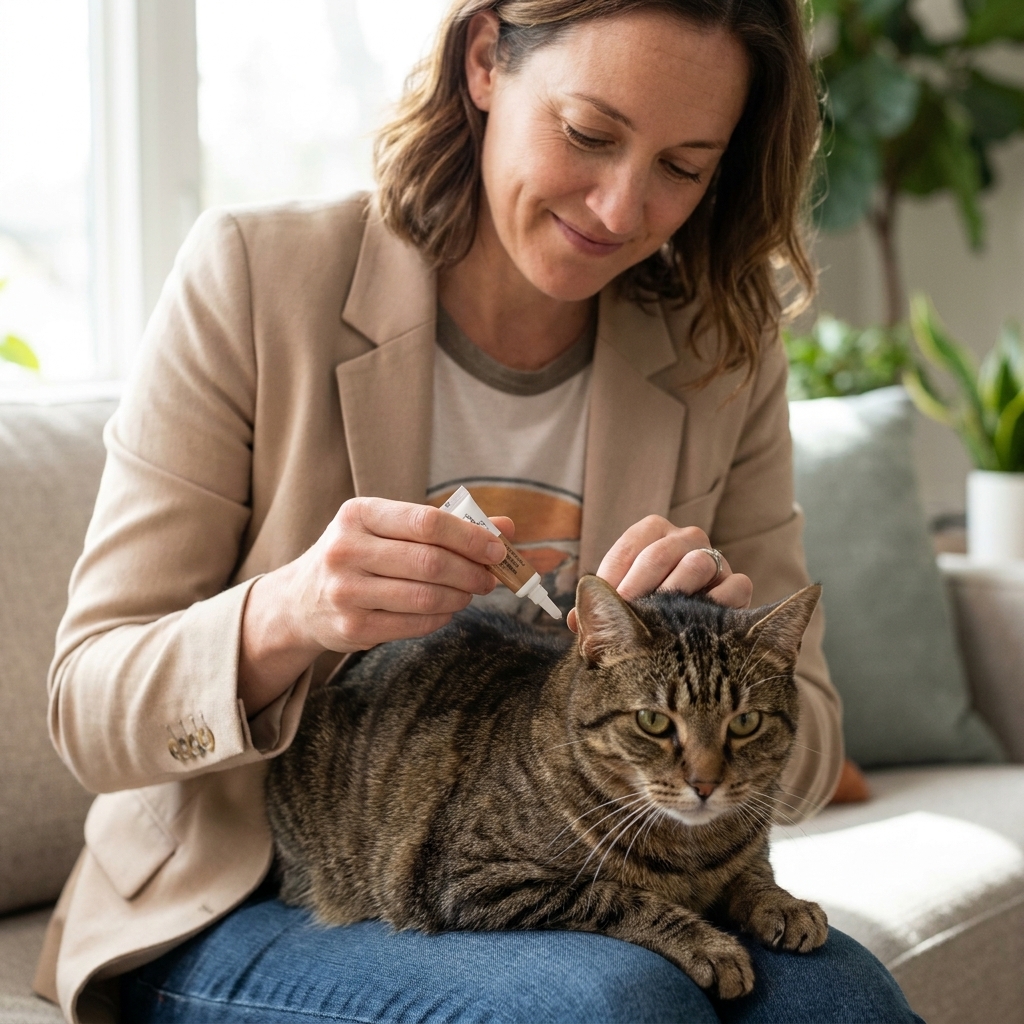
- Ask your vet about flavored medications, parasite preventives, and supplements. Many are beef, chicken, or fish flavored.
- If your cat goes outdoors or steals other pets’ food, your results can be unreliable. Use microchip feeders or separate feeding areas if you have a multi-pet household.
If your cat refuses the new diet or eats dramatically less, contact your veterinarian right away. Trial compliance matters, but so does safety. Cats who stop eating can develop hepatic lipidosis, and no diet trial is worth that risk.
Step 6: Track symptoms like a scientist
Keep a simple weekly log (notes app is fine):
- Itch level (0 to 10)
- Vomiting frequency
- Stool quality (firm, soft, diarrhea)
- Ear debris or odor
- Photos of scabs, bald patches, or inflamed spots
Progress is often gradual. Photos help you see what day-to-day memory misses.
Step 7: Challenge to confirm
If your cat improves significantly on the elimination diet, the next step is a controlled re-challenge under your vet’s guidance. This usually means reintroducing the old food (or a single ingredient) and watching for a relapse.
Why challenge matters: Cats can improve for reasons unrelated to the diet, like better flea control or healing from an infection. The challenge helps confirm food as the trigger.
Common diet trial mistakes
- Switching foods too often: If you change proteins every two weeks, you never get clean information. Pick one plan and stay with it.
- Using foods that are not nutritionally complete: Home-cooked trials should only be done with veterinary guidance to avoid deficiencies, especially taurine deficiency in cats.
- Accidental treat contamination: The “tiny bit” counts. So does the well-meaning neighbor with treats.
- Not treating fleas aggressively: A cat can be both flea-allergic and food-reactive. Use vet-recommended flea prevention consistently.
- Expecting instant results: Skin takes time. If your cat is 20% better at week 4, that is still meaningful.
Common trigger proteins
Cats can become allergic to any protein they have been exposed to, and the most common triggers tend to be the ones they eat the most over time. In published case series, commonly reported triggers include chicken, beef, dairy, and fish. That does not mean those ingredients are “bad.” It just means repeated exposure can increase the odds of a reaction in susceptible cats.
If your cat has eaten many flavors over the years, a hydrolyzed diet is often easier than trying to guess a truly novel protein.
Keeping your cat comfortable
If your cat is miserable, it is hard to stay consistent. Comfort care can make the difference between giving up at week three and making it through to clear answers.
Itch and skin support
- Ask your vet whether your cat needs treatment for secondary infection (yeast or bacteria).
- Use vet-approved flea prevention, even for indoor cats.
- Consider nail trims or soft nail caps to reduce self-trauma from scratching.
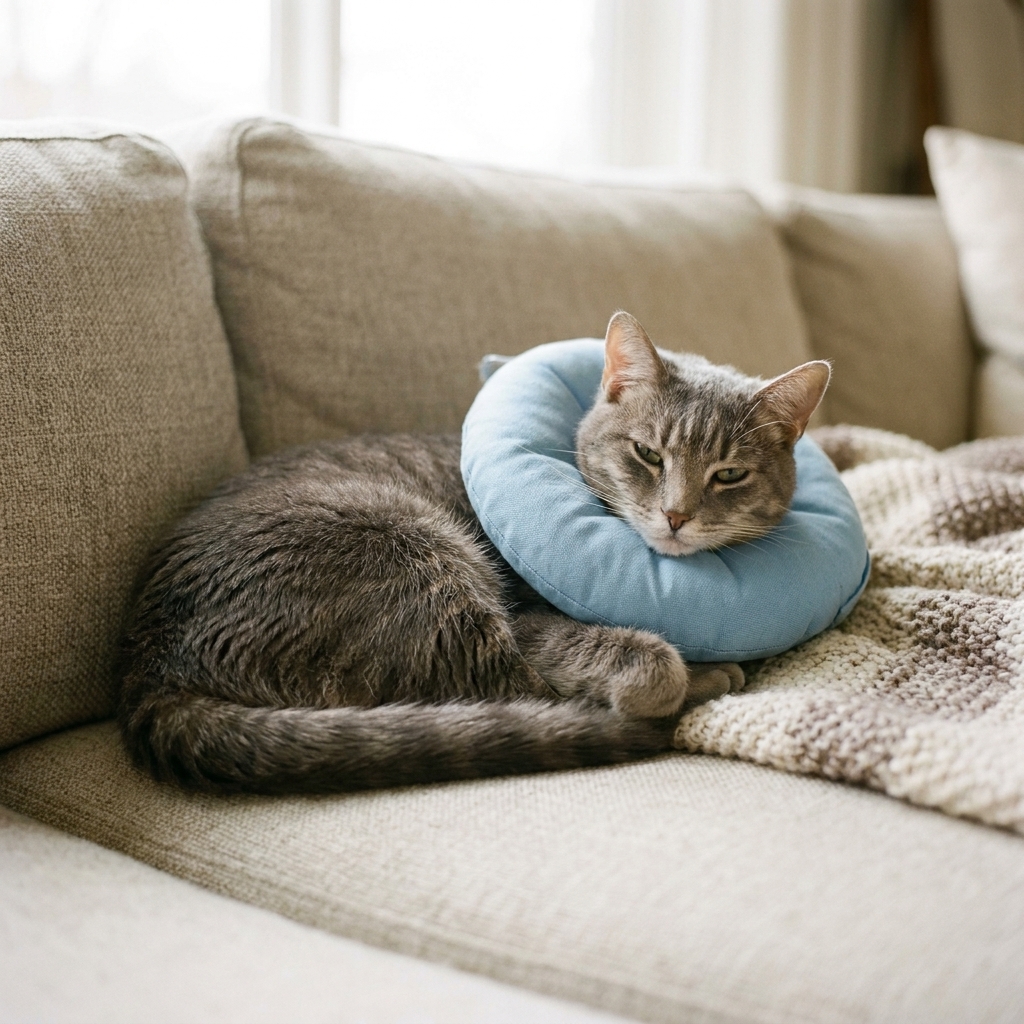
- Use an e-collar or recovery collar if your cat is creating open wounds.
GI support
- Stick to scheduled meals to reduce gut upset.
- Discuss probiotics with your vet. Some cats benefit, others do not.
- If vomiting is frequent, your vet may prescribe anti-nausea medication while the diet trial is underway.
When to call the vet
Diet trials are elective, but certain symptoms are not. Contact your veterinarian promptly if you notice:
- Repeated vomiting in a day or inability to keep water down
- Blood in vomit or stool
- Severe diarrhea, especially with lethargy
- Rapid weight loss or refusing food for more than 24 hours (cats can develop hepatic lipidosis when they stop eating)
- Swollen face, hives, or trouble breathing (rare in cats, but urgent)
- Ear pain, head tilt, or loss of balance
After the trial
If your cat improves and the challenge confirms it
You and your vet will choose a long-term diet your cat tolerates. Some cats stay on the hydrolyzed diet permanently. Others transition to a limited ingredient diet built around the tolerated protein.
Once you know the trigger, life gets easier. You can avoid the problem proteins and stop cycling through random foods.
If your cat does not improve
That result is still valuable. It means you can spend your energy elsewhere, like environmental allergy management, parasite control, or deeper investigation of chronic GI disease. Many cats with year-round itching do better with a plan that includes flea prevention, targeted treatment for infections, and allergy medications prescribed by a veterinarian.
FAQ
How long does it take to see results?
Some cats show GI improvement within 2 to 4 weeks. Skin and ear symptoms often need 6 to 8 weeks, and sometimes up to 12, for a fair assessment.
Can I do an elimination diet with wet food only?
Often yes. Many veterinary diets come in canned versions, and some cats do better on wet food for hydration. The key is that the chosen diet must be complete and balanced and fed exclusively.
Can cats suddenly develop a food allergy?
Yes. Food allergies often develop after repeated exposure over months or years. That is why a cat can eat chicken for ages and then seemingly “randomly” start reacting.
What about grain-free diets?
Food allergies in cats are usually reactions to proteins, not grains. Grain-free is not the same as hypoallergenic, and it does not guarantee the food avoids common triggers like chicken or fish.
Should I try a homemade elimination diet?
Only with veterinary guidance. Homemade trials can be useful in specific cases, but cats have strict nutritional requirements (including taurine). An unbalanced homemade diet can cause serious health issues.
A gentle pep talk
Elimination diets are tedious. They also work when they are done correctly. If your cat is itchy and uncomfortable, you are not “overreacting” by wanting answers. You are doing what good cat parents do: observing patterns, asking questions, and choosing a plan that is based on evidence, not guesswork.
If you want to make this easier on yourself, pick a start date, clear the treat cupboard, and recruit your household as your cat’s “diet trial team.” Clementine would like me to add that you should also apologize in advance. Waffles would like you to know he will still try to steal it anyway.