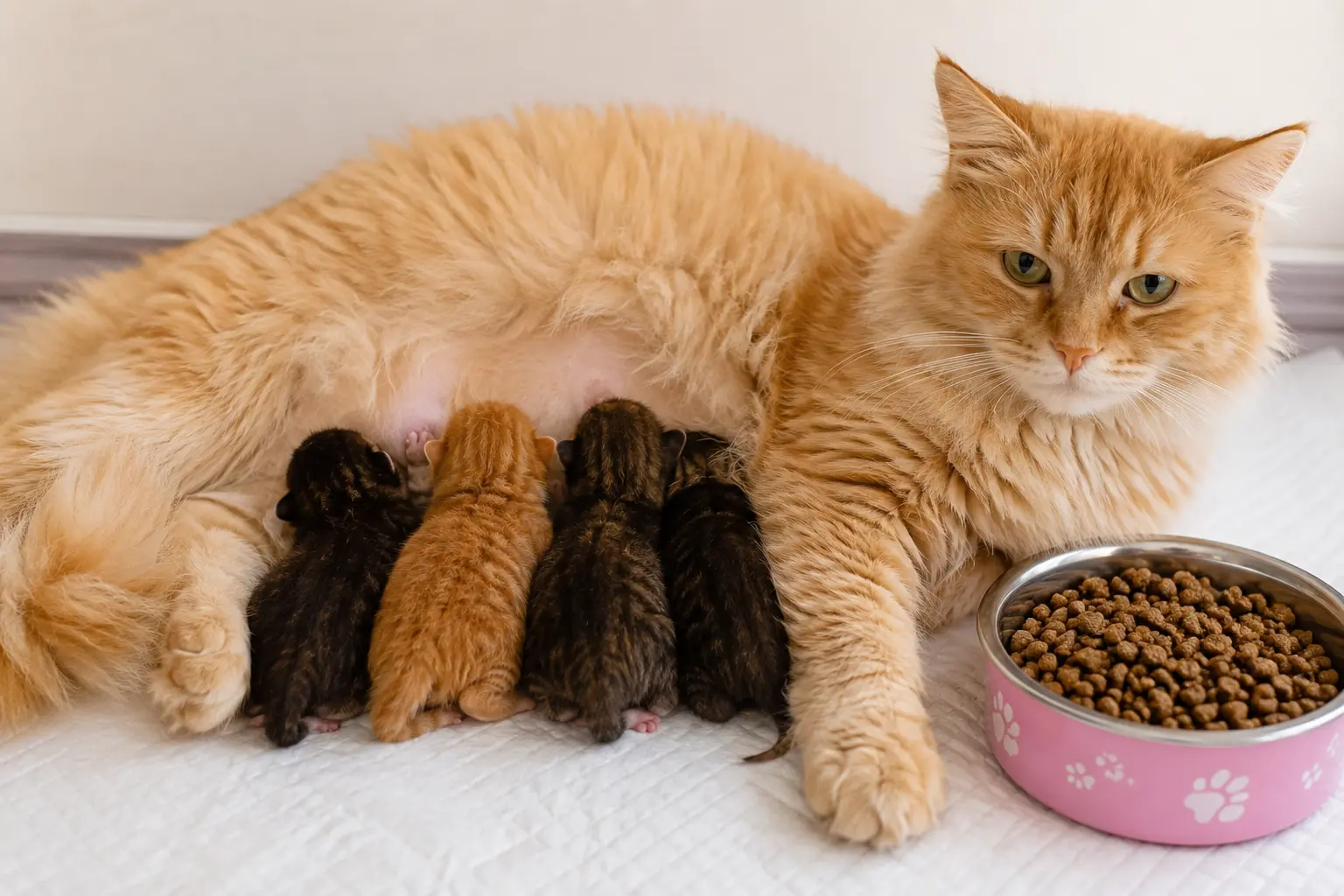
The day kittens arrive, your mother cat becomes a tiny, furry dairy farm. Lactation is one of the most energy-demanding jobs a cat’s body will ever do, and nutrition can make the difference between a thriving litter and a stressed, depleted queen.
Below is exactly how I approach feeding nursing moms in rescue and foster: vet check first, a truly complete diet, easy access to food and water, and simple ways to monitor her condition as kittens grow and then wean. I will also flag the “do not wait” warning signs where home advice ends and medical care needs to start.
Start with a post-birth vet plan
If your cat gave birth at home, a veterinary check is still worth prioritizing, ideally within the first day or two. A quick exam can catch problems that directly affect appetite and milk production, like retained placenta, uterine infection (metritis), dehydration, fever, painful mammary glands, parasites, or an underlying illness that pregnancy masked.
Ask your vet about these basics
- Body condition and weight: A starting point for monitoring. A queen can lose condition fast while nursing.
- Parasite control that is safe in lactation: Many products are fine, some are not. Do not guess.
- Diet recommendation: Especially if she is underweight, has diarrhea, or has any medical conditions.
- Calcium and eclampsia risk: If she is very small, has a large litter, or shows any concerning signs (more on that below).
If she had a difficult delivery, is a first-time mom, or seems painful when kittens nurse, schedule that vet visit sooner, including same-day if you can.
What to feed: choose a complete, rich diet
During lactation, your goal is simple: high calories, high protein, complete nutrition, and excellent digestibility. In practice, that usually means feeding a high-quality commercial diet labeled “complete and balanced” for growth and reproduction. Many people use a reputable kitten formula food for nursing moms because it is designed to be calorie-dense and nutrient-rich.
Best options for most nursing queens
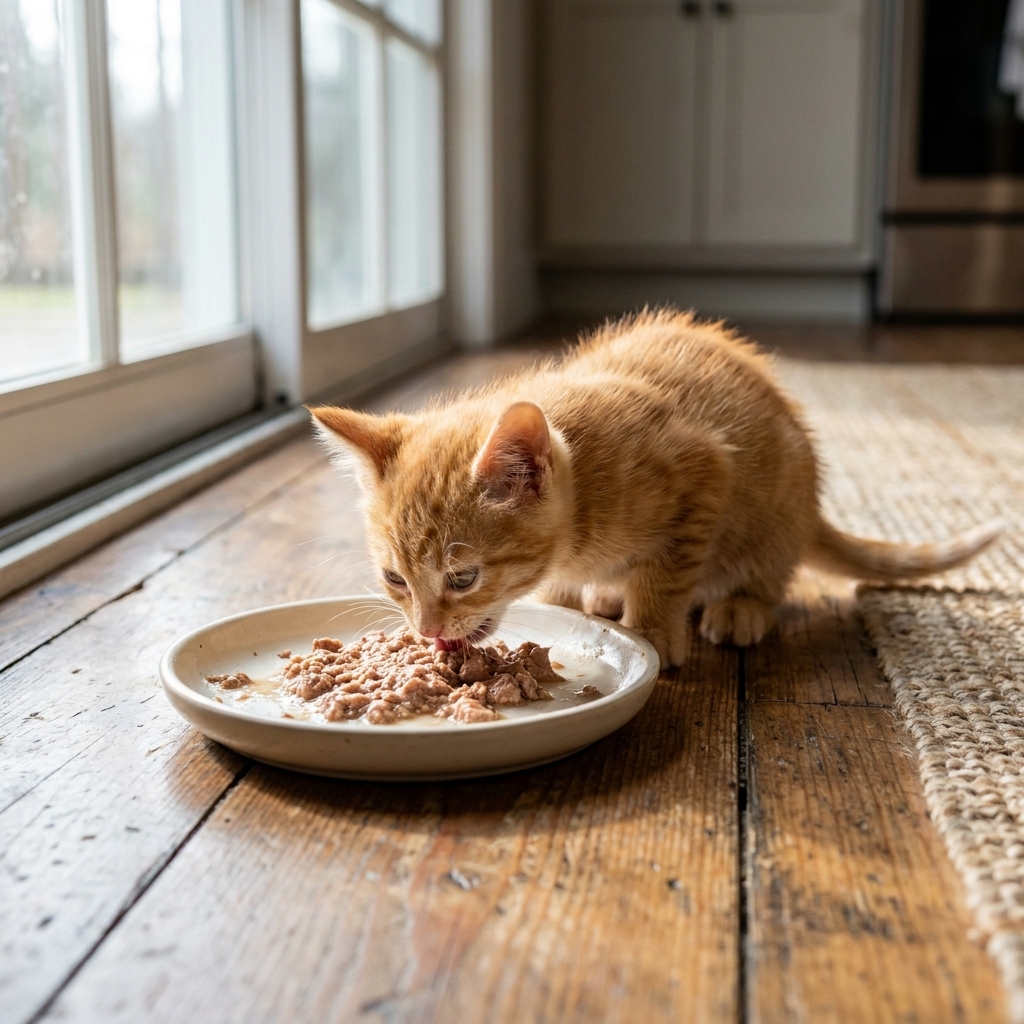
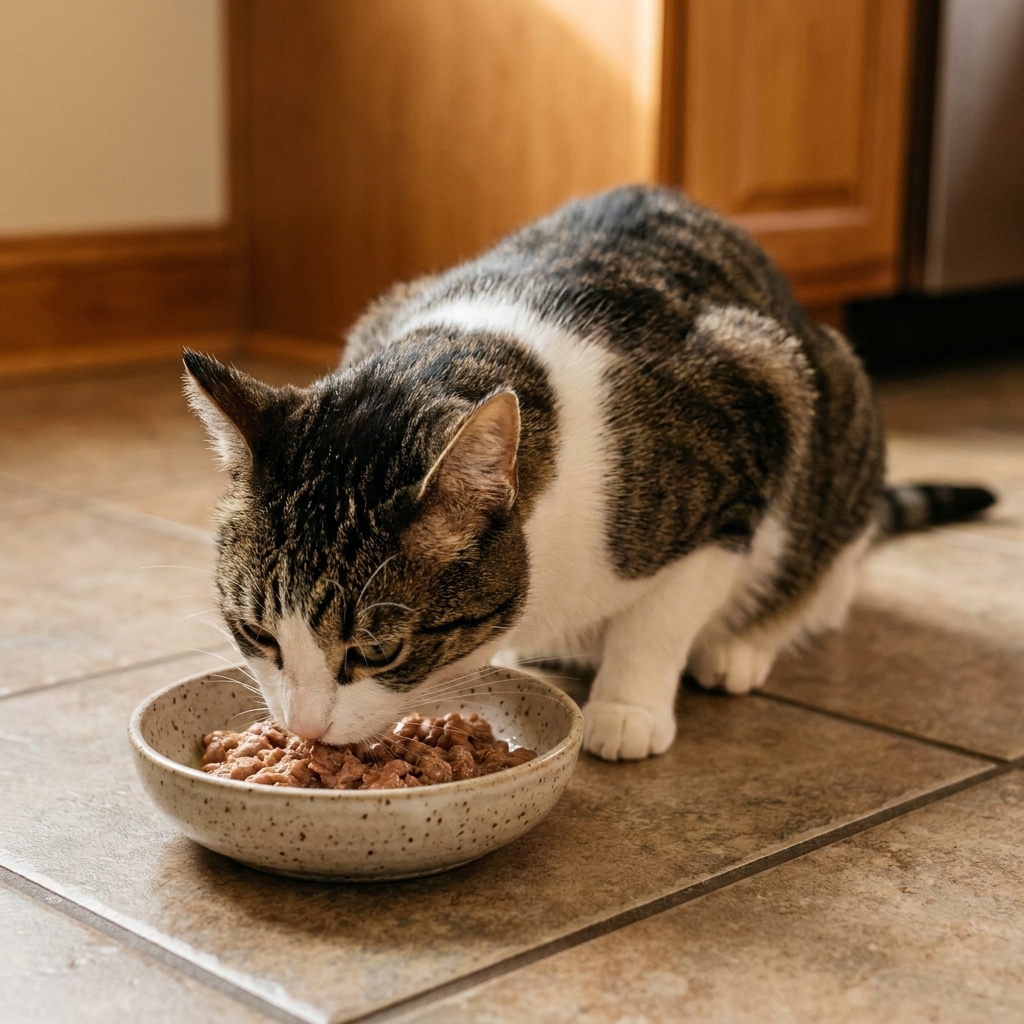
- Kitten-labeled wet food (nutritionally complete). Great for hydration and usually very palatable.
- Kitten-labeled dry food (nutritionally complete). Convenient for free-choice feeding.
- A combination of wet and dry to balance hydration, calories, and convenience.
Whatever you choose, focus on consistency. Frequent brand swaps and “buffet-style” experimenting often lead to tummy trouble at exactly the time you need her eating reliably.
Foods to avoid or use with caution
- Homemade diets unless formulated by a veterinary nutritionist. It is extremely easy to miss key nutrients.
- All-treat diets, toppers-only, or “just meat” feeding. These are not complete diets.
- Raw diets around newborn kittens due to pathogen risk in a nest environment. This can be a risk for kittens and for humans in the home (especially immunocompromised people).
- Milk, cream, or dairy as “extra calories.” Many adult cats get diarrhea, which is the last thing a nursing mom needs.
If you want to add something “extra,” choose something that is still appropriate, like more of her complete food, not a random add-on.
How much to feed: make eating effortless
Lactating cats often need substantially more calories than they did before pregnancy, sometimes several times higher at peak milk production. The exact amount depends on her size, litter size, stage of lactation, how efficiently she nurses, and how calorie-dense the food is.
The simplest strategy: free-choice plus wet meals
For most nursing moms, I recommend:
- Keep dry food available 24/7 (if she tolerates it well).
- Offer wet food 3 to 6 times a day, especially in the first few weeks when she may not want to leave the nest for long.
- Refresh frequently. Stale kibble and dried-out wet food are a common reason “she’s not eating.”
Yes, it feels like a lot of food, because it is. Nursing is not the time to restrict calories. If your queen was previously on a weight plan, that plan is paused now unless your veterinarian says otherwise.
Make sure she is the one eating it
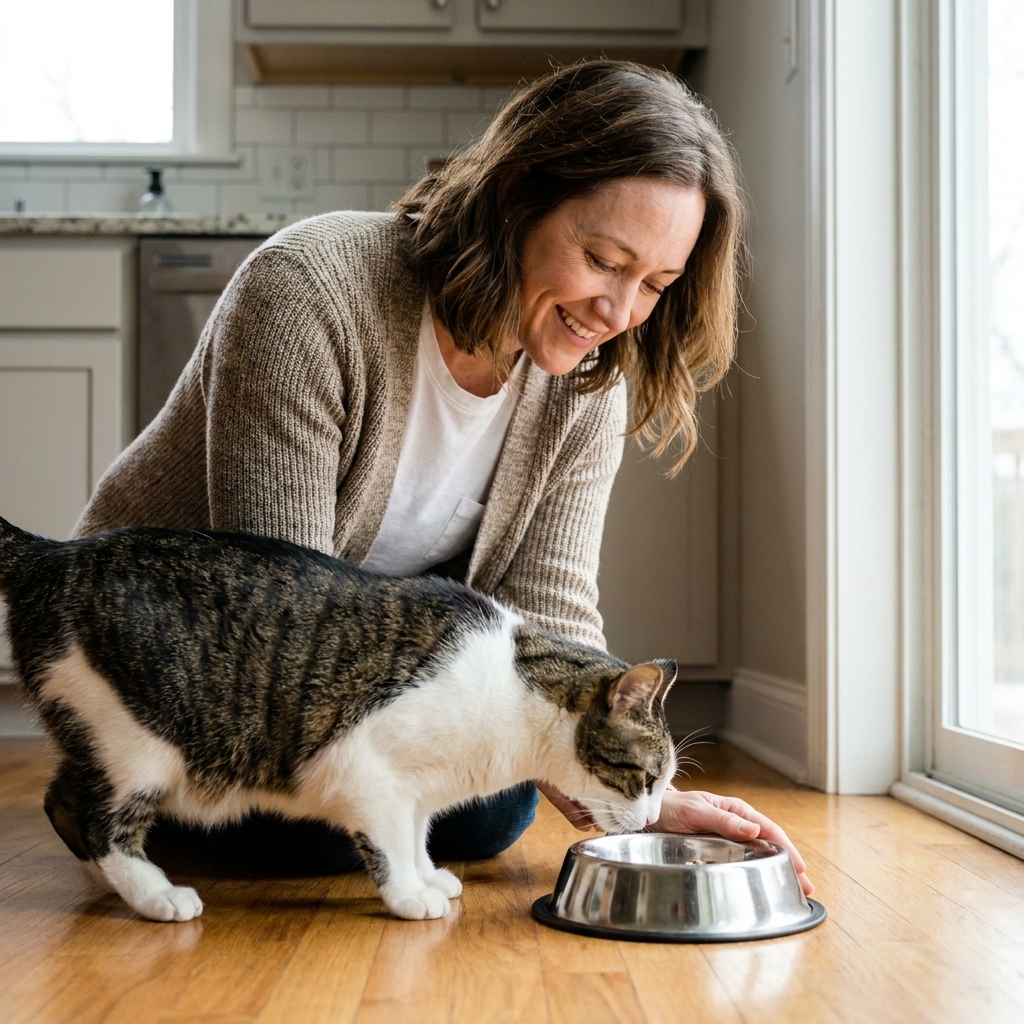
In multi-pet homes, I feed nursing moms separately. Well-meaning roommates can steal kibble, block bowls, or stress her out enough that she eats less than you think.
Hydration: the easiest milk support
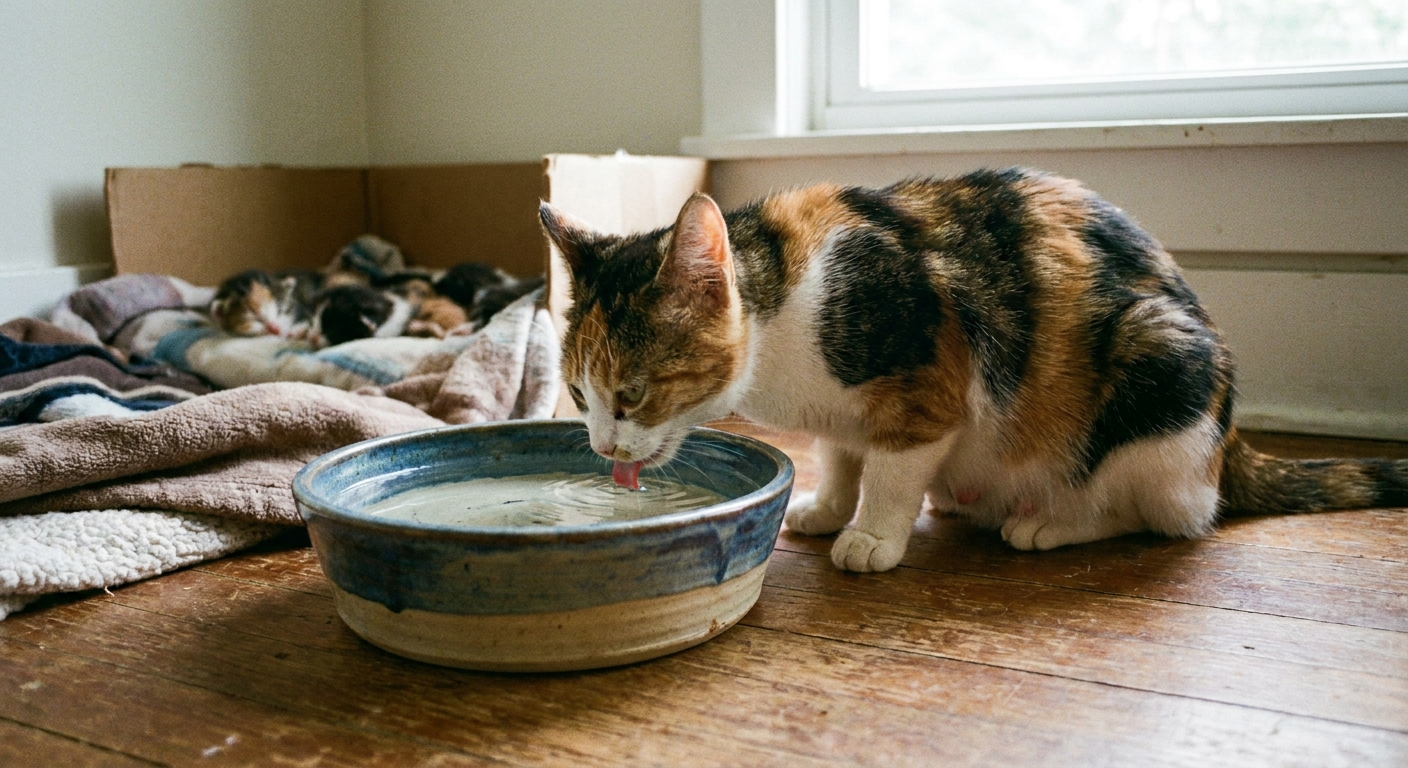
Milk is mostly water. Even mild dehydration can reduce milk output and make a mom feel crummy, which then reduces appetite. Set your environment up so drinking is effortless.
Hydration tips that work
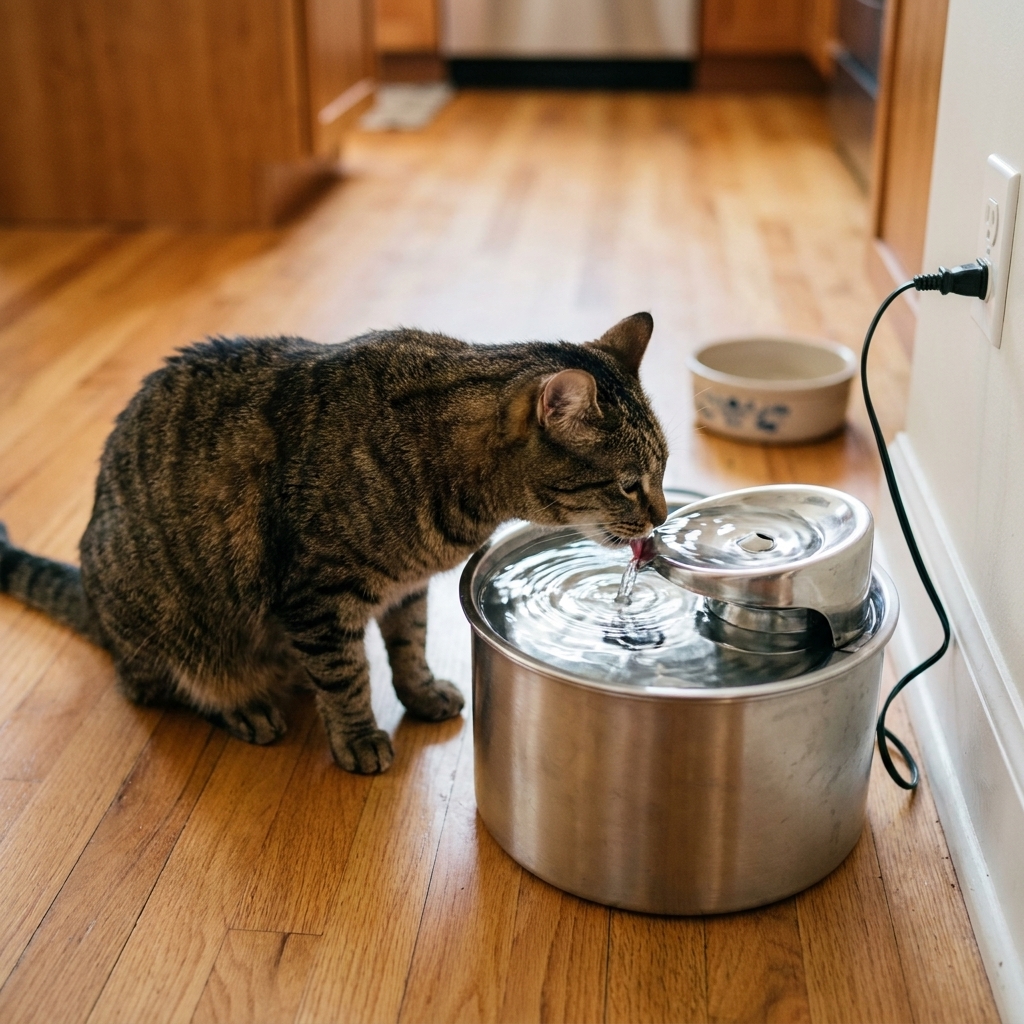
- Place multiple water stations, including one within a few feet of the nesting area.
- Use a wide bowl (many cats dislike their whiskers touching the sides).
- Consider a fountain if she already likes one. Do not introduce it if she is wary of new objects right now.
- Lean on wet food for extra fluid intake.
- Add a small amount of warm water to wet food to make a “stew” if she enjoys it.
If she is refusing water, drooling, vomiting, or her gums look tacky and dry, that is not a “wait and see” situation. Call your veterinarian.
Birth to week 1: comfort and convenience
Right after delivery, many queens bounce between ravenous and picky. Both can be normal for a short window, but you should still see her eating something and drinking.
What I aim for in the first few days
- Highly palatable, complete wet food offered often, warmed slightly to boost smell.
- Quiet, low-traffic feeding spot near the nest so she does not feel like she has to choose between eating and guarding.
- Small, frequent offerings if she seems overwhelmed by a big meal.
If she had a long labor, she may be sore. If she seems painful, pants, trembles, or will not settle, that is a veterinary call, not a nutrition tweak.
Weeks 2 to 4: peak demand
This is typically when milk demand ramps up hard. Many moms look like they have a bottomless stomach, because they practically do.
Feeding focus during peak lactation
- Do not let bowls go empty. An empty bowl can mean a drop in intake, and queens can lose weight quickly.
- Monitor stool quality. Soft stool can happen with richer foods, but watery diarrhea, blood, or a sudden change needs a vet check.
- Support restful eating. Some moms are jumpy. A privacy screen or a covered crate setup can help her relax enough to eat.
If you are seeing sharp hip bones, a tucked waist that looks exaggerated, or a dull coat, increase intake and book a veterinary check. In rescue, those physical changes often show up before a caretaker realizes how dramatically her calorie needs have increased.
Monitor body condition at home
I am a big fan of simple, objective checks. You do not need a spreadsheet, but you do need a routine.
Weekly checks that matter
- Weigh her (same scale, similar time of day). A baby scale works great.
- Feel ribs and spine. You should be able to feel ribs with light pressure, but they should not feel sharp.
- Look at muscle along the back and hips. Rapid muscle loss is a red flag.
- Check coat and energy. A suddenly unkempt coat or “flat” demeanor can signal she is not coping well.
If you are unsure what “normal” feels like, your vet can show you a body-condition score in minutes. That quick lesson helps more than any online chart.
Low milk and slow-growing kittens
Sometimes the issue is not mom’s food, it is that kittens are not getting enough milk. If kittens are crying constantly, feel cool to the touch, or seem weak, get help quickly.
What I do in foster
- Weigh kittens daily on a gram scale, especially in the first two weeks.
- Call a vet or experienced rescue mentor if weight gain stalls or drops.
- Use kitten milk replacer for supplemental feeding only under guidance, rather than trying to “boost milk” with random supplements for mom.
Early support can prevent a small problem from turning into a crash.
Weeks 4 to weaning: taper gradually
As kittens begin transitioning away from relying primarily on milk, mom’s calorie needs typically start to ease. The key word is gradually. Sudden dietary restriction can stress her and, in some cases, contribute to mammary discomfort if milk production is still high.
How to taper responsibly
- Keep her on a complete, nutrient-dense diet while kittens are still nursing regularly.
- Watch her body condition first, then adjust amounts. If she is getting too thin, do not reduce.
- As nursing decreases, shift from constant access to measured portions over time, using your vet’s guidance for her ideal daily calories.
If her mammary glands become swollen, hot, painful, or she develops a fever or sudden lethargy, seek veterinary care promptly. Mastitis can escalate quickly.
Food changes: go slowly
In rescue, food availability changes. When you have to switch brands or move from dry to wet (or the other way around), do it gradually if you can.
A gentle transition plan
- Mix the new food in slowly over 5 to 7 days when life allows.
- Do not change three things at once. Keep the bowl, location, and feeding schedule steady.
- If diarrhea shows up, pause the transition and call your vet if it is watery, persistent, or paired with poor appetite.
If you have a true emergency and must switch immediately, expect softer stool and watch hydration closely.
Supplements: usually not needed
Most nursing cats do not need supplements if they are eating an appropriate complete diet for growth and reproduction. Adding extras can unbalance nutrients, upset digestion, or create false reassurance when a medical issue is brewing.
Be careful with calcium
It is common to hear “give calcium for nursing,” but supplementing calcium without veterinary direction can backfire. In particular, giving extra calcium during pregnancy can suppress the body’s normal parathyroid response and may increase the risk of eclampsia after birth. Postpartum supplementation should be vet-directed and based on the individual cat and situation.
If your vet recommends a supplement due to documented deficiency, poor intake, or a specific medical need, follow that plan exactly.
When appetite changes are urgent
A nursing mother cat should have a strong appetite most of the time. A little pickiness happens, but outright refusal, significant decrease, or “something is off” behavior deserves quick attention.
Call a vet urgently if you notice
- Not eating for more than 12 hours, or any marked drop paired with lethargy, fever, vomiting, or dehydration signs
- Vomiting repeatedly or unable to keep food down
- Diarrhea that is watery, contains blood, or lasts more than a day
- Fever, profound lethargy, hiding, or collapse
- Rapid breathing, tremors, stiffness, seizures, or disorientation (possible emergency)
- Swollen, hot, painful mammary glands, abnormal discharge, or reluctance to let kittens nurse
- Foul-smelling vaginal discharge or signs of abdominal pain
- Sudden aggression or extreme restlessness paired with panting or tremors
These are situations where nutrition tweaks are not enough. Your cat may need diagnostics, fluids, pain control, antibiotics, or other targeted care to protect both her and the kittens.
Common feeding hiccups
“She only eats if I sit with her”
Totally normal for a vulnerable new mom. Move her food closer to the nest, reduce noise, and try feeding when the household is calm. Some queens relax if you offer wet food on a flat plate rather than a deep bowl.
“She is begging constantly”
If she is nursing, assume she really is hungry. Increase access to her complete food and check that other pets are not blocking her bowls. Constant hunger plus weight loss is a sign to call your vet.
“She is eating, but losing weight anyway”
This is common with large litters or very diligent moms. Increase calories using more of the same complete food, add an extra wet meal, and schedule a vet check to rule out parasites or illness. If she is extremely thin, do not wait.
The bottom line
Feeding a nursing mother cat is about support, not perfection: a complete, calorie-dense diet, constant access to food and water, and simple body-condition checks so you can react early. If her appetite drops, her energy crashes, kittens are not gaining, or anything about her discharge or mammary glands seems abnormal, trust your gut and get veterinary help. In my experience, early intervention is what keeps a tired queen from becoming a medical emergency.