Kittens grow at an almost rude speed. One week they are wobbling around a playpen, the next they are scaling your curtains like they pay rent. That growth takes fuel, and the right feeding routine does more than build a strong body. It supports brain development, a steady digestive system, and even better behavior.
I have raised more bottle babies and spicy shelter kittens than I can count, and if there is one thing I want every cat parent to hear, it is this: you do not need to be perfect, but you do need a plan. Below is an age-by-age feeding schedule you can actually follow, plus portion guidelines, food types, and troubleshooting for the common “why is my kitten doing that?” moments.
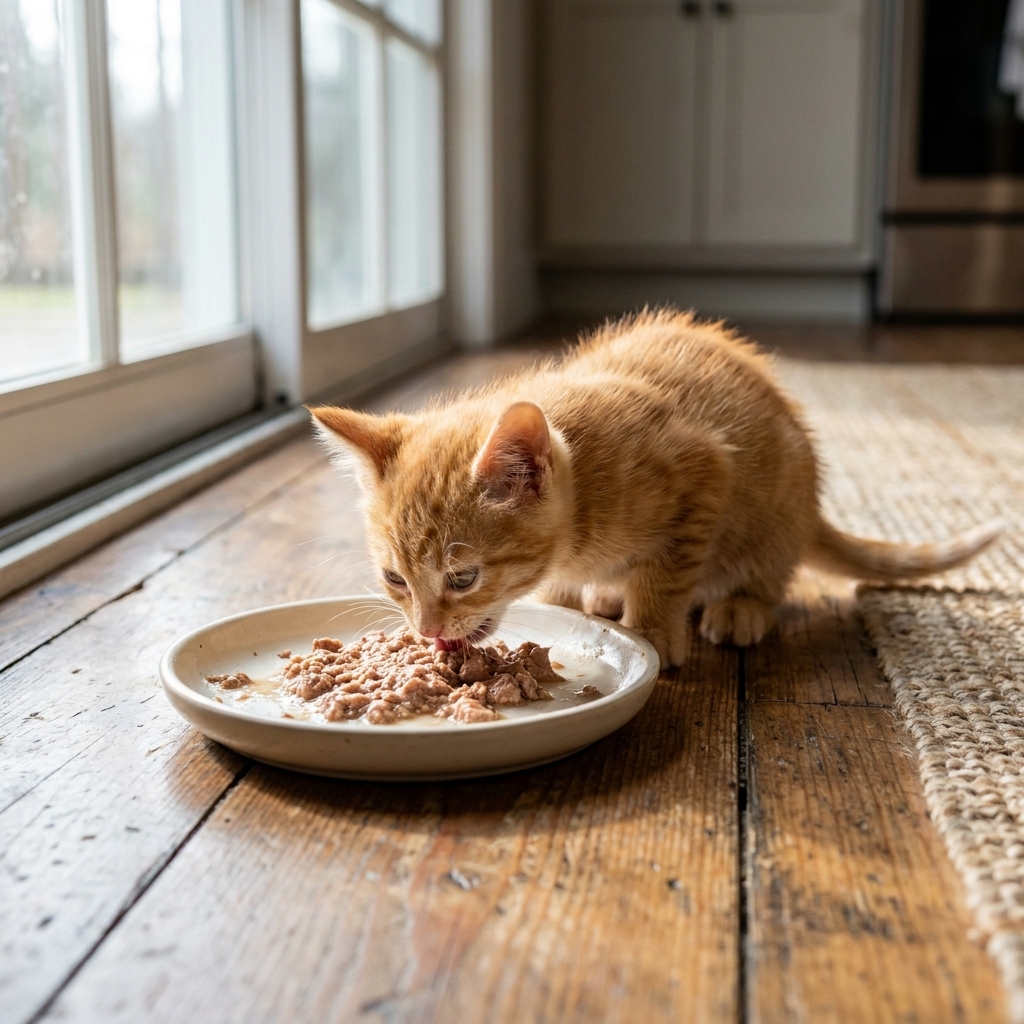
Before you start: kitten nutrition basics
Kittens are not small adult cats
Kittens need more calories, more protein, and more fat per pound of body weight than adult cats. Look for food labeled “complete and balanced for growth” or “for kittens” (AAFCO in the US or FEDIAF in Europe). Adult maintenance diets are not formulated to meet kitten requirements.
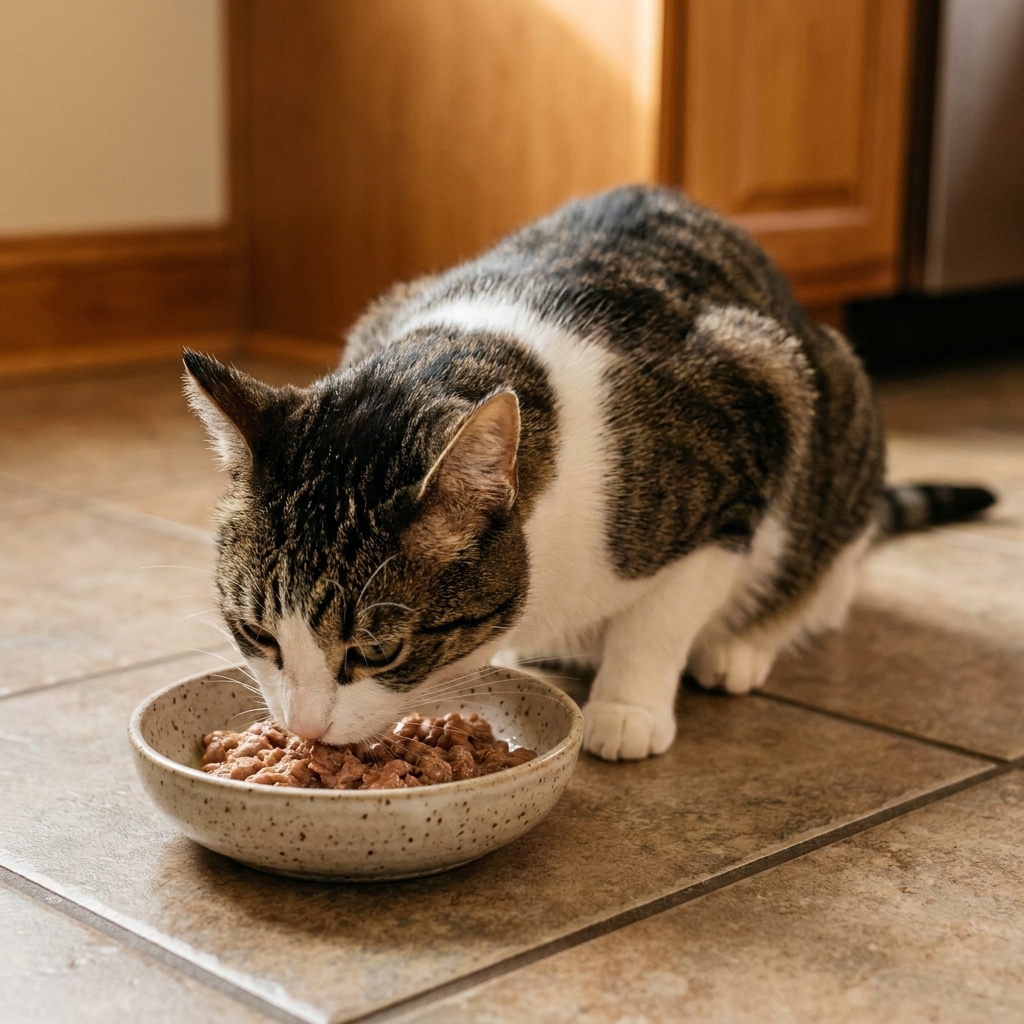
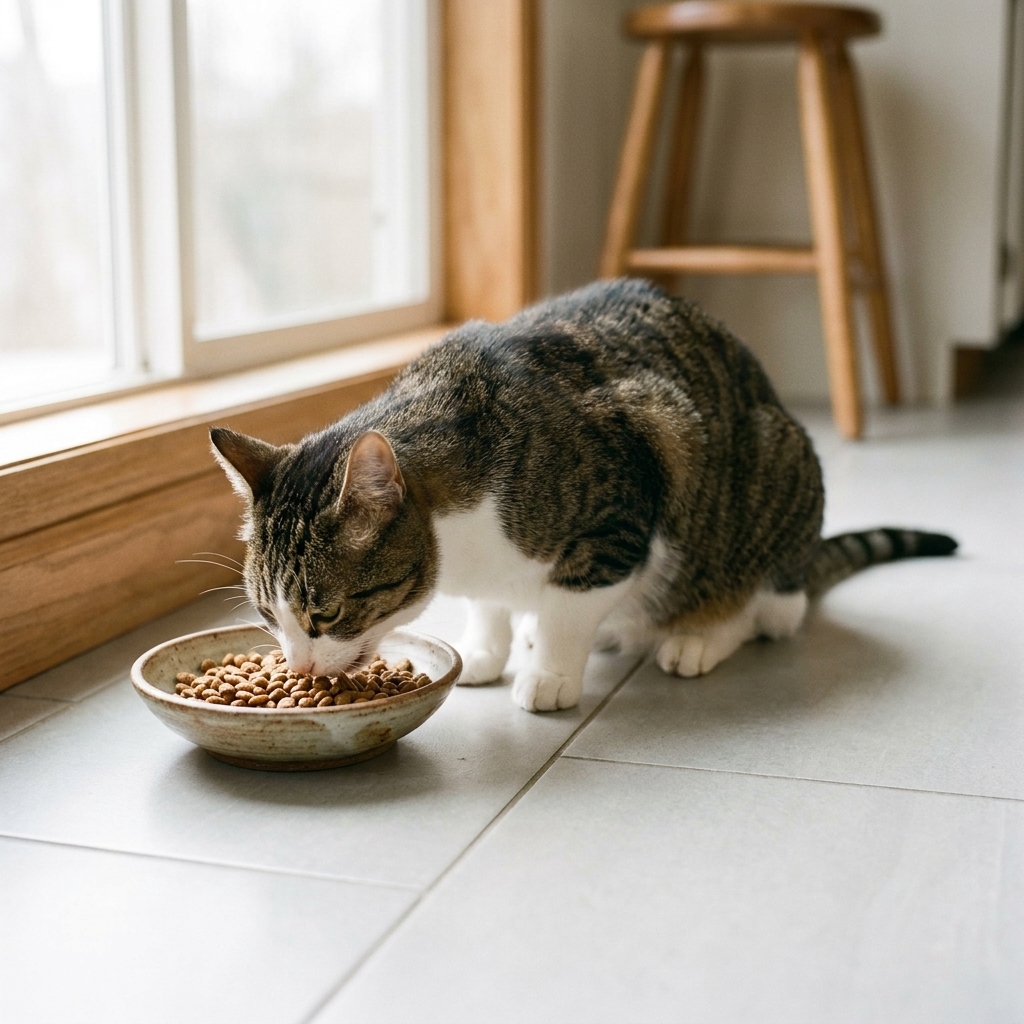
Wet vs dry: both can work
In rescue, I often use a combination because it is practical and helps hydration.
- Wet food supports hydration and is usually easier for tiny mouths during weaning.
- Dry food can be convenient and calorie-dense, but it is easier to overfeed and does not replace the need for water.
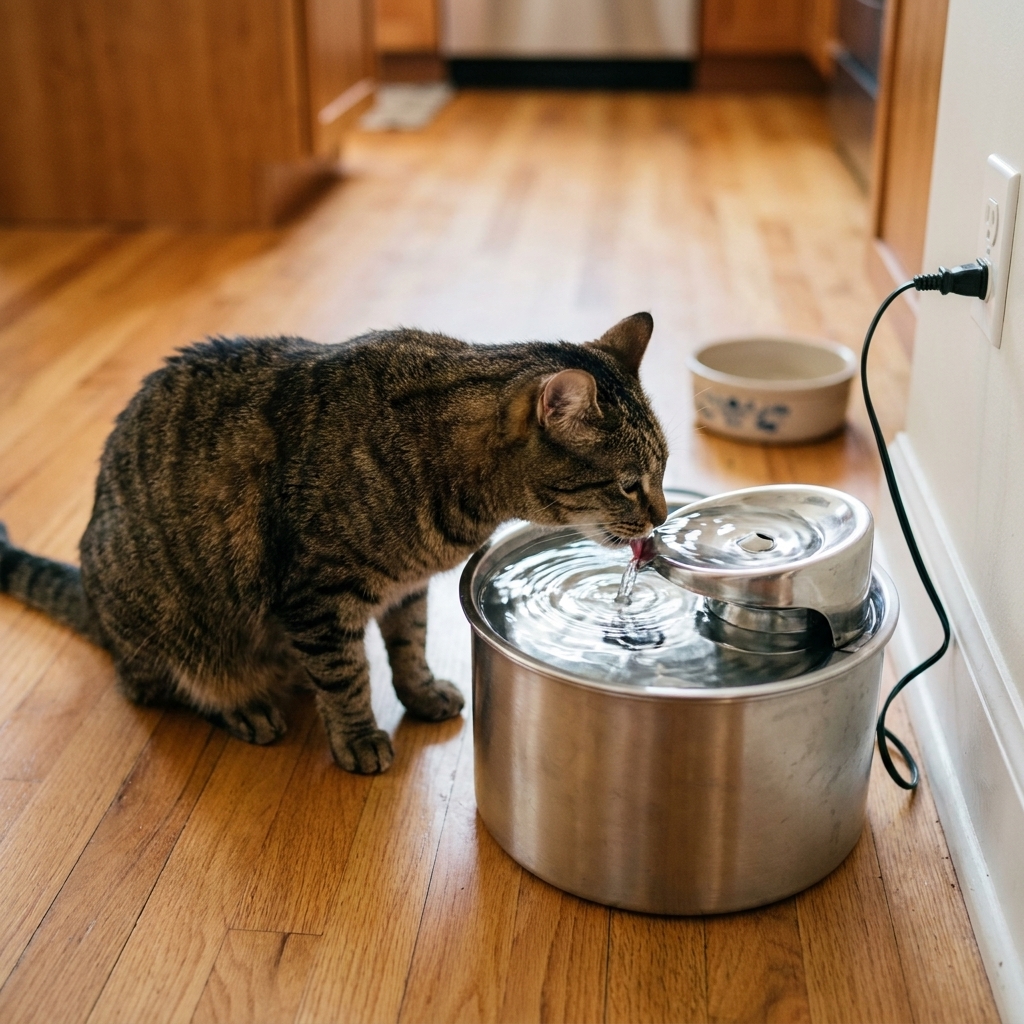
If you choose all dry, I strongly recommend adding water sources (a fountain is great) and watching stool quality closely.
Water is part of nutrition
Fresh water should be available 24/7. If your kitten is eating mostly wet food, they may drink less, but the option still needs to be there.
Track body condition, not just the bowl
Kittens should look like kittens, not tiny bodybuilders and not little round loaves. You want:
- A waist when viewed from above
- Ribs you can feel easily with a light touch (not see, not hunt for)
- Energy that is high but not frantic or persistent, intense food-seeking despite adequate meals
If you are unsure, your veterinary team can show you a body condition score chart and help you calibrate.
Weigh-ins keep you honest
In the first months, I love a simple routine: weigh your kitten weekly (a kitchen scale works for the tiny ones) and write it down. If weight gain stalls, your kitten is acting unwell, or you are seeing vomiting or diarrhea, call your veterinarian. Kittens can go downhill fast.
Feeding schedule by age (weaning to 12 months)
Every kitten is an individual, but this schedule is a solid starting point for healthy, growing kittens.
If you are caring for an orphaned kitten under 4 weeks old: feeding is very different. Use a kitten milk replacer (not cow’s milk), keep the kitten warm, and ask a vet or experienced neonatal foster to show you safe bottle technique and how to stimulate elimination after meals.
4 to 5 weeks: learning to eat
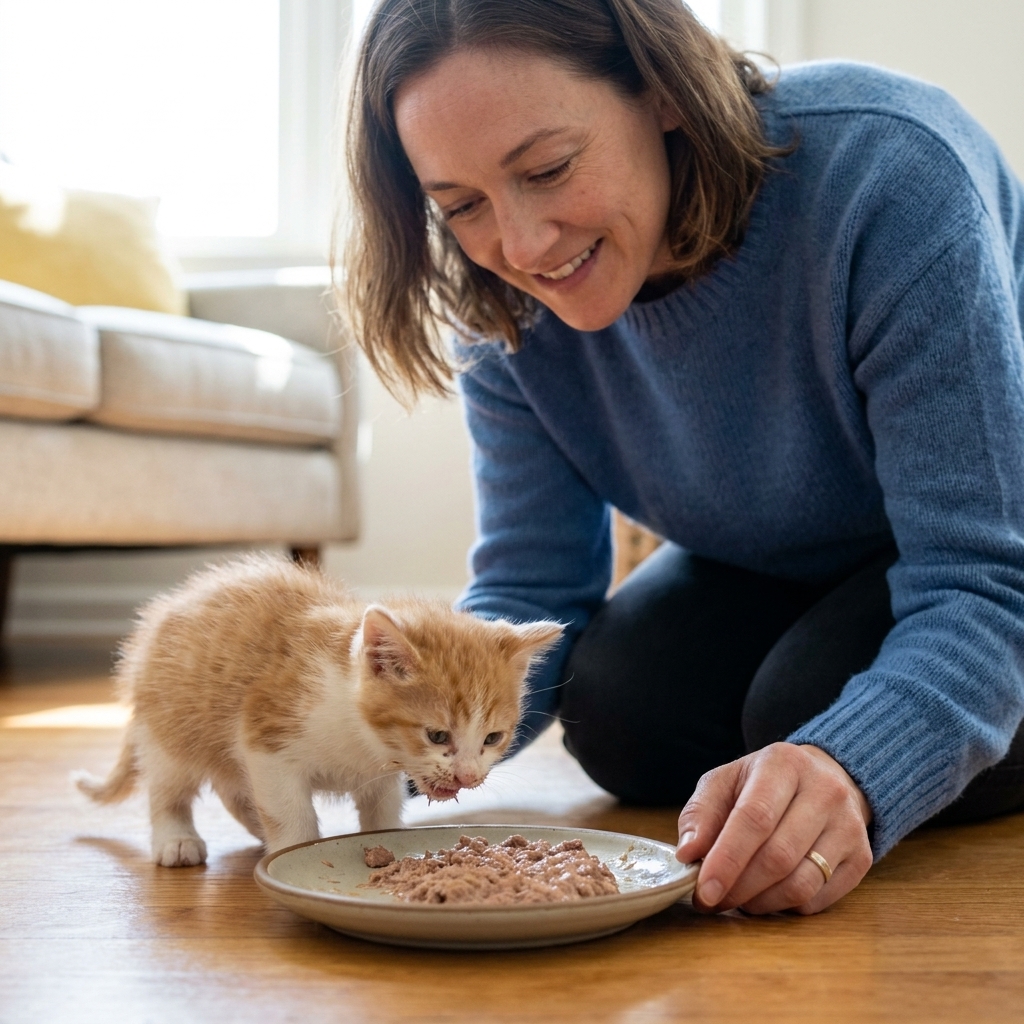
At this stage, most kittens are transitioning from nursing or formula to solid food. The goal is practice, not perfection.
- Meals per day: 4 to 6 small meals
- What to feed: Kitten wet food mixed with warm water or kitten formula into a slurry
- How much: Offer small amounts frequently. Expect mess. Increase gradually as they consistently swallow rather than just wear it.
My practical tip: Use a shallow plate and keep the food slightly warm, not hot. Many kittens eat better when the aroma is stronger.
6 to 8 weeks: real meals, tiny stomachs
This is when kittens can typically eat kitten food without it being fully soupy. Many go home to adopters around this age, which means routine matters.
- Meals per day: 4 meals
- What to feed: Mostly kitten wet food, with optional soaked kitten kibble as a texture add-in
- How much: Start with the feeding guide on the can or bag for their current weight, then adjust based on appetite and body condition
If you are free-feeding kibble, keep it measured, not “bottomless.” Free-feeding can quietly create chubby kittens.
8 to 12 weeks: growth spurt season
Expect a big appetite and fast changes in weight. Kittens may also be teething, which can make them temporarily picky.
- Meals per day: 3 to 4 meals
- What to feed: Kitten wet food plus measured kitten kibble (optional)
- How much: Follow label guidelines for their weight and age, split across meals
Behavior note: Some kittens get bitey and wild when they are hungry. Feeding on a schedule can reduce the “tiny shark” moments.
3 to 6 months: steady routine
They look more like small cats now, but metabolically they are still in full build mode.
- Meals per day: 3 meals (2 can work for some, but 3 is kinder for most)
- What to feed: Complete and balanced kitten diet (wet, dry, or both)
- How much: Use the label as a starting point and adjust every 2 to 3 weeks as weight changes
If your kitten is spayed or neutered during this window, appetite can increase while calorie needs may decrease a bit. It varies by kitten, so this is a good time to measure portions and let body condition, not guesswork, guide you.
6 to 9 months: adolescent swings
This is the “teenage” phase. Some kittens act starving, others get distracted and eat in short bursts.
- Meals per day: 2 to 3 meals
- What to feed: Kitten food is still appropriate for most cats
- How much: Adjust to maintain a lean body condition. If your kitten is getting pudgy, do not slash food dramatically. Reduce slowly and increase play.
Common trap: Too many treats while training or socializing. Treat calories add up fast in a smaller body.
9 to 12 months: toward adult food
Most kittens can move to adult food around 12 months, though some larger-framed cats may benefit from staying on kitten food a bit longer. (Maine Coons are a classic example.) Your vet can guide you based on growth and body condition.
- Meals per day: 2 meals (3 is fine if it fits your schedule)
- What to feed: Kitten food until the transition, then adult food
- How much: Begin shifting portions to match the adult food label and your cat’s body condition
How to switch: Transition over 7 to 10 days by mixing in a little more new food each day to help avoid stomach upset.
How much to feed: portioning without math headaches
Because kitten foods vary a lot in calories per cup or per can, the most accurate starting point is the feeding guide on your specific food. Then you refine based on your kitten.
A concrete example (so you can exhale)
Here is what I mean by “check the label”: a common 3-ounce (85 g) kitten wet food can be anywhere from roughly 70 to 120 calories per can, depending on the brand and recipe. Two cans a day could be plenty for one kitten and not enough for another. This is why the calories on the can matter more than the can size.
Use these anchors
- If your kitten is finishing meals instantly and hunting for food: increase slightly or add a small extra meal.
- If there is leftover food every time: offer smaller portions more frequently or reduce the portion a bit.
- If stool is consistently soft: review treat intake, slow down transitions, and consider a simpler diet for a few weeks with your vet’s guidance.
Measuring tips that help
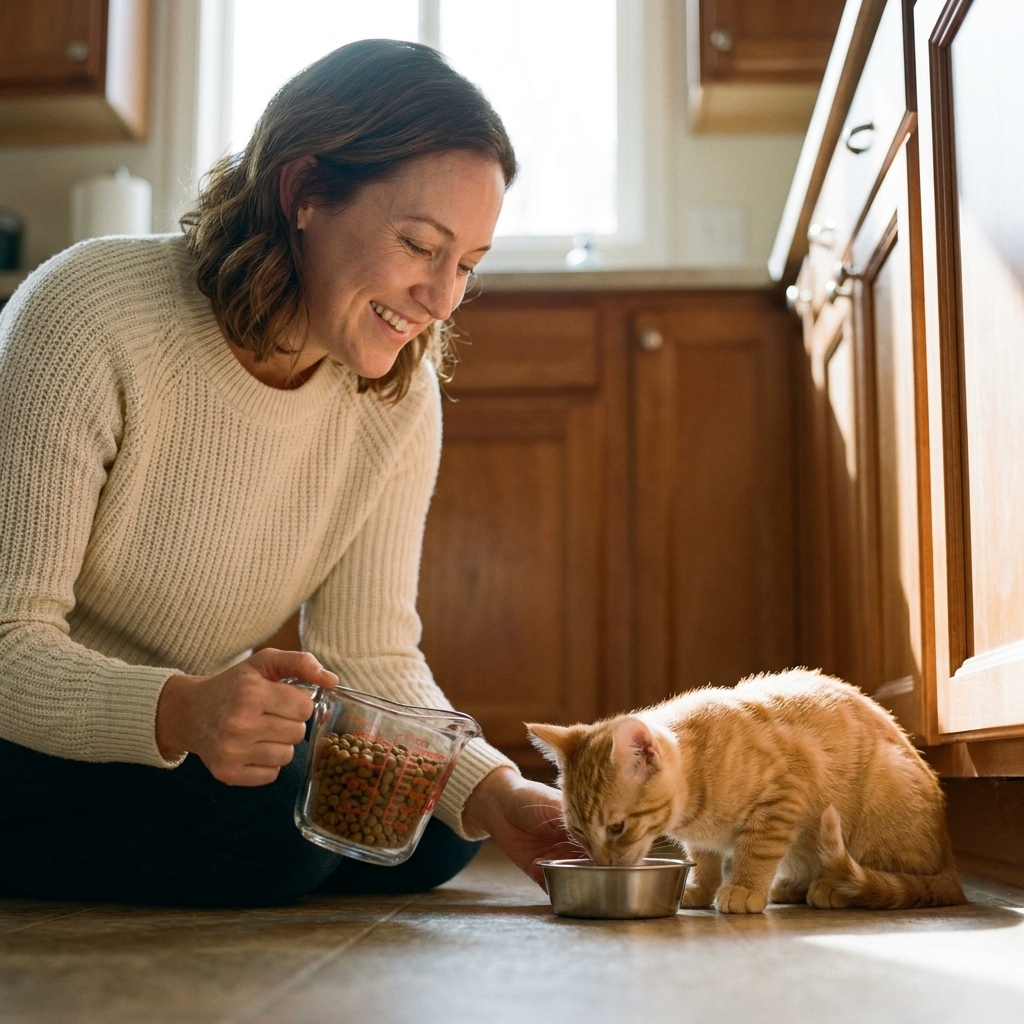
- Measure dry food with a real measuring cup or kitchen scale. “Eyeballing” is how kittens become chunky teenagers.
- For wet food, use can fractions. Half a can in the morning, half at night is an easy baseline for many households, then you add a lunch meal if needed.
- Pick up leftover wet food after about 20 to 30 minutes for food safety and to keep your kitten from grazing spoiled food. (In warm rooms, be more conservative. If your food label gives a time limit, follow that.)
Wet, dry, raw, fresh: what I recommend
Wet food as the foundation
If budget allows, feeding mostly wet food is one of my favorite quiet wins for long-term urinary health and hydration support. You can still include some kibble for convenience or enrichment, but plain kibble is not a dental care plan.
Some veterinary dental diets and dental treats are designed to help reduce plaque and tartar in some cats. Regular kibble, though, is not a substitute for tooth brushing, appropriate dental products, and professional cleanings when needed.
Dry food done thoughtfully
If your household is dry-food heavy, make it work for you:
- Measure daily portions in the morning and feed from that amount only
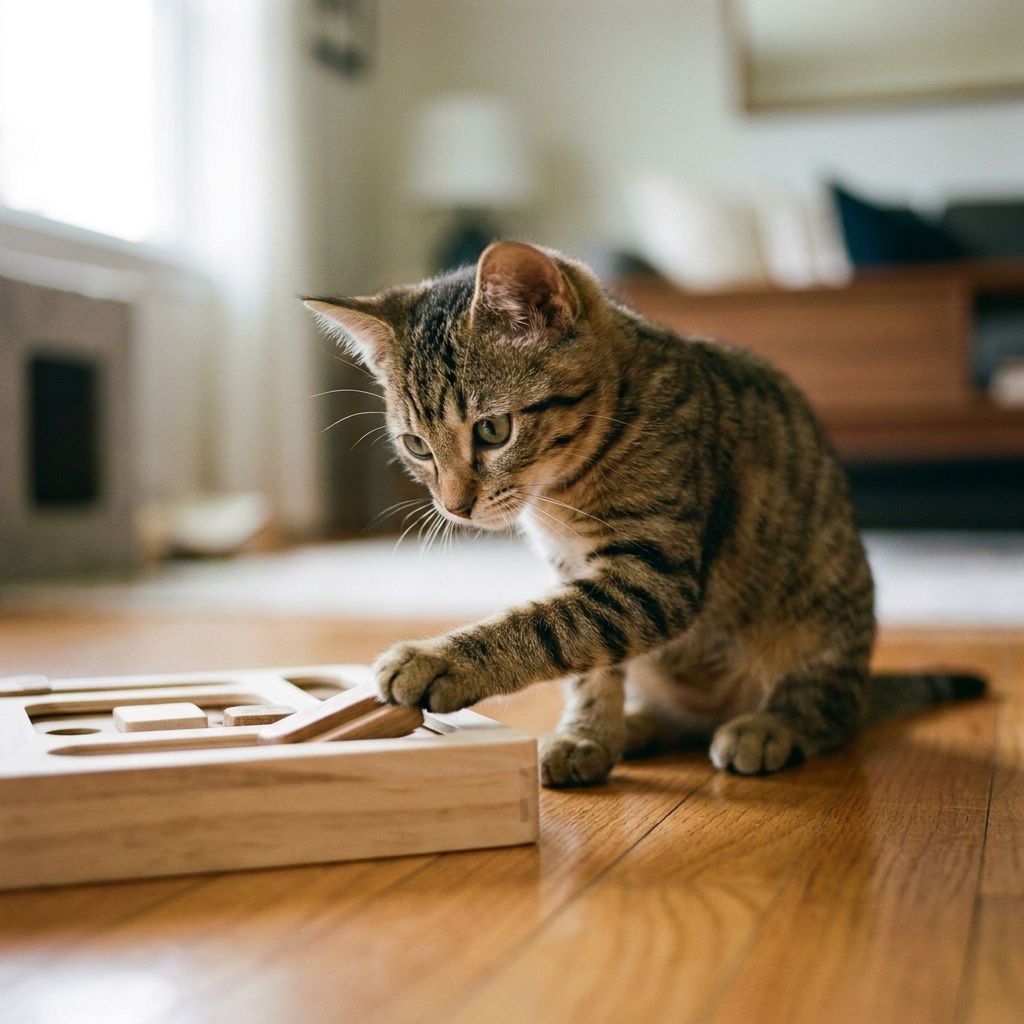
- Use puzzle feeders to slow eating and add mental exercise
- Encourage water intake with multiple bowls or a fountain
About raw diets for kittens
I know raw feeding is popular in some circles. My evidence-based caution, especially for kittens, is that raw diets have higher food safety risks and it can be easy to miss key nutrients if the diet is not properly formulated. If you want to feed raw, work with a board-certified veterinary nutritionist and use a recipe formulated for growth.
A sample daily schedule
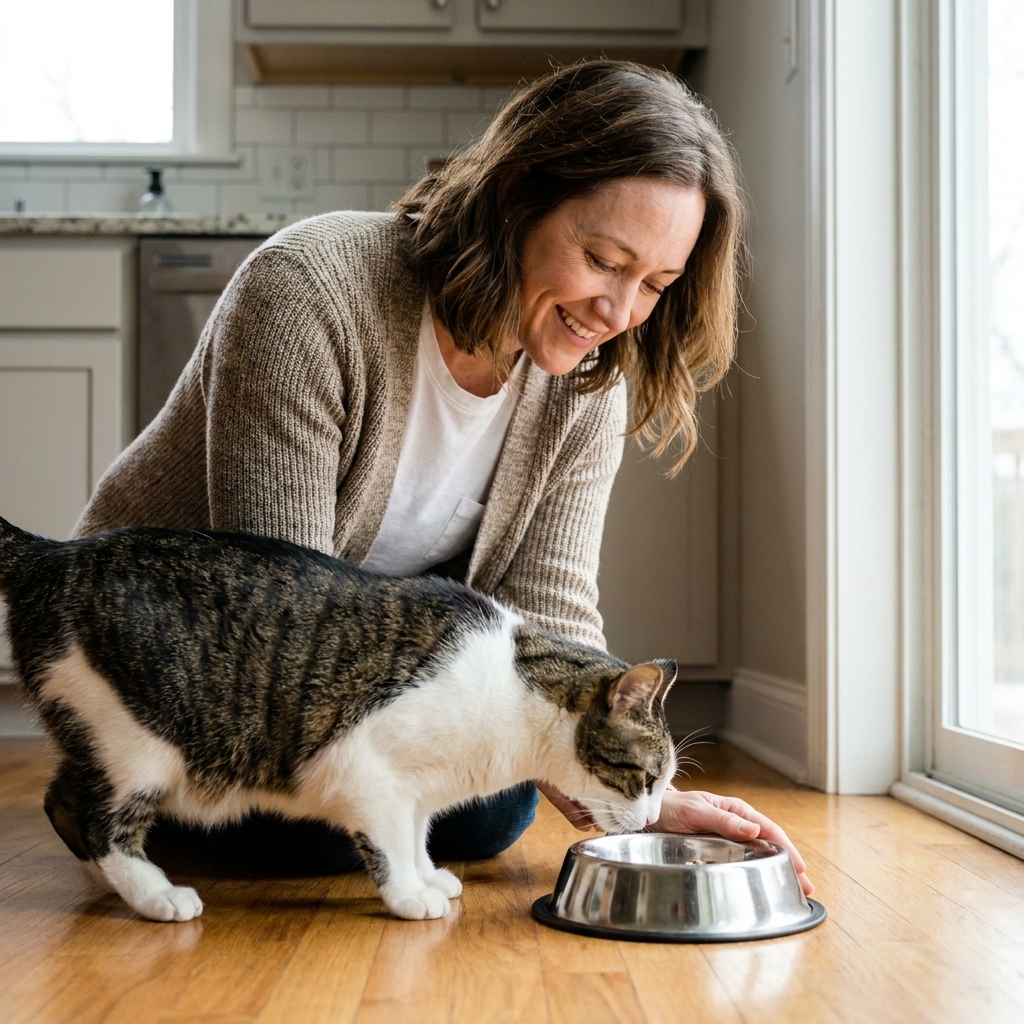
Here are two realistic schedules that work well for many families. Adjust timing to your household. Cats love consistency more than clock precision.
Under 4 months (3 to 4 meals)
- 7:00 am: Wet food meal
- 12:00 pm: Wet or wet plus a small amount of kibble
- 5:30 pm: Wet food meal
- 10:00 pm: Small wet meal or measured kibble in a puzzle feeder
4 to 12 months (2 to 3 meals)
- 7:00 am: Wet food meal
- 5:30 pm: Wet food meal
- Optional midday: Small measured snack or puzzle feeder portion if your kitten struggles between meals
My bedtime trick: A small final meal can reduce 3:00 am wake-ups. It will not fix every night owl, but it helps many.
Supplements, treats, and extras
Treats: keep them small
Treats are great for training and confidence building. Keep treats to under 10 percent of daily calories when possible. With kittens, I often aim even lower because their real-food needs are so high.
Milk, tuna, and other add-ons
- Cow’s milk: Many cats are lactose intolerant. It can cause diarrhea. Skip it.
- Tuna: As an occasional tiny topper, fine. As a staple, not balanced and can create a picky eater.
- Broth: Only if it is onion- and garlic-free, and still treat it as an add-on, not a meal replacement.
Do kittens need supplements?
If you are feeding a complete and balanced kitten diet, most kittens do not need supplements. Calcium supplements in particular can be dangerous if used incorrectly. If you are considering omega-3s, probiotics, or anything else, check with your veterinarian first, especially for tiny kittens.
Common feeding problems
“My kitten acts hungry all the time.”
First, make sure you are feeding an actual kitten diet and not adult food. Then consider:
- Split the same daily amount into more meals
- Add wet food if you are mostly dry, since wet often can improve satiety for some kittens due to moisture and volume (calories still matter)
- Use puzzle feeders to slow eating and extend mealtime
- Ask your vet for a parasite check if appetite is extreme or weight gain is poor
“My kitten suddenly won’t eat.”
Kittens can get sick quickly. If your kitten skips meals, seems lethargic, vomits repeatedly, has diarrhea, or is under 12 weeks old and not eating well, call your veterinarian promptly.
“My kitten has diarrhea after a food change.”
The most common cause is switching too fast. Go back to the previous food, let stools normalize, then transition more slowly over 7 to 10 days. If diarrhea is severe, contains blood, or lasts more than a day in a very young kitten, contact your vet.
“My kitten is a picky eater already.”
Some kittens learn that refusing dinner leads to tastier options. If your vet has ruled out medical issues:
- Offer meals at set times, then pick up after 20 to 30 minutes
- Avoid constant flavor switching
- Warm wet food slightly to boost smell
- Keep treats minimal so hunger cues stay normal
When to switch to adult cat food
Most cats transition at around 12 months. Exceptions include:
- Slow-maturing large breeds: some, like Maine Coons, may do better staying on kitten food longer
- Overweight adolescents: may need an earlier switch or a controlled-calorie plan
- Medical needs: your vet may recommend a therapeutic diet
Transition slowly over 7 to 10 days to keep the gut happy. If you are unsure, bring your cat’s current food label to your next vet visit and ask for a tailored plan.
Quick safety notes
- No onion or garlic (including powders in broths and people food).
- No cooked bones, which can splinter.
- Avoid dog food as a meal. It is not nutritionally complete for cats.
- Watch strings and ribbons around feeding areas. They are a foreign body risk if swallowed.
FAQ
Can I free-feed my kitten?
Sometimes, especially for very young kittens or households where kittens struggle to maintain weight. But it is easy to overdo it, particularly with kibble. If you free-feed, measure the total daily amount and refill from that measured portion only.
How long can wet food sit out?
In most homes, I recommend picking it up after 20 to 30 minutes. If your home is warm, be more conservative and follow any manufacturer guidance on the label.
Do kittens need grain-free food?
Not inherently. What matters most is that the diet is complete and balanced for growth, highly digestible, and agrees with your kitten’s stomach.
How do I know my kitten is growing well?
Steady weight gain, good energy, normal stools, a shiny coat, and a lean body condition are great signs. Regular kitten wellness visits are also key, since growth changes fast in the first months.
The bottom line
A solid kitten feeding schedule is not about micromanaging every bite. It is about meeting intense growth needs with consistent meals, a complete kitten diet, and small adjustments as your kitten changes week to week.
If you focus on three things, you will be ahead of the game: feed a growth-formulated diet, measure portions, and track your kitten’s body condition and weight as they shoot through that first year.