Grain-free sounds simple. Cat nutrition is not.
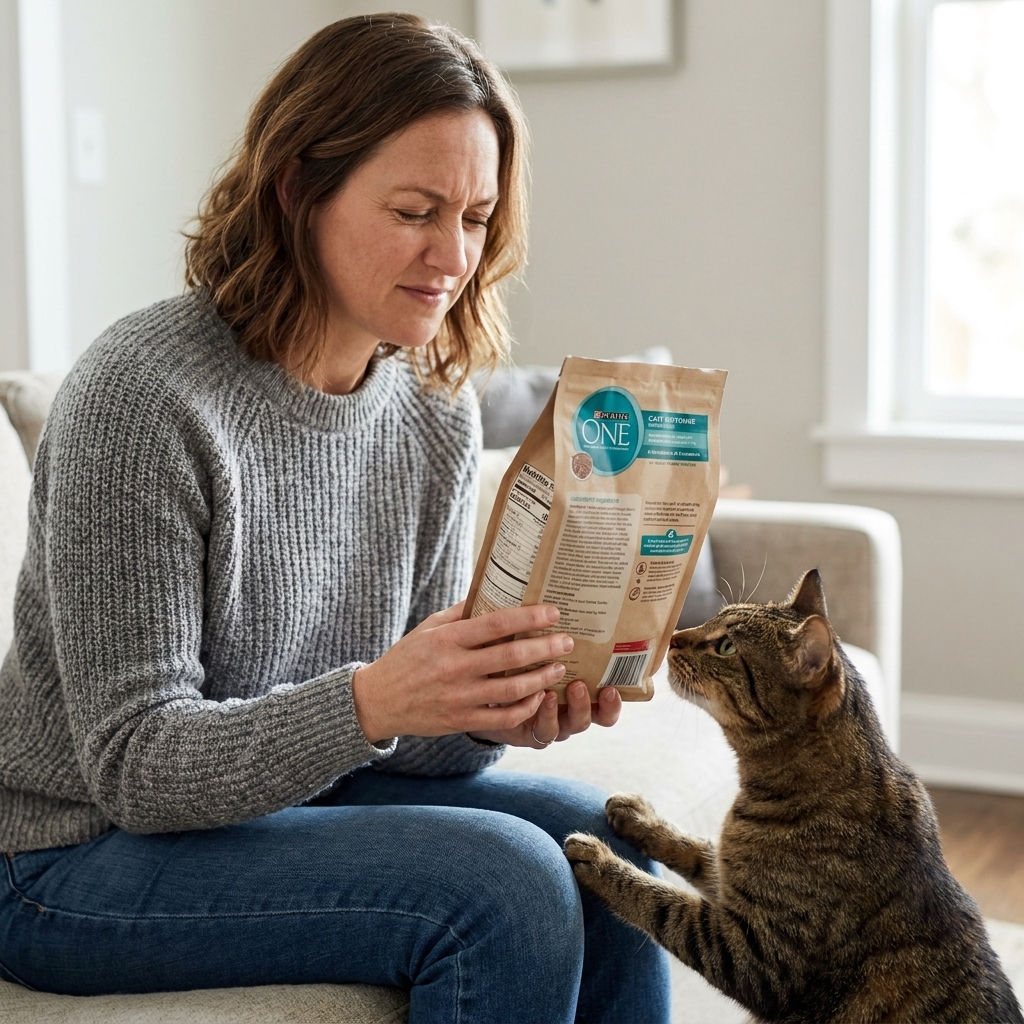
If you have ever stood in the pet food aisle holding two nearly identical bags, one labeled grain-free and one not, you are not alone. As a foster coordinator and behavior consultant, I have watched well-meaning cat parents switch foods because grain-free feels like the safer, more natural choice.
Here’s the key point: grain-free is not inherently healthier for most cats. Some cats do better on grain-free formulas, but the reason is usually about a specific ingredient (or the overall recipe), not grains as a whole.
Let’s break down what grains actually do in cat food, how cats handle carbohydrates, and when grain-free is medically warranted.
What “grain-free” actually means
Grain-free typically means the recipe does not include common grains like wheat, corn, rice, barley, oats, or rye.
It does not mean:
- low-carbohydrate
- high-protein
- higher quality
- hypoallergenic
- better for weight loss
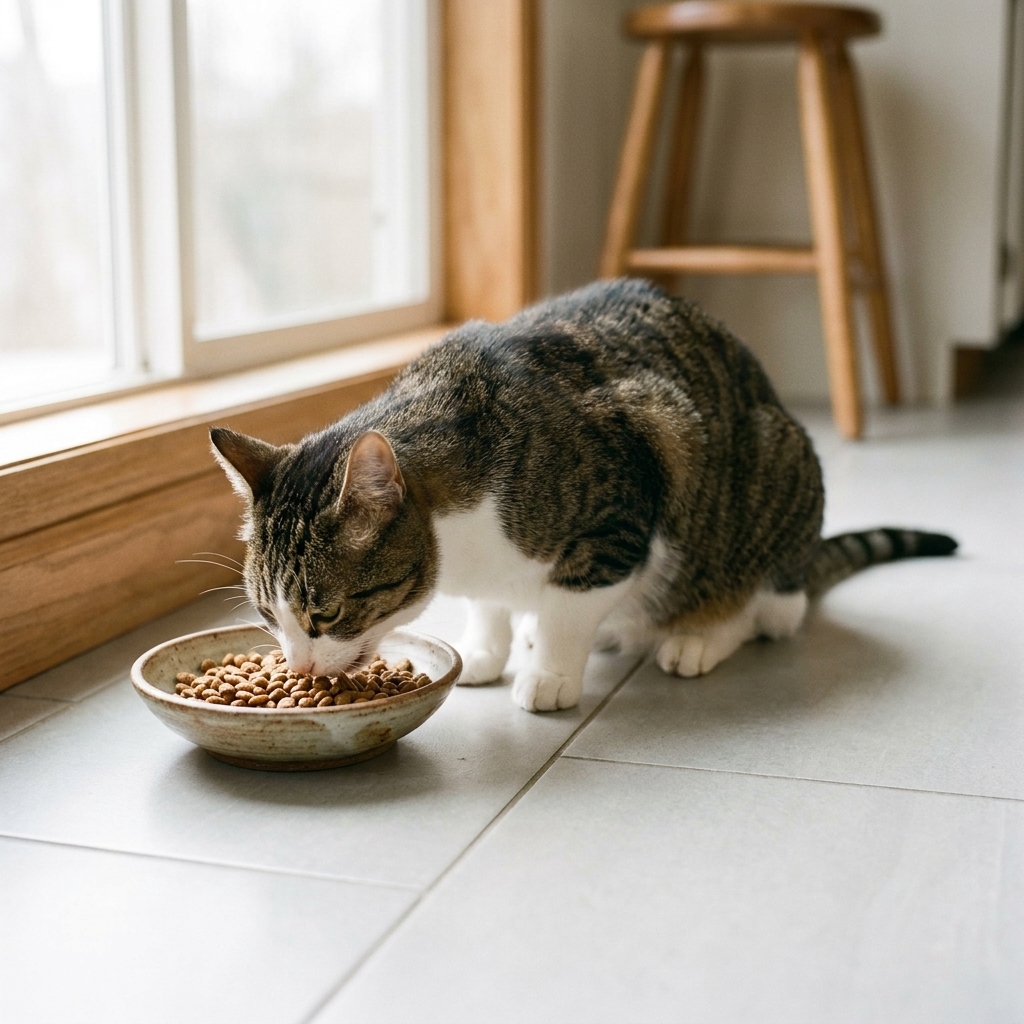
Most grain-free dry foods typically still need starch to form kibble. So manufacturers often swap grains for other carbohydrate sources such as:
- peas or pea starch
- lentils
- chickpeas
- potatoes or tapioca
- beans
In other words, grain-free usually means different starches, not no starch.
Yes, there are a few niche, very low-starch dry options out there, but they tend to be pricier and rely on different formulation tradeoffs (often higher fat). For most mainstream kibbles, some form of starch is part of the engineering.
Cats and carbs: can cats digest carbohydrates?
Yes, cats can digest carbohydrates. But they are not built to depend on them.
Cats are obligate carnivores, meaning their bodies are evolutionarily adapted to get most calories and essential nutrients from animal tissue. Compared with omnivores, cats have different metabolic priorities: more reliance on protein and fat, and a lower requirement for carbohydrates.
Why carbs show up in cat food
Carbohydrates are common in commercial diets because they:
- help form dry kibble (starch is functional, not just filler)
- provide an energy source
- can contribute fiber for stool quality
- help control cost
Carbs are not automatically “bad.” The better question is: How much carbohydrate is in the food, what is it replacing, and how does your cat do on that recipe?
Cooked vs. raw carbohydrates matter
Most carbohydrates in commercial pet food are cooked or processed (extruded kibble, canned food, etc.). Cooking makes starches more digestible. This is one reason some cats tolerate carbohydrates in prepared diets better than you might expect from a “carnivore” label alone.
Are grains “fillers” in cat food?
Sometimes grains are used poorly. Sometimes they are used just fine.
The word “filler” gets thrown around to mean “cheap ingredient with no nutritional value.” But grains like rice, oats, and corn can contribute:
- energy
- fiber to support stool consistency
- some vitamins and minerals
Essential fatty acids generally come from added animal fats and plant oils, not from grains themselves.
The bigger issue is not whether a food contains grains. It is whether the overall recipe is complete and balanced, appropriate for your cat’s life stage, and a good match for their body and health needs.
Also, cats do not need grains specifically. But they also do not need grain-free specifically.
Common myths about grain-free
Myth: Grain-free means more meat
Some grain-free foods are high in animal protein. Some are not. A grain-free label tells you only what is excluded, not what is emphasized.
What to do instead: check the full ingredient list and, more importantly, the guaranteed analysis and calorie information. If you can, ask the company for a typical nutrient analysis (including protein, fat, and carbohydrate on a dry matter basis).
Myth: Grain-free is best for food allergies
True food allergies in cats are real, but they are not the most common reason for itchy skin or tummy trouble. Fleas, environmental allergies, stress, parasites, inflammatory bowel disease, and food intolerances can all look similar.
When cats do have a true food allergy, the most common triggers are typically proteins (like chicken, beef, fish, or dairy), not grains.
What to do instead: work with your veterinarian on a proper elimination diet trial using a prescription hydrolyzed or novel protein diet. Over-the-counter “limited ingredient” diets can be helpful for some households, but they are not as reliable for diagnosis, in part because cross-contact between ingredients can happen during manufacturing. Switching to grain-free over the counter often muddies the waters because it changes many variables at once.
Myth: Grain-free is always better for diabetes or weight loss
Some diabetic cats benefit from diets that are lower in carbohydrates. But “grain-free” is not a reliable shortcut to “low-carb.” Plenty of grain-free kibbles are still relatively high in starch.
What to do instead: if your cat is diabetic or needs weight loss, choose a diet based on macronutrient profile and calories, not a marketing label. Also, be cautious with diet changes if your cat is on insulin. A food switch can change insulin needs quickly, so coordinate changes with your veterinarian.
When grain-free makes sense
There are situations where grain-free is worth considering. They are just narrower than the marketing suggests.
1) A documented sensitivity to a specific grain
It is uncommon, but a cat can react poorly to a particular ingredient that happens to be a grain. In those cases, removing that grain can help.
Important nuance: this is ingredient-specific, not grain-category specific. A cat who reacts to wheat does not automatically need to avoid rice, for example.
2) A veterinary elimination diet strategy
Some elimination trials may use grain-free formulas as part of a simplified ingredient approach. This is less about grains being bad and more about controlling variables.
3) Your cat truly does best on a specific recipe
In rescue, I have absolutely seen cats like my orange tabby, Waffles, thrive on one specific formula after we tried several. If the diet is complete and balanced, your cat has a healthy body condition, their stools look good, their coat improves, and your veterinarian is happy with their progress, it is okay if that winning formula is grain-free.
Just remember: it is the recipe helping your cat, not a moral victory over grains.
What matters more than grains
If you want to make a smart, evidence-based decision, here is what I would prioritize first.
Is it complete and balanced for life stage?
Look for a statement indicating the food is complete and balanced (for example, it meets AAFCO nutrient profiles for maintenance, growth, or all life stages). Kittens, adults, and seniors have different needs.
How is your cat doing on it?
Real-world results matter. Watch for:
- steady, appropriate weight
- good stool quality and predictable bathroom habits
- healthy coat and skin
- good energy and appetite
- minimal vomiting (occasional hairball aside)
Wet vs. dry: hydration matters
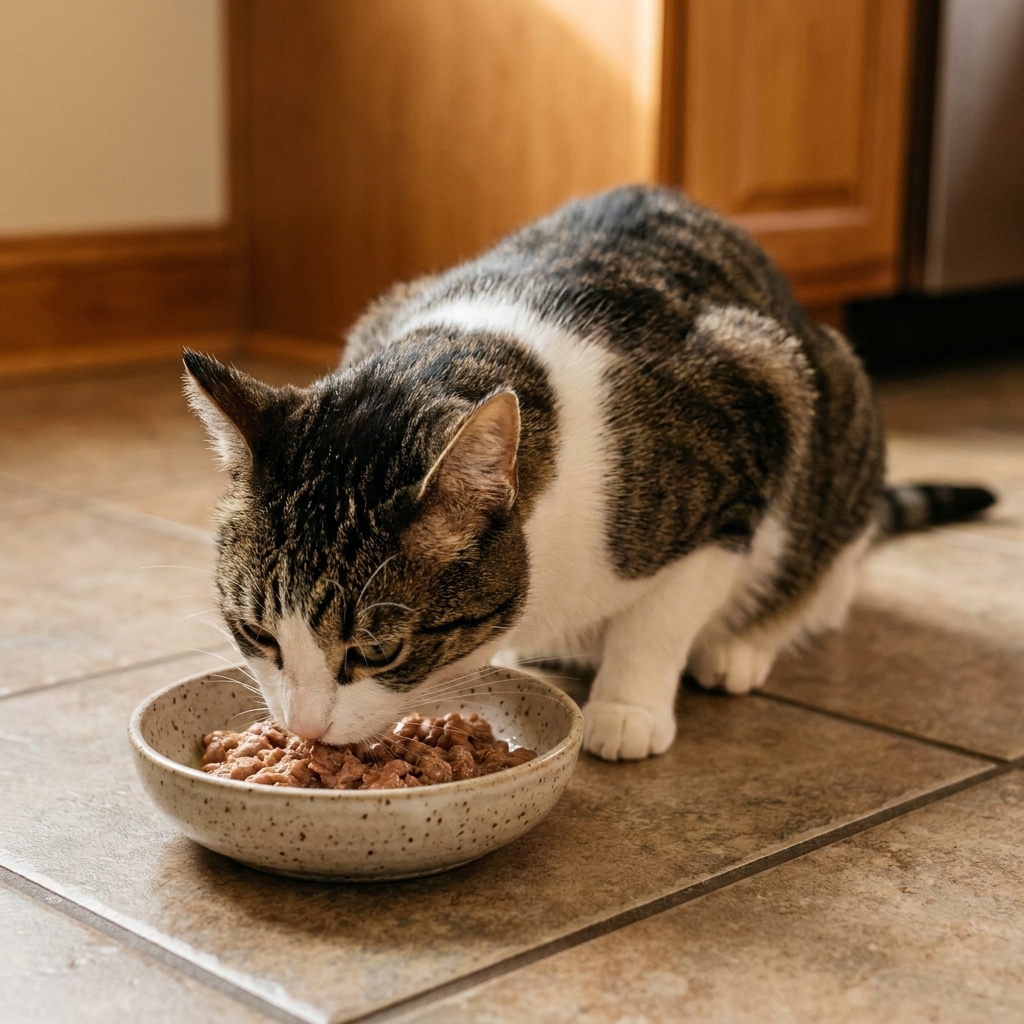
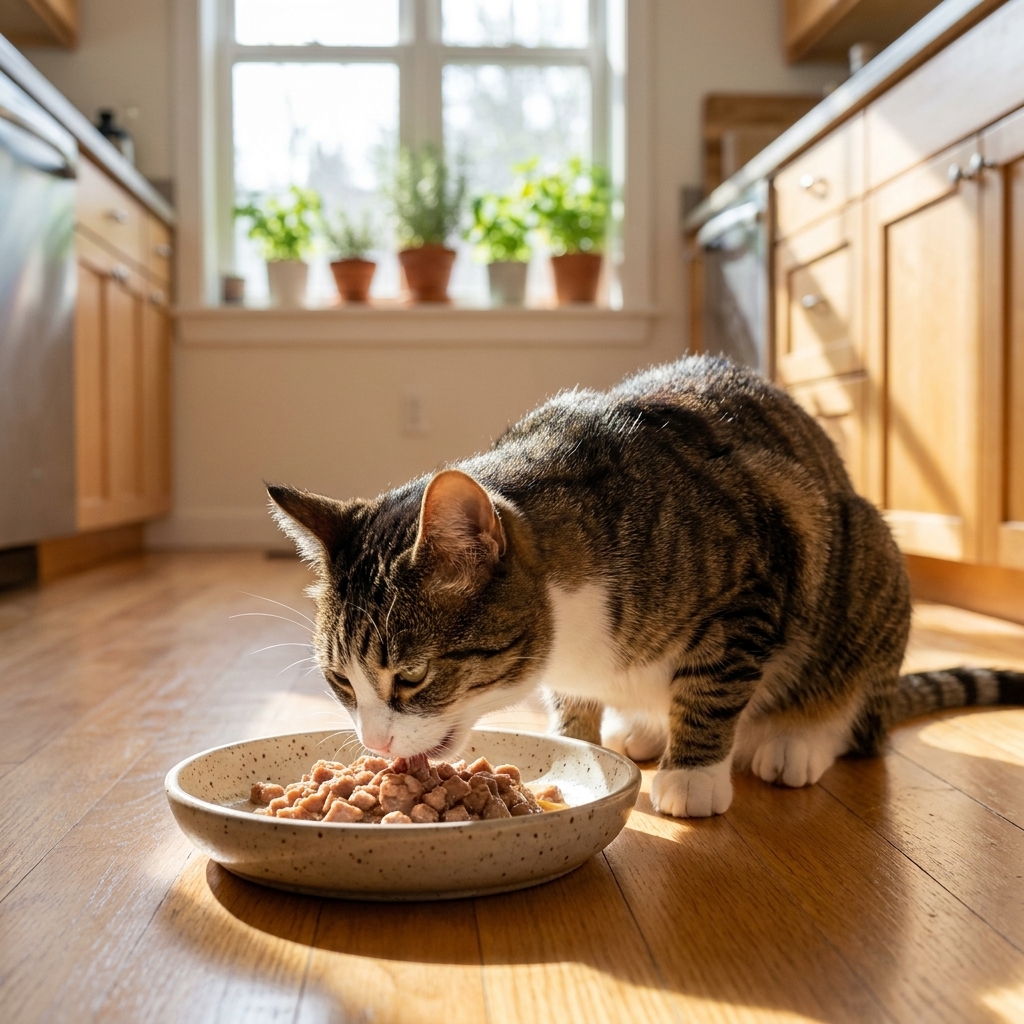
Many cats are not big drinkers by nature. For many cats, adding wet food can support hydration and may be helpful for urinary health goals, depending on the individual cat. This is not an anti-kibble speech. It is just a gentle reminder that moisture content often matters more than whether a carbohydrate came from rice or peas.
How many calories are you actually feeding?
Weight gain is usually a calorie issue, not a grain issue. Even premium foods can lead to weight gain if portions creep up. If your cat is gaining, check calories per cup or per can and measure meals.
Medical conditions change the goal
Kidney disease, diabetes, urinary crystals, pancreatitis, GI disease, and dental issues can all change what “best diet” means. In those cases, your veterinarian’s guidance is more useful than any label on the front of the bag.
How to judge carbs and macros
One frustrating thing about pet food labels is that they usually do not list carbohydrate percentage directly. That is why “grain-free” becomes a stand-in for “low-carb,” even though it is not a reliable one.
If you want a rough estimate, you can calculate carbs (often called nitrogen-free extract) from the guaranteed analysis:
- Estimated carbs % = 100 minus protein minus fat minus fiber minus moisture minus ash
Ash is not always listed, so this is an estimate at best. If you want the most accurate picture, ask the manufacturer for a typical analysis and, ideally, nutrient values on a dry matter basis. If they cannot or will not provide it, that tells you something too.
Grain-free and heart health
You may have heard concerns about grain-free diets and heart disease, especially in dogs. In cats, the evidence is less direct, and feline heart disease is a different conversation than canine diet-associated dilated cardiomyopathy.
That said, cats do have their own history here. Taurine deficiency was once a major cause of dilated cardiomyopathy in cats, and it was tied to poorly formulated diets before taurine supplementation became standard. The takeaway I use in practice is simple: avoid choosing a diet based on a single trendy label. Prioritize brands with strong quality control and qualified nutrition expertise, and look for diets that are formulated to meet AAFCO standards and, when possible, supported by feeding trials. If your cat has heart disease or you are worried about risk, involve your veterinarian.
A quick word on legumes
Many grain-free foods replace grains with legumes like peas and lentils. Legumes are not automatically “bad,” but they do change the fiber and amino acid puzzle a formulator has to solve. This is another reason I focus less on the front-of-bag claim and more on the total nutrient profile and the manufacturer’s track record.
How to choose between grain-free and grain-inclusive
If you are debating a switch, here is a practical way to decide without spiraling.
Stick with grain-inclusive if:
- your cat is thriving on their current food
- you are switching only because grain-free sounds “cleaner”
- you have not identified a specific ingredient problem
Consider grain-free if:
- your veterinarian recommends it as part of a diet trial
- you suspect a specific grain triggers GI upset or itchiness and you are testing systematically
- your cat reliably does better on a particular grain-free formula and your vet agrees it is an appropriate diet
If you do switch, transition slowly
Abrupt food changes can cause vomiting or diarrhea, even with a high-quality food. I typically recommend a 7 to 10 day transition, slower for sensitive cats:
- Days 1 to 3: 75% old, 25% new
- Days 4 to 6: 50% old, 50% new
- Days 7 to 9: 25% old, 75% new
- Day 10: 100% new
If your cat has a history of GI issues, ask your veterinarian whether you should transition even more gradually.
FAQ
Is grain-free cat food better for sensitive stomachs?
Sometimes, but not because it is grain-free. Some cats react to specific ingredients (including certain proteins, fats, or fibers). A grain-free formula may help if it happens to remove the trigger ingredient or if the overall recipe is easier for your cat to tolerate.
Is corn bad for cats?
Corn is not inherently toxic or “bad.” It is a carbohydrate source that can be digestible when properly processed. The more important question is whether the total diet is balanced, appropriately portioned, and a good match for your cat’s needs.
Does grain-free mean low-carb?
No. Many grain-free kibbles use peas, lentils, or potatoes, which can still contribute significant carbohydrates. If low-carb is your goal (for example, in diabetes management), look at the nutrient profile, not the front label.
My cat is itchy. Should I switch to grain-free?
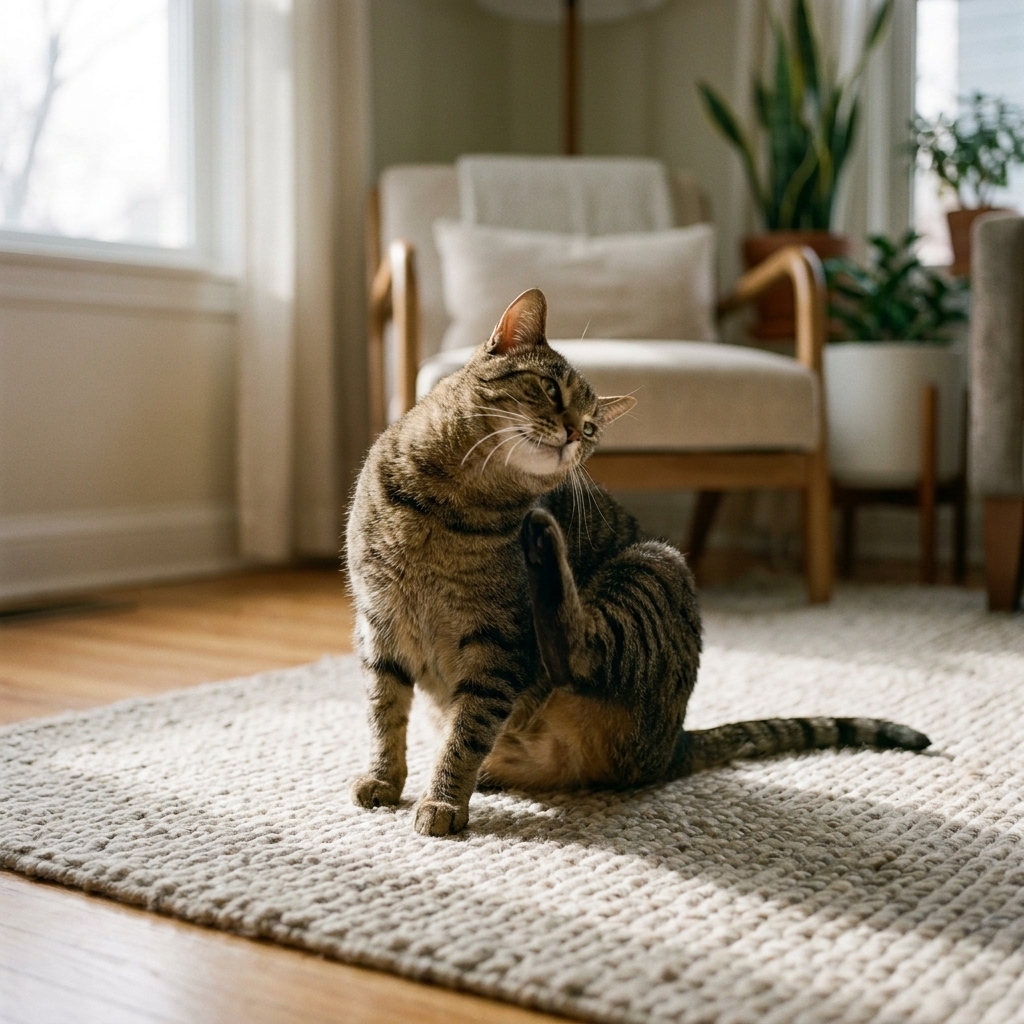
Itchiness is more commonly caused by fleas, environmental allergies, or skin infections than by grains. Before you do a food hop, talk with your veterinarian about flea prevention and a diagnostic plan. If food allergy is suspected, a veterinarian-guided elimination diet is the most reliable route.
What is the best diet for cats overall?
The best diet is one that is complete and balanced, appropriate for life stage, fits your cat’s health needs, and that your cat thrives on. For many cats, including plenty of rescues I have worked with, that can be grain-inclusive or grain-free. The cat in front of you matters more than the label.
Bottom line
Grain-free cat food is not a scam, and it is not a miracle. For most cats, it is simply one of many ways to build a complete and balanced diet. If your cat is doing well on a grain-inclusive food, there is no nutrition-based reason to panic-switch. If you are dealing with chronic GI upset, itchiness, or a medical condition, you will get better answers by focusing on the full recipe and a veterinarian-guided plan than by chasing (or avoiding) grains.
If you want help narrowing down options for your specific cat, start with three details: age, current weight and body condition, and what symptoms you are trying to solve. Those are the pieces that actually move the needle.