If you have ever been up at 2 a.m. staring at your cat and whispering, “Please feel better,” you are in good company. I have fostered a lot of kittens with sniffles, skin infections, and surprise abscesses. I have also sat on my own kitchen floor with Clementine giving me the look while I tried to convince her that the medicine was, in fact, a loving gesture.
One of the most common worries I hear after the first dose is: How long until this works? The honest answer is: some cats show early improvement within a couple of days, but the timeline depends on what we are treating, where the infection is, and which antibiotic your veterinarian chose.
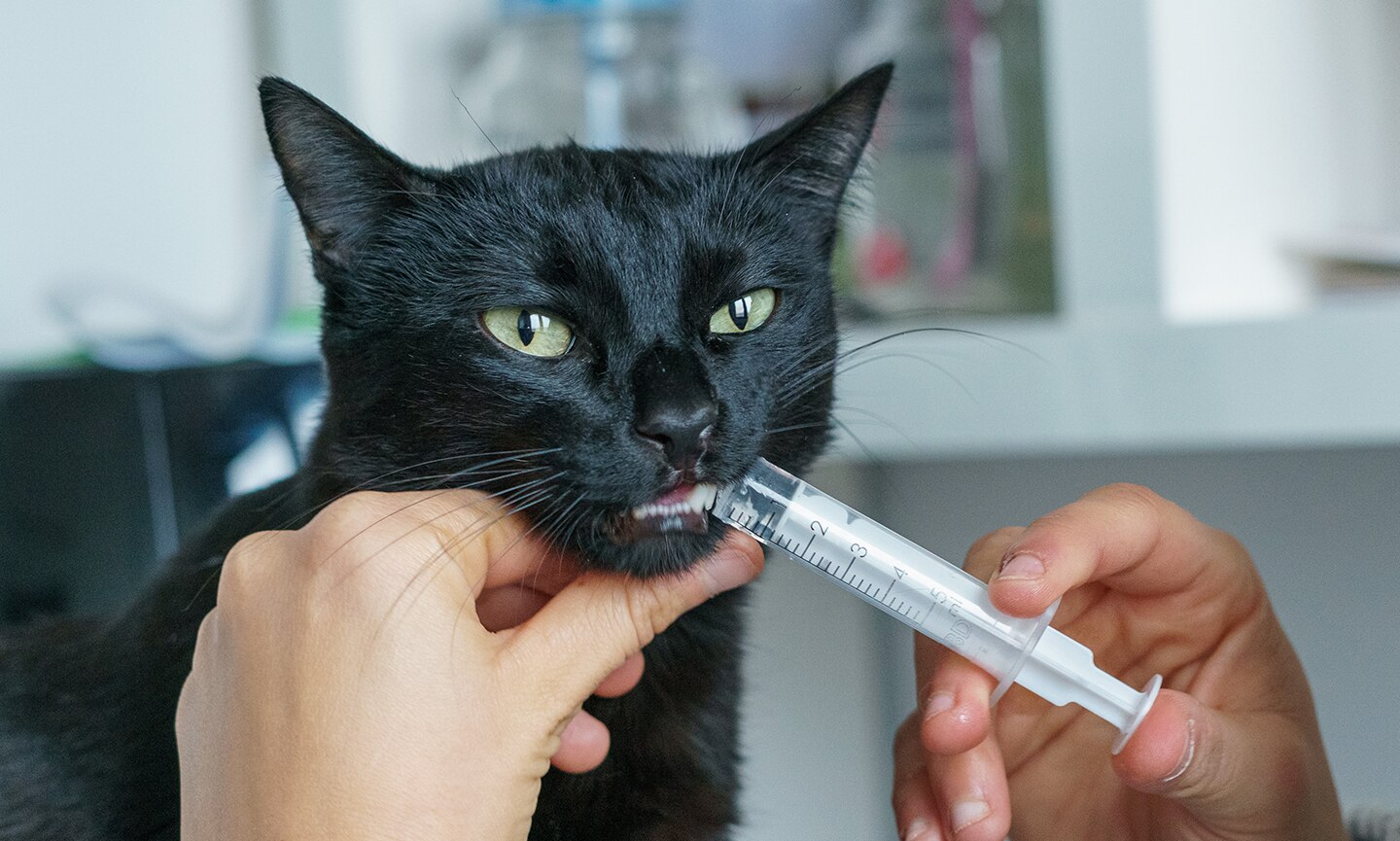
Typical timelines
Antibiotics do not work like pain medication, where you can sometimes see a clear shift within hours. Depending on the drug, they either kill bacteria or slow bacterial growth so your cat’s immune system can catch up. That takes time.
In many uncomplicated cases
- Early improvement: Often within 24 to 72 hours, you may notice small but meaningful changes like a better appetite, less discharge, improved energy, or less tenderness.
- More obvious improvement: Frequently within 3 to 5 days, symptoms may be clearly trending in the right direction.
- Near-resolution: Depending on the problem, it can take 1 to 2 weeks (or longer) for symptoms to fully settle down, even if your cat seems brighter quickly.
Those are common ranges, not promises. Some infections are stubborn or slow to calm down even with the right treatment, especially deep skin infections, dental infections, bone infections, middle ear infections, or infections complicated by underlying disease.
When I say “a few days,” I usually mean 48 to 72 hours for mild issues. If your cat is worsening at any point, call sooner.
Why timelines vary
If your friend’s cat “felt better in two days” but your cat still seems uncomfortable on day three, that does not automatically mean something is wrong. Here are a few common reasons progress can look different from cat to cat.
The infection site matters
- Upper respiratory infections: If bacteria are truly part of the problem, you might see less nasal discharge and a brighter attitude within a few days. If it is primarily viral, antibiotics may not change the course much, and your vet may be aiming to prevent or treat secondary bacterial issues. Also, congestion and noisy breathing can linger even as your cat is improving, but true breathing distress is an emergency.
- Skin wounds and abscesses: These can improve quickly once properly drained and cleaned. It is also common to see more drainage, bruising, or scabbing as the area starts to heal. Worsening swelling, spreading redness, bad odor, or increasing pain is different, and should prompt a call.
- Urinary tract infections: Some cats feel relief quickly, but others have inflammation that lingers even after bacteria are controlled. Also, not every “UTI” symptom is actually a bacterial infection, which is why testing matters.
- Dental infections: Mouth pain can be intense, and antibiotics alone may not fully solve the source (like a bad tooth). Your cat may improve and then backslide until the underlying issue is addressed.
The bacteria and the antibiotic have to match
Your veterinarian chooses an antibiotic based on the most likely bacteria involved, your cat’s history, and sometimes lab results. If the bacteria are resistant, if the infection is mixed, or if the source problem is still present, the first choice may not be the final plan.
Your cat’s immune system plays a role
Kittens, seniors, and cats with chronic illness can take longer to bounce back. Stress matters, too. Cats that are hiding, not eating, or dehydrated have a harder time healing.
What improvement looks like
I like to tell cat parents to look for trend lines, not perfection. Small steps forward are still steps.
Signs things are moving in the right direction
- Appetite improves (even if it is not fully normal yet)
- Energy increases, more social behavior, less hiding
- Better comfort, less flinching when picked up, easier movement
- Less discharge from eyes or nose, less coughing or sneezing intensity
- Reduced swelling, heat, or redness around a wound
- Less odor from ears, skin, or mouth (depending on the condition)
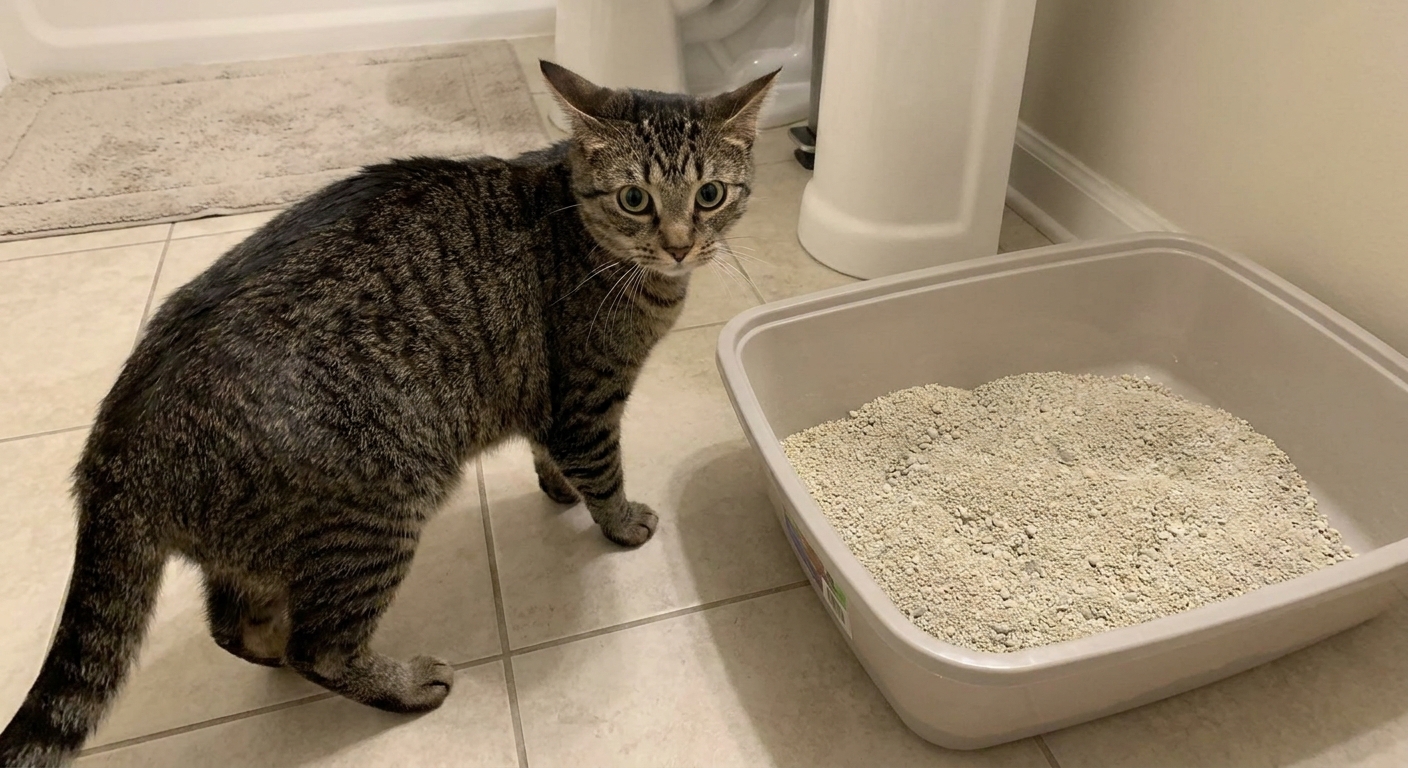
- Normal litter box habits returning (less straining, fewer urgent trips, fewer accidents)
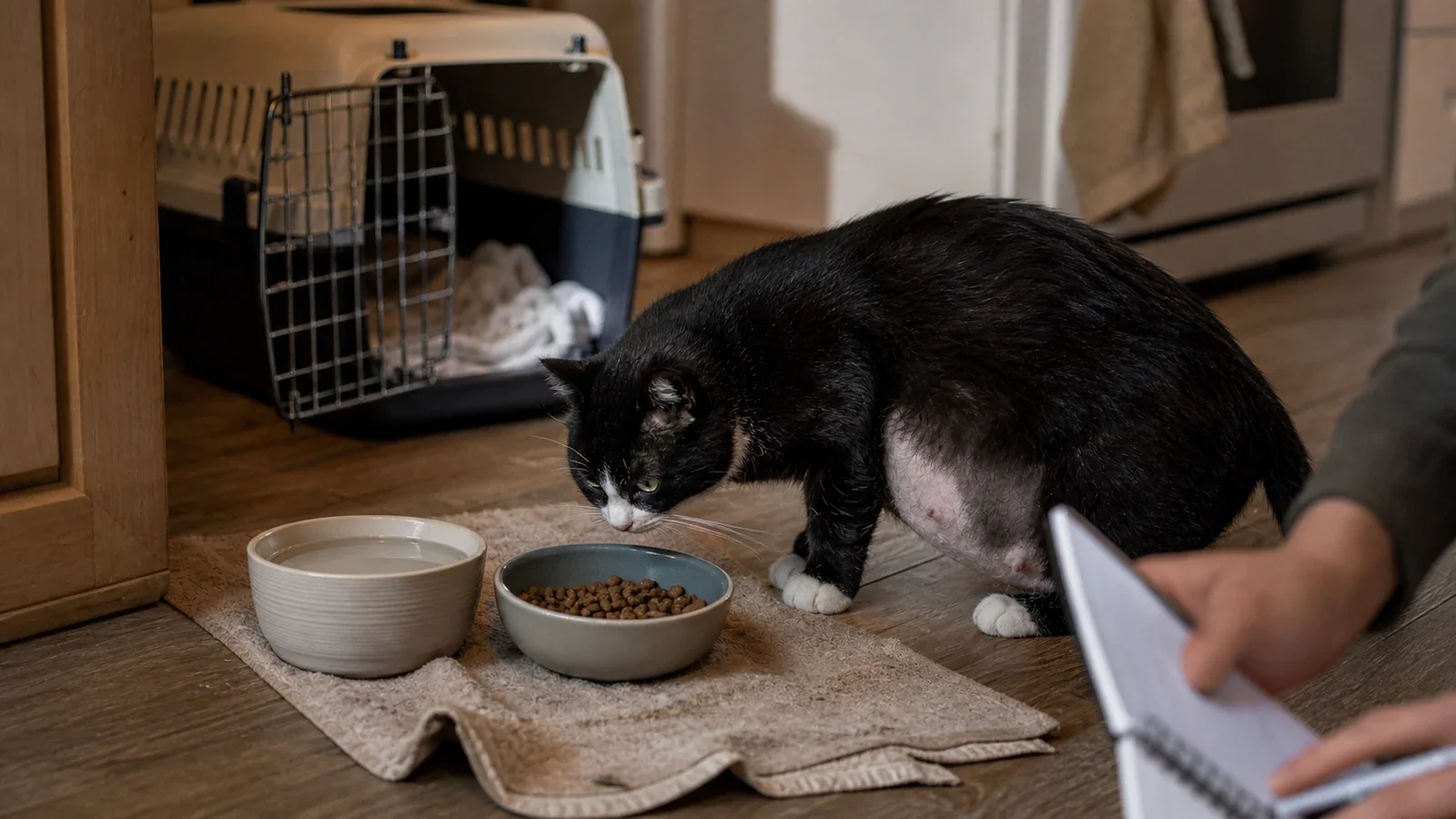
If you can, jot down quick notes once or twice a day. When you are worried, time gets blurry. A simple “ate half dinner, played 5 minutes, sneezed less” can be incredibly helpful if you need to update your vet.
When to call the vet
Please trust your instincts here. You know your cat’s normal. If something feels off, your veterinary team would rather hear from you early than late.
Call your vet promptly if you notice
- No improvement at all after 48 to 72 hours in a mild case, or your cat still seems unwell
- Symptoms get worse after starting the antibiotic
- New symptoms show up, especially severe lethargy or weakness
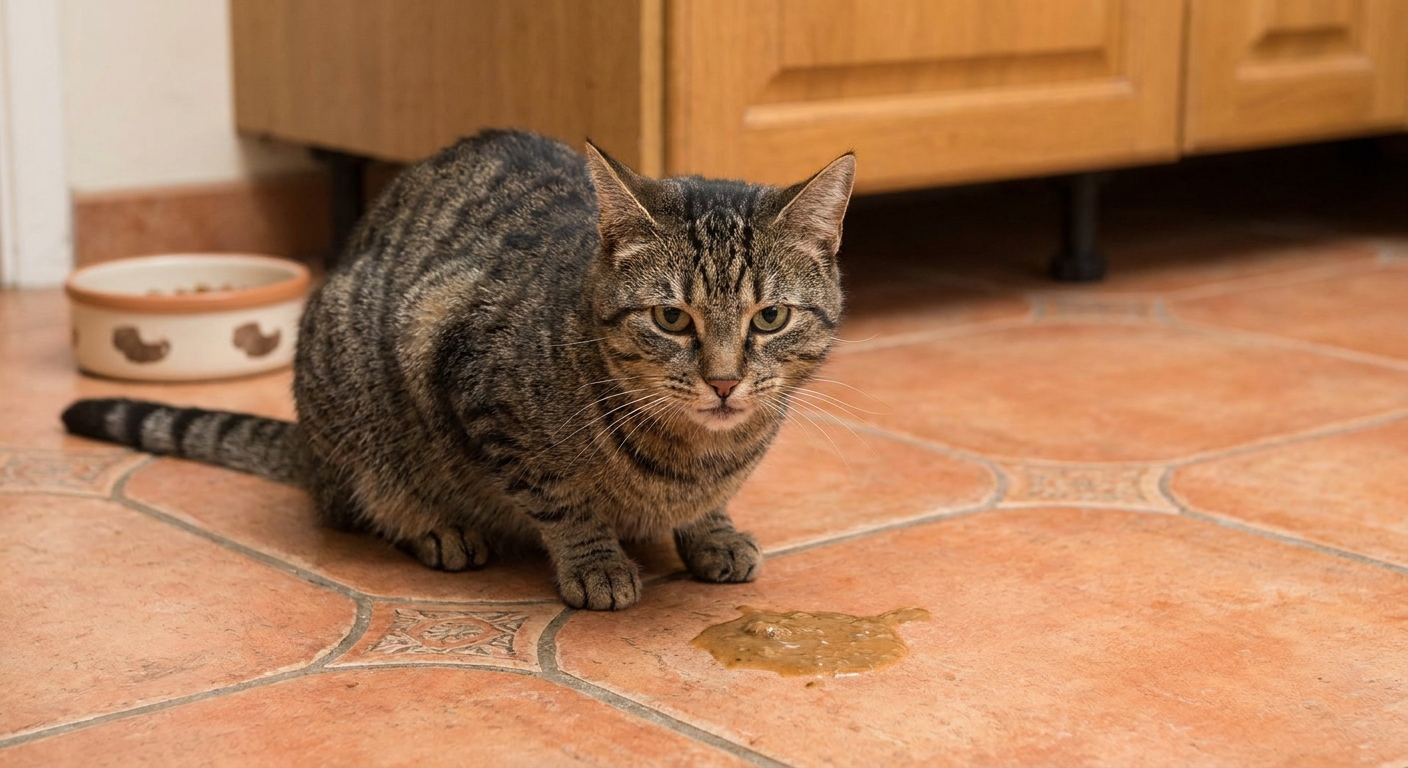
- Vomiting or diarrhea that is persistent, worsening, or causing dehydration
- Refusing food or eating dramatically less
- Difficulty giving the medication, frequent missed doses, or your cat drools or foams excessively after dosing (some antibiotics taste very bitter, but your vet still wants to know if it is intense or ongoing)
- Hives, facial swelling, intense itchiness, or sudden breathing trouble (this can indicate an allergic reaction)
Seek urgent care if you see
- Labored breathing, open-mouth breathing, or blue-tinged gums
- Collapse, severe weakness, or unresponsiveness
- Repeated vomiting or signs of significant dehydration (very tacky gums, sunken eyes, profound lethargy)
- Inability to urinate or repeated trips producing little to nothing, especially in male cats
- Rapidly expanding swelling, severe pain, or a wound that is suddenly oozing a lot of pus or blood
If your cat seems to be deteriorating, do not wait for the antibiotic to “kick in.” Your vet may need to reassess the diagnosis, provide supportive care, or address a complication.
Why a recheck matters
Rechecks can feel frustrating when you are already juggling meds, work, and a cat who has decided you are now the villain. But they are often the fastest path to real relief.
Common reasons for follow-up
- Confirming the infection is responding: Some problems look similar on day one but behave very differently over time.
- Adjusting the plan: If signs are not improving, your vet may switch antibiotics, add another medication, or recommend diagnostics like cytology, culture, or imaging.
- Checking for complications: Abscesses might need additional drainage, dental disease might need a procedure, and urinary issues may need a different approach.
- Protecting your cat’s comfort and safety: Side effects and appetite changes can snowball quickly in cats, especially if they stop eating.
Why it may not be working
Sometimes the medication is fine, but something else is getting in the way of progress.
Missed or partial doses
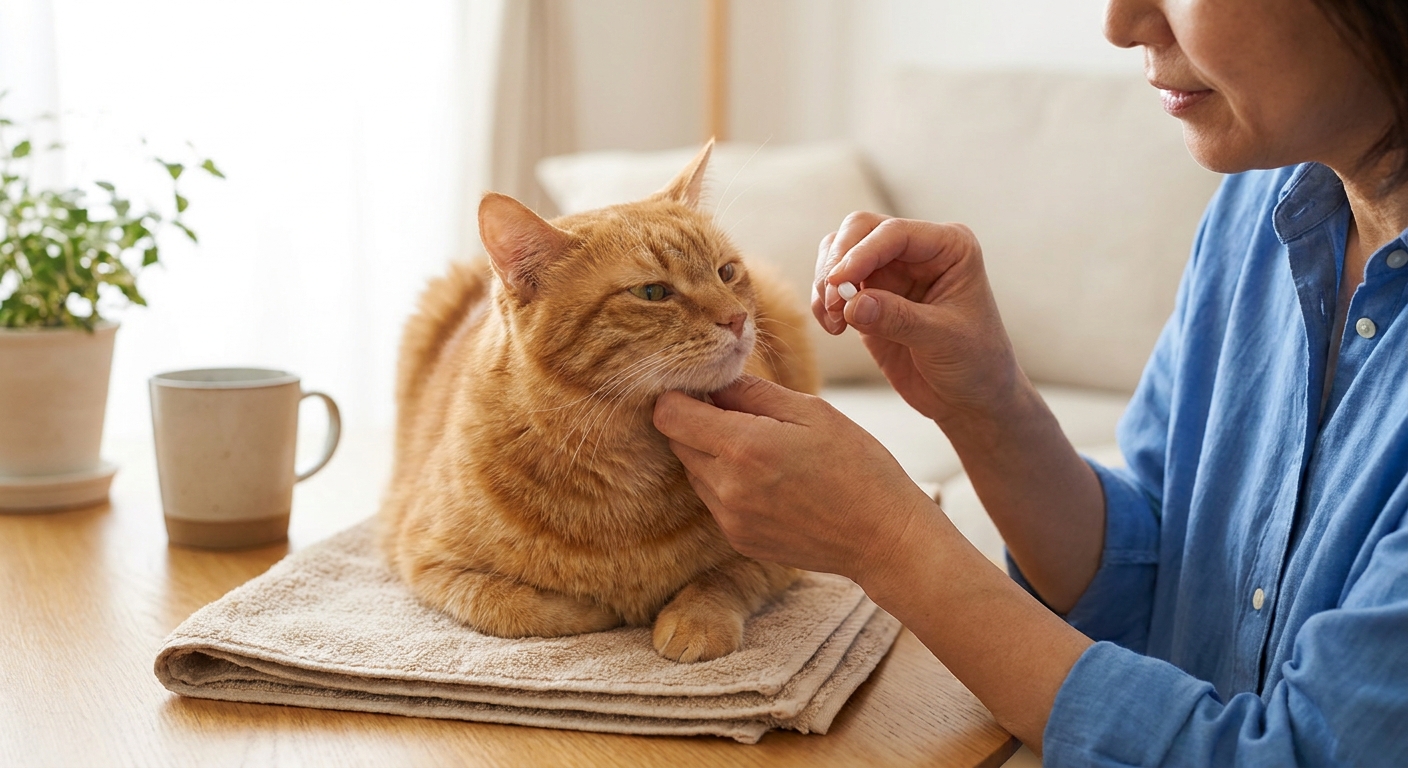
I say this with zero judgment. Cats are excellent at spitting out pills, hiding in closets, and developing sudden opinions about flavored liquids. But inconsistent dosing can make it harder to see improvement and can contribute to treatment failure. If you miss a dose or think your cat did not actually swallow it, call your vet for the safest next step.
The problem is not bacterial
Antibiotics help with bacterial infections. They do not treat viruses, allergies, asthma, inflammatory bowel disease, or many other conditions that can mimic infection symptoms. In those cases, your cat may not improve until the true cause is addressed.
The source is still there
An infected tooth, a foreign body under the skin, or an undrained abscess can keep symptoms going even with the “right” antibiotic on board. Think of it like mopping while the faucet is still running.
Resistance or the wrong match
Some bacteria are not sensitive to certain antibiotics. Culture and sensitivity testing helps your vet choose a more targeted option and is especially useful for deep infections, recurrent infections, severe cases, or when first-line treatment is not working as expected.
How to help at home
Antibiotics are only one piece of the recovery puzzle. Comfort and basic care can make a big difference in how quickly your cat feels like themselves again.
- Prioritize eating and hydration. Offer smelly, tempting foods (as approved by your vet), warm the food slightly, and keep fresh water available. If your cat is not eating, call your vet sooner rather than later.
- Keep things calm. Stress slows healing. Provide a quiet room, predictable routines, and easy access to litter, food, and water.
- Monitor litter box output. Changes in urination and stool can be early clues of improvement or side effects.
- Give medication exactly as labeled. Some antibiotics need refrigeration, some need to be shaken, and some are easier on the stomach when given with food. If the label is unclear, your clinic or pharmacist can clarify.
- Avoid human over-the-counter meds unless your vet says so. Do not give human pain relievers or anti-diarrheals without guidance. Some are dangerous for cats, and even “safe” ones can complicate the picture.
- Do not share leftover antibiotics. The wrong drug, the wrong dose, or the wrong duration can delay proper treatment and create bigger problems.
Frequently asked questions
Should my cat be better after the first day?
Some cats act brighter within a day, especially if fever or pain is improving. But it is also normal to see only subtle changes early on. Look for gradual improvement over the next couple of days, and contact your vet if your cat is not trending better or seems worse.
My cat seems better. Can I stop early?
Do not stop or change the plan without your veterinarian’s guidance. Symptoms can improve before an infection is fully controlled, and stopping early can lead to relapse or a tougher infection to treat. If giving the medication is going poorly, your vet can often help with alternatives.
What if my cat gets diarrhea on antibiotics?
Mild stomach upset can happen with some medications. But persistent diarrhea, repeated vomiting, or any sign of dehydration warrants a call. Your vet may suggest supportive steps or a different medication based on what your cat is experiencing. Avoid giving human anti-diarrheals unless your vet specifically approves them.
Why did my vet choose antibiotics without a culture?
In many everyday infections, vets make an educated choice based on experience, the infection location, and what is most likely to work. Cultures are more likely when an infection is severe, deep, recurrent, unusual, or not responding as expected.
How do I know if the antibiotic is the wrong one?
Clues include no improvement after several days, worsening symptoms, or repeated relapses. Only your vet can determine whether the antibiotic should be changed, whether more testing is needed, or whether something else is going on.
The bottom line
Many cats show at least some improvement on antibiotics within 24 to 72 hours, but the exact timeline depends on the infection, the medication, and your cat’s overall health. Watch for steady progress in appetite, comfort, energy, and the specific symptoms you started with. If your cat is not improving after a few days, seems worse, or develops significant side effects, reach out to your veterinary team promptly. You are not being “too cautious.” You are being a good cat parent.
If you are in the thick of medicating right now, I am sending you the same solidarity I offer Waffles when he is offended by the concept of oral liquids: deep breaths, gentle persistence, and a plan for treats afterward.