I learned this lesson the hard way back when I was fostering kittens for my local shelter. A tiny tabby with a sniffly nose perked up after a couple of days on antibiotics, and it was so tempting to think, “We’re done!” But when medication stops too soon, some bacteria can survive and the infection can come right back. That kitten’s symptoms returned, and it took longer (and a lot more stress for everyone) to get him truly well.
If you’re staring at the pill bottle and your cat seems totally fine now, you’re not alone. Let’s walk through why vets usually want you to finish the course, what can happen if you don’t, and what to do if giving the medication is turning your home into a nightly wrestling match.
Do you have to finish your cat’s antibiotics?
In most cases, yes: you should give your cat antibiotics for the full length of time your veterinarian prescribed, even if your cat seems better.
Antibiotics are prescribed as a set course because the goal is not just to reduce symptoms. The goal is to lower the bacterial load enough, for long enough, that your cat’s immune system can finish the job and the infection does not bounce back.
There are situations where a vet may change the plan mid-course (for example, if a culture result comes back showing a different antibiotic is needed, or if side effects are significant). The key is that the decision should come from your clinic, not from guesswork at home.
Why vets prescribe a set course
When your veterinarian picks a medication and a duration, they’re balancing several factors, including:
- Where the infection is (skin, urinary tract, dental, respiratory, wound, etc.)
- How well antibiotics reach that area in the body
- How severe the infection seems based on exam findings and tests
- Your cat’s age and health (kidney disease, liver disease, dehydration risk, and more)
- What bacteria are suspected (and whether resistant bacteria are a concern)
Even when two cats “look” similar at home, their treatment plan can be different for good reasons. That’s why it’s so important not to compare your cat’s prescription to a friend’s cat’s or an old leftover bottle in the cabinet.
What happens if you stop early
Stopping early can cause more than just a return of symptoms. Here are the big risks I want cat parents to understand.
The infection may come back
Symptoms often improve before the infection is fully controlled. If you stop as soon as your cat seems better, remaining bacteria can multiply again, and you may be right back where you started.
It may be harder to treat next time
Antibiotic resistance is complicated, and it depends on the infection, the drug, and the bacteria involved. But inconsistent dosing or stopping too soon can increase the chance of relapse and, in some situations, may contribute to resistant bacteria surviving. That can mean fewer easy options if your cat needs antibiotics again.
Your cat may need more care
A rebound infection can mean more vet visits, additional testing (like culture and sensitivity), stronger or different medications, and sometimes hospitalization if your cat becomes dehydrated or systemically ill.
In plain terms: finishing the course is often the simplest way to avoid a longer, pricier, more stressful round two.
Do not extend antibiotics yourself
It’s just as important not to keep going “a few extra days” without veterinary direction.
- More is not always better. Unnecessary antibiotic exposure can increase side effects and can upset the GI tract and alter normal gut bacteria.
- The wrong duration can hide the real problem. If symptoms persist, your cat may not have a bacterial issue at all, or there may be an underlying condition that needs different treatment (dental disease, allergies, asthma, bladder inflammation, a foreign body, and more).
- Some antibiotics have important safety considerations. Your veterinarian is monitoring risk based on your cat’s history and the medication used.
If your cat doesn’t seem improved by the time your vet expected, that is a reason to call, not a reason to improvise.
If your cat seems better
If your cat is acting normal again, eating, and symptoms are fading, that is wonderful and it usually means the antibiotic is doing its job. Here’s what I recommend:
- Keep giving the medication exactly as prescribed until it’s finished.
- Stick to the schedule as closely as you can. Consistency matters.
- Do not save leftover doses “just in case.” Leftover antibiotics often happen due to missed doses or changes made by the clinic. In general, they should not be used later without guidance.
If you’re unsure whether a follow-up visit is needed after the course ends, call the clinic and ask. Some infections require a recheck exam or repeat testing, while others do not.
If you missed a dose
Missed doses happen, especially with cats who have strong opinions (I live with Clementine, my tortoiseshell, so I truly mean that).
Your best move is to call your veterinary clinic for specific instructions for your cat and that medication. In general, clinics often advise either:
- giving the missed dose when you remember (if it’s not too close to the next one), or
- skipping it and returning to the regular schedule
What you should avoid is doubling up without guidance. Different medications have different safety margins.
If your cat won’t take it
This is one of the most common reasons cat parents consider stopping early, and I get it. Some cats foam, drool, or act offended for hours. Others turn into slippery little gymnasts the second they see the bottle.
Instead of stopping, call your clinic and ask about options. In many cases, they can help with one or more of the following:
- A different formulation (smaller pill, liquid, flavored liquid, or a different antibiotic entirely)
- Compounding through a pharmacy (for example, a different flavor or concentration). Only do this with your vet’s approval.
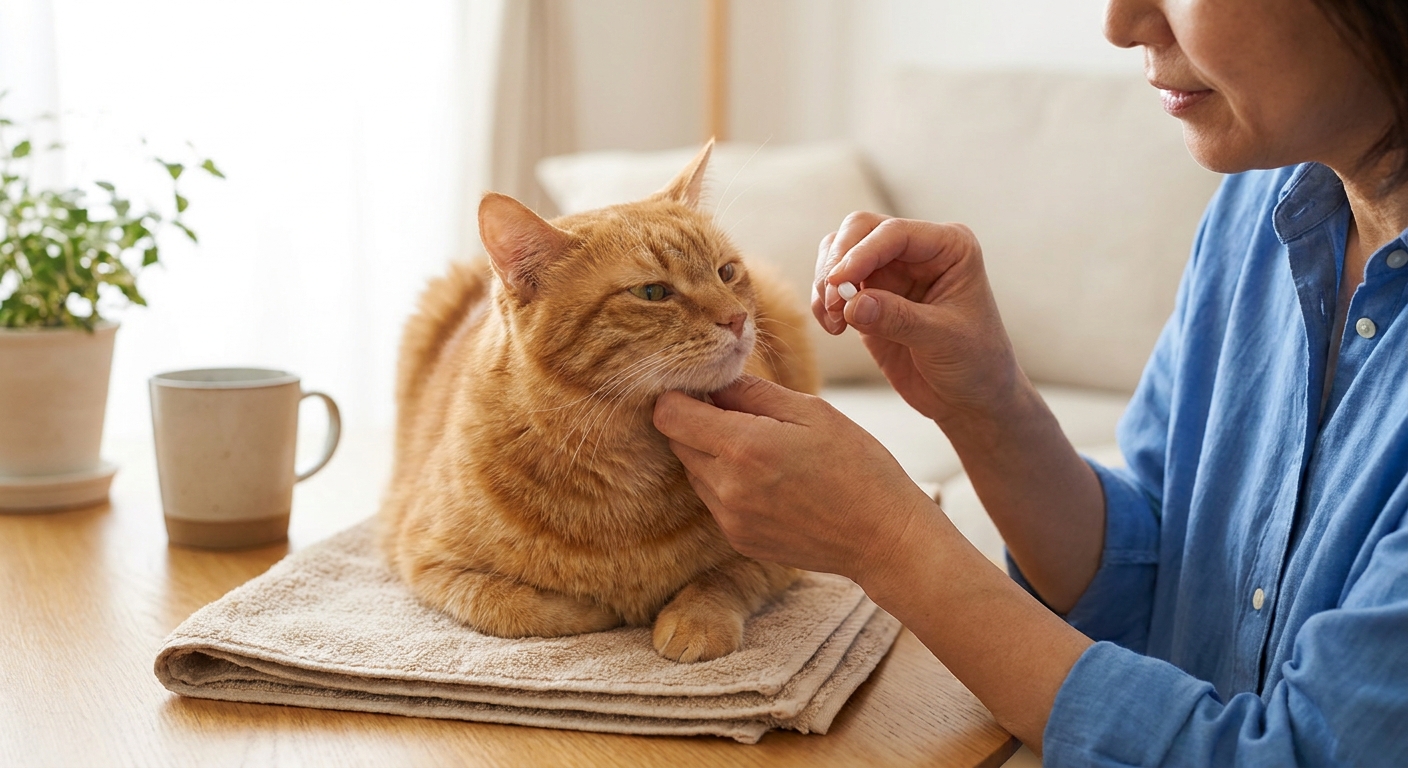
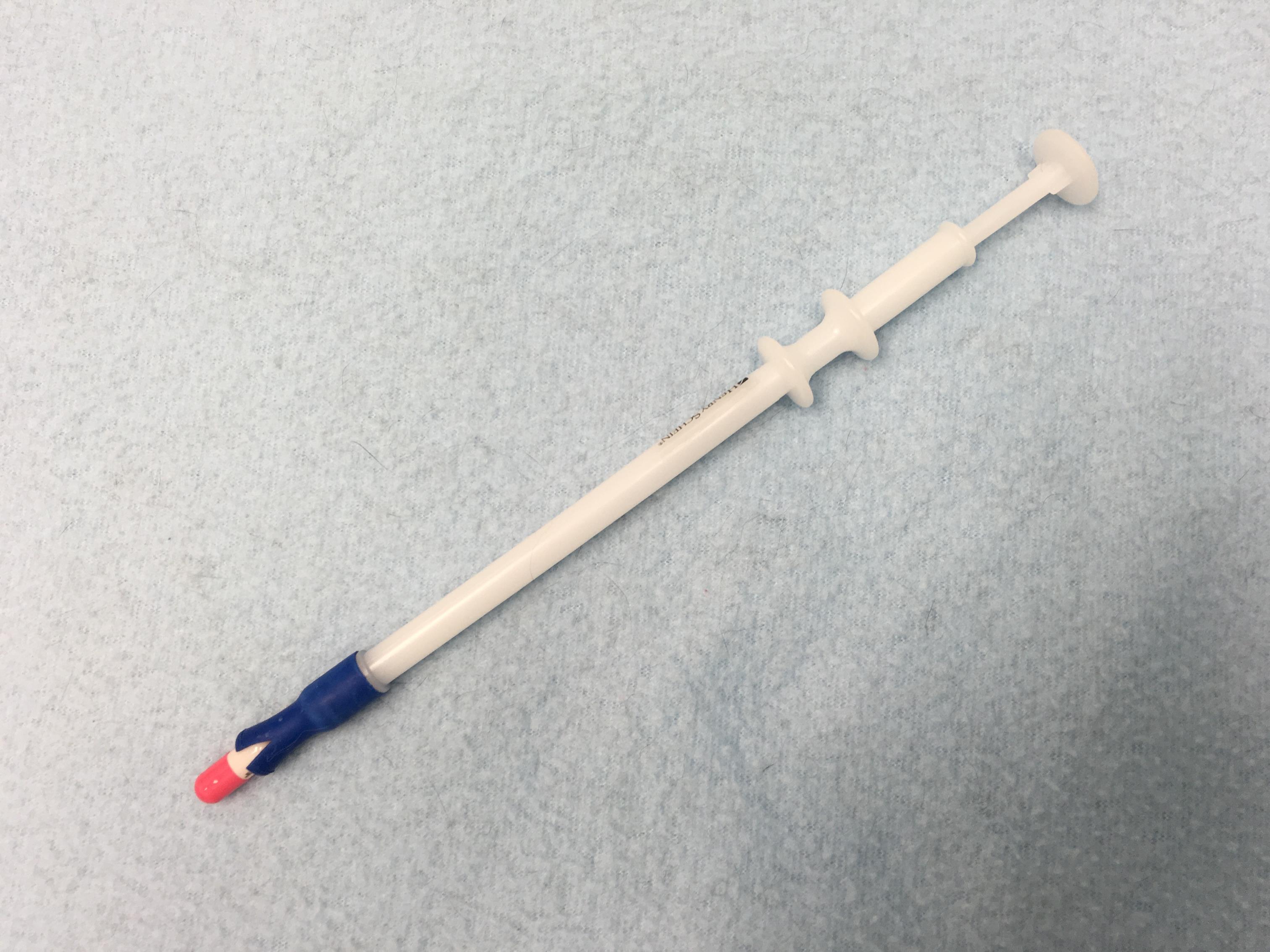
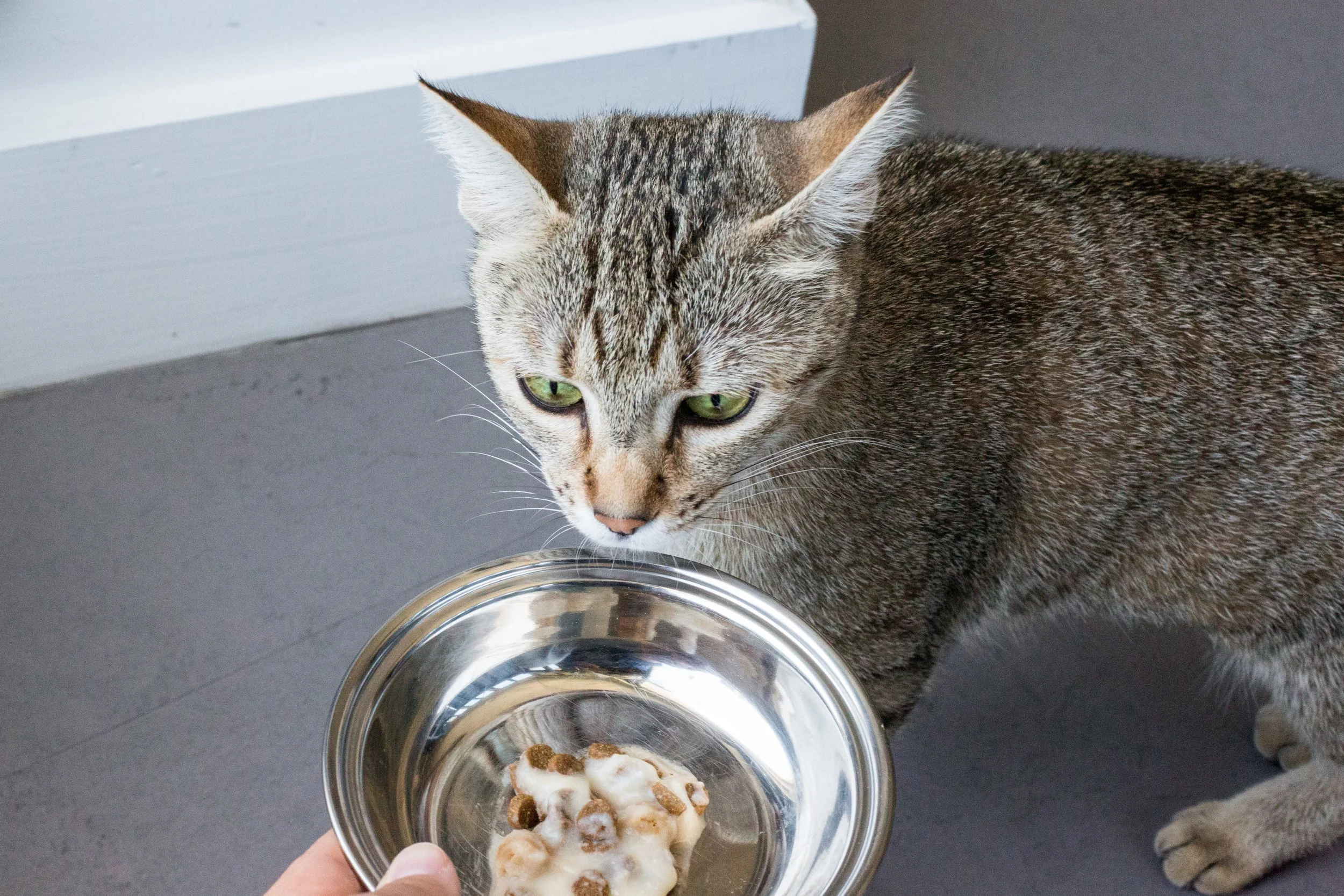
- Administration tips that fit your cat’s personality (pilling device, hiding in food when appropriate, or technique coaching)
- An in-clinic demo. Many clinics are happy to show you how to pill safely and calmly.
A step-by-step pilling guide can also help make the process less stressful. But if you’re at the point where you cannot safely medicate your cat, that’s not a failure. It’s a medical compliance problem your vet can solve with you.
Side effects
Many antibiotics can cause mild stomach upset because they affect normal gut bacteria as well as the infection you are targeting.
Common side effects to report
- mild decrease in appetite
- soft stool
- mild nausea, lip smacking, or drooling
- vomiting once
Even “mild” effects are worth a phone call if they persist, if your cat has other health issues, or if your cat is refusing food. And if your cat is a kitten, a senior, or has chronic disease (especially kidney disease or diabetes), ask for same-day advice if vomiting happens at all. Cats can get into trouble quickly when they stop eating, including a risk of hepatic lipidosis (fatty liver), particularly in overweight cats.
Call your vet promptly
- repeated vomiting or diarrhea
- not eating for a full day, or barely eating for more than a day
- marked lethargy or weakness
- pain, hiding, or a sudden behavior change
- worsening of the original symptoms
Seek emergency care now
- facial swelling, hives, or intense itchiness
- trouble breathing
- collapse or extreme weakness
- pale gums or blue-tinged gums
- continuous vomiting, blood in vomit, or bloody diarrhea
Those can be signs of a serious reaction or a rapidly deteriorating illness, and waiting it out can be dangerous.
Do not stop without calling
If you suspect your cat is having a bad reaction, your instinct may be to stop the medication immediately. Sometimes that is exactly what your veterinarian will tell you to do. Sometimes they will want you to continue until a replacement is ready. Either way, the safest path is to call first, unless you are seeing emergency signs like facial swelling or breathing trouble, in which case you should seek urgent care right away.
Leftover antibiotics
If you have leftover doses, do not keep them for future use. Ask your veterinary clinic or local pharmacy about a medication take-back program. If that is not available where you live, ask your clinic how to dispose of the medication safely. In general, do not flush antibiotics unless you are specifically instructed to do so.
When antibiotics were not the answer
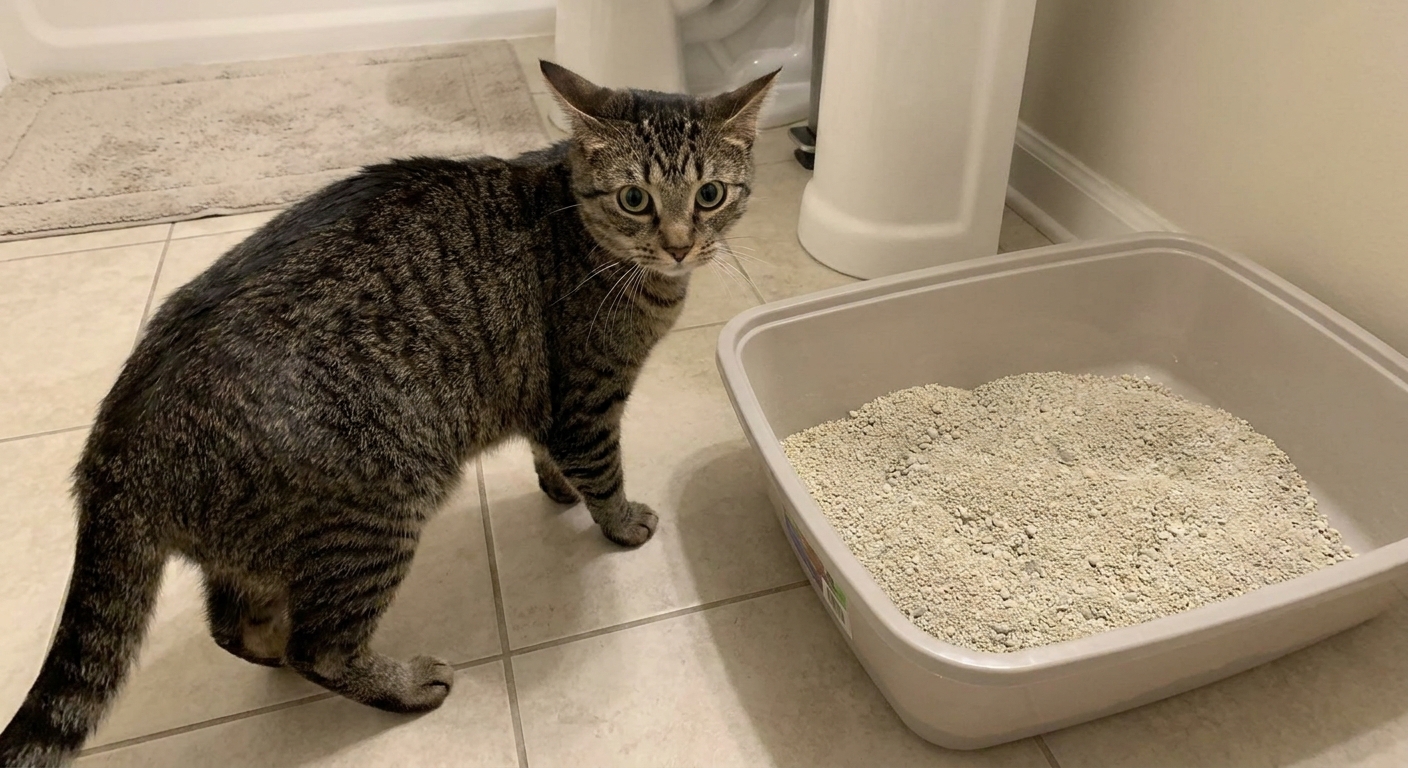
Sometimes symptoms look bacterial when they are not. One common example in cats is urinary signs. Straining, frequent trips to the litter box, and peeing outside the box can be caused by a true urinary tract infection, but they are often caused by feline lower urinary tract disease (FLUTD), which can be inflammatory or stress-related instead. If your cat is not improving as expected, or symptoms keep returning, that is a strong reason to recheck and make sure you are treating the right problem.
Calling the clinic
Calling can feel intimidating when you’re worried you did something wrong. I promise: clinics would rather help you adjust the plan than have you quietly stop treatment.
When you call, it helps to share:
- Your cat’s name and any medical conditions (kidney disease, diabetes, IBD, etc.)
- The antibiotic name on the label
- How many doses were given and whether any were missed
- What problem you’re treating (as you understand it)
- What’s happening now: improved, not improved, side effects, or medication refusal
- Eating, drinking, litter box changes (very helpful for triage)
If possible, take a quick video of concerning symptoms (coughing, open-mouth breathing, wobbliness, gagging). A short clip can help your vet decide whether your cat needs to be seen urgently.
FAQ
My cat seems cured after two days. Do I really need to keep going?
Usually, yes. Early improvement is common and expected, but it does not guarantee the infection is fully resolved. Finishing the prescribed course helps prevent relapse and may reduce the chance of harder-to-treat bacteria surviving.
What if I’m not even sure it was bacterial?
That’s a fair question. Some conditions that look infectious are actually inflammatory, allergic, viral, or stress-related. If you’re unsure why antibiotics were prescribed, call and ask your vet to explain the diagnosis and the goal of treatment. Understanding the “why” makes the “how” much easier.
Can I use leftover antibiotics later if the same symptoms come back?
No. Symptoms can look the same while the cause is different, and using leftovers can delay proper care or expose your cat to the wrong drug. Always check in with your clinic before restarting any prescription medication.
What if my cat drools or foams after a liquid antibiotic?
This can happen with bitter medications and does not always mean an allergy. Still, it is worth telling your clinic, especially if your cat is refusing future doses, vomiting, or acting unwell. Your vet may suggest a different formulation, flavor, or antibiotic.
The takeaway
In most cases, you really do need to finish your cat’s antibiotics. Stopping early can lead to relapse and, in some situations, may make future infections harder to treat. Extending a course on your own can be risky too.
If your cat seems better, keep going. If your cat cannot be medicated or is having side effects, call your clinic right away. There is almost always a safer, less stressful option than trying to push through alone.
And if you’re in the thick of it, take a breath. You’re not failing your cat by needing help. You’re advocating for them, and that is exactly what a good cat parent does.