I have fostered kittens since I was a kid, and I swear there is a universal cat rule: the smaller the cat, the bigger the opinion about taking a pill. My tortie, Clementine, can turn a simple tablet into a full-body protest. Waffles, my orange tabby, mostly looks betrayed and then tries to swallow the pill sideways. If you are reading this, you are probably in the same boat and wondering if a pill popper (also called a pill gun or pill dispenser) is the magic tool that finally makes meds doable.
They can help a lot, especially for protecting your hands and getting the pill past the front teeth quickly. But they are only “safer” when they are used correctly. Used poorly, a pill gun can poke the mouth, stress your cat out more, or even increase the risk of the pill going the wrong direction.
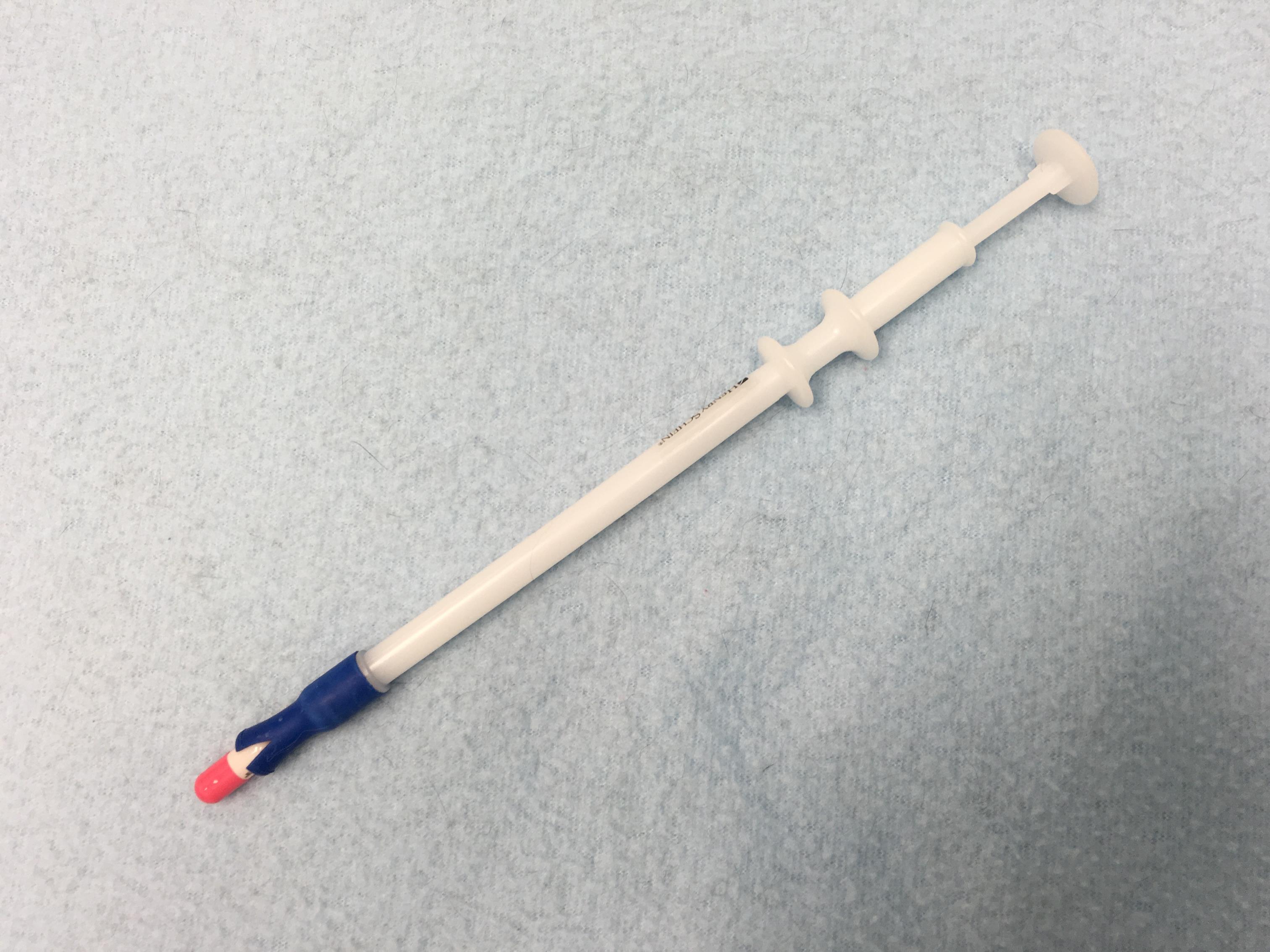
What are pill poppers and pill guns?
These names are used interchangeably for the same basic tool: a handheld device shaped a bit like a syringe that helps you place a pill at the back of your cat’s mouth without putting your fingers between their teeth.
- Barrel and plunger: You load the pill (or capsule) into the tip, then press the plunger to release it.
- Soft tip (ideally): Many have a rubber or silicone tip designed to reduce the risk of scraping the gums or palate.
- Some have a split “pill holder” tip: This grips the pill until you push the plunger.
They are most useful for cats who bite, cats who clamp their mouths shut, and owners who cannot safely or confidently place a pill by hand. They can also help when a medication must be given intact and cannot be crushed or hidden in food.
Do pill poppers actually help?
Often, yes. A pill popper can:
- Protect your fingers from bites and from getting scraped by sharp premolars.
- Speed up the delivery step so your cat has less time to spit the pill out or work it forward with their tongue.
- Help timid owners feel more confident, which usually makes the whole process calmer for the cat.
But it is not a magic wand. Cats can still:
- spit the pill out after you release it
- foam or drool if the medication tastes bitter
- get stressed by restraint if you rush or skip training
Think of a pill gun as a tool that improves your mechanics. It does not replace gentle handling, good timing, and a reward plan.
When a pill popper is a good idea
Usually a good idea if:
- You have been bitten or are worried about being bitten.
- Your cat will not allow fingers near their mouth.
- You need to give pills frequently (for chronic conditions).
- The pill cannot be crushed, compounded, or given with food.
Use extra caution or skip it if:
- Your cat is extremely fearful or reactive and restraint escalates them fast. In these cases, you may do better with medication alternatives or a clinic demo plus a training plan.
- Your cat has oral pain (stomatitis, severe dental disease, mouth ulcers) or has had recent oral surgery. Forcing the mouth open can be genuinely painful and can create long-term aversion.
- Your cat has trouble swallowing, is prone to gagging, or has known airway issues. You should ask your vet for guidance before attempting at home.
- Your cat is brachycephalic (flat-faced) or has known anatomy issues that make handling the mouth or swallowing harder. A quick clinic lesson can make a big difference.
If your cat is open-mouth breathing, blue-tinged at the gums, collapsing, or panicking to the point of hurting themselves, stop and call your veterinary clinic immediately.
How to use a pill popper safely
Here is the approach I taught adopters and foster volunteers when “fingers in the mouth” was not an option. Your goal is calm, quick, and accurate.
1) Prep everything first
- Load the pill in the tip. Test the plunger once with no cat around so you know how much pressure it takes.
- Ask your vet or pharmacist if the medication has special rules. Some pills should not be crushed, split, or given with food, and a few need extra care to avoid throat irritation.
- Have a small syringe of water ready if your vet says it is appropriate for your cat, plus a high-value reward (lickable treat or a small amount of wet food) for afterward.
- If your cat is a “wrestler,” set up a towel wrap station on a non-slip surface.
2) Choose a calm setup
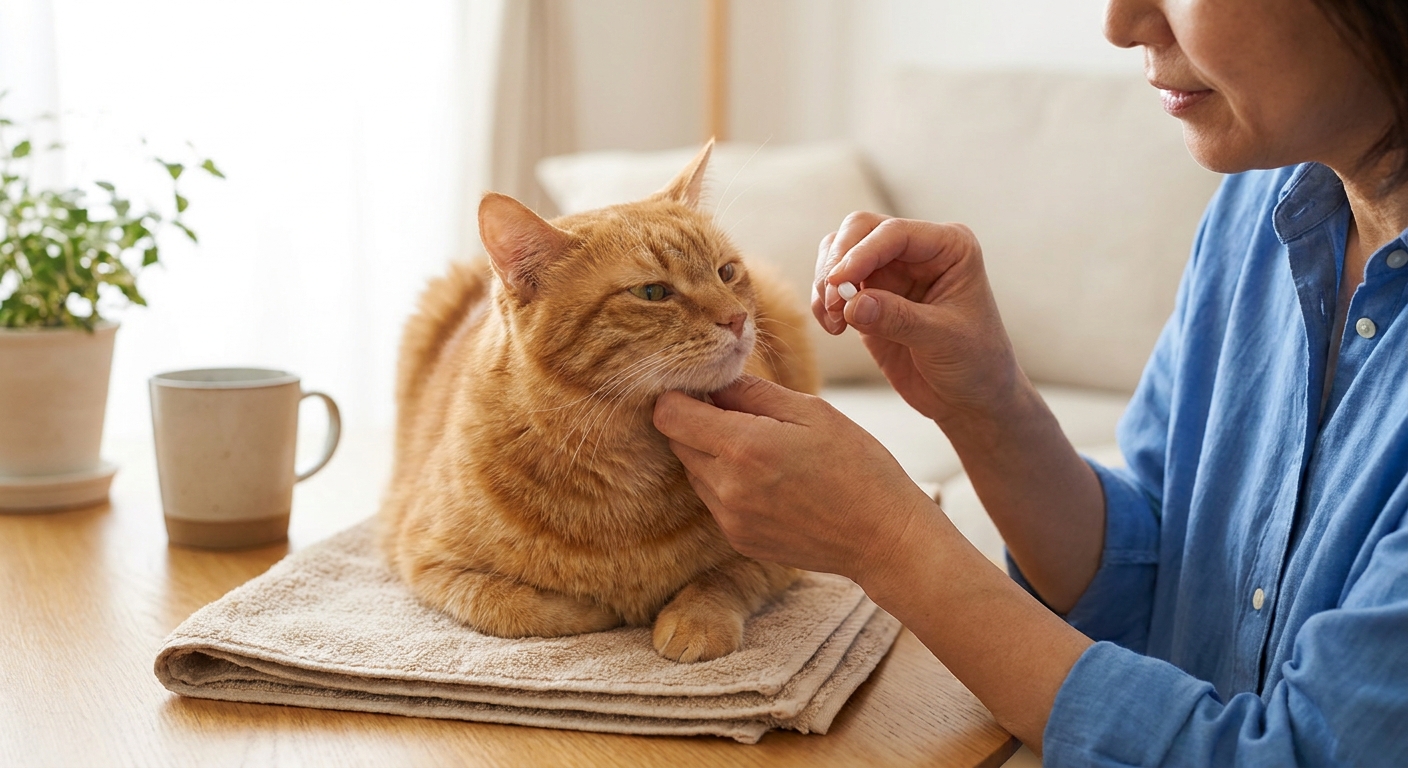
Pick a quiet room and minimize distractions (no barking dogs, no kids running through, no other pets hovering). Most cats do best when they are backed into a secure spot, like the corner of a couch, between your body and the armrest, or on a table with a towel. You want control without chasing.
3) Gently open the mouth
- Place your non-dominant hand over the top of your cat’s head, thumb on one side and fingers on the other, behind the canine teeth.
- Tip the head slightly upward, not cranked back.
- Use a finger to lower the jaw just enough to insert the pill popper tip. Avoid prying the mouth wide open.
4) Place the tip correctly
Aim for the center of the tongue, toward the back, but do not jam the device deep into the throat. The tip should go just past the front teeth and over the tongue so the pill is not immediately “scooped” back out.
5) Release the pill, then close the mouth
- Press the plunger smoothly to deposit the pill.
- Immediately remove the device.
- Close your cat’s mouth and hold it gently shut for a second or two.
6) Encourage swallowing
You can:
- Offer a small sip of water by syringe into the side of the mouth (cheek pouch), slowly, allowing them to swallow. Go drop by drop if needed, and do not squirt liquid into a struggling cat.
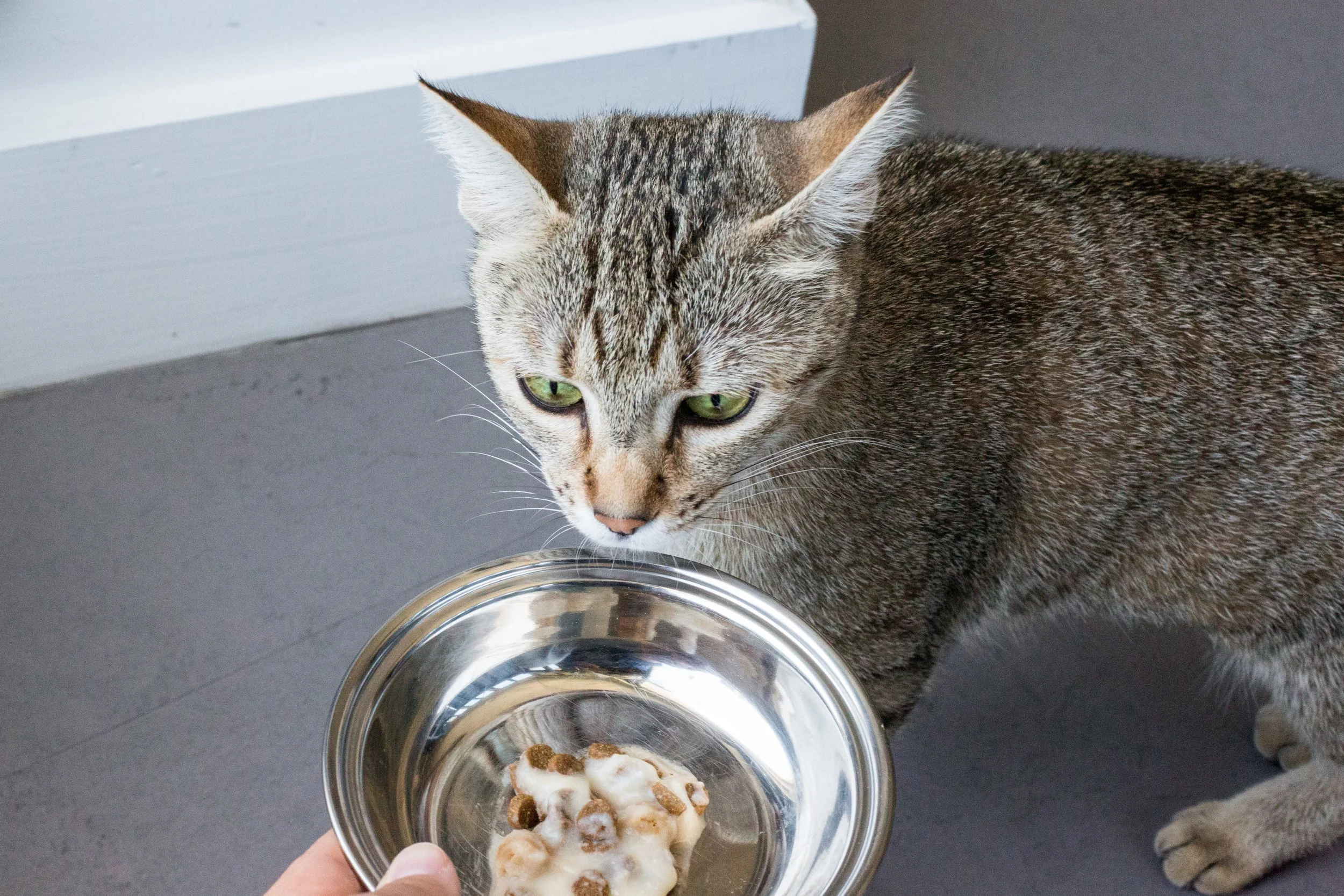
- Follow with a lickable treat or a small amount of wet food.
Why this matters: Pills can sometimes stick in the esophagus, especially if they are dry or start dissolving on the way down. Following with water or food helps the pill reach the stomach and can reduce irritation. If your vet has ever warned you about esophagitis risk with a medication, this step is not optional.
7) Confirm the pill is gone
Watch for a swallow and check for immediate lip-licking. If your cat is an expert at “pocketing” pills, you may need to gently open the mouth again to confirm it is not tucked in the cheek.

Common mistakes to avoid
- Pushing the device too far back. The goal is to place the pill on the back of the tongue, not to touch the throat. Forcing the tip deep can cause trauma and panic.
- Angling straight down the throat. You want the pill to land on the tongue so your cat can swallow naturally. A rushed, forceful angle increases the chance of gagging.
- Not practicing the plunger pressure. If you have to mash the plunger, you are more likely to jerk and poke the mouth.
- Using a cracked, rough, or hard-edged tip. Replace worn tips. Small abrasions inside the mouth hurt and can make future pilling much harder.
- Skipping the follow-up water or food. This is a big one, especially for pills that can irritate the esophagus.
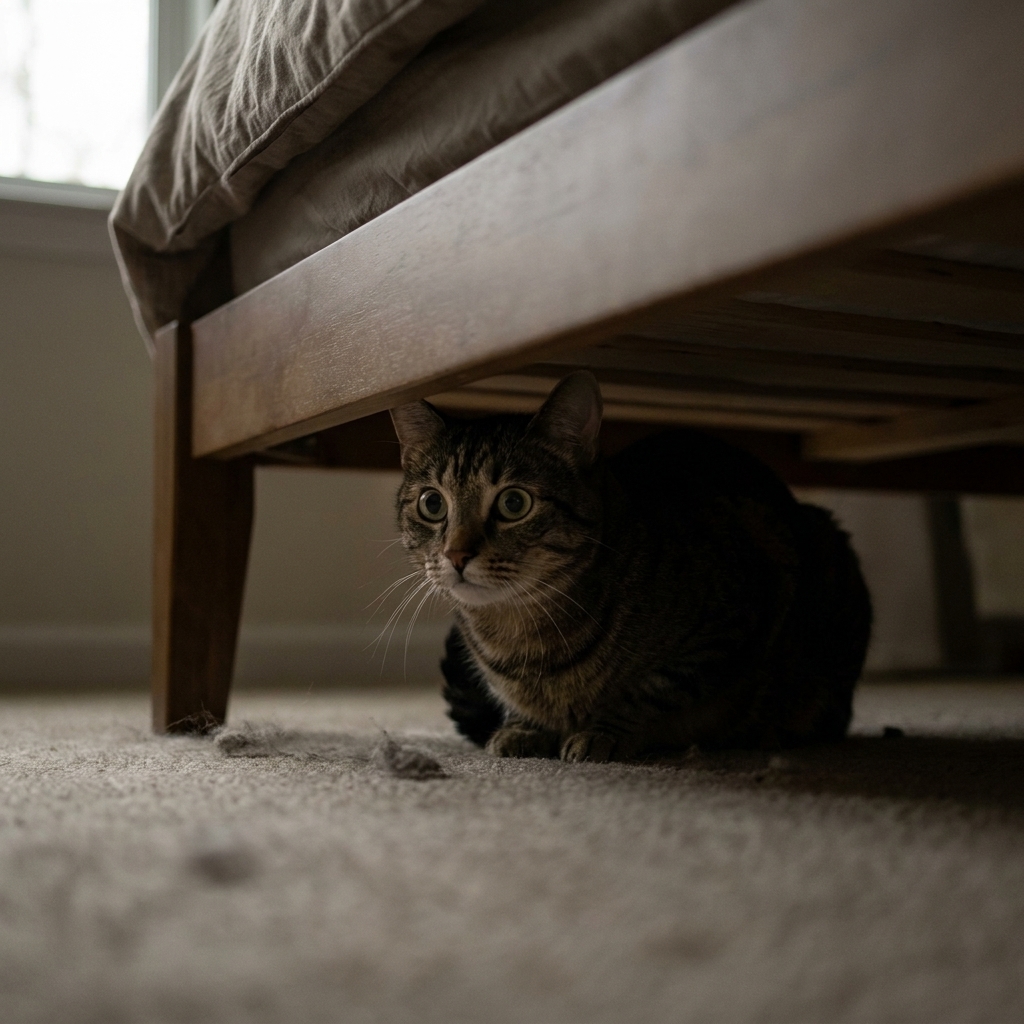
- Doing it when your cat is already stressed. If your cat is hiding, growling, or has dilated pupils and a twitching tail, pause and reset if you can. A calm setup saves you time long-term.
Risks to know about
Most cats tolerate a properly used pill popper just fine. The risks come from speed, poor placement, or struggling.
Mouth injury
The tip can scrape gums, the roof of the mouth, or the back of the tongue. Even minor soreness can create strong aversion next time.
Chipped tooth
If your cat bites down hard on a rigid device, there is a small risk of tooth damage, especially in cats with existing dental disease.
Stress escalation and handling aversion
If every medication attempt turns into a fight, many cats learn to fear hands, towels, and certain rooms. Then pilling gets harder and everyday bonding can take a hit.
Aspiration risk (the scary one)
Aspiration is uncommon, but it is serious. It can happen if a cat is actively struggling, if the pill is placed poorly and triggers coughing, or if liquid is syringed too quickly so it flows toward the airway. Aspiration can lead to pneumonia.
Stop and call your vet promptly if your cat has persistent coughing, wheezing, labored breathing, extreme lethargy, or won’t eat after a pilling attempt.
Pill popper vs other methods
There is no single “best” method. I pick the method that gets the full dose in with the least stress, while keeping everyone safe.
Pill popper
- Cat comfort: Often neutral to moderately stressful. Can be quick, which helps.
- Owner safety: Best for avoiding bites.
- Reliability: High if technique is good, but some cats still spit pills out.
Using fingers
- Cat comfort: Can be very fast in skilled hands, but some cats hate fingers in the mouth more than the tool.
- Owner safety: Highest bite risk.
- Reliability: High for experienced cat handlers, lower for beginners.
Hiding pills in treats or food
- Cat comfort: Often the least stressful when it works.
- Owner safety: Very safe.
- Reliability: Highly variable. Many cats learn to detect pills and then refuse the entire food, which can be a real problem for cats who need to keep eating.
If hiding pills in food is your plan, make sure the medication can be given that way. Some pills must be given on an empty stomach, and some should not be crushed or split. When in doubt, ask your clinic or pharmacist.
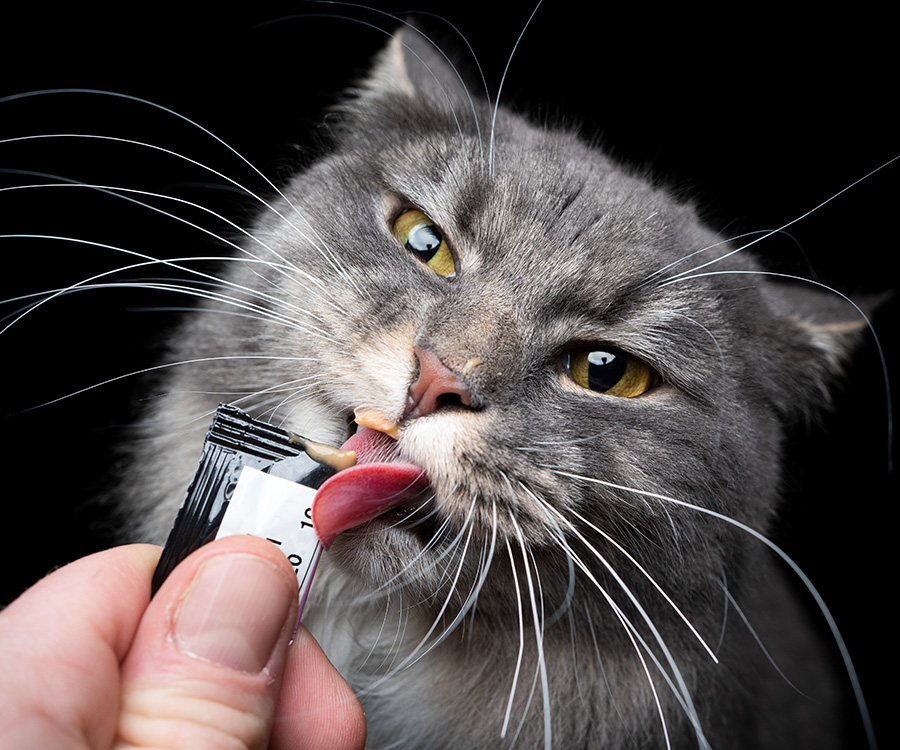
Make it more cat-friendly
- Pair the tool with good things. Leave the pill popper out (clean, unused) and offer treats nearby so it stops being a “bad omen.”
- Practice mock sessions. Gently touch the cheeks, lift the lip, then reward. Build tolerance in tiny steps.
- Use the smallest restraint that works. Some cats do better sitting normally than being wrapped. Others need a towel burrito to prevent flailing.
- Keep your timing tight. Calm approach, quick pill placement, immediate reward.
- Watch your cat’s body language. Ears sideways, tail thumping, growling, and wide pupils mean you are approaching threshold. Slowing down and using higher-value rewards can prevent a blowup.
Troubleshooting and cleaning
If your cat bites the device
- Stop, reset, and check the tip for damage. Do not keep going with a cracked or rough tip.
- Try a softer-tip model and a slower approach, or ask your clinic to demonstrate technique with your specific cat.
If the pill falls out before you can dose
- Dry the tip, then reload. A slightly damp pill can stick and drop early.
- If your popper has a split holder tip, make sure the pill is seated securely before approaching your cat.
How to clean a pill popper
- Wash with mild dish soap and warm water after each use, then rinse well.
- Let it air-dry completely.
- Replace it if it becomes sticky, cracked, rough, or hard to clean.
When to ask for a different form
If pilling at home is turning into a daily battle, it is not a moral failing. It is a logistics problem, and veterinary teams solve these all the time. Ask your clinic whether the medication is available in a different form, or if a different drug could work for the same condition.
Options your vet may offer include:
- Flavored liquid (easier for some cats, harder for others)
- Smaller tablets or capsules
- Chewable formulations for some medications, when an appropriate cat option exists
- Compounded flavored formulations from a compounding pharmacy, when appropriate
- Transdermal gel applied to the inner ear flap for certain medications (not available for all drugs, and absorption can vary)
- Long-acting injections for specific conditions and medications, when an injectable option exists
Also ask about anti-nausea support if your cat drools, foams, or vomits after pills. Sometimes the issue is not behavior. It is queasiness or a bitter medication taste causing a strong reaction.
Gel caps and bitter pills
If your cat foams dramatically with certain tablets, ask your vet or pharmacist whether the pill can be placed inside an empty gelatin capsule. This can reduce bitter taste in the mouth and make swallowing smoother. The capsule size needs to be appropriate for your cat, and not every medication is a good candidate, so it is worth checking first.
How to choose a safer pill popper
- Look for a soft, flexible tip (silicone or rubber).
- Choose a size that fits your cat’s mouth. Bulky barrels are harder to position gently.
- Avoid rough edges. Run your finger around the tip. If it feels sharp to you, it is too sharp for gums.
- Consider a model that holds the pill securely so it does not fall out on the way in.
- Keep it clean and replace it if it becomes cracked, sticky, or rough.
FAQ
Can a pill popper shoot the pill into my cat’s throat?
It can place it too far back if you insert the tip too deeply or press the plunger too forcefully. The safest approach is controlled placement: aim the pill onto the back of the tongue, then encourage a natural swallow with a slow, small water follow-up if appropriate and a reward.
My cat foams after I give a pill. Is that normal?
It can happen with bitter medications or when a pill starts dissolving in the mouth. Foaming is common but still a sign the experience is unpleasant. Ask your vet if the pill can be put in a gelatin capsule, compounded, or followed with food, and confirm it is safe to do so for that specific medication.
Should I lubricate the pill?
Sometimes a tiny amount of pet-safe food like a lickable treat can help a pill slide down, but you need to confirm the medication can be given with food. Avoid oils or butter unless your vet recommends it, and never use anything toxic to cats.
My cat keeps spitting the pill out even with a pill gun. What now?
Try placing the pill slightly farther back on the tongue (without pushing the device deep), immediately closing the mouth, and following with a lickable treat. If the pill is still being pocketed, ask your vet about smaller pills, capsules, or an alternative formulation.
The bottom line
Cat pill poppers and pill guns can absolutely help, especially if you are worried about bites or you need a more consistent way to place the pill quickly. The key is gentle handling, correct placement, and a swallow helper like food, and sometimes a small amount of water given slowly if your vet says it is appropriate for your cat.
If your cat is panicking, getting injured, or you are dreading every dose, loop your clinic in. There is almost always another option, and finding a plan your cat can tolerate is part of good medical care, not an afterthought.