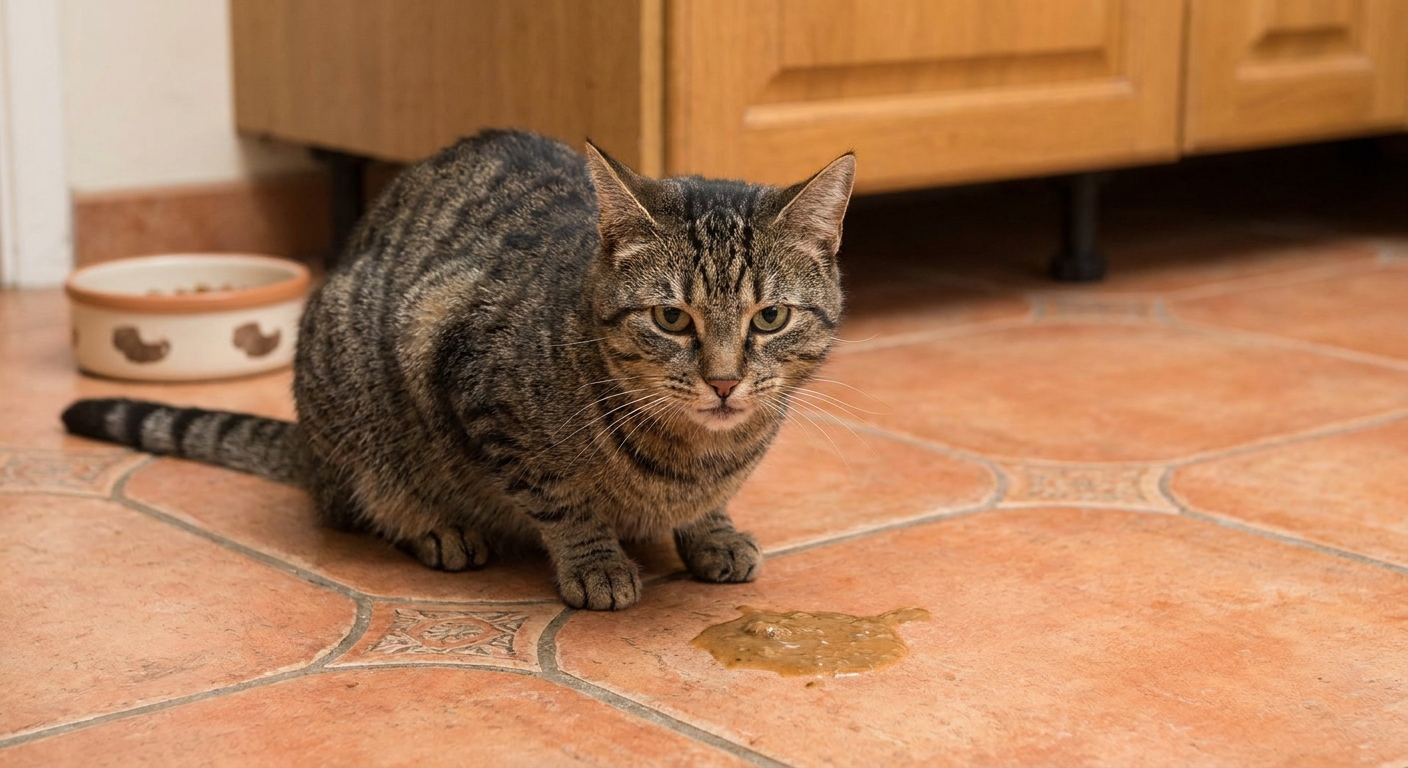
I have cleaned up more “mystery puddles” than I care to count, both in kitten foster rooms and in my own house (Clementine once left me a very pointed message next to the litter box after a new treat experiment). Diarrhea is common in cats, but it is not something to ignore, because cats can dehydrate faster than most people realize.
This guide will help you tell the difference between a one-off soft stool and true ongoing diarrhea, sort through likely causes you can recognize at home, and know exactly when it’s time to call your veterinarian. I’ll also share what information helps your vet the most, because the details really matter here.
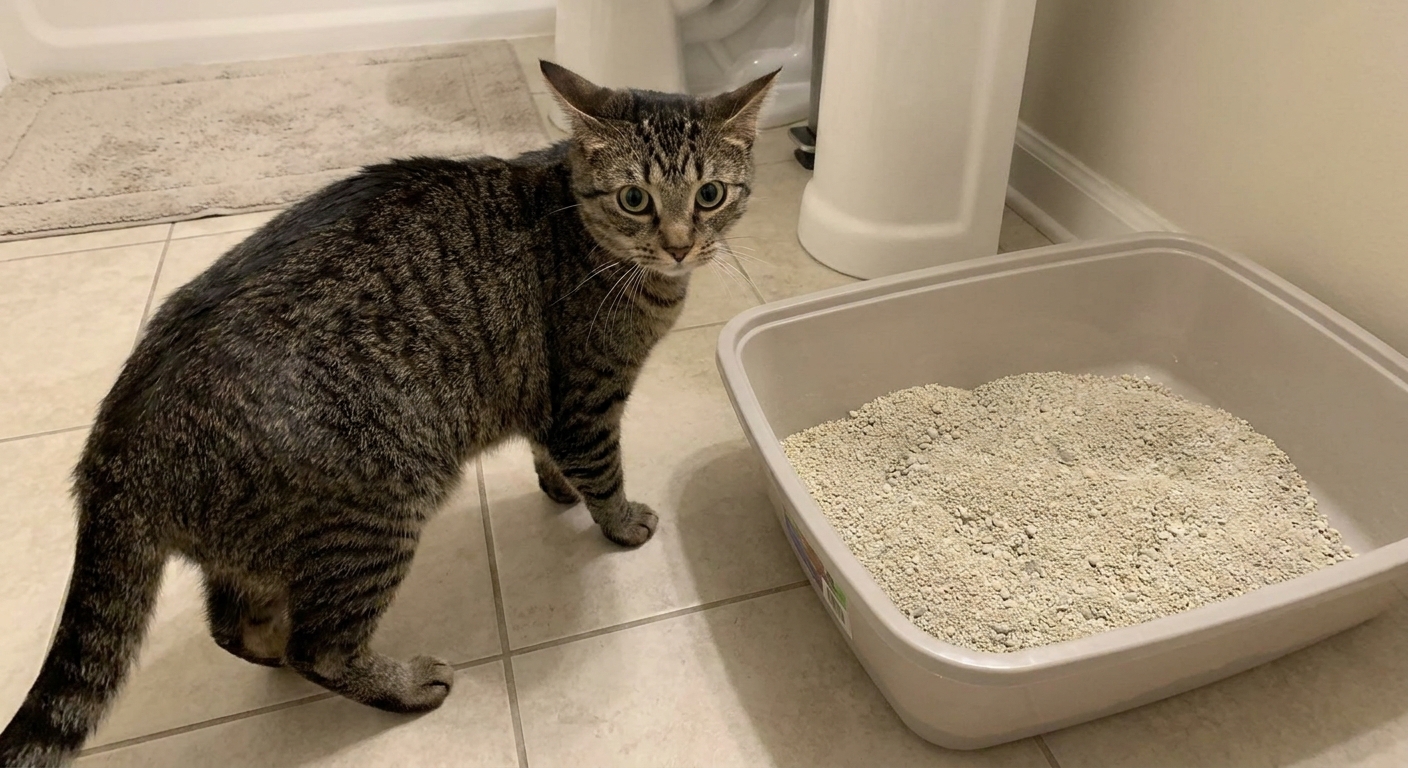
Soft stool vs diarrhea: what counts?
A single softer-than-usual stool can happen in an otherwise healthy cat and may resolve on its own. Diarrhea is more like a pattern: loose or watery stool that repeats, often with urgency or accidents outside the box.
Signs it may be a one-time upset
- One soft stool, then back to normal in the next bowel movement
- Cat is bright, eating, drinking, and acting normal
- No vomiting
- No blood or black, tarry stool
Signs it is ongoing diarrhea
- Two or more loose stools in 24 hours, especially watery stool
- Accidents, dripping stool, or not making it to the box in time
- Mucus on stool (a slimy coating)
- Straining, frequent small stools, or vocalizing in the box
- Diarrhea that lasts more than 24 to 48 hours
Quick note on appearance: Large volumes of watery stool often point to small intestine issues. Frequent small amounts, mucus, and urgency often point to large intestine irritation. Either way, your cat can feel miserable, and your vet can use these clues.
Common, recognizable causes at home
There are many possible causes of diarrhea, and sometimes more than one is happening at the same time (for example, stress plus a dietary slip-up). Here are the big ones cat parents tend to run into.
1) Sudden food change or new treats
Cats have sensitive GI tracts, and abrupt changes can overwhelm their digestion. This includes:
- Switching brands or flavors
- Switching between wet and dry
- Introducing rich treats, toppers, or “broths”
- Trying dairy, tuna juice, or other “just a little bit” extras
If diarrhea started within 6 to 48 hours of a diet change, this is high on the list.
2) Table scraps, people food, or trash snacks
Fatty foods, spices, onions and garlic, and leftovers can all cause GI upset. Some cats also get into:
- Grease pans, butter wrappers, or meat packaging
- Dog food (often richer than cat food)
- Plants, string, or other non-food items
If you suspect your cat may have eaten something unsafe, call your vet, even if the diarrhea seems mild. It changes the risk calculation.
3) Hair ingestion and mild irritation
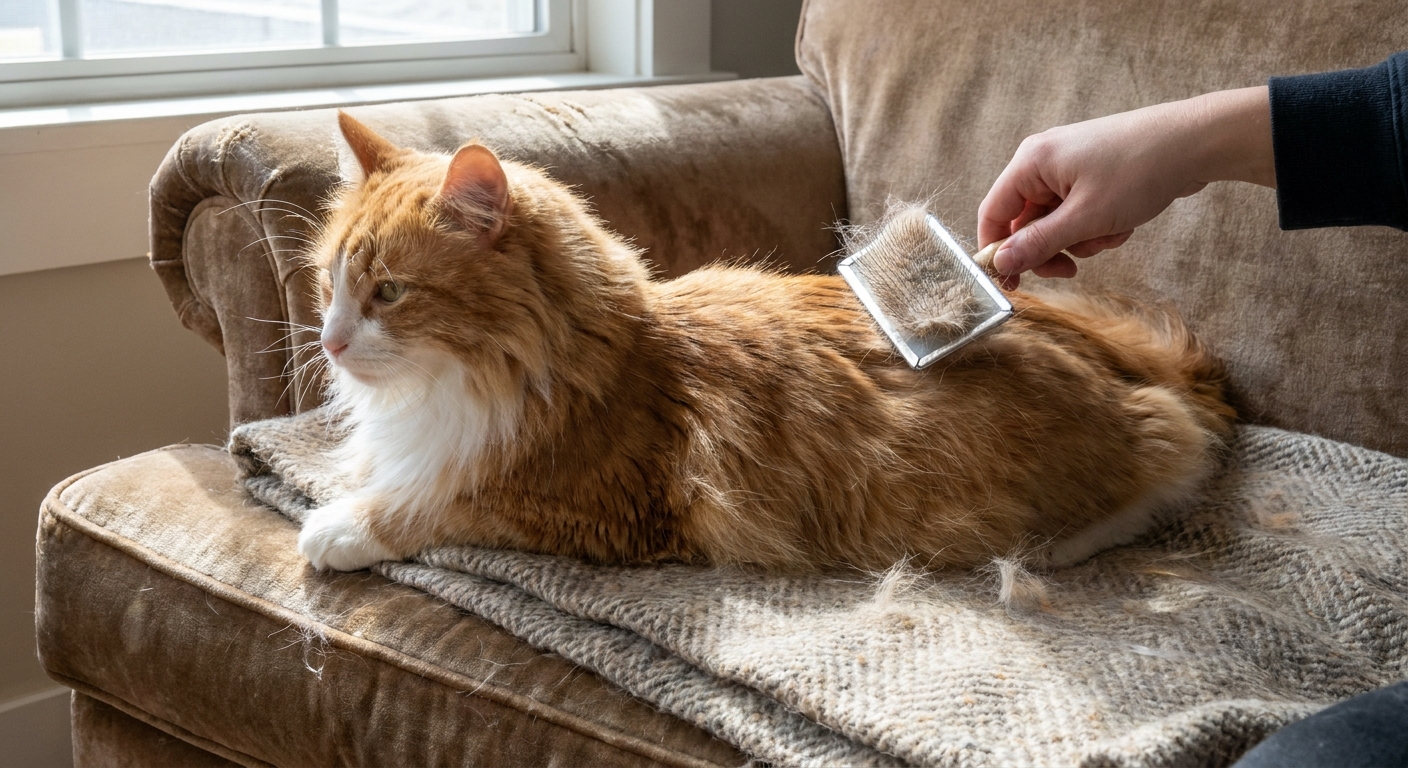
Hairballs do not only come up as vomiting. Excess hair can pass through and irritate the gut, leading to soft stool or mucus. This is more common during shedding seasons and in long-haired cats.
4) Parasites (even indoor cats can get them)
Intestinal parasites are a very common cause of diarrhea, especially in kittens, new rescues, and multi-cat homes. The usual suspects include roundworms, hookworms, coccidia, and Giardia.
Clues that raise my suspicion:
- New kitten or newly adopted cat
- Diarrhea with mucus or a strong odor
- Poor weight gain or a pot-bellied look (especially kittens)
- Occasional vomiting
- Other pets in the home with GI symptoms
Important: Many parasites are not visible in stool. A fecal test is how you get answers, and treatment should always come from your veterinarian.
5) Stress or routine changes
I have seen stress diarrhea in foster cats after moves, noisy home renovations, schedule changes, new pets, or even just a tense household week. Stress can speed up intestinal movement, so stool comes out loose.
Common triggers:
- Moving homes or traveling
- New litter, new litter box location, or a new type of box
- Boarding or house guests
- Conflict with another pet
- Construction noise
6) Antibiotics or other medications
Some medications can cause diarrhea by altering gut bacteria or irritating the GI tract. If diarrhea started after a new medication, call your vet for guidance. Do not stop prescription meds without veterinary advice.
7) Food sensitivity or inflammatory bowel disease
When diarrhea becomes recurrent (on and off for weeks) or chronic (lasting longer than 2 to 3 weeks), longer-term conditions move up the list. Food sensitivities can cause soft stool, mucus, gas, or vomiting. Inflammatory bowel disease and other intestinal disorders can also be involved.
8) Infection or broader illness
Diarrhea can be part of viral or bacterial infections, pancreatitis, hyperthyroidism, liver or kidney disease, and more. You cannot diagnose these at home, but you can watch for red flags and provide your vet with a clean timeline of symptoms.
Watch-and-wait: when home monitoring is reasonable
If your cat is an otherwise healthy adult and has mild diarrhea but is bright, eating, and drinking, it is sometimes reasonable to monitor briefly while you contact your vet for non-urgent guidance.
Generally reasonable to monitor for 24 hours (and call if it worsens)
- One to two soft stools, not pure water
- No blood, no black tarry stool
- No vomiting
- Normal energy and appetite
- No known toxin exposure, no string ingestion, no recent foreign body risk
What you can do safely at home
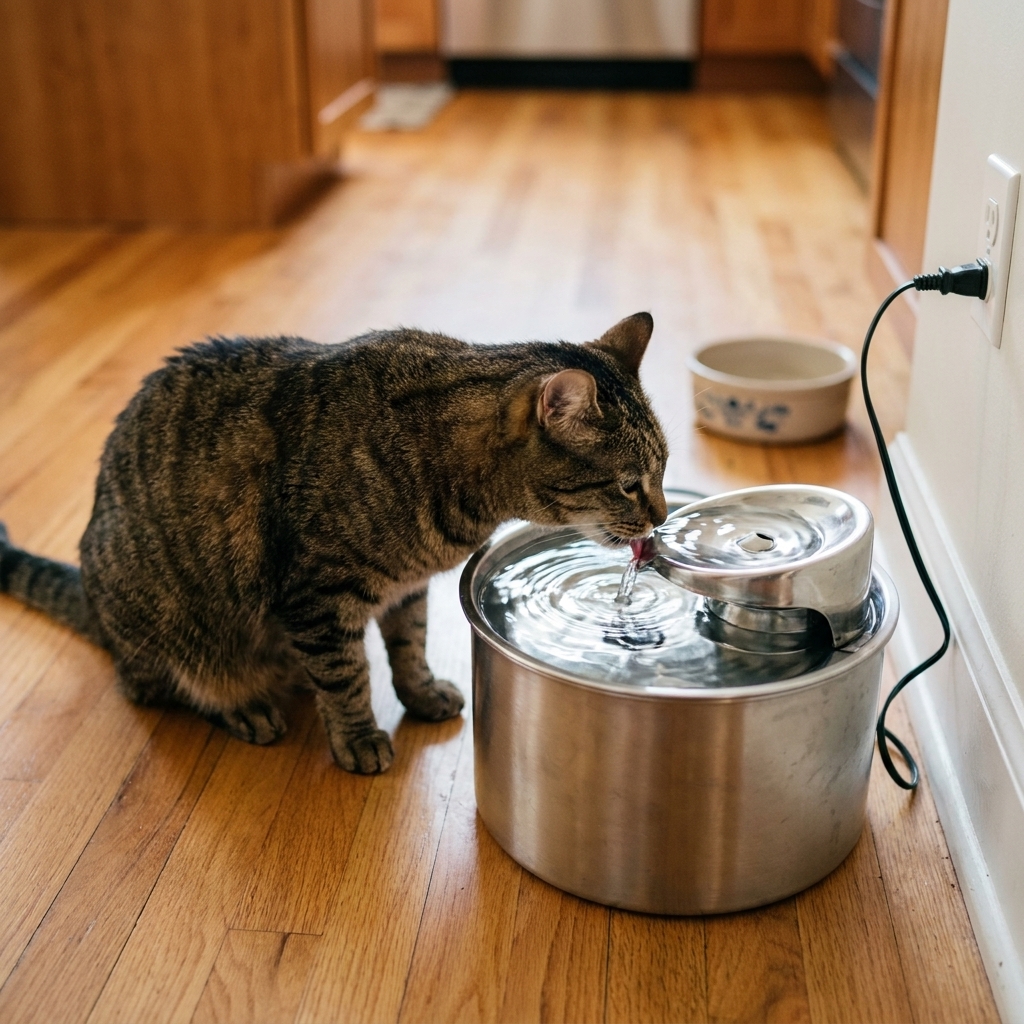
- Hydration check: Make sure fresh water is available. Watch that your cat is actually drinking.
- Keep them comfortable: Extra litter boxes and easy access help prevent accidents.
- Pause new foods: Stop any new treats, toppers, or table scraps.
- Document everything: Frequency, appearance, appetite, water intake, and any vomiting.
What not to do: Do not give over-the-counter anti-diarrheal medications or human remedies unless your veterinarian specifically instructs you to. Cats are not small humans, and some medications can be dangerous or mask a serious problem.
Same-day vet red flags
I would rather you feel “a little dramatic” calling your vet than wait too long. Diarrhea can turn serious quickly in vulnerable cats.
Call your vet the same day (or go to urgent care) if you notice:
- Kittens with diarrhea, even if they seem playful
- Seniors or cats with chronic disease (kidney disease, diabetes, hyperthyroidism)
- Repeated watery diarrhea or diarrhea lasting more than 24 to 48 hours
- Vomiting with diarrhea
- Lethargy, hiding, weakness, or collapse
- Not eating or drinking noticeably less
- Blood in stool (bright red streaks or clots)
- Black, tarry stool (can indicate digested blood)
- Dehydration signs like dry gums, sunken eyes, or tacky saliva
- Pain such as crying, a tense belly, or repeated trips to the box with little produced
- Known or suspected toxin exposure or eating string, ribbon, bones, or other foreign material
- Very high frequency diarrhea that you cannot keep up with cleaning, because the fluid loss can be significant
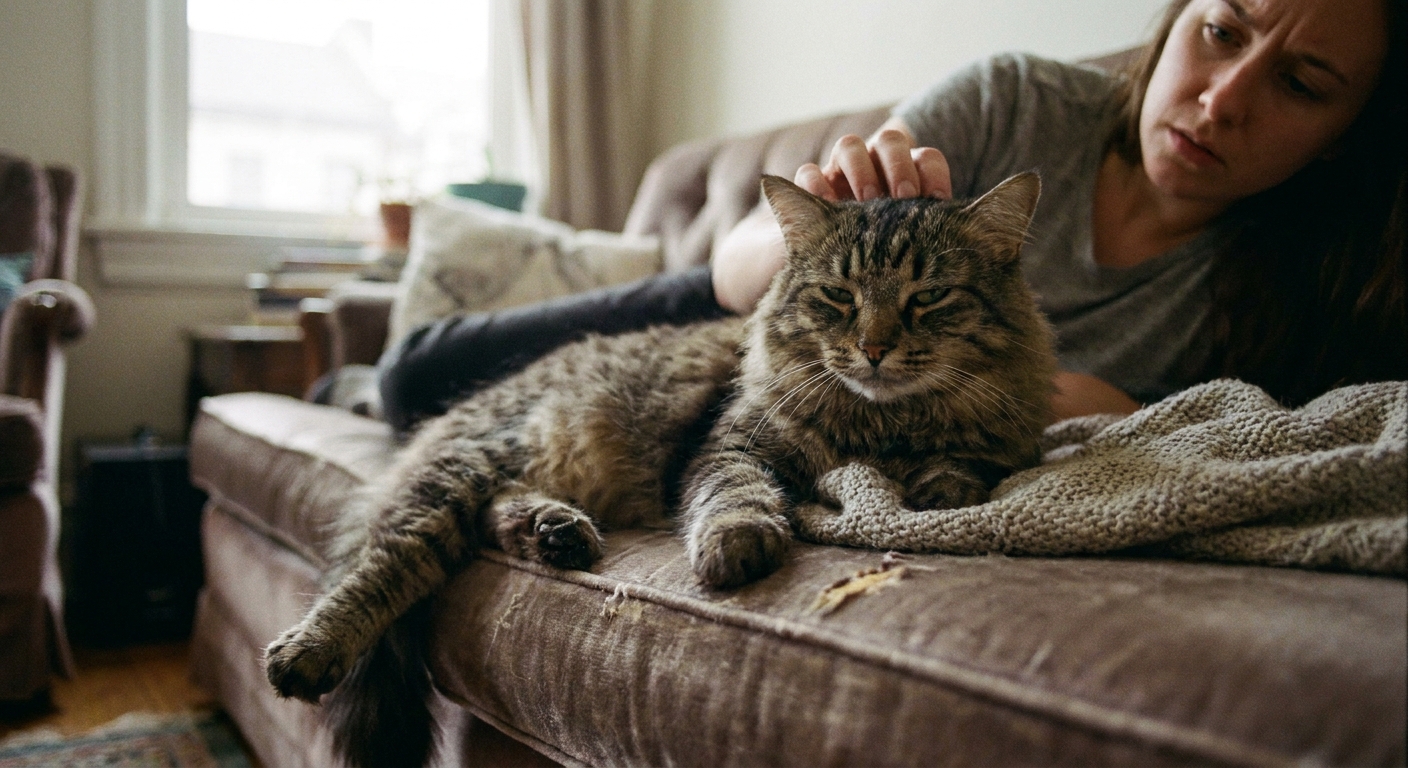
What your vet will want to know (and what to bring)
When I was coordinating fosters, I learned that a few specific details can shave days off the trial-and-error process.
Helpful details to write down
- When the diarrhea started and how many episodes per day
- Stool consistency (soft, pudding-like, watery), color, and any mucus
- Any vomiting, appetite changes, or behavior changes
- Diet details, including treats and any recent food change
- Any new medications, supplements, or flea and tick products
- Exposure risks: new pets, boarding, recent adoption, outdoor access, hunting, or drinking from puddles
If you can, bring a fresh stool sample
Your clinic can tell you how they prefer it packaged. In general, a small, fresh sample in a clean container can be very helpful for parasite testing. If you cannot collect one, do not panic. Your vet still has options.
If it is safe and not too stressful, a clear photo of the stool can also help your vet understand what you mean by “watery” or “mucus.”
Preventing future diarrhea episodes
You cannot prevent every upset stomach, but you can reduce the odds.
- Transition foods slowly: When switching diets, mix the new food in gradually over 7 to 10 days, longer for sensitive cats.
- Limit rich extras: Treats should be a small part of total calories. Avoid sudden “new treat” marathons.
- Routine parasite screening: Especially for kittens, newly adopted cats, and cats in multi-cat homes.
- Reduce stress: Predictable feeding times, adequate litter boxes, and safe hiding spots make a big difference.
- Grooming support: Regular brushing, especially for long-haired cats, can reduce hair ingestion.
FAQ
How long is too long for cat diarrhea?
In an adult cat who is otherwise acting normal, I get concerned when diarrhea lasts more than 24 to 48 hours, or sooner if it is watery or frequent. If your cat is a kitten, senior, or has other health issues, call the same day.
Can stress really cause diarrhea in cats?
Yes. Stress can alter gut movement and the gut microbiome, leading to loose stool. The tricky part is that stress can also make underlying issues flare, so persistent or recurrent diarrhea still deserves a vet conversation.
My cat has diarrhea but seems fine. Should I still call?
If it is mild and brief, monitoring can be reasonable. But if it repeats, becomes watery, lasts beyond a day or two, or you see any red flags like blood, vomiting, or lethargy, call your vet promptly.
Should I give my cat a probiotic?
Some cats benefit from vet-recommended probiotics, but the right product and timing depend on the cause. Ask your veterinarian before starting anything new, especially if your cat is sick, very young, or on medications.
The bottom line
Most of the time, diarrhea is your cat’s way of saying, “Something is off in my gut.” Sometimes it is a simple dietary misstep that resolves quickly. Other times it is a sign of parasites, infection, or a bigger health issue that needs treatment.
If your cat is young, old, not themselves, dehydrated, vomiting, or you see blood, treat it as urgent and call your veterinarian the same day. And if you are on the fence, call anyway. In my experience, quick guidance is almost always easier and cheaper than playing catch-up later.