If you want a concrete number up front: in the US, a first cat often costs about $1,000 to $3,500 in the first year, then $80 to $250 per month after that, depending on your cat’s health, your area, and whether you buy premium food and litter.
The first year can cost more because it includes setup gear, an initial exam and any vaccines your cat still needs.
The main cost ranges at a glance (US)
Use local prices for your budget. Ask nearby clinics for routine-care quotes and price the supplies you plan to buy.
- Adoption fee: $0 to $400+ (kittens and private rescues can run higher in some markets)
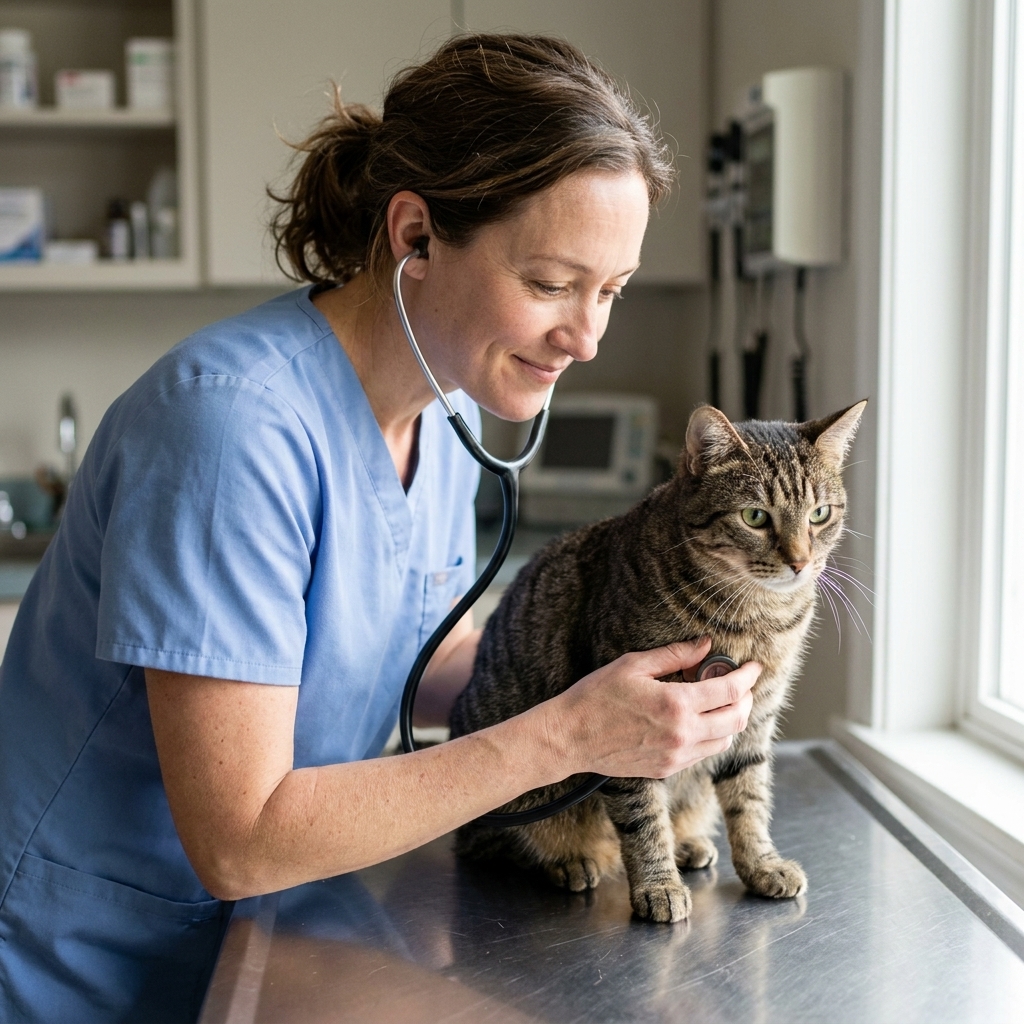
- Initial vet visit (exam): $75 to $150
- Vaccines and boosters (first year): $50 to $300+ (often higher for kittens, and may not include exam or visit fees)
- Spay/neuter: often included with adoption, otherwise commonly $150 to $800+ depending on your area
- Startup supplies: $200 to $700
- Food (monthly): $30 to $100+
- Litter (monthly): $15 to $40+
- Routine wellness care (averaged monthly): $10 to $35+ (annual exam, occasional vaccines, and sometimes labs)
- Parasite prevention (monthly, if recommended): $0 to $30+
- Emergency fund (recommended monthly saving): $25 to $100+
That last line matters. The most peaceful cat budget is the one that assumes life happens.
One-time startup costs
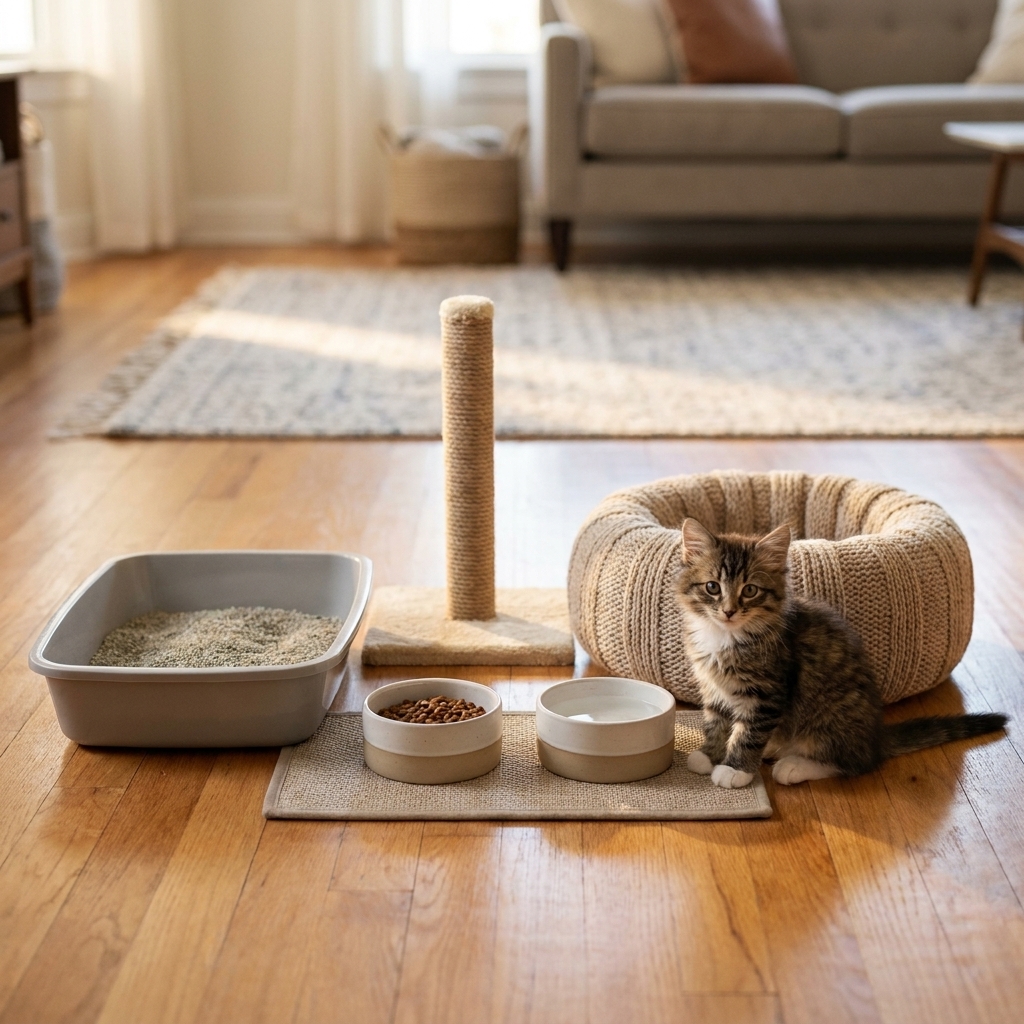
Start with the basics, including a litter box, a carrier and a place to scratch.
Essentials to plan for
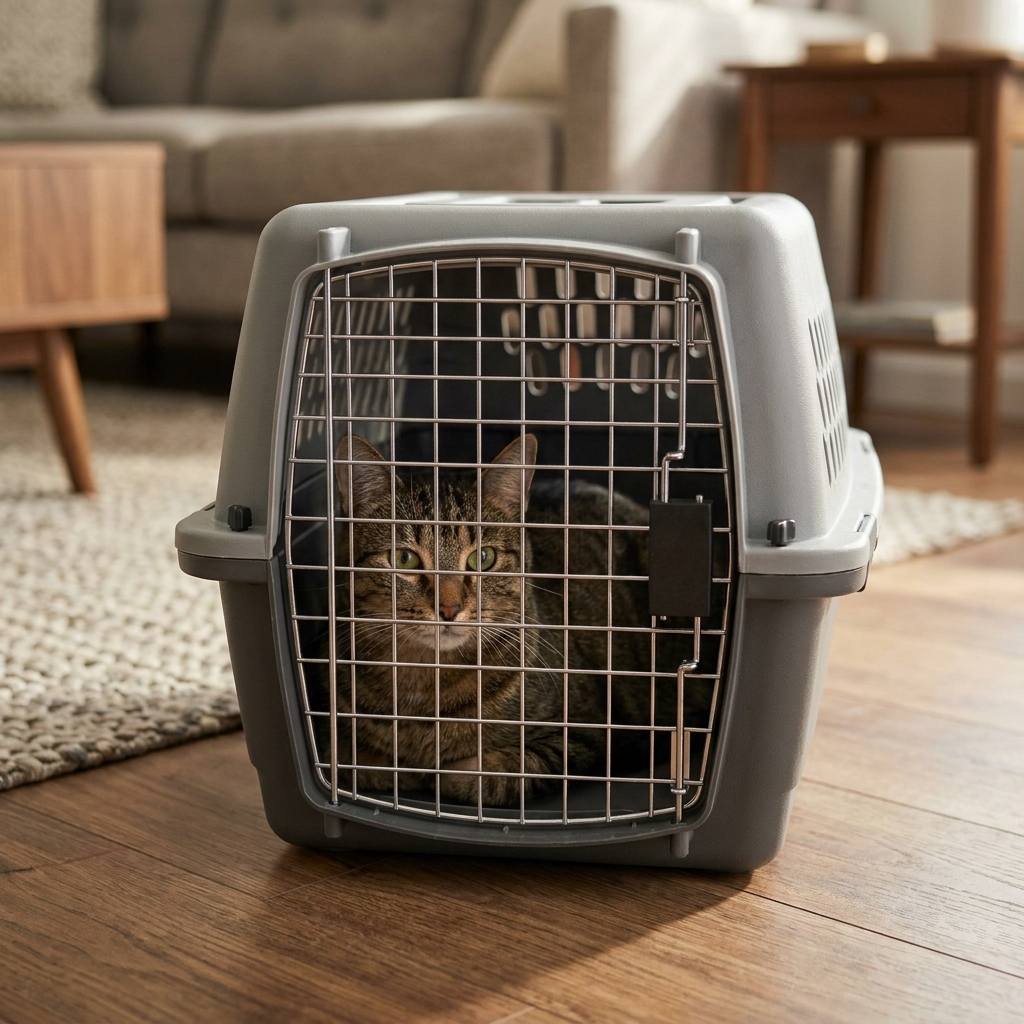
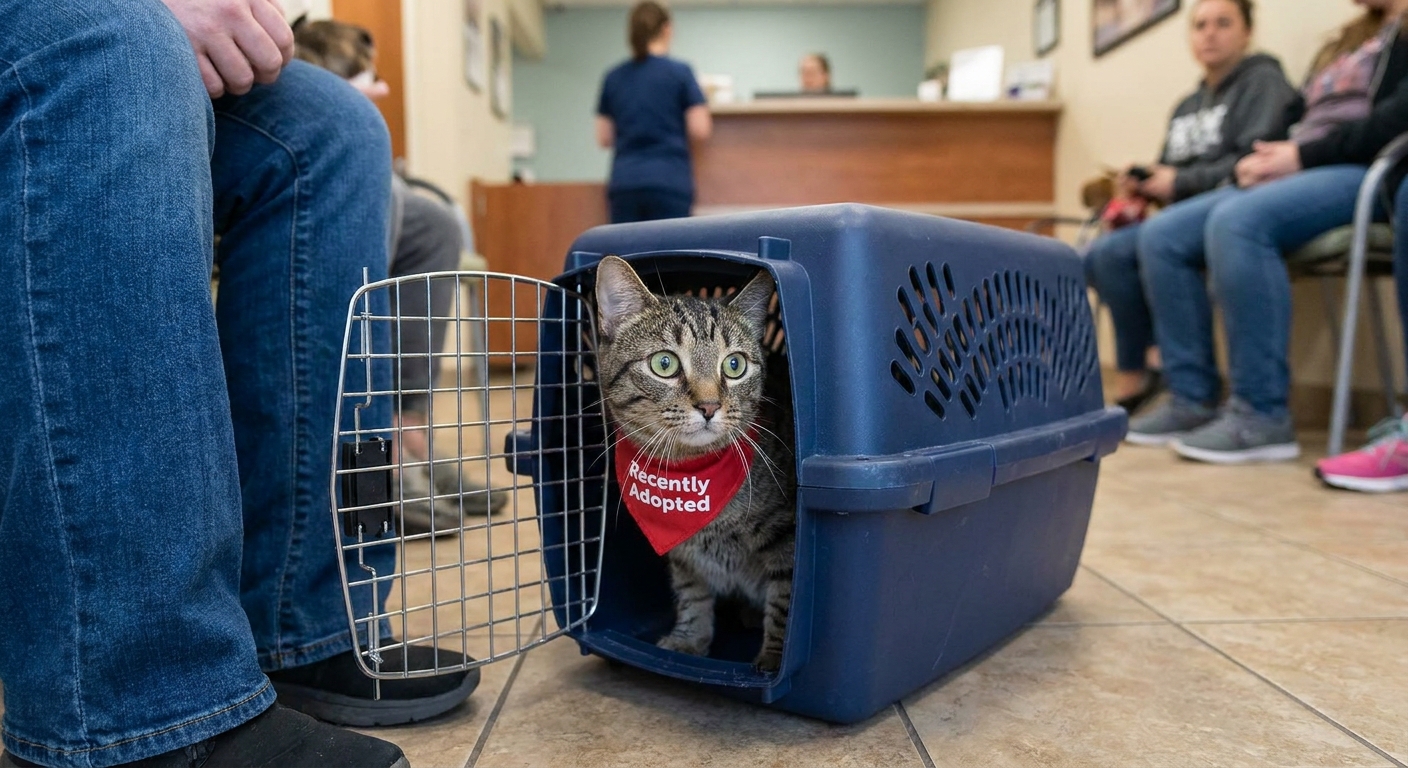
- Carrier: $25 to $80 (hard-sided tends to be sturdier and easier to clean)
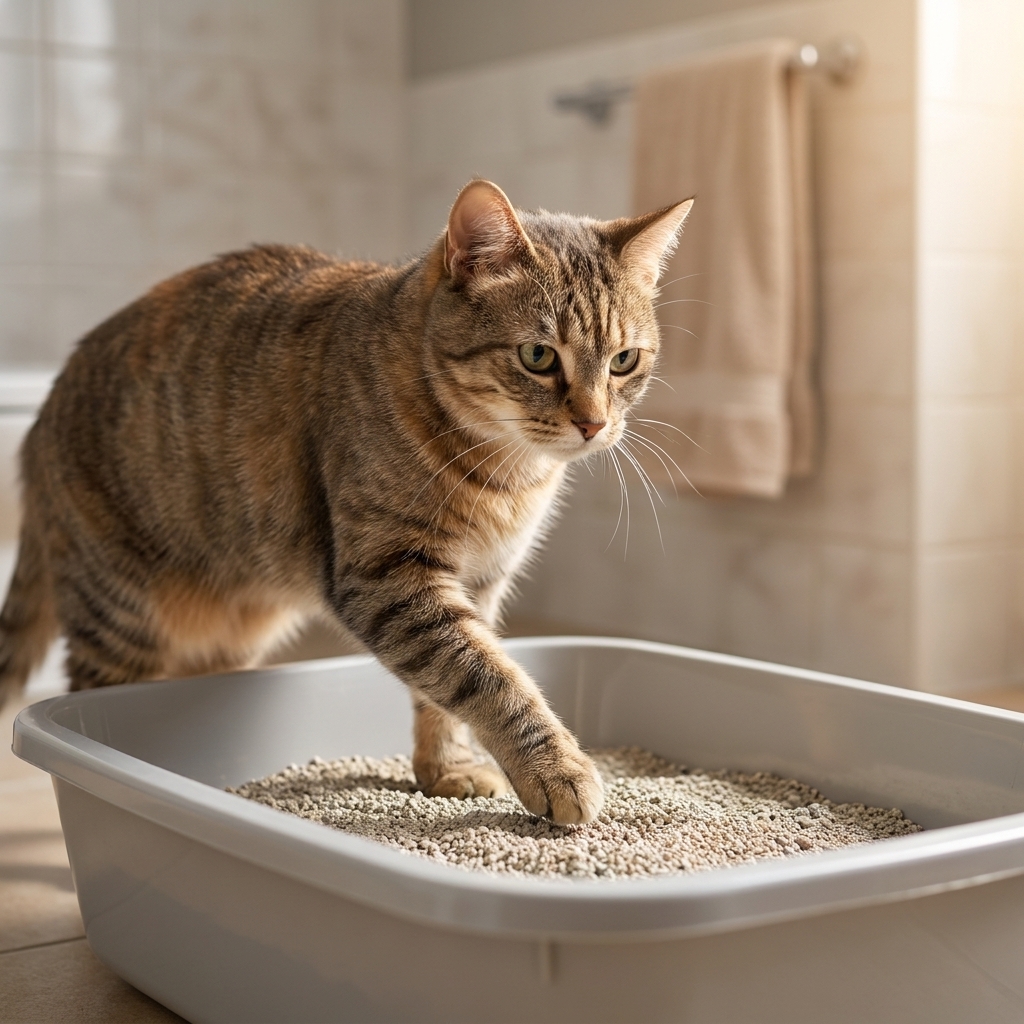
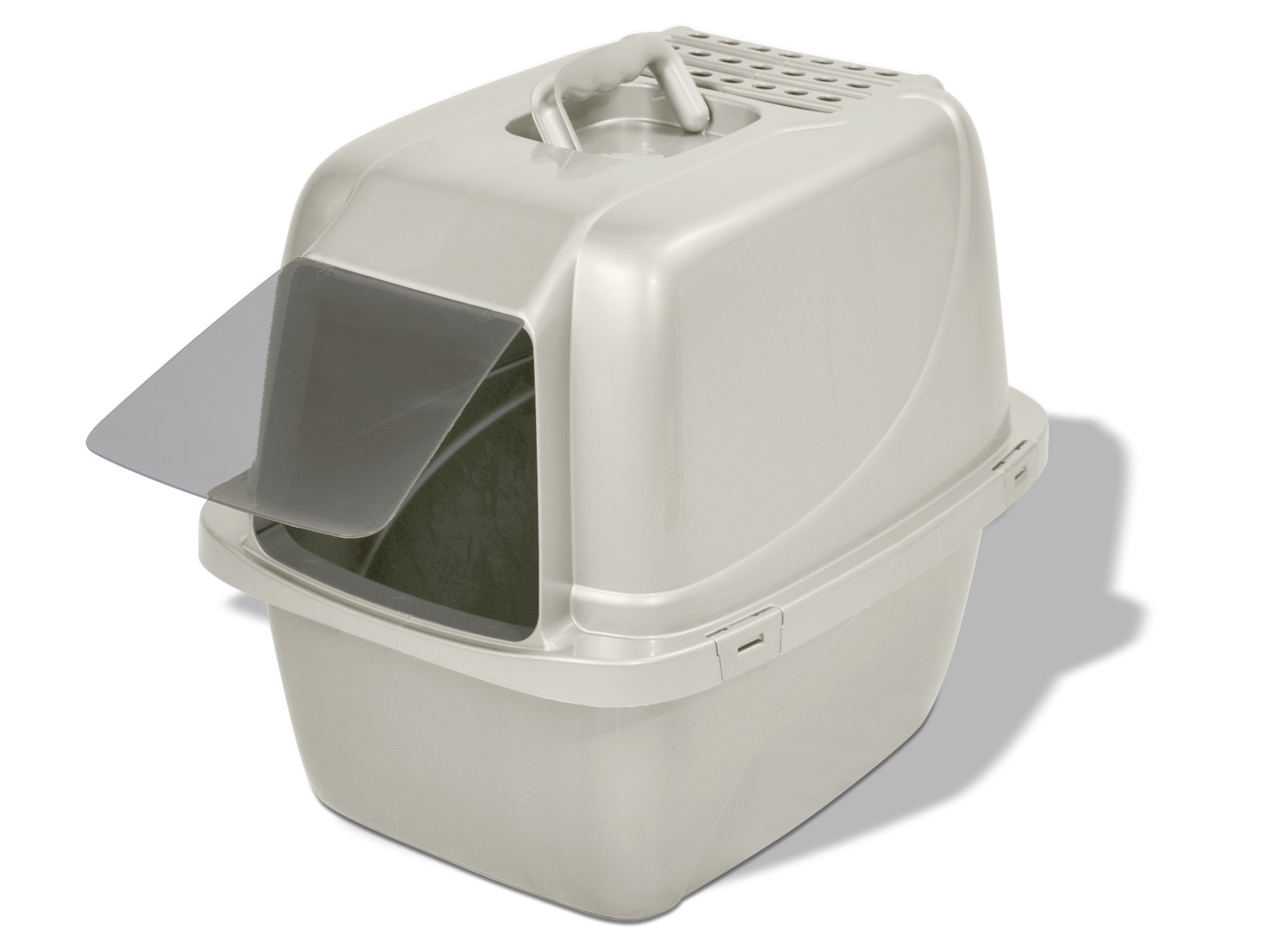
- Litter box setup: $15 to $60 (box) + $5 to $15 (scoop) + $10 to $30 (mat, optional but helpful)
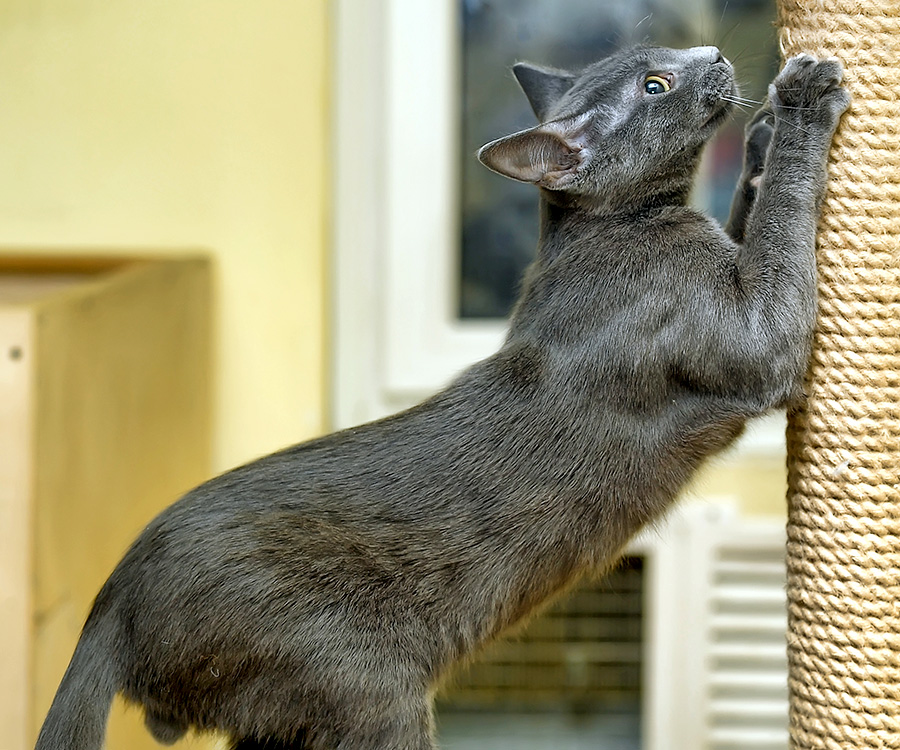
- Scratching options: $20 to $80 (at least one sturdy vertical scratcher, plus a horizontal option for many cats)
- Food and water bowls: $10 to $40
- Cat-safe nail trimmers: $8 to $20
- Enzyme cleaner: $10 to $25 (for urine or stress accidents)
- Bed or cozy hide: $15 to $50
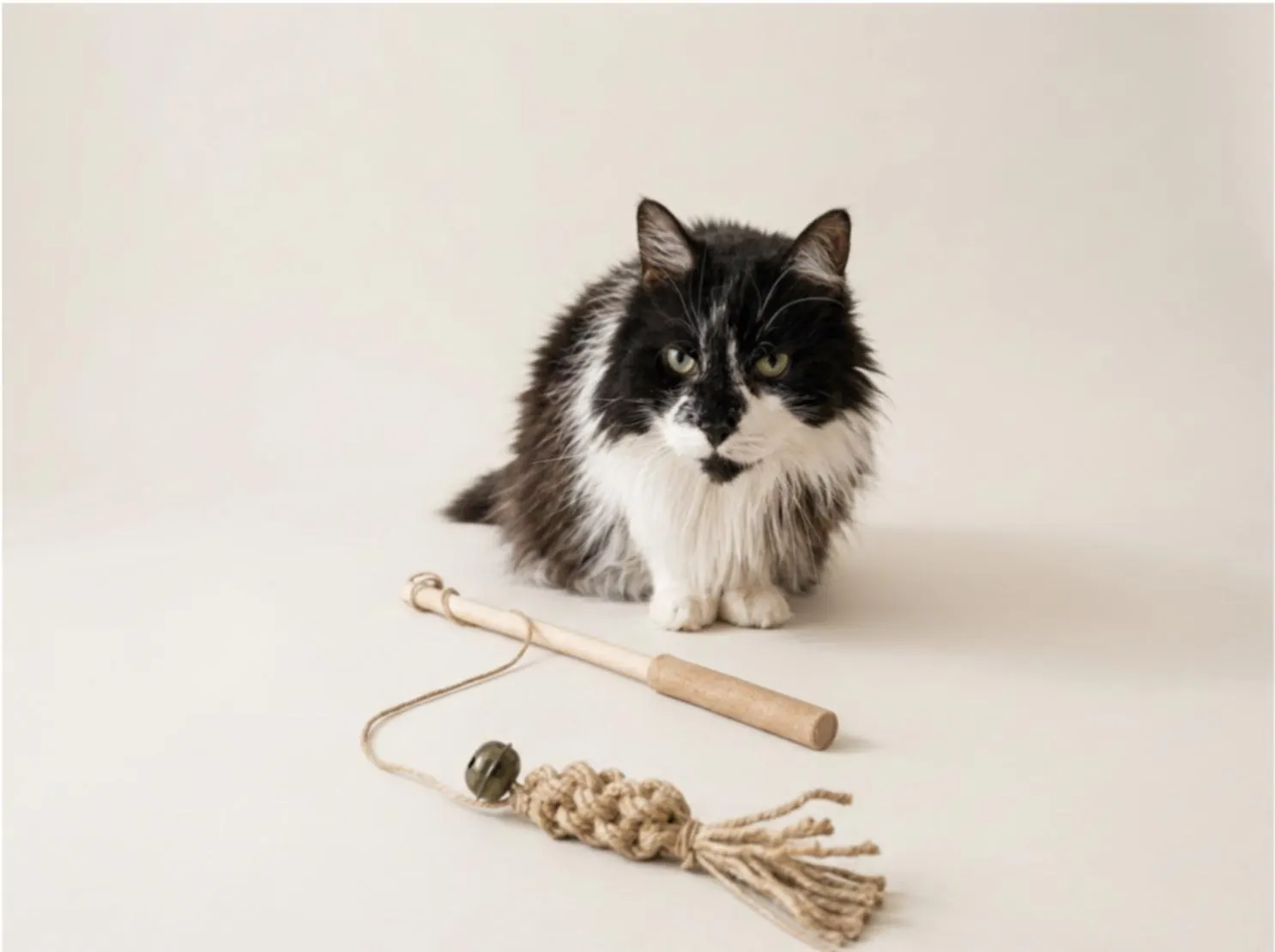
- Interactive toys: $10 to $40 (wand toys, balls, kicker toys)
Optional but commonly needed: a tall cat tree ($60 to $250) if your cat craves vertical space, and a baby gate or playpen-style setup if you are doing a slow introduction to a resident pet.
Also worth pricing out: microchipping and an ID tag. Many shelters include a microchip, but not all do. If it is not included, ask your veterinarian about pricing during the first visit.
Monthly costs you can budget for
Monthly costs are where you can dial spending up or down without compromising your cat’s welfare. The trick is knowing what is flexible (toy brands) and what is not (enough litter boxes and a food that agrees with your cat’s digestion).
Food
Most households land in the $30 to $100 per month range for one cat. Kittens and very active young cats can cost more because they eat more. Cats with sensitive stomachs can also nudge you upward if you need a limited-ingredient or veterinary-prescribed diet, which is something to work through with your veterinarian.
If you are switching foods, go slowly over 7 to 10 days. A rushed transition can lead to vomiting or diarrhea, which is stressful for everyone and can create litter box avoidance.
Litter
Plan $15 to $40 per month for one cat, depending on litter type, box size, and how often you fully dump and refresh. Scooping daily and topping up as needed usually saves money and keeps odor down.
Routine wellness care (averaged)
Vet bills often come in larger payments. Spread the expected cost across the months before the visit:
- Annual exam: often $75 to $150 (about $6 to $13 per month when averaged)
- Vaccines or boosters: varies by lifestyle and what your cat already has on board
- Routine labs: sometimes recommended as cats age, especially for seniors
Anything medical should be personalized with your veterinarian, especially if your cat is coughing, losing weight, drinking more, or having repeated vomiting. Those are not “wait it out” moments.
Parasite prevention (if recommended)
Whether your cat needs flea prevention year-round depends on where you live, whether you have dogs, and whether your cat goes outdoors. Your veterinarian can advise what is appropriate and safe. In some households, prevention is truly close to $0 because the risk is low. In others, it becomes a steady line item.
Toys, treats, and enrichment
This is often $5 to $30 per month. You can keep costs low with simple routines: daily wand-toy play, food puzzles, and rotating toys so they feel “new.”
For scratching or nighttime noise, try short play sessions and a predictable routine. Let the cat choose whether to engage.
A first-year budget by month
Below are two hypothetical examples showing how first-year costs often land across the months. Vet timing varies by clinic and by the cat in front of you, so treat these as illustrative patterns, not a schedule you “should” follow.
Example A: Adult cat
Assumptions: Adult cat adopted from a shelter where spay/neuter and some vaccines are included. Routine wellness care is still done after adoption. Costs are mid-range.
| Month | What you pay for | Estimated total |
|---|---|---|
| 1 | Adoption fee, initial vet exam, carrier, litter box setup, scratcher, first food and litter purchase | $450 to $950 |
| 2 | Food, litter, a couple enrichment items, possible booster vaccine depending on history | $90 to $220 |
| 3 | Food, litter | $70 to $160 |
| 4 | Food, litter, nail trims or grooming supplies as needed | $75 to $175 |
| 5 | Food, litter | $70 to $160 |
| 6 | Food, litter, replacement scratcher or extra litter box if needed | $90 to $240 |
| 7 | Food, litter | $70 to $160 |
| 8 | Food, litter | $70 to $160 |
| 9 | Food, litter, routine vet follow-up only if something needs recheck | $90 to $260 |
| 10 | Food, litter | $70 to $160 |
| 11 | Food, litter | $70 to $160 |
| 12 | Food, litter, annual wellness exam if the timing lands here | $140 to $320 |
Estimated first-year total for example A: roughly $1,300 to $2,900, depending on your month 1 setup choices and vet needs.
Example B: Kitten
Assumptions: Kitten needs a series of vaccines and boosters, eats more, and you decide to buy a cat tree and extra baby-proofing supplies. Spay/neuter may be separate if not included.
| Month | What you pay for | Estimated total |
|---|---|---|
| 1 | Adoption fee, vet exam, first vaccine set, carrier, litter setup, scratchers, cat tree, kitten food | $650 to $1,400 |
| 2 | Food, litter, booster vaccine visit | $140 to $320 |
| 3 | Food, litter, booster vaccine visit | $140 to $320 |
| 4 | Food, litter, spay/neuter if not included | $250 to $850 |
| 5 | Food, litter, replacement wand toys (kittens are intense) | $90 to $220 |
| 6 | Food, litter | $85 to $200 |
| 7 | Food, litter | $85 to $200 |
| 8 | Food, litter | $85 to $200 |
| 9 | Food, litter | $85 to $200 |
| 10 | Food, litter, routine vet touchpoint only if recommended | $110 to $280 |
| 11 | Food, litter | $85 to $200 |
| 12 | Food, litter, annual wellness exam (or scheduling for year two) | $140 to $320 |
Estimated first-year total for example B: roughly $2,000 to $3,900.
Build your own budget
If you want a budget you can trust, build it in three layers:
1) Baseline monthly spending
- Food
- Litter
- Treats and toys
Most first-time cat homes end up in the $60 to $180 per month range here.
2) Smoothed out annual care
- Annual exam averaged monthly
- Vaccines or labs averaged monthly (if your veterinarian recommends them)
This is often $10 to $35 per month when averaged, but it varies a lot.
3) Emergency cushion
Choose a monthly amount you can afford to set aside for unexpected care.
Insurance vs. a pet fund
If you are budgeting and thinking, “What about the big stuff?” you are not overthinking it.
Read the policy before buying. Compare exclusions, deductibles, reimbursement and limits across quotes.
Self-funding works well for many households too, as long as you actually keep the emergency money separate and treat it like it is already spent.
Hidden costs people forget
Extra scratchers
Many cats need more than one scratching station. If your cat keeps returning to the couch corner, that’s valuable information, not stubbornness. Place a scratcher where your cat already wants to scratch, reward with praise or a treat when they use it, and keep sessions short and positive.
Second litter box
Even for a single cat, a second box can be the difference between smooth sailing and ongoing accidents. A common rule is one box per cat plus one extra, but real life depends on your home layout and your cat’s preferences.
Enzyme cleaner and laundry
If you have one urine incident, you will want an enzyme cleaner. Regular soap often does not fully remove the odor, and lingering scent can invite repeat marking.
Dental care
Dental costs are easy to forget because they are not monthly. Many cats eventually need professional cleanings, and some need extractions. If you can, plan for the possibility of a larger, irregular vet bill at some point in your cat’s life.
Travel and pet sitting
If you travel, add pet sitting or boarding into your annual planning. Even an occasional weekend away can change your real cost of cat ownership.
Pet deposits and housing fees
If you rent, your monthly cat cost may include a pet fee or deposit. Add that into your budget early so it does not sneak up on you after you have already fallen in love.
Budget tips that keep cats comfortable
- Choose one splurge category. For example, invest in a sturdy scratching post and keep toys simple.
- Buy the right size litter box first. Too-small boxes lead to more litter tracking and more mess, not less.
- Use reward-based routines. Calm praise, a small treat, and letting your cat take breaks builds cooperation for carriers, nail trims, and handling.
- Schedule your first vet visit early. A baseline exam helps you avoid spending money chasing the wrong solution if your cat has itching, tummy trouble, or litter box changes.
FAQ
Is it cheaper to adopt an adult cat or a kitten?
Adult cats are often cheaper in the first year because many shelters include spay or neuter and core vaccines, and adults typically need fewer early-life vet visits than kittens who are completing vaccine series. Individual cats vary.
How much should I set aside each month for emergencies?
If you can, start with $25 to $100 per month into a pet emergency fund. The goal is not perfection, it’s having options when something unexpected happens.
Can I keep monthly costs low without cutting corners?
Yes. The biggest wins are keeping litter box care consistent, choosing a food that agrees with your cat, and investing in scratching and enrichment so you are not constantly replacing damaged household items. Avoid extreme cost-cutting like stretching food or restricting meals. If you are worried your budget will not cover basic needs, talk with your veterinarian or local shelter resources for guidance.
What if my cat suddenly costs a lot more than this?
That happens, and it is not your fault. New symptoms like reduced appetite, hiding, straining in the litter box, or sudden aggression should be treated as a veterinary question, not a budgeting problem. If your cat is straining or crying in the litter box, especially a male cat, treat it as urgent and call an emergency vet. Get your veterinarian’s advice quickly, then adjust your budget after you know what you are dealing with.
Separate the first month from a typical month
In a sample cat budget, the first month includes a carrier, litter box and an initial vet visit. Later months may be mostly food, litter and saving for the next routine visit. Put one-time setup costs beside the ongoing costs so a high first month does not distort the annual budget.
For periodic care, divide the local quote by the number of months you have to save. A hypothetical $180 visit in six months means setting aside $30 a month. Use a separate emergency line and ask the clinic which expenses normally fall outside a routine quote.