Bringing home a kitten is equal parts heart-melting and mildly chaotic. The good news is you do not need to buy the entire pet store to be ready. You need a handful of essentials that support three big goals: easy litter box habits, stress-free mealtimes, and safe outlets for kitten energy.
This checklist is what I recommend after years of rescue intakes, foster room setups, and helping new cat parents avoid the most common “why is my kitten doing that?” moments. Use it as your shopping list, then I will walk you through how to choose each item so you end up with gear that actually works.
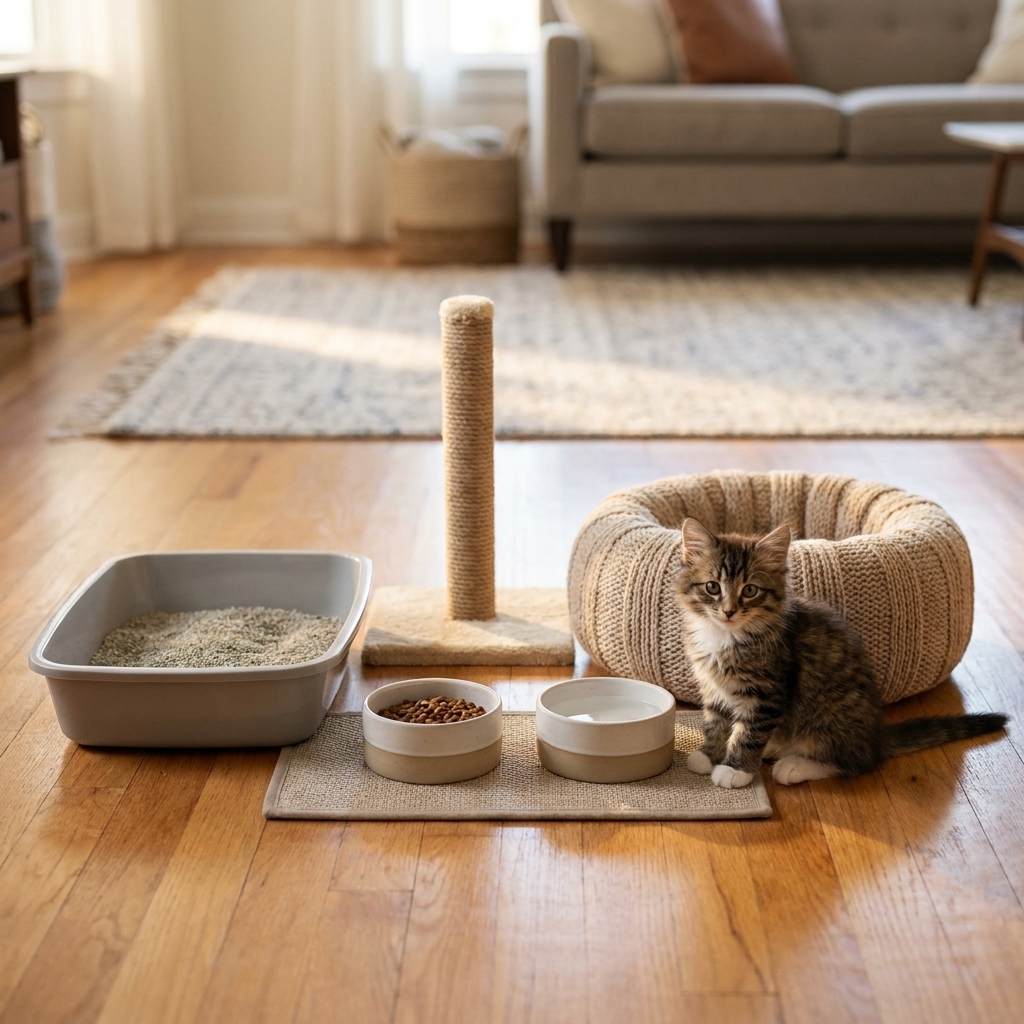
The essentials you need before day one
If you buy nothing else, start here. These basics cover daily care and help prevent the most common early issues: accidents, stress scratching, and mealtime hiccups.
Litter box setup
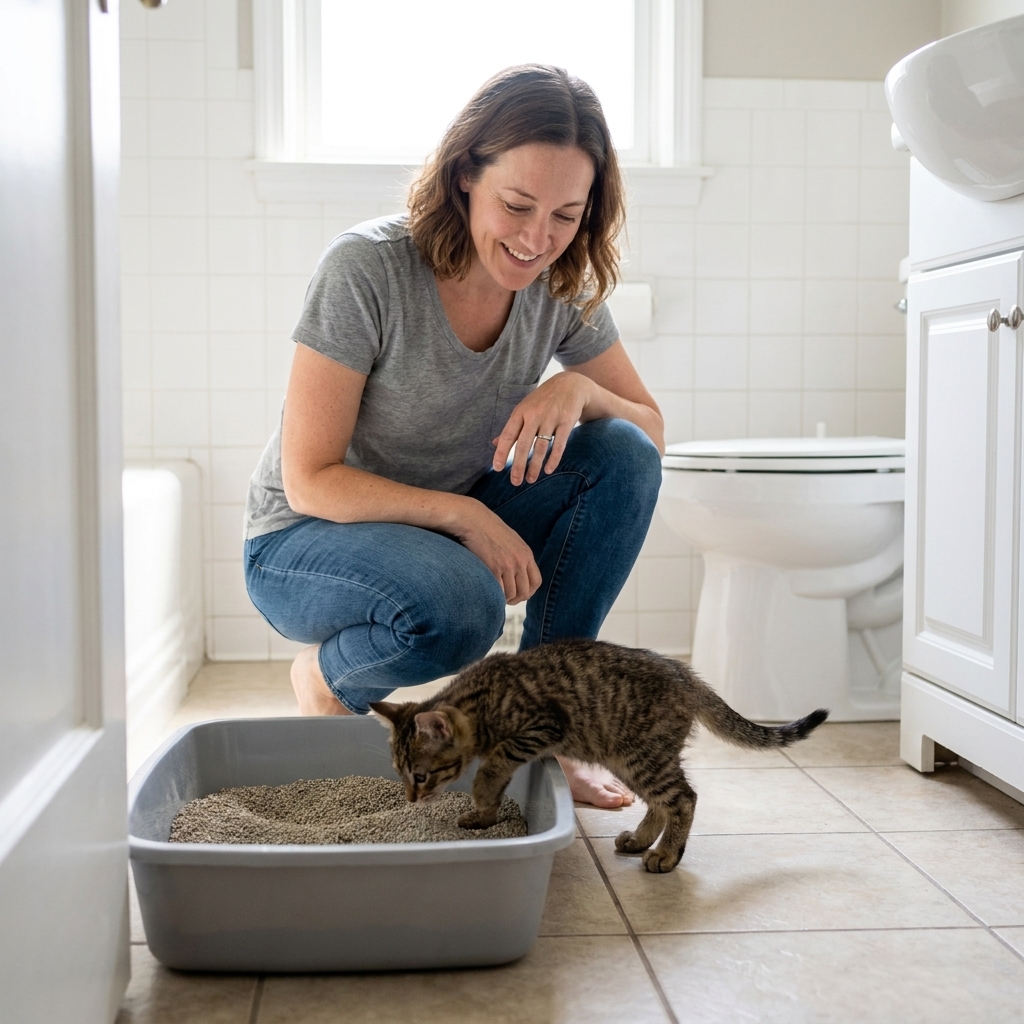
- Litter box (at least 1, ideally 2): For one kitten, I still love having two boxes in different quiet spots. It helps with training and prevents “I could not get there in time” accidents during play zoomies.
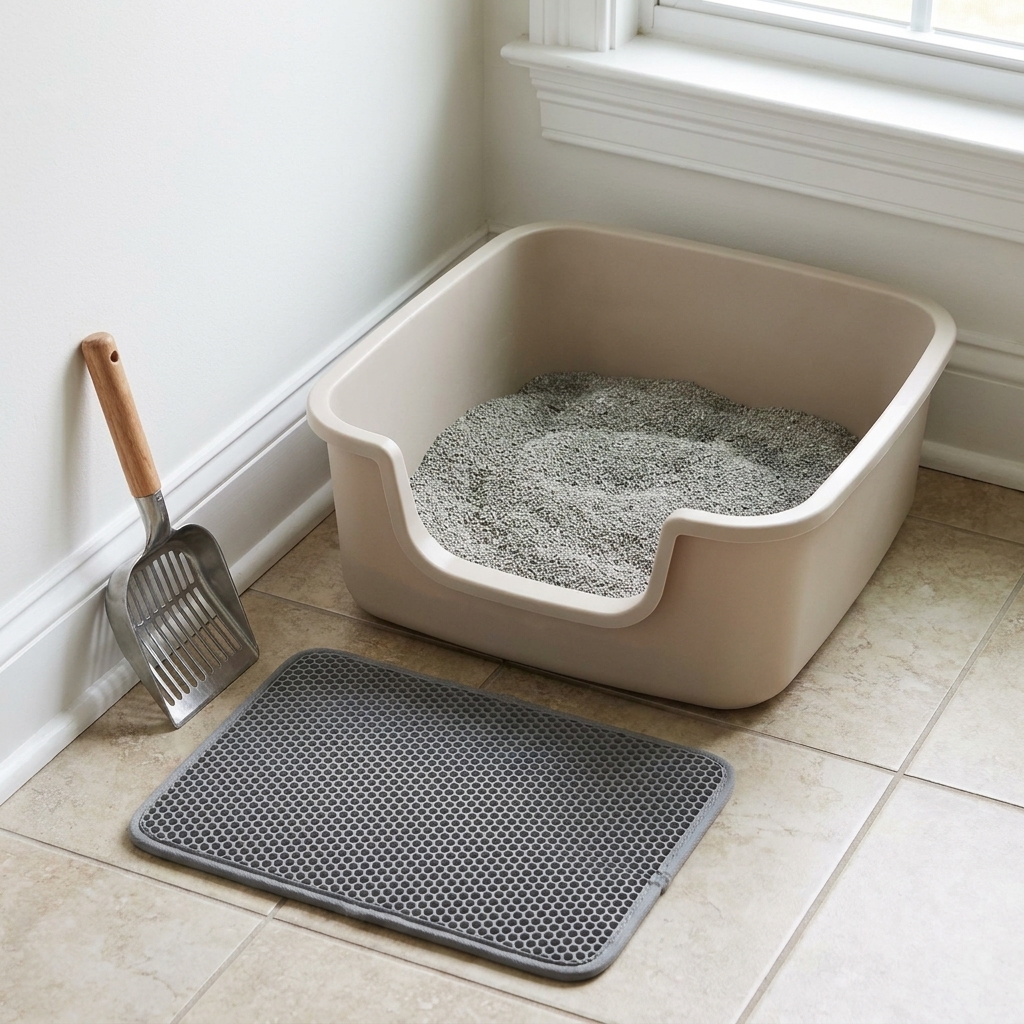
- Right-size box: Choose a box with low entry (easy for short legs) and enough interior space for turning around comfortably. Many “kitten boxes” are so tiny that the kitten outgrows them fast. A shallow, full-size storage bin can be a fantastic budget-friendly option.
- Litter (start simple): Most kittens do well with an unscented litter that is easy to keep clean. If your kitten is coming from a shelter or foster home, start with the same litter they used there and transition gradually if you plan to change. (More on clumping vs non-clumping below.)
- Litter scoop + small trash can: Scoop daily. A simple small, lidded trash can nearby makes it easier to stay consistent.
- Litter mat (optional but very helpful): A textured mat outside the box catches litter and keeps tiny paws from tracking it through your home.
Food and water basics
- Kitten food: Pick a food labeled “growth” or “all life stages” from a reputable brand. Kittens need higher calories and specific nutrients for development. If you can, start with whatever they were eating before and transition over 7 to 10 days to prevent tummy trouble.
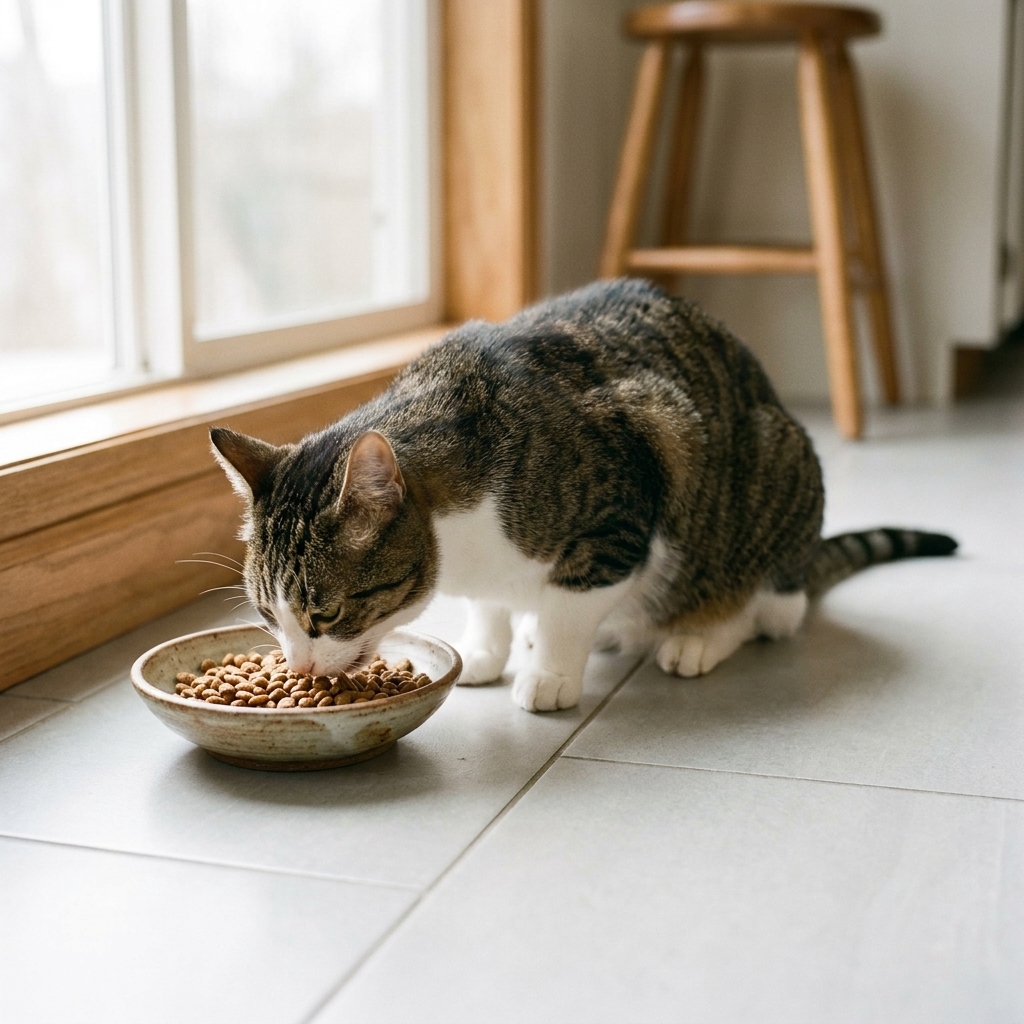
- Food bowls: Shallow, easy-to-clean bowls work well. Many cats prefer wider bowls that do not press on whiskers, but the biggest thing is cleanliness and stability.
- Water bowl or fountain: Hydration matters, especially if your kitten eats mostly dry food. Use a bowl wide enough to avoid whisker stress, and place it away from the litter box. Some cats also prefer water not right next to their food, so if your kitten seems picky about drinking, try a little separation.
- Measuring scoop or kitchen scale: Not glamorous, but incredibly useful. It helps you feed enough for growth without accidentally overdoing it as your kitten gets older.
Safe space and comfort
- Carrier: A sturdy carrier is non-negotiable for vet visits and emergencies. I strongly prefer a hard-sided carrier or a sturdy soft carrier with good structure. Bonus points if it opens from the top for easier, less stressful vet handling.
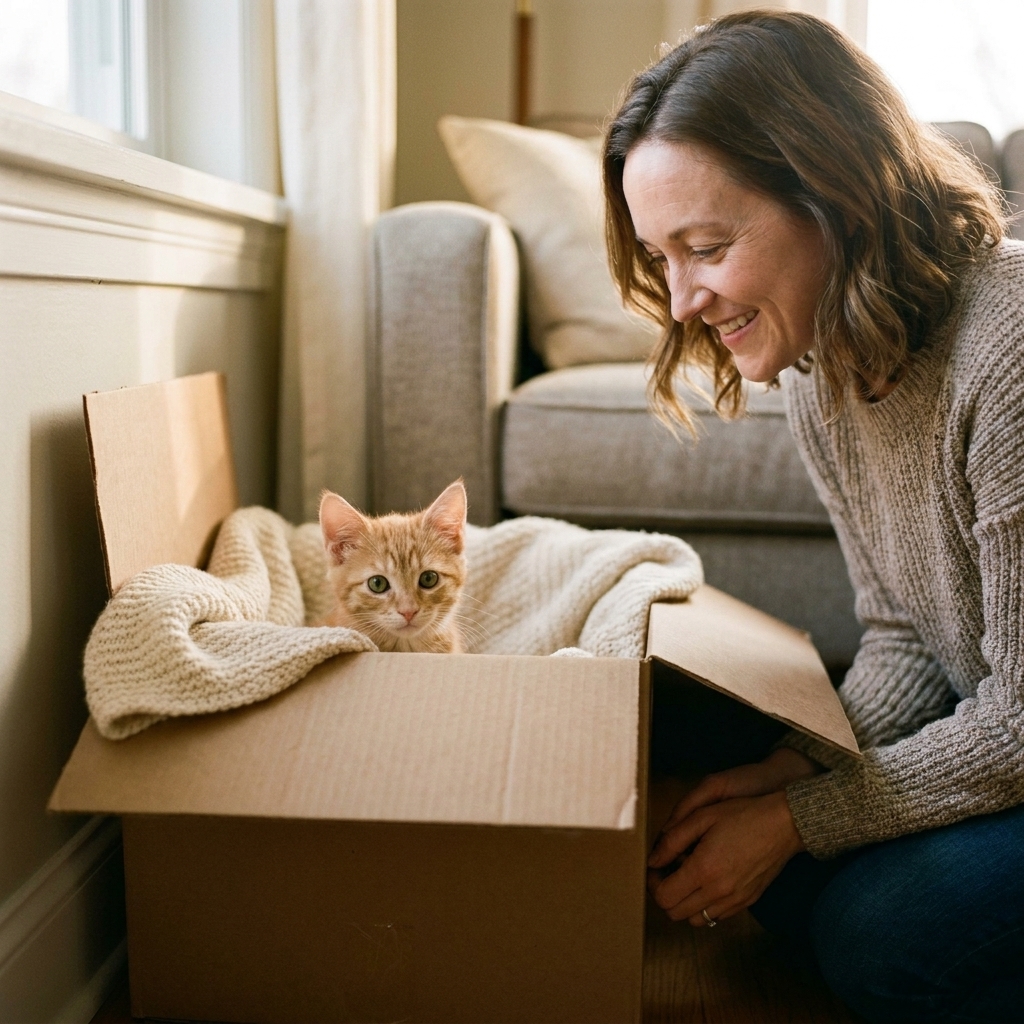
- Cozy bed or blanket: Simple is fine. Many kittens choose a blanket in a quiet corner over a fancy bed, so do not overthink it.
- Hiding spot: A covered bed, a cat cave, or even a cardboard box with a doorway cut out helps a kitten feel secure. Hiding is normal during the adjustment period.
Scratch and play needs
- Scratching post or pad: Provide at least one vertical scratcher (sturdy, tall enough for a full stretch) and one horizontal option (like a cardboard scratcher). Put one near the sleeping area and one in the main hangout zone.
- Toys for solo play: Small mice, crinkle balls, and spring toys are great. Choose toys that are sturdy, not easily shredded, and appropriately sized.
- Interactive toy for play sessions: A wand toy is my top pick. It lets your kitten chase, pounce, and “catch” at a safe distance, and it builds a bond fast.
Grooming and cleanup
- Kitten-safe brush: A soft brush or grooming glove for short coats, or a gentle comb for longer coats. Start with tiny, positive sessions so grooming becomes normal.
- Nail trimmers: The small scissor-style or cat-specific clippers tend to be easiest for beginners. Pair with treats and keep sessions brief.
- Enzymatic cleaner: This is the secret weapon for accidents. Regular cleaners can leave behind scent traces that invite repeat offenses. Enzymatic cleaner helps break down the proteins so odors are removed more completely.
Basic health and safety
- Vet appointment scheduled: If your kitten did not come with recent medical records, plan a new-kitten exam soon after adoption. Bring any paperwork you have.
- Flea and parasite prevention (vet-guided): Do not apply random over-the-counter products to a kitten. Many are unsafe at low weights. Ask your vet for a weight-appropriate product.
- ID plan: If your kitten will wear a collar, choose a breakaway collar designed for cats and fit it so two fingers can slide under. Microchipping is even better long-term protection and does not rely on a collar staying on.
Choosing a litter box and litter
If there is one category where the “wrong” purchase can create a headache, it is the litter setup. A lot of litter box problems are really setup problems, but it is important to say this out loud: medical issues and stress can also be the cause. If you see new or sudden litter box avoidance, straining, frequent trips, diarrhea, or crying, call your vet.
Litter box sizing guidelines
As a rule of thumb, you want a box that is long enough for your kitten to enter, turn around, and dig without feeling cramped. If your kitten is very young or tiny, choose low sides or a cut-down entry so they do not have to climb.
Covered vs uncovered boxes
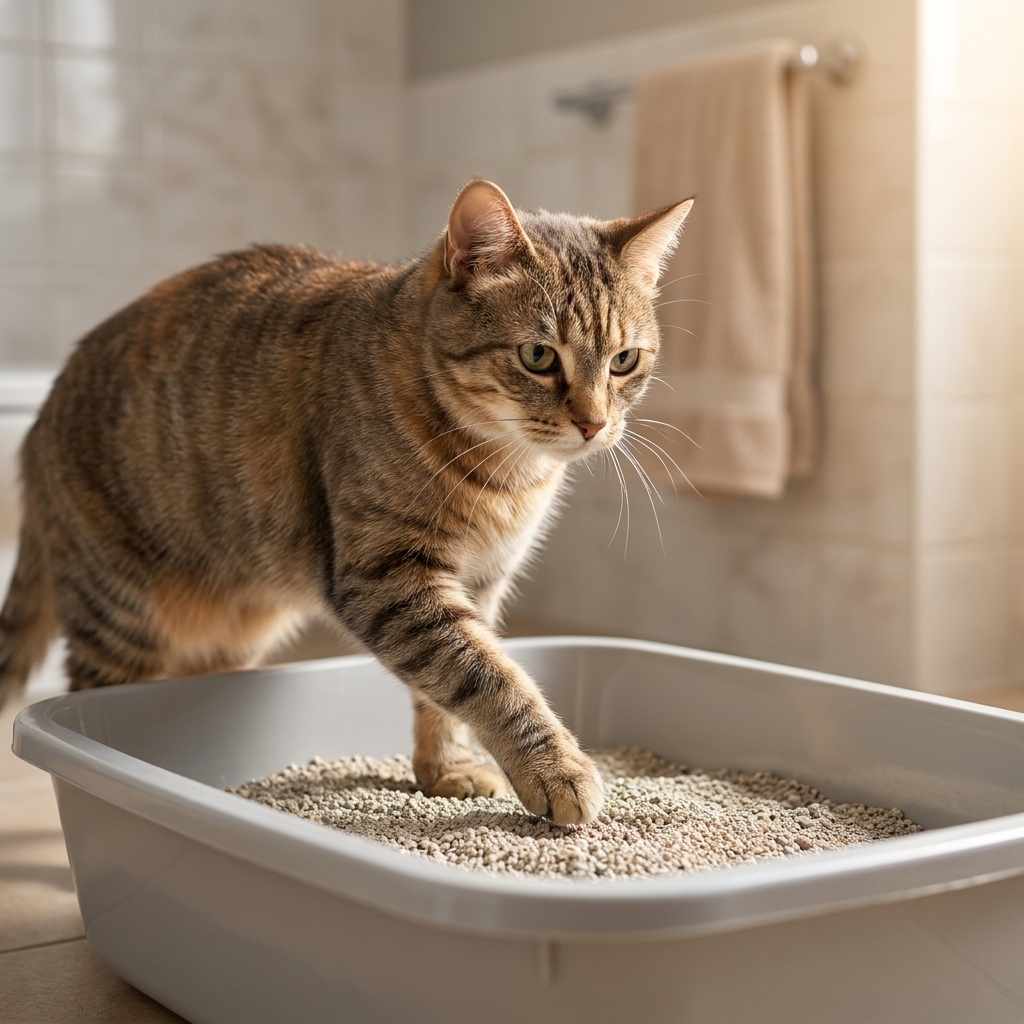
For most kittens, I recommend starting with an uncovered box. Covered boxes can trap odor and feel cramped, which may discourage use. Once litter habits are solid, you can experiment if you prefer covered, but many cats never do.
Clumping vs non-clumping
In many homes, unscented clumping litter is the easiest to keep clean, and cleanliness is what keeps kittens coming back. That said, very young kittens and enthusiastic “litter tasters” can get into trouble with clumping litter if they ingest it. If your kitten is under about 8 weeks, is still learning, or is actively eating litter, ask your rescue or vet about a non-clumping option for now, and supervise closely. Whatever you choose, avoid strongly scented litter.
Switching litters
If you want to switch textures or brands, transition gradually by mixing the new litter in slowly over at least a week.
Feeding supplies that keep things easy
I am a cat nutrition nerd, so here is my practical take: consistency matters more than perfection on day one. The goal is a kitten who eats reliably, maintains steady growth, and has comfortable stools.
Wet food, dry food, or both?
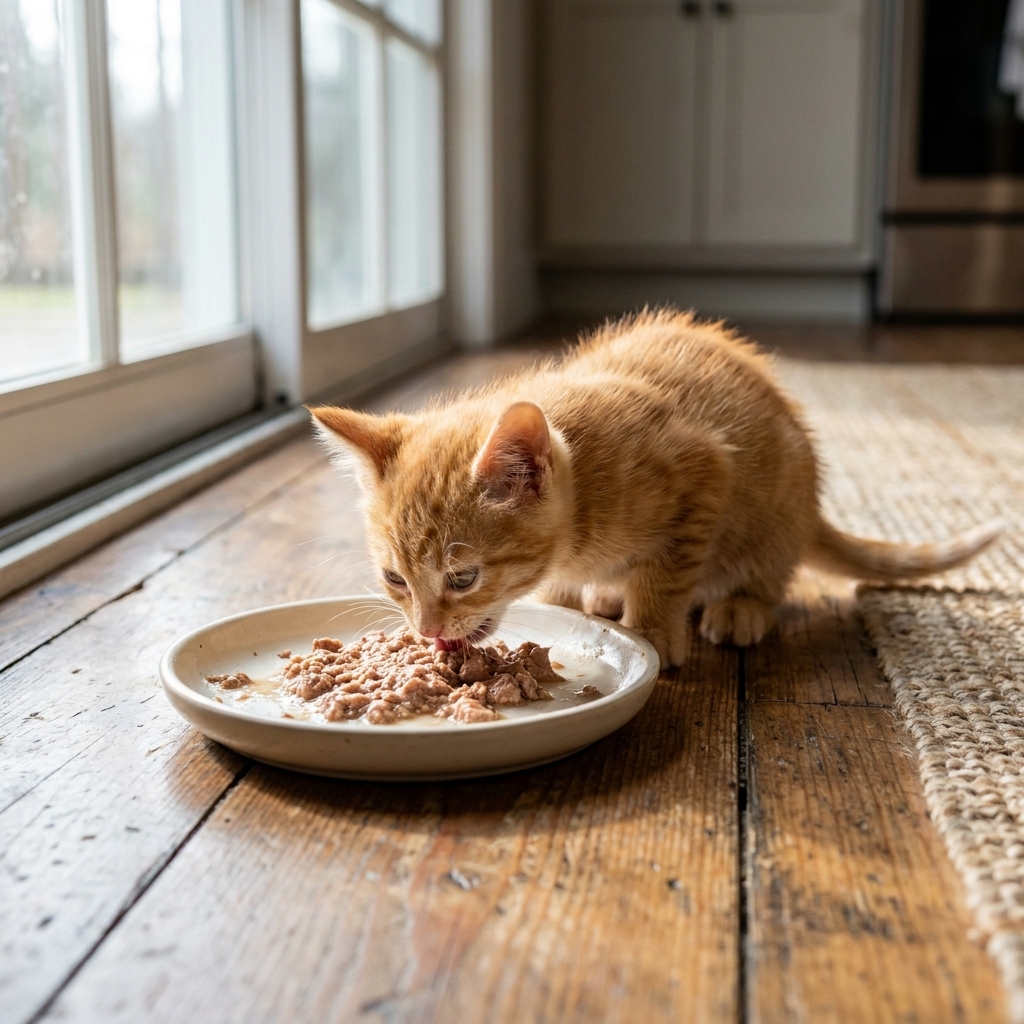
Many families do a combination. Wet food supports hydration, and dry can be convenient. Either can work, but avoid frequent sudden switches. If your kitten is thriving on their current food, keep that stable through the first couple of weeks while everything else is changing.
Helpful extras for mealtime
- Food storage container: Keeps kibble fresh and reduces pantry pests.
- Can covers for wet food: Makes leftovers easy and less smelly in the fridge.
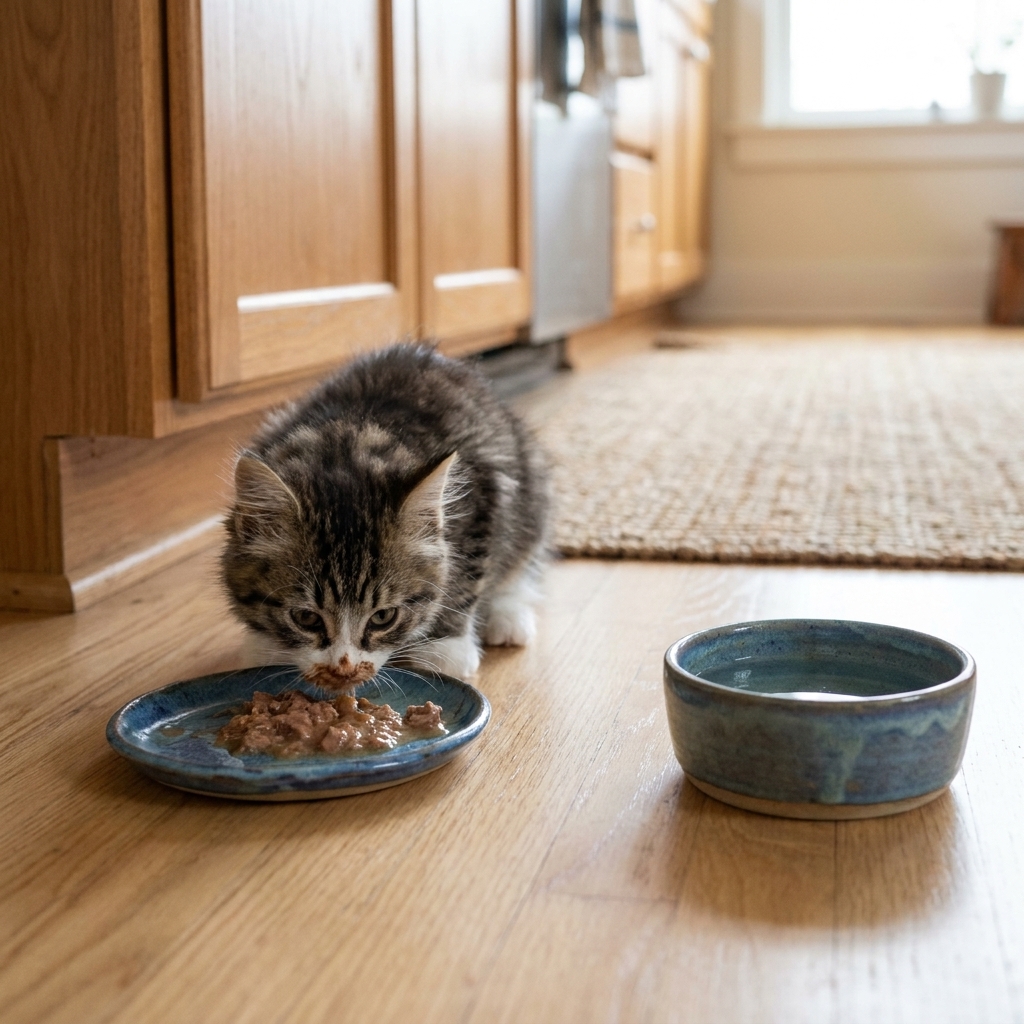
- Lick mat or shallow plate: Great for slowing fast eaters and adding enrichment.
A note on milk
Most kittens do not need cow’s milk and many get diarrhea from it. Fresh water is the best default. If you are caring for an orphaned kitten, that is a different situation and requires kitten milk replacer and specific feeding guidance.
Set up a kitten-safe home base
Your kitten does not need access to the whole house immediately. In fact, a smaller “home base” speeds up confidence and helps litter box training stick.
What to set up
- Litter box in a quiet corner
- Food and water on the opposite side of the room
- Bed or blanket plus a hiding option
- Scratcher near where the kitten wakes up
- A few toys for independent play
Kitten-proofing hazards to handle now
- Toxic plants: Lilies are the big emergency one, but many houseplants can cause problems. If you are not sure, assume it is not safe until you confirm it is cat-friendly.
- Strings and small chewables: Ribbon, yarn, dental floss, hair ties, and small toy parts can be swallowed and turn into a real crisis.
- Cords and chargers: Kittens explore with their mouths. Use cord protectors or fully hide cables.
- Reclining chairs and sofas: Check before you close or recline. Kittens wedge into places you did not know existed.
- Washers, dryers, and dishwashers: Keep lids and doors closed and do a quick look before starting a cycle.
- Windows and balconies: Make sure screens fit securely. A surprised kitten can hit a screen harder than you think.
- Trash and food risks: Use a closed-lid trash can and keep human food scraps out of reach.
Containment tools worth buying
- Baby gates or playpen (optional): Useful if you need a safe boundary while you cook, work, or manage introductions to other pets.
- Closed-lid trash can: Tiny animals find trouble at lightning speed.
Grooming tools that are kitten-friendly
Early handling pays off for life. The best grooming supplies are the ones you can use gently and consistently without turning it into a wrestling match.
My starter grooming kit
- Soft brush or comb matched to coat type
- Cat nail trimmers
- Pet-safe wipes for occasional messes (especially helpful for kittens learning to use the litter box neatly)
- Enzymatic cleaner for accidents
What to skip for most kittens
- Flea shampoos unless directed by a vet
- Human shampoo of any kind
- Essential oils for “calming” (many are unsafe for cats)
Nice-to-have upgrades
If your budget allows, these items can make day-to-day life easier and add enrichment, especially for energetic kittens.
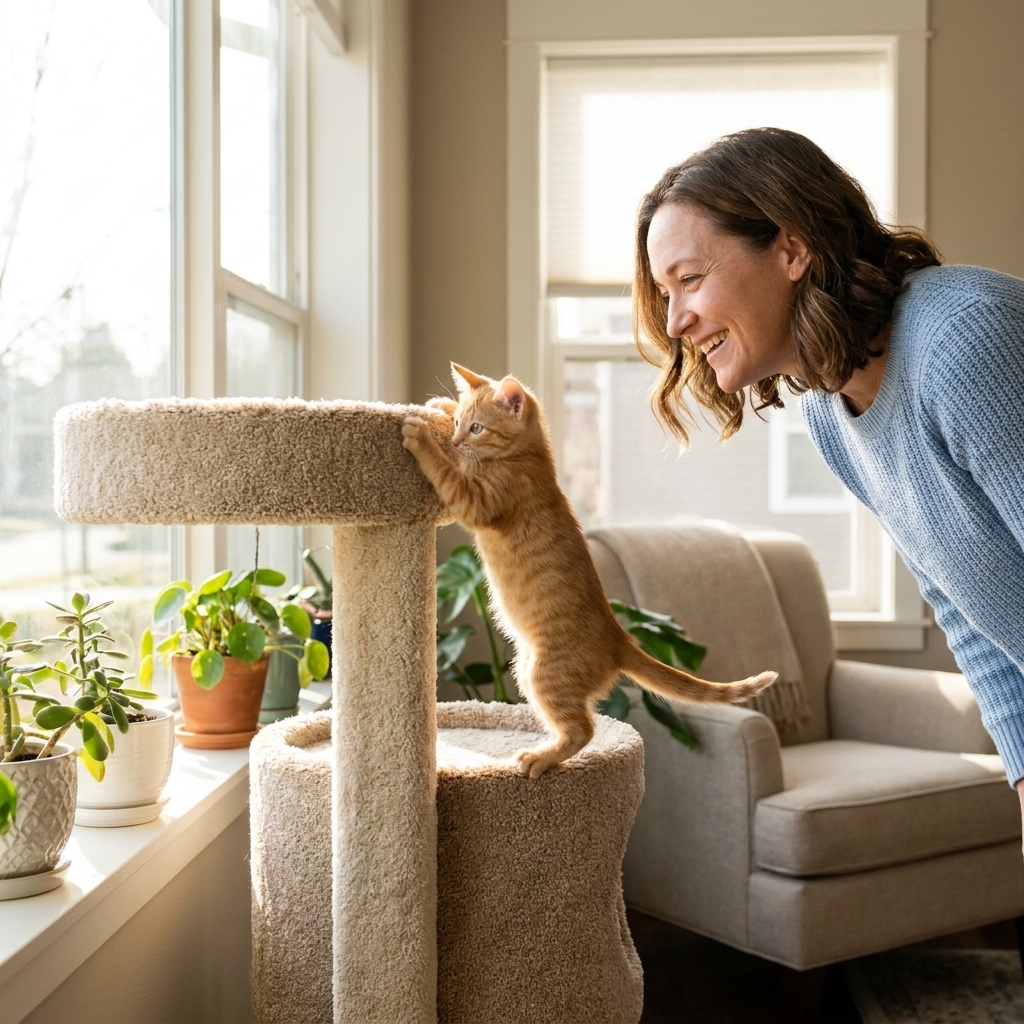
- Cat tree: A stable tree with a perch gives climbing and confidence. Place it near a window if possible.
- Window perch: Bird TV is real entertainment.
- Puzzle feeder: Helps channel hunting instincts and slows fast eaters.
- Second scratching station: More scratchers equals fewer furniture complaints.
- Stainless steel bowls or fountain: Durable and easy to sanitize.
What to avoid buying right away
I have watched well-meaning families buy these and regret them within a week.
- A tiny litter box: It seems logical for a tiny kitten, but many outgrow it quickly, and cramped boxes can contribute to mess and avoidance.
- Strongly scented litter or deodorizing additives: Good for humans, often disliked by cats.
- Toys with easy-to-tear strings or feathers left unattended: These are great with supervision, but risky as solo toys.
- Laser pointer as the only interactive toy: It can be fun, but always end with a toy they can catch to prevent frustration.
- Over-the-counter flea products without vet guidance: Weight and age matter. Some products are dangerous for kittens.
Quick first-week setup plan
If you are bringing your kitten home soon and want a simple plan, here is what I do in foster homes.
- Set up the home base room with box, food, water, bed, hide, and scratcher.
- Bring kitten straight to the litter box and let them hop in and out. No forcing, just a calm introduction.
- Keep things quiet for 24 to 48 hours. Let curiosity lead.
- Play 2 to 4 short sessions daily with a wand toy to burn energy and build trust.
- Scoop daily and note stool consistency. Soft stool after a move can happen, but persistent diarrhea deserves a vet call.
- Gradually expand territory once litter habits are consistent and kitten is confident.
Vet visit: what to ask
You do not need to memorize a medical textbook, but it helps to show up with a few questions ready. At a first kitten visit, I usually ask about:
- Vaccines and the schedule based on age and risk
- Deworming and whether a fecal test is recommended
- Flea and tick prevention that is safe for your kitten’s current weight
- Spay or neuter timing and what to expect before and after
- FeLV and FIV testing, especially for rescues, strays, or multi-cat homes
- Microchipping if not already done
- Pet insurance options while your kitten is young (if that is something you are considering)
Introductions to other pets
If you have a resident cat or dog, slow introductions make a huge difference. My basic rules:
- Start with separation: Let them smell each other under a door for a few days.
- Swap scents: Trade blankets or bedding so each pet gets used to the other’s smell.
- Supervise the first meetings: Keep sessions short and calm, and end on a good note.
- Do not rush shared space: The timeline depends on personalities, not your calendar.
FAQ
How many litter boxes do I need for one kitten?
The gold standard is one box per cat plus one extra. For a single kitten, two boxes in two quiet locations is ideal if your space allows. At minimum, provide one easy-to-access box and scoop daily.
Should I get a self-cleaning litter box for a kitten?
Not as a first purchase. Some kittens are frightened by the movement and noise, and some models may not detect very small kittens reliably. Check the manufacturer’s minimum weight or age before using one. Build solid litter habits with a simple, open box first. You can always upgrade later.
Do I need special kitten bowls?
No, but shallow, stable, easy-to-clean dishes help. Avoid very deep, narrow bowls that press on whiskers, and keep water away from the litter box. If your kitten drinks better with water set a bit apart from food, go with what works.
Is a collar safe for a kitten?
A breakaway cat collar fitted properly can be safe for many kittens, but some will get a paw stuck while learning. If you use one, supervise at first, keep it snug enough that two fingers fit underneath, and check fit often as your kitten grows. Microchipping is the best long-term ID option.
What is the single most important item on this list?
A correctly set up litter box: low entry, comfortable size, a kitten-appropriate unscented litter, and a quiet location. When litter box use is easy and consistent, the rest of kitten life tends to go much more smoothly.