Bringing home a new kitten is pure magic until the first mystery puddle appears. Take a deep breath and put the paper towels down for a second. Most kittens are naturally inclined to use a litter box, and when accidents happen, it usually comes down to setup, access, or stress, not “spite.”
In rescue and foster settings, I’ve found the fastest path is almost always the same: make the right choice the easiest choice. Here’s how to do that, step by step.
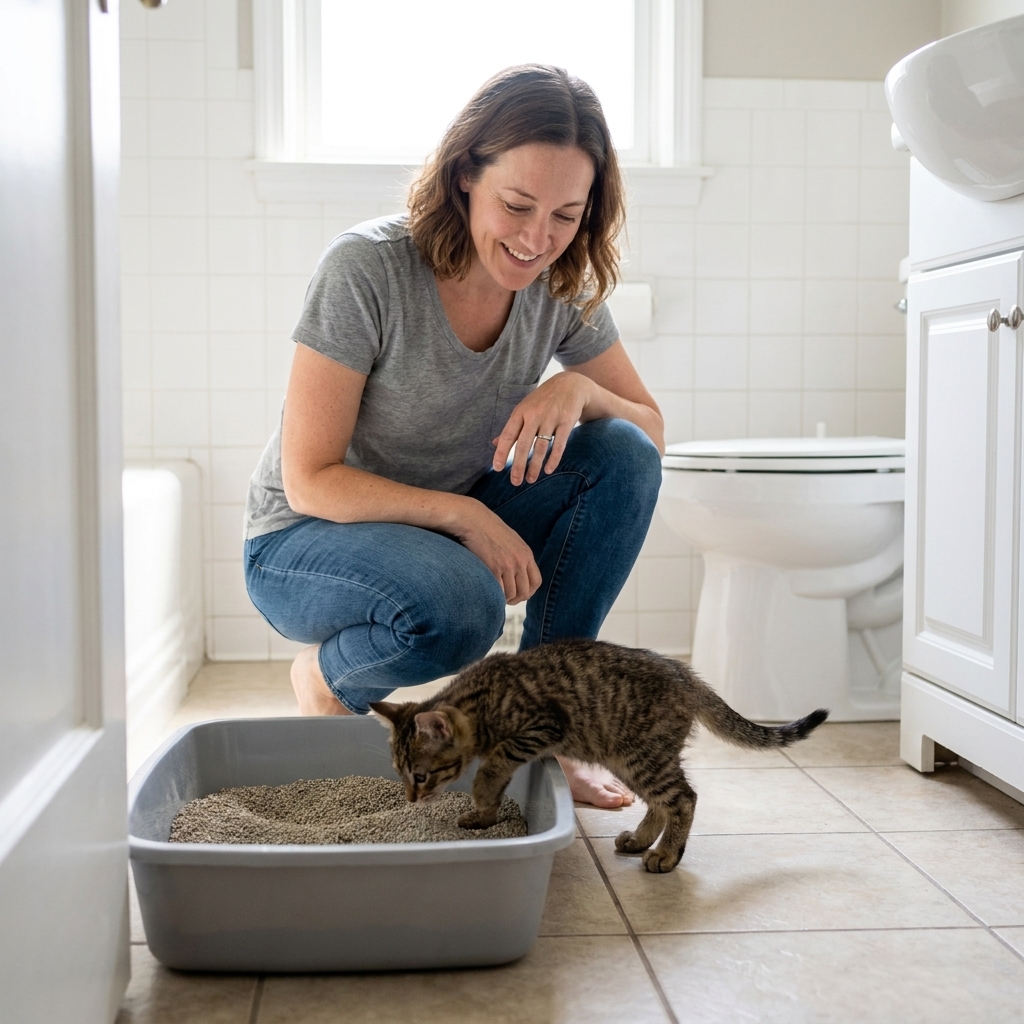
Why this is usually easier than you think
Cats are both clean and texture-driven. Most kittens want to eliminate in a spot that feels diggable and doesn’t smell like their sleeping area. Your job is to give them a box that’s:
- Easy to get into (tiny legs need a low entry)
- Easy to find (close to where they spend time)
- Comfortable to use (litter texture they don’t hate)
- Safe (quiet, low traffic, no ambush points)
If any of those pieces are missing, kittens improvise.
Set up for success on day one
Start with a small home base room
For the first few days, confine your kitten to a kitten-safe room like a bathroom, laundry room, or small bedroom. This is not punishment. It’s training wheels. A smaller space means fewer opportunities for accidents and a quicker habit forms.
Include:
- Litter box
- Food and water (kept well away from the box)
- A bed or blanket
- A hiding spot and a few toys
- A scratching surface
Choose the right box
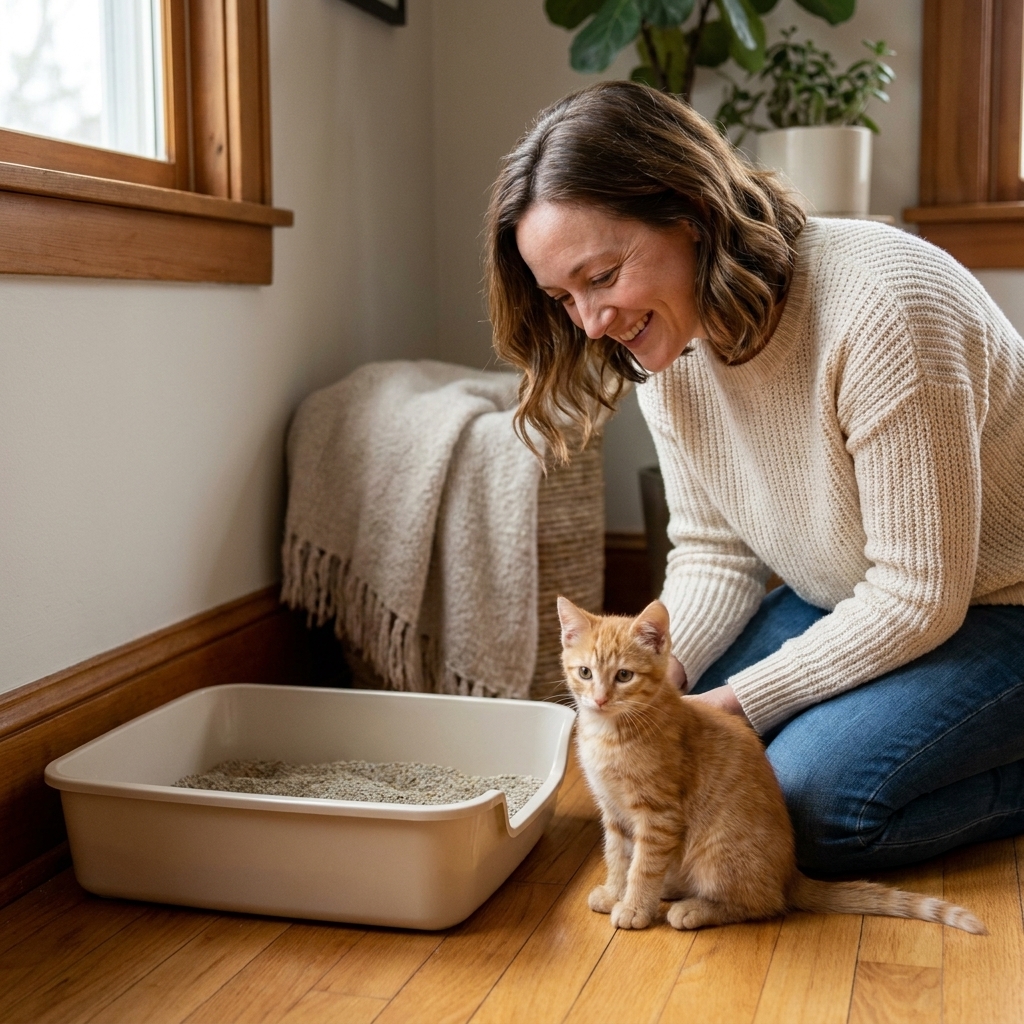
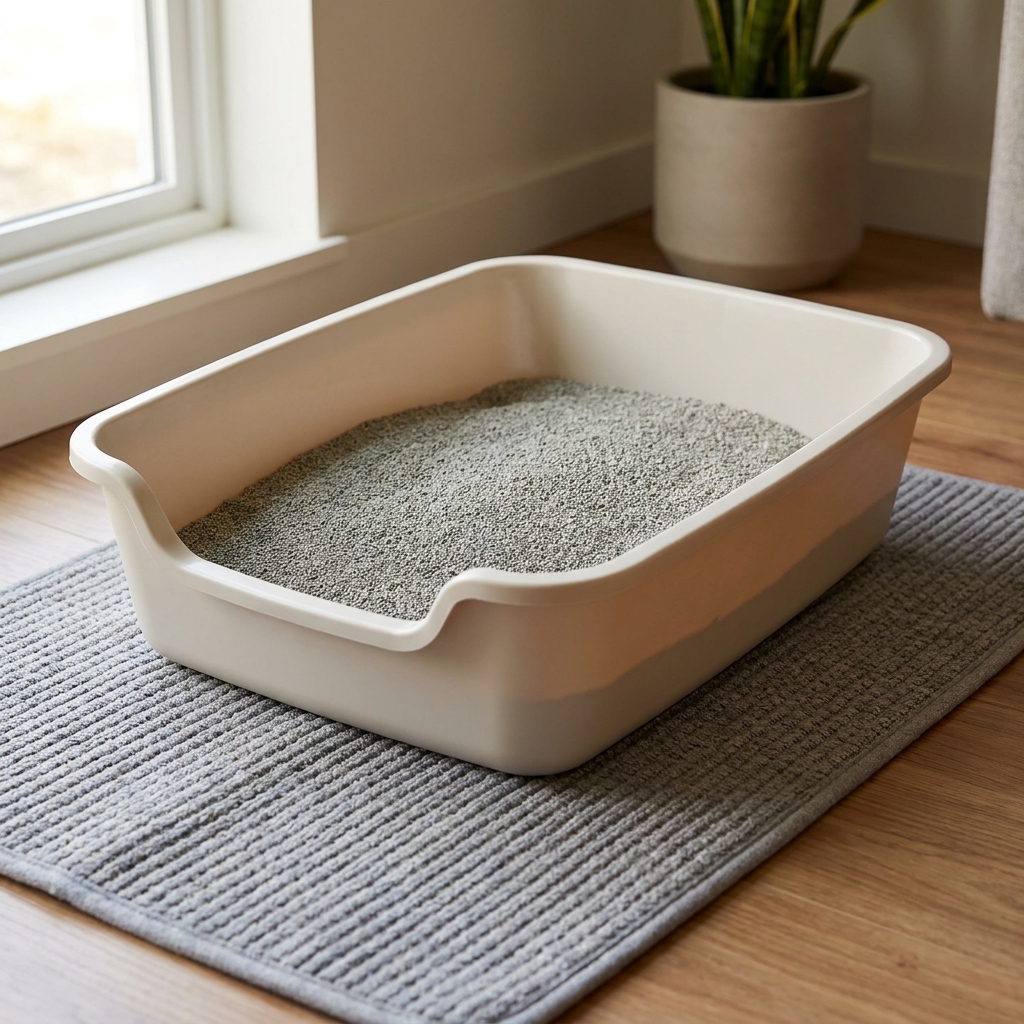
Skip the fancy box for now. Your starter litter box should be:
- Low-sided (about 2 to 4 inches high entry is ideal)
- Uncovered (many kittens dislike lids and strong odors trapped inside)
- Large enough to turn around (even kittens like space)
If you only have a high-sided adult box, you can temporarily use a shallow storage bin or a disposable aluminum roasting pan with a cut-out entry. Function beats aesthetics in week one.
Pick a kitten-friendly litter
For many kittens, a fine-grain, unscented litter is the easiest start because it feels like sand or soil. That familiar texture matters.
Important safety note: If your kitten is under about 8 weeks old or still in the phase of tasting and eating non-food items, many vets and rescues recommend starting with a non-clumping litter to reduce the risk of clumping material causing an intestinal blockage if ingested. If you’re not sure what age they are or you notice litter-eating, ask your veterinarian or shelter what they recommend for your kitten specifically.
Avoid at first:
- Heavily scented litter (overwhelming to sensitive noses)
- Pellet litter (some kittens dislike the feel underfoot)
- Strongly dusty litter (can irritate eyes and airways)
If your kitten came from a shelter or breeder, ask what litter they used and start with that if possible. Consistency speeds training.
Finally, aim for a comfortable litter depth. For most setups, about 2 to 3 inches is a good baseline. Too little can feel slippery, and too deep can feel unstable to some kittens.
The fastest method: a simple first-week routine
Show them the box right away
As soon as your kitten gets home, place them gently in the litter box. Let them sniff. You can softly take one paw and make a tiny scratching motion in the litter. Then let them hop out if they want to.
Use high-probability timing
Kittens are often most likely to go:
- Right after waking up
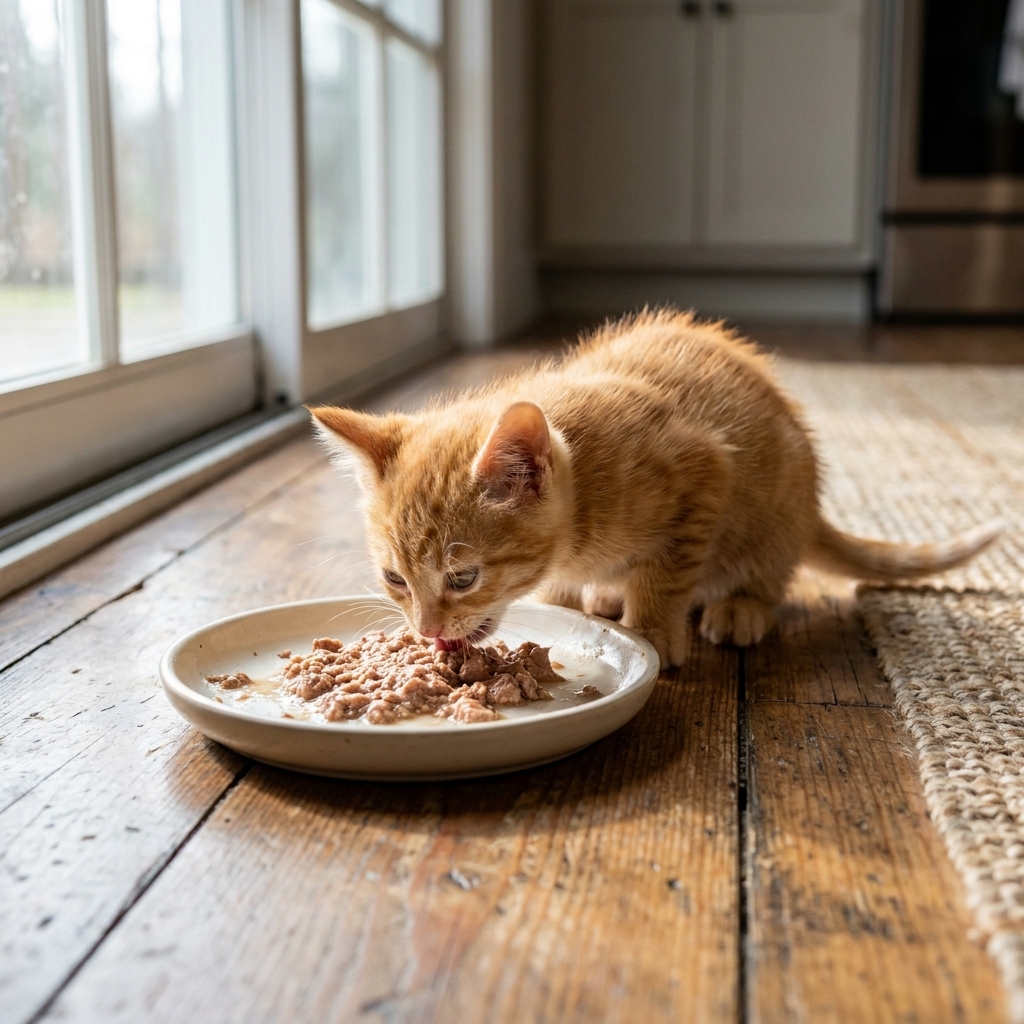
- Sometime after eating (often within 5 to 30 minutes)
- After a vigorous play session
For the first few days, escort your kitten to the box at those times. You’re not forcing. You’re reminding.
Reward quietly and immediately
If your kitten uses the box, offer a small treat or gentle praise as soon as they step out. Keep it low-key. Big excitement can startle some kittens mid-process, especially the cautious ones.
Supervision beats correction
Until the habit is consistent, supervise or confine. If you see your kitten sniffing, circling, or backing into a corner, calmly scoop them up and place them in the box. No scolding. No punishment. Never rub a kitten’s nose in an accident. We want the litter box to feel safe, not emotionally charged.
Where to put the litter box
Location can make or break training. Place the box:
- In a quiet, easy-to-reach spot
- On the same floor where your kitten spends most of their time
- Away from food and water (cats prefer separation)
- Away from loud appliances like washers, dryers, and furnaces
A common mistake is tucking the box into a hard-to-access corner, behind a door, or in a basement because it’s out of the way. Convenient for humans, inconvenient for kittens.
How many boxes do you need?
The gold standard is one box per cat, plus one extra. For a single kitten, that often means two boxes, especially in a larger home. Think of it like bathrooms. You want one nearby when the urge hits.
In multi-level homes, place at least one box on each floor during training. You can always consolidate later once your kitten is bigger and consistent.
Cleaning and maintenance that prevents accidents
Scoop often
Kittens have tiny bladders and strong opinions. Scoop at least once daily, and ideally twice daily during training. A dirty box is a very common reason kittens choose a “cleaner” spot like a laundry pile.
Do a full refresh regularly
How often depends on the litter type and how many boxes you have, but a good baseline for one kitten is:
- Top off as needed
- Full dump and wash every 2 to 4 weeks
Wash the box with mild unscented soap and warm water. Avoid strong-smelling cleaners or ammonia-based products. To many cats, that scent can resemble urine closely enough to cause confusion.
Use a litter mat and keep the area calm
A litter mat helps with tracking and makes cleanup easier. Calm matters too. If kids or dogs “visit” the kitten while they’re in the box, you can create box anxiety fast.
If your kitten has an accident
Accidents are data, not disobedience. Here’s the plan:
- If you catch them mid-accident: gently pick them up and place them in the litter box. If they finish there, praise quietly afterward.
- If you find it later: do not bring your kitten to it or scold them. They won’t connect the dots, but they may start hiding when they need to go.
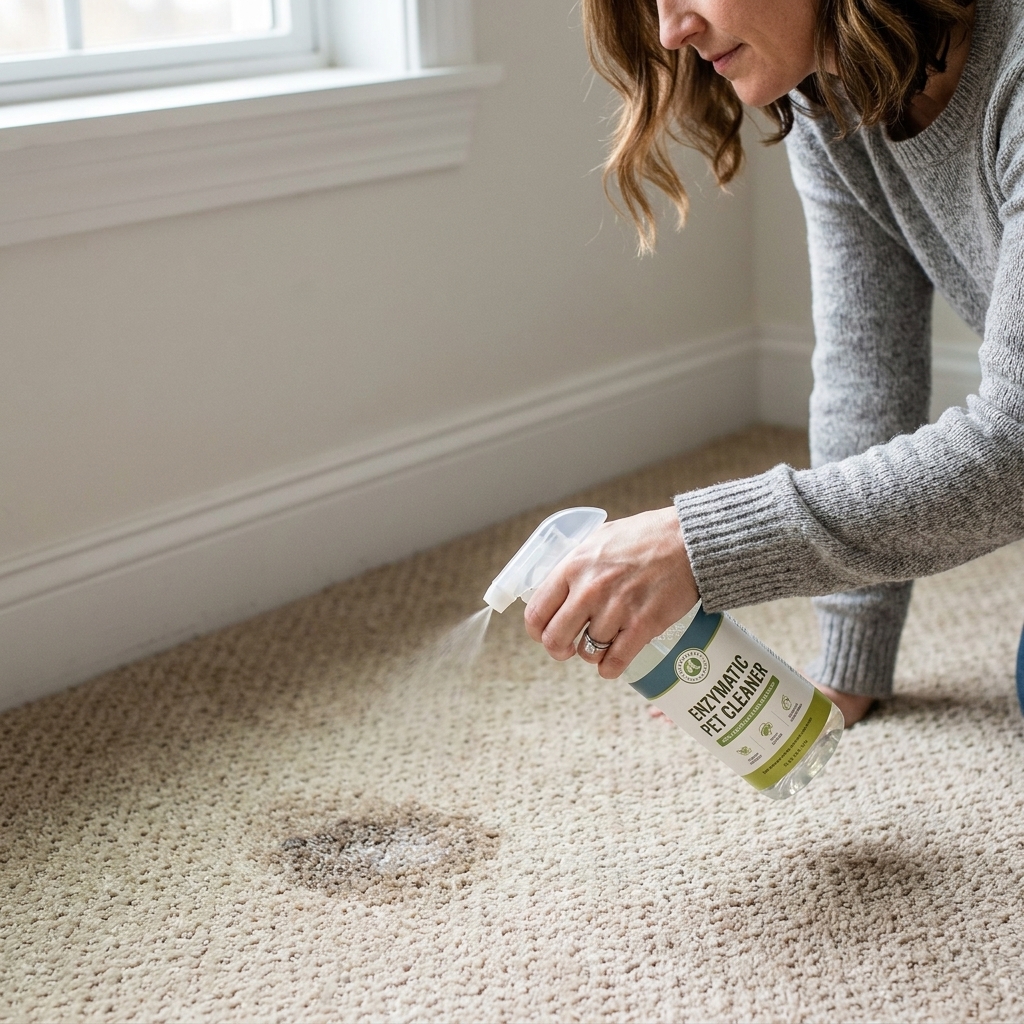
- Clean thoroughly: use an enzymatic cleaner on any accident spot. Regular soap may remove the stain, but the scent can linger for a cat nose.
Common pitfalls and easy fixes
The box is hard to enter
High-sided boxes and top-entry boxes are frequent culprits for kittens. Swap to a low-entry option until your kitten grows.
The litter bothers their paws
Some kittens dislike large crystals, rough textures, or certain pellets. If you see hesitant stepping, fast exits, or refusal, try a softer, fine-grain, unscented litter.
The box is in a scary spot
If the box is next to a loud dryer, in a narrow corner where a dog can block the exit, or in a busy hallway, move it. Cats want a clear line of escape.
Too much freedom too soon
Giving a kitten the whole house on day one is like expecting a toddler to always find the bathroom in a shopping mall. Use a home base room, then expand gradually once habits are solid.
Diarrhea or urgent poop
Kittens with diarrhea may not make it to the box in time, even if they understand the concept. Keep the box very close, consider adding a second box, and call your vet if diarrhea lasts more than a day, seems severe, or your kitten is lethargic or not eating.
Medical issues
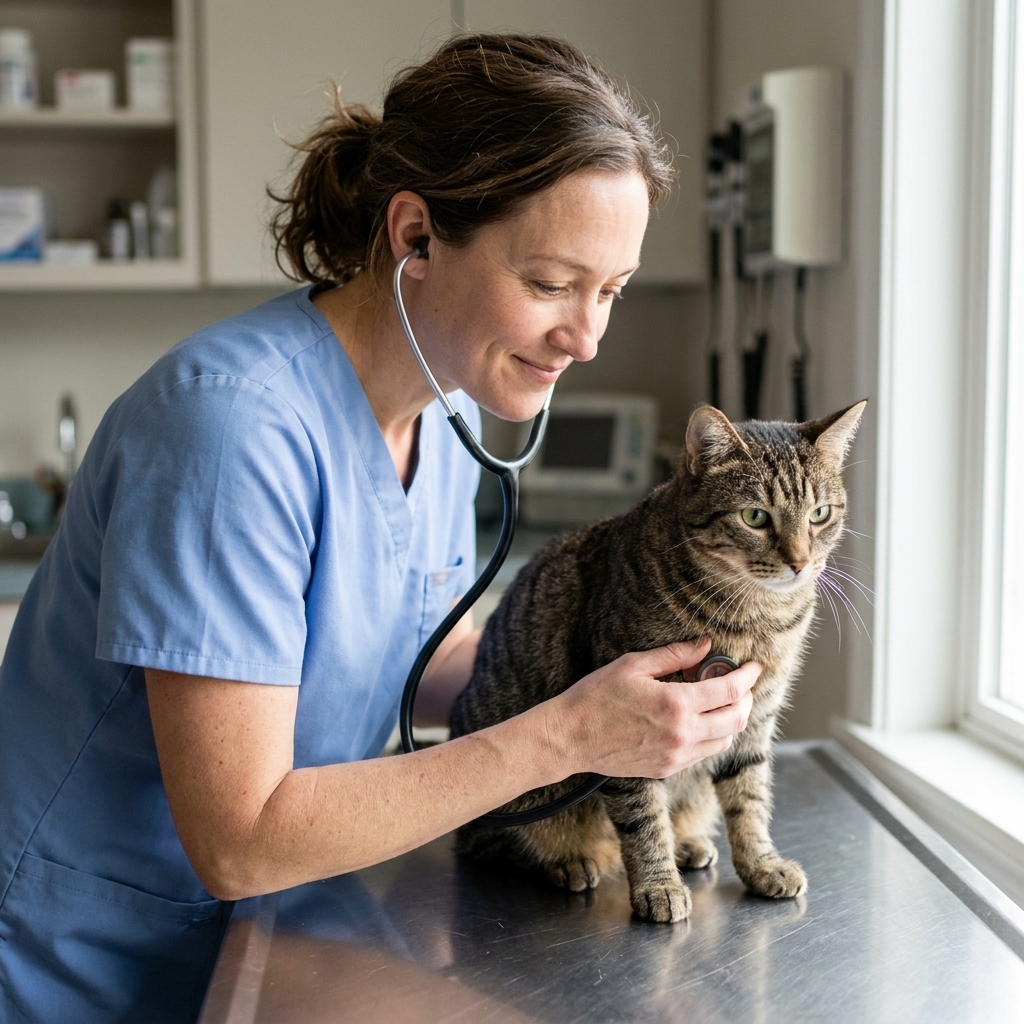
If accidents are frequent, urgent, or paired with crying, straining, blood, diarrhea, lethargy, or sudden behavior changes, call your veterinarian. Kittens can get parasites, diarrhea, and urinary discomfort, and no training plan can override pain.
Special situations
Training two kittens at once
Two kittens can be easier because they often copy each other, but you still need enough boxes. Start with two boxes minimum, scoop often, and watch for one kitten guarding the box. If you see ambushing or blocking, add another box in a different area.
Very young kittens (under 4 weeks)
Kittens younger than about 3 to 4 weeks can’t reliably eliminate on their own and may need stimulation from a caregiver. If you’re caring for an orphaned neonatal kitten, work closely with a vet or experienced neonatal foster support. For these babies, litter training comes later.
Switching litter later
If you want to switch litter types (for example, to a low-tracking formula), transition gradually:
- Days 1 to 3: 75% old litter, 25% new
- Days 4 to 6: 50% old, 50% new
- Days 7 to 9: 25% old, 75% new
- Day 10: 100% new
Slow changes prevent sudden refusals, especially for sensitive kittens.
Troubleshooting by accident location
Accidents right next to the box
This often means the kitten is trying, but something about the box is off:
- Box is dirty
- Litter texture is disliked
- Entry is too high
- Box feels unsafe (noise, ambush)
Try a second low-entry box with a different unscented litter nearby and scoop more often.
Accidents on soft items
Soft items can feel absorbent and comforting. This can happen if the litter is uncomfortable, the box is too far away, or the kitten is stressed. Reduce roaming space, add a second box, and remove tempting piles of laundry temporarily.
Accidents in corners or closets
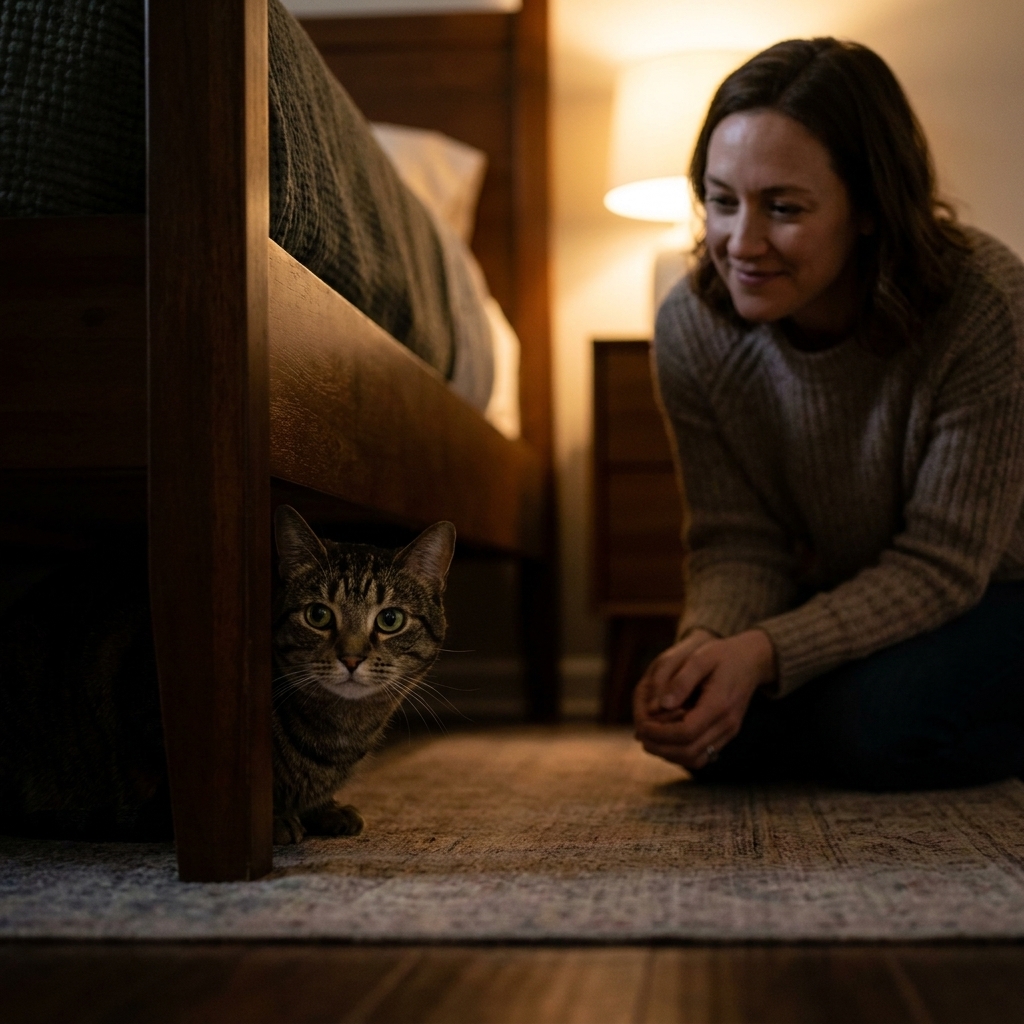
This usually points to privacy or access issues. Make sure the box is in a quiet spot, keep closets closed during training, and add a nightlight if the area gets very dark.
Do attractants help?
Some litter attractants can help, especially for kittens who are confused after a move. They are not magic, but they can be a useful nudge.
If you try one, keep everything else consistent: same box location, same litter type, and good scooping habits. If accidents continue, focus on the basics first because setup issues are usually the real problem.
A simple 7-day plan
- Day 1: Set up a home base room. Use a low-entry, uncovered box with unscented litter. Place kitten in box on arrival.
- Days 2 to 3: Escort to box after naps, meals, and play. Reward after successful use.
- Days 4 to 5: Add a second box if your home is larger or accidents occur. Begin short supervised exploration outside home base.
- Days 6 to 7: Expand access gradually. Keep boxes easy to reach. Maintain scooping routine.
Many kittens are reliably using the box within this window, but some need a bit longer after a move or if they’re very young. Consistency wins.
FAQ
How long does it take to litter train a kitten?
Many kittens learn within a few days, especially if they were previously with mom or in a shelter environment. For others, it can take 1 to 2 weeks of consistent setup and routine, particularly after a stressful move.
Should I put my kitten in the litter box every hour?
You can, but you usually don’t need to. Focus on high-probability times: after waking, after eating, and after play. Too-frequent trips can annoy some kittens and make the box feel like a chore.
Is a covered box okay for a kitten?
Some kittens tolerate them, but I prefer uncovered boxes for training. Covered boxes can trap odors and feel like a dead-end escape route. Once your kitten is consistent, you can experiment if you prefer a covered style.
What if my kitten plays in the litter box?
It’s common. Kittens explore with their paws. Keep the box clean, redirect gently to a toy, and avoid turning it into a big event. If play is constant, try a larger box, a different litter texture, and more play sessions to burn energy.
When should I call the vet about litter box issues?
Call promptly if you see straining, frequent tiny pees, crying in the box, blood, vomiting, diarrhea lasting more than a day, poor appetite, lethargy, or sudden new accidents after your kitten was doing well.
The goal: confident habits
Litter box training is really about feelings: comfort, safety, and predictability. When you make the box easy to access, pleasant to use, and consistently clean, most kittens lock in the habit quickly.
If you’re in the thick of it, know this: you’re not failing. You’re gathering clues. With a few small tweaks, your kitten will very likely become a reliable litter box pro, and you can get back to the important work of admiring their tiny toe beans.