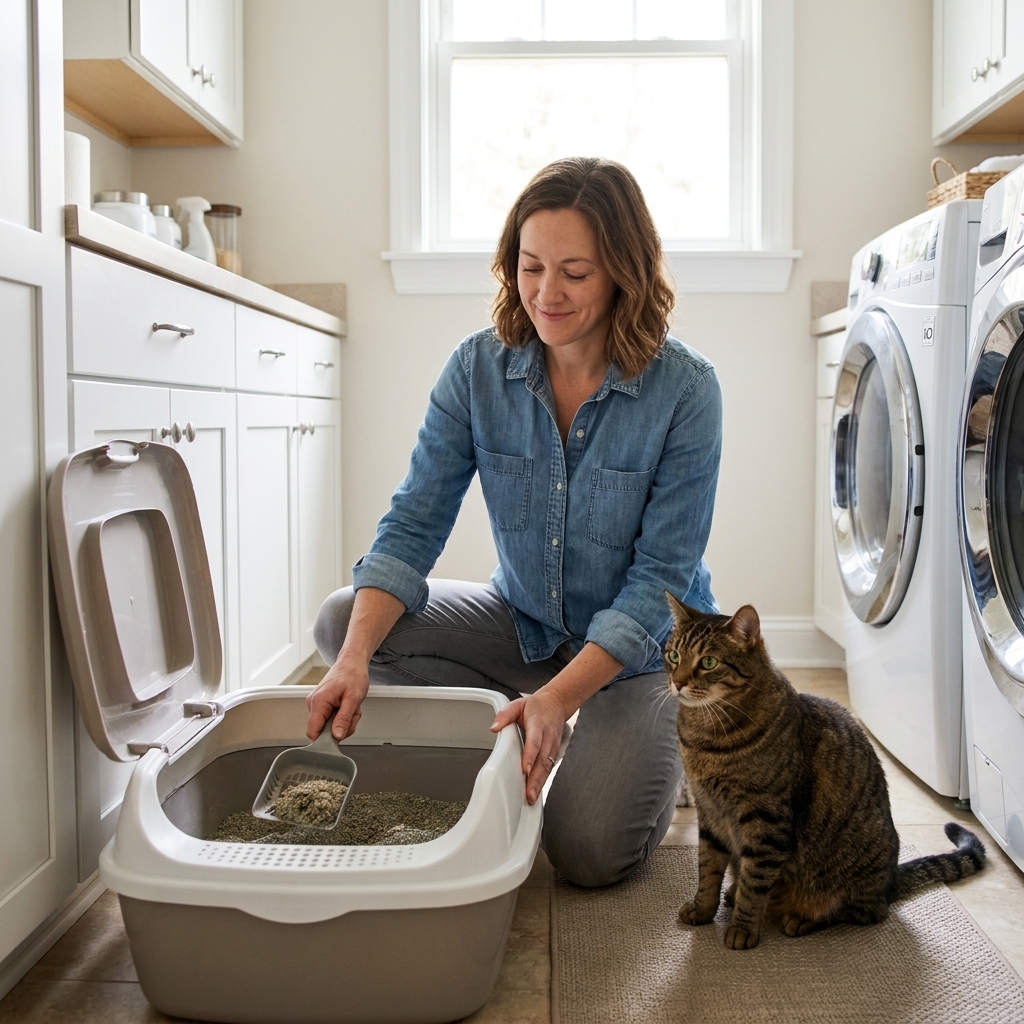
Picking cat litter sounds simple until you are standing in the pet store aisle holding three different bags that all promise “maximum odor control.” I have been there, both as a cat parent (Clementine has opinions) and as a foster coordinator juggling multi-cat rooms where litter choices can make or break harmony.
Clay, pine, and silica are three of the most common options homes end up considering. Each can work beautifully, and each can also be a terrible match depending on your cat’s paws, your nose, your budget, and how much sweeping you can tolerate. (And yes, paper, corn, wheat, walnut, and other plant-based litters can be great too. But if you are comparing the big aisle staples, these are the usual suspects.)
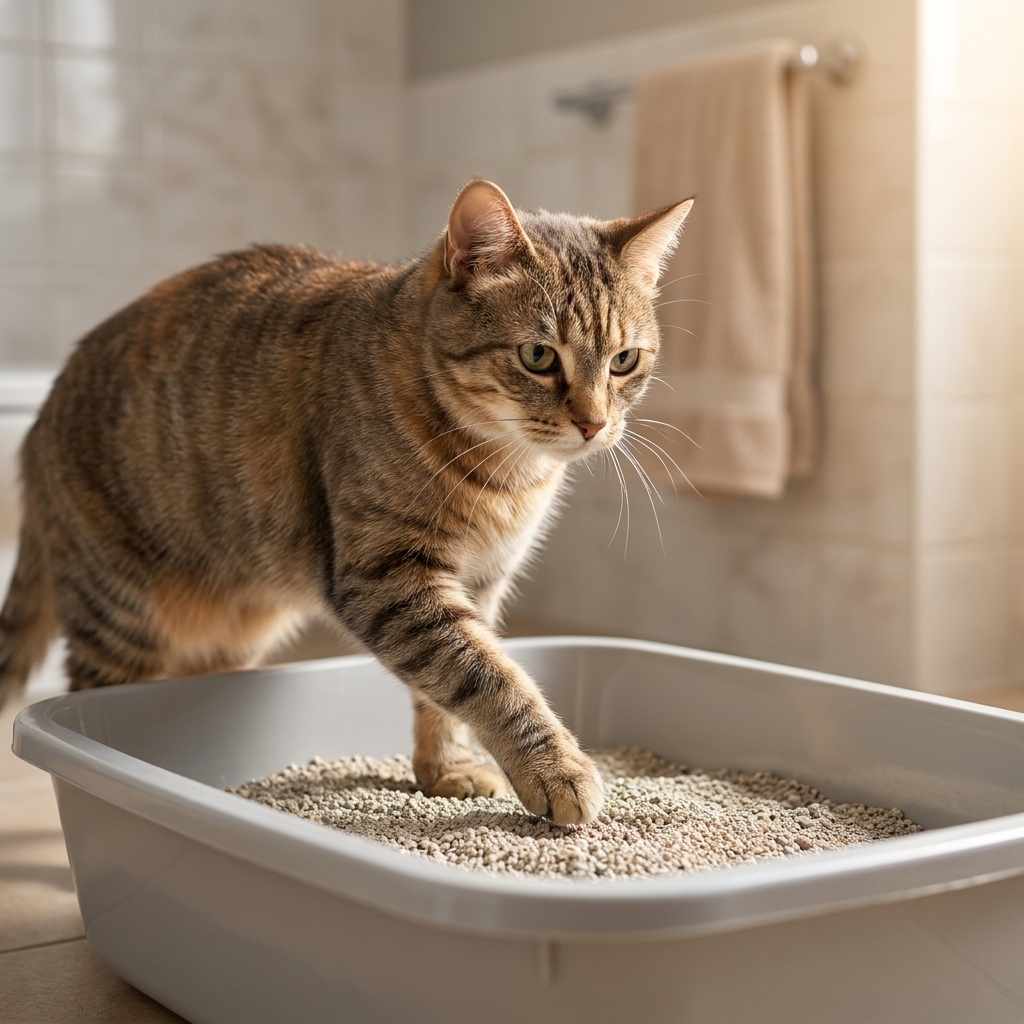
Quick take: what usually wins where
If you just want the high-level vibe before we get nerdy, here is how these three usually shake out in real homes.
- Clay (clumping): Best all-around for easy scooping and day-to-day convenience. Can be dusty and tracks easily. Odor control ranges from decent to excellent depending on the formula.
- Pine (pellets): Best for lower tracking, lower dust, and a “wood shop” smell instead of perfume. Can be a good fit for some cats with respiratory sensitivities, but any dusty product (including crumbly pellets) can irritate. Not a true clumper in most pellet systems, so poop scooping is easy but urine management is different.
- Silica (crystal): Best for long-lasting urine odor control and less frequent full changes. Tracking can still happen, and some cats dislike the feel. Dust is usually low, but fine crystal dust near end-of-life can bother some cats.
Clay litter: the familiar workhorse
Clay litter is popular for a reason: it fits most cats’ expectations. Fine granules feel like soil or sand, which many cats naturally prefer. Most clumping clay is made with bentonite, which is why it forms those satisfying scoopable clumps.
Odor control
Clumping clay generally controls odor well because it lets you remove urine quickly. The big caveat is that clay can hold onto odor if you do not scoop often enough, or if the box is too small for the cat’s size.
Clay with added carbon can be excellent for odor, while heavily fragranced clay often just adds “cat box plus perfume,” which sensitive cats may dislike.
Clumping and scooping
This is clay’s superpower. A good clumping clay forms firm clumps that you can remove in one piece. That is why many busy households stick with it.
Tracking and mess
Tracking is common, especially with lightweight clay. The finer the granules, the more likely you will find little grains in the hallway at 2 a.m. A large litter mat helps, but it rarely eliminates tracking entirely.
Dust level
Dust varies by brand, but clay is often the dustiest of these three categories, especially when you pour it. Some modern “low-dust” clays are genuinely better, so it is worth paying attention to what you and your cat tolerate. If you or your cat has asthma-like symptoms, chronic sneezing, or you are dealing with a respiratory kitty, dust can be a dealbreaker.
Cost and value
Clay usually has the lowest cost per pound and the easiest availability. Lightweight formulas cost more and sometimes perform worse on tracking and odor, so “cheap” is not always the best value.
A quick eco note
If sustainability is part of your decision, it is worth knowing that bentonite clay is typically strip-mined. Some people choose plant-based litters for that reason, while others stick with clay for performance and budget. There is no perfect choice, but it is a valid factor.
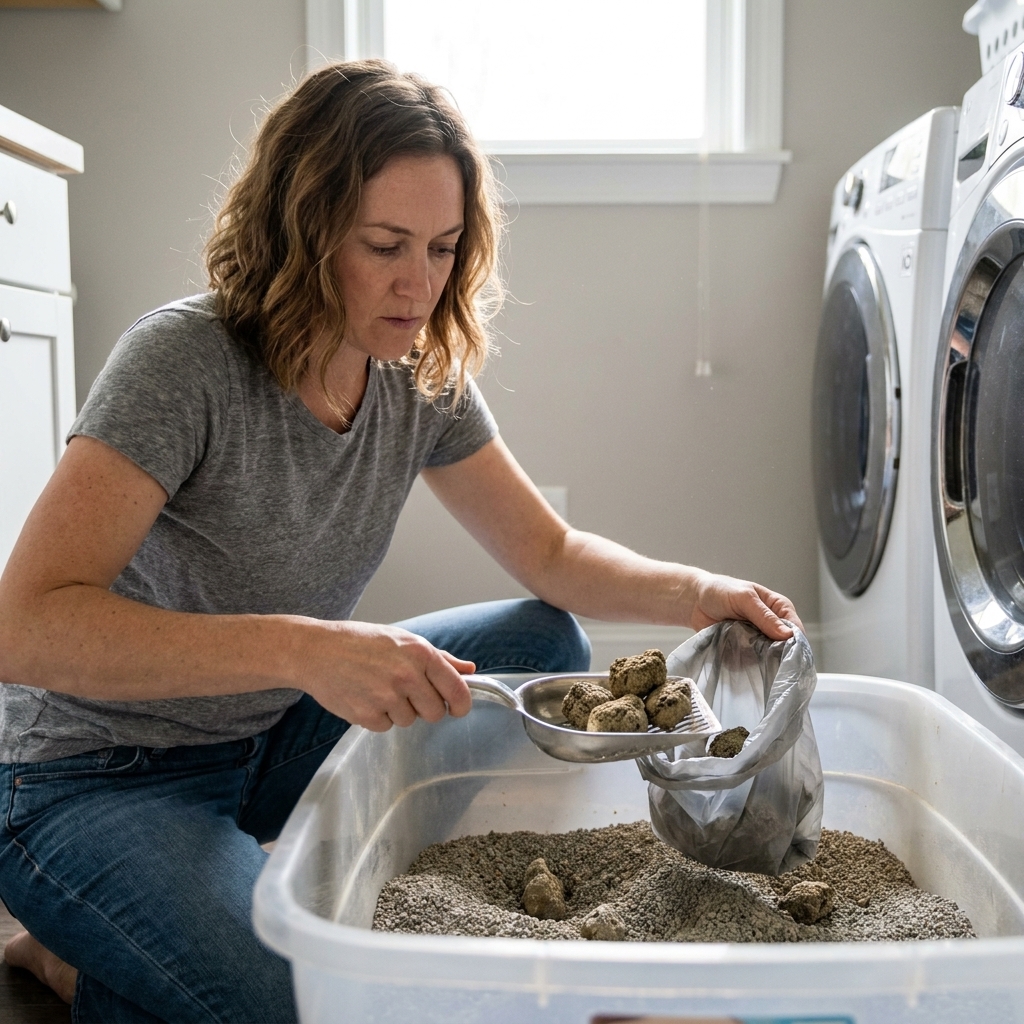
Pine litter: low dust, different routine
Pine litter typically comes as pellets, though there are also pine granules. The most common pellet setup works like this. You scoop poop as usual. When your cat pees, pellets break down into sawdust. That sawdust falls to the bottom of the box (often a sifting box), or you stir and remove it from a standard box.
Odor control
Pine can be surprisingly good at reducing ammonia smell for many homes. Instead of masking odor with fragrance, it often keeps things smelling more like mild wood than “litter box.”
That said, pine odor control depends heavily on how you manage the wet sawdust. If the saturated sawdust sits too long, you will smell it.
Clumping and scooping
Most pine pellet litters are not clumping in the classic sense. Poop scoops easily. Urine management is about removing the broken-down sawdust regularly rather than lifting clumps.
If you love the “one quick scoop and done” experience, pine can feel like a learning curve. If you are okay with a system, it can be wonderfully clean.
Tracking and mess
Pine pellets tend to track less than clay because the pieces are larger and heavier. You may still find a pellet or two outside the box, but it is typically easier to spot and pick up.
Dust level
Pine is usually low dust, which is why I often suggest it for cats (or humans) who seem bothered by dusty boxes. Always verify the specific product, because very crumbly pellets can create dust as they break down.
Maintenance cadence (real-world)
For one average cat, I usually find that removing wet sawdust every day or two keeps odors under control, especially in a smaller space. With multiple cats, it can be a daily task. The goal is simple: do not let the damp layer build up.
Cost and value
Cost varies widely. Some pine products marketed as “cat litter” are pricier, while plain kiln-dried pine pellets sold for animal bedding can be much cheaper. What matters is that they are kiln-dried and additive-free.
One more nuance: some people worry about natural phenols in softwoods. Kiln-drying reduces the volatile compounds most people are concerned about, but individual cats can still be sensitive. If your cat seems itchy, sneezy, or avoids the box after switching, stop and try something else.
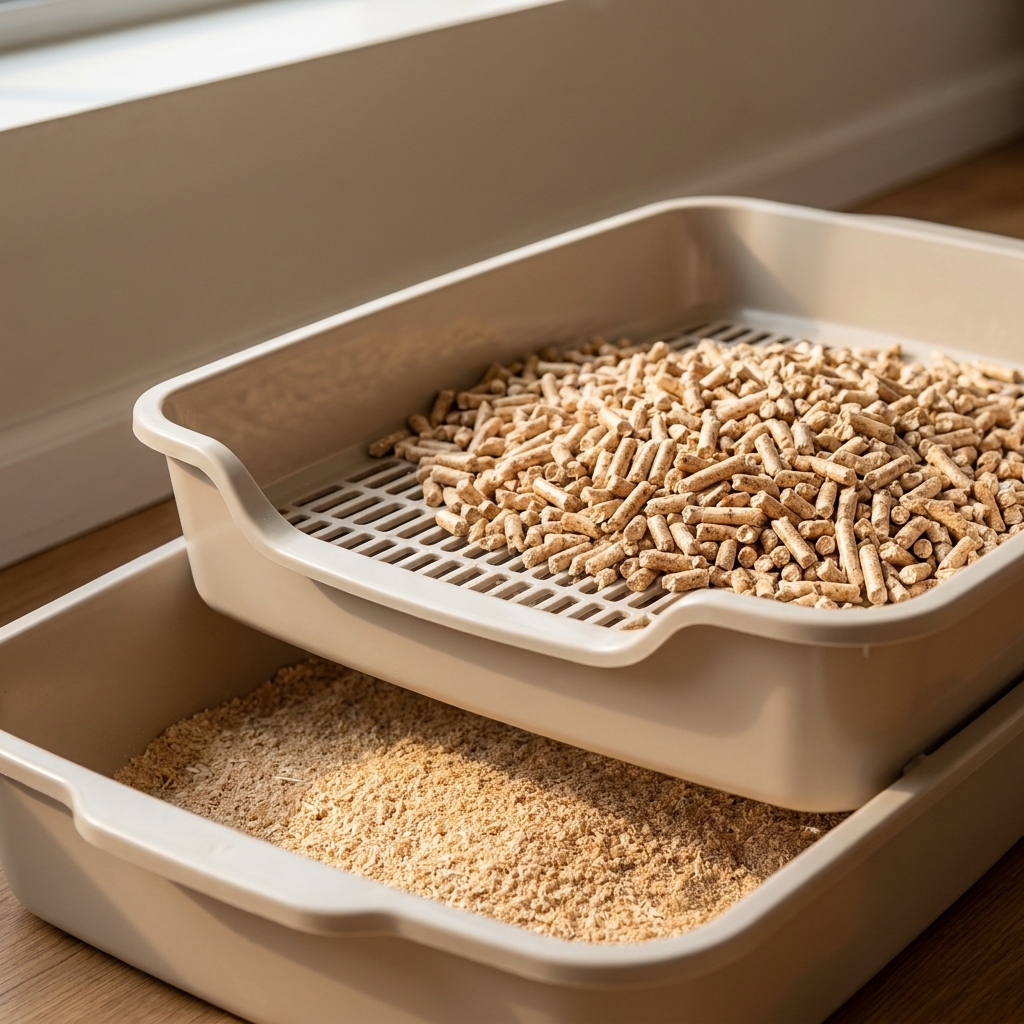
Silica litter: crystals that last
Silica gel litter is made of porous crystals designed to absorb urine and help control odor over time. Many brands claim you can go longer between full litter changes.
Odor control
Silica can be excellent for urine odor control because the crystals absorb and hold moisture. In single-cat homes, it can keep things surprisingly fresh when used correctly.
However, poop odor is still poop odor. You will still need to scoop solids daily, and in some homes the “trapped” urine smell becomes noticeable once the crystals are saturated.
Clumping and scooping
Most silica litters are non-clumping (though a few brands offer clumping crystals). With non-clumping crystals, you scoop poop, then stir the crystals so moisture distributes and absorbs more evenly.
Tracking and mess
Silica tracking is hit or miss. Some crystal sizes stay put; others stick to paws and show up in bed like tiny Lego pieces you step on barefoot. A mat helps a lot here.
Dust level
Silica is often marketed as low dust, and many are. Still, some cats and humans find crystal dust irritating, especially when the litter is nearing the end of its usable life and breaks down more.
Cost and value
Per bag, silica can look expensive. Value depends on whether it actually lasts longer in your home. In multi-cat households or with heavy urinators, you may not get the extended lifespan the packaging suggests.
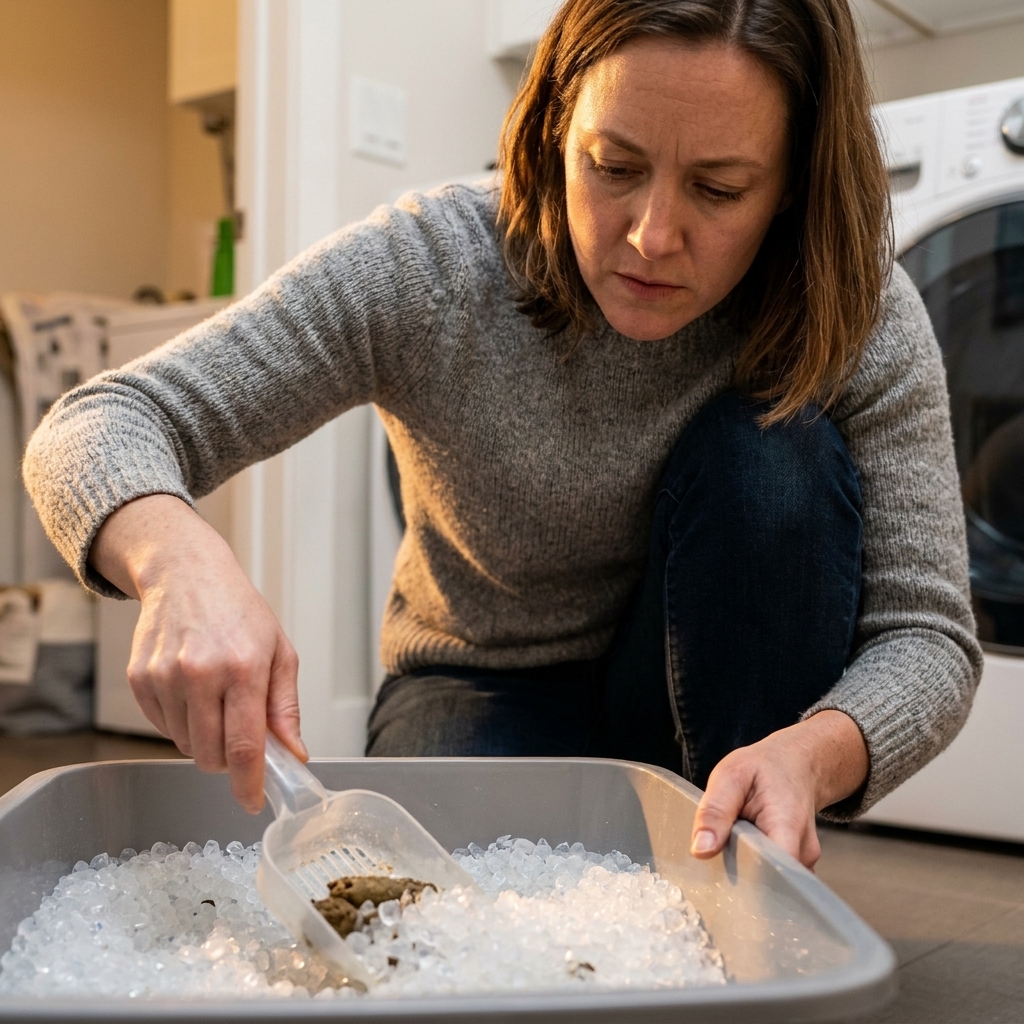
What matters most: your cat’s preference
I can talk odor control all day, but here is the truth I learned running foster rooms: the “best” litter is the one your cat will reliably use.
Cats care about:
- Texture under paw (clay is soft, pellets feel chunky, crystals feel sharp to some cats)
- Smell (some cats dislike strong scents, even if humans find them pleasant)
- Cleanliness (any litter fails if the box is not scooped often enough)
- Box setup (size, depth, location, and whether the box feels safe)
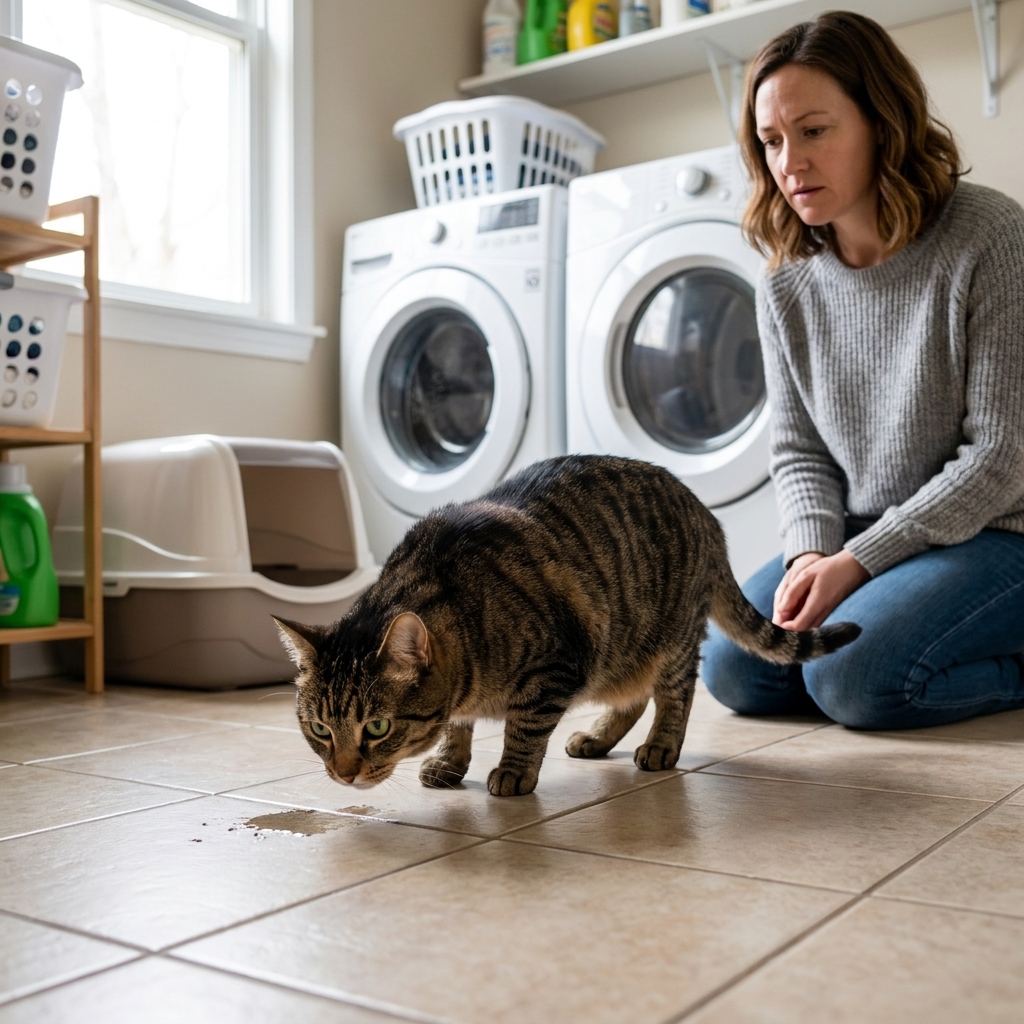
If your cat has ever peed next to the box after a litter change, that is not “spite.” It is communication. Usually it means “this feels weird,” “this smells wrong,” or “my box is not comfortable.”
Also worth flagging: cats with arthritis or tender paws may do better on softer, finer litters and in boxes with a low entry. Pellet and crystal textures are not automatically a problem, but comfort matters more as cats age.
Common scenarios: tracking, dust, odor
Small apartment
- Top pick: Silica or a high-quality clumping clay with carbon
- Why: Strong urine odor control matters most when the box is close to everything
- Tip: Prioritize a larger box and daily scooping over any “miracle” litter
If you hate sweeping
- Top pick: Pine pellets
- Why: Larger particles typically track less
- Tip: Use a litter mat with a soft surface your cat will step on, not a spiky one some cats avoid
Respiratory issues in the home
- Top pick: Pine (low dust) or a truly low-dust silica
- Why: Dust, especially from some clay litters, is a common irritant
- Tip: Pour slowly, and consider a covered storage bin for litter to reduce airborne dust when refilling
Multiple cats
- Top pick: Usually clumping clay for easiest high-frequency scooping
- Why: Multi-cat boxes get saturated fast, and clumps let you remove waste efficiently
- Tip: Add boxes, not just more litter. A good rule of thumb is one box per cat plus one extra.
Cost: think beyond the sticker
The cheapest litter is not always the least expensive choice over a month. Here is a more realistic way to compare:
- How often you replace the whole box (some litters need full dumps more often)
- How much you use per refill (pellets and crystals are often used at different depths)
- How much gets wasted (crumbly clumps, saturated corners, or litter that gets vacuumed up)
- Behavioral “cost” if your cat protests and starts avoiding the box (this gets expensive fast)
If you want a simple starting point: clay often wins on upfront cost, pine often wins on “clean floor” value, and silica can win on odor control value in single-cat homes where it truly lasts.
How to switch litters smoothly
Most litter box issues I troubleshoot start with a sudden change. Cats like consistency. When you can, transition gradually over 7 to 14 days.
Slow-mix method
- Days 1 to 3: 75% current litter, 25% new litter
- Days 4 to 6: 50% current, 50% new
- Days 7 to 10: 25% current, 75% new
- Then: 100% new litter if all is going well
Two-box method (my favorite for picky cats)
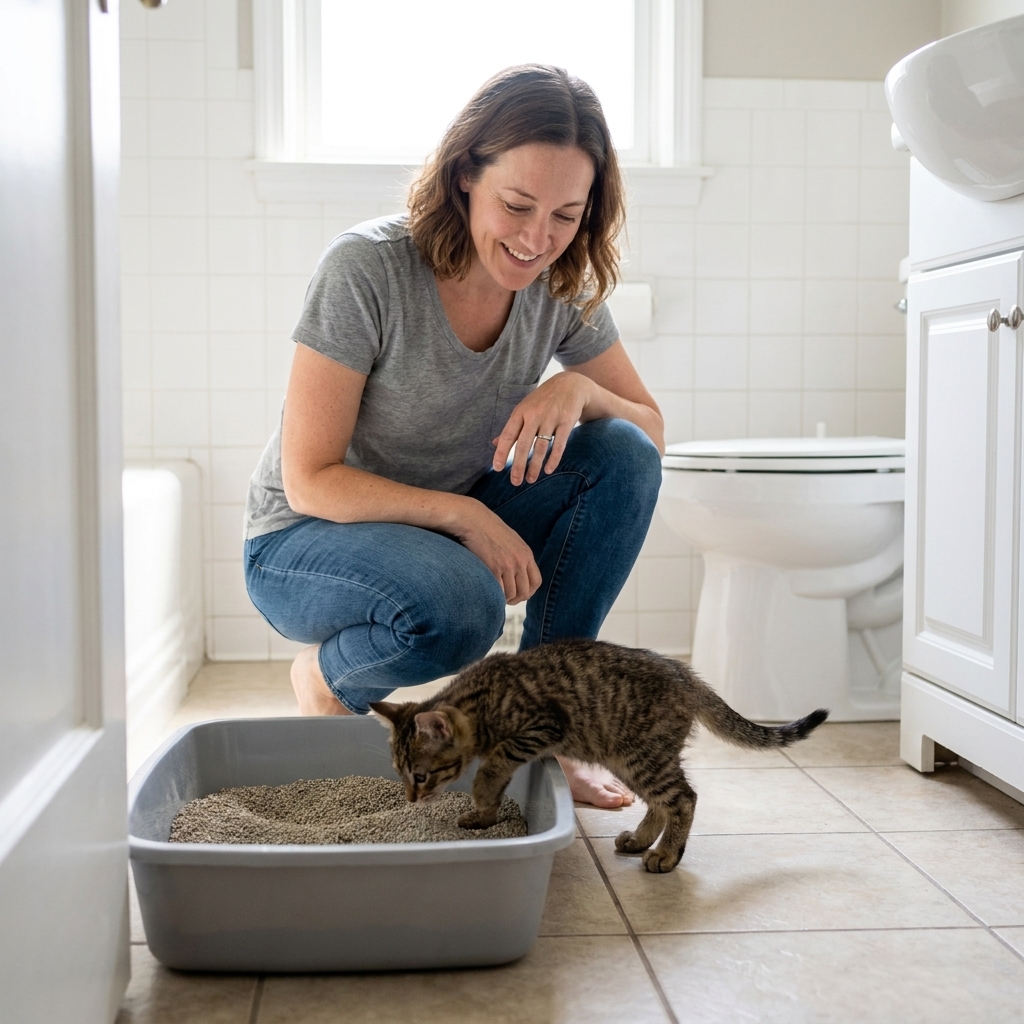
Set up a second box next to the original with the new litter. Let your cat vote. Once they are reliably using the new litter, you can phase out the old one.
Important: If your cat starts peeing outside the box during a switch, go back a step. And if there is any chance of a medical issue (straining, blood, frequent small pees), call your vet right away.
Safety notes and gotchas
Scented litter and sensitive cats
Heavily fragranced clay is a common trigger for litter box avoidance. Many cats prefer unscented options, even if humans think scented smells cleaner.
Kittens and ingestion risk
Kittens explore with their mouths. If you have a very young kitten who is tasting litter, talk with your vet about the safest choice and avoid anything that clumps hard if ingested.
Pine and sensitivities
The wood scent is usually mild, but not everyone likes it. If someone in the home hates the smell of a fresh-cut lumber aisle, pine might not be your winner. And if your cat seems irritated or starts avoiding the box, switch. Some cats are simply sensitive, even to otherwise well-tolerated options.
Silica and paw comfort
Some cats dislike the feel of crystals and may perch on the edge of the box or refuse it. If your cat has tender paws, arthritis, or is declawed (which can make paws more sensitive), pay extra attention to comfort.
Disposal and flushing
Do not flush most cat litter, especially clay and silica. It can clog plumbing and is a bad fit for many septic systems. Bag it and trash it, and check your local guidelines if your municipality has specific rules.
My practical recommendations
If you are overwhelmed, here are three “start here” picks based on what I see work most often:
- For most households: A quality, unscented clumping clay with good clump strength
- For low dust and low tracking: Pine pellets with a sifting box system
- For strong urine odor control in a single-cat setup: Silica crystals, stirred daily and replaced before they are fully saturated
Whatever you choose, remember the basics do more heavy lifting than the litter type: a big box, a quiet location, a comfortable depth, and daily scooping.
FAQ
Is pine litter safe for cats?
For most cats, kiln-dried pine pellets made for pets are considered a safe, commonly used option. Avoid products with added chemicals or strong additives, and monitor any cat with allergies or sensitivities during the transition. If your cat reacts, stop and switch.
Is silica litter safe?
Many cats use silica without issues. Choose a reputable brand, keep the box clean, and watch for signs of irritation (sneezing around the box, watery eyes, paw sensitivity). If your cat has chronic respiratory disease, ask your veterinarian what they recommend.
Why does my cat suddenly hate the new litter?
Usually it is texture or smell. Switch more slowly, try a second box “choice” setup, and make sure the box itself is large and easy to enter. If your cat is straining to pee, peeing frequently, or acting painful, treat it as a medical concern first.
How often should I fully change the litter?
It depends on litter type, number of cats, and box size. As a general baseline: clumping clay may need a full change every 2 to 4 weeks, pine systems need regular sawdust removal plus periodic full refreshes, and silica needs replacing when crystals are saturated and odor returns, often every few weeks in single-cat homes. Daily scooping is still non-negotiable for all types.