If your home has that lingering “litter box” smell even though you swear you just cleaned it, you are not alone. Odor is usually a combo of three things: waste sitting too long, litter that is not trapping ammonia well, and a setup that makes it hard to keep up.
The good news is you do not need harsh sprays or a full remodel. These seven tips are the same fixes I lean on in rescue homes, foster rooms, and busy multi-cat households. They are practical, cat-safe, and they often make a noticeable difference fast.
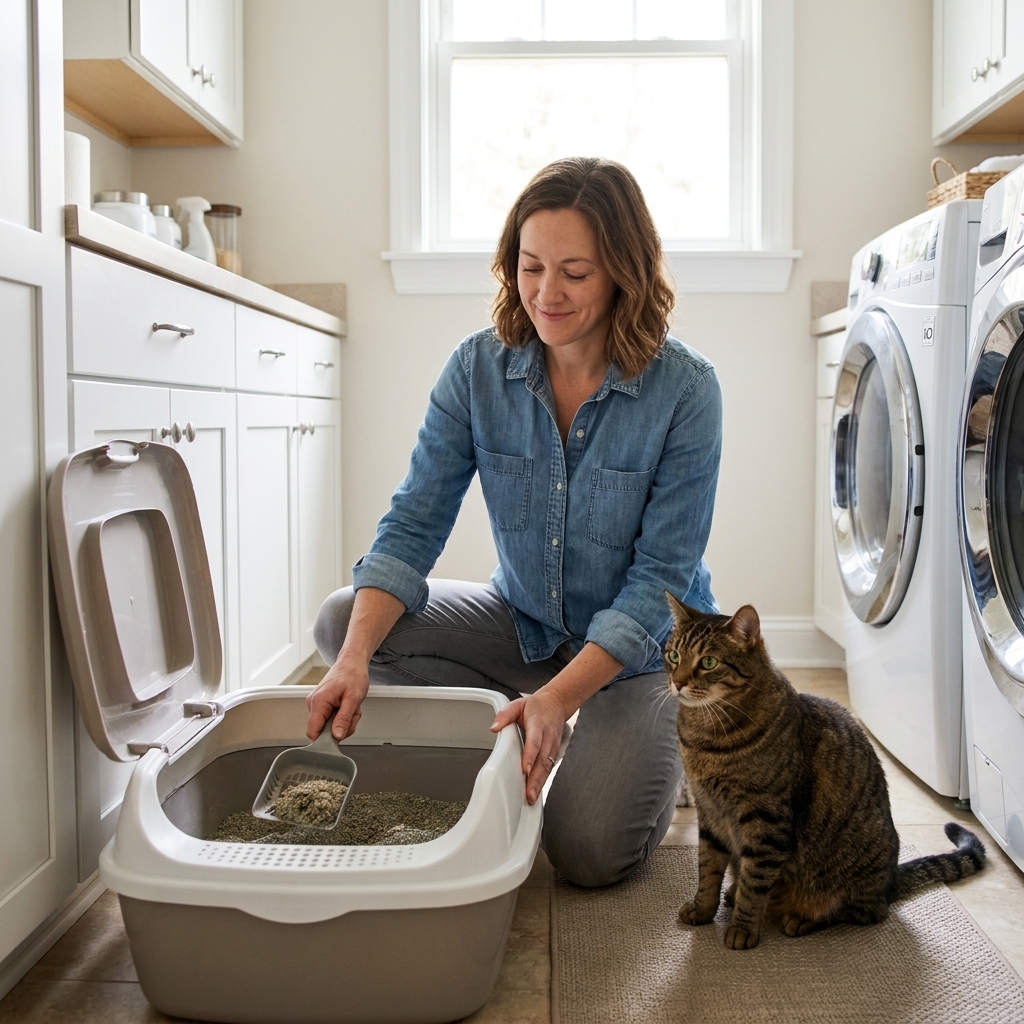
1) Scoop like it matters
Most odor problems start with a simple issue: waste is sitting in the box long enough for ammonia to build. If you fix only one thing, fix scooping.
- Minimum: Scoop once daily per box.
- Best for odor control: Scoop twice daily, morning and evening.
- Multi-cat shortcut: Do a quick “top scoop” whenever you walk by. Thirty seconds can prevent a smell spiral.
My favorite trick: Keep a small trash can with a tight lid right next to the box, lined with a bag. When disposal is easy, consistency happens.
Quick disposal note: Most litter should not be flushed. Tie off the bag and follow your local trash rules, especially if you use clay litter.
2) Use enough litter
Litter depth affects clumping, moisture control, and how much urine hits the bottom of the box.
- For most clumping litters, aim for 2 to 3 inches of litter.
- If you have a high-volume urinator who floods the same corner, go closer to 3 to 4 inches and make sure the box is large enough.
Too little litter lets urine reach the plastic and soak into micro-scratches, which is where stubborn odor loves to live. Too much litter can encourage digging storms that bury smell temporarily but fling dirty litter around the room.
3) Choose real odor control
Not all litters handle odor the same way, and “scented” is not the same as “effective.” Many cats dislike strong fragrances, and some will avoid the box altogether, which creates a much bigger problem than odor.
What tends to work well
- Unscented clumping clay: Often the best balance of clumping and odor control for many households.
- Activated charcoal formulas: Can help bind odors, including in homes where humidity tends to make smells linger.
- Clumping grass or corn: Can be excellent, but quality varies by brand and it may track more.
What to be cautious with
- Heavily scented litters: May smell “clean” to us but can be aversive to cats.
- Non-clumping litter: Often lets urine spread, which can increase odor unless you fully dump and wash frequently.
If you need to switch: Transition gradually over 7 to 10 days by mixing old and new litter. Sudden changes are a common reason cats protest with box avoidance.
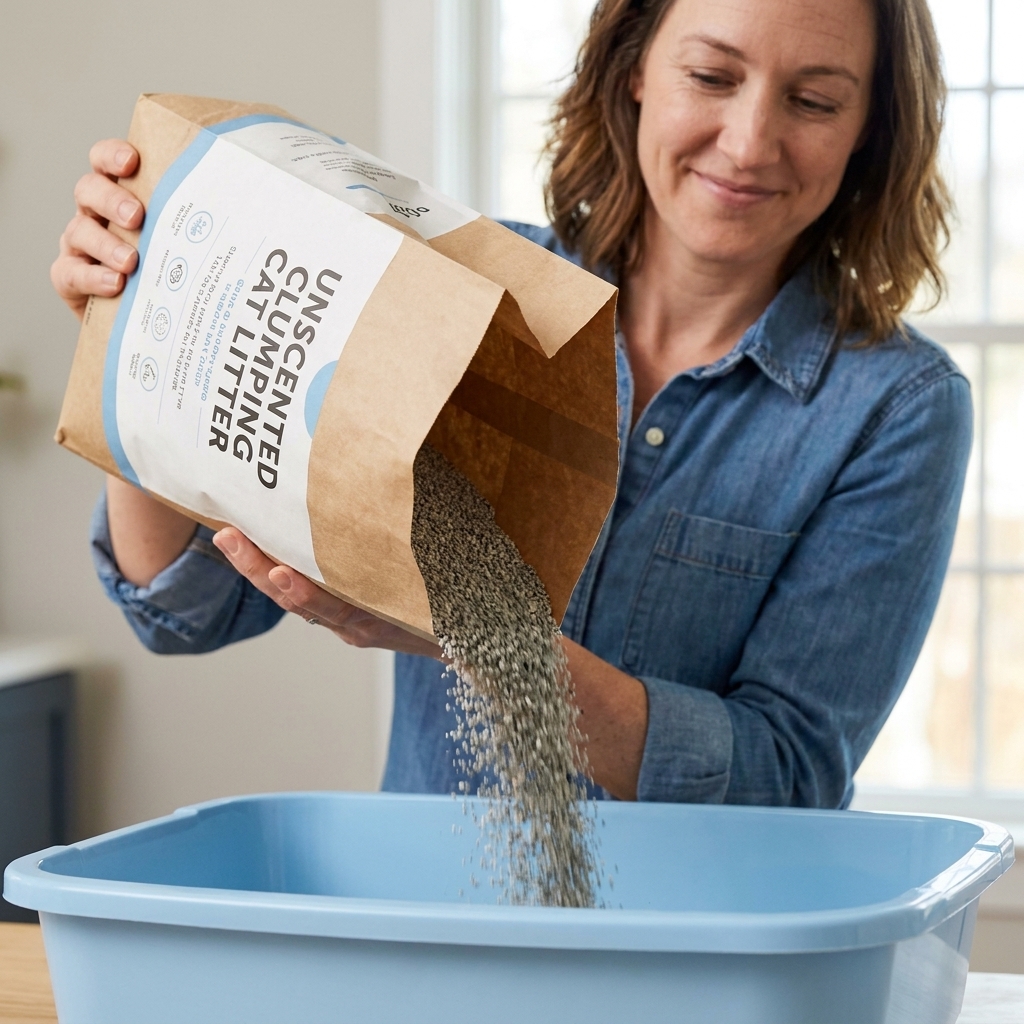
4) Put boxes where air moves
I understand the urge to hide the box. Unfortunately, tucked-away corners often trap odor and can make cats feel unsafe, which may reduce consistent use.
Odor-friendly placement rules
- Choose airflow: A well-ventilated area helps odors dissipate instead of concentrating.
- Avoid tight closets and enclosed cabinets: They can amplify smell and can make a box feel like a dead-end to a cat.
- Keep away from food and water: Most cats prefer separation, and so do we.
- Prioritize access: If the box is inconvenient to reach, scooping tends to slip.
Multi-cat note: Spread boxes out. When all boxes are in one spot, one “guarding” cat can block access and cause accidents elsewhere.
5) Use the right box
A box that is too small gets dirtier faster. Waste piles up, cats step in it, and odor clings to paws and fur, then spreads through the house.
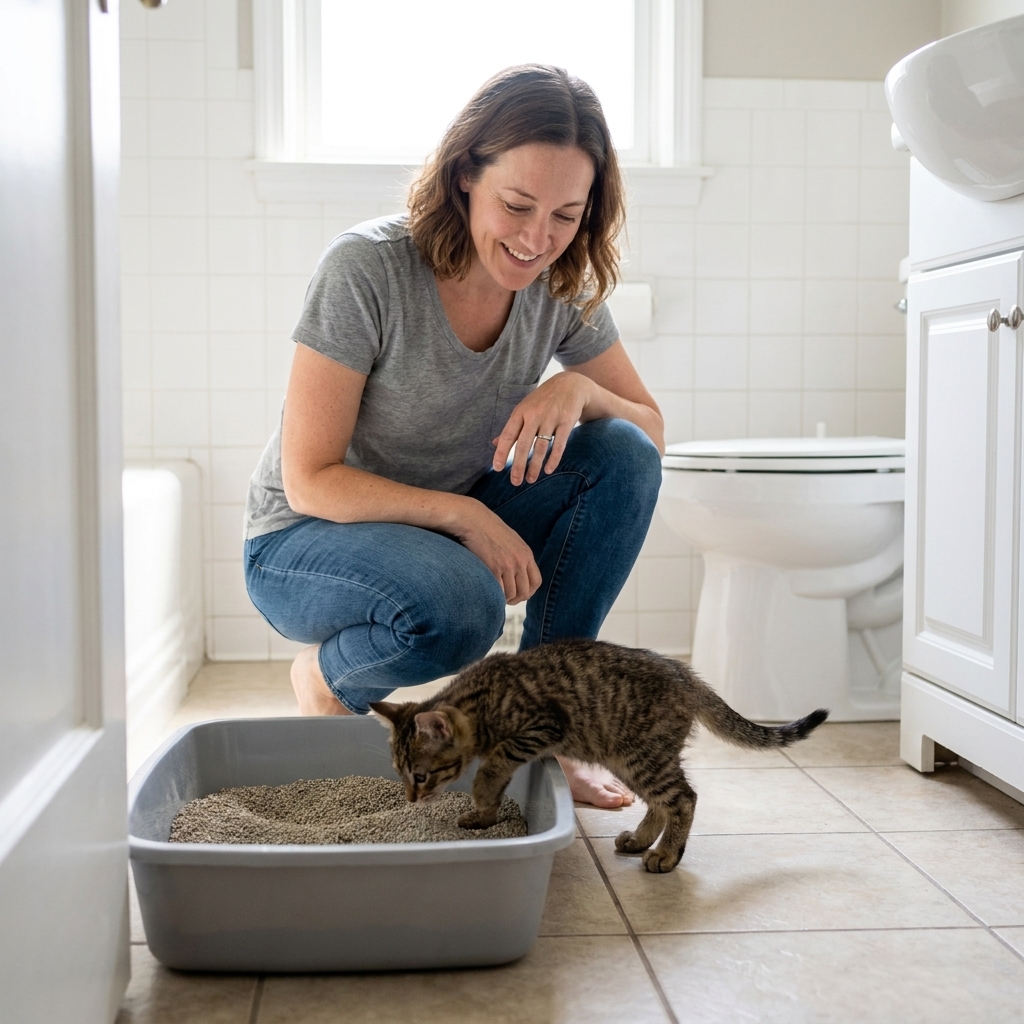
- Size guideline: The box should be about 1.5 times your cat’s body length from nose to base of tail.
- High sides help: Especially for cats who pee high or kick litter.
- Covered boxes: They can contain litter scatter, but they often trap odor inside and some cats refuse them. If you use one, scoop more often and clean the lid regularly.
Personal rescue reality: Many “stinky box” homes improve quickly when they swap a cramped covered box for a large, open tote-style box with a generous litter depth.
One more thing that matters: Too few boxes can make every box smell worse, faster. The classic guideline is one per cat, plus one extra, if you have the space.
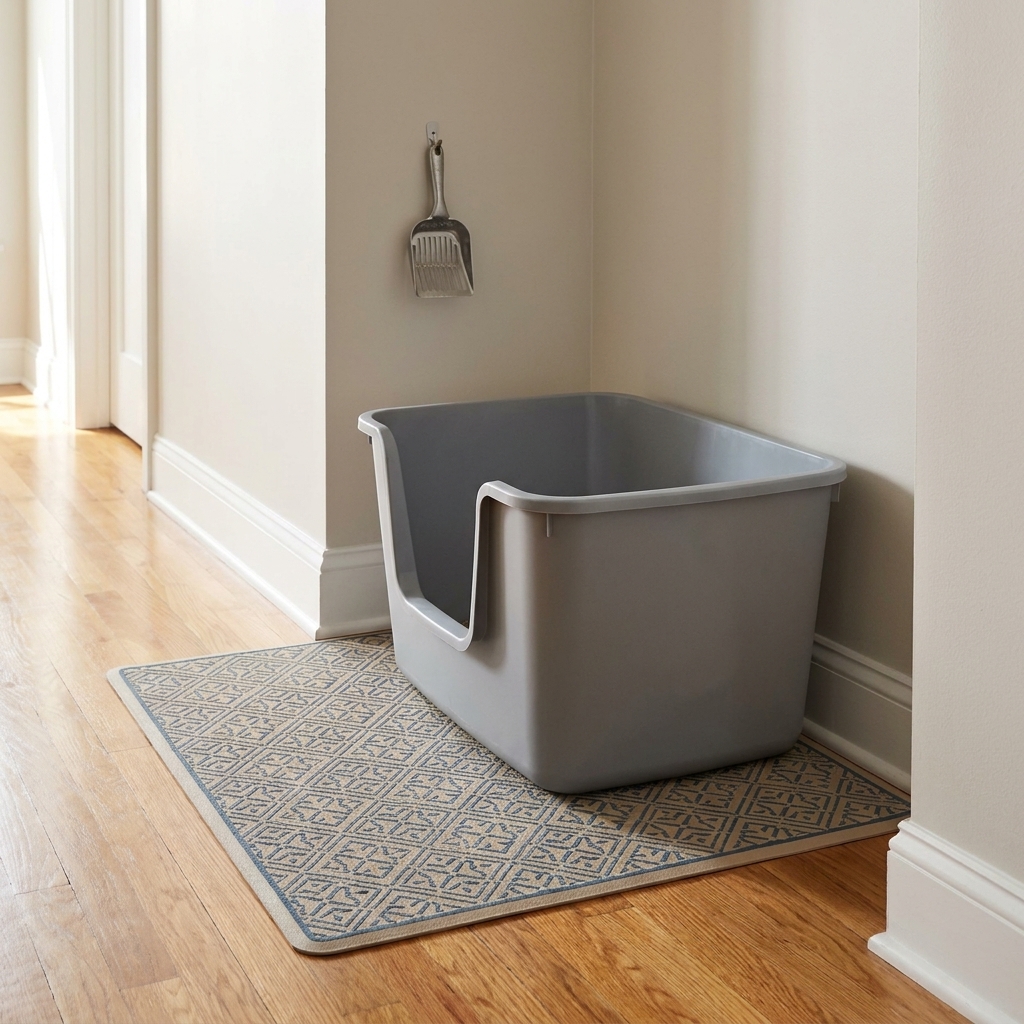
6) Deep clean and replace
Scooping removes solids and clumps, but odor can still build in the box itself over time, especially if the plastic gets scratched. Those tiny scratches hold onto urine residue and bacteria, even if the box looks “clean.”
A simple deep-clean routine
- Every 2 to 4 weeks: Empty completely, wash with warm water and a mild unscented dish soap, rinse well, and dry fully.
- For stubborn smells: After washing, you can rinse with a diluted vinegar solution (about 1:1 vinegar and water), then rinse again thoroughly and dry.
- Avoid harsh cleaners: Ammonia-based products can smell like urine to cats and can contribute to repeat marking for some cats. Strong fragrances can also deter box use.
When to replace the box: If the plastic is visibly scratched, cloudy, or holding odor even after cleaning, it is time. Many households end up replacing plastic boxes somewhere around 12 to 24 months, but it really depends on scratching, digging, and how much odor the material is holding.
7) Deodorize safely
If you want a little extra help, you can, but the goal is to neutralize odor without irritating your cat’s nose or skin.
Safer options
- Baking soda (sparingly): A thin sprinkle mixed into the litter can help. Avoid dumping large amounts where your cat might inhale dust while digging.
- Activated charcoal odor absorbers: Place near the box (not in it) to help the surrounding air smell fresher.
- Air purifier: A unit that includes a substantial activated carbon filter can help with smells. A HEPA filter is great for litter dust and dander, but odors are gases, so carbon is the piece that matters most for odor control.
Skip these
- Essential oils and strong sprays: Many essential oils are unsafe for cats, and even “pet-safe” fragrances can cause avoidance.
- Automatic air fresheners near the box: They can startle sensitive cats and create negative associations with the litter area.
Rule of thumb: If your cat sniffs the box and hesitates, shakes their head, or suddenly starts perching on the edge instead of stepping in, rethink whatever new product you added.
Quick checklist
- Scoop morning and evening
- Top up litter to maintain 2 to 3 inches
- Wipe stray urine or stuck bits off the sides with a damp paper towel
- Take waste to a sealed bin
- Do a full empty and wash every 2 to 4 weeks
Do not ignore hidden smells
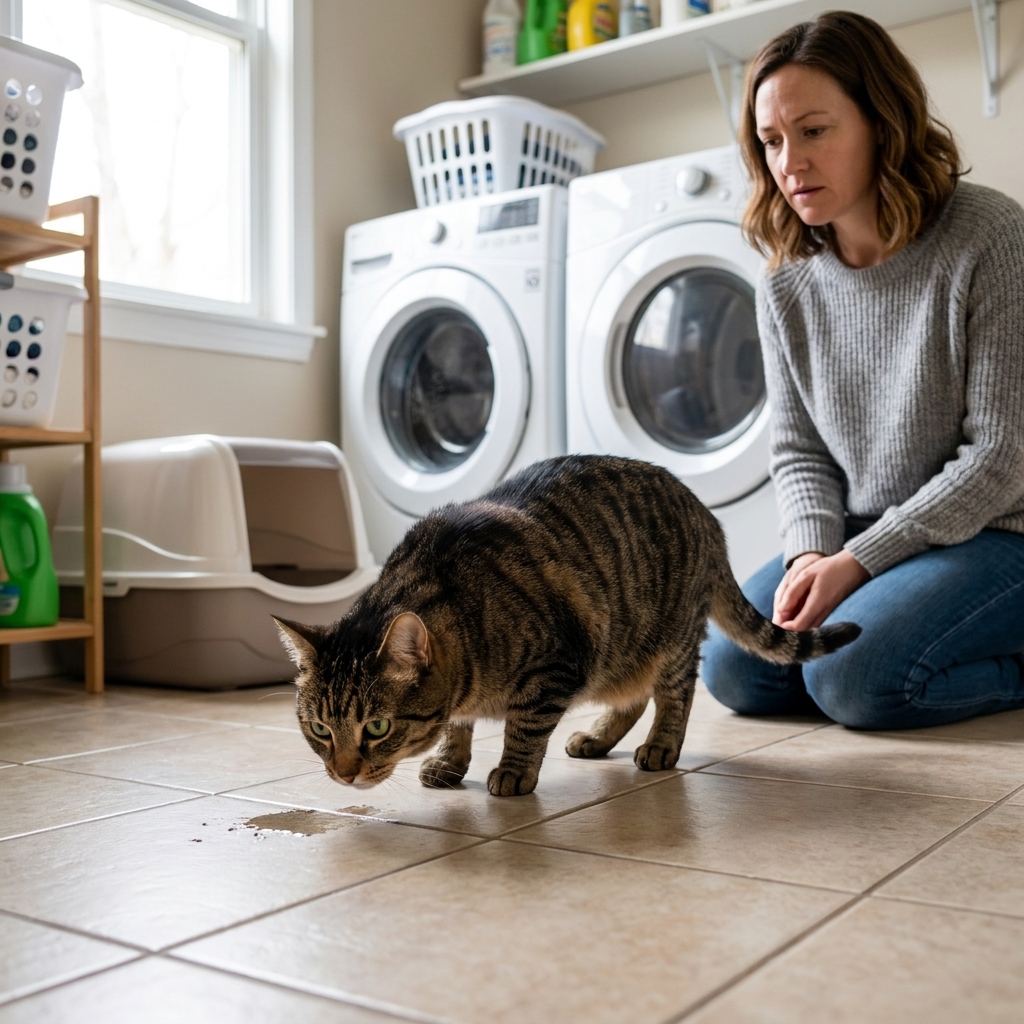
If you still smell urine after you have improved scooping and litter, check the area around the box. In rescue homes, the stink is often not the litter. It is the floor, baseboard, or wall next to it.
- Use an enzymatic cleaner for accidents outside the box, following the label directions so it has time to work.
- Avoid ammonia-based cleaners for pet messes.
- Be cautious with steam cleaning on urine spots. Heat can “set” odors into some surfaces, making them harder to remove.
When odor means more
Sometimes a box that suddenly reeks is not a cleaning problem. It is a health clue.
- Stronger ammonia smell than usual: Can happen with dehydration or very concentrated urine.
- Fruity, sweet, or otherwise unusual smell: Worth a prompt call to your veterinarian, especially if it is new for your cat.
- Diarrhea, blood, straining, frequent small pees, or peeing outside the box: Treat as urgent and contact your veterinarian promptly.
If your cat’s bathroom habits change quickly, trust your instincts. I have seen “it’s just stinky” turn into a medical issue more times than I can count.
FAQ
How many litter boxes should I have?
The classic guideline is one box per cat, plus one extra. Even if you cannot do the full formula, adding just one more box often makes odor and cleanliness much easier to manage.
Should I use a litter liner?
Some people love them for easy dumping, but many cats rip liners while digging, which traps urine underneath and can make odor worse. If your cat shreds liners, skip them and focus on a smooth, sturdy box and regular deep cleans.
Do stainless steel litter boxes reduce odor?
They can. Stainless steel does not scratch and absorb odor the way plastic can. If you are fighting lingering smells despite good hygiene, a stainless steel box can be a worthwhile upgrade.