The first time I bottle-fed a truly tiny kitten, I was sure I was doing everything wrong. The kitten was loud, wiggly, and somehow both starving and too sleepy to latch. Years later as a foster coordinator, I can tell you this: feeling nervous means you are taking it seriously, and that is a good thing. Newborn kittens are delicate, but with the right setup and a calm routine, you can keep them warm, fed, and growing until they are old enough for weaning or a nursing mom can be found.
This guide covers the hands-on basics for a kitten too young for solid food: kitten milk replacer only, safe positioning so they do not inhale formula, feeding frequency by age, burping, stimulating pee and poop, daily weighing, how much to feed as a cautious starting point, and the warning signs that mean a vet or experienced rescue should take over.
Before you feed: quick safety check
Two things matter more than technique: warmth and breathing. If either is off, feeding can become dangerous fast.
1) Make sure the kitten is warm
Never feed a cold kitten. A chilled kitten cannot digest properly and can crash quickly. If the kitten feels cool to the touch (ears, paws, belly), warm them first for 20 to 30 minutes.
- Place the kitten in a small box or carrier lined with fleece towels.
- Use a heating pad on low under half the box (so the kitten can crawl away from heat) or a microwavable heat disc wrapped in a towel.
- Aim for a cozy nest that feels warm, not hot. If you have a thermometer, many neonatal resources often recommend keeping the nest area around 85 to 90°F for week 1, then stepping down gradually each week (for example, low 80s in week 2, upper 70s to around 80 in weeks 3 to 4) as kittens start regulating their temperature better.
2) Check breathing and alertness
If the kitten is limp, gasping, making clicking sounds, has milk bubbles at the nose, or seems too weak to swallow, do not try to push a feeding. That is a vet or experienced neonatal foster situation.
What you need (and what not to use)
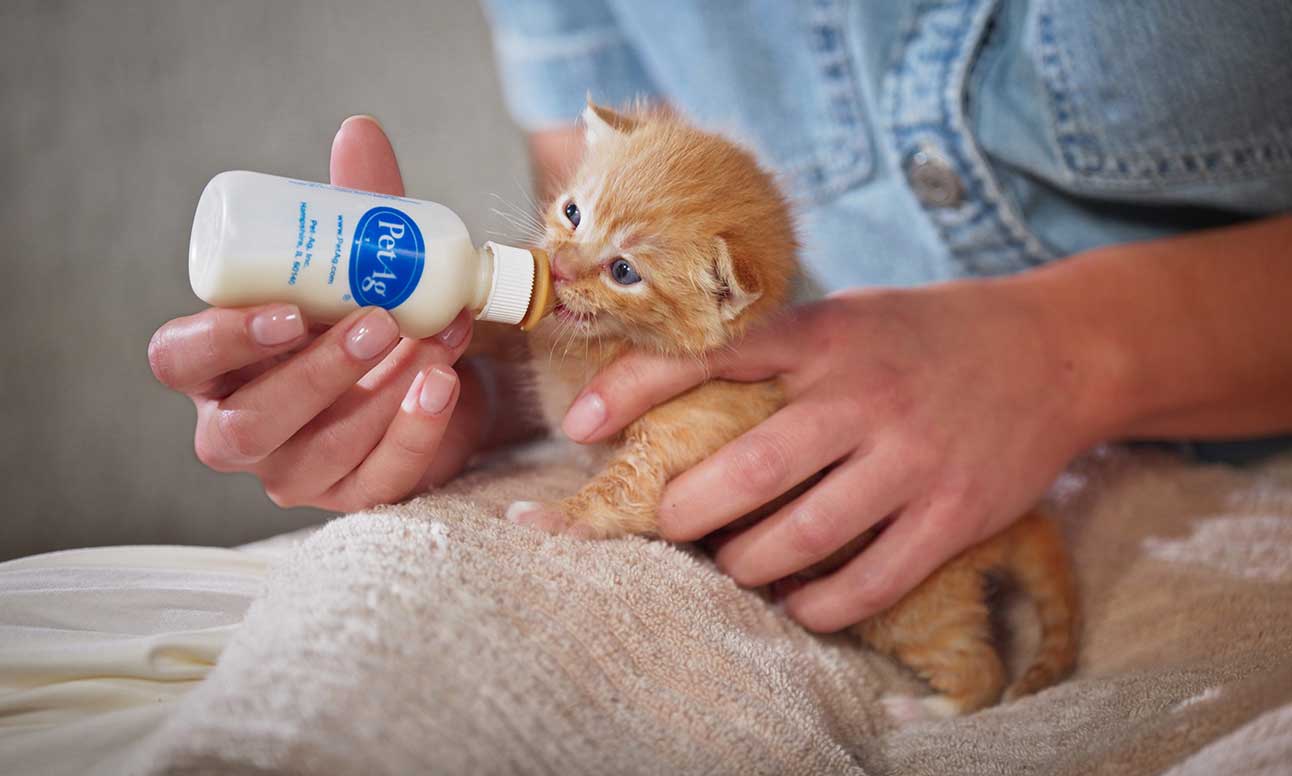
Use kitten milk replacer (KMR), not cow’s milk
Newborn kittens need a species-appropriate milk replacer. Do not use cow’s milk. It can cause diarrhea and dehydration.
- Kitten milk replacer (powder or ready-to-feed) made for kittens
- Nursing bottle with a small kitten nipple (or a syringe feeder if advised by a vet or rescue)
- Kitchen scale that measures in grams (a lifesaver for catching trouble early)
- Soft towels or fleece (avoid loose threads)
- Warm water bath or bottle warmer (no microwave for the formula itself)
- Unscented baby wipes or cotton rounds and warm water for potty stimulation
If you are feeding an orphaned neonate, consider calling a local cat rescue even if you plan to do the care yourself. Many rescues can provide the right nipple size, coaching, and backup if the kitten declines.
Quick sanitation basics: Wash your hands before feeds. After each feed, wash bottles and nipples with hot, soapy water, rinse thoroughly, and let them air-dry completely. Replace nipples that are sticky, cracked, or stretched.
Mixing and warming formula correctly
Follow the label exactly
Different brands mix differently. Too concentrated can cause constipation and dehydration. Too diluted can cause poor growth. Mix according to the package directions, then refrigerate what you will not use right away.
Warm to body temperature
Warm the bottle by placing it in a mug of hot water for a few minutes. Test a drop on the inside of your wrist. It should feel neutral to slightly warm, never hot.
- Do not microwave the formula. Microwaves create hot spots that can burn a kitten’s mouth.
- For safety, follow your formula’s label for storage. As a general rule, once formula is warmed and offered, discard leftovers within about 1 hour (sooner if the room is warm). When in doubt, throw it out.
How to position the kitten
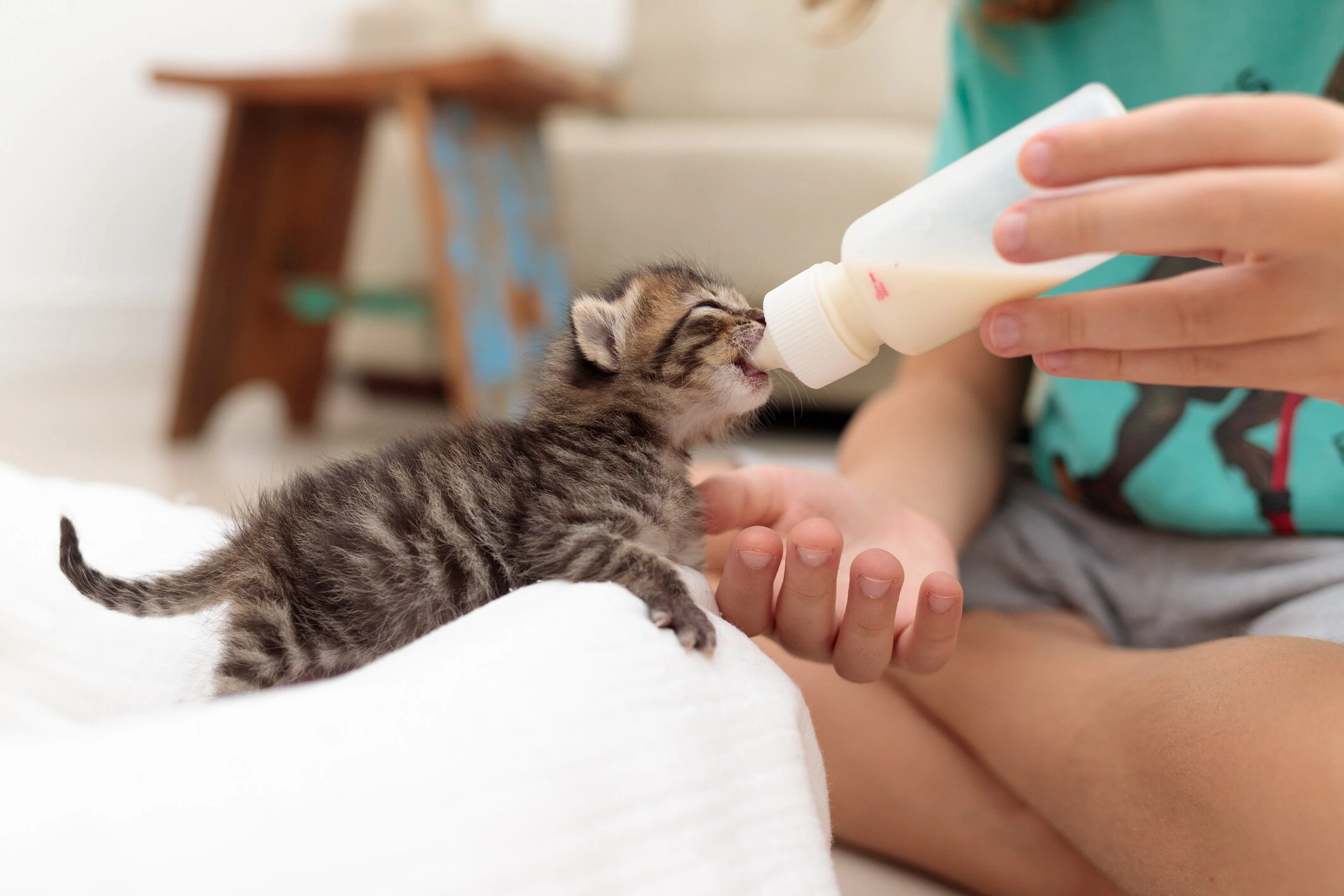
A kitten should nurse like they would from their mother: belly down, head level, swallowing steadily.
The safest feeding position
- Place the kitten on their belly on a towel.
- Support the chest gently with your hand. Do not tilt the kitten onto their back like a human baby.
- Hold the bottle at a slight upward angle so milk fills the nipple but does not flood the mouth.
What aspiration looks like
Aspiration means formula is going into the airway or lungs. Stop feeding immediately and seek veterinary help if you see:
- Milk coming from the nose
- Coughing, choking, gagging
- Wheezing, crackly breathing, or a wet sounding mew
- Sudden refusal to eat after coughing
- Bluish or very pale gums
When in doubt, pause, let the kitten recover, and get help. Aspiration pneumonia can become life-threatening.
Step-by-step: bottle-feeding routine
1) Set a safe nipple flow
Flow should be slow and controlled by the kitten, not free-flowing.
- When the bottle is inverted, milk should not pour or stream.
- If you gently squeeze the bottle, you should see only a tiny drip or two, depending on the nipple style.
If the hole is too big, the kitten can inhale formula. If it is too small, the kitten will fatigue and burn energy trying to eat.
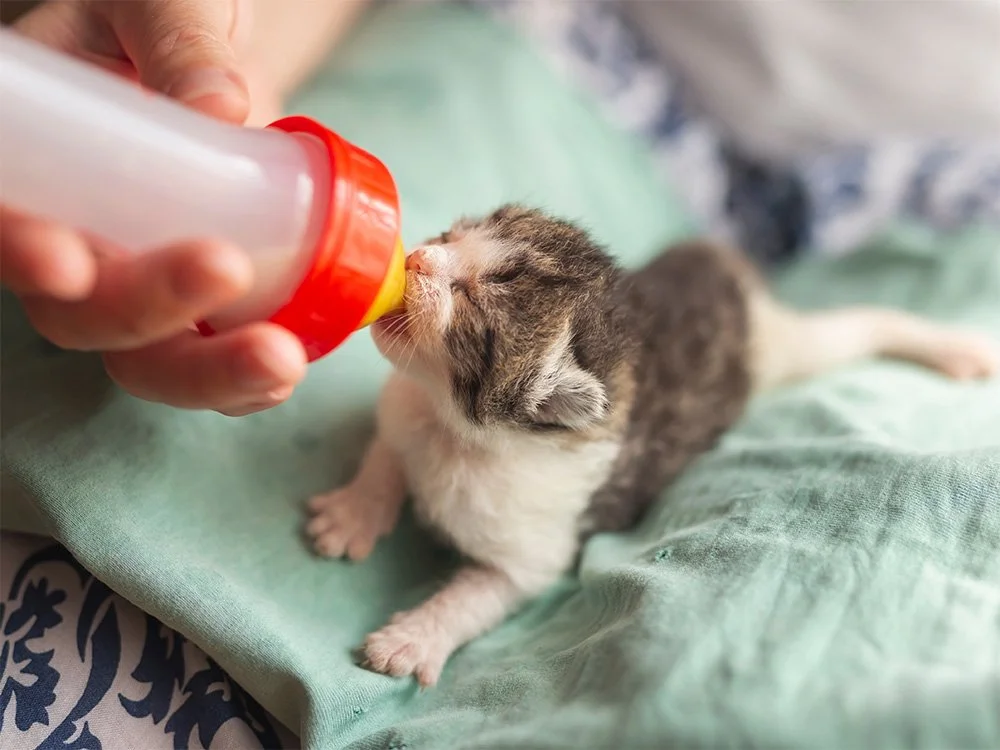
2) Offer the nipple and let the kitten latch
Gently touch the nipple to the kitten’s lips. Many kittens will root and latch. If they are struggling, you can place a tiny drop of formula on the lips to encourage licking, then try again.
Do not squeeze the bottle to force milk in. The kitten should suckle and swallow at their own pace.
3) Watch for a good rhythm
Look for small jaw movements and steady swallowing. A good feeding is calm and focused. If the kitten is noisy, panicky, or milk is leaking from the mouth, stop and reassess angle and flow.
4) Stop before the belly is tight
A satisfied kitten will relax and often fall asleep. The belly should look rounded, not hard or drum-tight. Overfeeding can cause regurgitation and increases aspiration risk.
5) Keep them upright briefly
After feeding, hold the kitten in a natural upright cuddle against your chest for a moment before burping.
How often to feed (by age)
Newborn kittens have tiny stomachs and need frequent meals. Exact amounts vary with kitten size, formula type, and health, so use your vet or rescue’s instructions if you have them. When you do not, these intervals are a common starting point.
- 0 to 1 week: every 2 to 3 hours (including overnight). Very small or struggling kittens may need smaller, more frequent feeds as directed by a vet or experienced rescue.
- 1 to 2 weeks: every 2 to 3 hours
- 2 to 3 weeks: every 3 to 4 hours
- 3 to 4 weeks: every 4 to 5 hours; begin weaning only with vet or rescue guidance
If a kitten is weak, underweight, chilled, or recovering from illness, the schedule may need adjusting by a vet or experienced neonatal foster. A kitten who cannot latch or cannot stay awake to eat needs help quickly.
How much to feed
People want an exact number, but neonates do not read charts. Use your vet or rescue’s plan whenever possible, and let weight gain be your reality check.
A cautious rule of thumb
A common guideline is about 22 to 26 ml of formula per 100 grams of body weight per day, divided into the day’s feedings. Some kittens do better at the lower end at first.
- Example: a 200 g kitten might take roughly 44 to 52 ml in 24 hours, split across however many feeds their age requires.
- If the kitten is dribbling, coughing, bloated, or refusing, stop and reassess. More is not better.
If you are not sure of the kitten’s age or the kitten is very small, run your plan by a vet or experienced rescue. It is easy to overfeed a tiny stomach.
Burping
Some kittens swallow air while nursing, especially when they are learning. Burping can reduce discomfort and spit-up.
How to burp a kitten
- Hold the kitten upright against your chest or shoulder.
- Gently pat or rub the back for 10 to 30 seconds.
- If no burp happens, that is okay. Do not over-handle an exhausted kitten.
Stimulating pee and poop
Until roughly 3 to 4 weeks of age, kittens usually need help eliminating. In a normal situation, mom handles this with licking. You will mimic that with gentle warmth and friction.
When to stimulate
Stimulate after each feeding for very young kittens, then adjust as the kitten begins to go on their own.
How to stimulate safely
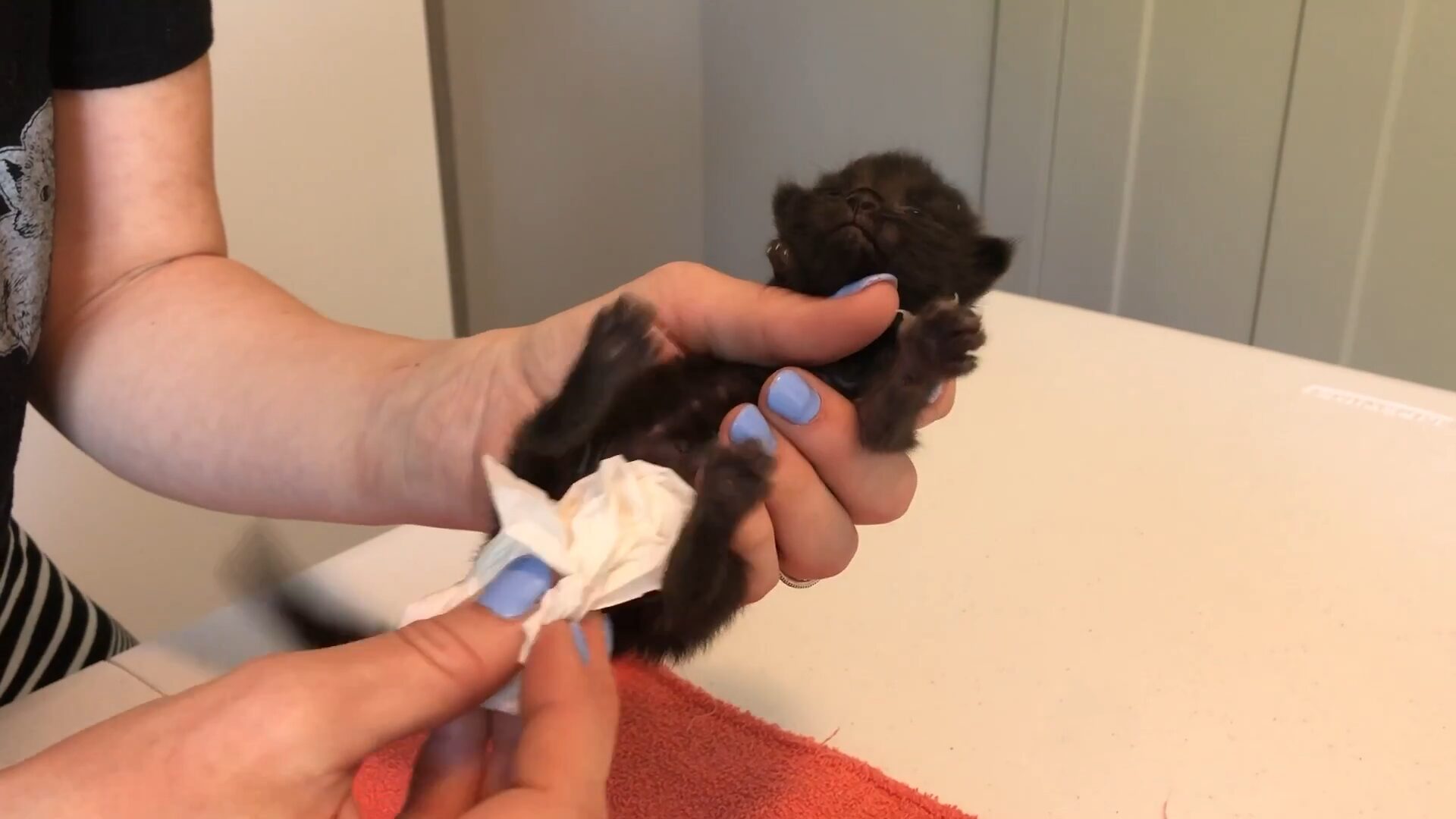
- Use a warm, damp cotton round, soft cloth, or unscented baby wipe.
- Gently rub the genital area in small circles or short strokes.
- Continue until the kitten urinates, then keep going briefly to encourage a bowel movement.
- Wipe the area clean and dry to prevent irritation.
What is normal: urine should be pale yellow. Stool varies with formula and age, but it should not be watery or explosive.
When to get help: blood in stool, repeated watery diarrhea, significant straining, a hard bloated belly, or no stool for more than 48 hours are good reasons to contact a vet or rescue. If the kitten is very young and also weak or not eating well, do not wait.
Warmth and housing
Feeding goes better when a kitten is consistently warm, rested, and not burning calories trying to stay alive.
- Nest: Small box or carrier lined with fleece towels.
- Heat: Heating pad on low under half the nest, or a wrapped heat disc. Always provide an unheated area.
- Humidity: In very dry homes, mild added humidity can help kittens who seem congested, but avoid damp bedding.
- Quiet: Keep the setup away from drafts, loud TVs, and other pets.
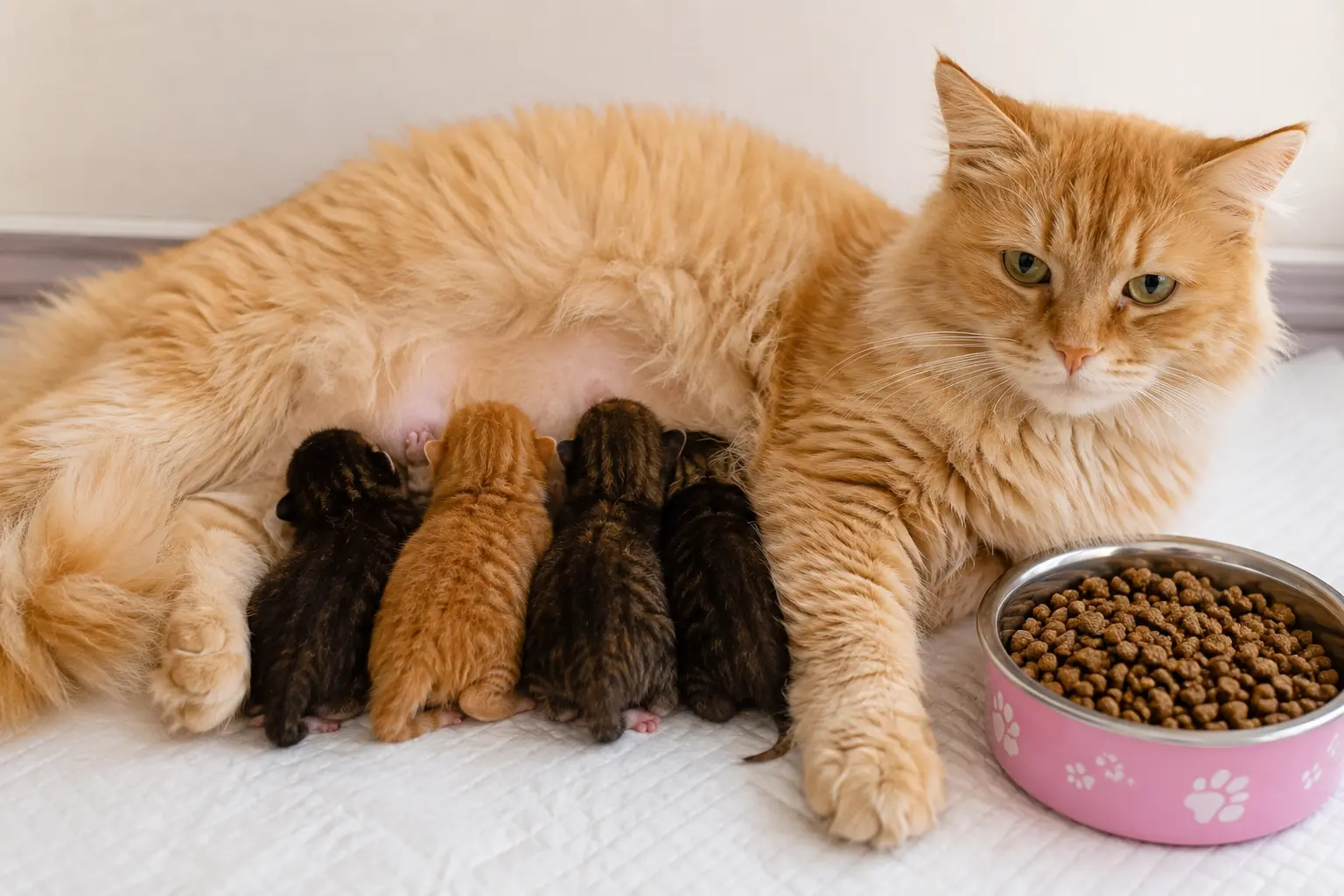
If you are raising a solo kitten, know that singletons often do better with extra gentle handling and safe snuggle supports in the nest. They also may benefit from being placed with another similarly aged orphan through a rescue.
Daily weighing
If I could pick one habit that saves neonatal kittens, it is this: weigh every day, ideally at the same time, on a gram scale.
- Healthy kittens typically gain weight daily.
- A kitten who is not gaining, or who is losing weight, is telling you something is wrong before it becomes obvious.
Write the weights down. Bring that log to the vet or share it with a rescue mentor if you need help troubleshooting.
Troubleshooting common problems
The kitten will not latch
- Warm the kitten first. Cold kittens often cannot coordinate suckling.
- Try a different nipple size or shape. Some kittens prefer a slightly softer nipple.
- Check flow. If it is too hard to get milk, they may give up.
- Keep sessions calm and brief, then try again in a few minutes.
Formula dribbles out of the mouth
- Nipple hole may be too large.
- Bottle angle may be too steep or milk may be flowing too fast.
- The kitten may be overfull. Pause and burp.
Bloating or discomfort after meals
- Burp gently.
- Confirm you are mixing formula correctly.
- Avoid overfeeding.
- Check that the kitten is warm enough to digest.
Diarrhea
Diarrhea in a neonate can become dehydration quickly. Causes include wrong formula concentration, sudden formula change, infection or parasites, or improper sanitation. If diarrhea is frequent, watery, foul-smelling, or the kitten seems weak, contact a vet or rescue promptly.
The kitten seems weak or “crashes”
If a kitten is suddenly limp, cold, or too weak to nurse, focus on warming and getting urgent guidance. Do not force feed a struggling kitten. Call a vet, emergency clinic, or experienced rescue right away.
Weaning basics
Many kittens start showing interest in lapping around 4 weeks, but timing varies. The safest transition is gradual.
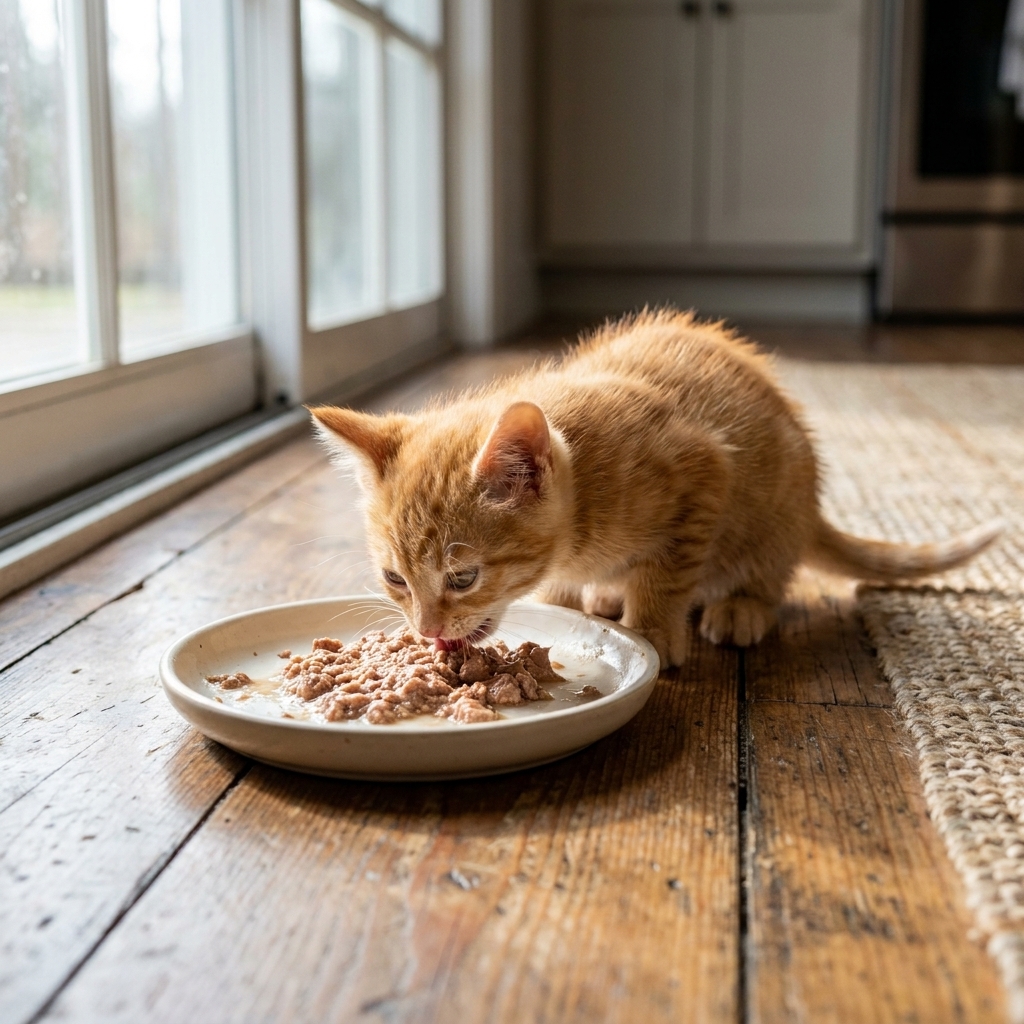
- Offer a shallow dish with warmed formula and let the kitten explore at their own pace.
- With guidance, you can move to a thin slurry (formula mixed with kitten wet food) once they can lap without coughing.
- Continue bottle support as needed while they learn, and keep weighing daily to make sure growth stays steady.
If the kitten coughs, gags, or gets food bubbling at the nose, stop and contact a vet or rescue. Mush can be aspirated too.
When a vet or rescue should take over
Some situations are beyond what even very dedicated cat parents can safely manage at home. Please seek urgent help if you see any of the following.
Red flags for fading kitten syndrome
- Weakness, limp body, inability to latch
- Constant crying or, more concerning, sudden quietness
- Cool body temperature despite heat support
- Weight loss or no weight gain over 24 hours
- Dehydration signs like tacky or dry gums, dark urine, and worsening weakness
- Labored breathing
Red flags for aspiration or pneumonia risk
- Milk from the nose
- Coughing or choking during feeds
- Wheezing, crackles, or fast breathing after feeding
- Lethargy after a coughing episode
If you are unsure, treat it as urgent. Neonates can deteriorate in hours, not days.
Frequently asked questions
Can I feed a newborn kitten goat milk?
Goat milk is sometimes discussed online, but it is not a complete kitten diet. For a newborn kitten, the safest choice is a commercially prepared kitten milk replacer or a plan provided by a veterinarian or experienced rescue.
How do I know the kitten is eating enough?
In the moment, look for steady swallowing and a relaxed, sleepy kitten afterward. Over the next day or two, the real answer is weight gain, steady hydration, and normal energy for their age. Daily weights are the clearest indicator.
What if I found a kitten and the mother might be nearby?
If the kitten is warm and safe, it is often best to watch from a distance for a short time to see if mom returns. Mom is almost always the best caregiver. If the kitten is cold, crying continuously, injured, or in danger, bring them in and contact a rescue for guidance.
When do kittens stop needing bottle feeds?
Many kittens begin the transition toward weaning around 4 weeks, but the timing depends on development, health, and guidance from your vet or rescue. Do not rush it.
A gentle final note
If you are in the thick of round-the-clock feedings right now, you are not alone. Neonatal care is intense, and it is okay to ask for help. If you can connect with a local rescue, a vet, or an experienced foster mentor, do it. The best outcomes happen when tiny kittens have a whole team behind them, even if the team is just you and one person on the phone at 2 a.m.
And if your kitten is warm, swallowing well, gaining weight, and toddling back to sleep after meals, take a breath. You are doing the thing.