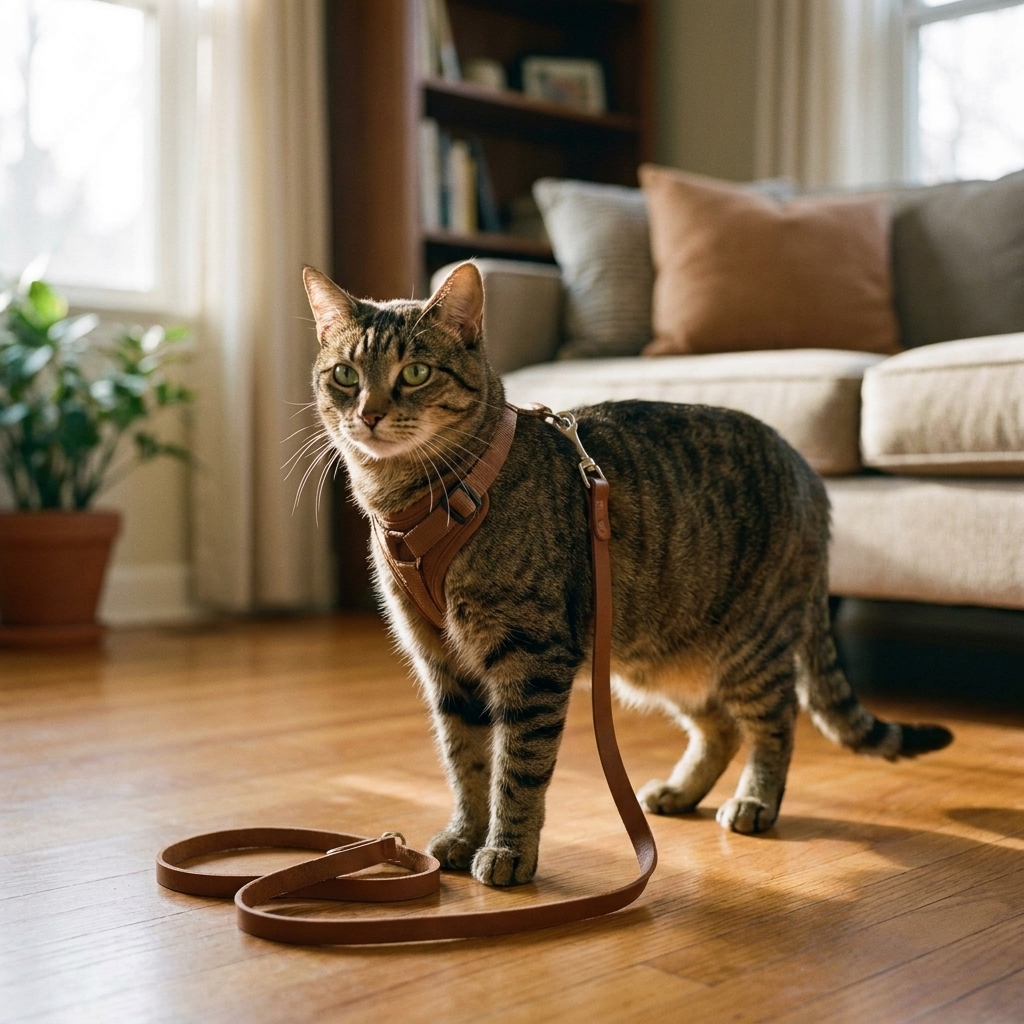
The concrete answer: build a predictable daily rhythm that replaces “yard watching” with scheduled indoor hunting play, a protected window-viewing setup, and a calm-down routine. When wildlife becomes your cat’s favorite reality show, structure is what keeps that excitement from turning into stress, yowling, redirected aggression, or door-dashing.
I’ve lived this in my own house. Clementine, my tortie, goes from sweet to spicy the second a squirrel posts up by the fence. Waffles, my orange tabby, just stares like he’s buffering. Both do better when I give them something to do before they spiral into window obsession.
Start with safety
When wildlife visits, your cat’s prey drive gets turned up. That is normal. Our job is to keep it from creating unsafe choices.
Window setup rules
- Keep windows closed or securely screened. If you open windows, use an intact, properly fitted screen and check it regularly. Most window screens are not designed to hold the full force of a lunging cat.
- Avoid “contact” behaviors with wildlife. Don’t encourage your cat to paw at animals through the glass or bang the window. It ramps arousal and frustration.
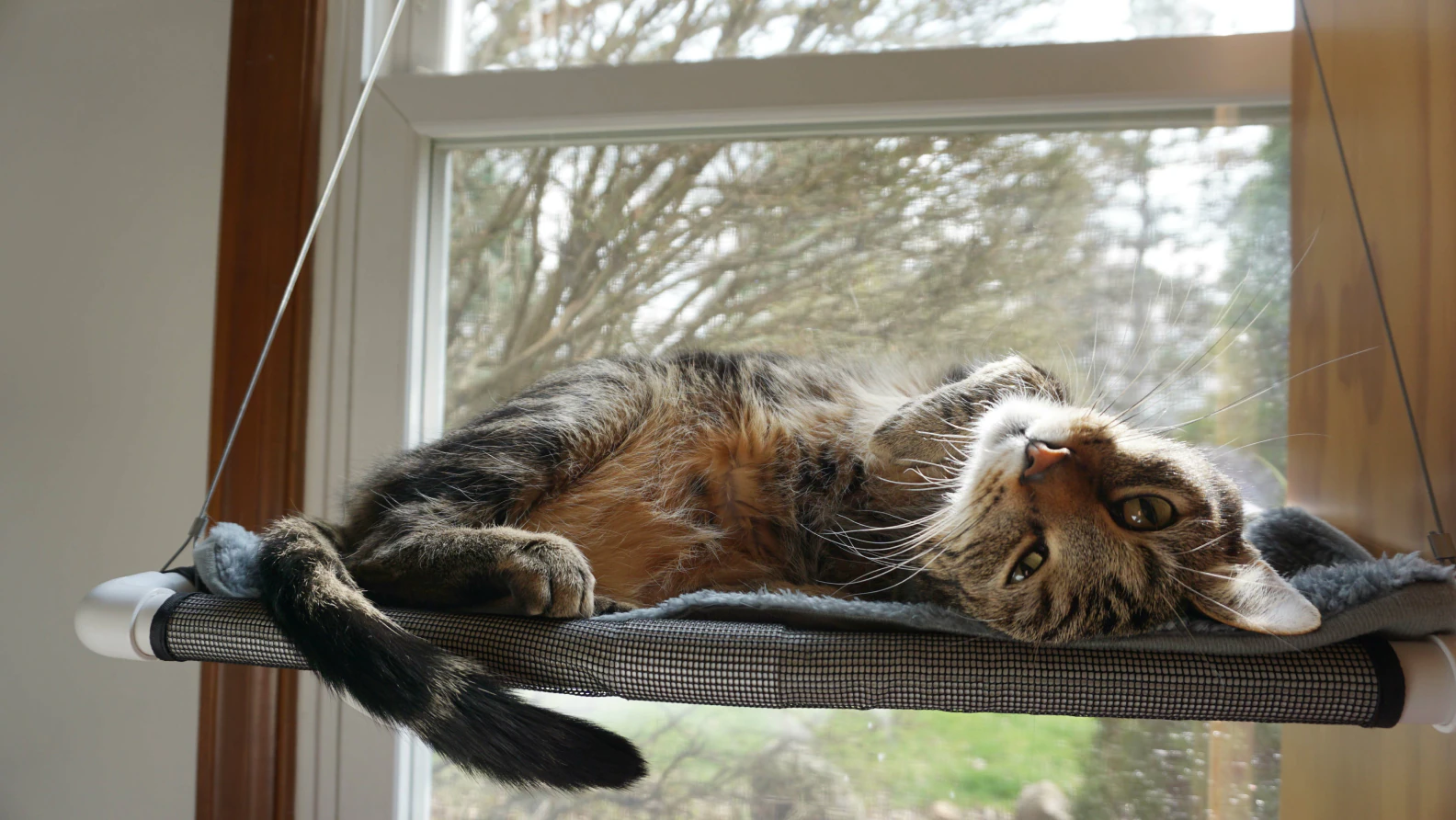
- Create a designated viewing station. A cat tree, window perch, or sturdy shelf near one window is better than letting your cat patrol every window and door.
- Block the view when needed. If your cat can’t disengage, close blinds halfway, use frosted window film on the lower portion, or temporarily move the perch to a less active window.
Door safety rules
- Use a double barrier if possible. A baby gate, screen door, or interior door creates a pause point so your cat can’t bolt straight outside.
- Do a quick headcount before opening exterior doors. It sounds obvious until you are holding groceries and your cat is doing Olympic sprints.
- Train a station behavior. Pick a mat or cat bed 6 to 10 feet from the door. Reward your cat for going there when the doorbell rings. If your cat is new to training, start when the house is quiet, not during a delivery.
Important: If wildlife is getting into your home through a pet door, damaged screen, attic, or crawl space, contact a licensed wildlife control operator in your area. Do not attempt to trap or handle wild animals yourself.
A practical indoor routine
Think of this as a high-activity yard day schedule. You are going to meet three needs: hunt, eat, and recover, in that order.
Morning (10 to 20 minutes total)
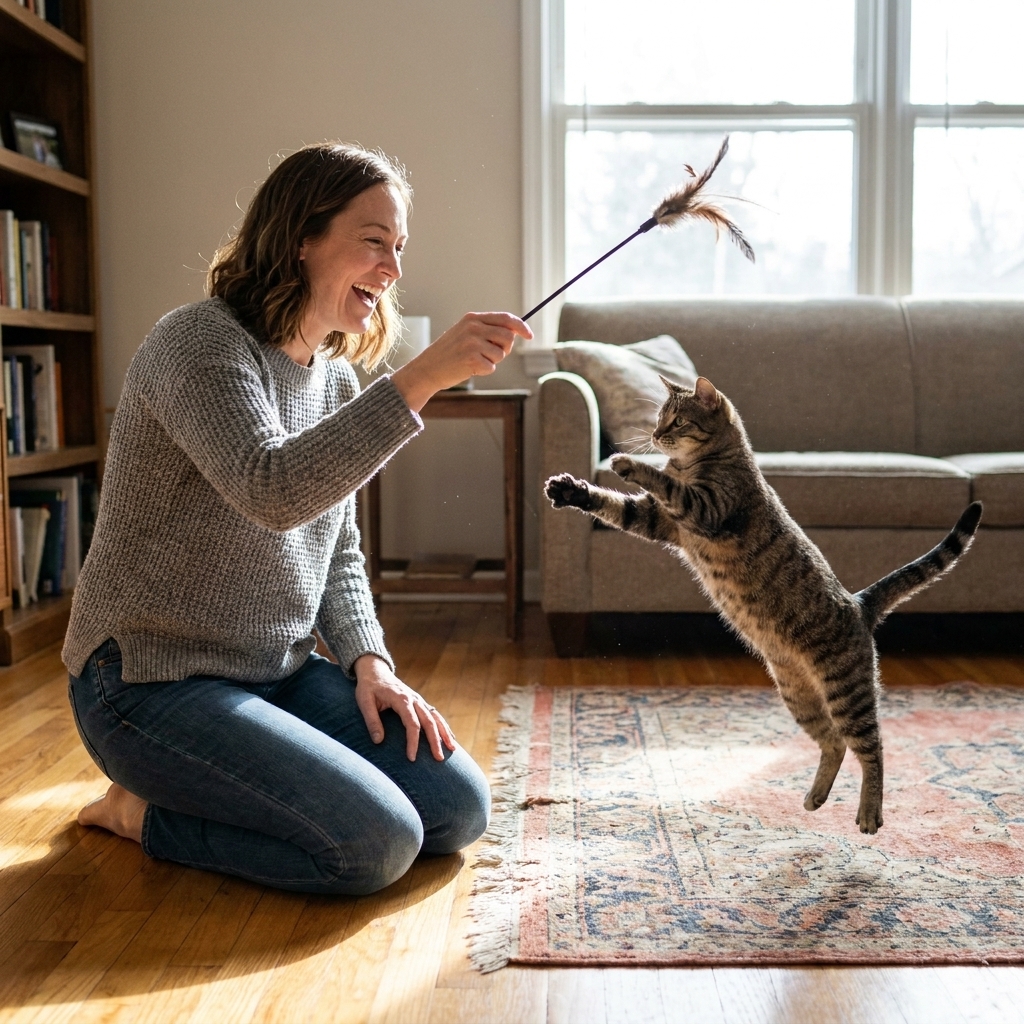
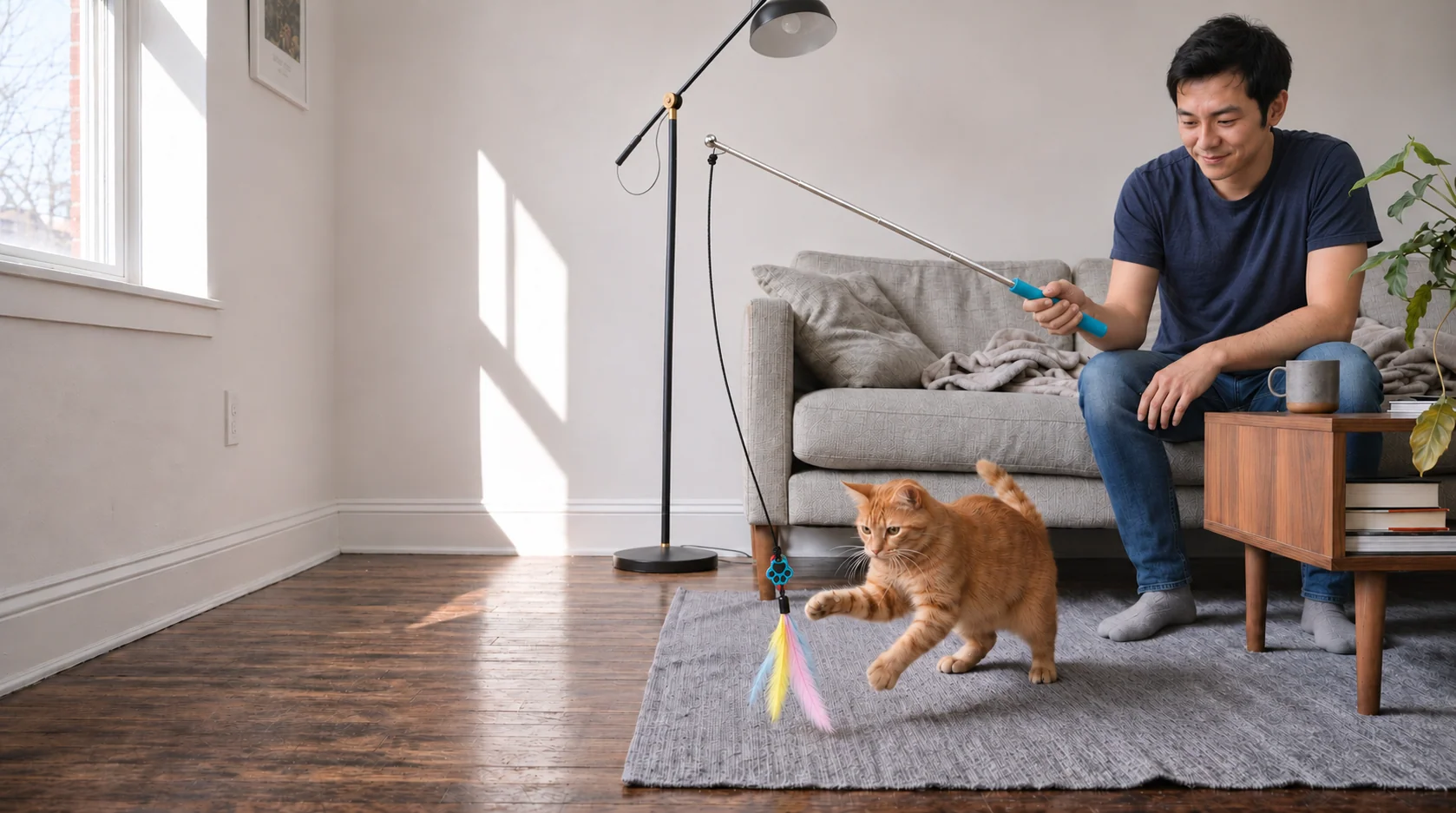
- 1) Hunt play (5 to 10 minutes): Use a wand toy, pull toy, or a thrown soft toy your cat likes to chase. Aim for short sprints and pounces. Let your cat “catch” it several times.
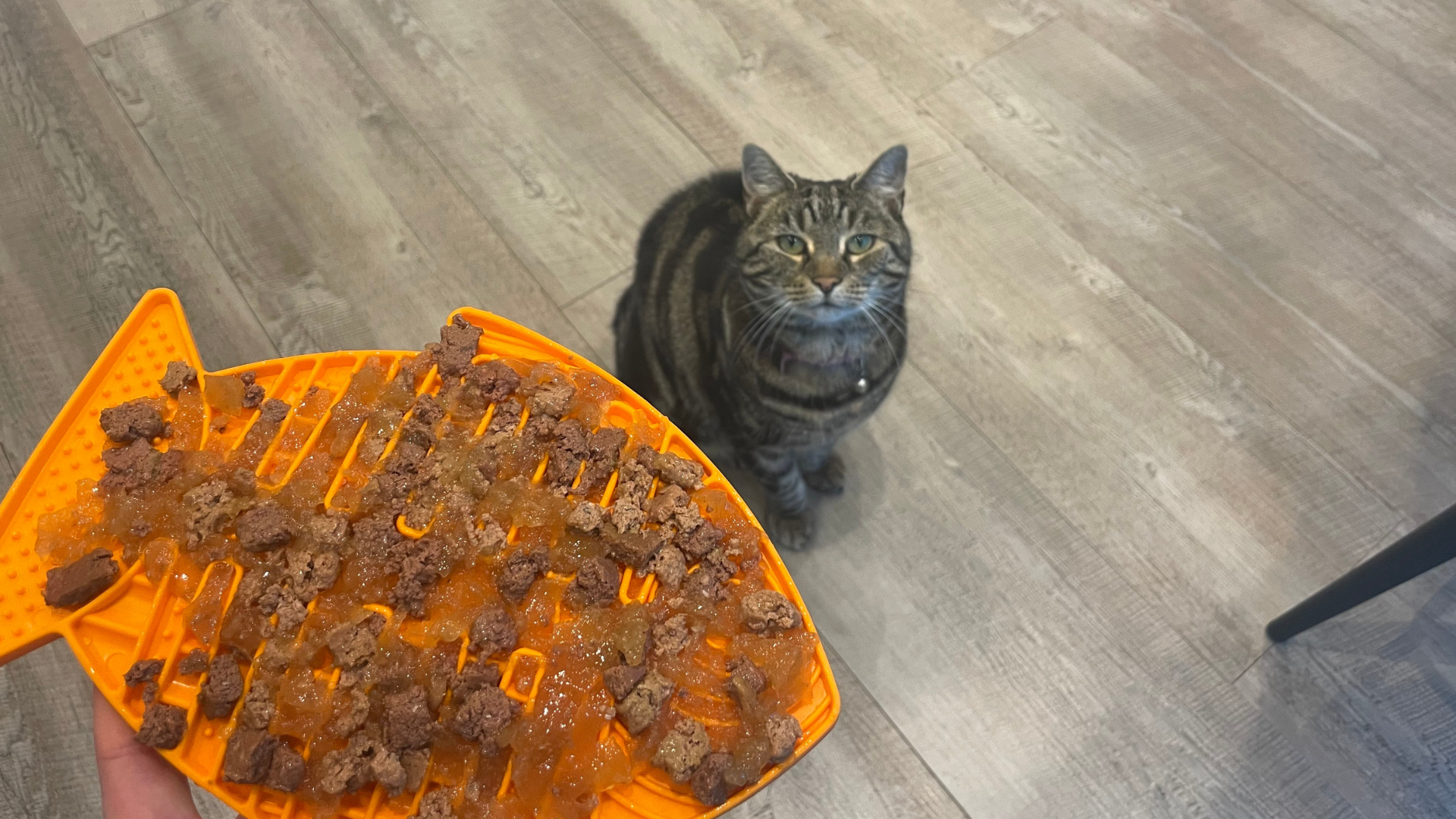
- 2) Breakfast puzzle (2 to 5 minutes to set up): Offer part of breakfast in a puzzle feeder, snuffle mat made for pets, or scattered “hunt” piles in 3 to 5 safe spots. This channels that prey drive into foraging.
- 3) A calm window session (5 minutes): Invite your cat to the designated viewing station. If wildlife is present, keep it brief, then redirect with a treat toss away from the window.
Example: If your cat usually fixates at 7:30 a.m. when squirrels show up, schedule play at 7:15 a.m. so your cat is already a little “spent” before the show starts.
Midday (5 to 15 minutes)
- Rotate enrichment: Put out one “special” item only during critter-heavy days. Examples include a kicker toy, a silvervine stick (if your cat responds), or a treat ball.
- Scent swap: Rub a clean cloth on a favorite scratching post and dab it on a new cardboard scratcher. Familiar scent can increase use.
- Micro-training: Practice 1 to 2 simple cues like “touch” (nose to your finger) or “sit.” Training gives your cat an off-switch and earns rewards without more arousal.
Evening routine
Wildlife activity often ramps up at dusk and overnight. This is where a reliable evening routine can prevent the 2 a.m. window yowls.
Evening (20 to 30 minutes total)
- 1) Big play session (10 to 15 minutes): This is your best chance to burn off the day’s frustration. Use a wand toy and vary speed and direction. End with a clear “catch.”
- 2) Dinner (regular meal): Feeding after play mirrors the hunt-then-eat sequence that helps many cats settle. If your cat has medical feeding constraints, follow your veterinarian’s plan and use the play session as a separate “bookend” instead.
- 3) Decompression time (5 to 10 minutes): Quiet petting if your cat seeks it, a lickable treat on a plate, or a heated bed. Keep lights low and the house calm.
Overnight setup
- Close viewing access. If your cat gets fixated at night, close blinds fully or keep your cat in a comfortable bedroom with a litter box, water, and bed.
- White noise can help. A fan or white noise machine may reduce startling outdoor sounds. Keep cords secured.
- Offer safe night hunting outlets. Leave out a few solo toys and one sturdy scratcher. Avoid toys with strings or parts that can be chewed off when unsupervised.
Enrichment that feels outdoor
Your cat is not being dramatic. Watching prey without being able to complete the sequence can be legitimately frustrating for some cats. These are safe ways to give the “outside” feeling while staying indoors.
Make window time healthier
- Bird TV, but with boundaries: Let your cat watch for short sessions, then redirect with treats tossed away from the window.
- Vertical options: Add a second perch or cat tree so your cat can choose height. Multiple cats need multiple stations to avoid conflict.
- Sun spot upgrade: Put a bed where sunlight hits. Warmth is a natural relaxer for many cats.
Harness and patio time
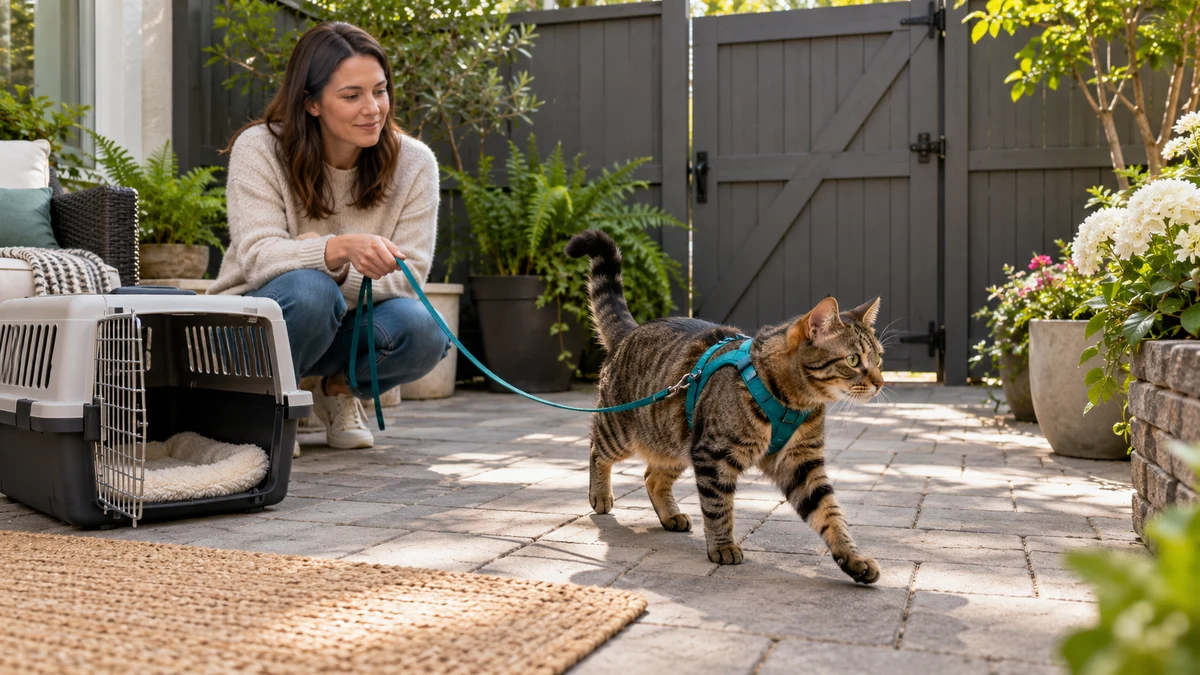
If your cat is already comfortable on a harness, brief supervised outings can be a great pressure release. If your cat is not trained, critter-heavy days are not the time to start.
- Never attach a harness leash to a collar. Use a well-fitted harness designed for cats.
- Stay close to home. Avoid approaching or following wildlife.
- Check local rules. Some apartments, HOAs, or landlords have restrictions on pets in shared outdoor spaces. Follow your lease and community policies.
Laser pointer note: Some cats get more wound up if they chase a dot they can’t catch. If you use a laser, finish with a tangible toy or a treat scatter so your cat gets a real “win.”
Wildlife and cat fights
This is a pattern I see often: one cat spots a rabbit, stray cat, or raccoon outside, then suddenly attacks their housemate. That is often redirected aggression and it can be serious.
What to do now
- Do not grab fighting cats with bare hands. Use a thick towel, a piece of cardboard, or a pillow to gently separate if needed.
- Create space immediately. Put one cat in a separate room with litter, water, and a hiding spot until everyone is calm.
- Lower stimulation. Close blinds, turn on white noise, and remove the audience effect.
What to do next
- Schedule a veterinary check. Pain and medical issues can lower a cat’s threshold for aggression.
- Consider a feline behavior professional. Look for a board-certified veterinary behaviorist (DACVB) or a qualified cat behavior consultant who uses humane, reward-based methods.
- Plan a slow reintroduction if needed. If the relationship seems “reset,” treat it like a new-cat introduction rather than forcing closeness.
If bites or injuries occur, seek medical care for people and veterinary care for cats promptly.
Multi-cat setup
When the yard gets busy, indoor tension can spike, especially in multi-cat homes. More resources lowers the odds that a cat who is already revved up will pick a fight over basics.
- More than one window station: Separate viewing spots reduce crowding and blocking.
- More than one feeding location: Even if meals are scheduled, separate bowls can reduce guarding.
- Extra litter boxes: Many cats do best with multiple boxes placed in different areas, especially if you temporarily close off parts of the house at night.
- More scratching options: Put a scratcher near the main viewing station and another in a quiet area.
Common mistakes
- Mistake: Letting the cat “work it out” at the window.
Instead: Limit viewing time and redirect to play, food puzzles, or training. - Mistake: Punishing yowling or scratching at the glass.
Instead: Remove access, provide a scratcher nearby, and reward calm behavior away from the window. - Mistake: Adding more stimulation when your cat is already over threshold.
Instead: Choose calming enrichment like a lickable treat, a warm bed, or a quiet room. - Mistake: Leaving a cat flap open during heavy wildlife activity.
Instead: Temporarily close it and provide extra litter boxes indoors if needed.
When to escalate
Call your veterinarian or a behavior professional sooner rather than later if you see any of the following:
- Repeated inter-cat fights or “ambush” behavior after window watching
- Sleep disruption that persists for more than a few nights
- Self-injury risks such as frantic window crashing, torn nails, or chewing at screens
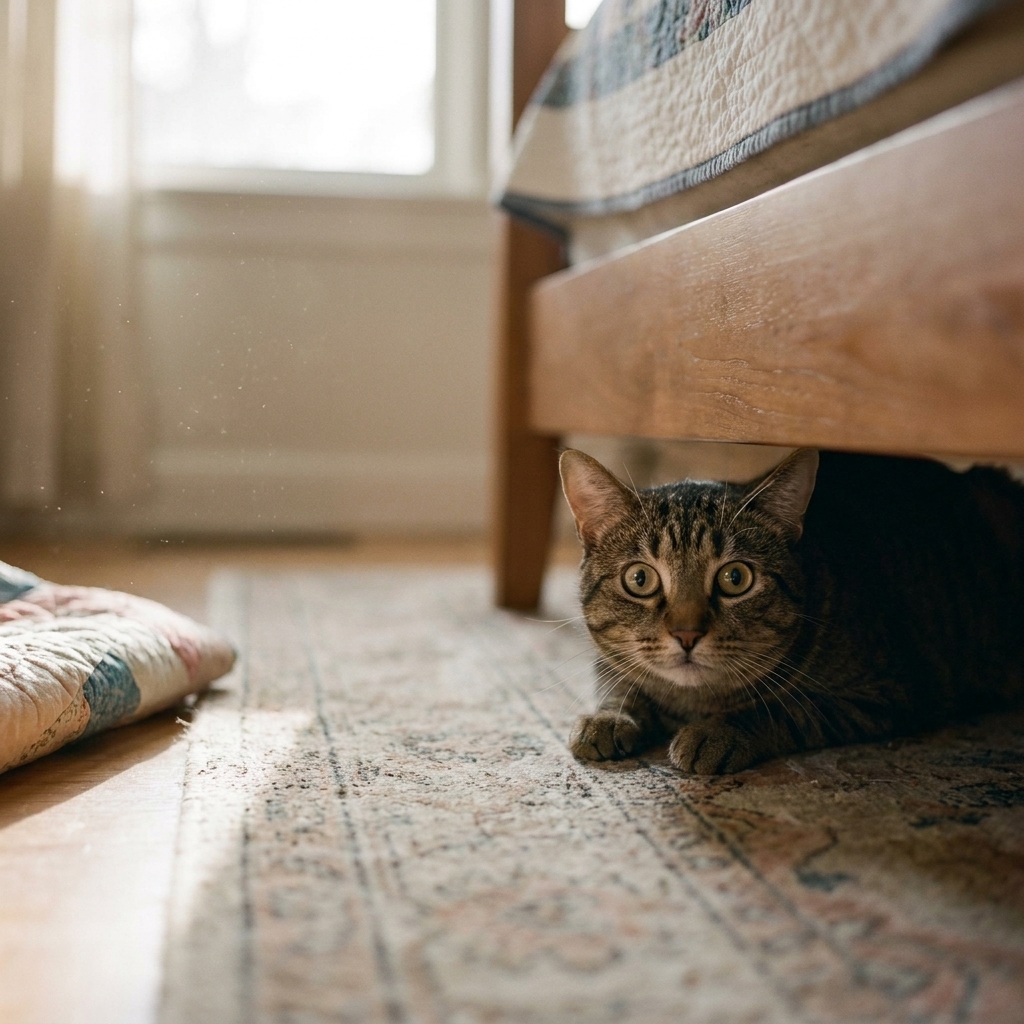
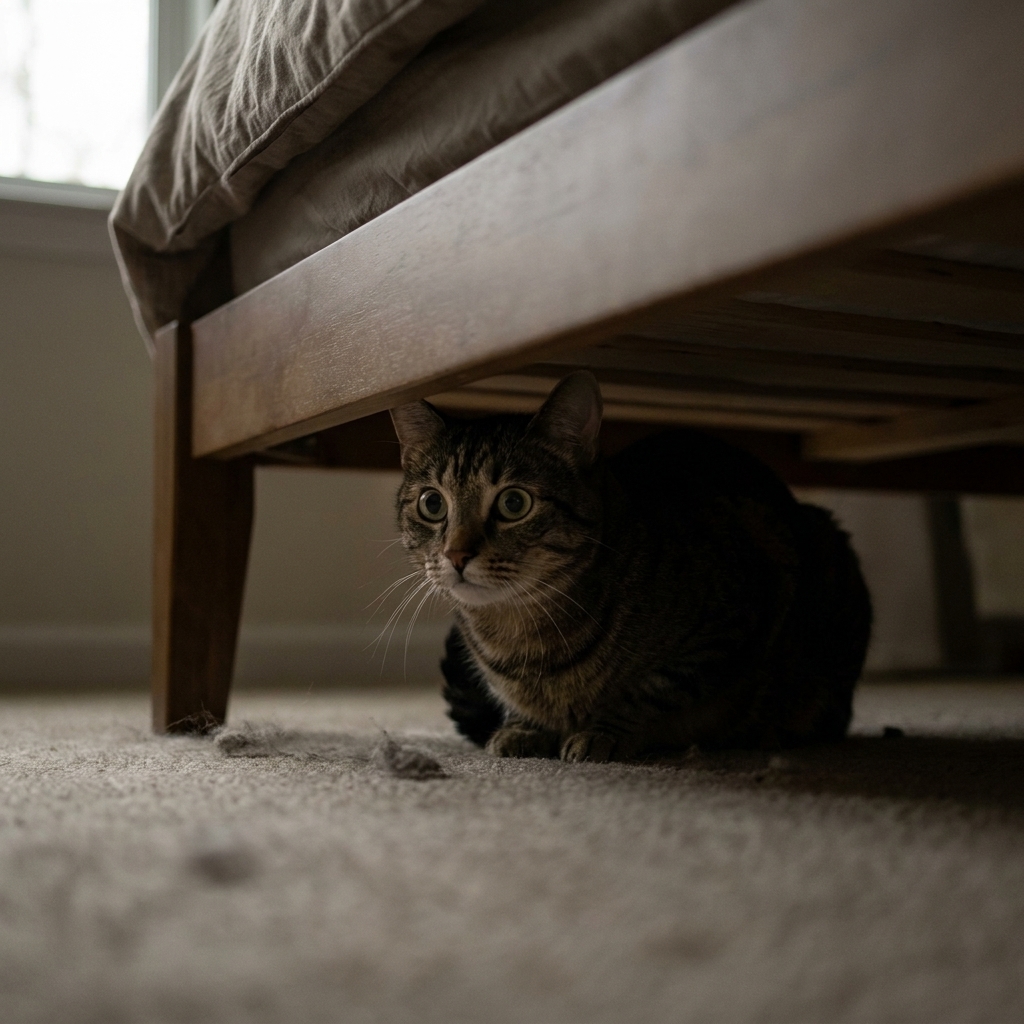
- Sudden behavior change such as hiding, not eating, litter box accidents, or unusual clinginess
- Door-dashing attempts that escalate in intensity or frequency
FAQ
Is it cruel to keep my cat indoors when wildlife is outside?
No. Indoor cats can live rich, happy lives. Your goal is to meet their physical and mental needs inside with structured play, climbing, scratching, and predictable routines.
My cat chatters at birds and squirrels. Is that stress?
Chattering can be excitement or frustration, and it varies by cat. If the chattering escalates into pacing, yowling, swatting the window, or refusing food or sleep, treat it as overstimulation and shorten window time.
Should I scare wildlife away to help my cat calm down?
Do not approach wild animals. If you want to make your yard less inviting, use humane, hands-off steps like securing trash, removing food sources, and following local wildlife guidance. For persistent issues, call a licensed wildlife control professional.
When should I call my vet?
Contact your veterinarian if you see sudden aggression, loss of appetite, inappropriate urination, hiding more than usual, or sleep disruption that lasts more than a few days. Those can be stress-related, but they can also signal medical problems.
One-week reset plan
If your house feels keyed up lately, here’s a gentle reset you can start tonight:
- Days 1 to 2: Choose one window station, block the others, and do two short play sessions daily.
- Days 3 to 4: Add one food puzzle a day and start treat tosses away from the window.
- Days 5 to 7: Add 2 minutes of training daily and a consistent evening wind-down after dinner.
Most cats respond best to consistency, not novelty. Keep it boring in the best way.