The first time I missed a dose with one of my fosters, I did what most loving cat parents do: I panicked, mentally replayed every moment of the day, and imagined I had ruined everything. I hadn’t. I just needed a clear plan.
If you missed your cat’s medication dose, gave it late, or accidentally gave two doses close together, take a breath. The safest next step depends on which medication it is, why your cat is taking it, and how much time has passed. This guide will help you make a smart, calm decision without guessing or doubling up.
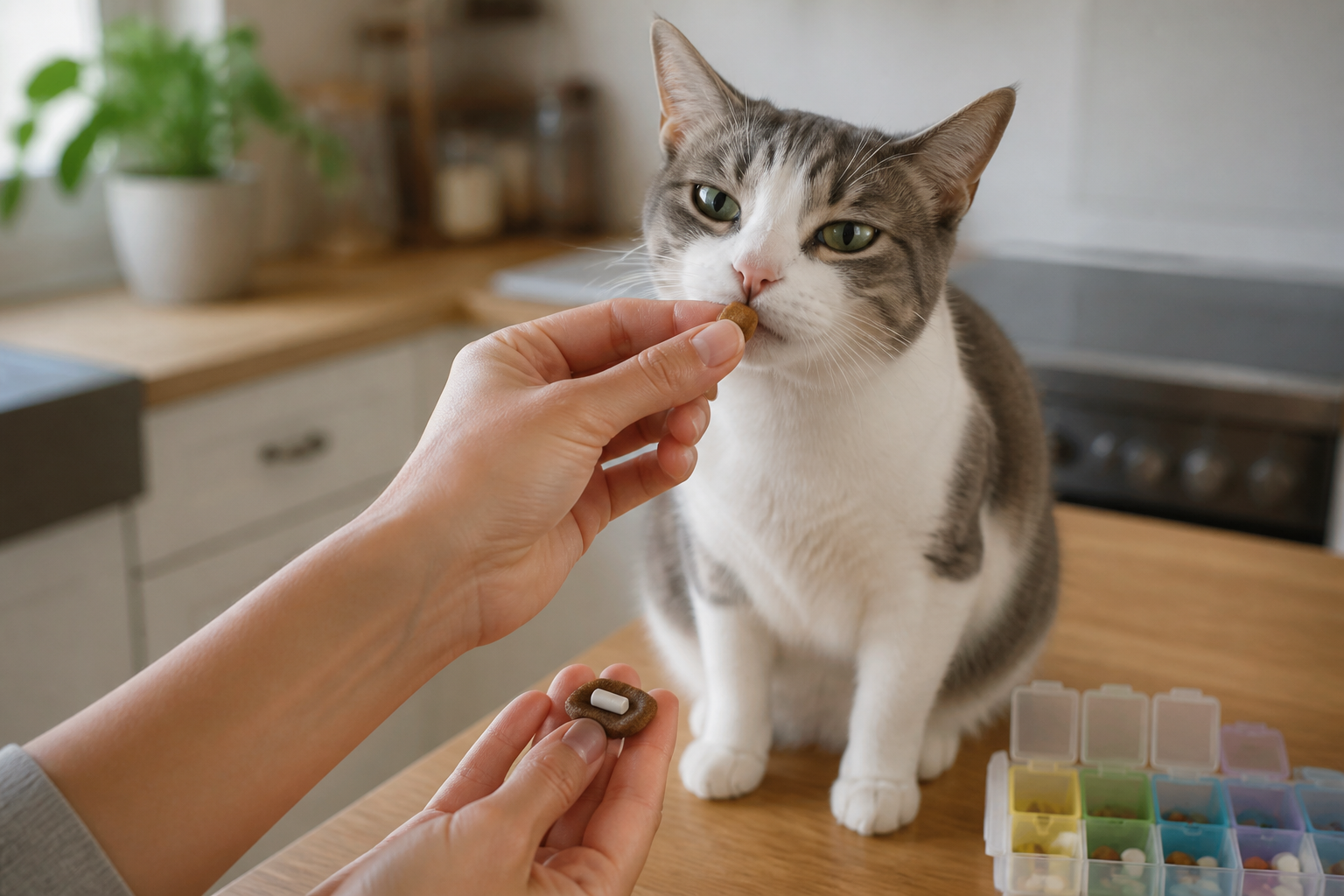
Do this first: a quick safety checklist
Before you give another dose or skip one, gather a few facts. This takes two minutes and makes your call to the vet clinic or dispensing pharmacy much faster.
- Find the prescription label (bottle, box, or printed instructions).
- Confirm what was prescribed: dose amount, how often, and any special directions (with food, empty stomach, “every 12 hours,” etc.).
- Note the form: tablet, capsule, liquid, transdermal ear gel, injection, compounded chew, and so on.
- Write down the timeline: when the last confirmed dose was given and when the next dose was supposed to happen.
- Check what actually happened: missed entirely, given late, vomited after dosing, spit out, or possibly double-dosed.
- Look at your cat: normal behavior, appetite, breathing, balance, alertness.
If you are not sure whether the dose went in, treat it as “uncertain” rather than assuming. I know it is tempting to re-dose, but guessing is how accidental overdoses happen. For example, if you later find a soggy pill in the bedding or a suspicious puddle of drool, pause and confirm your next step with the vet team.
If you missed a dose
Don’t double up unless a vet tells you to
The safest general rule is: do not give two doses at once or close together to “catch up” unless your veterinarian or a veterinary pharmacist specifically instructs you to.
Some medications have a wide safety margin. Others do not. And with certain conditions, missing a dose might matter more than the medication itself. That is why the correct answer is so often, “It depends.”
What to do next
Use this decision path as general guidance while you contact your vet clinic or the pharmacy that dispensed the prescription for confirmation:
- If you realize quickly (you are late, but not close to the next scheduled dose): call your vet clinic or dispensing pharmacy for medication-specific instructions. In many cases, you may be told to give the dose when you remember and then work back toward your normal schedule, but timing changes are not universally safe, so get the green light first.
- If it’s close to the next scheduled dose: you may be instructed to skip the missed dose and return to the normal schedule. What counts as “close” varies by drug and by the condition being treated, so confirm rather than guessing.
- If you missed more than one dose: call your vet before restarting. Some medications require a particular approach to re-starting, and your vet may want an update on symptoms, appetite, and hydration first.
Medication types where timing matters more
I cannot tell you exactly what to do for your cat’s prescription, but I can flag the kinds of meds where you should be extra cautious about delays, catch-up dosing, or schedule shifts:
- Insulin and other diabetes meds
- Seizure medications (anticonvulsants)
- Heart and blood pressure medications
- Thyroid medications
- Some pain medications and sedatives
- Antibiotics (not because you should double dose, but because missed doses can reduce effectiveness)
If any of those are on your counter, do not improvise. Call.
Why the advice varies so much
Three things change the game:
- The drug: some build up in the body, some wear off quickly, and some have narrow safety margins.
- The condition: missing one dose for a mild issue is different from missing a dose for a serious infection, heart condition, seizures, or blood pressure problems.
- Your cat’s health profile: kidney disease, liver disease, age, and other meds can change what is safe.
If you accidentally gave a double dose
This happens more often than people admit, especially in multi-person households or when you are sleep-deprived and trying to medicate a cat who is not exactly cooperating.
What to do right away
- Do not give any more medication until you speak to a professional.
- Call your veterinarian or a 24/7 emergency clinic immediately and explain that an extra dose may have been given.
- Have the label in hand and be ready to state the medication name, strength, and how much your cat received (and when).
- Watch your cat closely for any changes in behavior, breathing, coordination, vomiting, or drooling while you wait for instructions.
If you cannot reach your regular vet quickly, an emergency clinic can advise you on next steps. You can also be directed to animal poison control resources, depending on the medication. Time matters with some drugs, and it is always better to call and be told “you’re okay” than to wait and hope.
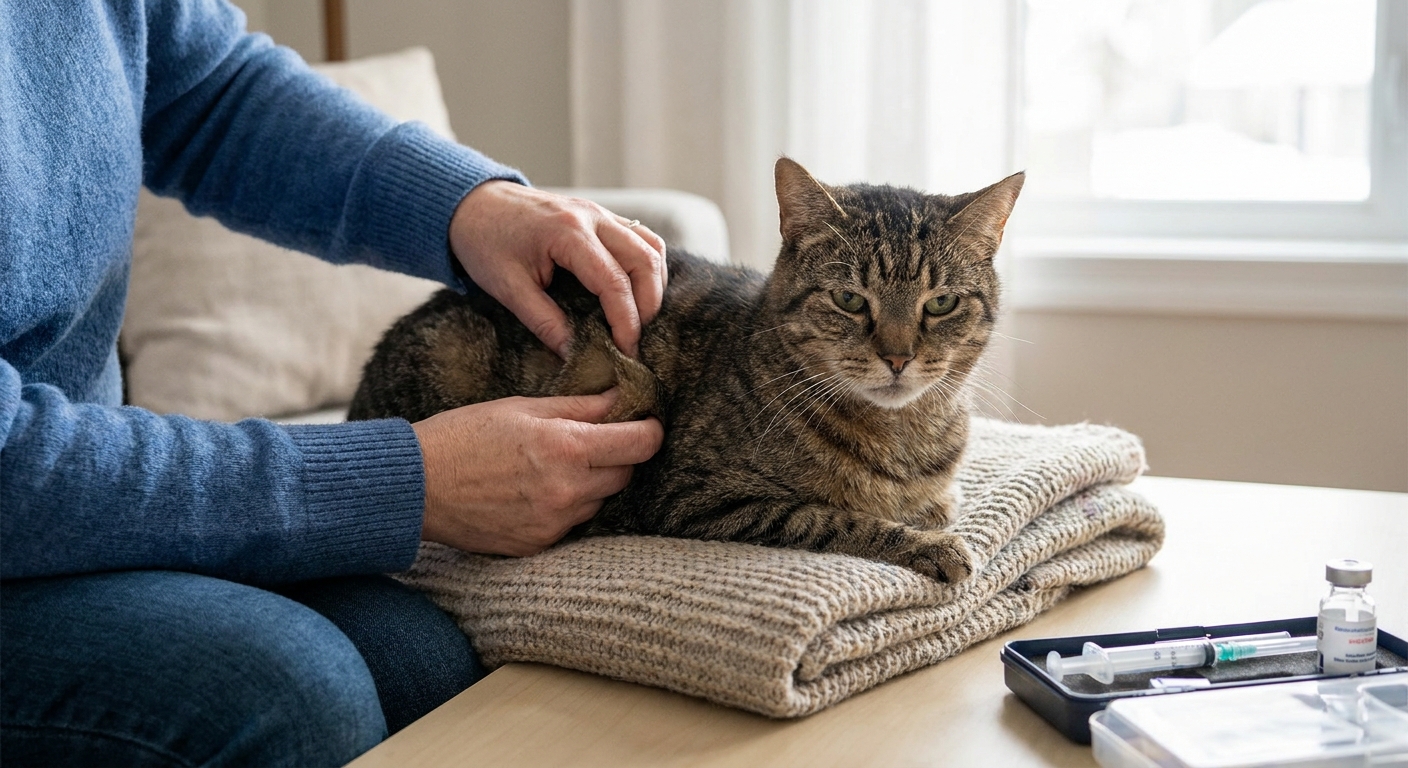
One more easy-to-miss scenario: transdermal ear gels and liquids can be double-dosed without anyone realizing it (two people apply, or someone “tops off” because it looks like nothing went on). Treat that like any other potential extra dose and call.
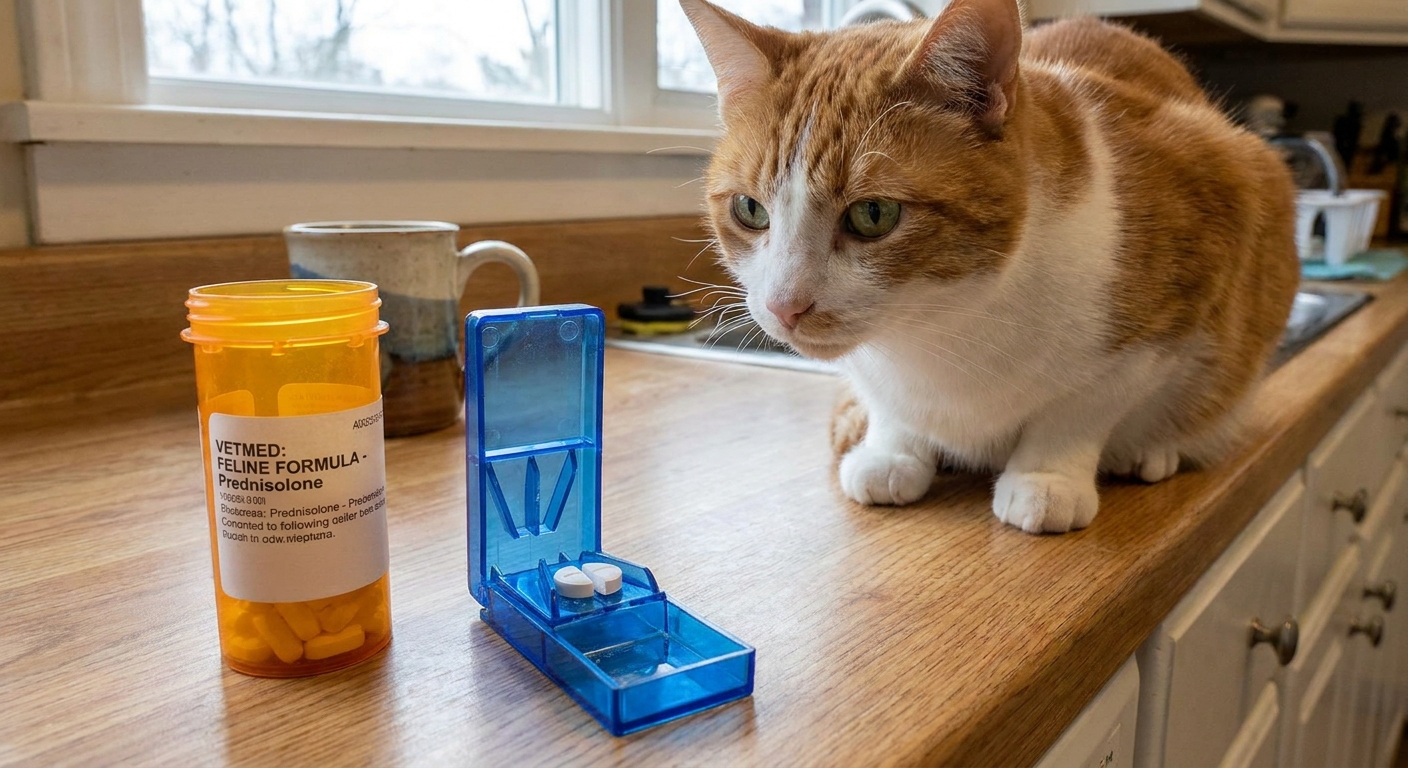
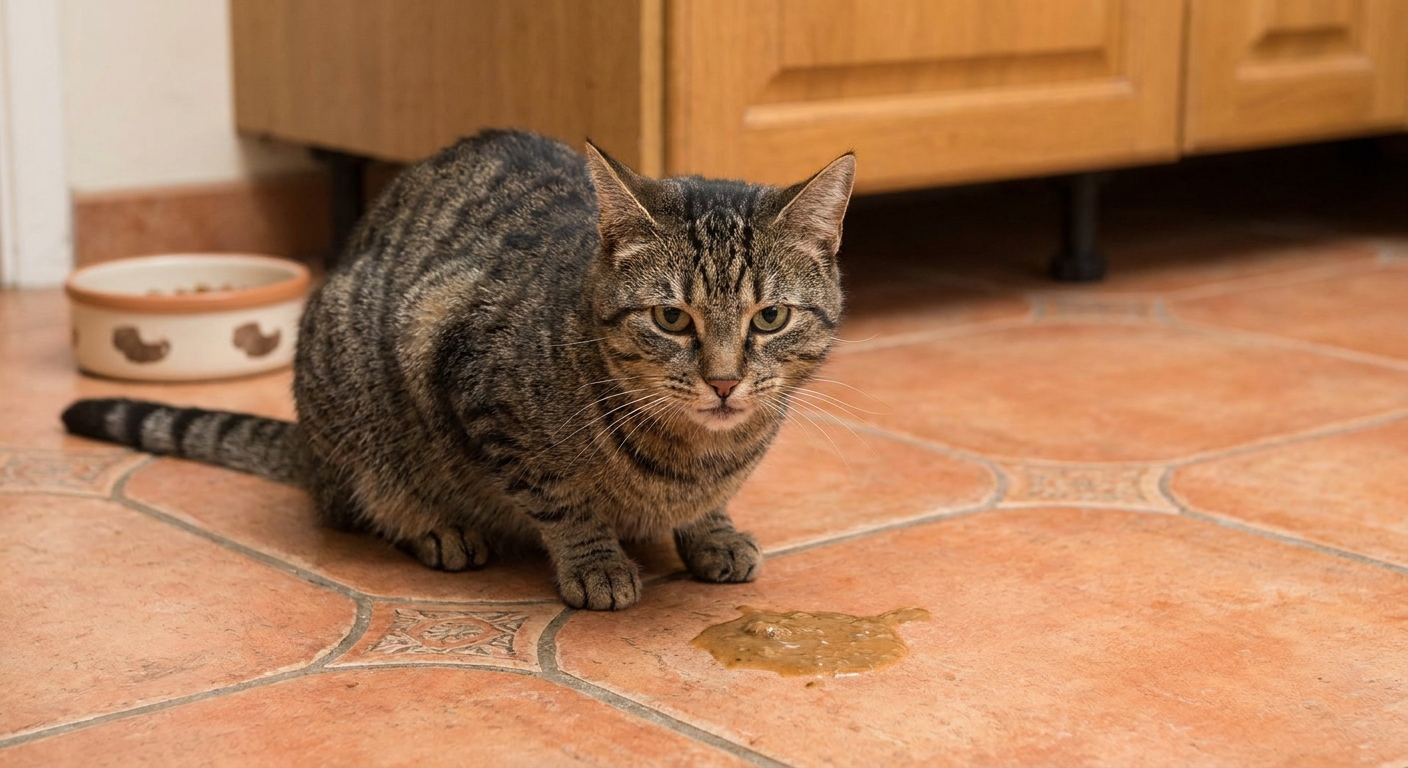
If your cat vomited after a dose
This is one of the trickiest situations because it is hard to know how much medication was absorbed.
- If vomiting happens immediately (right after dosing), there is a chance little was absorbed, but it is not guaranteed.
- If vomiting happens later, some or most of the dose may already be absorbed.
The safest move is to call your vet clinic before re-dosing. Tell them how long after dosing the vomiting occurred, what the vomit looked like (food, foam, pill fragments), and whether your cat seems otherwise normal.
If your cat has repeated vomiting after a dose or seems unwell, that can be urgent even if you have no idea how much medication stayed down.
What your vet team will ask
When you call, you will get help faster if you can share:
- Medication name and strength (for example, mg per tablet or ml concentration)
- Formulation (tablet, liquid, transdermal gel, injection, compounded)
- Prescribed dose and how often it is given
- Your cat’s current weight (or last known weight)
- When the last confirmed dose was given
- What happened: missed dose, late dose, vomited dose, or possible extra dose
- Any other medications or supplements your cat takes
- Any underlying conditions (especially kidney or liver disease)
- Current symptoms, even if they seem minor
It can feel like a lot, but these details let your veterinary team make a safe recommendation without guessing.
When to get urgent help
Even if you are not sure a mistake occurred, contact an emergency clinic right away if your cat shows any of the following after a missed dose, extra dose, or vomiting:
- Repeated vomiting or drooling
- Weakness, collapse, or extreme lethargy
- Tremors, seizures, or unusual twitching
- Wobbliness, disorientation, or inability to stand
- Difficulty breathing, open-mouth breathing, or very rapid breathing
- Pale gums or blue-tinged gums
- Severe agitation, hiding, or sudden behavior changes that feel “off”
- Not eating for 12 to 24 hours, or sooner for kittens, seniors, or already-sick cats
If you are ever debating whether something is “serious enough,” I vote you call. Cats are masters at looking fine until they are not.
How to prevent missed doses and mix-ups
Medication routines are hardest when you are juggling work, family, and a cat who thinks pill time is a betrayal. A few small systems can make you feel dramatically more in control.
Simple habits that work
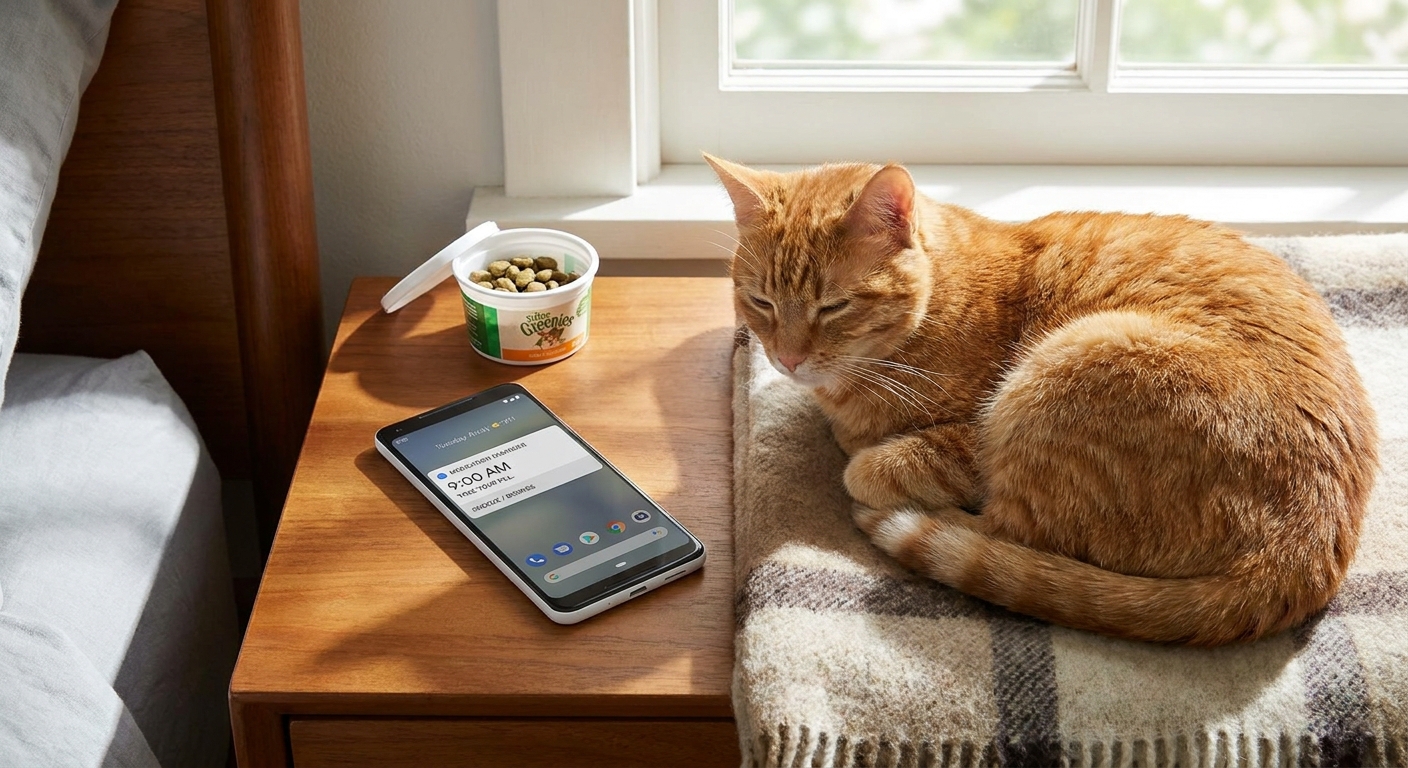
- Set two alarms: one at dose time and one 15 minutes later as a backup.
- Use a dosing log: a notebook on the counter or a note on your phone. Mark the time immediately after the dose is given.
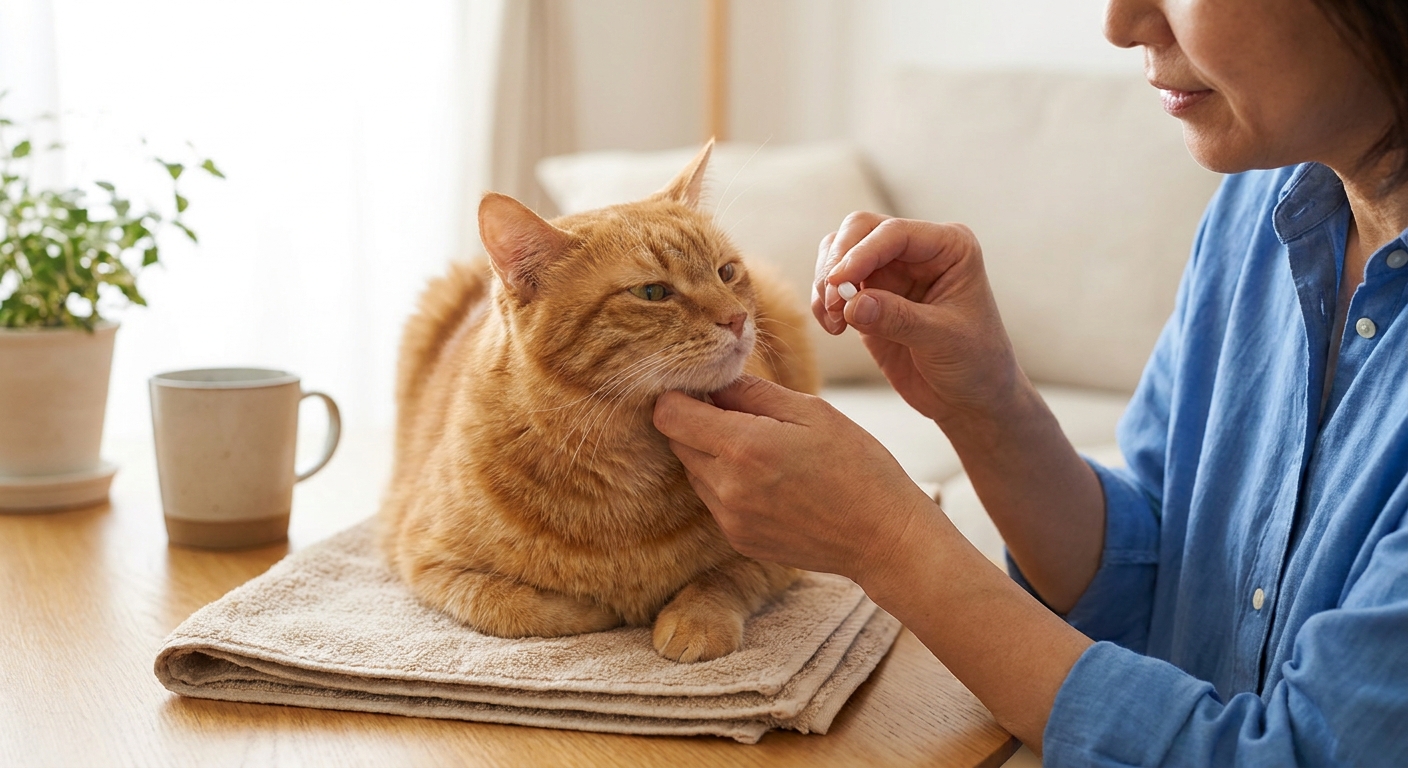
- Pick a “med station”: keep meds, treats, and a towel in one consistent spot so you do not get distracted mid-process.
- Assign one person per dose in multi-human households, or require a text confirmation: “Gave 7 pm dose.”
- Link it to an existing routine: breakfast, evening coffee, brushing teeth. Anchors prevent forgetfulness.
- Label tricky meds: if you use a transdermal ear gel, mark the calendar with “left ear” and “right ear” if your vet instructs that rotation, and log each application so nobody repeats it.
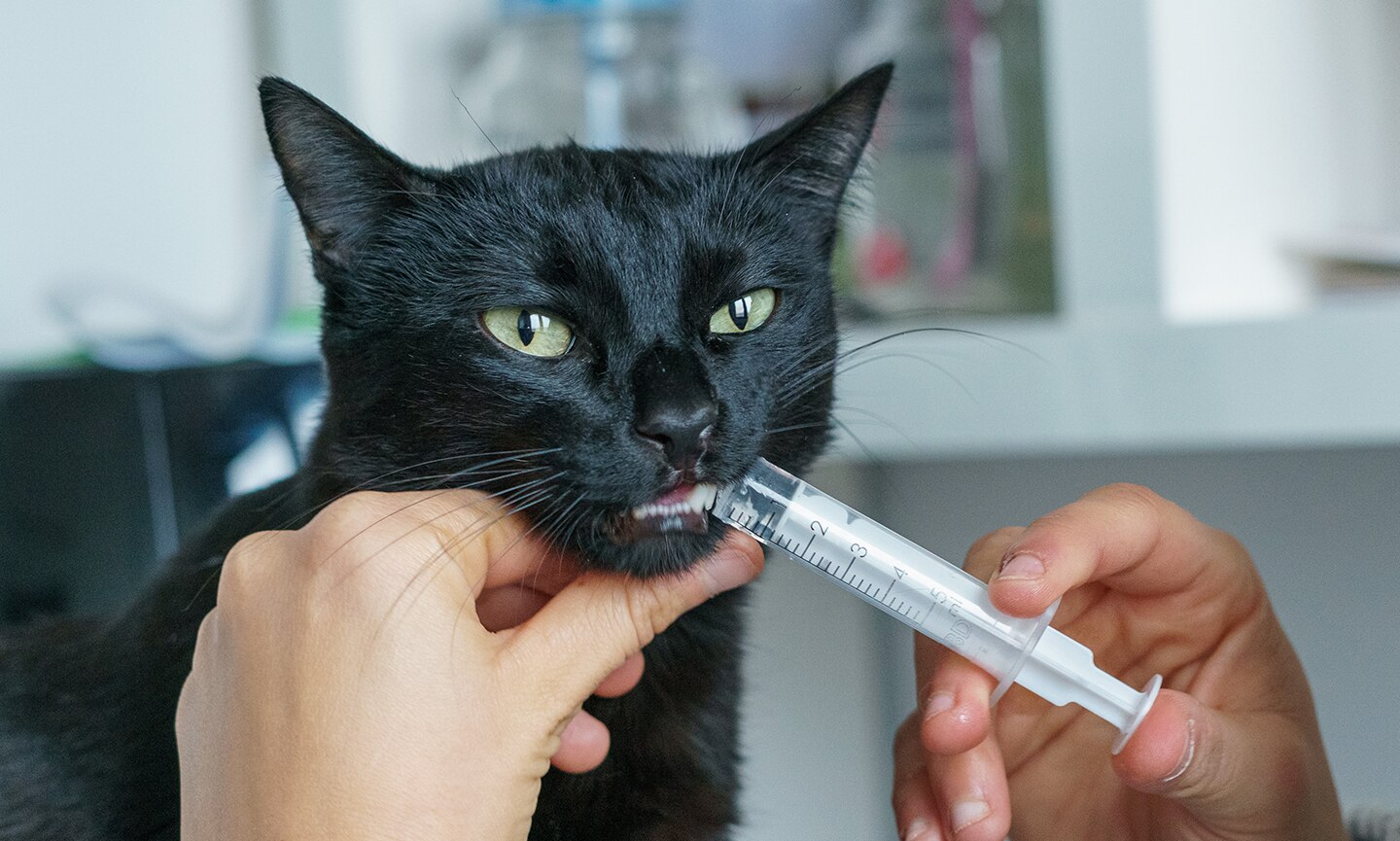
- Ask about easier options: if dosing is a struggle, your vet may be able to suggest a different formulation (liquid, flavored compound) or a schedule that is easier to stick to. Do not change formulations on your own.
FAQ
Should I give the missed dose as soon as I remember?
Sometimes yes, sometimes no. It depends on the medication and how close you are to the next scheduled dose. The safest approach is to call your vet clinic or the dispensing pharmacy with the timing details and follow their instructions.
What if I’m not sure I gave the dose?
Treat it as uncertain and do not automatically give another dose. Check your dosing log if you have one, look for physical clues (an empty capsule, a used syringe, a transdermal pen that was already clicked), and contact your vet for guidance based on the specific medication.
Can missing one dose hurt my cat?
It depends on what is being treated and the type of medication. For some issues, one late or missed dose may be low risk. For others, consistency is critical. Your vet can tell you what matters most for your cat’s condition.
My cat seems fine. Do I still need to call?
If a dose was missed, given twice, or vomited, it is still worth a quick call. “Seems fine” is helpful information, but it does not replace medication-specific advice.
The calm takeaway
When medication schedules go sideways, the goal is not perfection. It is safety. Do not double up without professional direction, document the timing, and call your vet clinic or dispensing pharmacy with the label in hand.
And if you are feeling guilty, please hear this from someone who has medicated a lot of cats, including my own two chaos gremlins Clementine and Waffles: mistakes happen. The best cat parents are not the ones who never slip up. They are the ones who pause, get good advice, and put a simple system in place for next time.