If you have cat allergies, you have probably heard the phrase “hypoallergenic cat” tossed around like it is a magic spell. I wish it worked that way. The truth is kinder and a little more nuanced: some cats are lower-allergen for many people, and the right match plus the right home routine can make a huge difference.
I have worked with plenty of families who were convinced they could never have a cat, then found a combination that worked beautifully. I have also seen families fall in love with a breed label and still struggle, because their body reacted to that specific cat. Let’s set you up with realistic expectations, breed options that tend to be more allergy friendly, and practical steps you can start today.
What causes cat allergies
Most cat allergies are triggered by proteins, not hair. The biggest culprit is a protein called Fel d 1, which is produced primarily in a cat’s saliva and skin glands. When your cat grooms, that protein spreads onto the coat. As dander and dried saliva flakes shed, allergens get into the air, onto furniture, and into carpets and bedding.
So when people say “I’m allergic to cat hair,” what they are often reacting to is what is on the hair.
What “hypoallergenic” really means
There is no truly non-allergenic cat breed. “Hypoallergenic” in the cat world usually means one or more of these is true:
- The breed tends to produce less Fel d 1 on average (not guaranteed, and evidence varies).
- The breed often sheds less, so allergens may spread less through the home.
- The coat type can hold onto dander differently (again, not guaranteed).
Your sensitivity level, asthma status, and the individual cat’s allergen output matter just as much as the breed.
Top 7 hypoallergenic cat breeds
These breeds commonly show up in allergy-friendly conversations for good reasons. I am going to be very honest about what helps, what does not, and what to watch for.
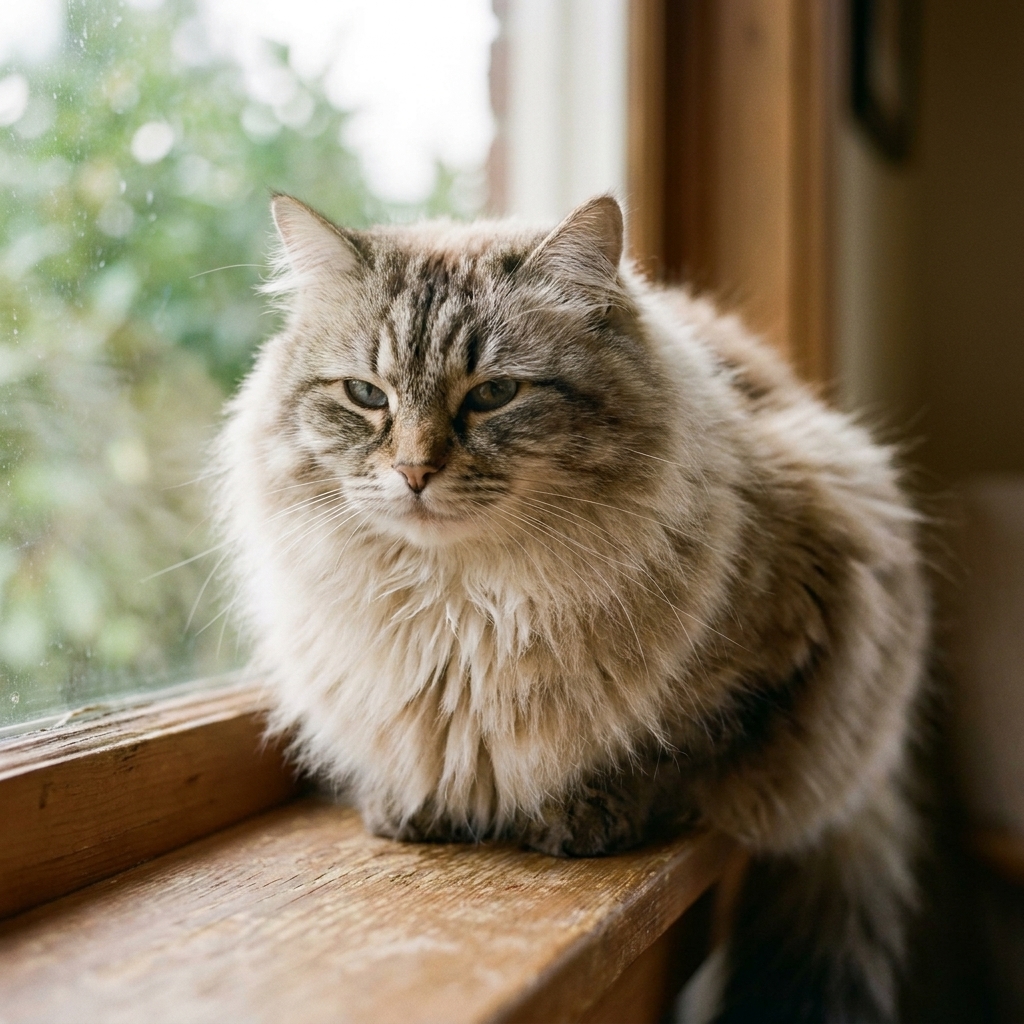
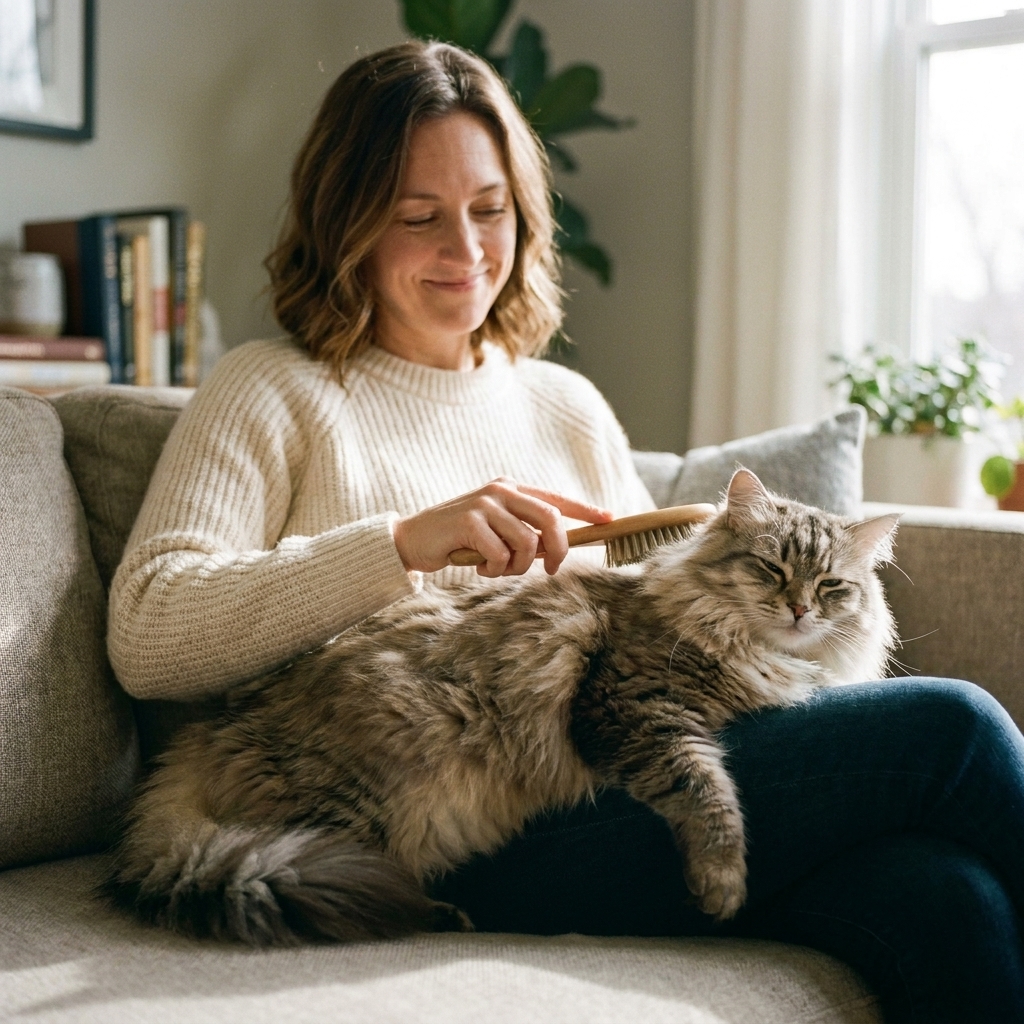
1) Siberian
Yes, the Siberian has a thick, fluffy coat. No, that does not automatically mean worse allergies. Some Siberians (and some specific lines) have tested lower for Fel d 1 in small studies and in breeder testing, and many allergy sufferers report doing surprisingly well with the right individual cat. It is not a guarantee.
- Why it can help: Some individuals may have lower Fel d 1.
- Reality check: They still shed. A lot. You will need grooming and cleaning routines.
- Good fit if: You want an affectionate, playful cat and can commit to coat care.
2) Balinese
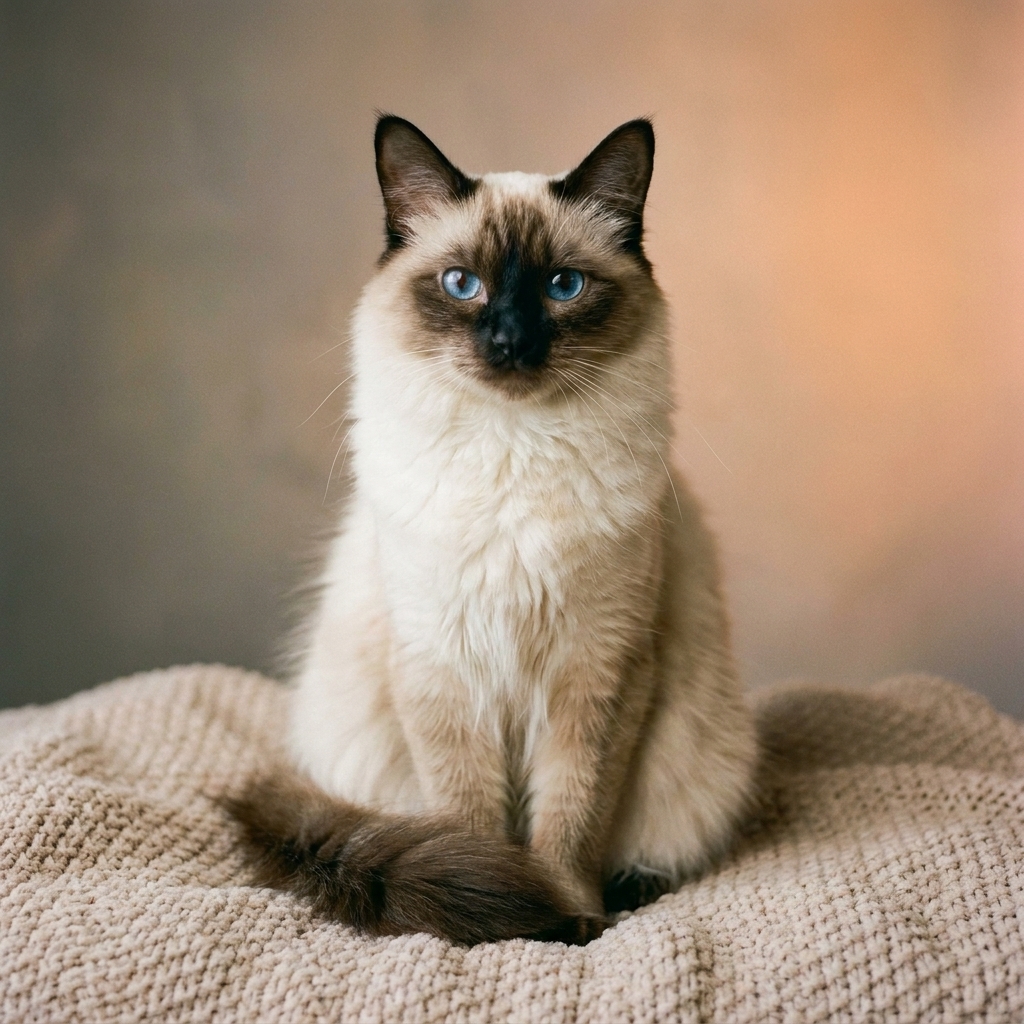
Balinese are essentially long-haired Siamese, known for being social, chatty, and people-oriented. They are often mentioned as lower-allergen, mostly based on owner experience and breeder reports rather than large, definitive studies. Some individuals may produce less Fel d 1, but variation is real.
- Why it can help: Some cats may produce less Fel d 1.
- Reality check: They are emotionally “all in.” If you are gone a lot, they can get lonely and loud.
- Good fit if: You want a companion cat that bonds deeply and follows you around like a fuzzy shadow.
3) Russian Blue
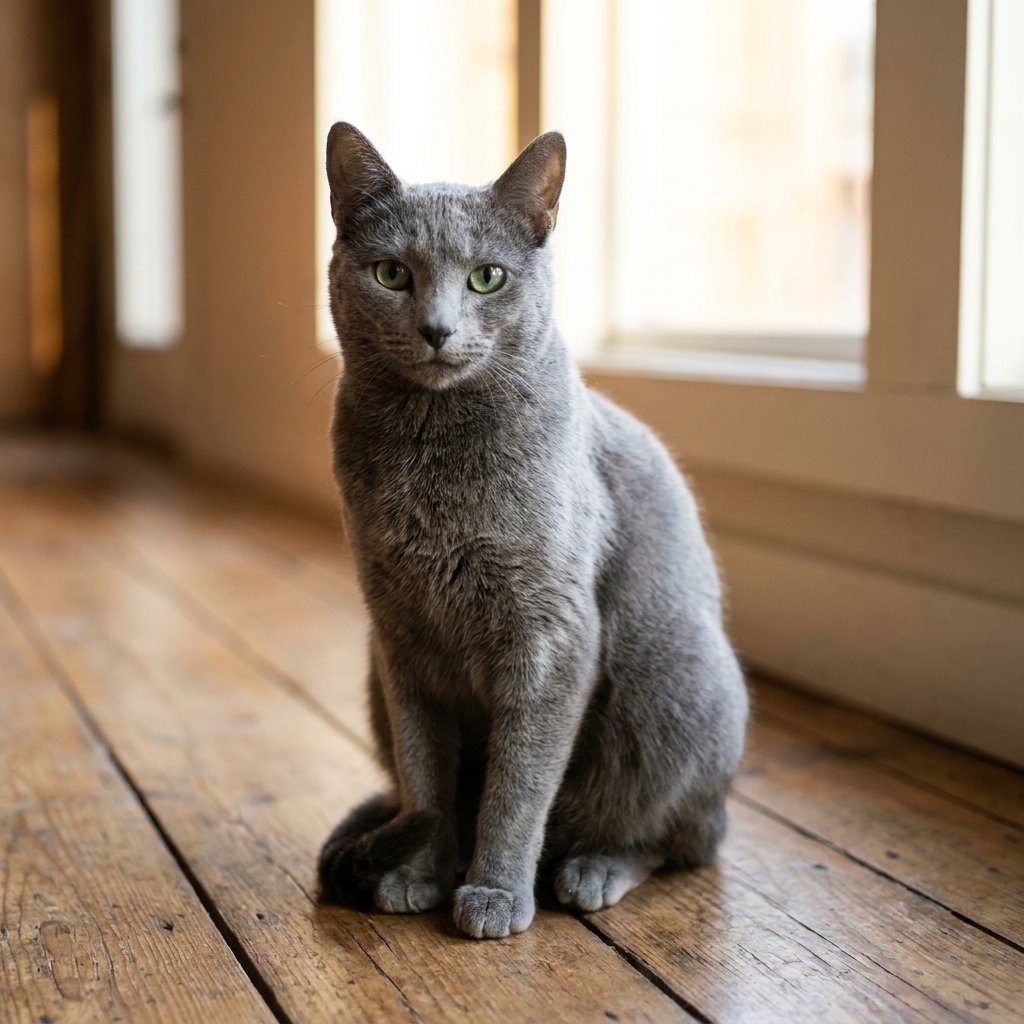
Russian Blues have a dense, plush coat and are often described as a good option for allergy sufferers. Anecdotally, many people report milder symptoms, which may be related to individual Fel d 1 differences and shedding patterns. It is not a sure thing, but it can be a good breed to test in person.
- Why it can help: Some households report fewer symptoms with certain individuals.
- Reality check: They can be shy with strangers and dislike chaotic households.
- Good fit if: You want a gentle, loyal cat and a calmer home vibe.
4) Devon Rex
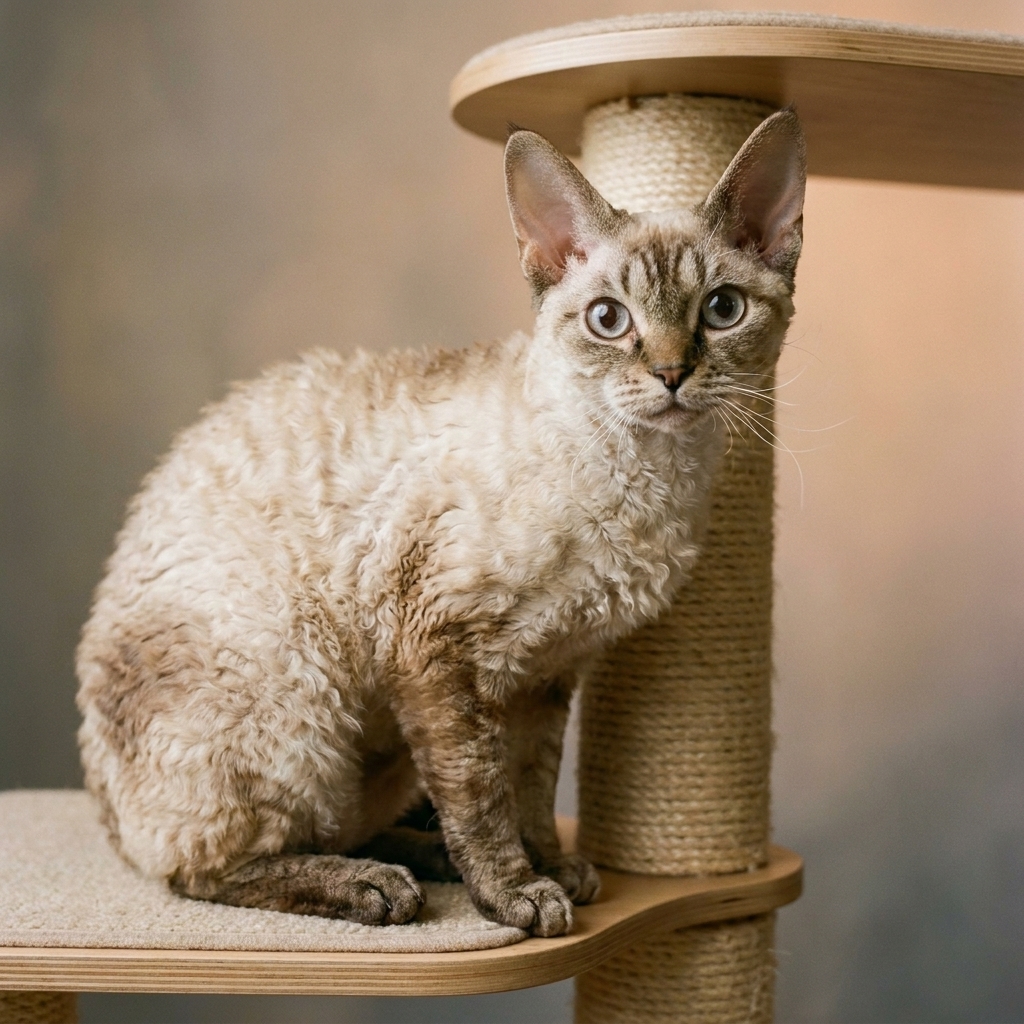
Devon Rex cats have short, wavy coats and many shed less than you might expect. Less shedding can mean fewer allergens distributed around your home, but remember that allergens also come from saliva and skin, not just hair. Think of reduced shedding as a helpful factor, not a cure.
- Why it can help: Reduced shedding in some cats may reduce allergen spread.
- Reality check: They still produce allergens. Also, their ears and skin can need regular cleaning due to oil buildup.
- Good fit if: You want a high-energy “forever kitten” who loves to be involved in everything.
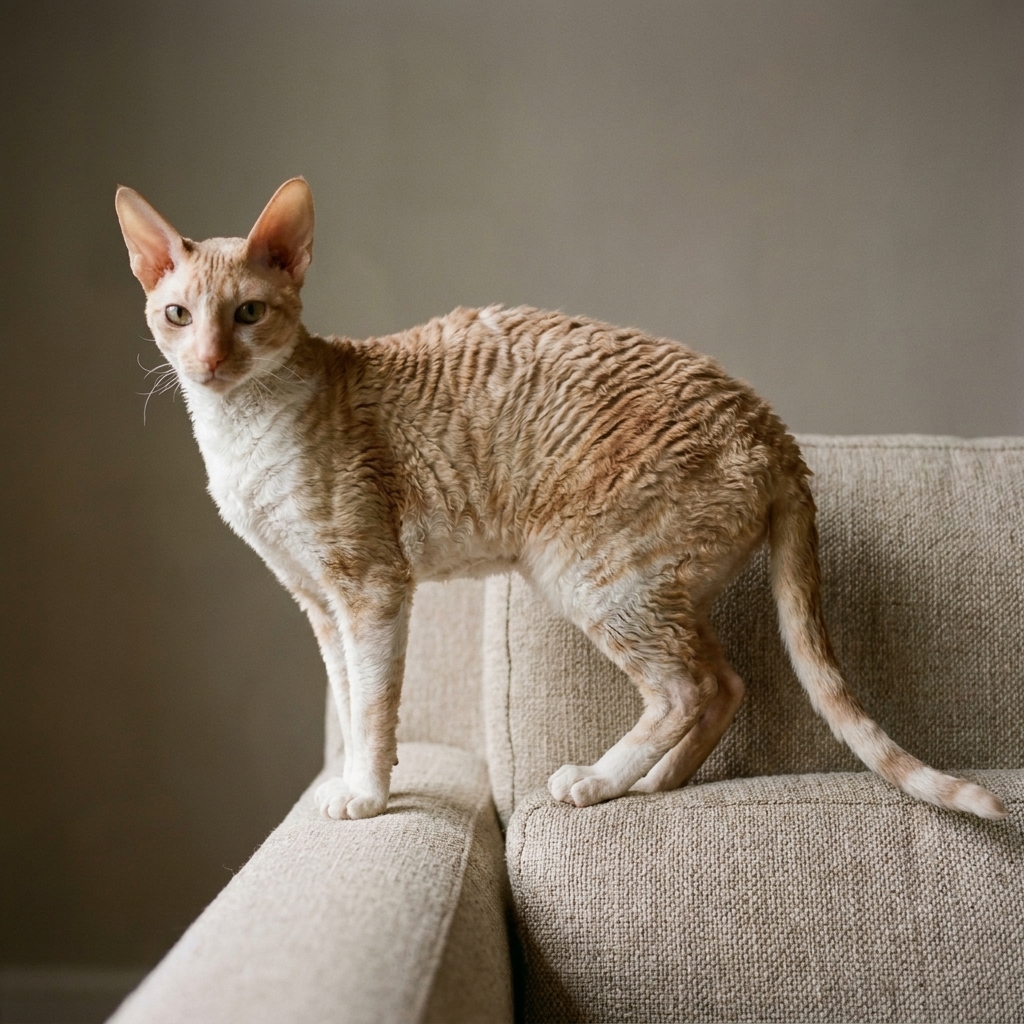
5) Cornish Rex
Cornish Rex cats have an even finer, tighter wave to the coat and lack the typical guard hairs found in many cats. Many shed lightly, which can help some allergy households, even though it does not change the fact that Fel d 1 is still present.
- Why it can help: Less shedding in some individuals may mean fewer allergens moving around the home.
- Reality check: Many Cornish Rex cats run warm and seek heat. You may find your cat glued to your lap, your pillow, or the sunny spot on the couch.
- Good fit if: You like a busy, affectionate cat with a sleek feel.
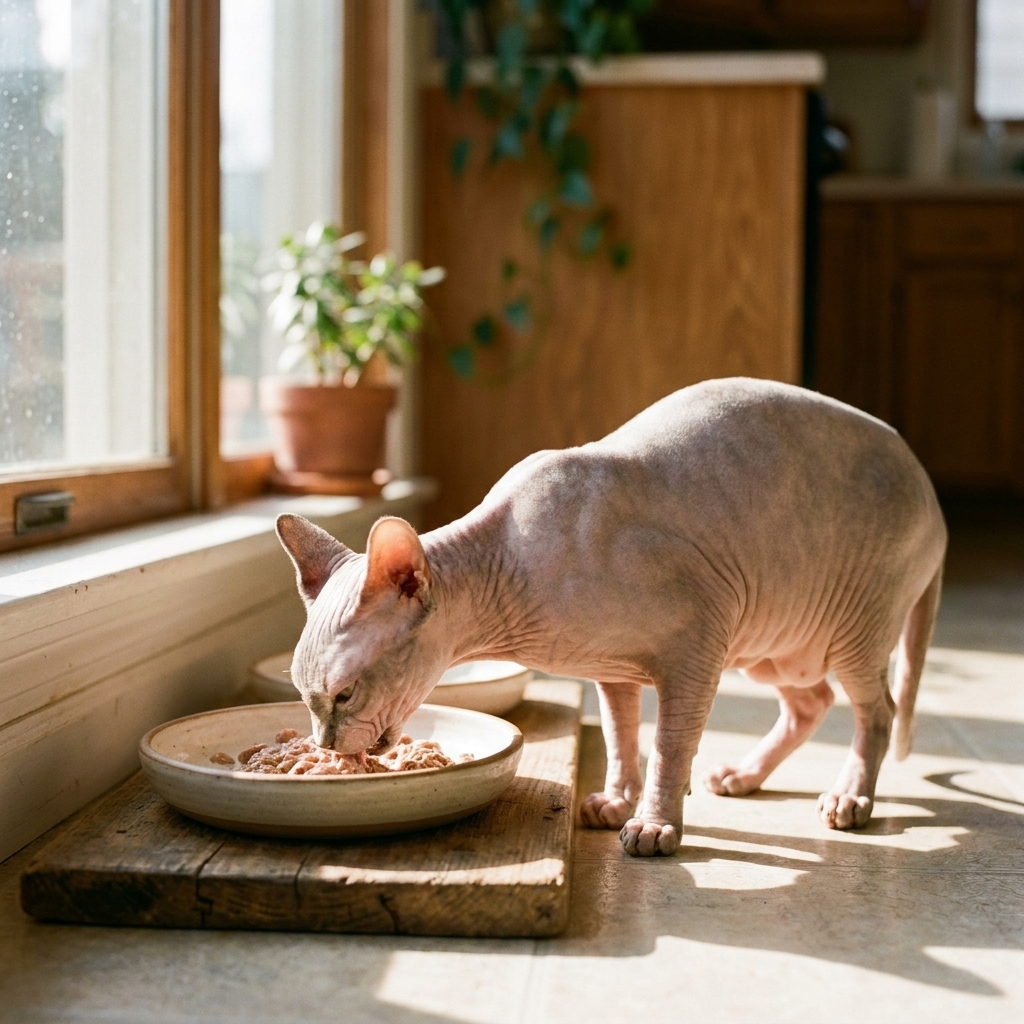
6) Sphynx
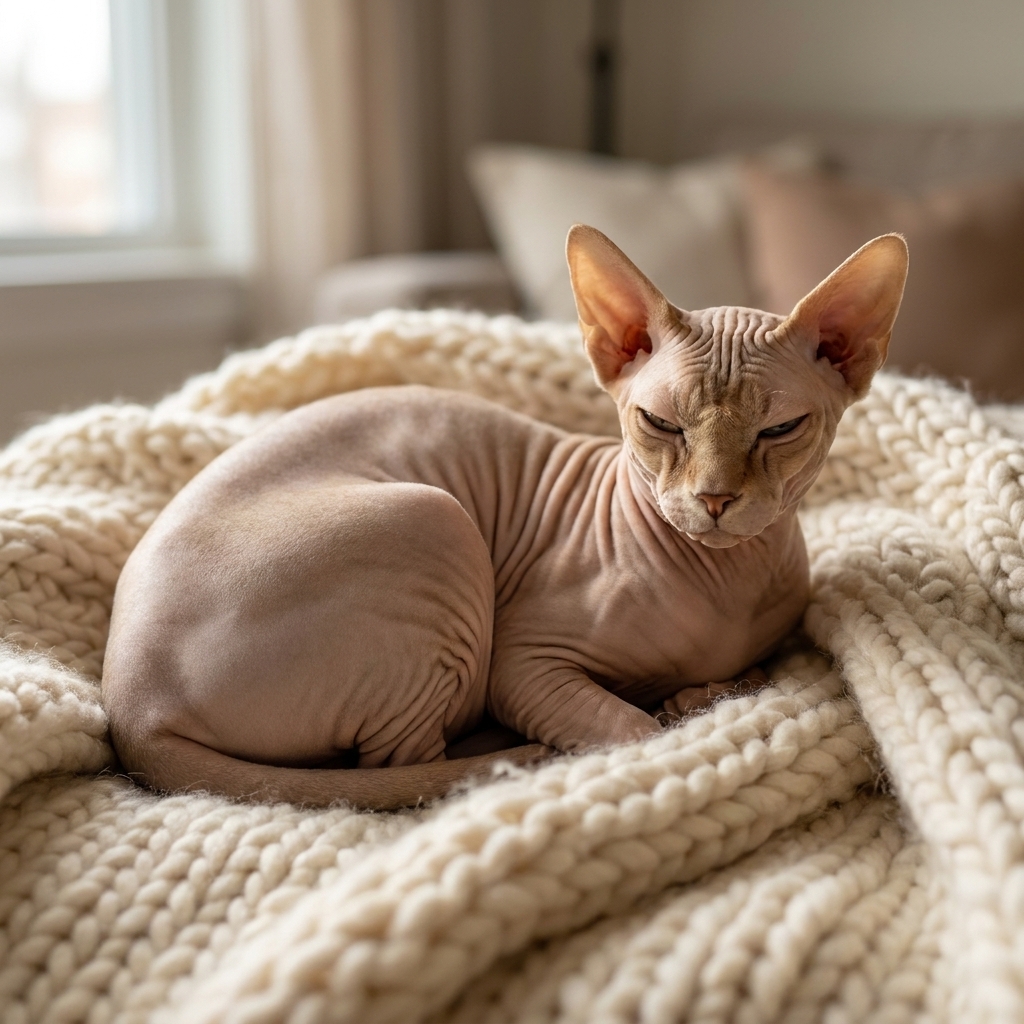
The Sphynx is the poster cat for “hypoallergenic,” but let’s clear up a common misconception: hairlessness does not equal allergen-free. Sphynx cats still produce Fel d 1. Without fur, allergens may be less likely to ride around on shed hair, but skin oils and dander can still transfer easily to hands, blankets, and furniture. The upside is that routine bathing can physically remove allergens from the skin for some households.
- Why it can help: No shedding fur, and bathing may reduce surface allergens.
- Reality check: They require regular skin care, ear cleaning, and warmth management. They are not “low maintenance.”
- Good fit if: You are ready for a social, snuggly cat and a consistent grooming routine.
7) Oriental Shorthair
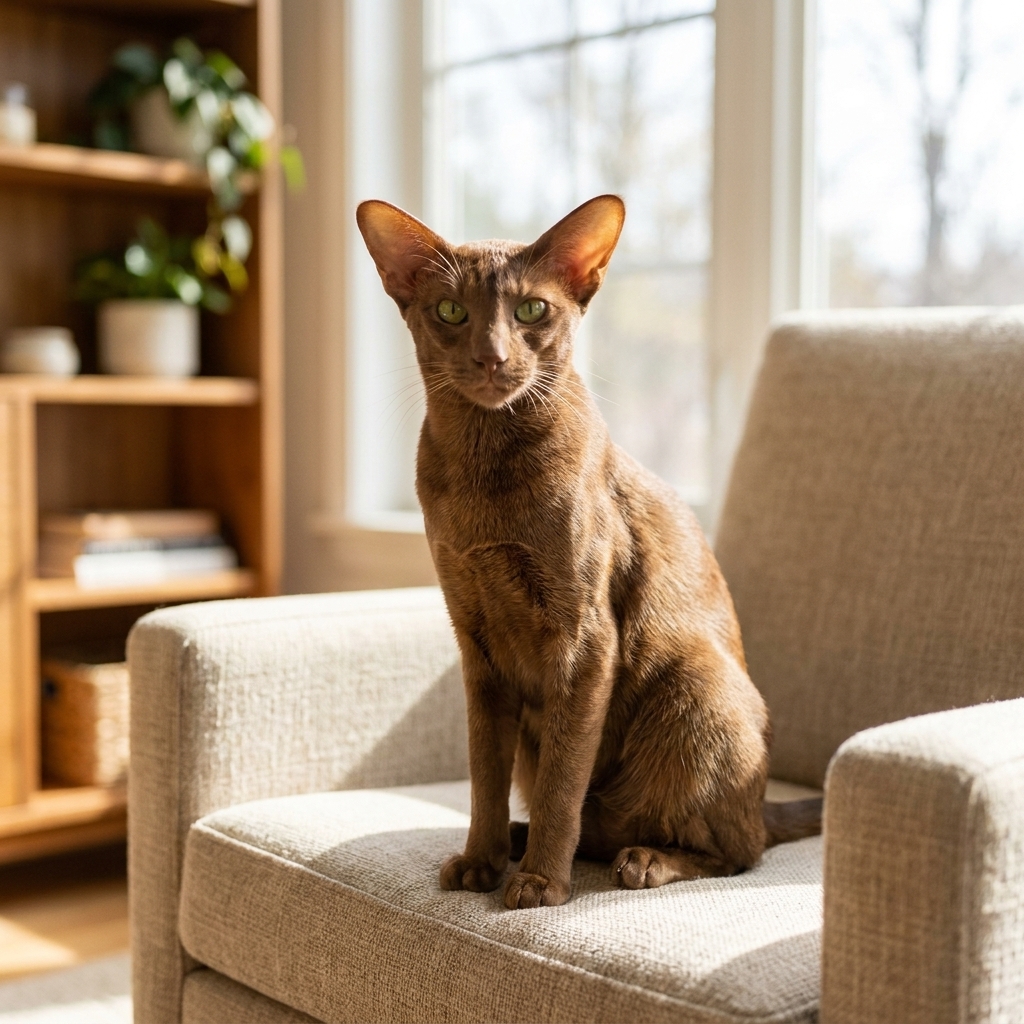
Oriental Shorthairs have a short coat and can be lighter shedders in many homes, depending on the individual. For some allergy sufferers, less shedding can be a meaningful piece of the puzzle, especially when paired with filtration and cleaning routines.
- Why it can help: Short coat and reduced shedding in some cats may mean fewer allergens spread.
- Reality check: They are vocal and needy in the sweetest, most persistent way. If you want a quiet cat, this is not your breed.
- Good fit if: You want a playful extrovert who turns every day into a conversation.
How to choose the right lower-allergen cat
Breed can tilt the odds, but the individual cat is what your immune system will react to. Here is what I recommend for allergy households.
Spend time with the specific cat
If possible, arrange multiple visits and include the person with the most sensitive allergies. Try to spend at least 30 to 60 minutes in the same room, with gentle petting, and pay attention to delayed reactions later that day.
Ask smart questions
- Has the cat lived in a home with allergy sufferers before?
- Is the cat currently on any diet or medication that affects skin health?
- How often is the cat bathed or groomed?
- Can you do a short foster-to-adopt trial?
Consider age and temperament
Kittens can be tempting, but their grooming habits and allergen levels can change as they mature. Adults often give you a clearer picture of coat, shedding, and routine. Temperament matters too. A cat who loves being on your pillow will expose you to more allergens than a cat who prefers the window seat.
Allergy tips that actually help
Even with a lower-allergen cat, your daily habits are what make the biggest difference. These are the same strategies I have seen help real families stay comfortable without feeling like they have turned their home into a laboratory.
1) Make your bedroom a safe zone
- Keep the bedroom door closed and make it a cat-free zone.
- Use a true HEPA air purifier sized for the room, and place it where it can move air (not tucked behind a dresser).
- Wash bedding weekly in hot water if fabric allows.
2) Upgrade your tools
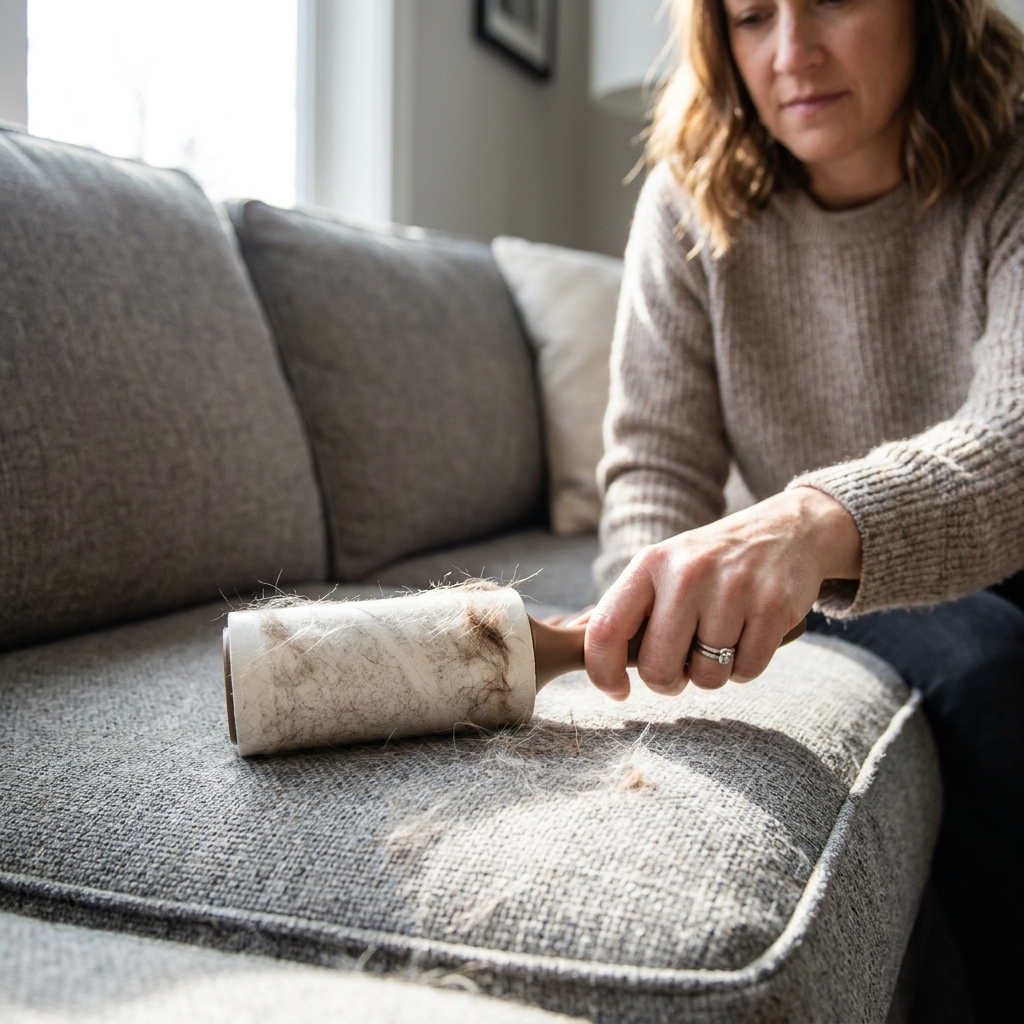
- Use a true HEPA vacuum (especially if you have carpet).
- Choose washable throws on favorite cat hangouts.
- Dust with a damp cloth so allergens do not get tossed back into the air.
3) Reduce allergens on the cat
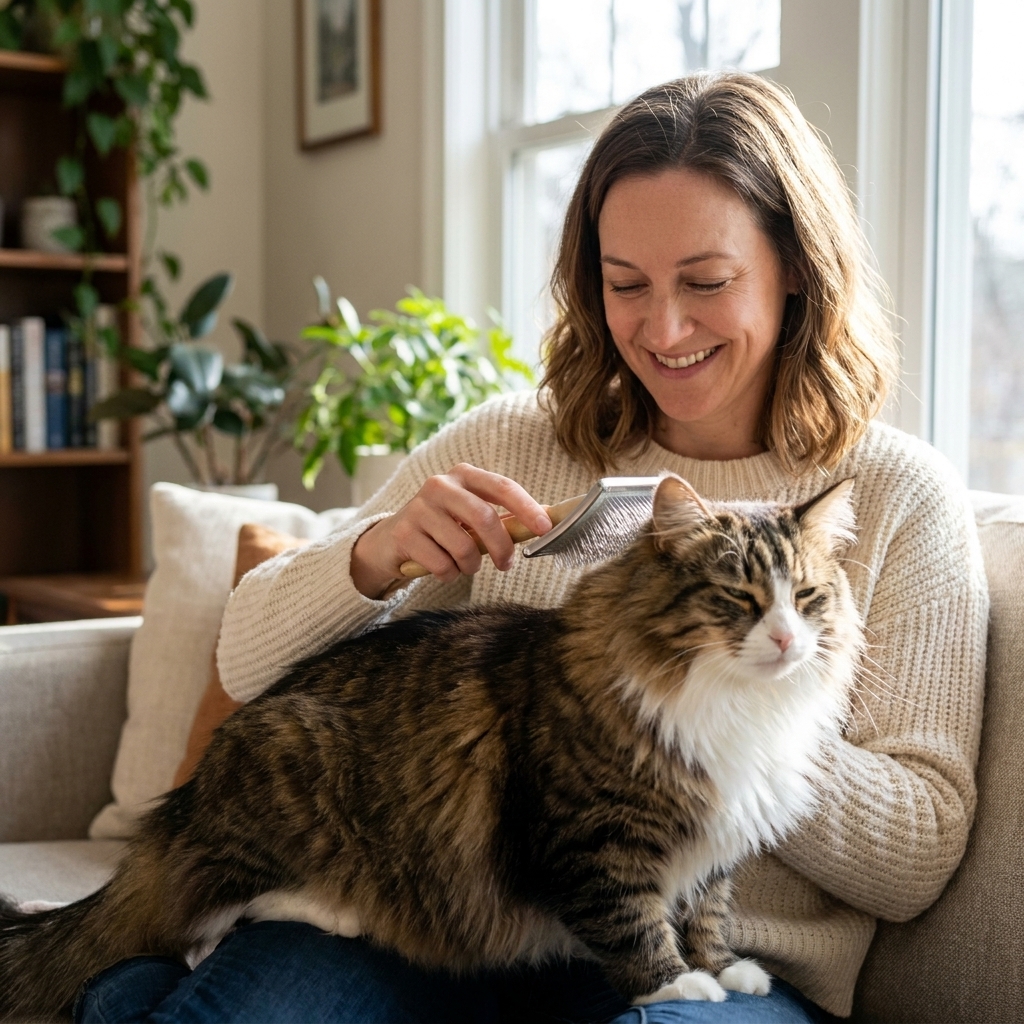
- Brushing: Regular brushing reduces loose hair and dander. If you are very sensitive, have a non-allergic household member do it.
- Wipes or bathing: Some cats tolerate pet wipes better than baths. For Sphynx cats, bathing is often part of routine care.
- Ear care: Especially in Rex and Sphynx types, keeping ears clean can reduce wax and oils that hold allergens.
If your cat hates grooming, do not force it into a wrestling match. Slow desensitization and positive reinforcement are safer for both your skin and your bond.
4) Ask your vet about Fel d 1 reduction options
Dry skin, dandruff, and overgrooming can increase the allergen load in the home. Addressing parasites, nutrition, and underlying skin issues can improve coat quality and reduce shedding. Also, there are veterinary-discussed options designed to reduce active Fel d 1 in the environment, including certain diets and topical approaches. Ask your veterinarian what is appropriate for your cat.
5) Get human allergy support
Over-the-counter antihistamines, prescription options, and allergen immunotherapy can help many people. If you have asthma, a history of severe reactions, or symptoms that escalate quickly, loop in an allergist before bringing a cat home.
Common questions
Do hairless cats cause fewer allergies?
Sometimes, but not because they are allergen-free. Hairless cats still produce Fel d 1. The advantage is that there is less fur to trap and spread allergens, and routine bathing can remove allergens from the skin. For some people, skin oils and dander transfer can still be a big trigger.
Are male cats worse for allergies?
Studies suggest intact males tend to produce more Fel d 1 than neutered males and females. Most pet cats are neutered or spayed, which helps, and individual variation still matters a lot.
Does bathing a cat really help?
For some households, yes, especially if the cat tolerates it and you can keep it consistent. But many cats find baths stressful, and stress can trigger other issues like overgrooming. Wipes, brushing, and air filtration can be a more realistic combination for many families.
Can I get used to my cat allergies over time?
Some people do notice improved tolerance, while others worsen with ongoing exposure. If your symptoms are escalating, do not try to tough it out. Get medical guidance so you can stay healthy and keep your cat safe and settled at home.
A gentle reality check
If you take one thing from this article, let it be this: the best hypoallergenic cat is the one you can comfortably live with long-term. Breed can help stack the deck, but your home setup and routine are the real secret sauce.
If you are planning to adopt, ask about foster-to-adopt options. If you are working with a reputable breeder, prioritize transparency and time spent with the specific cat. And if you already have a cat and allergies are making life hard, you are not failing. You just need a plan.
With the right match and a few strategic changes, many allergy sufferers can share a home with a cat and actually enjoy it. I have seen it happen, and I am rooting for you too.