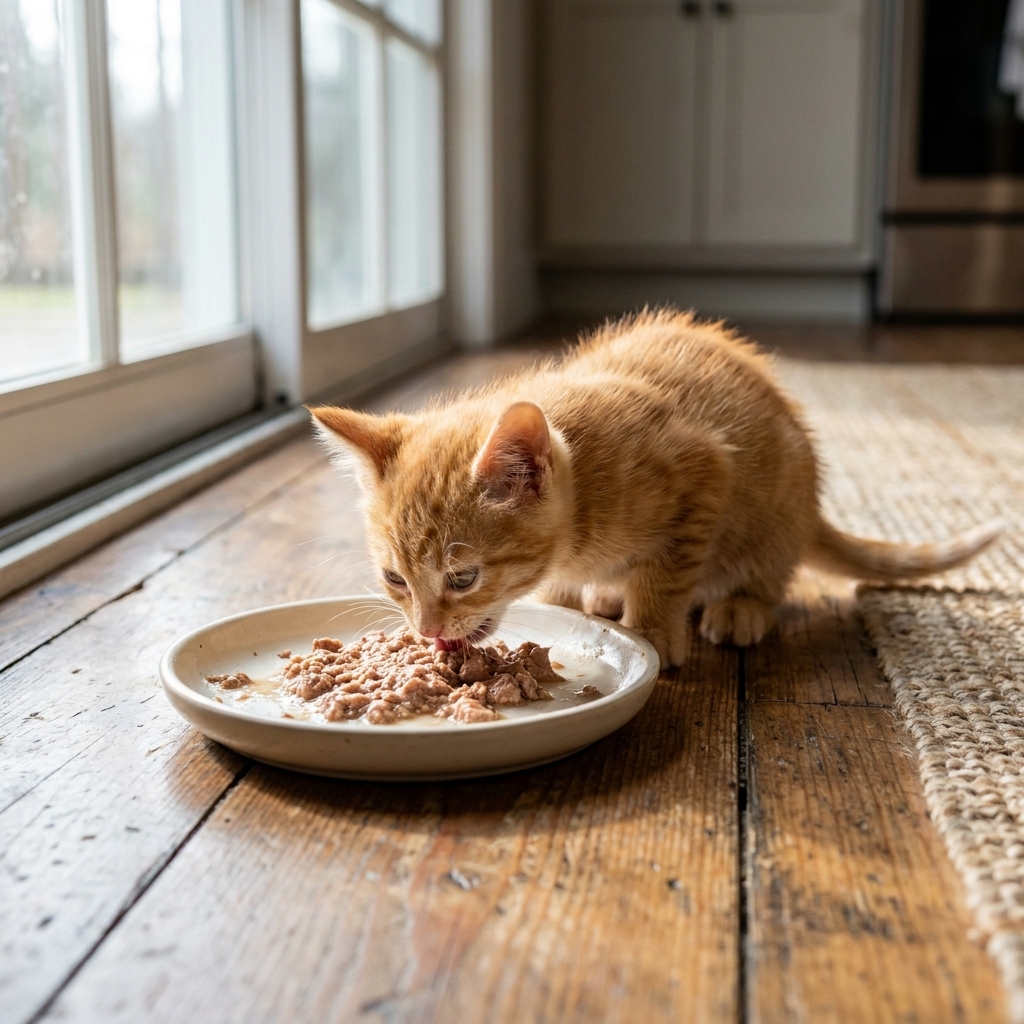
Sphynx cats have a reputation for two things: being little heat-seeking cuddle bugs and acting like they are hungry all the time. In most homes, that second part is not a personality flaw. It is biology, plus a bit of cat theatrics.
Sphynx cats are not truly hairless (most have a fine peach-fuzz coat), but they do have less insulation than a typical cat. That means they can lose body heat more easily, and some will seem to burn through calories faster just to stay warm, especially in cooler homes. The result can be bigger appetites, more frequent meals, and noticeable weight changes if their diet is not dialed in. Let’s walk through how to feed a Sphynx in a way that supports their energy needs, keeps their skin healthy, and helps them stay lean and strong.
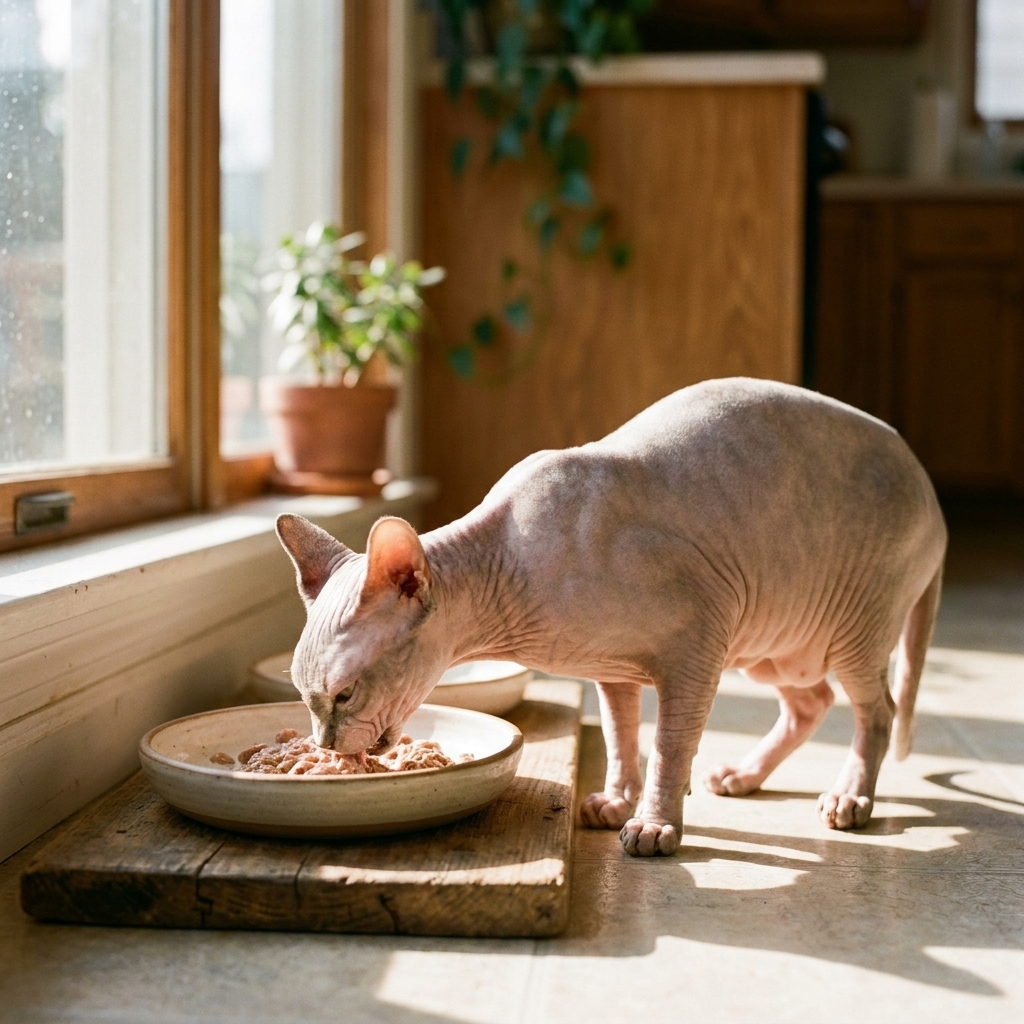
Why Sphynx cats need a different feeding approach
All cats are obligate carnivores, meaning they are built to get most of their nutrition from animal-based protein and fat. Sphynx cats still follow those same rules, but a few breed-specific quirks can change how feeding looks day to day.
Heat loss can raise calorie needs
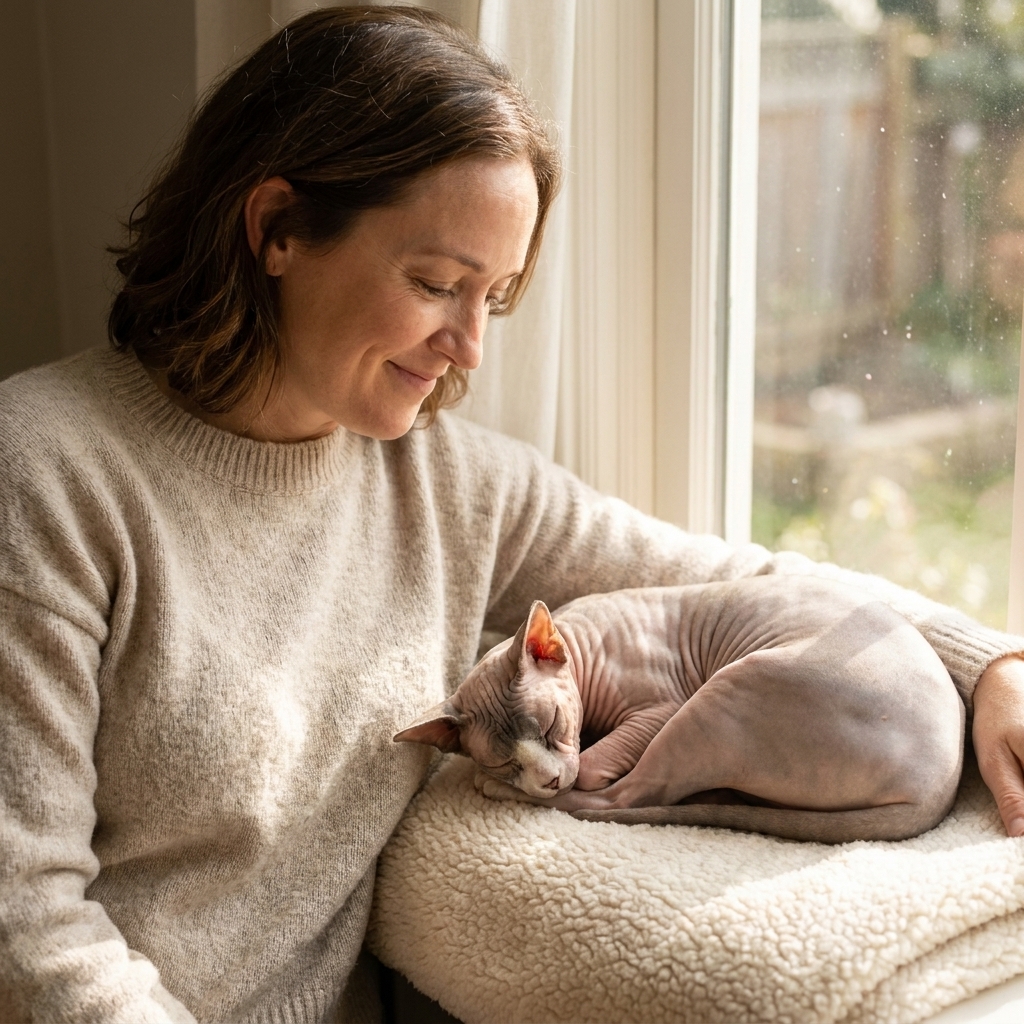
That velvet-warm skin is adorable, but it is not the same as a full fur coat. Many Sphynx cats spend extra energy on temperature regulation, especially in cooler environments. You may notice your Sphynx:
- Seeks warm laps, blankets, sunny spots, and heated beds
- Acts hungrier than other cats of the same size
- Loses weight quickly if meals are delayed or portions drop
Not every Sphynx has dramatically higher needs, so I treat feeding as an ongoing adjust-and-reassess process rather than a set-it-and-forget-it plan.
Quick win: Before you assume your cat needs a lot more food, make sure they have warmth. A cozy room, a safe heated bed, and warm sleep spots can take pressure off the calorie budget.
Skin health is tied to nutrition
Skin issues in Sphynx cats are often more visible. A diet that supports the skin barrier can help with:
- Dryness and flaking
- Excess oil buildup
- Inflammation and itchiness
Food will not replace good grooming, but the right nutrients make skin maintenance easier.
How many calories does a Sphynx cat need?
Calories are individual, but here is the most useful way to think about it: use the food label as a starting point, then let your cat’s body condition guide the final number.
A starting range (use with caution)
As a broad rule of thumb, many adult indoor cats end up somewhere around 20 to 30 calories per pound of body weight per day, with higher needs in very active cats, young adults, and cats who run cool. Some Sphynx cats do sit toward the higher end, but a sedentary adult can absolutely gain weight if you aim too high.
If you want a more veterinary-style way to estimate, you can use RER (resting energy requirement) as a starting point:
- RER = 70 × (body weight in kg)0.75
- Then multiply by a factor based on life stage and activity (your vet can help pick a reasonable multiplier).
Even with formulas, the real-world answer is still: feed, observe, adjust.
Instead of chasing a perfect equation, I recommend this simple system:
- Pick a starting daily amount based on your cat’s current weight and your food’s calorie density.
- Hold steady for 2 to 3 weeks (unless your vet advises otherwise).
- Re-check body condition, energy, stool quality, and hunger behavior.
- Adjust by 5% to 10% up or down as needed.
Use body condition, not the scale alone
Sphynx cats can feel “softer” because there is no fur fluff, and some are naturally rounder through the belly even at a healthy weight. What you want is a lean, athletic feel:
- You can feel ribs with light pressure, but they are not sharply sticking out.
- From above, you see a gentle waist behind the ribs.
- From the side, the belly tucks up slightly (not hanging low).
If you are unsure, ask your vet for a body condition score and an ideal weight range. That single conversation can save months of trial and error.
Best meal schedule for a high-metabolism Sphynx
Many Sphynx cats do better with more frequent meals than the typical twice-a-day routine. It can smooth out hunger spikes and reduce frantic food-seeking behavior.
Most do well on 3 to 5 meals
Options that work well in real homes:
- Three meals daily (morning, after work, before bed)
- Four smaller meals (great for cats that act ravenous between meals)
- Combination feeding using an automatic feeder for one or two meals if your schedule is chaotic
If your Sphynx is waking you up early for food, a small timed meal in the pre-dawn hours can be a game-changer.
Kittens need frequent meals
Kittens in general have high energy demands and small stomachs, so frequent meals are normal. Most need multiple meals a day, often 4 or more depending on age. If you have a growing kitten, talk with your vet about a kitten diet and growth targets, and do not restrict calories without medical guidance.
Adults and seniors can shift
Spay and neuter status, activity, and age all matter. Some cats get easier-keeper metabolisms after being spayed or neutered, and some seniors lose muscle more easily even if the scale looks fine. If your cat’s appetite or weight pattern changes as they age, treat it as new information, not “just Sphynx stuff,” and adjust with your vet’s help.
Wet food, dry food, or raw: what’s best?
The “best” diet is the one that consistently meets nutritional needs, supports healthy digestion and skin, and fits your household. Here is how the common options stack up for many Sphynx cats.
Wet food: often an easy win
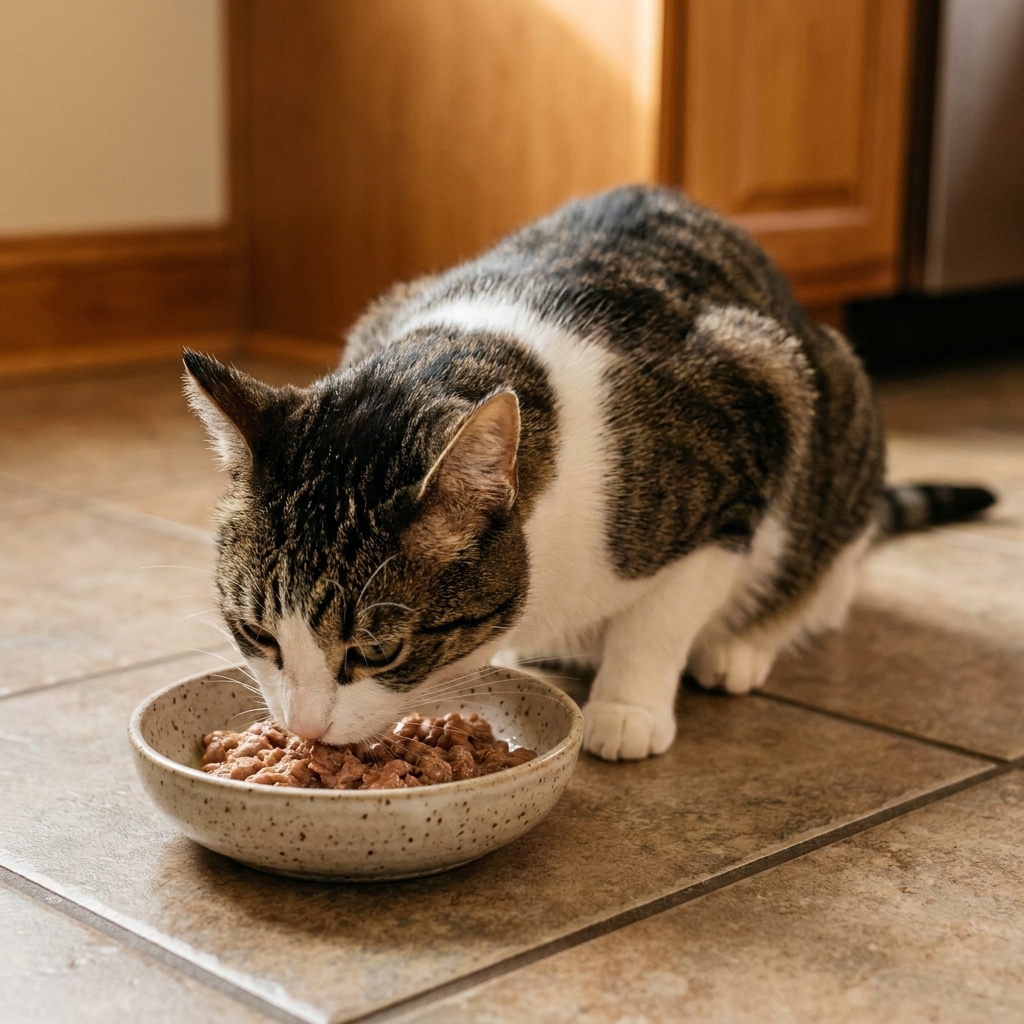
Wet food is higher in moisture, which is useful for cats that do not drink much. Depending on the formula, it can also make it easier to feed a meat-forward diet without relying on a lot of starch. The main benefits tend to be:
- More moisture in the diet (helpful for hydration and urinary health)
- High palatability for many cats
- Easy portioning, since you can split cans into multiple small meals
Not every wet food is automatically higher protein per calorie than kibble, so compare labels and focus on complete-and-balanced formulas your cat does well on.
Dry food: convenient, choose carefully
Dry food can absolutely be part of a healthy plan, especially if you need an automatic feeder. Look for:
- A statement that it is complete and balanced for your cat’s life stage
- Named animal proteins prominently listed
- A calorie density that lets you portion accurately
If dry food is the main diet, I am a big fan of stacking the hydration deck in your favor: extra water bowls, a fountain, and at least one wet meal daily if your cat tolerates it.
Raw and homemade: proceed with support
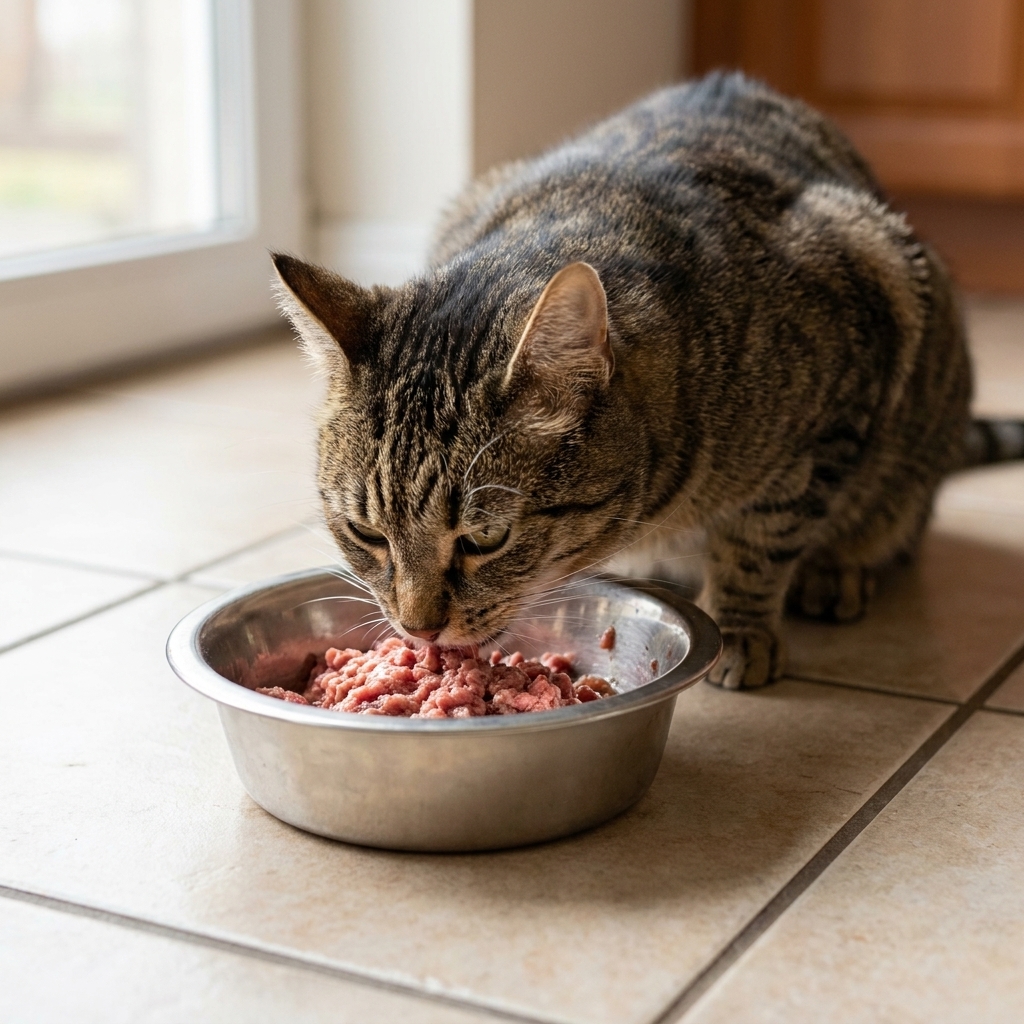
Some guardians explore raw or home-prepared diets for skin or stool issues. This can work, but it is also where I see the most nutritional imbalances and food safety problems.
If you go this route, do it with guidance from a board-certified veterinary nutritionist, use a recipe formulated for cats, and follow strict hygiene. “Meat plus supplements” is not automatically complete, and Sphynx cats do not get a nutritional free pass just because their metabolism is fast.
Key nutrients for skin and body condition
When people tell me their Sphynx is “oily” or “dry,” they often assume food is the only factor. Grooming, bathing routine, and environment matter too. But nutrition still plays a big role in skin resilience and inflammation.
High-quality animal protein
Protein supports muscle, immune function, and skin turnover. Choose diets where animal proteins are prominent. If your Sphynx is losing muscle or feels bony along the spine despite eating well, schedule a vet visit. That can signal an underlying medical issue, not just “fast metabolism.”
Healthy fats, including omega-3s
Dietary fat is calorie-dense, which can help meet energy needs without massive meal volumes. Omega-3 fatty acids (commonly from fish oil or algae) can support skin health, even in nearly hairless cats.
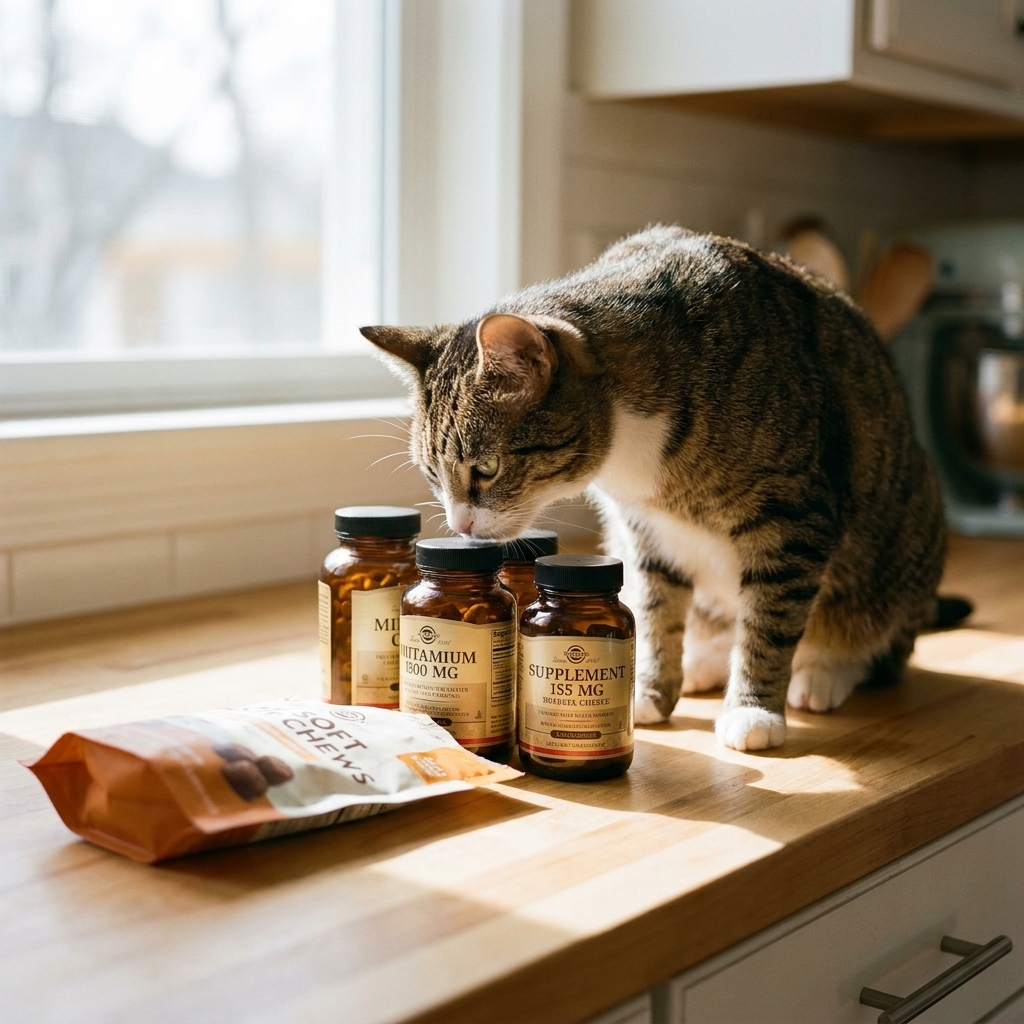
If you are considering an omega-3 supplement, check with your vet for dosing and product choice. Use pet-appropriate products and avoid sweetened or flavored human oils that could include unsafe ingredients. Too much omega-3 can cause digestive upset and adds extra calories.
Vitamin E, zinc, and B vitamins
These nutrients are important for skin barrier function and overall metabolism. You do not need to hunt for a “Sphynx-only” formula, but you do want a complete and balanced diet from a reputable brand with solid quality control.
Portioning tips that work
If you have ever tried to eyeball a Sphynx’s portions while they stare you down like you have committed a crime, you are not alone. Here are my most practical strategies.
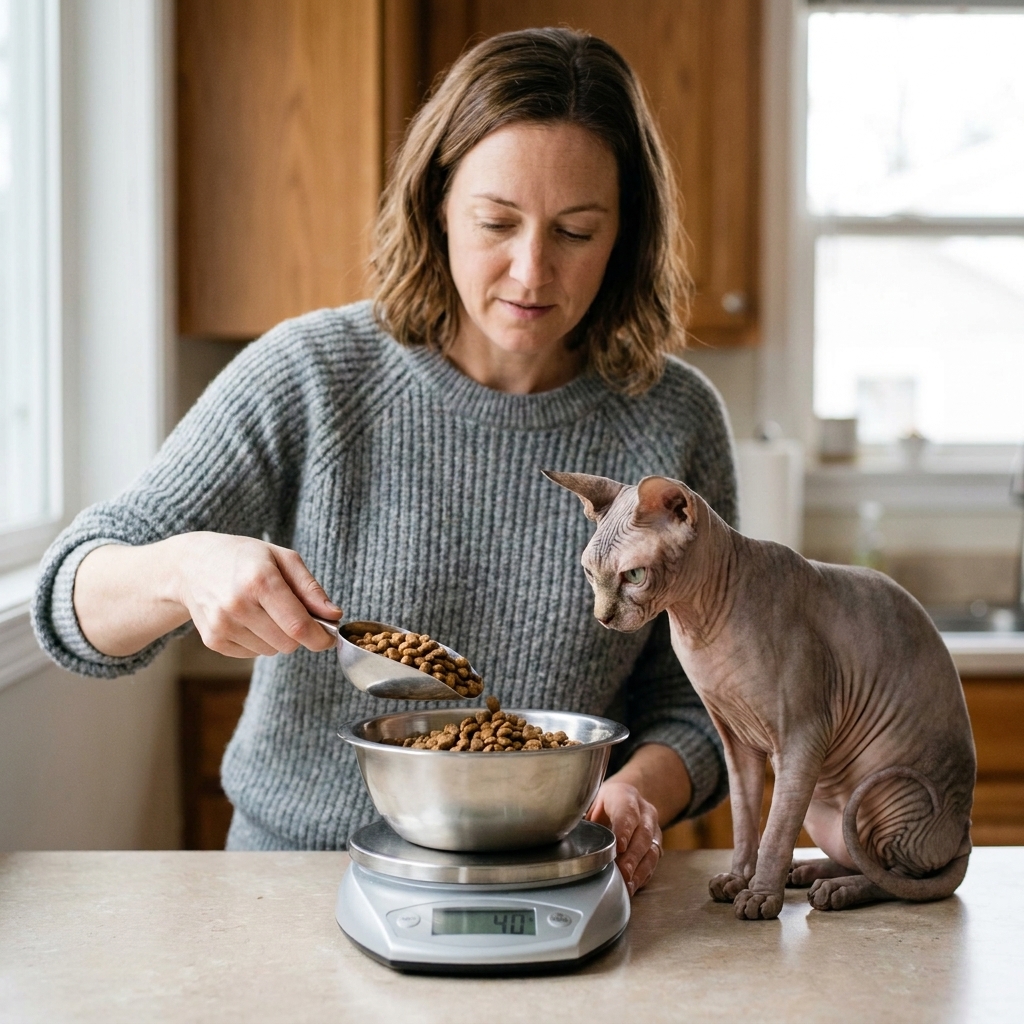
Weigh food for 1 week
You do not have to weigh food forever. But weighing portions for a week teaches you what “a little extra” really is. It is especially helpful if your Sphynx needs weight gain or if they are creeping up on the scale.
Track treats like they count
Treats add up quickly, especially for smaller cats. Keep treats under about 10% of daily calories when possible. If you use treats for training, swap some treats for:
- Freeze-dried single-ingredient meats
- Tiny bits of their regular kibble (if tolerated)
- Portions of their wet food served on a lick mat
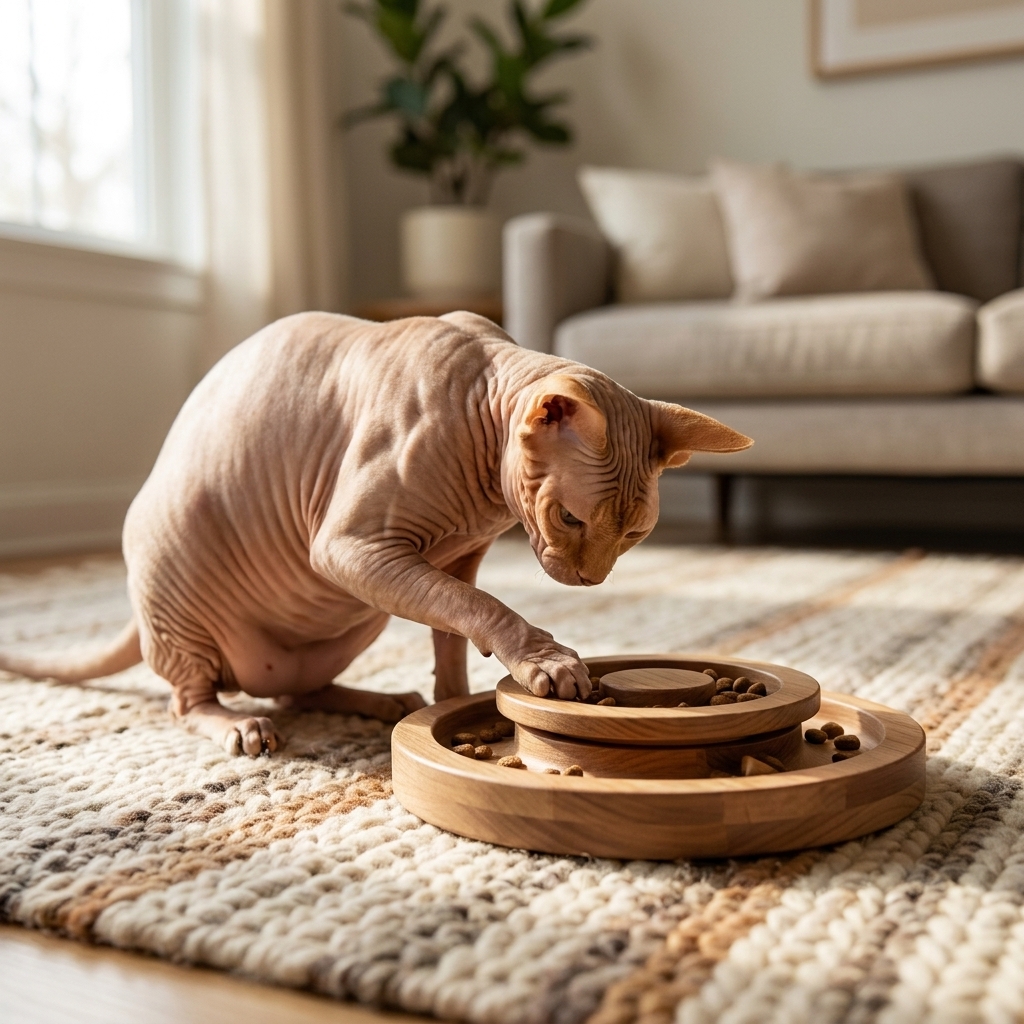
Use puzzle feeders for the snack-seeker
Some Sphynx cats are genuinely hungry. Others have learned that hunger behavior is very effective with humans. Food puzzles help slow intake and provide enrichment, which can reduce constant food begging.
Common feeding challenges
“My Sphynx is always hungry”
Start by ruling out medical causes with your veterinarian, especially if the hunger is new, intense, or paired with weight loss. Conditions like intestinal parasites, diabetes, inflammatory bowel disease or other malabsorption issues, and (especially in middle-aged to older cats) hyperthyroidism can all increase appetite.
If your vet gives the all-clear, increase meal frequency first. Many Sphynx cats do better with smaller, more frequent meals than larger meals twice daily.
Weight loss or trouble keeping weight on
If your Sphynx is losing weight:
- Confirm calories: measure portions and verify the kcal per cup, can, or pouch.
- Increase calories gradually by 5% to 10%.
- Choose more calorie-dense foods if your cat cannot physically eat enough volume.
- Schedule a vet check if weight loss continues for more than a week or two, or if your cat is lethargic, vomiting, or has diarrhea.
Greasy skin and food myths
Oiliness is common in Sphynx cats. Diet can influence inflammation and skin quality, but grease is not always a sign of “bad food.” A consistent bathing routine, gentle wipes between baths (if your vet approves), and keeping bedding clean typically make the biggest difference. If the skin is red, irritated, or has an odor, involve your vet to rule out yeast or bacterial infections.
Choosing a food: label basics
Rather than chasing buzzwords, focus on basics that predict good nutrition.
- Complete and balanced for your cat’s life stage (kitten, adult, senior, or all life stages)
- Named animal proteins (like chicken, turkey, beef, salmon) rather than vague “meat” terms when possible
- Clear feeding guidelines including calories (kcal per cup, can, or pouch)
- Reputable manufacturing and quality control practices, including responsiveness to customer questions
If your Sphynx has a sensitive stomach, pick one formula and give it a fair trial, transitioning slowly over 7 to 10 days.
Sample daily feeding plans
These are examples to help you visualize structure, not a prescription. Your cat’s actual portions depend on calorie needs and the specific food.
Adult on mostly wet food
- Morning: wet food meal
- Midday: smaller wet food snack (or a portion of the morning meal held back)
- Evening: wet food meal
- Before bed: small wet food top-off if early-morning begging is an issue
Adult on wet plus dry
- Morning: wet food meal
- Midday: automatic feeder portion of dry food
- Evening: wet food meal
- Overnight: small timed dry portion if needed
High-energy young adult
- Four smaller meals spaced through the day
- Higher-calorie wet food or a wet food plus dry combo
- Training treats counted as part of the daily total
When to call your vet
Sphynx cats are famous for big appetites, but certain signs should never be brushed off as “just the breed.” Contact your veterinarian if you notice:
- Rapid weight loss or weight gain
- Vomiting more than occasionally, especially if paired with poor appetite or lethargy
- Chronic diarrhea, mucus in stool, or blood in stool
- Sudden extreme hunger, especially in a previously normal eater
- Skin redness, sores, strong odor, or persistent itchiness
If your Sphynx has been diagnosed with hypertrophic cardiomyopathy (HCM) or another chronic condition, ask your vet whether any diet changes or supplements are appropriate. It is always better to tailor food choices to the whole cat, not just the appetite.
Sphynx feeding FAQ
Do Sphynx cats really need more food?
Often, yes. Many Sphynx cats do best with either larger portions, more frequent meals, or both. But the right amount is still individual and should be guided by body condition, lifestyle (including home temperature), and veterinary input.
Should I free-feed my Sphynx?
Some Sphynx cats can handle free-feeding, but many will overeat if given unlimited access, especially with calorie-dense kibble. A scheduled plan with multiple small meals is usually more predictable and helps you catch appetite changes early.
What is the best protein for Sphynx cats?
There is no single “best” protein for the breed. Choose a complete and balanced food your cat digests well. If your cat has suspected food allergies or chronic itchiness, your vet may recommend a limited-ingredient or hydrolyzed diet trial.
Can diet help with skin oil?
Diet can support skin barrier health, especially with adequate omega-3s and balanced nutrition, but oiliness is also a normal breed trait. If oil is excessive or accompanied by irritation or odor, check in with your vet.
My bottom line for feeding a Sphynx
Think of Sphynx feeding as a warm-blooded balancing act: enough calories to fuel their energy needs, enough protein to keep them muscular, and enough skin-supporting nutrition to make life more comfortable in their mostly-fur-free little bodies.
If you want the simplest starting point, do this: feed a complete and balanced, meat-forward diet, split into 3 to 5 meals per day, then adjust portions based on body condition every couple of weeks. Also, give them warmth so you are not trying to solve a temperature problem with extra calories. Your Sphynx will tell you how it is going, loudly, and usually right around dinner time.