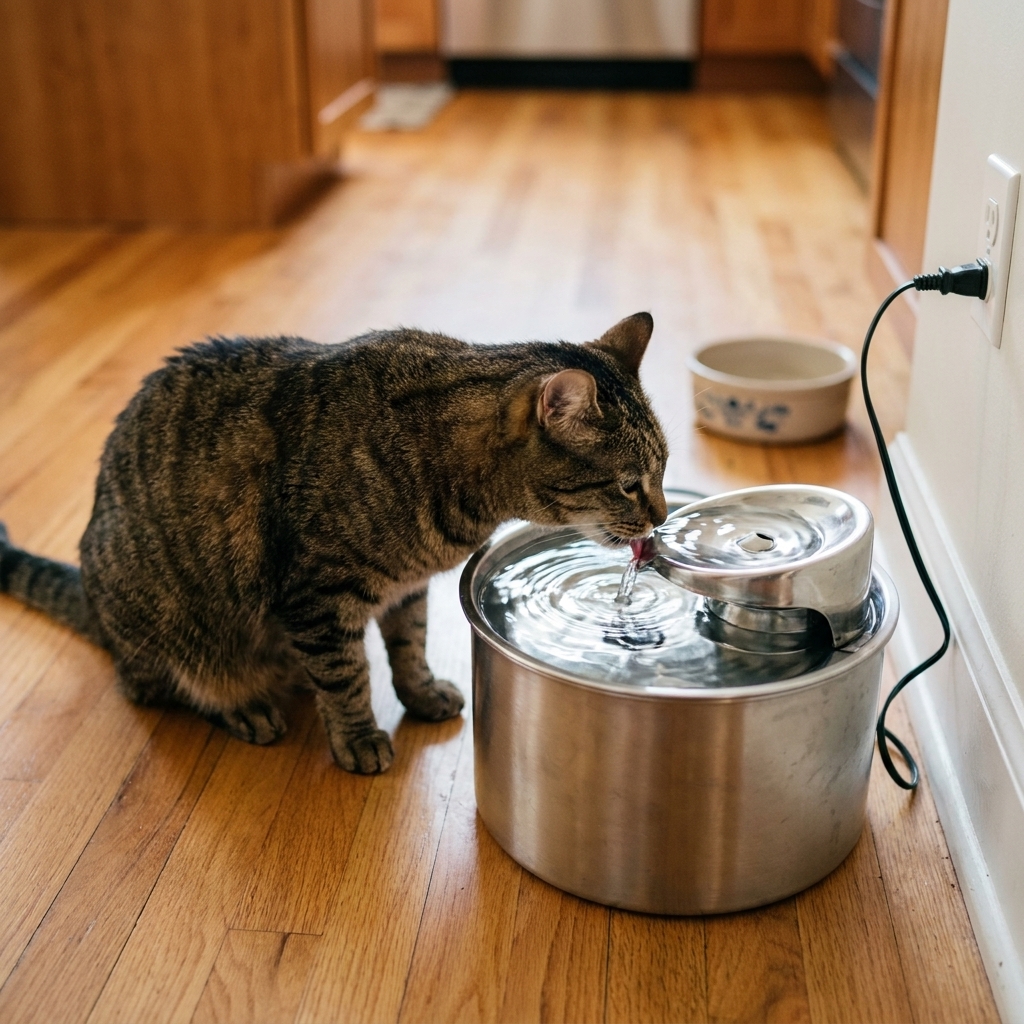
The first time I noticed Clementine was camping out by the water bowl, I did what most of us do. I assumed she was just “being a cat” and enjoying a fresh refill. Then I realized I was refilling that bowl way more often, and the litter box suddenly felt like it weighed ten pounds.
If your cat is drinking noticeably more than usual, treat it like a medical change, not a hydration goal you need to encourage. Cats can absolutely drink more for simple reasons like heat or a diet change. But a sustained increase in thirst is one of those quiet signs that can point to bigger issues, especially kidney disease, diabetes, and hyperthyroidism.
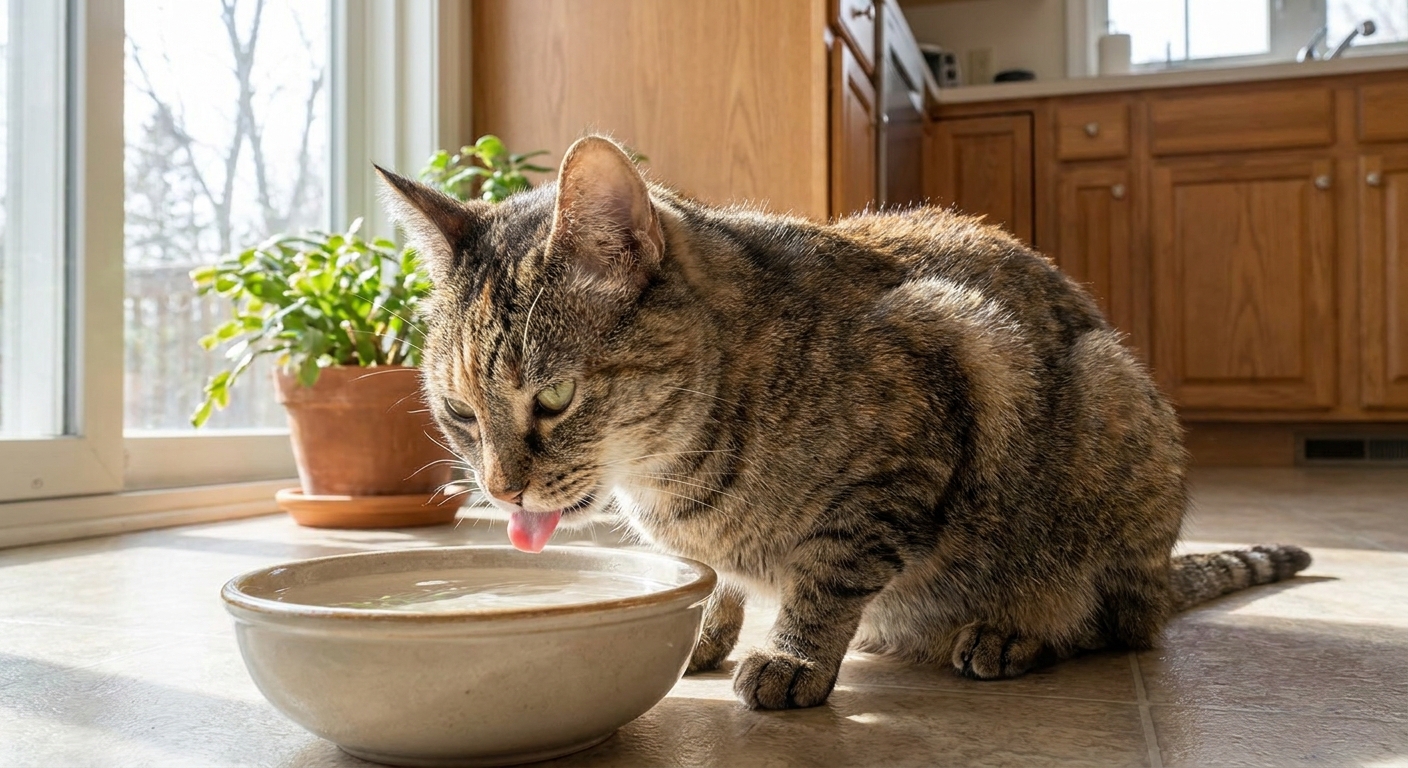
What counts as too much?
Many cat parents notice the change before they can put a number on it. That is valid. Cats are creatures of routine, and you are the world’s best expert on what is normal for your cat.
That said, veterinarians often consider drinking to be excessive somewhere around 60 to 100 mL per kg of body weight per day (roughly 27 to 45 mL per pound per day). There is not one universal cutoff, and you do not need perfect math at home. A rough estimate can still help you decide how urgently to call.
Clues your cat is truly drinking more
- You are filling the bowl or fountain much more often, or it is dropping dramatically overnight.
- Your cat is seeking new water sources (bathtub drips, sink, toilet).
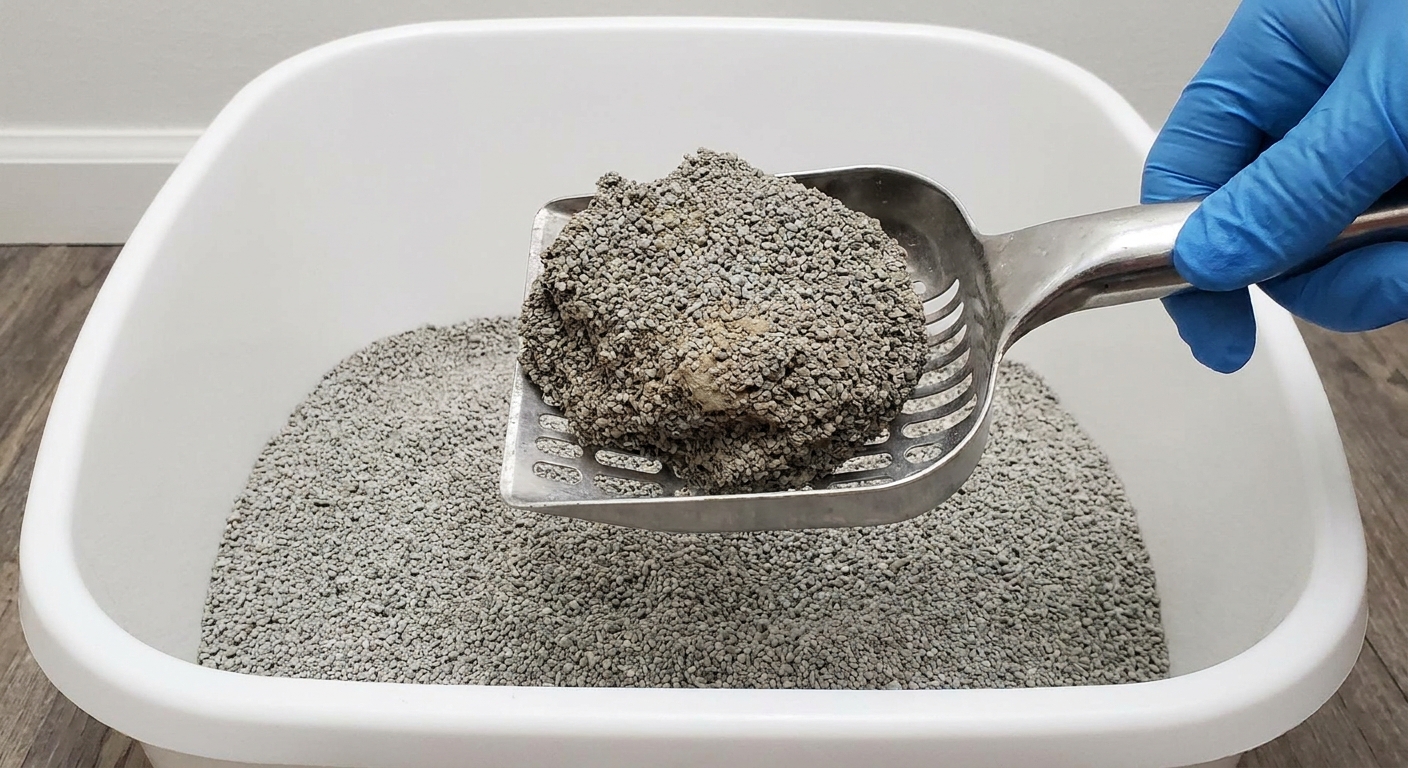
- Litter clumps are suddenly much larger or the box needs scooping more often.
- Your cat seems hungrier than usual, or is losing weight despite eating.
- They look a little unkempt (dull coat, greasy patches, dandruff) or are acting “off,” even if subtly.
If you are not sure whether it is thirst or just curiosity, try a simple baseline: use a marked measuring cup to fill their bowl with a known amount at the same time each day for 2 to 3 days, and note how much is left.
Important measurement note: water tracking gets tricky in multi-cat homes, with fountains, or if someone is splashing or tipping the bowl. If you can, temporarily offer separate bowls in separate areas, switch to a bowl for a couple of days (easier to measure than a fountain), and note anything that could skew the numbers.
Most common medical causes
In rescue work, I learned a hard truth: cats are incredible at looking “fine” right up until they are not. Increased thirst is one of the signs that can show up early enough to help, if we listen to it.
Chronic kidney disease
Kidneys help conserve water and balance electrolytes. When they are not working well, cats often produce more dilute urine, so they pee more and drink more to keep up.
You might also notice:
- Weight loss or muscle loss
- Lower appetite, pickier eating, or nausea (lip licking, drooling, vomiting)
- Bad breath that smells ammonia-like
- Dehydration despite drinking (tacky gums, less skin elasticity)
- Dull coat
Why timing matters: CKD cannot be cured, but early detection can meaningfully improve comfort and quality of life through diet changes, hydration support, and targeted medications.
Diabetes mellitus
With diabetes, the body cannot properly use glucose. Excess glucose spills into the urine and pulls water with it. The result is often a classic trio: more drinking, more peeing, and weight loss.
You might also notice:
- Big urine clumps, sometimes more frequent accidents
- Increased appetite at first
- Weight loss even though they are eating
- Weakness or walking low on the hocks in advanced cases
Why timing matters: Diabetes can become an emergency if it progresses to diabetic ketoacidosis. Many cats do very well once diagnosed and treated, and some even go into remission with prompt management.
Hyperthyroidism
Hyperthyroidism is common in middle-aged and senior cats. An overactive thyroid revs up the metabolism. Cats may drink and pee more, and they often lose weight despite acting ravenous.
You might also notice:
- Weight loss with a big appetite
- Restlessness, yowling, or “can’t settle” energy
- Vomiting or diarrhea
- Greasier, unkempt coat
- Faster heart rate or panting in some cases
A key note: Hyperthyroidism can also affect blood pressure and the heart. Diagnosis is typically straightforward with bloodwork.
Urinary and kidney infections
Most lower urinary tract issues (like simple cystitis) do not typically cause a big increase in thirst on their own. Where thirst can rise is when the kidneys are involved, such as with a kidney infection (pyelonephritis) or more widespread inflammation.
Watch for:
- Straining to urinate, crying in the box, frequent small trips
- Blood-tinged urine
- Urinating outside the box
- Fever, lethargy, hiding
Important: If your cat is straining and producing little to no urine, treat it as an emergency, especially in male cats.
Other causes your vet may consider
- Medication effects (especially steroids like prednisolone, some diuretics, and certain thyroid medications during dose adjustments)
- High calcium levels (hypercalcemia)
- Liver disease
- Uterine infection (pyometra) in unspayed females, which is often accompanied by obvious illness but can start subtly and is always urgent
- Less common hormonal issues like acromegaly (especially in cats with diabetes) and Cushing’s disease (rare in cats)
- Primary psychogenic polydipsia (uncommon) which is usually a diagnosis after medical causes are ruled out
Simpler reasons you may see a temporary increase
Sometimes the explanation is straightforward. I still recommend taking notes and staying alert, but you do not have to panic if the timing matches one of the triggers below and your cat otherwise seems normal.
Diet changes
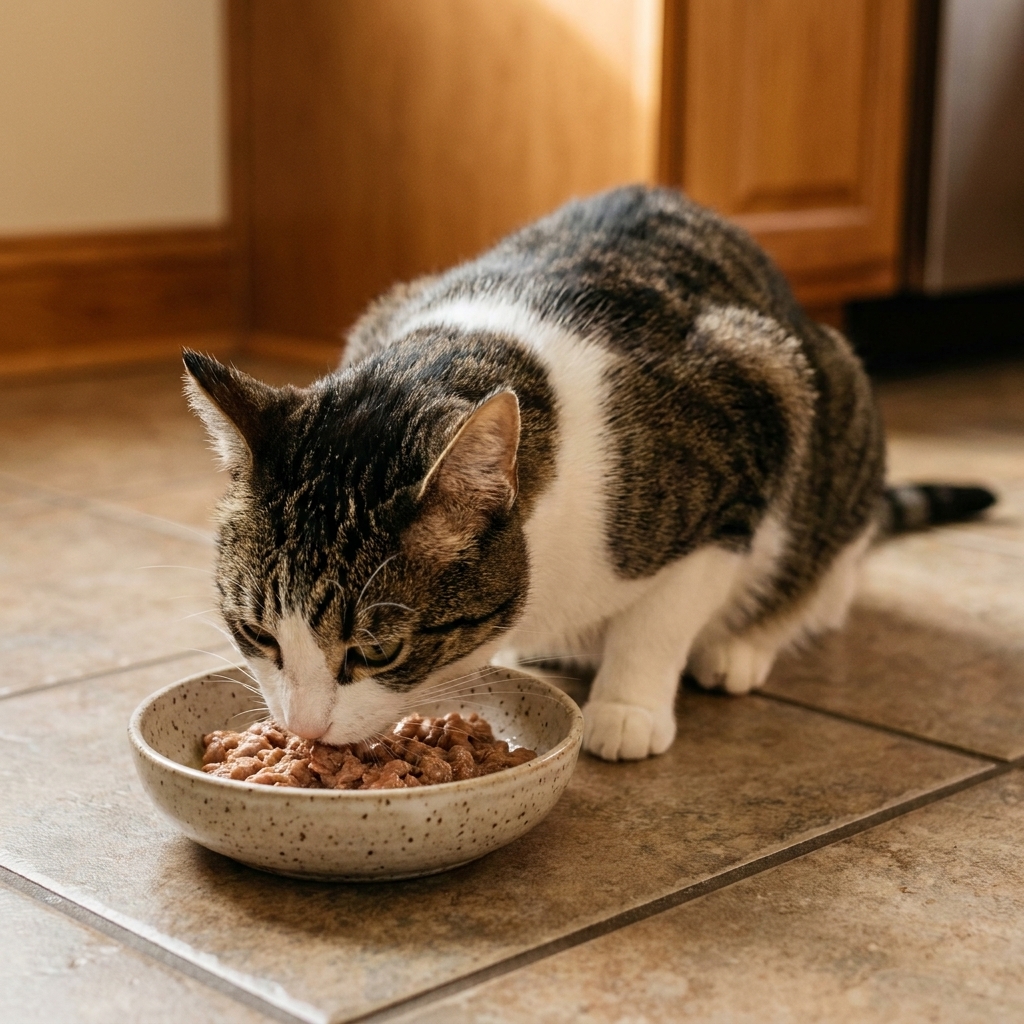
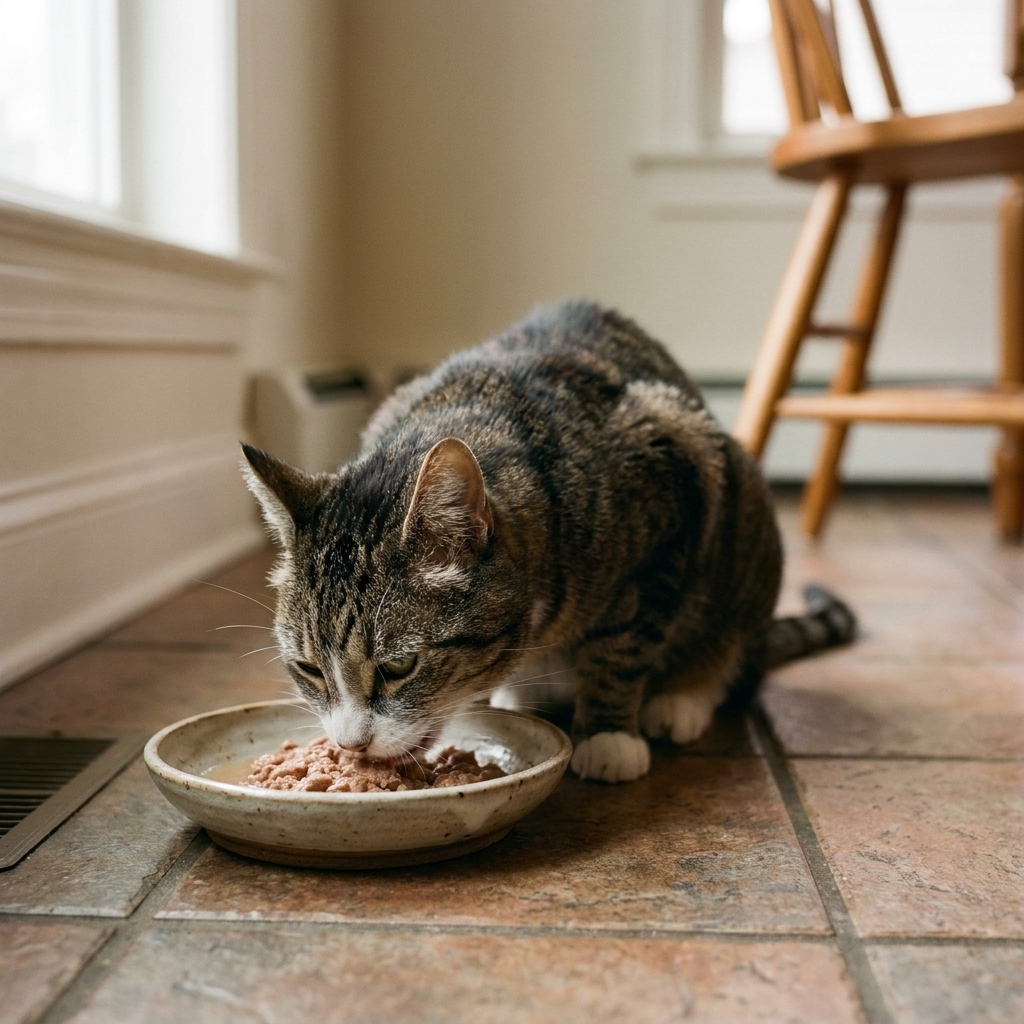
This is the big one. Cats on wet food take in a lot of moisture from meals. Cats on dry food must make up that water at the bowl.
- Switching from wet to dry often increases drinking.
- Switching from dry to wet may decrease drinking, sometimes dramatically.
- Saltier treats or broths can increase thirst.
If the only change is a recent diet shift and your cat is otherwise acting normal, monitor for a week and still mention it at your next vet visit. If it is a major jump, call sooner.
Hot weather and dry indoor air
Just like us, cats may drink more during heat waves or in winter when the heat is running and the air is dry. Make sure shade and cool resting spots are available, and consider extra water stations.
More activity
More play, more zoomies, more thirst. This tends to be mild and short-lived.
Medication side effects
Some medications cause noticeable thirst and increased urination, including:
- Steroids (often used for allergies, asthma, or inflammatory bowel disease)
- Some seizure medications
- Diuretics (less common in cats, used for certain heart conditions)
If a new medication lines up with the thirst change, do not stop the medication on your own. Call your veterinarian and ask whether this is an expected effect and whether your cat needs bloodwork or a dose adjustment.
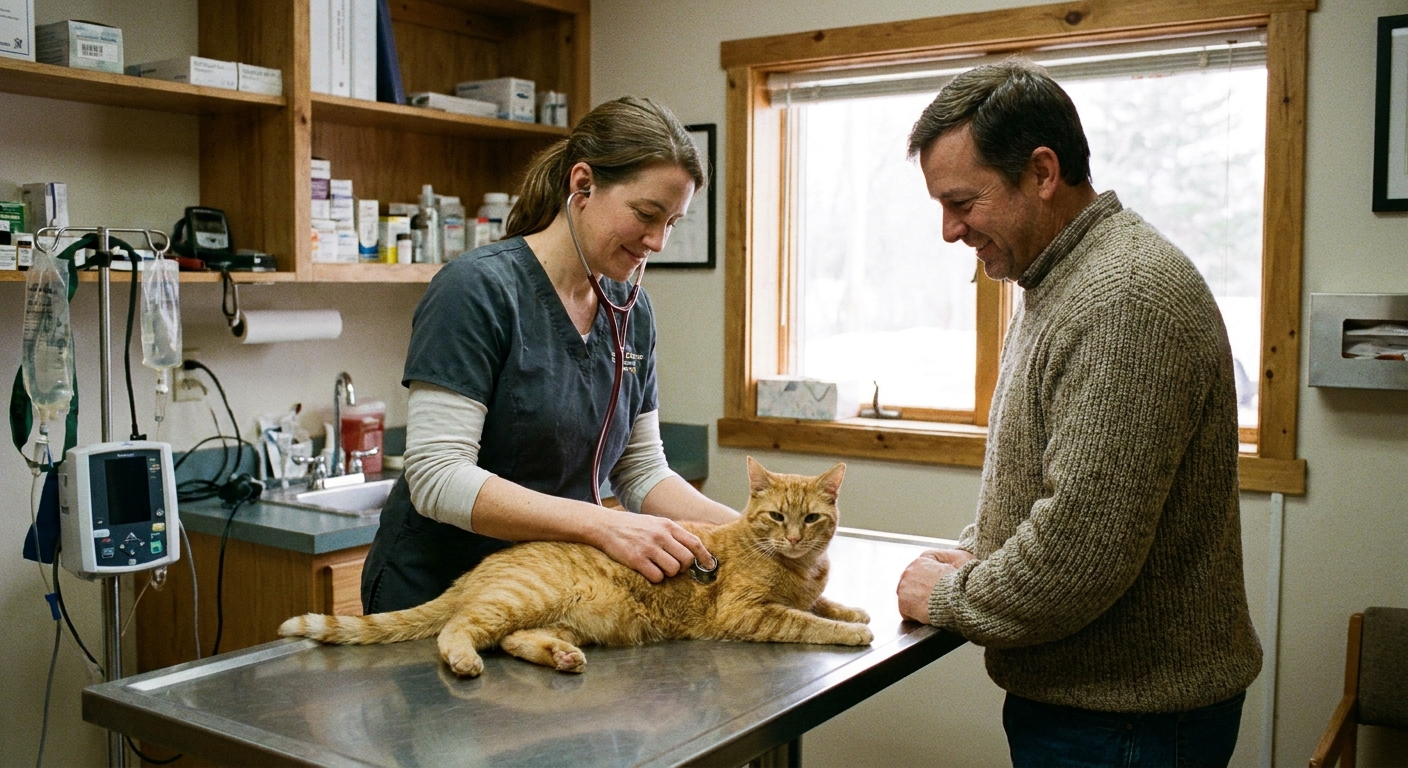
What your veterinarian will likely do
For increased thirst, the goal is to figure out whether your cat is truly drinking more, whether they are producing more urine, and what is driving it.
Common diagnostics include:
- Physical exam including weight, body condition, hydration, and sometimes blood pressure
- Bloodwork to evaluate kidney values, glucose, thyroid hormone (T4), electrolytes, liver values
- Urinalysis to assess urine concentration, glucose, ketones, infection indicators, and crystals
- Urine culture if infection is suspected
- Imaging (x-ray or ultrasound) if stones, kidney changes, or other internal disease is suspected
If you can, bring a fresh urine sample or ask your clinic for instructions. Even if you cannot collect one, do not delay the appointment. Your veterinarian can obtain a sample in-clinic if needed.
What to track at home
You do not need fancy tools. A few simple observations can speed up diagnosis and reduce guesswork.
1) Water intake
- Measure how much water you add in the morning and how much remains at night.
- If you use a fountain, consider switching to a bowl for 48 hours so you can measure more easily.
- Note other water sources your cat might access (toilet, dripping faucet, outdoor puddles).
- If you have multiple cats, consider offering separate bowls in separate rooms for a couple of days to see who is actually drinking what.
2) Litter box changes
- Bigger or more frequent clumps
- More full litter bags than usual
- Accidents outside the box
- Straining, frequent trips, or vocalizing
3) Weight and appetite
- Weigh weekly if possible (a baby scale works well, or weigh yourself holding your cat and subtract).
- Track whether your cat seems hungrier, pickier, or nauseated.
- Look for loss of muscle along the spine or hips.
4) Energy and behavior
- Hyperthyroid cats may seem restless or wired.
- Kidney disease cats may seem quieter, sleepier, or just less interested in food and play.
5) Vomiting, diarrhea, and breath changes
These can be important supporting clues, especially for kidney disease and hyperthyroidism.
When to see the veterinarian
Because increased thirst can be an early sign of serious disease, I recommend calling your veterinarian the same week you notice a clear, sustained increase, especially for cats over 7 years old.
Same-day or emergency
- Straining to urinate or repeated box trips with little to no urine (possible urinary blockage)
- Severe lethargy, collapse, or your cat seems not themselves in a way that worries you
- Repeated vomiting or inability to keep water down
- Rapid breathing, open-mouth breathing, or obvious distress
- Not eating and you cannot get them interested in food, especially if they are a kitten, a senior, or have other health issues
- Signs of dehydration despite drinking (very tacky gums, sunken eyes, profound weakness)
- Neurologic signs such as stumbling, seizures, or sudden blindness
Same-week appointment
- Noticeable increase in drinking lasting more than 24 to 48 hours
- Increased urination or significantly heavier litter clumps
- Weight loss, increased appetite, or new picky eating
- New accidents outside the litter box
- Any senior cat with a new change in thirst, even if subtle
If you are torn between waiting and calling, call. You are not overreacting. You are collecting a useful early clue.
Common questions
My cat drinks a lot but seems fine. Should I still worry?
Yes, in the sense that it is worth checking. Kidney disease, early diabetes, and hyperthyroidism can start with thirst changes before anything else is obvious. A same-week visit for an exam and basic labs is a very reasonable plan.
Could my cat just like water?
Some cats do. The red flag is a change. If your cat has always been an enthusiastic drinker and their weight, appetite, litter box output, and energy are stable, it is less concerning. If drinking is increasing over time, it deserves a medical look.
Should I restrict water to stop the peeing?
No. Never restrict water unless your veterinarian specifically instructs you to for a narrow medical reason. If your cat is drinking more because they are losing water through urine, restricting water can make them dangerously dehydrated.
What if the only change is switching from wet to dry food?
In that case increased drinking can be expected. Still, keep an eye on litter clumps, weight, and appetite. If the increase feels dramatic, if your cat is older, or if anything else seems off, schedule an exam and basic labs.
The bottom line
A cat drinking “too much” is not usually a behavior problem and it is rarely something you fix by adding more fountains. It is information. Sometimes it points to a simple, temporary trigger like heat or diet. Other times it is the earliest sign of a condition that is much easier to manage when caught early.
If your cat’s thirst has clearly increased, start tracking water, litter clumps, appetite, and weight today and make a plan to talk with your veterinarian this week. Trust your gut. You know your cat.