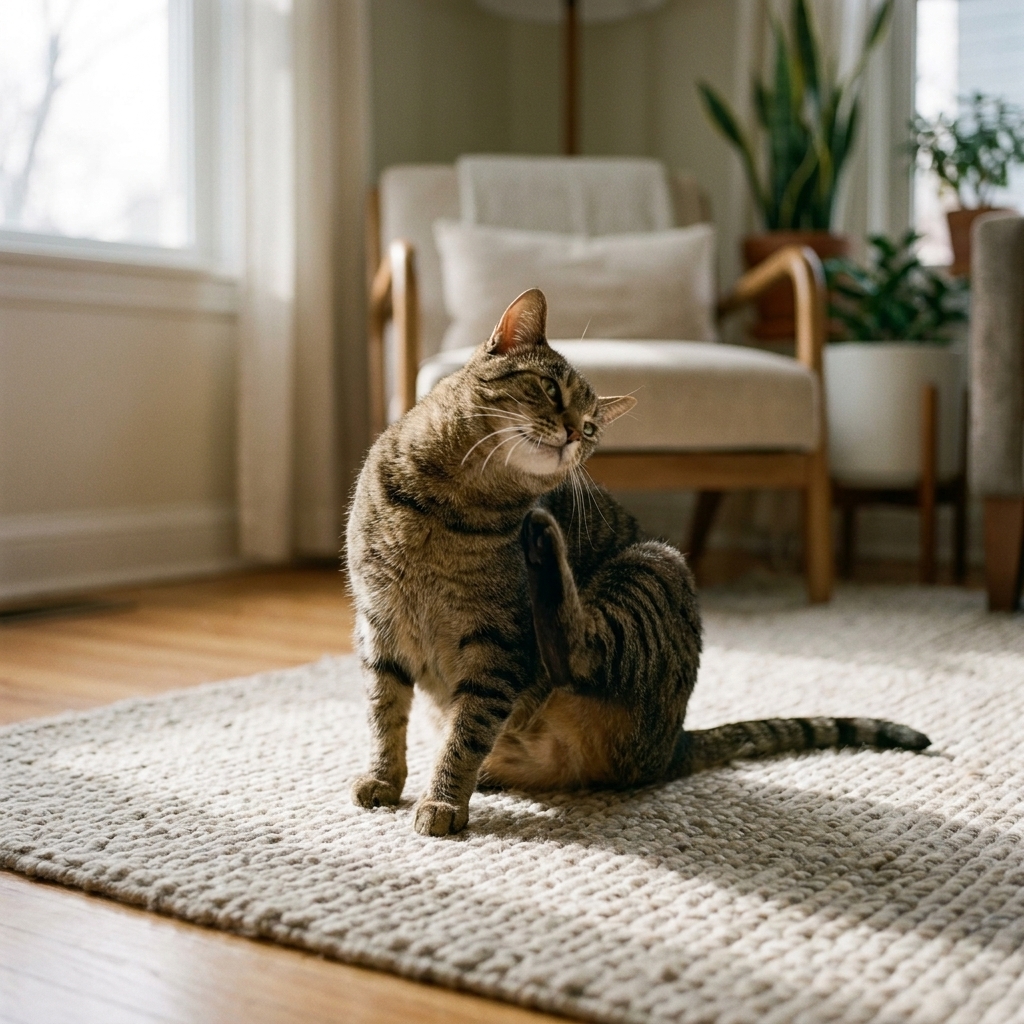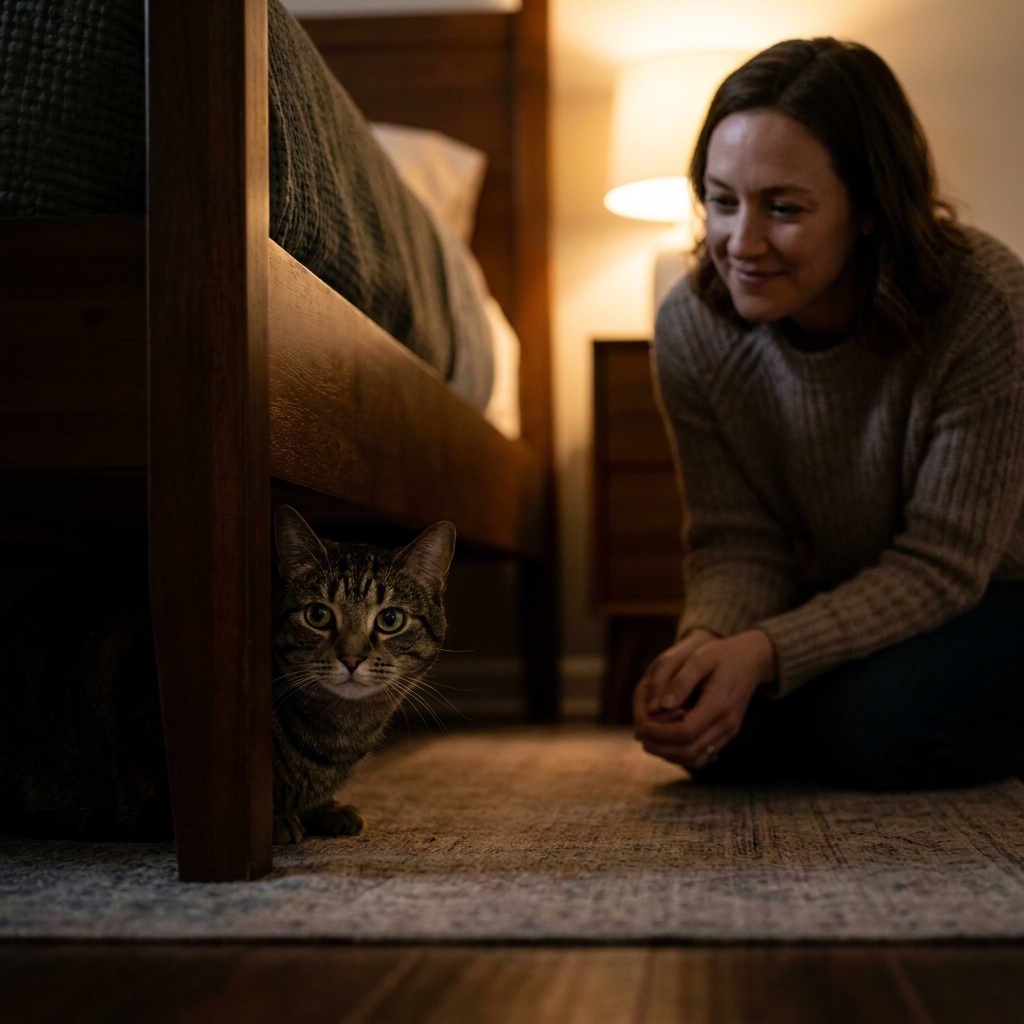
The first time Clementine went on a dramatic ear-scratching spree, I assumed she had a bit of dust in her ear from rolling around like a tiny gremlin under the bed. Twenty minutes later she was head-shaking so hard her collar jingled like a maraca. That is the moment my foster-coordinator brain kicked in: ear issues are one of those “small symptom, big discomfort” problems in cats.
Head shaking and ear scratching usually mean something inside the ear canal is itchy, painful, or inflamed. Sometimes it is simple. Sometimes it is urgent. This guide will help you sort what you can safely observe at home, what to avoid doing, and when your veterinarian should take over.
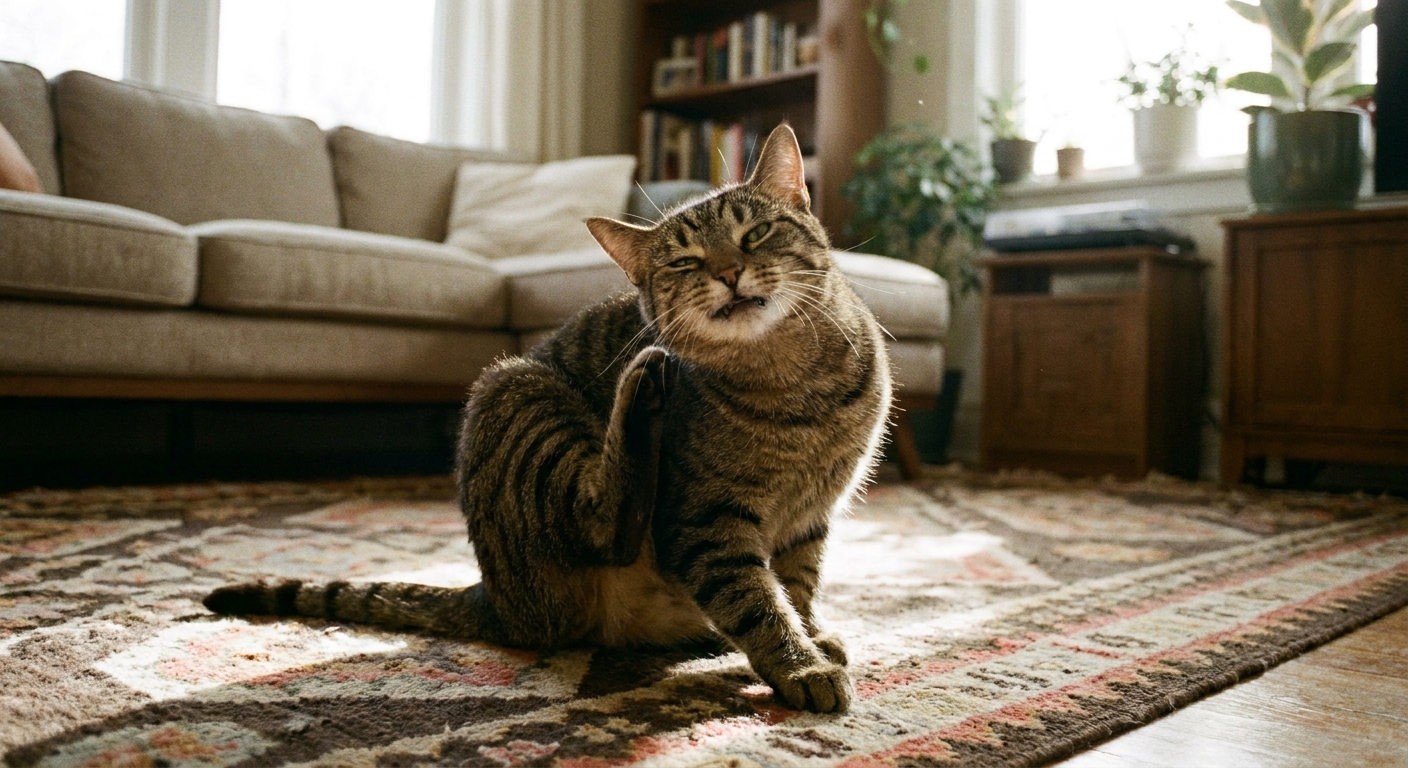
What you might notice at home
Cats are masters at hiding discomfort, but ears tend to give them away. Along with scratching and head shaking, you might see:
- Dark debris that looks like coffee grounds
- Redness or swelling of the ear flap
- Odor that is musty, “yeasty,” or foul
- Waxy buildup that is yellow, brown, or black
- Crusts or scabs on the ear edges from self-trauma
- Hair loss around the ears or face from scratching
- Head tilt or walking a little off-balance
- Pain when you touch near the ear, or your cat pulls away
- One ear vs. both ears affected, which can offer clues
These details are helpful for your vet, so it is worth jotting down when it started, which ear seems worse, and whether you have noticed any discharge or smell.
Common causes of head shaking and ear scratching
Many different issues can create the same outward behavior. Here are the most common culprits and what owners often see alongside them.
Ear mites
Ear mites are tiny parasites that cause intense itchiness and inflammation. They are common in kittens, outdoor cats, and multi-cat households, and they can spread between pets.
- What you might see: lots of scratching, frequent head shaking, dark crumbly debris, irritated ear canal
- Helpful clue: often affects both ears, but not always
Yeast or bacterial ear infection
Infections can start from trapped moisture, underlying allergies, ear canal anatomy, or inflammation that allows yeast or bacteria to overgrow. Cats can get ear infections, but overall they are less common in cats than in dogs, especially as a primary problem.
- What you might see: odor, redness, waxy or creamy discharge, tenderness, more head shaking than usual
- Helpful clue: the ear may look wet or gunky, and your cat may resent having that side of the head touched
Foreign material (plant bits, dirt, debris)
A small bit of plant material or debris can irritate the ear canal and trigger sudden, dramatic symptoms. Grass awns are more classic in dogs, but cats can still pick up irritating debris, especially if they go outdoors or stick their head into tall grass.
- What you might see: abrupt onset, intense head shaking, pawing at one ear, possible yowling or hiding
- Helpful clue: usually one ear, and it often starts out of nowhere
Ear polyps
Polyps are benign growths that can develop in the middle ear or the back of the throat and extend into the ear canal. They can cause chronic irritation and sometimes balance issues.
- What you might see: recurring ear discharge, head tilt, noisy breathing or snoring (if the polyp is also affecting the throat), pawing at the ear
- Helpful clue: symptoms may come and go or never fully resolve with basic treatments
Allergies or skin disease
Food allergies and environmental allergies can show up as itchy ears. Some cats also get inflammation of the skin around the ears from broader dermatologic issues.
- What you might see: itchy ears plus licking paws, over-grooming, scabs around the head and neck, seasonal flares
- Helpful clue: both ears may be involved, and your cat may have other itchy spots too
Other itch causes near the ears
Sometimes the “ear scratching” is not really an ear canal problem. Fleas can cause intense itch around the head and neck, and rarer parasites (like notoedric mange) can cause crusting and severe itchiness around the ears and face. This is another reason a vet exam matters when symptoms persist.
Ear hematoma (swollen ear flap)
If your cat shakes and scratches hard enough, a blood vessel in the ear flap can rupture, causing a fluid-filled swelling called an aural hematoma. This is a complication rather than the original cause.
- What you might see: a puffy, warm, thickened ear flap; head shaking; pain
- Helpful clue: the ear suddenly looks misshapen or swollen
Trauma, bites, or wounds
Outdoor scuffles, rough play, or accidental scratches can make the ear area sore and lead to shaking.
- What you might see: scabs, puncture wounds, swelling, or localized pain
- Helpful clue: visible injury on the ear flap or nearby skin
Less common causes
Some problems are less common but important to keep on the list, especially when symptoms persist or look severe. These include middle or inner ear disease, neurologic issues, masses, and certain immune-mediated or inflammatory conditions. Your vet is the one to sort these out with an exam and diagnostic tests.
What not to do at home
I know how tempting it is to “just check” and clean things up, especially when your cat is clearly miserable. But ears are delicate, and some DIY moves can make the problem worse.
- Do not probe the ear canal with cotton swabs, tissues, or tweezers. You can push debris deeper, injure the canal, or rupture the eardrum.
- Do not flush the ear with water, peroxide, vinegar, or homemade solutions. If the eardrum is compromised, flushing can cause severe pain and inner ear damage.
- Do not use leftover ear drops (from another pet or a past infection). Some medications can be ototoxic if the eardrum is ruptured, and the wrong drop can worsen yeast or delay the right diagnosis.
- Do not use essential oils in or near the ear. Many are irritating or toxic to cats.
- Do not try to remove a suspected foreign body unless your veterinarian instructs you. Even small plant bits can cause damage if they are pushed deeper.
One important nuance: some veterinarians do recommend specific, cat-safe commercial ear cleaners for certain cats, but usually only when the eardrum is known to be intact and you have been shown exactly how to use it. If your vet has not okayed a cleaner for your cat, skip it.
What you can do: keep your cat indoors, reduce opportunities for scratching, and schedule appropriate veterinary care.
Routine vs. same-day
Some mild, brief ear irritation can settle, but repeated head shaking and ear scratching often do not resolve on their own, especially if they are driven by mites, infection, allergies, or something stuck in the canal. Here is a practical way to triage.
Usually okay to book a routine appointment (within a few days)
- Mild scratching or occasional head shaking, but your cat is otherwise acting normal
- Small amount of waxy debris with no foul odor
- Minimal redness on the ear flap
- Symptoms that are intermittent and not escalating quickly
If symptoms linger more than 24 to 48 hours, or you see discharge or odor, move it up.
Same-day vet visit recommended
- Head tilt, loss of balance, circling, or stumbling
- Sudden severe head shaking or frantic pawing at one ear
- Bleeding from the ear or rapidly worsening scabs
- Swollen ear flap (possible hematoma)
- Strong odor plus visible redness and discharge
- Signs of significant pain: crying out, hiding, aggression when touched, not eating
- Suspected foreign material or your cat was just in tall grass, weeds, or dusty remodeling areas
Emergency care (now) if you notice
- Neurologic red flags such as severe wobbliness, repeated falling, or abnormal eye movements
- Seizure activity
- Collapse, extreme lethargy, or inability to stand
How vets figure it out
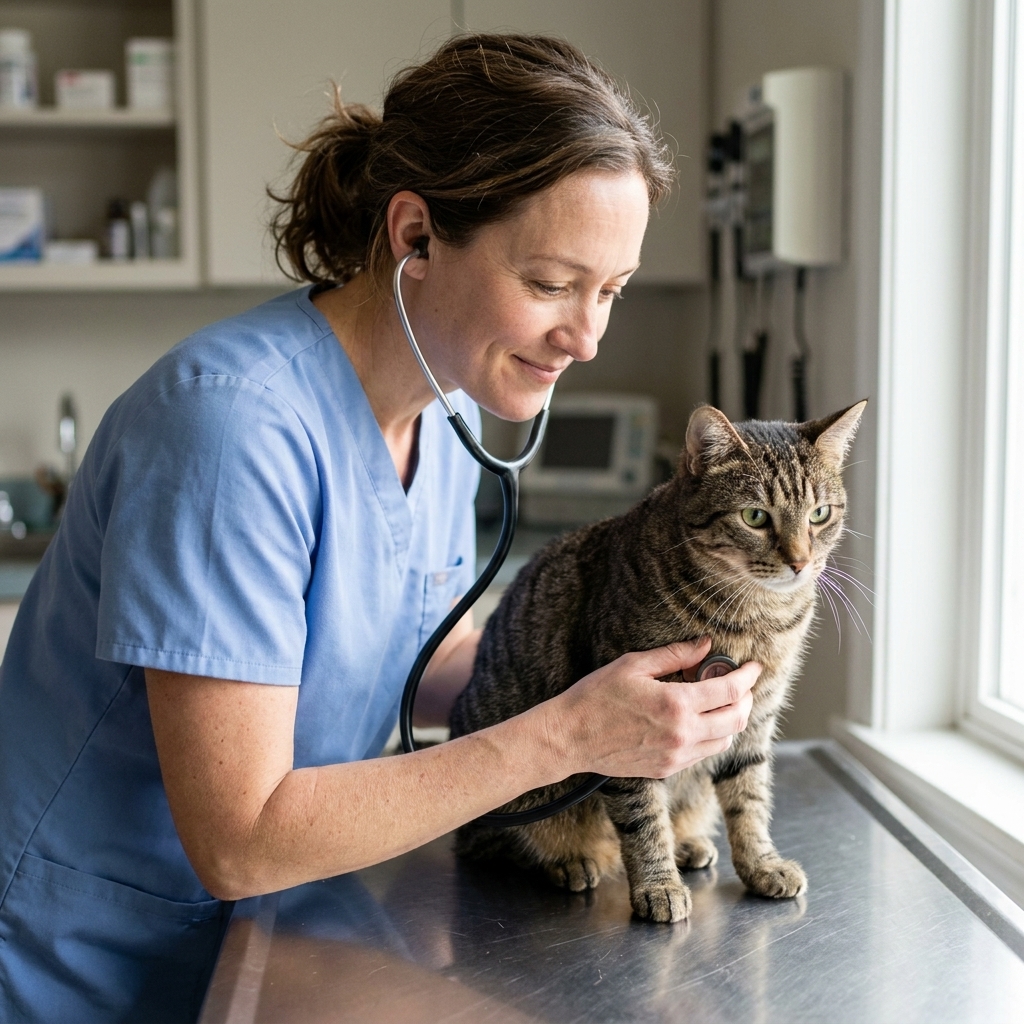
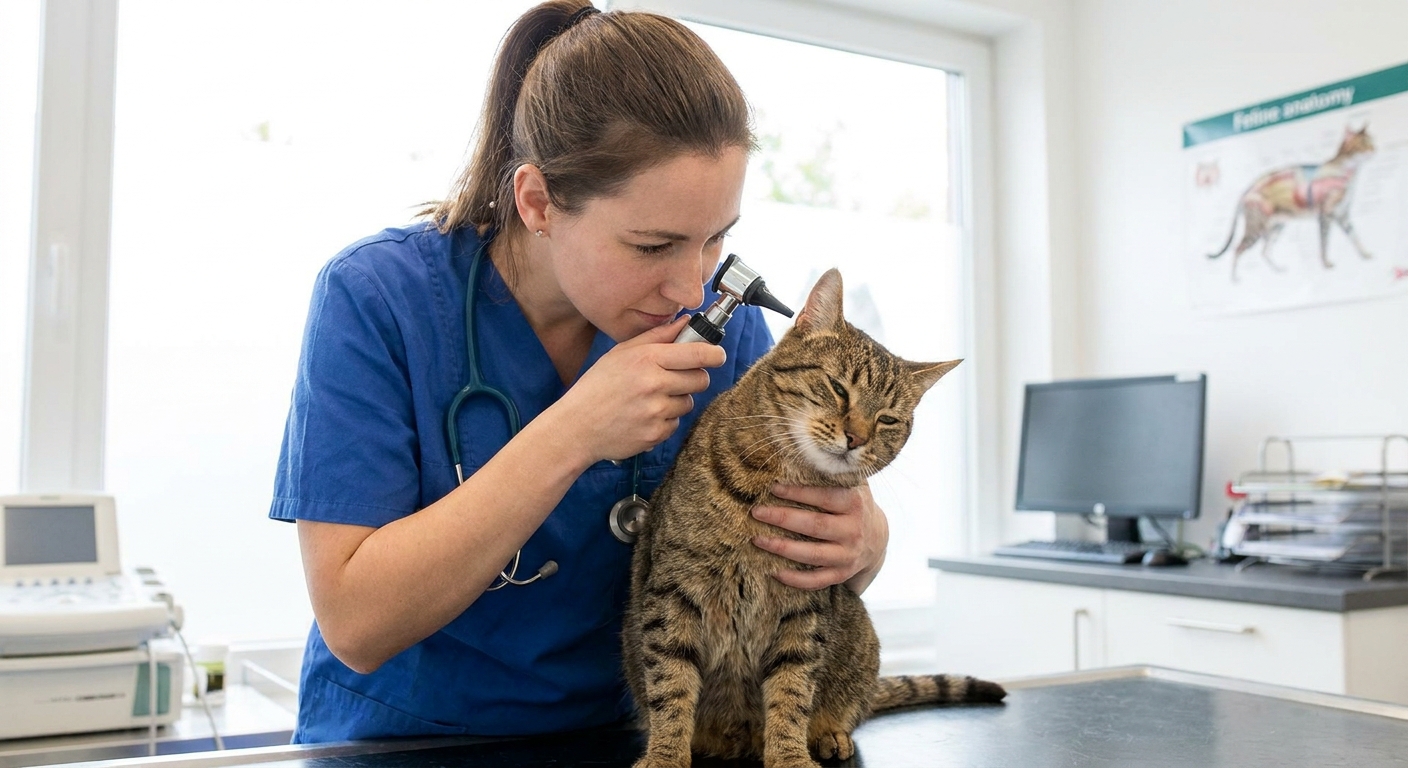
Most ear cases start with a thorough exam and an otoscope look into the ear canal. Depending on what your vet finds, they may recommend:
- Ear cytology: looking at debris under a microscope to check for mites, yeast, and bacteria
- Culture and sensitivity: if infections are recurring or not responding to initial treatment
- Ear flush performed safely in-clinic, sometimes with sedation
- Imaging (such as X-rays, CT, or MRI) if middle or inner ear disease or polyps are suspected
- Allergy workup if itchy ears are part of a bigger skin pattern
This is why I rarely recommend guessing with over-the-counter products. The correct treatment depends on what is actually in that ear and whether the eardrum is healthy.
Treatment depends on the cause
Ear issues are very treatable once you know what you are treating. Your veterinarian may prescribe:
- Prescription ear medications (antibiotic, antifungal, anti-inflammatory combinations)
- Anti-parasite medication for ear mites and other external parasites
- Pain relief when the ear is very inflamed
- Systemic medications in more severe cases, such as oral antibiotics or steroids
- Procedures to remove foreign material, drain hematomas, or address polyps
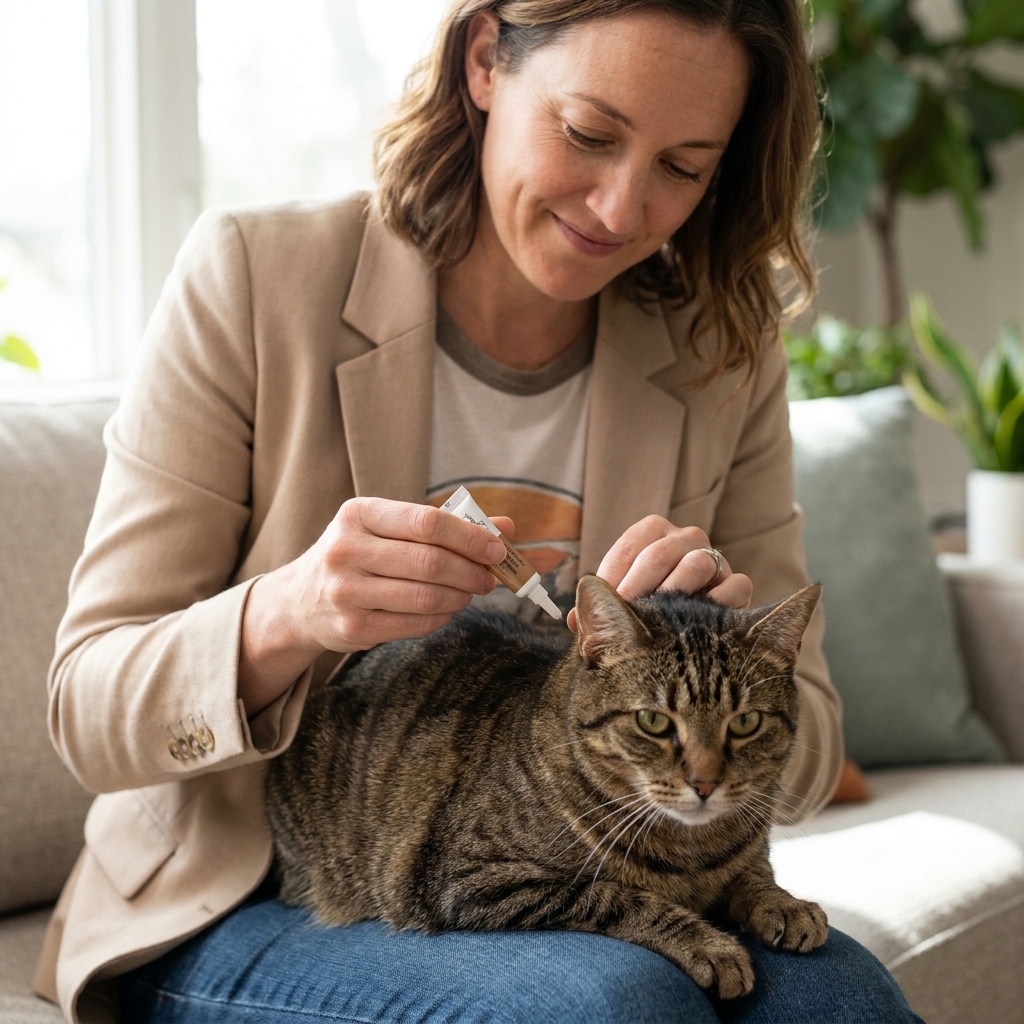
If your vet sends you home with ear meds, ask for a quick demo. Many cats tolerate ear drops better when you warm the bottle in your hand first, go slowly, and follow with a high-value treat. Waffles, my orange tabby, will forgive almost anything if a snack appears within 30 seconds.
Keeping ears healthier
Some cats never have repeat ear trouble. Others are prone to it. A few practical habits help:
- Use parasite prevention recommended by your veterinarian, especially in multi-pet homes.
- Address allergies if your cat has chronic itchiness, recurrent ear debris, or skin flare-ups.
- Avoid routine deep cleaning unless your vet instructs you. Many cats do best with minimal interference.
- Check ears casually once a week while you are snuggling. Healthy ears are usually pale pink with little to no odor.
- Finish medications as prescribed and attend rechecks when recommended. Stopping early is a common reason infections bounce back.
FAQ
My cat is shaking its head but the ears look clean. Can it still be an ear problem?
Yes. Early infections, inflammation deeper in the canal, foreign material, and middle ear issues may not create obvious debris at the ear opening. If head shaking persists more than a day or is intense, book a veterinary exam.
Is head shaking ever normal?
An occasional shake can be normal, like after grooming. Repeated head shaking, especially paired with scratching, odor, redness, or discharge, is not something I would chalk up to “normal cat behavior.”
Can ear mites affect humans?
Ear mites are primarily a pet-to-pet problem. In rare cases, a person might get temporary skin irritation after close contact, but they do not typically set up a lasting infestation in humans. The bigger concern is spread to other pets in the home, so your vet may recommend treating all cats and sometimes dogs.
Should I clean my cat’s ears before the vet visit?
Usually, no. Your vet may want to see the debris and sample it for cytology. If you wipe anything, keep it to the outer ear flap only using a soft cloth, and avoid the ear canal.
My cat keeps scratching and the ear is scabby. What can I do tonight?
If your cat is actively injuring the ear, contact your vet or an urgent care clinic for guidance. For short-term harm reduction, you can keep your cat indoors, separate from other pets if you suspect mites, and use an e-collar only if you already have one and your cat tolerates it. If it is safe and your cat is calm, trimming sharp nail tips can also reduce damage. Skip ear drops, ear cleaners, and any digging in the ear until your vet has examined it.
When in doubt
I love a good at-home troubleshooting plan, but ears are one area where “hands off and get answers” is usually the kindest move. If your cat is shaking its head and scratching its ears, take a few notes, resist the urge to poke or flush, and let your veterinarian pinpoint the cause and prescribe the right treatment. Your cat will feel better faster, and you will avoid turning a simple ear issue into a painful ordeal.