The first time my tortie, Clementine, went on a sneezing streak, I panicked. Was it a cold? An allergy? Something stuck in her nose? Then I realized I had just swapped to a very dusty clay litter and used a strongly scented cleaner in the bathroom. One litter change and a good airing-out later, her sneezes faded.
Sneezing in cats is common, and it is often caused by everyday irritants. But it can also be an early clue that your cat is getting sick. Here’s how I think through cat sneezing at home, what different kinds of nasal and eye discharge can look like, and the signs that mean it is time to call your veterinarian.
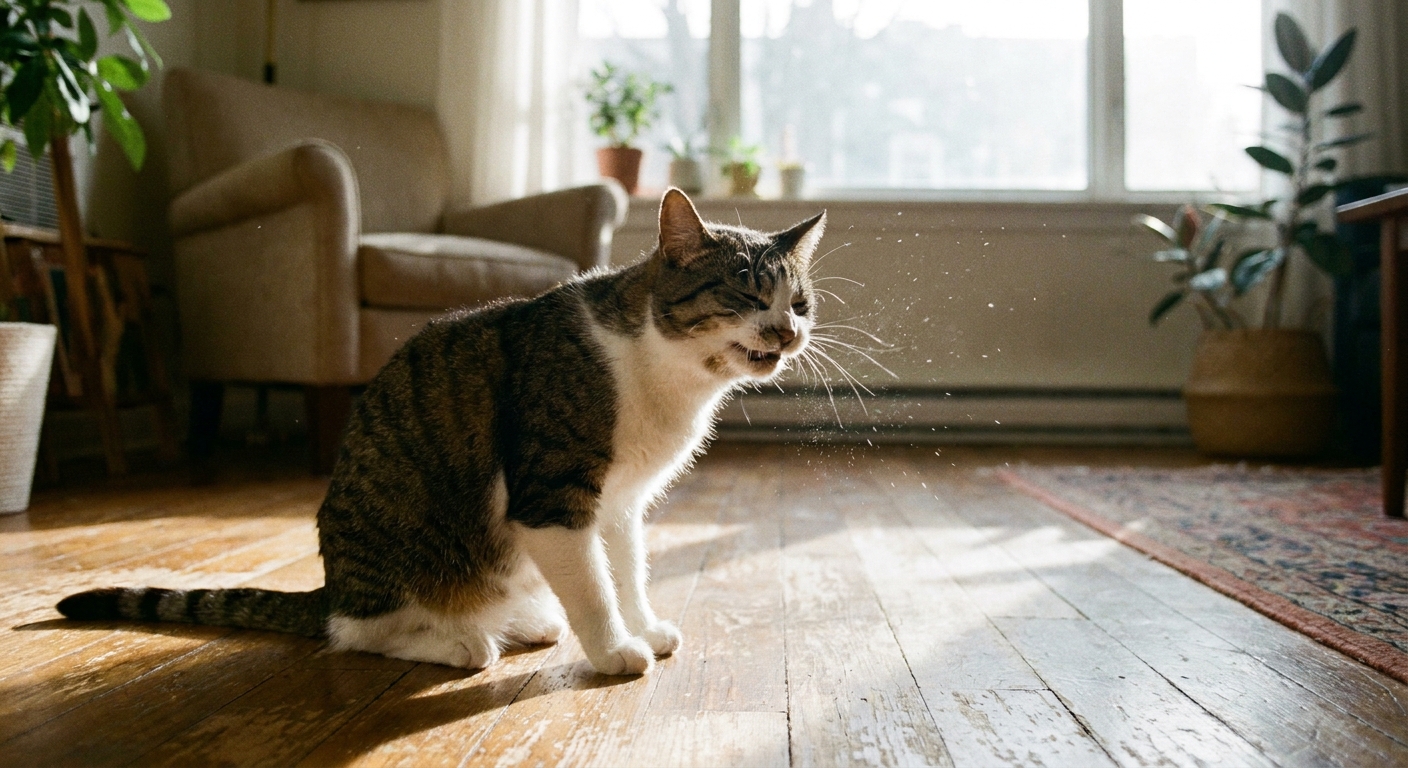
What a sneeze means in cats
A sneeze is a protective reflex. Something irritates the lining of the nose, and the body tries to blast it out. In cats, that “something” can be as simple as dust or as complex as an upper respiratory infection.
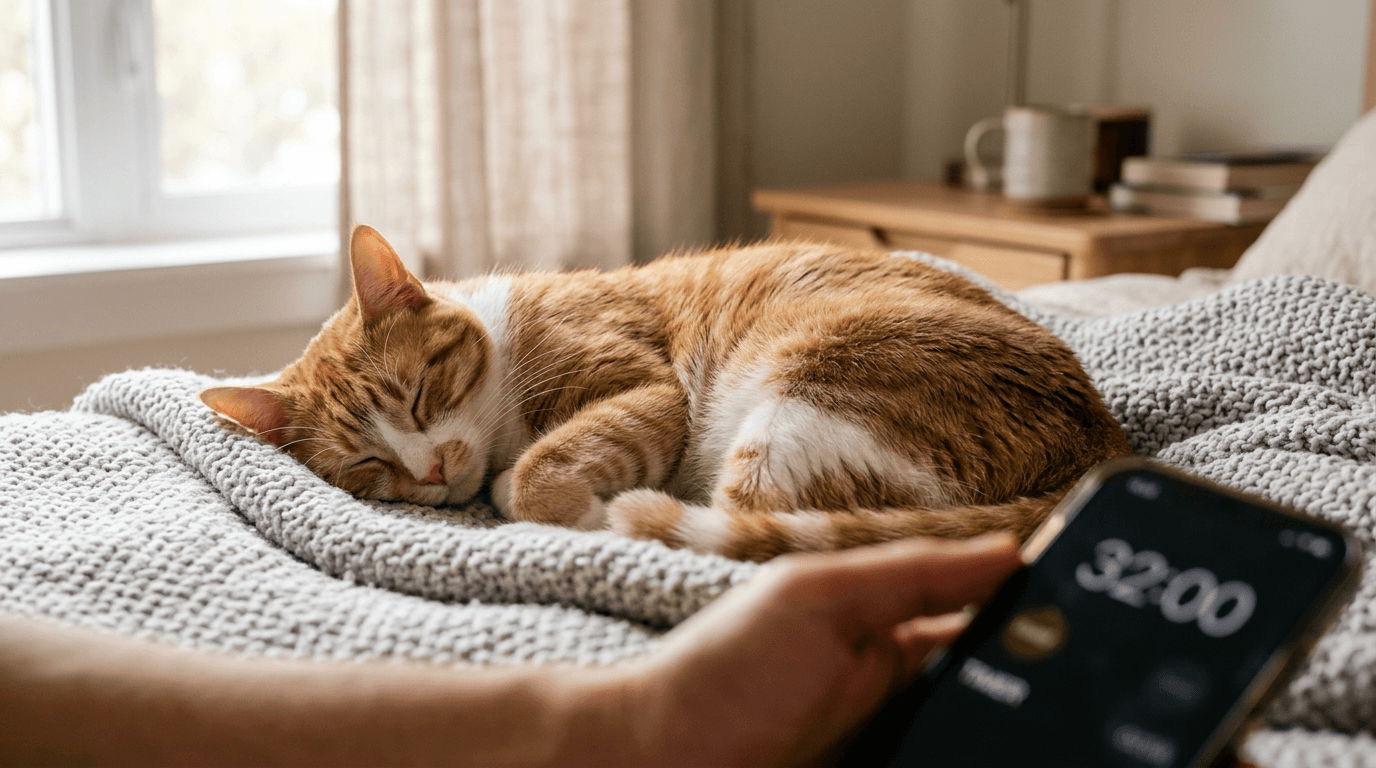
One or two sneezes here and there, especially after sniffing something new, usually is not an emergency. What matters is the pattern: clusters of sneezes, sneezing multiple times a day, symptoms lasting more than 48 to 72 hours, or flare-ups that keep coming back week after week.
Common at-home reasons cats sneeze
Dust and tiny particles
Dust is a big one, especially in homes with:
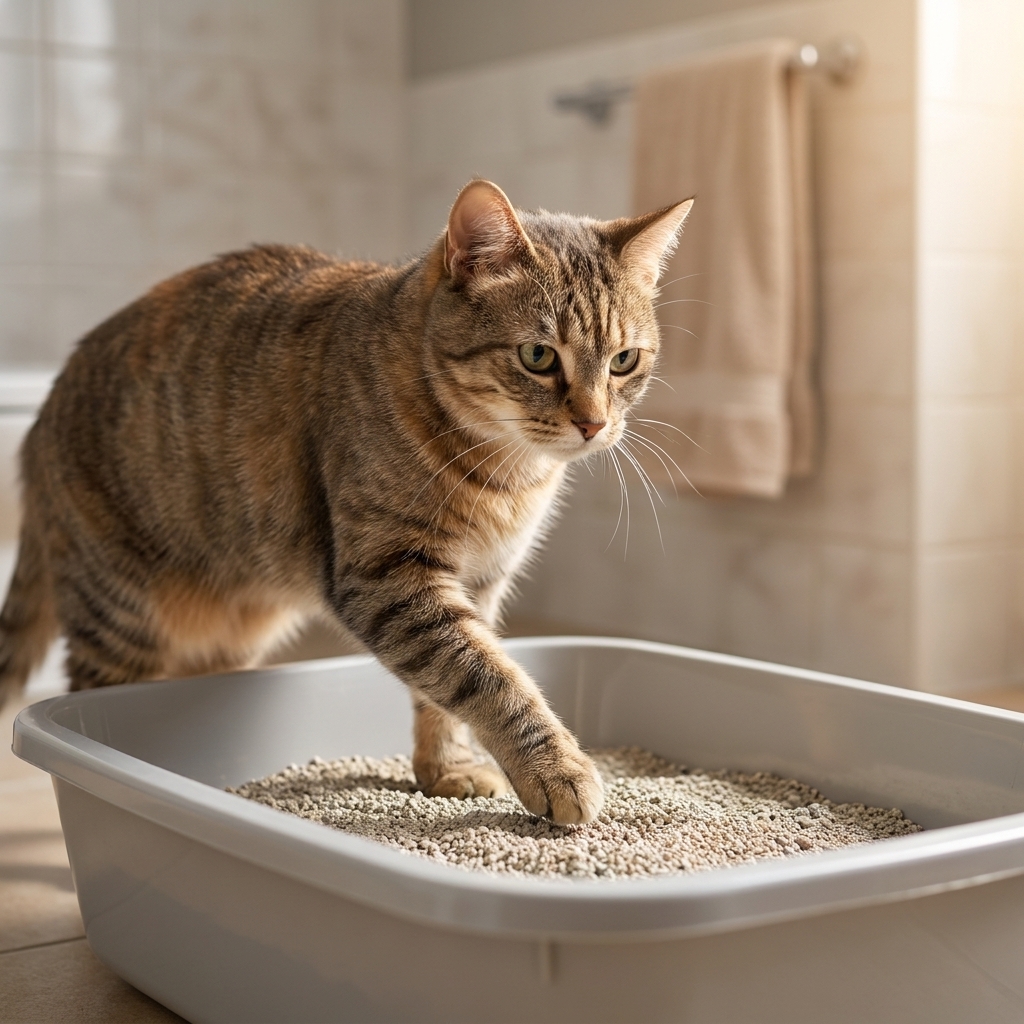
- Dusty litter, especially clay litter that creates a cloud when poured or scratched
- Recently swept or vacuumed floors where particles get stirred up
- Renovations, new carpet, or drywall dust
- Fireplace ash or smoke exposure
If your cat tends to sneeze right after using the box, consider switching to a low-dust, unscented litter and pouring it slowly. Good ventilation helps too.
Strong scents
Cats have sensitive noses. Common triggers include:
- Scented candles, wax melts, incense
- Perfume or hair spray
- Essential oil diffusers
- Cleaning sprays, bleach fumes, disinfectants
- Scented litter or heavily fragranced air fresheners
If sneezing starts after you used a product, move your cat to a well-ventilated room, open windows, and discontinue the scent source. If your cat seems drooly, nauseated, wobbly, or is pawing at the mouth, contact your vet promptly since some inhaled or ingested products can be toxic.
A mild upper respiratory infection
Cat “colds” are common, especially in kittens, shelter or rescue cats, and multi-cat households. Upper respiratory infections can start with sneezing and progress to congestion, watery eyes, and decreased appetite.
Many URIs are viral (including feline herpesvirus flare-ups), but secondary bacterial infections can happen. Unvaccinated cats, recently adopted cats, and cats with recent boarding or shelter exposure are at higher risk. Treatment decisions are veterinarian territory, but your observations at home matter. If sneezing is paired with discharge, appetite changes, or lethargy, it is worth checking in with your clinic.
Something stuck or irritating the nose
Grass blades, dust clumps, or other small debris can irritate a nostril. This often looks like sudden, repeated sneezing fits and maybe pawing at the face. Some cats will have discharge from one nostril more than the other.
Do not try to “fish” anything out with tweezers or cotton swabs. A cat’s nasal tissue is delicate, and pushing material farther back can make things worse. Call your veterinarian if the sneezing is intense, persistent, or one-sided.
Dry air
Heated winter air can dry out nasal passages and make the nose feel irritated, leading to occasional sneezing. This tends to be a minor contributor, but it can be more noticeable in cats with mild chronic congestion.
If your home air is very dry, a humidifier in your cat’s favorite room can help. Make sure the unit is cleaned frequently to prevent mold or bacterial buildup.
Dental disease can sometimes show up as sneezing
Dental and gum disease does not usually cause sneezing, but infections around the roots of upper teeth (especially upper canines and premolars) can sometimes affect nearby structures and lead to nasal signs. This can show up as one-sided discharge, bad breath, drooling, or pawing at the mouth.
If sneezing plus obvious dental symptoms shows up, schedule a veterinary exam.
Other causes worth knowing
If sneezing is chronic or keeps returning, your veterinarian may also consider issues like nasal polyps (more common in younger cats), chronic inflammation, or other nasal disease. In older cats, persistent one-sided symptoms, recurring nosebleeds, or facial changes are reasons to push for a thorough workup rather than assuming it is “just allergies.”
Also, if what you are seeing is more of a cough, wheeze, or effort to breathe rather than a true sneeze, ask your vet about lower airway problems like asthma. That is a different issue with different red flags.
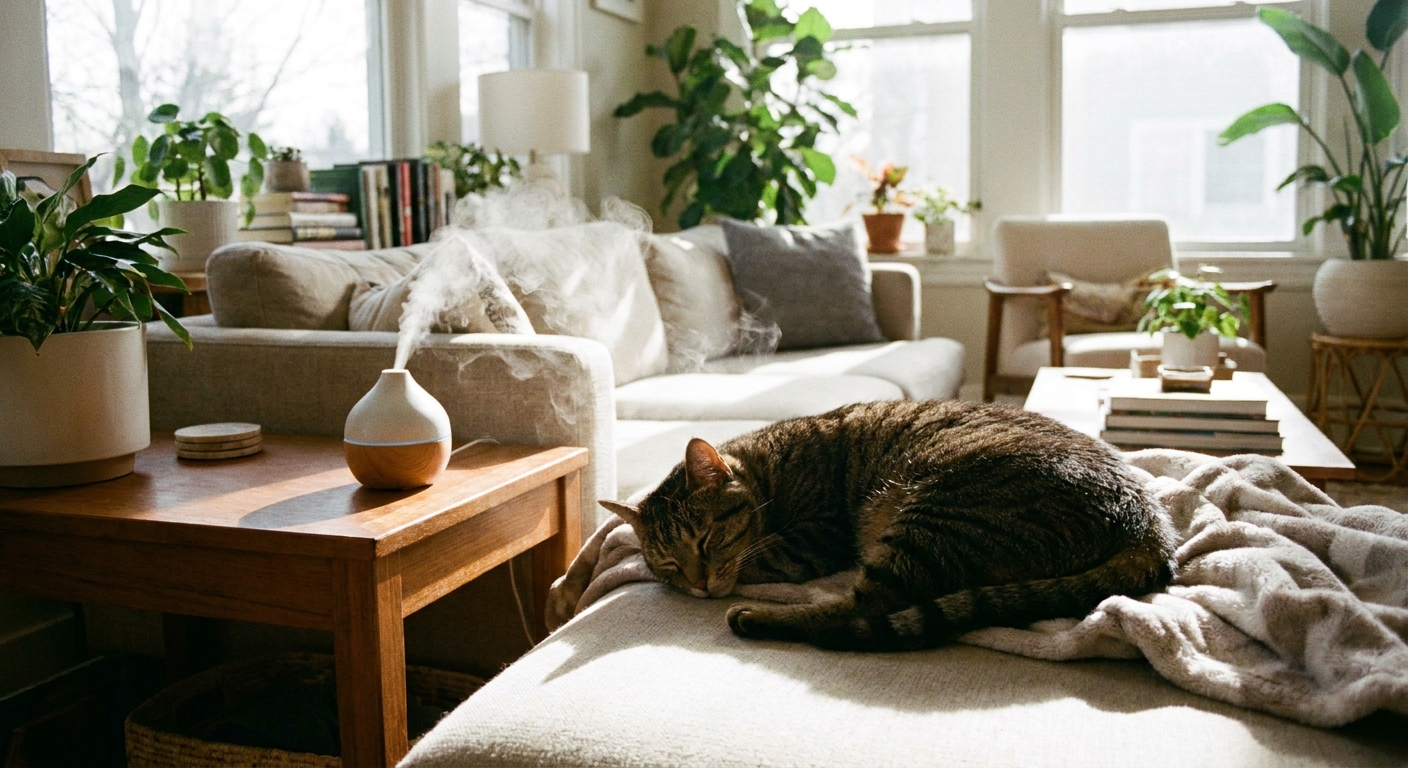
Understanding nasal and eye discharge
Discharge can give useful clues, but it is not a perfect diagnosis tool. Your vet will consider the whole picture: exam findings, history, vaccination status, and how long symptoms have been going on.
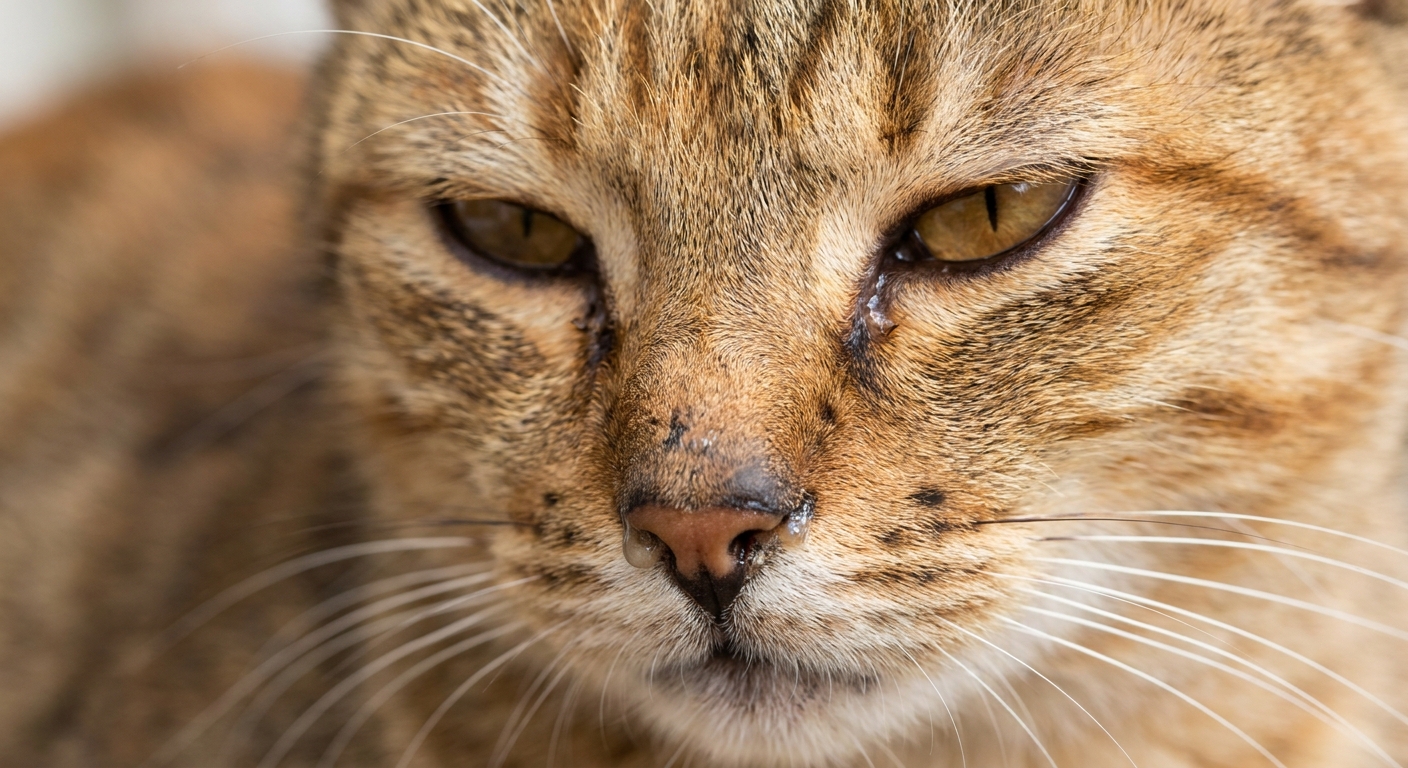
Clear, watery discharge
- What it can look like: a wet nose, occasional drips, teariness
- Often seen with: mild irritation (dust, scents), early viral URI
If your cat is bright, eating, and only sneezing occasionally, you can often monitor and book a routine appointment if it does not improve.
White or cloudy mucus
- What it can look like: thicker discharge, a little crusting at the nostrils
- May occur with: a progressing URI, inflammation
This is a good time to contact your vet for guidance, especially if it lasts more than a day or two or your cat seems “off.”
Yellow or green discharge
- What it can look like: sticky, colored mucus; crusty nose; gunky eyes
- What it can mean: more significant inflammation and infection. Sometimes there is secondary bacterial infection, but color alone cannot tell you viral vs. bacterial.
Colored discharge is a strong reason to schedule a veterinary visit soon. Congestion can reduce appetite because cats cannot smell food well, and not eating can become serious. Dehydration is also a concern, especially in kittens and seniors.
Bloody discharge
- What it can look like: pink-tinged mucus, streaks of blood, or active bleeding
- Possible concerns: trauma, severe inflammation, foreign material, dental disease, nasal polyps, or other nasal disease
Occasional tiny streaks can happen if the nose is irritated from frequent sneezing, but blood still deserves a call to your vet, especially if it repeats, worsens, is one-sided, or your cat seems unwell.
One-sided vs. both sides
Discharge from both nostrils often fits irritation or a URI. Discharge that is consistently one-sided can raise suspicion for a foreign object, upper tooth root disease, a nasal polyp, or other localized problems. One-sided symptoms should be discussed with your veterinarian.
When it can usually wait for a routine appointment
It is reasonable to monitor at home and arrange a routine vet visit if your cat is otherwise acting normal and you are seeing:
- Occasional sneezing with no discharge, or only clear watery discharge
- Sneezing that clearly follows an irritant (dusty litter, cleaning fumes) and improves after you remove it
- Normal breathing effort and normal energy
- Normal appetite and drinking
As a general rule, if sneezing lasts more than a few days, happens multiple times daily for more than 48 to 72 hours, keeps coming back, or is gradually getting worse, it is worth scheduling an exam even if your cat seems okay. Chronic or recurrent sneezing should not be written off as “just allergies” without a veterinary check.
When to call the vet promptly
Call your veterinarian the same day, or seek urgent care, if you notice any of the following:
- Labored breathing, open-mouth breathing, or belly effort when breathing
- Refusing food or eating much less, especially for more than 24 hours
- Lethargy that is unusual for your cat
- Thick, foul-smelling, or heavy discharge from the nose or eyes
- Dehydration signs like tacky gums or very low water intake
- Repeated sneezing fits that do not settle, especially if one-sided
- Eye problems such as squinting, swelling, or keeping an eye closed
- Fever (if you have been instructed by your vet how to take a rectal temperature safely)
- Kittens, seniors, or immunocompromised cats with any respiratory symptoms
If your cat cannot breathe comfortably, do not wait. Open-mouth breathing is an emergency even if your cat is quiet or lying still.
What you can do at home while you wait to be seen
I like to focus on comfort and good notes for the vet, not home “treatments” that can backfire.
Remove likely irritants
- Switch to unscented, low-dust litter
- Pause scented candles, sprays, diffusers, and incense
- Ventilate after cleaning and keep your cat away until fumes are fully gone
Support hydration and appetite
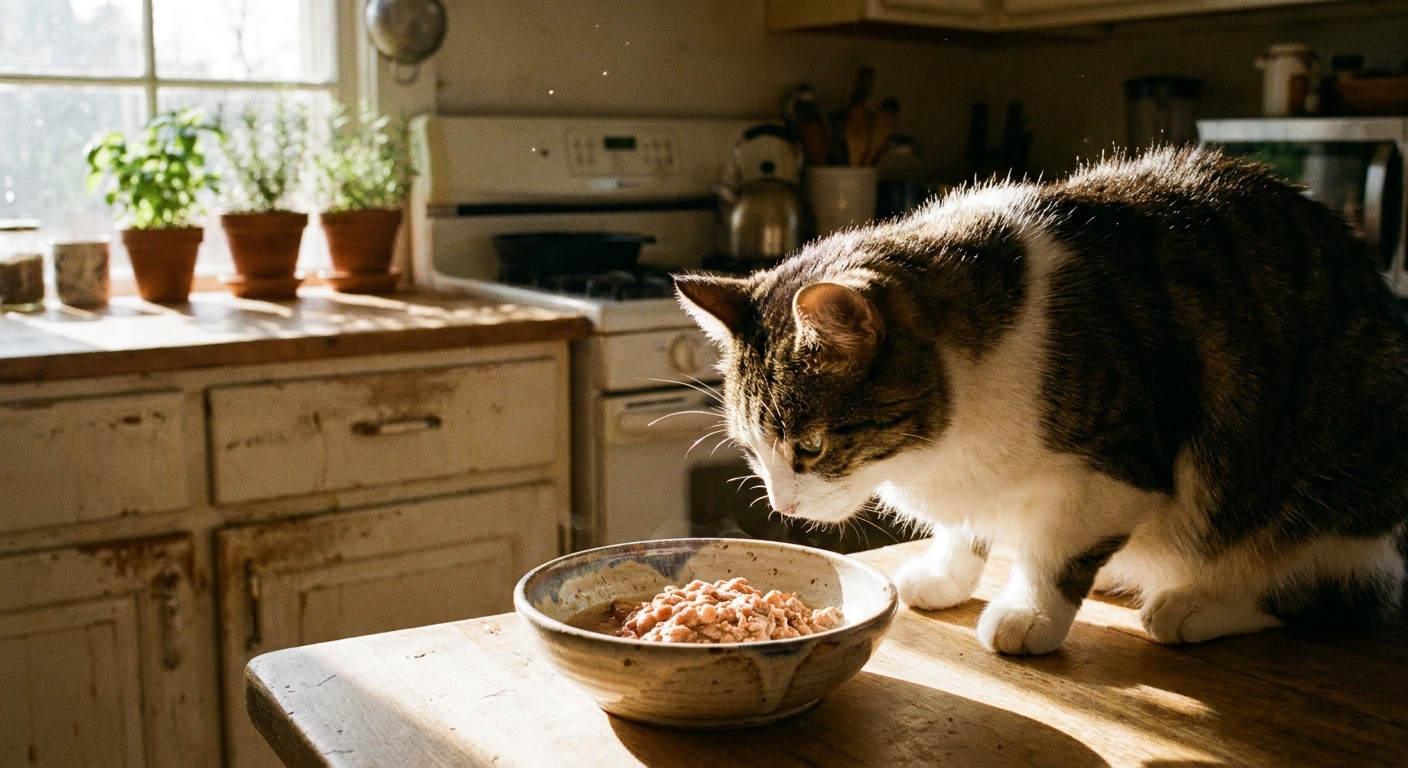
- Offer smelly, palatable wet food slightly warmed (not hot)
- Provide multiple water options, including a fountain if your cat likes running water
- Keep meals low-stress and easy to access
Cats with stuffy noses often eat less because they cannot smell their food well. Not eating can become serious quickly, so let your vet know if appetite drops.
Add gentle humidity
A clean humidifier can make breathing more comfortable for mildly congested cats. Some cats also benefit from sitting in a steamy bathroom for 10 to 15 minutes while you run a hot shower, but only if your cat is calm, supervised, and breathing comfortably. If your cat is struggling to breathe, skip steam and seek urgent care.
Avoid adding anything to humidifiers (like menthol, vapor products, or essential oils). Plain water only is the safest choice around cats.
Take helpful notes
Before your appointment, jot down:
- When sneezing started and whether it is getting better or worse
- Any discharge color and thickness
- Whether one nostril seems worse
- Appetite changes, energy level, and litter box habits
- New products in the home (litter, cleaners, construction, candles)
- Exposure risks (new cat in the home, boarding, shelter visit)
Avoid common mistakes
- Do not give human cold meds, decongestants, or antihistamines unless your veterinarian specifically tells you to
- Do not use essential oils on or near your cat
- Do not force-feed or syringe water unless you have been trained, as aspiration is a risk
- Do not put anything into your cat’s nostrils
What the vet may do
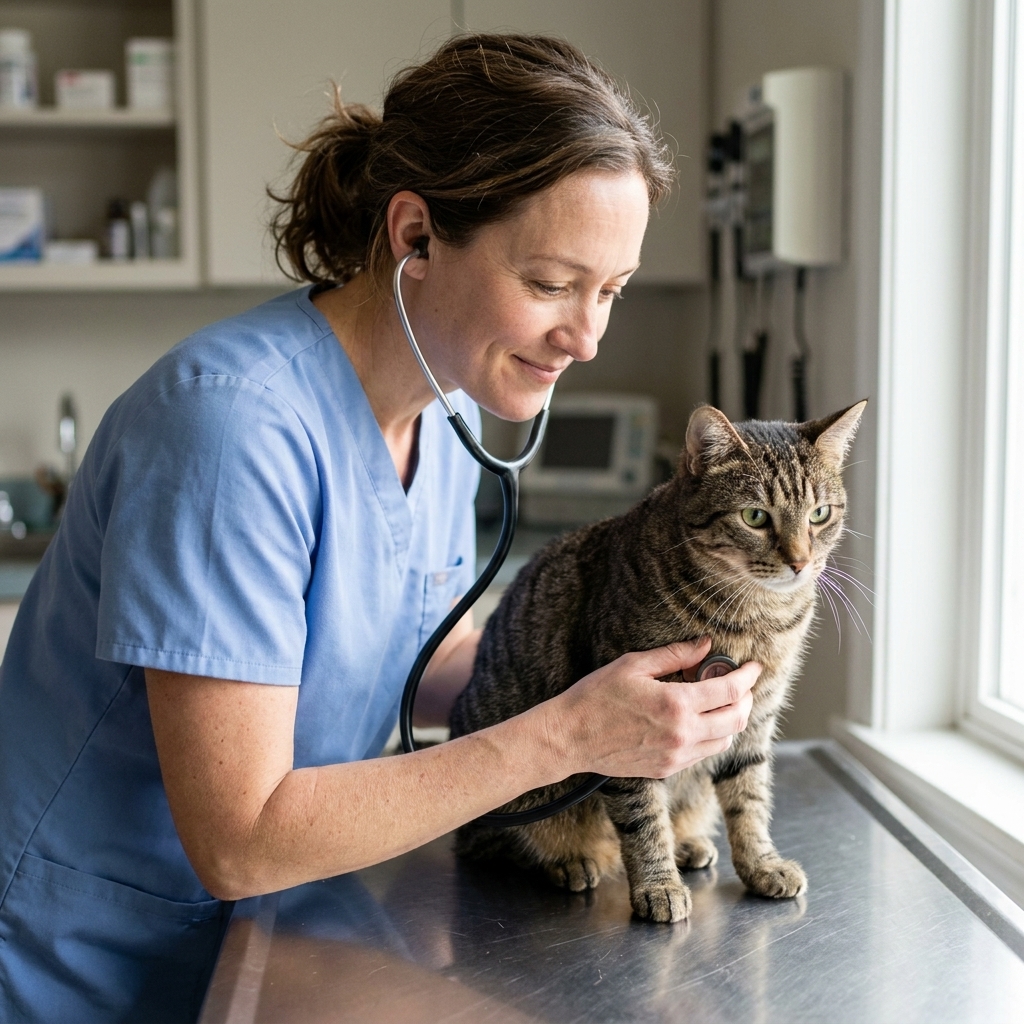
Your veterinarian will tailor care to the cause and your cat’s overall condition. Depending on symptoms and exam findings, they may:
- Listen to the lungs and assess breathing and hydration
- Check the mouth and teeth
- Examine the eyes closely, sometimes with eye stain if an ulcer is suspected
- Recommend testing such as swabs, bloodwork, or imaging if symptoms are persistent or severe
- Prescribe medications and supportive care based on their findings
If your cat is congested and not eating, the plan may focus on keeping them comfortable and eating while treating the underlying issue. Follow your vet’s instructions closely and update the clinic if symptoms change.
FAQ
Can cats have allergies like people?
Cats can react to irritants in the environment, but true “seasonal allergy sneezing” is less straightforward than it is in humans. Many cats with allergies show more skin signs like itching or overgrooming. If sneezing is frequent or chronic, a veterinary exam is the best next step to rule out infection, dental issues, or other nasal disease.
How long is too long for a cat to sneeze?
If sneezing lasts more than a few days, happens multiple times a day for more than 48 to 72 hours, keeps returning, or is paired with discharge, appetite changes, or low energy, book a vet visit. If breathing looks difficult or your cat will not eat, seek care promptly.
Why is my cat sneezing but acting normal?
Often it is an irritant like dust or fragrance, especially if it started suddenly and improves when you remove the trigger. Still, if it persists, becomes daily, or you notice discharge, it is worth a checkup.
Is sneezing contagious between cats?
Some upper respiratory infections are contagious. If one cat in a multi-cat home starts sneezing with watery eyes or nasal discharge, separate food and water bowls if possible, wash hands between cats, and minimize shared bedding while symptoms are active. Keep surfaces clean and call your vet for guidance, especially if you have kittens or senior cats at home.
The takeaway
Most cat sneezing starts with something simple: dust, strong scents, dry air irritation, or a mild upper respiratory infection. The goal at home is to notice patterns, reduce irritants, and watch for the red flags that mean your cat needs veterinary care sooner rather than later.
If you are ever unsure, trust that instinct. I have fostered enough sniffly kittens to know that a quick call to your clinic can save you days of worry and help your cat feel better faster.