The first time a cat figures out that ringing a bell makes humans appear with food, I have to admit I’m impressed. I also understand the very real downside when that “aha” moment happens at 5:12 a.m. and the bell is basically a tiny alarm clock.
The concrete answer: Teach a quiet alternative by stopping reinforcement for bell ringing (no meals for noise), then reinforcing a new, calmer cue (like sitting on a mat, touching a target, or pressing a silent button) and only delivering food after the quiet behavior happens. You are not “taking away communication.” You’re helping your cat communicate in a way that works for everyone.
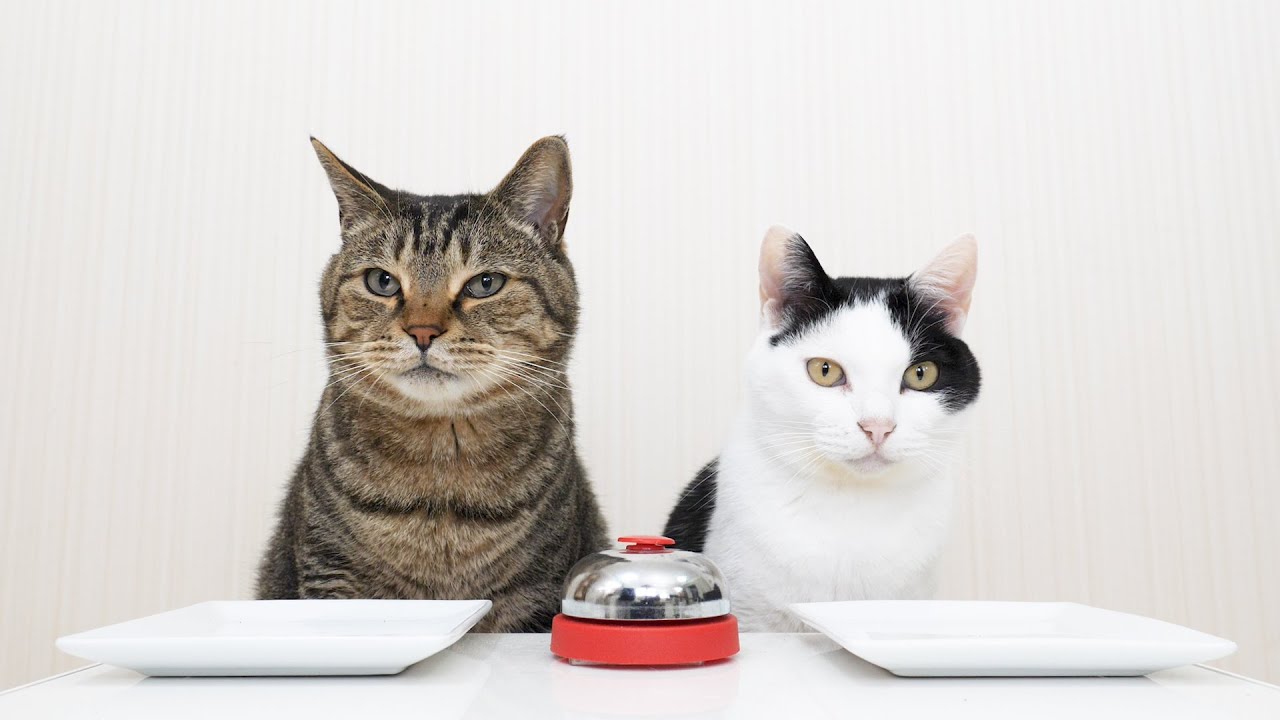
Why your cat keeps ringing the bell
Bell ringing sticks for the same reason many learned cat behaviors stick: it works.
- It gets a result. Even if it only works sometimes, “sometimes” is enough to keep a behavior going strong.
- It’s clear. Bell equals human appears equals food. Cats love predictable cause and effect.
- It’s self-rewarding. The sound and movement can be stimulating, especially for clever, high-energy cats.
So we’re going to change what pays. Ringing will stop paying out, and quiet cues will start paying out.
Before you retrain
1) Pick a plan you can follow every day
The fastest way to make bell ringing louder and more persistent is to give in occasionally. Decide what your rule will be, then make it boringly consistent.
- Rule to aim for: Food only happens after a quiet cue, not after bell noise.
- Real life note: If you live with other people, get everyone on the same page. One “soft-hearted” breakfast delivery can undo a week of training.
2) Choose a meal schedule that reduces panic
Many cats ring because they’re anxious about when food is coming. A predictable schedule helps.
- Feed meals at consistent times.
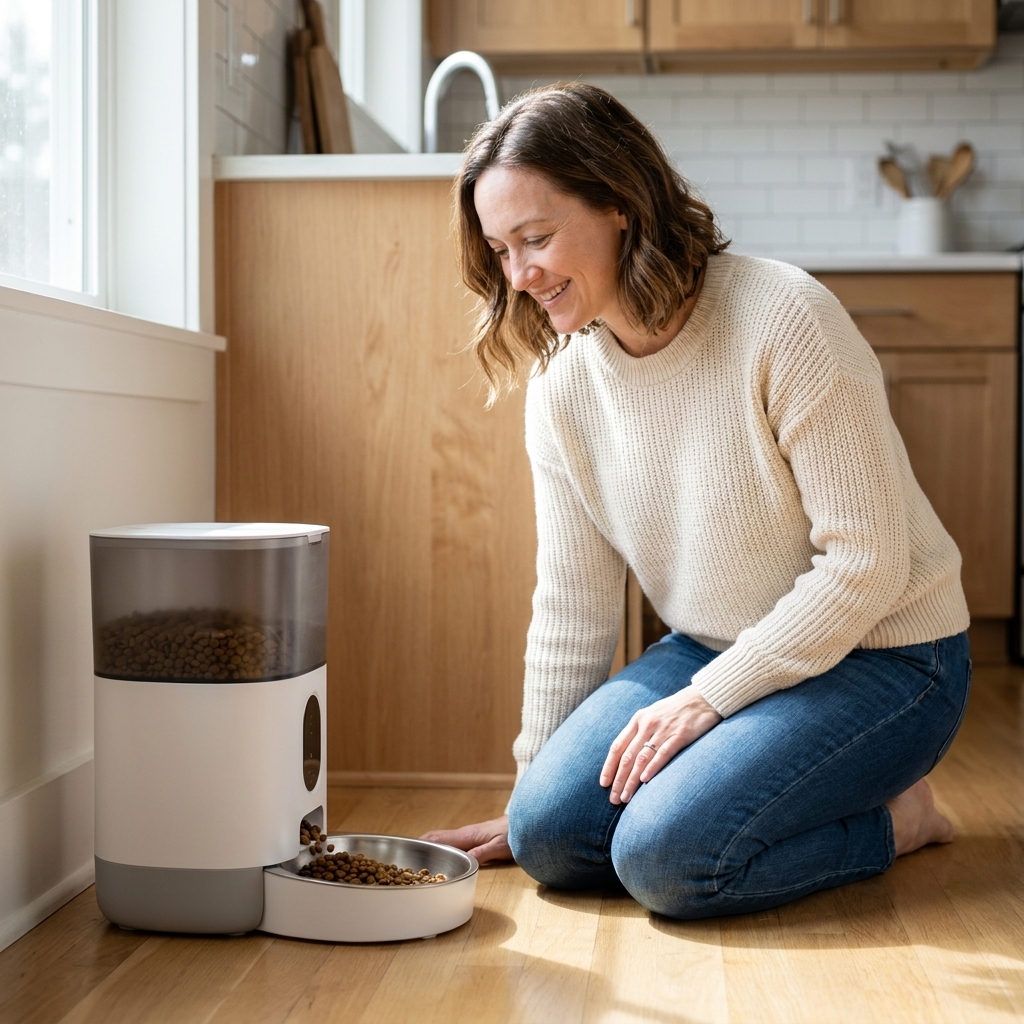
- If your cat gets frantic long before mealtime, add a small “buffer” snack earlier in the day or use a timed feeder for one meal.
If you change meal timing or add snacks, keep an eye on your cat’s body condition and total daily calories. If you are not sure what “normal” should look like for your cat, your veterinarian can help you set a plan that does not quietly turn into weight gain.
If your cat is suddenly acting ravenous, losing weight, vomiting, or waking you at night for food when they never used to, check in with your veterinarian. Hunger can be behavioral, but it can also be medical.
Pick a quiet alternative
Choose one option and commit for 2 to 3 weeks before deciding it “isn’t working.” Most cats need repetition plus consistency from humans.
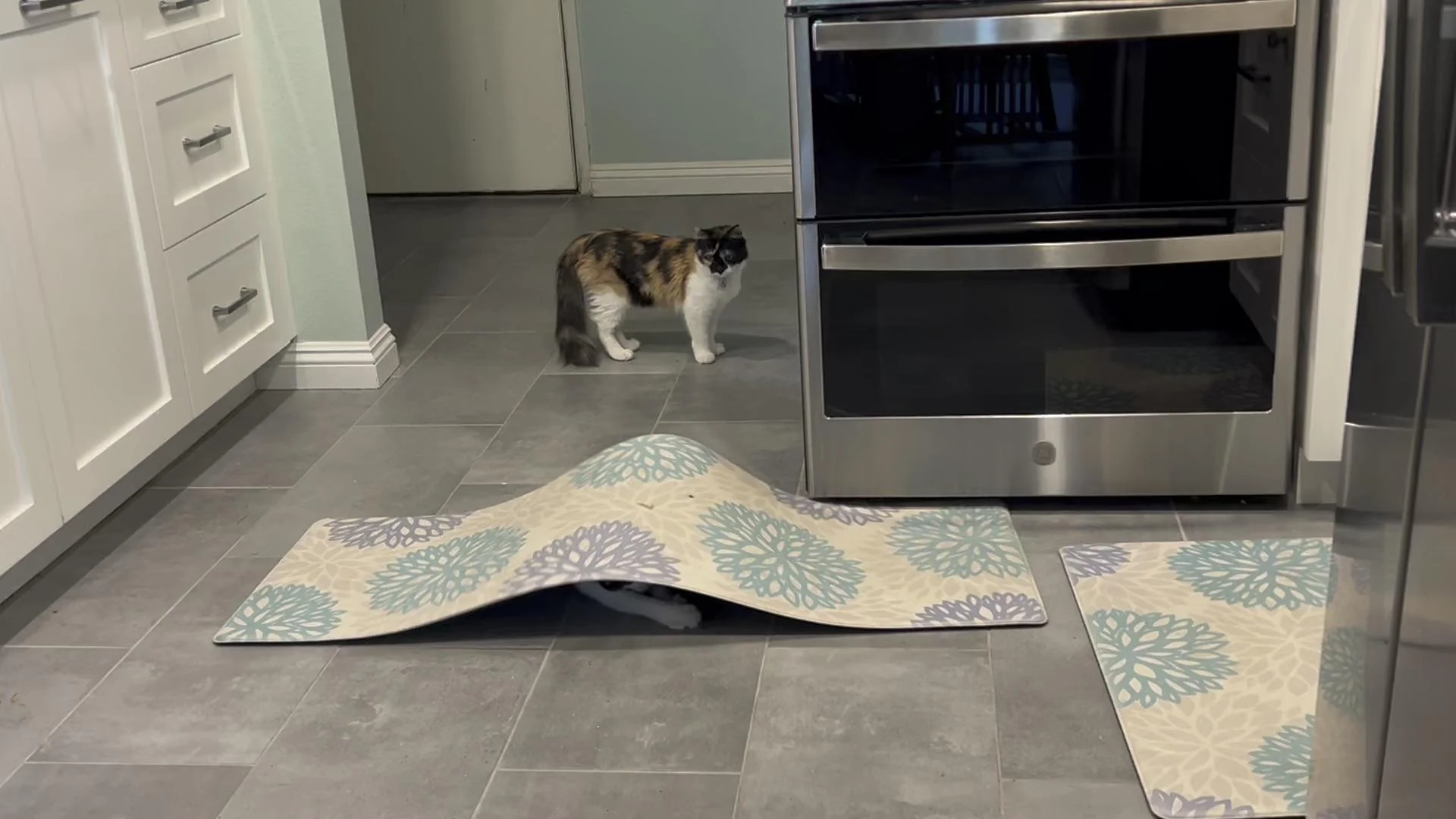
Option A: Go to mat
This is my go-to because it gives your cat a specific place to be calm, and it keeps them away from your feet while you prep food.
- What you need: A small bath mat or towel.
- The behavior: Cat steps onto the mat and sits or stands quietly.
How to teach it:
- Place the mat a few feet from the food area.
- Toss a treat onto the mat. When your cat steps on it, let them eat it.
- Toss another treat onto the mat. Repeat until your cat starts heading to the mat on purpose.
- Start waiting for a pause on the mat (one second of stillness), then reward.
- Add a cue like “mat” right before they step on it.
Mealtime rule: You begin food prep when they’re on the mat. If they leave and ring the bell, you pause and wait for them to return to the mat.
Accidental reinforcement tip: If your cat loses it during the sound of scooping or can-opening, do your setup first (measure food, rinse bowls, whatever) and only start the “real” prep when they are on the mat.
Option B: Target touch
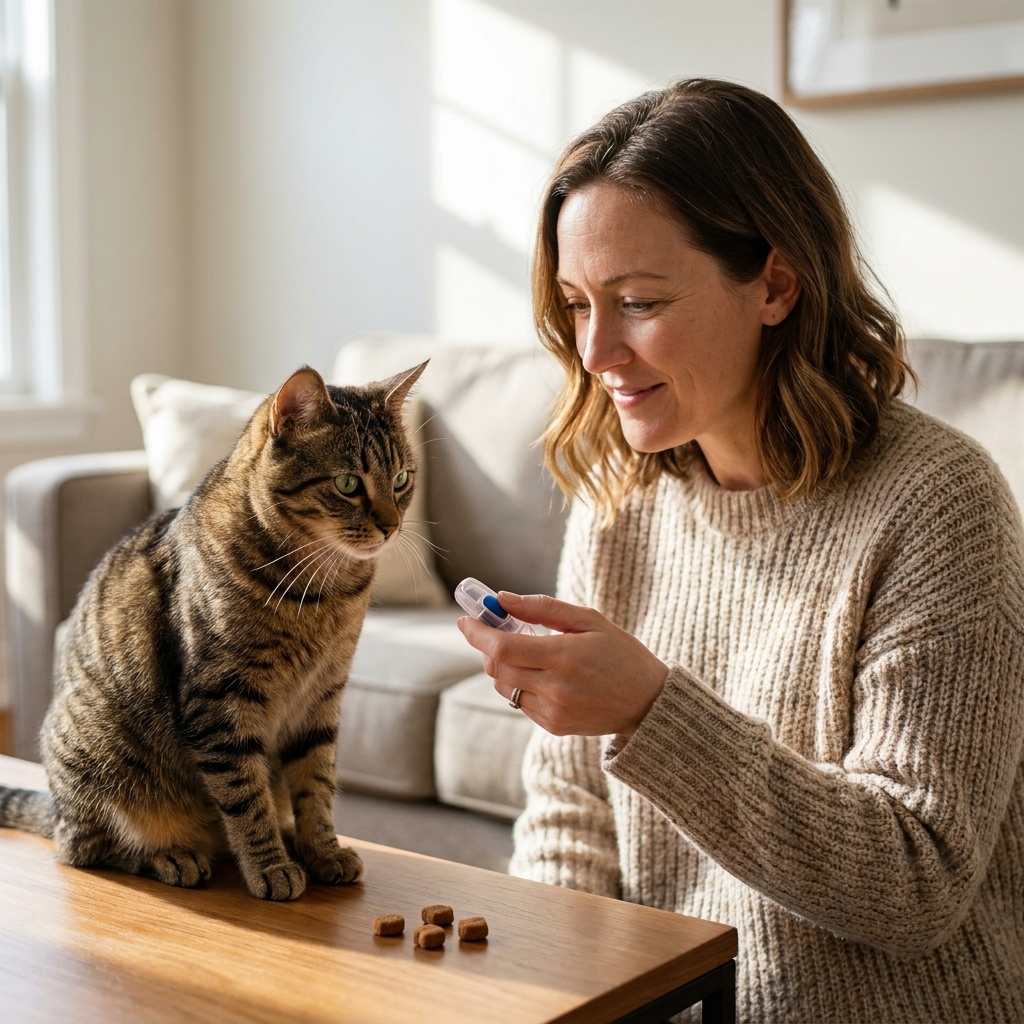
Target training is a gentle way to redirect a cat who loves “tasks.” Instead of ringing, they touch their nose to a target.
- What you need: A target (the end of a spoon or a target stick) and small treats.
- The behavior: Cat taps the target with their nose.
How to teach it:
- Hold the target a few inches from your cat’s nose.
- The moment they sniff or touch it, mark it with a cheerful “yes” (a marker word that predicts a treat) and give a treat.
- Repeat until your cat is confidently touching the target.
- Start moving the target slightly so your cat takes a step to touch it.
Mealtime rule: Before you put the bowl down, ask for one target touch. If the bell rings, you wait for a target touch instead.
Option C: Sit
Not every cat loves “sit,” but many do, especially if you keep sessions short. A sit becomes the polite request that replaces the bell.
How to teach it:
- Hold a treat just above your cat’s nose and slowly move it back over their head.
- As their head tilts up, their bottom often naturally lowers.
- The second the butt hits the floor, say “yes” and reward.
- Add the cue “sit” right before the motion once it’s predictable.
Important: If your cat backs away, flops, or gets frustrated, switch to “mat” or “target.” The goal is calm communication, not a power struggle.
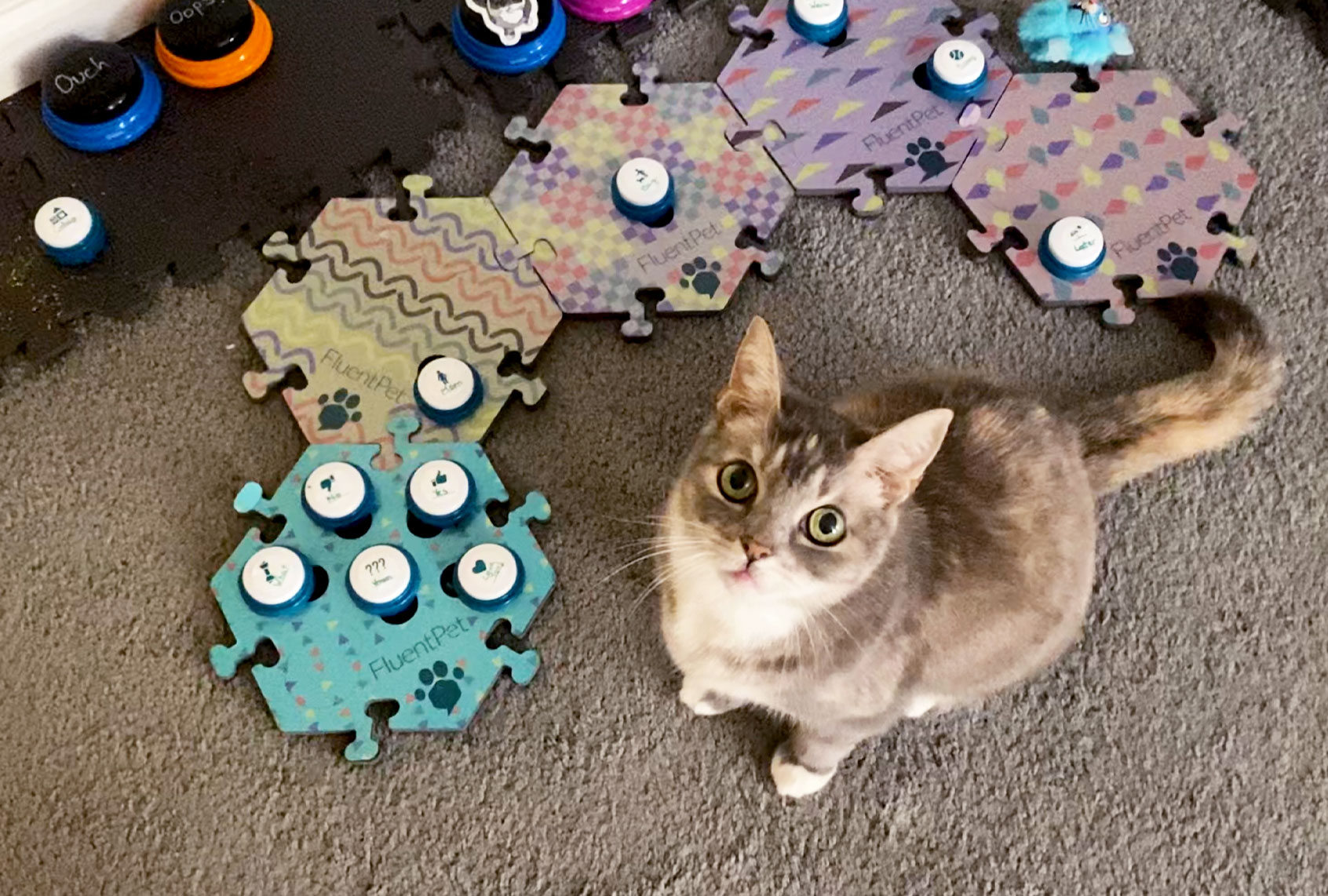
Option D: A quieter ask object
If you genuinely like that your cat has a way to request food, consider swapping the bell for a quieter behavior.
- A silent paw target (a coaster or small plastic lid attached at paw height).
- A soft-touch object (like a fabric square on a stable surface) your cat taps with a paw.
Make it easy on yourself: attach it securely and use a surface you do not mind getting tapped or scratched. If you rent or have delicate wallpaper, stick to something removable or place it on a freestanding board.
Whatever you choose, teach it the same way: reward interaction with the quiet object, then require that interaction before meals.
The training plan (often 1 to 3+ weeks)
Some cats improve quickly and some take longer, especially if the bell has worked for months, if multiple people feed the cat, or if the behavior happens in high-stress moments like early mornings. Consistency matters more than speed.
Step 1: Make bell ringing boring
This is the hardest part, especially if the ringing is loud or relentless.
- When the bell rings, do not fill the bowl.
- Do not scold, spray, or clap. For many cats, even negative attention can reinforce the behavior.
- If you need to, calmly leave the room for 10 to 20 seconds, then return and wait for quiet.
If the bell is portable, you can also put it away during retraining. That is not cheating. It is management.
Placement tip: If the bell has to stay out, move it farther from bedrooms and high-traffic areas so it is less likely to become a day-and-night soundtrack.
Step 2: Catch quiet and pay it well
The instant your cat pauses, turns away from the bell, sits, or steps onto the mat, mark it with “yes” and reward. Early on, you are rewarding tiny moments of calm.
Step 3: Put the new behavior on cue
Once your cat is reliably offering the quiet behavior, add the cue word or gesture right before they do it.
Step 4: Move food delivery to the end of the routine
Build a predictable sequence like this:
- Cat goes to mat.
- You prep food.
- You place the bowl down.
If the bell rings at any point, the sequence pauses until your cat returns to the mat or offers the alternative cue.
If ringing gets worse first
It often does. This is called an extinction burst, and it’s basically your cat saying, “Hello? The thing that always worked is not working. Let me try harder.”
If you stay consistent, the burst often fades within days, but it can take longer depending on how strongly the bell behavior was reinforced.
If you give in during the burst, you teach your cat that extra-loud ringing is the winning strategy.
If you live in an apartment or the sound is truly not workable, manage the environment while you train:
- Put the bell away except for structured sessions.
- Use a mat routine and start meals only when your cat is on the mat.
- Consider a timed feeder for one meal to reduce the pressure on you.
What not to do
- Do not free-feed extra just to stop the ringing. It can create weight issues and it does not teach a calmer request.
- Do not “punish by delaying” and withhold a meal past your normal schedule out of spite. You are trying to build predictability, not drama.
- Do not physically block or grab your cat in a way that escalates things. If you need space while prepping, use distance, a mat station, or a baby gate.
Troubleshooting
My cat rings the bell all night
Night ringing is usually a combo of habit and schedule. A few gentle fixes:
- Feed the last meal later in the evening if your vet agrees it fits your cat’s diet plan and daily calorie needs.
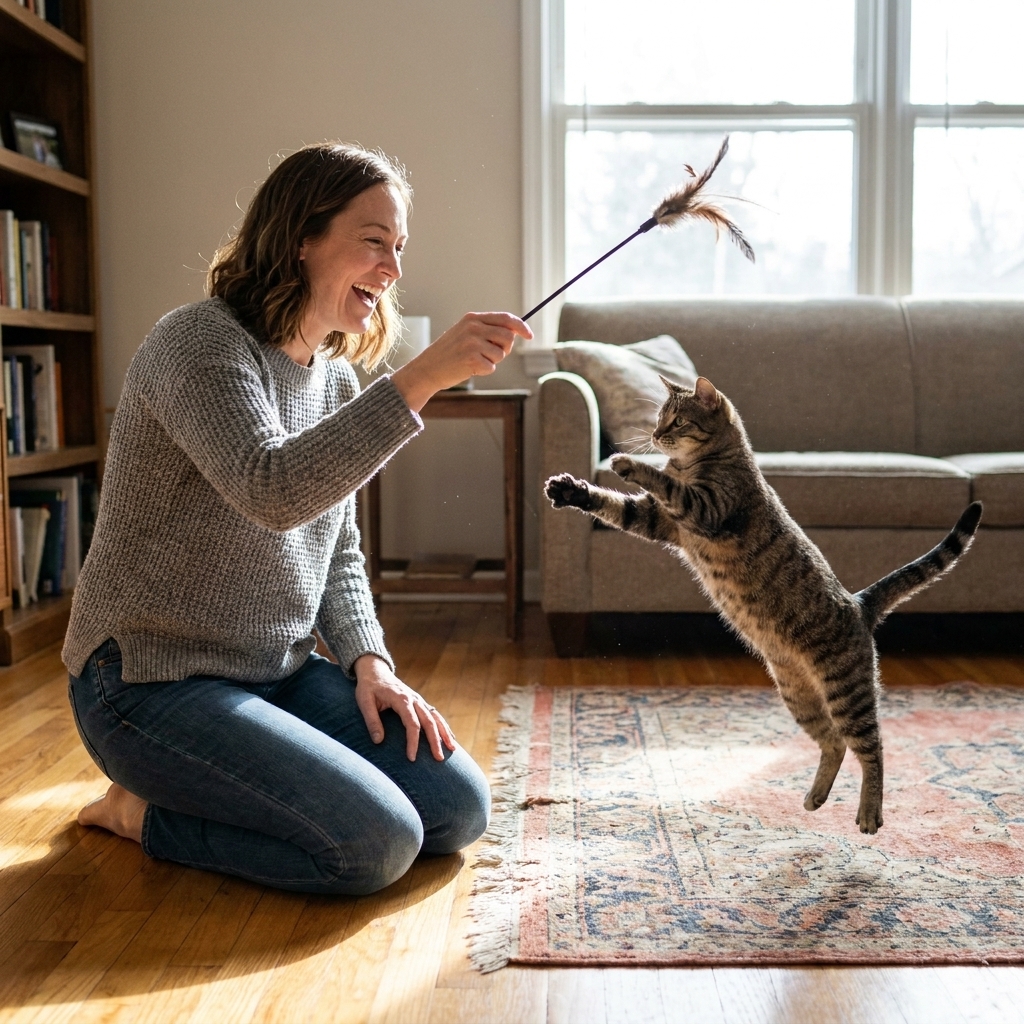
- Add play before bed (5 to 10 minutes of wand play, then a small snack) to help your cat settle.
- Remove access to the bell overnight while you retrain.
My cat gets nippy when dinner is late
That’s a stress response, not “spite.” Increase predictability and lower arousal:
- Use the mat as a calming station.
- Keep a small jar of treats near the feeding area and reinforce calm pauses.
- If aggression escalates or feels unsafe, involve your veterinarian and consider a referral to a credentialed feline behavior professional.
I feel bad ignoring them
I get it. I’m the person who apologizes to my cats when I step around them in the kitchen. The reframe that helps: you’re not ignoring your cat, you’re teaching them a clearer, kinder way to ask. You are actively reinforcing the behavior you want to live with.
A simple daily routine
Hypothetical example: Your cat usually rings the bell at 6:00 a.m., but breakfast is at 6:30 a.m.
- 6:00 a.m.: Bell rings. You do not feed. You wait for a pause.
- 6:05 a.m.: Cat steps onto the mat for one second. You say “yes” and toss a treat onto the mat.
- 6:10 a.m.: You practice 3 short mat rewards, then walk away.
- 6:30 a.m.: You cue “mat,” your cat goes to the mat, and you place breakfast down.
Within a couple of weeks, many cats start going to the mat at their usual “ring time” because that’s what now predicts food. If your cat has been ringing for a long time, expect the habit to take a bit longer to fade.
FAQ
Should I punish my cat for ringing the bell?
No. Punishment can increase stress, create fear around you or the feeding area, and it does not teach what you want instead. Reward-based training plus consistent boundaries is both kinder and usually faster.
Can I still use the bell sometimes?
If the bell is your cat’s favorite hobby, you can keep it as a trick in a scheduled context, like a short training session once a day. Just avoid letting it become the default demand behavior that produces meals.
How long will this take?
Many cats show improvement in 1 to 3 weeks if everyone in the household is consistent. Some take several weeks, especially if the bell has been accidentally reinforced for months or years.
What if my cat seems genuinely hungry all the time?
Training is great for manners, but persistent hunger, weight loss, vomiting, increased thirst, or sudden behavior changes deserve a veterinary check. Once your vet rules out medical causes, you can fine-tune meal frequency, enrichment, and training.
My gentle bottom line
Your cat isn’t being “pushy.” They’re being clever. The goal is to keep that bright little brain engaged while replacing an attention-grabbing noise with a calm routine you can live with. Pick one quiet alternative, practice in tiny sessions, and be consistent about what earns food. Your cat will learn, and your ears will thank you.