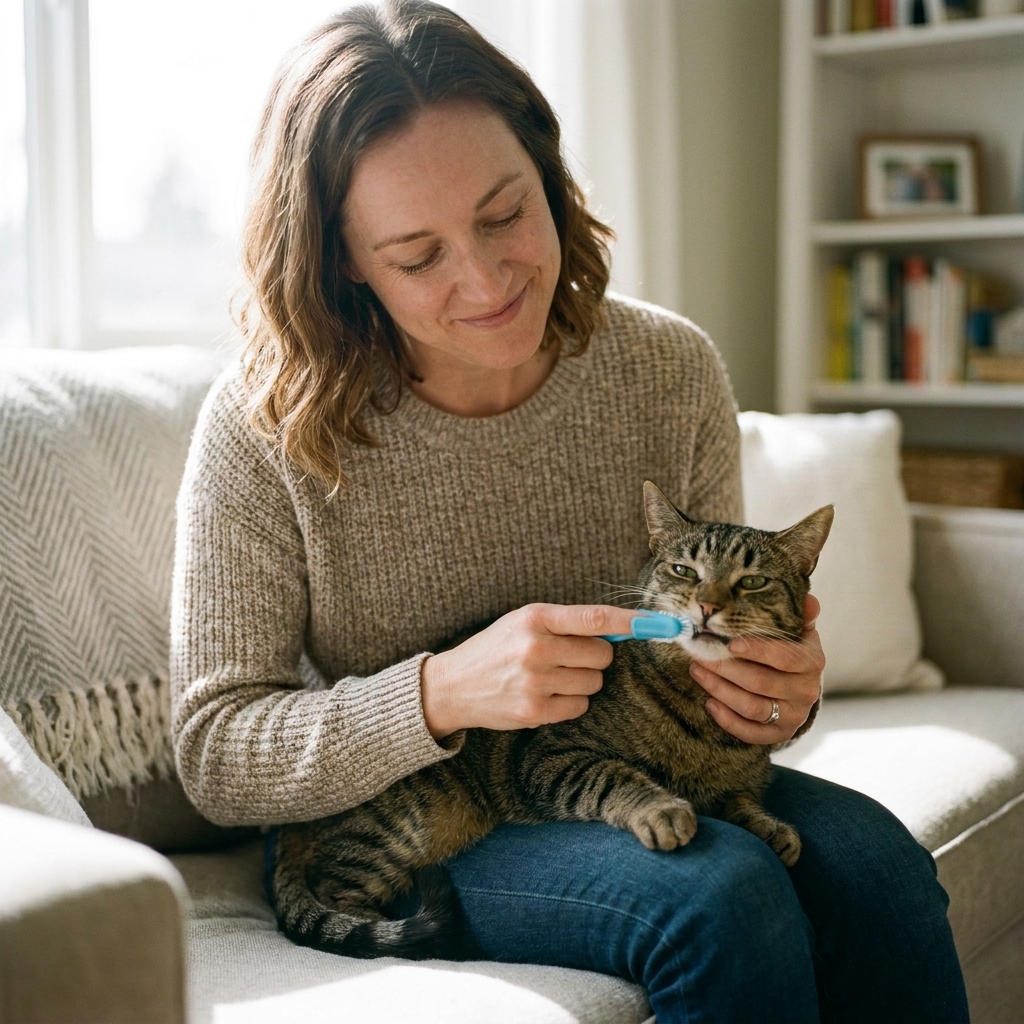
If you love the sweet, flat-faced look but want a cat who fits your real, everyday routine, you are in the right place. Persians and Exotic Shorthairs are closely related, and they often share that calm, cuddle-friendly vibe. The big difference is what your calendar and your budget can realistically support: coat care, face care, and long-term health planning.
As someone who has rehabbed a lot of sensitive cats through rescue, I always tell adopters and clients the same thing: pick the cat who fits your lifestyle on your busiest week, not your calmest week.
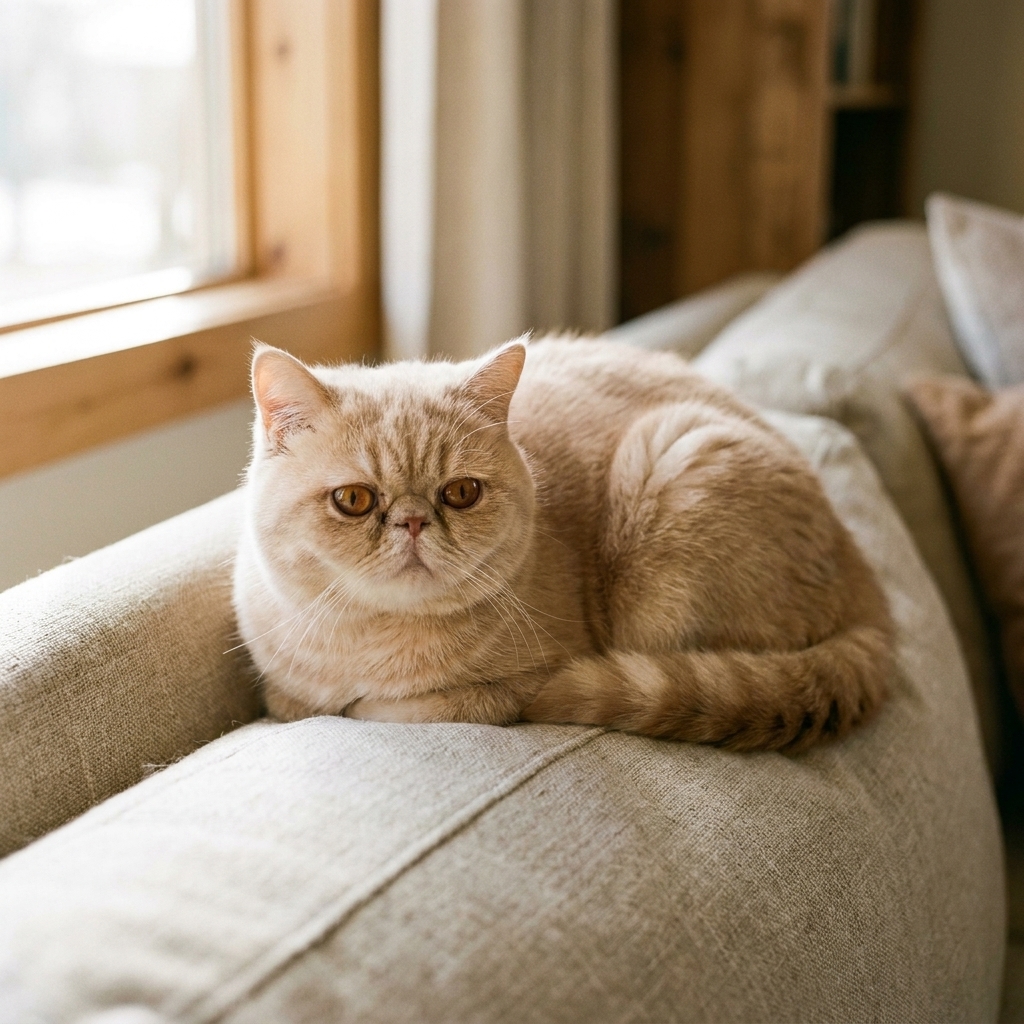
Quick snapshot
- Persian: Ultra-lounge personality, luxurious long coat, grooming is typically a daily commitment. Higher maintenance around mats, hygiene, and tear staining. Shares flat-face health considerations, plus more coat-related challenges.
- Exotic Shorthair: Similar sweet temperament in a shorter, plush coat. Still needs regular grooming and face care, but usually far less time than a Persian. Shares many brachycephalic (flat-faced) health risks.
Personality and energy
Persian temperament
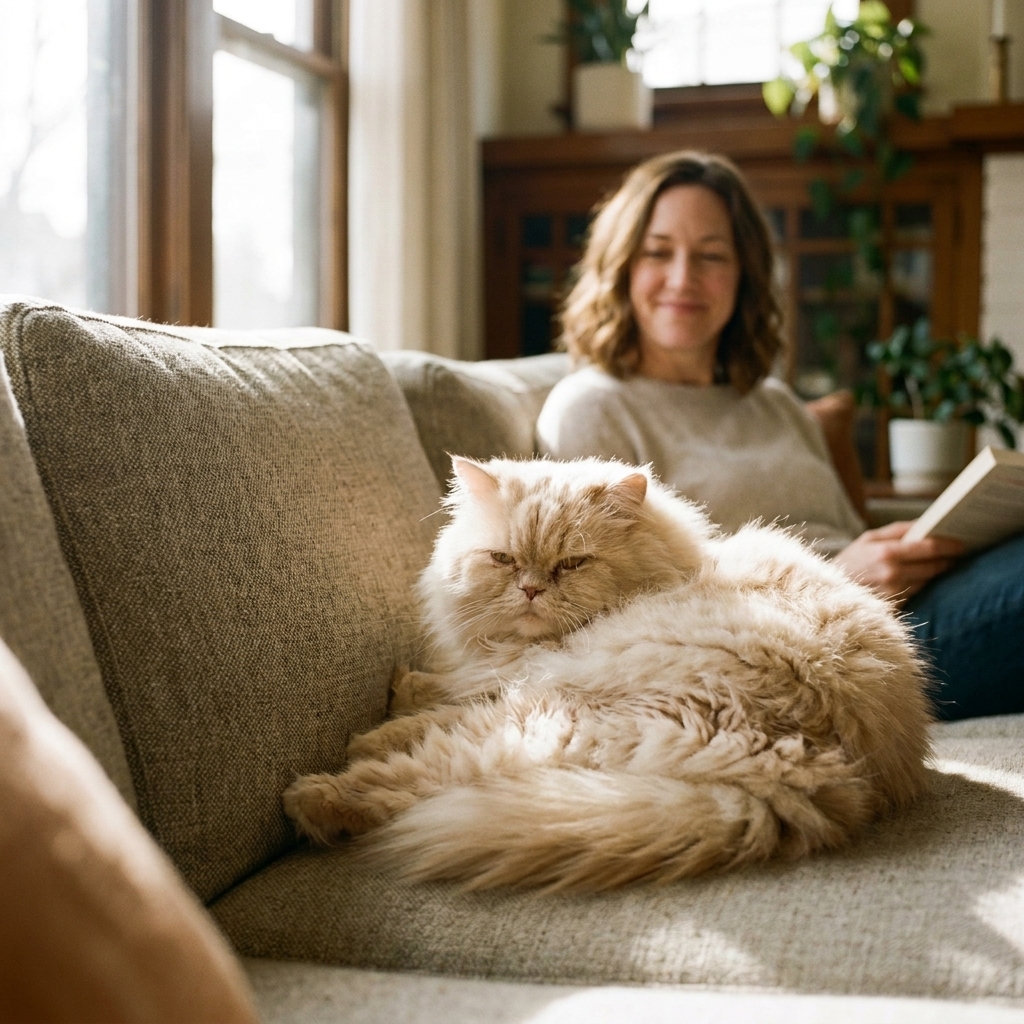
Most Persians I have worked with are gentle, quiet companions. They tend to prefer predictable routines and cozy observation points over high-speed parkour. If you want a cat who will keep you company while you work, read, or binge a show, a Persian often delivers that “soft presence” energy.
- Typical vibe: Calm, affectionate, not usually demanding.
- Energy level: Low to moderate, with short bursts of play.
- Social style: Often devoted to their people, sometimes a little reserved with chaos or visitors.
Exotic Shorthair temperament
Exotics are often described as Persians with a slightly more playful, curious streak. They are still a laid-back breed overall, but many Exotics will engage in a few more games of wand-toy “hunting” and may follow you around the house a bit more.
- Typical vibe: Sweet, easygoing, quietly social.
- Energy level: Low to moderate, sometimes more playful than Persians.
- Social style: Often friendly and adaptable, especially with respectful handling.
My real-life note: Individual personality matters more than breed. If possible, meet the cat, ask about daily habits, and watch body language: relaxed blinking, loose posture, and gentle curiosity are green flags.
Kids and other pets
Both breeds can do well with respectful kids and calm pets because they tend to be mellow. The key is slow introductions and a home that does not treat the cat like a toy. A shy Persian may prefer quieter households, while an outgoing Exotic may roll with a bit more activity.
Grooming and shedding
Persian grooming needs
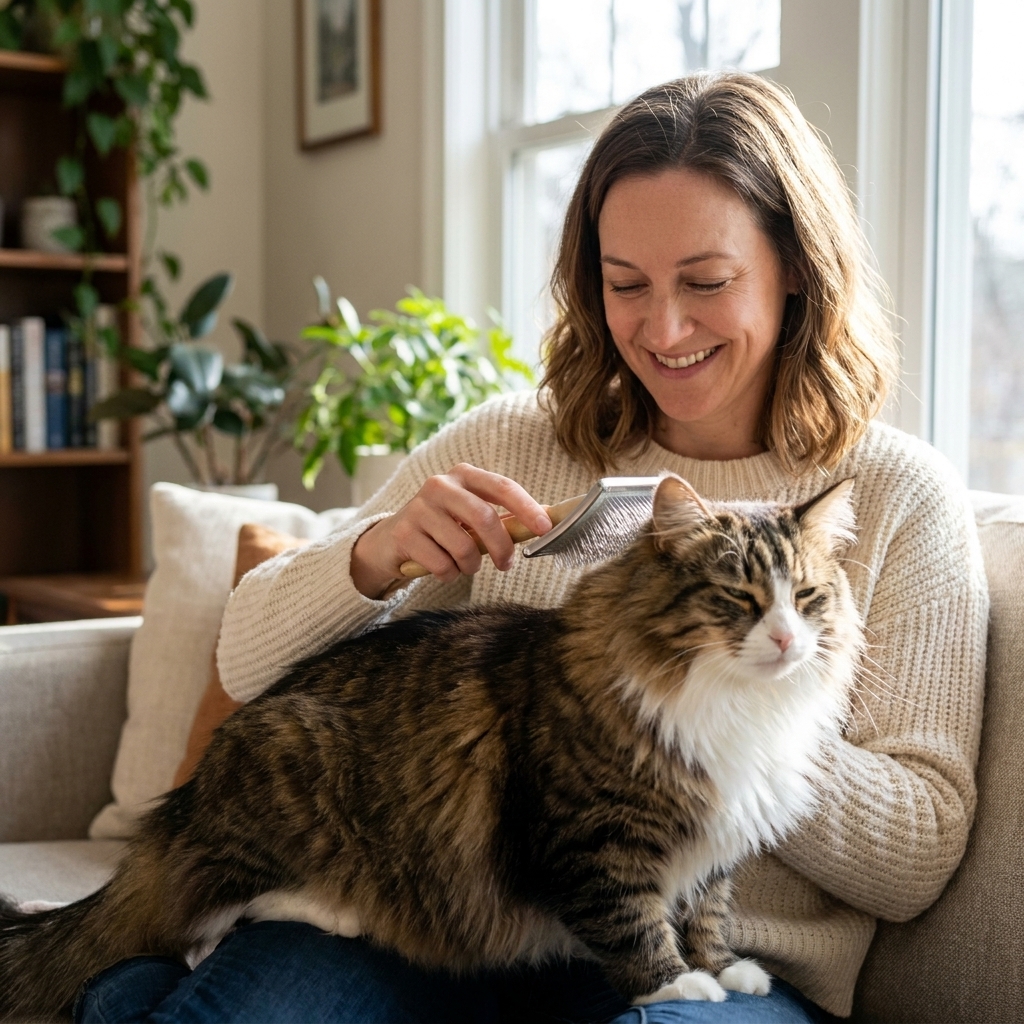
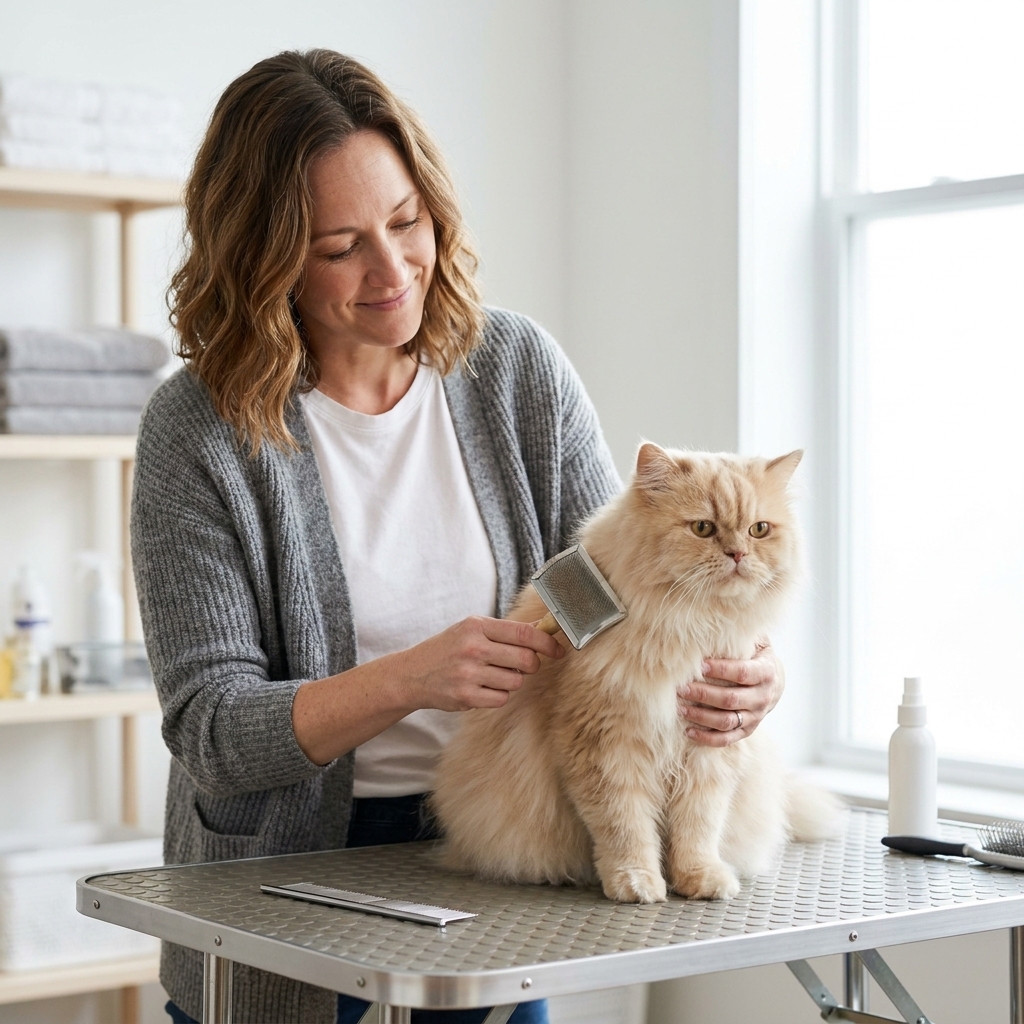
Persians are stunning, and that coat is work. For most Persians, near-daily grooming is the kindest way to prevent mats, which can pull painfully at the skin and hide irritation underneath. The difference-maker is technique: surface brushing is not the same as gentle combing down to the skin.
- Time expectation: Often 5 to 10 minutes most days, plus longer sessions as needed.
- Combing: A metal comb that can reach the undercoat is usually essential. You are checking the whole coat, not just smoothing the top layer.
- Mat risk: High, especially under the arms, behind the ears, around the collar area, and around the rear.
- Hygiene trims: Many families choose regular sanitary trims to prevent stool or litter from sticking.
- Professional grooming: Often helpful. A full-body clip, including a “lion cut,” is best viewed as a mat-management strategy when coat care falls behind or a cat will not tolerate combing, not as a reliable way to prevent overheating.
If you are not confident you can commit to coat care, that is not a moral failing. It is simply a sign that a Persian may not be the kindest match for you or for the cat.
Exotic Shorthair grooming needs
Exotics have a short coat, but it is not the sleek coat of a Siamese or a typical domestic shorthair. It is dense and plush, and it can shed. The good news is that matting is usually far less of an issue than with Persians.
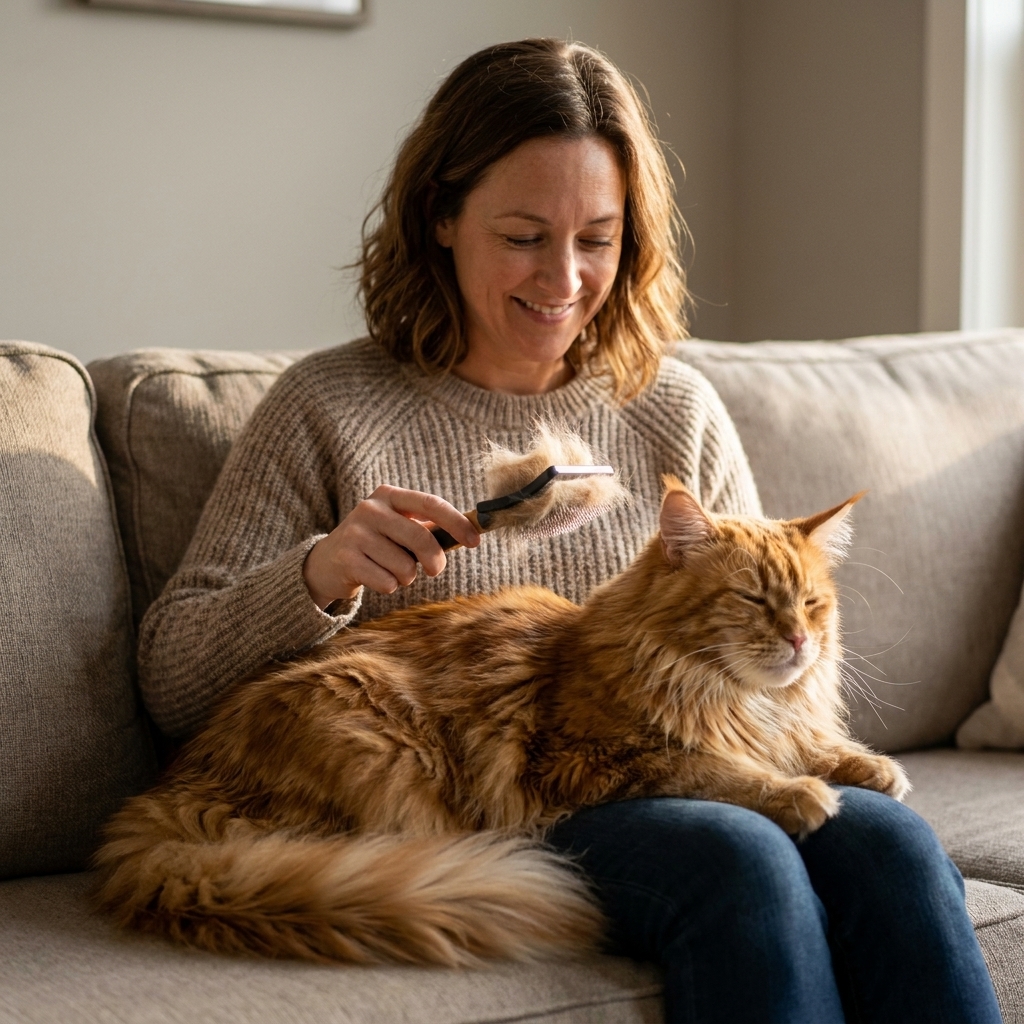
- Time expectation: About 5 minutes, 1 to 2 times per week for many cats. Increase during seasonal shedding.
- Brushing: 1 to 2 times per week is a solid baseline. Some do best with a gentle rubber brush or comb, depending on coat density.
- Mat risk: Low, though some can develop small tangles around friction points.
- Professional grooming: Optional for most, but occasional de-shedding baths can help.
Face and eye care
Because Persians and Exotics are brachycephalic, many have facial conformation and tear-duct anatomy that makes tearing and tear staining more likely. Some need daily wipe-downs to keep the skin comfortable and prevent buildup.
What care often looks like
- Daily eye wipe: Use a soft cotton pad or pet-safe wipe dampened with warm water. Be gentle and use a fresh pad for each eye.
- Check the skin folds: Moisture trapped in folds can irritate the skin.
- Watch for change: Squinting, redness, thick discharge, or pawing at the face warrants a vet visit.
If your household is already stretched thin, face care can be the “last straw” that makes a higher-maintenance breed feel stressful. It is okay to plan honestly.
Health considerations
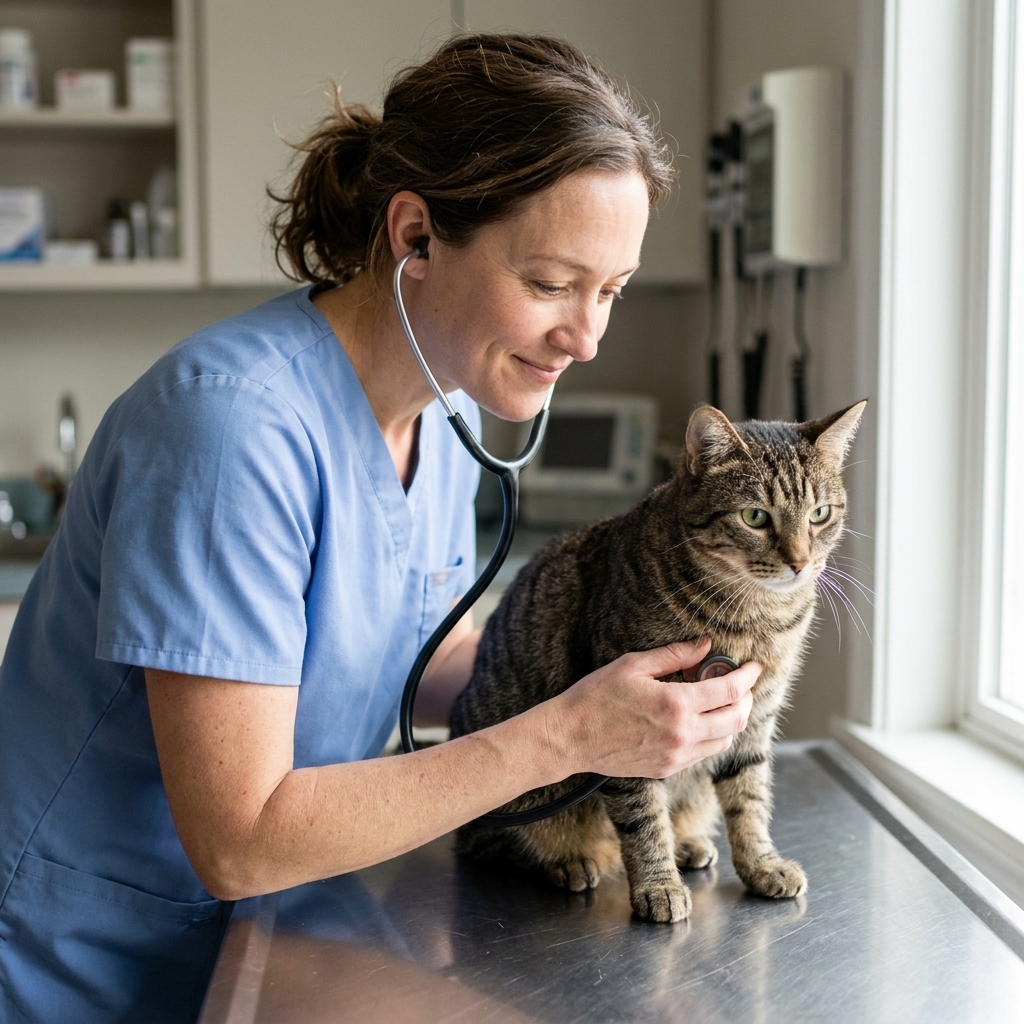
Both breeds can live wonderful lives, but they do come with higher-than-average risk for certain conditions. The most important step is choosing a reputable, health-focused source and having a veterinarian you trust.
Brachycephalic airway issues
That adorable flat face can come with narrowed nostrils and airway changes that make breathing noisier or less efficient.
- What you might notice: Snorting, snoring, heat intolerance, getting winded easily.
- Why it matters: Cats can overheat faster and may struggle more under stress.
- Ask about: Open nostrils, normal activity tolerance, and whether the cat has had episodes of respiratory distress such as open-mouth breathing, blue-tinged gums, or urgent vet visits for breathing trouble.
Eye problems
Chronic tearing is common, but more serious eye issues can also occur.
- Possible concerns: Corneal ulcers, entropion (eyelid rolling inward), frequent conjunctivitis.
- Ask about: Veterinary eye exams, history of ulcers, and whether the cat needs routine medication.
Dental crowding and bite issues
Shortened facial bones can mean crowded teeth and a misaligned bite.
- Why it matters: Higher risk of periodontal disease and pain.
- Plan for: Regular dental checks, at-home dental care if your cat tolerates it, and possible professional cleanings.
Polycystic kidney disease (PKD)
PKD has historically been a significant concern in Persian lines and can appear in related breeds. In many regions, prevalence has dropped because responsible breeders screen for it, but it is still worth asking about.
- Ask about: PKD DNA testing in breeding cats, and any family history of kidney disease.
- Plan for: Routine wellness labs as recommended by your veterinarian, especially as your cat ages.
Skin and coat related issues (more common in Persians)
Heavy coat plus skin folds can increase the risk of irritation if grooming slips.
- Watch for: Dandruff, greasy coat, hidden mats, red or moist skin under tangles.
- Plan for: A grooming routine your cat tolerates, and a groomer who is gentle and cat-experienced.
A gentle but important reality check: If you are choosing a breeder, look for one who prioritizes health and functional anatomy over extreme flat faces. Ask to see health testing documentation, and be wary of anyone who dismisses breathing or eye issues as “normal for the breed.”
Budgeting and long-term costs
The costs that tend to surprise people are not toys or fancy beds. It is dentistry, recurring eye care, diagnostics for chronic sneezing or breathing noise, and in severe cases, specialty procedures. If you are stretching to afford the cat itself, these may not be the right breeds to gamble on.
Pet insurance can be a real stress reducer for brachycephalic breeds, especially if you enroll when the cat is young. If insurance is not a fit, a dedicated savings fund for veterinary care accomplishes the same goal.
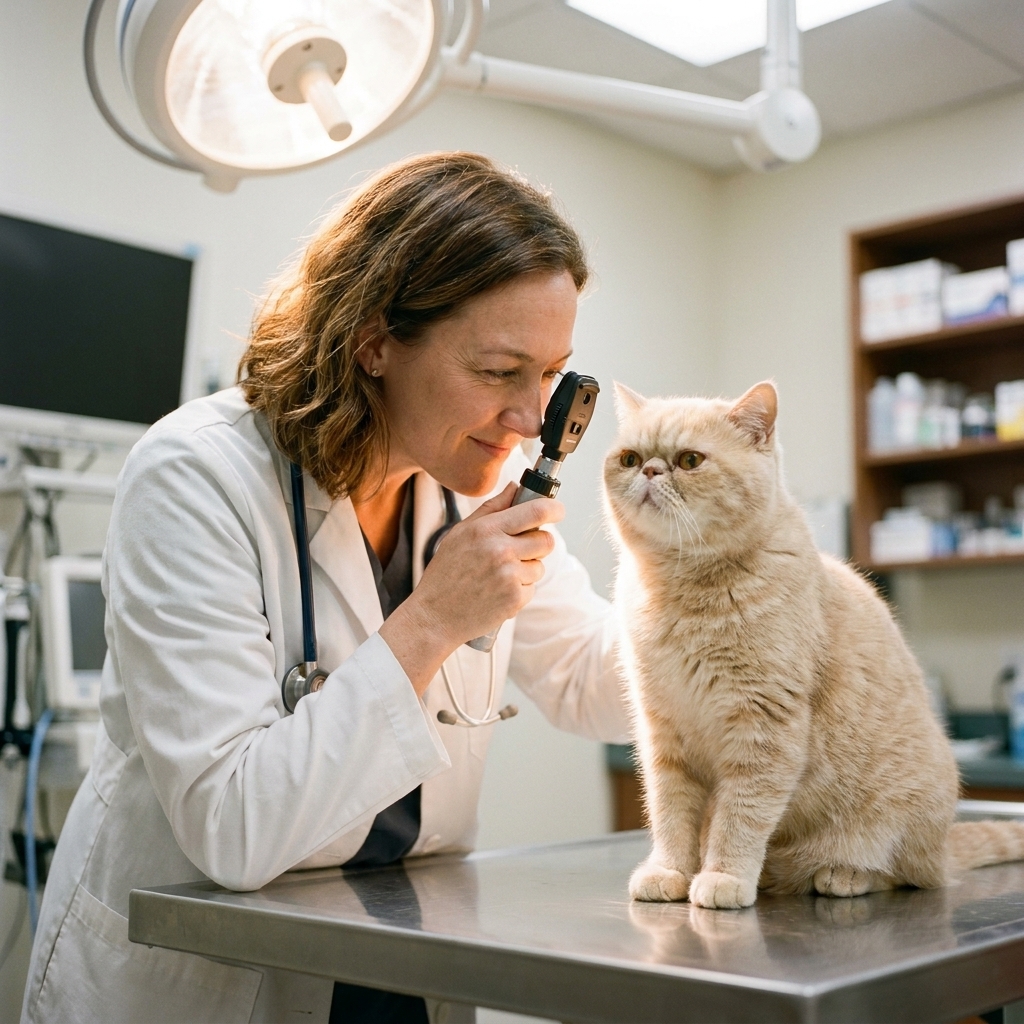
Which breed fits your lifestyle?
Choose a Persian if…
- You genuinely enjoy grooming, or you are committed to near-daily combing.
- You want a quiet, low-key companion who thrives in a calm home.
- You have the time and budget for coat upkeep plus routine veterinary monitoring.
- You are okay doing regular eye and face cleaning.
Choose an Exotic Shorthair if…
- You want the Persian-like personality with less coat maintenance.
- You prefer a cat who may be a touch more playful without being high-energy.
- You can commit to weekly grooming and ongoing face care.
- You want a simpler daily routine, while still respecting the breed’s health needs.
Consider neither (and that is okay) if…
- You travel often or work long hours with limited pet care support.
- Daily face wiping or frequent vet visits would be stressful or unrealistic.
- You live in a very hot climate without reliable cooling, and you cannot manage heat risk carefully.
Care tips
Make grooming feel safe
- Keep sessions short: 1 to 3 minutes, then treat and stop. Build up slowly.
- Pair with a predictable spot: A towel on a table, a favorite blanket, or your lap.
- Use the right tools: Many long-coated cats do well with a metal comb for the undercoat and a gentle brush for finishing. If you are unsure, ask your groomer to demonstrate.
- Check friction zones: Armpits, collar area, behind ears, and the belly.
Prevent tear-stain irritation
- Wipe gently once daily if needed, and dry the area so skin is not left damp.
- Trim hair around the eyes only if you are trained or your groomer or vet can help. Scissors near eyes are risky.
- If discharge becomes thick, yellow, green, or smelly, schedule a vet appointment.
Keep them cool and calm
- Provide cool resting spots, fans, and air conditioning during heat waves.
- Use low-dust litter if your cat is sneezy or sensitive.
- Avoid intense play in hot parts of the day, especially for cats who snore or breathe noisily.
FAQ
Are Exotic Shorthairs healthier than Persians?
Not automatically. Exotics and Persians share many of the same brachycephalic risks. Exotics may have fewer coat-related issues (like severe matting and hygiene challenges), but they can still have breathing, eye, and dental concerns. Health depends heavily on genetics, responsible breeding, and ongoing care.
Do Persians really need daily grooming?
Many do best with near-daily combing to the skin, plus regular check-ins of high-mat areas. Some families can maintain a Persian with very frequent grooming plus periodic professional appointments, but if your cat mats easily or dislikes handling, skipping days can snowball fast.
Do Exotic Shorthairs shed a lot?
They can. Their coat is thick and plush, so shedding can feel surprisingly intense during seasonal changes. Weekly brushing, and more during heavy sheds, helps a lot.
Are flat-faced cats always miserable?
No. Many live happy, comfortable lives, especially when bred responsibly and supported with good veterinary care. The key is being honest about the increased risk of breathing and eye issues, and choosing cats with more functional anatomy whenever possible.
The bottom line
If your dream cat is a serene, plush companion and you do not mind frequent coat work, a Persian can be a wonderful match. If you want that same sweet, cuddly energy with a more manageable grooming routine, the Exotic Shorthair is often the practical choice.
Whichever you choose, plan for routine face care, proactive vet checkups, and a home setup that supports easy breathing and low stress. Your future self and your future cat will thank you.