Start with local shelters, clinics and established referral services when you need help with cat food or vet bills.
Start with organizations that already verify need and coordinate services: dial 2-1-1 (a community resource line often operated by United Way affiliates, though coverage and operators vary by location), contact your local municipal animal shelter, and call a high-volume spay and neuter clinic in your region. Then, confirm details using the verification checklist in this guide before you share personal information or show up with your cat.

What verified help looks like
Check that the provider gives a clear address or service area, publishes its rules and offers a way to follow up.
- Clear eligibility rules (ZIP code, income-based, senior status, disability, SNAP participation, etc.)
- Transparent process (what they offer, how often, what to bring)
- Traceable identity (a real address, working phone number, and a website or established social media presence)
- Specific service boundaries (they do not promise to cure everything or approve everyone)
- Privacy-respecting intake (they may ask for proof of residency or ID, but they will not pressure you for passwords, gift cards, or strange payments)
Fast starting points
1) Call 2-1-1 for local leads
If you are on a fixed income, many pet support programs are connected to broader community assistance. A 2-1-1 operator may be able to point you to local pet food pantries, low-cost vaccine events, or nonprofits that help seniors and disabled residents with pet care.
In some areas, they may also know about short-term pet help during a hospitalization or housing disruption, but availability varies widely.
Tip: Ask for “pet food pantry,” “low-cost veterinary clinic,” “spay and neuter assistance,” and “temporary pet foster” resources in your ZIP code.
If 2-1-1 is not available where you live, pivot to your local shelter, your county or city health department, or even your public library’s information desk. Libraries are underrated connectors for local services, and they often know which organizations are active and legitimate.
2) Your municipal shelter or animal control
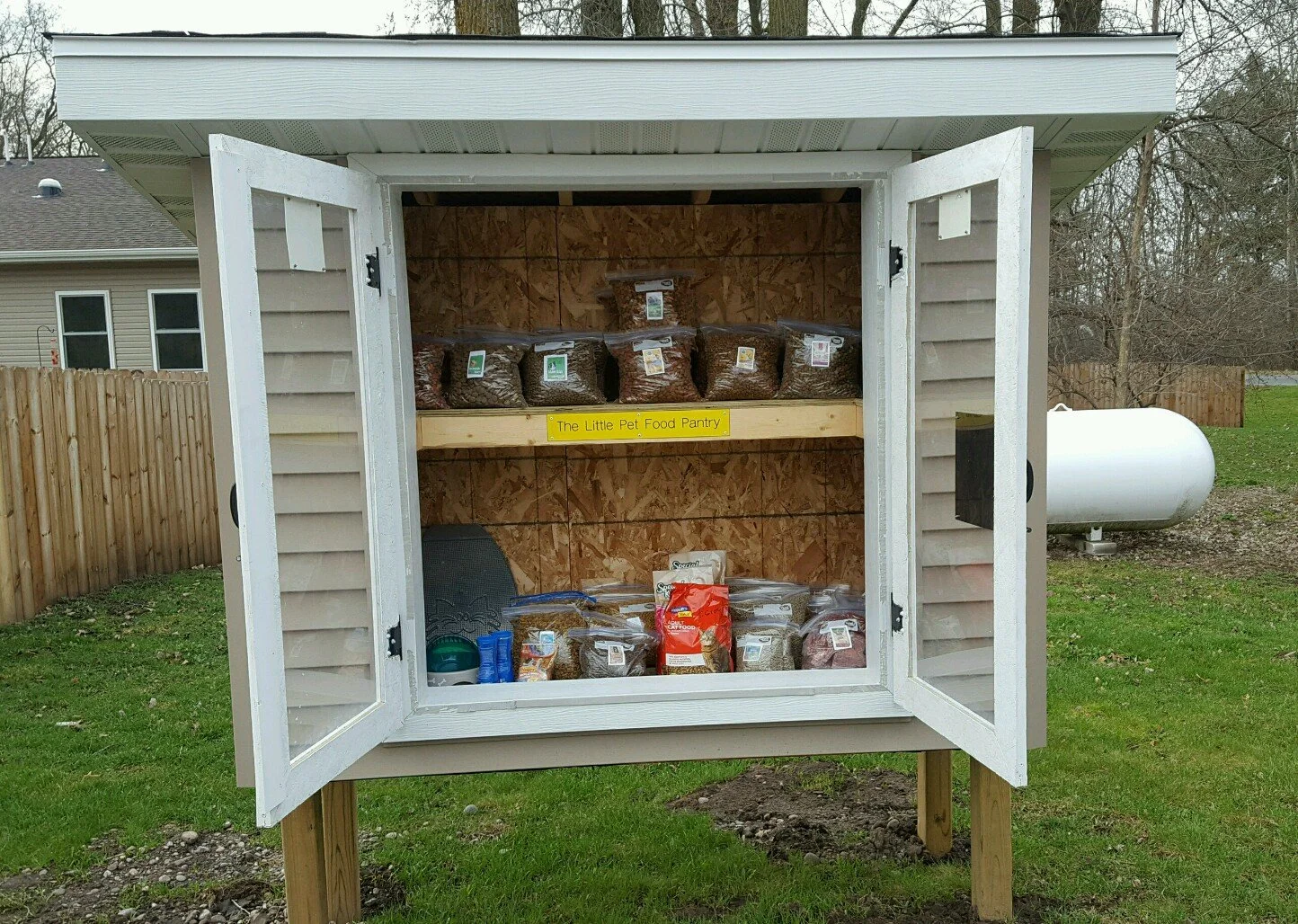
This surprises people, but shelters often have the clearest view of what is actually operating locally. They coordinate transfers, voucher programs, and public health clinics, and they usually know which groups are established and active right now.
Even when a shelter is stretched thin, the front desk can often tell you who is currently doing low-cost vaccines, who has spay and neuter openings, and which food pantry days are reliable.
3) Humane societies and rescue coalitions
Look for organizations with a long local history and partnerships. In many areas, rescue coalitions coordinate transport, foster networks, and assistance funds. These groups tend to screen partner programs and will tell you plainly if something sounds off.
If you are looking for a credible directory, your state or local veterinary medical association may also list member clinics or point you toward community programs. It is not a guarantee of financial aid, but it can help you find real, accountable veterinary care.
4) High-volume spay and neuter clinics
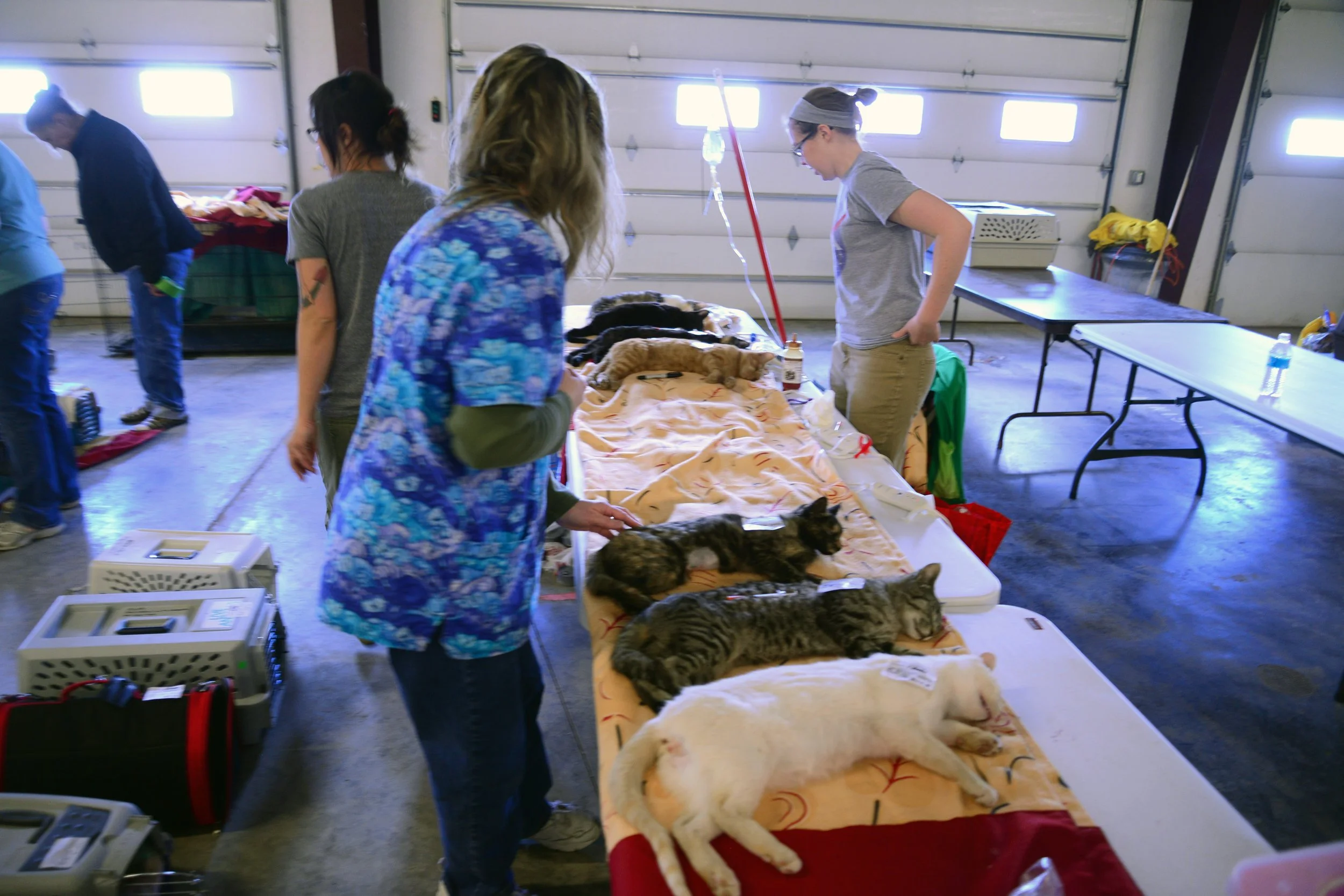
Even if your immediate need is not surgery, high-volume clinics often know the local ecosystem of support: vaccine clinics, voucher programs, and community cat resources for stray or outdoor cats.
Types of help to ask for
Different programs solve different problems. Getting specific up front saves you time, gas, and stress.
Pet food and litter
Pet food pantries can be lifesavers, especially when a tight month hits. Some offer litter, too, but not always.
- Ask: “Do you have cat food and litter, or only dog supplies?”
- Ask: “Is it first come, first served, or do I need an appointment?”
- Ask: “How often can I come back?”
Nutrition note: If your cat has a sensitive stomach, ask whether they can provide the same brand repeatedly. If not, do the slowest transition you realistically can with the food you have. A sudden swap can trigger vomiting or diarrhea, which is the last thing you need on a tight budget.
Low-cost wellness care
Look for vaccine clinics, wellness days, and nonprofit clinics. These are best for routine care and early problem checks, not emergencies.
- Ask: “What is the exam fee and what does it include?”
- Ask: “Can you give an estimate range before I come in?”
- Ask: “Do you offer payment at time of service only?”
Spay and neuter
Spay and neuter prevents costly medical and behavior issues down the line and reduces the risk of certain cancers. Many areas have vouchers or sliding-scale pricing.
- Ask: “What vaccines are required before surgery?”
- Ask: “Is pain medication included in the price?”
- Ask: “Do you require a deposit, and if so, how is it paid?”
Short-term foster during a crisis
This is one of the most underused options. If you are hospitalized, facing short-term housing disruption, or fleeing an unsafe situation, some programs can place your cat in a temporary foster home. Not every community has this, but when it exists, it can keep families together.
- Ask: “How long can you hold a pet?”
- Ask: “Do you provide food and medical care while my cat is in foster?”
- Ask: “What paperwork do you need so we can reunite?”
If you are in immediate danger, prioritize your safety first. Many communities have domestic violence resources that coordinate pet-safe housing or confidential fostering, but availability varies by region.
How to verify a program
When you are stressed, it is easy to latch onto the first “help available” post you see. Take two minutes to run this check, especially with social media offers.
Green flags
- They can explain the process clearly without getting defensive.
- They have a physical address (clinic, shelter, community center, or partner site).
- They provide written details like a flyer, web page, or intake form.
- They accept normal payment types if there is a fee (card, cash, clinic invoice).
- They can be cross-verified by another local organization (shelter, library, senior center, 2-1-1, established rescue).
Red flags
- They insist on gift cards, wire transfers, or crypto, or use “deposit now or lose your spot” pressure.
- They refuse to share an address or only want to meet in a random parking lot to exchange money.
- They promise a “guaranteed cure” or claim vets are “hiding the real treatment.”
- They ask for overly sensitive info (bank login, full Social Security number) for a simple food pickup.
- Their page is brand new, comments are limited, or they delete polite questions about eligibility and location.
Also be cautious about “free meds” from strangers online. Expired, incorrectly stored, or counterfeit medications can do real harm. For prescriptions, stick with a veterinary clinic, a reputable pharmacy, or a well-known assistance program that can explain where the medication comes from and how it is handled.
If something feels off, trust that instinct. It is okay to hang up, stop replying, and pivot to the slower but safer route through shelters, established nonprofits, or 2-1-1.
What to prepare
Programs often run on limited staff and donated supplies. Being prepared improves your odds of getting help on the first try.
Have ready
- Proof of residency (a piece of mail, lease, or ID with current address)
- Basic info about your cat (age estimate, spay or neuter status, vaccine history if known)
- Any medical records you have, even if they are old
- A sturdy carrier for clinic visits (a pillowcase in a pinch can help safely contain a cat inside a carrier, but avoid transporting a cat loose in a car)
- Your budget limit stated plainly (for example, “I can do $40 today, what can we prioritize?”)
A simple phone script
Example: “Hi, I am calling because I am on a fixed income and I need help with cat food and a low-cost vaccine appointment. I live in ZIP code 12345. Can you tell me what programs you have, what I need to bring, and when the next openings are?”
Clear, calm, and specific beats apologizing a dozen times. You are advocating for your cat. That is a good thing.
Stretching supplies safely
Ask a vet or pet food pantry for help before cutting your cat’s portions or switching foods abruptly, especially if your cat has a medical condition.
Do
- Transition gradually when switching foods when you can. Four to seven days is a common target, but the right pace depends on the cat and what food is available.
- Measure portions using a standard measuring cup to avoid accidental overfeeding or underfeeding.
- Add water to wet food for hydration support, especially for cats prone to urinary issues.
- Ask pantries for smaller bags if available, so you can rotate less and keep food fresher.
Avoid
- Food deprivation or fasting as a cost-saving strategy. Cats can get very sick when they do not eat, and overweight cats are at particular risk.
- Skipping veterinary care when there are red flags like straining to urinate, repeated vomiting, labored breathing, or sudden hiding and pain signals.
- Using human medications unless a veterinarian has explicitly instructed you. Many are toxic to cats.
If your cat is not eating, is lethargic, or seems painful, that is beyond everyday cost-saving. Call a veterinary clinic and describe symptoms. As a practical rule, many vets want to know if a cat has eaten nothing for about 24 hours, sooner for kittens or cats that already seem unwell.
Behavior basics
Financial stress and cat stress love to team up. A cat who is peeing outside the box, shredding furniture, or yowling at night is often communicating unmet needs, discomfort, or anxiety. Before you spend money you do not have on random products, start with the basics.
Low-cost behavior triage
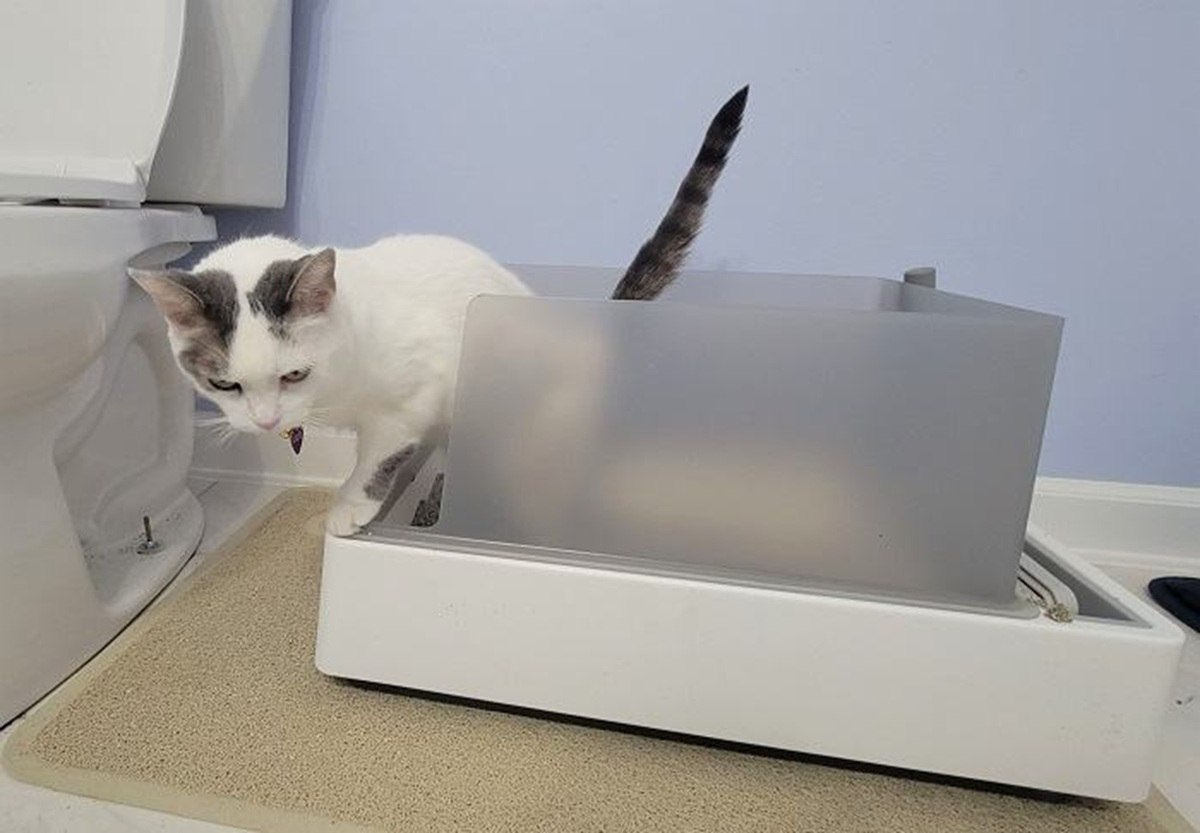
- Litter box math: aim for one box per cat, plus one extra, if your space allows.
- Keep it easy: uncovered boxes and unscented litter work for many cats.
- Clean smart: scoop daily if possible and wash boxes with mild soap, not harsh fragrance cleaners.
- Build routines: short play sessions and calm wind-down cues before bedtime.
- Reward-based handling: use treats, praise, and breaks. Avoid punishment. It often increases fear and makes the problem worse.
If litter box issues begin suddenly, treat it like a medical question first. Urinary tract problems can look like behavior, and they can become emergencies quickly.
When you need vet care now
Many clinics will not be able to discount heavily, but you still have options that are worth asking about.
- Ask about essential care first planning: what is the minimum they need to do today to stabilize or diagnose safely.
- Ask if they have a hardship fund or know of local assistance nonprofits.
- Request an itemized estimate and ask what can be deferred safely.
- Consider nonprofit clinics even if it means a longer drive, as long as it is safe for your cat and situation.
Clinic fees and aid policies vary. Call directly to ask what is available and what information the clinic needs.
FAQ
Is it safe to accept free pet food from strangers online?
Sometimes, but verify. Prefer pickups hosted through established pantries or rescue groups. If you do accept a peer-to-peer offer, avoid sharing sensitive info, meet in a safe public place, and do not accept opened bags or expired food.
How do I prove need without feeling embarrassed?
You can keep it factual. Programs may ask for proof of residency or participation in benefits. That paperwork is about fairness and funding requirements, not judgment. You are doing what you need to do to care for your cat.
What if I do not have transportation?
Ask shelters and rescues if they have volunteer transport options for medical appointments. Some communities do, some do not, but it is worth asking. If you are homebound, also ask senior centers or disability resource offices about local volunteer ride programs that may allow pets in carriers.
Can I feed less to make food last longer?
It is safer to plan a measured, appropriate portion than to guess smaller amounts. If you are running out, reach out for food support early. Cats who stop eating or eat far too little can get sick quickly. A veterinarian can help you decide what an appropriate minimum intake is for your specific cat.
A gentle closing
Look for help early, so you have time to confirm eligibility, stock and appointment availability.
If you take one thing from this article, let it be this: asking for verified local help is responsible pet ownership. Start with 2-1-1, your local shelter, and established nonprofit clinics, and use the checklist here to keep yourself and your cat safe while you find support.
Make two lists for urgent and routine help
For an urgent illness or injury, call the veterinary clinic or emergency clinic and describe the symptoms. Ask about the likely initial exam cost and whether it has a payment or referral option. A pet food bank cannot take the place of urgent care.
For routine help, check a local shelter’s food pantry, nearby low-cost clinics and any eligibility steps a trusted referral agency lists. Keep clinic costs separate from food costs in the household budget. Confirm service areas, appointment rules and current supplies with the provider directly.