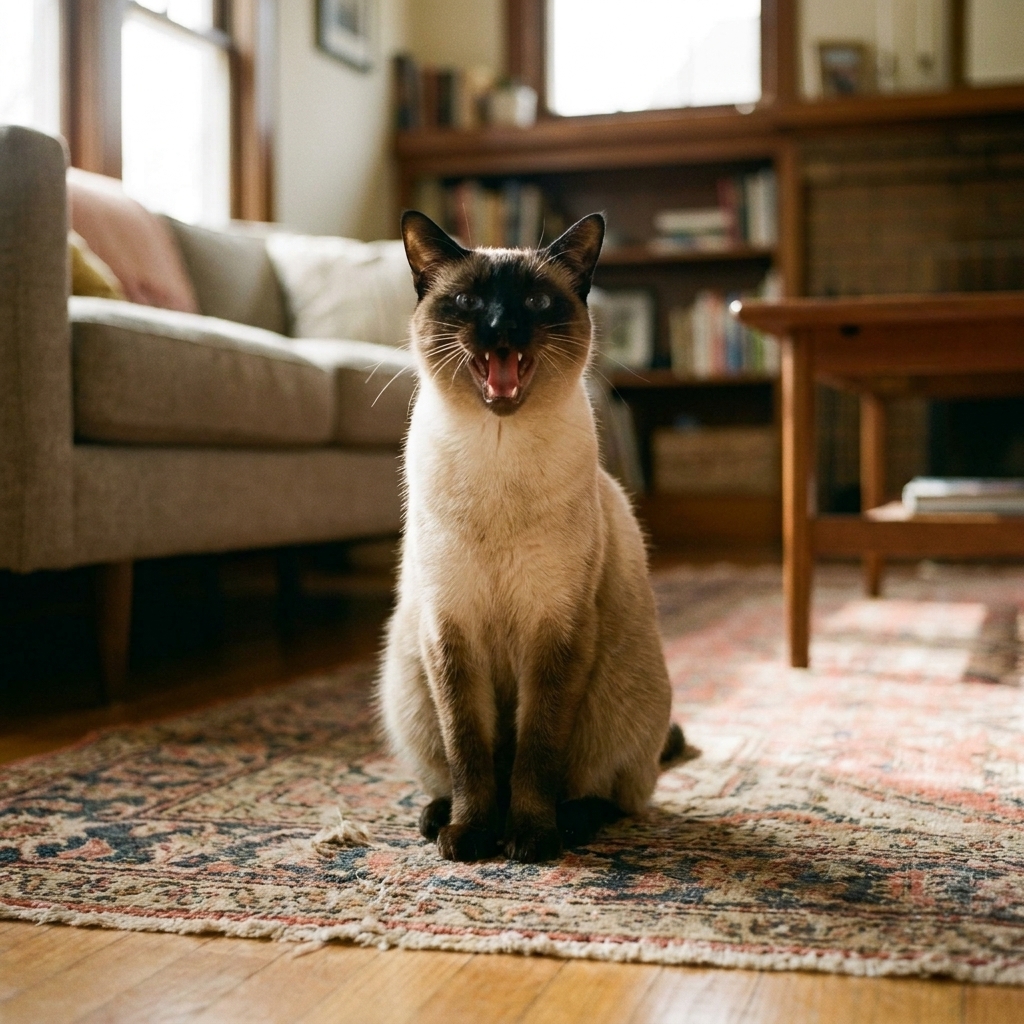
Siamese cats do not just meow. They commentate. If you share your home with a Siamese, you have probably heard everything from sweet little chirps to a dramatic, room-filling yowl that sounds like your cat is narrating a soap opera.
As someone who has worked with a lot of “unadoptable” cats in rescue and lives with my own very opinionated Siamese, Clementine, I can tell you this is one of the biggest reasons Siamese end up misunderstood. Their vocalizing is rarely “bad behavior.” It is communication. Your job is to figure out what they are trying to say, then teach them what gets your attention and what does not.
Why Siamese cats are so vocal
Some cats are naturally quiet. Siamese are not. Their talkativeness is a classic breed trait, shaped by genetics and reinforced by how strongly they bond with people.
In plain terms, many Siamese cats are:
- People-focused: They seek interaction the way a social dog might.
- Intelligent and persistent: If a behavior works once, they will repeat it and refine it.
- Emotionally expressive: Excitement, frustration, boredom, and anxiety often come out as sound.
That means you are not imagining it when it feels like your Siamese has “different meows for different things.” Many do.
Kittens vs adults
Siamese can be especially noisy during life transitions. Kittens and adolescents often “practice” demand behaviors, and newly adopted cats may vocalize more while they adjust to a new routine. With consistency, most settle down significantly as they learn what to expect from you and the household.
Yowl vs meow
Not all vocalizations are created equal. A normal meow is often a simple request. A yowl is usually louder, longer, and more intense. It is the cat version of turning the volume knob all the way up.
Common reasons for Siamese yowling
- Attention and social needs: “Talk to me. Play with me. Acknowledge my existence.”
- Hunger or food routine frustration: Siamese are very schedule-aware.
- Boredom and under-stimulation: A bright cat with nothing to do will invent a job, like vocal protest.
- Stress or change: New home, new pet, travel, visitors, renovations, moving furniture.
- Heat cycles: Unspayed females can yowl intensely when in heat.
- Territorial triggers: Another cat outside, neighborhood animals, seeing “intruders” through windows.
- Discomfort or pain: Dental pain, arthritis, lower urinary tract discomfort, gastrointestinal upset, and more can change vocal behavior.
- Cognitive changes in seniors: Older cats may yowl more, especially at night, due to disorientation or anxiety.
One important nuance: Siamese can sound upset when they are not. Their voice is naturally bold and sometimes raspy. So instead of judging the volume alone, look at the whole cat.
Body language cues
If you want to decode the meow, start with the body attached to it. These quick signals can help you narrow down the “why.”
Signs your Siamese wants interaction
- Tail up, approaching you, rubbing, weaving around legs
- Direct eye contact, slow blinks
- Bringing a toy or flopping nearby
Signs your Siamese is stressed
- Ears angled sideways or back
- Tail flicking sharply or tucked
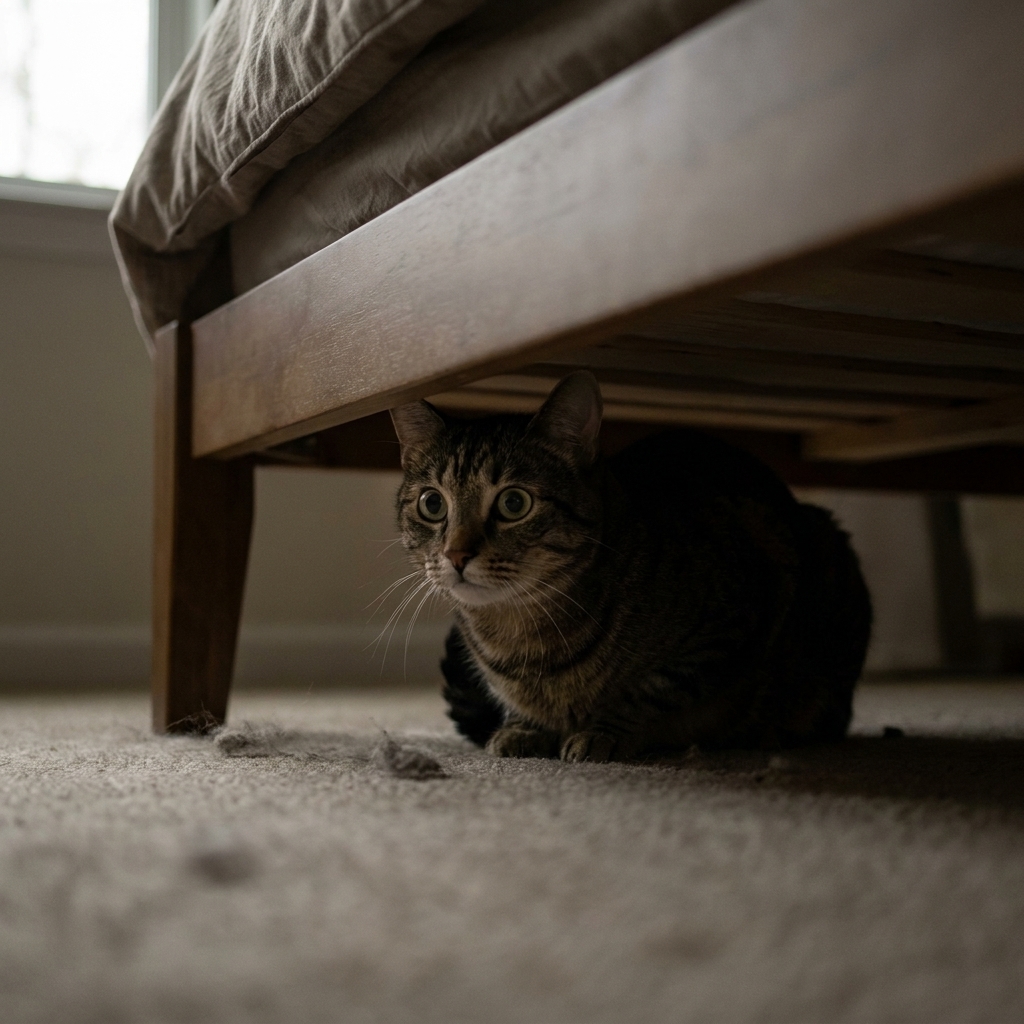
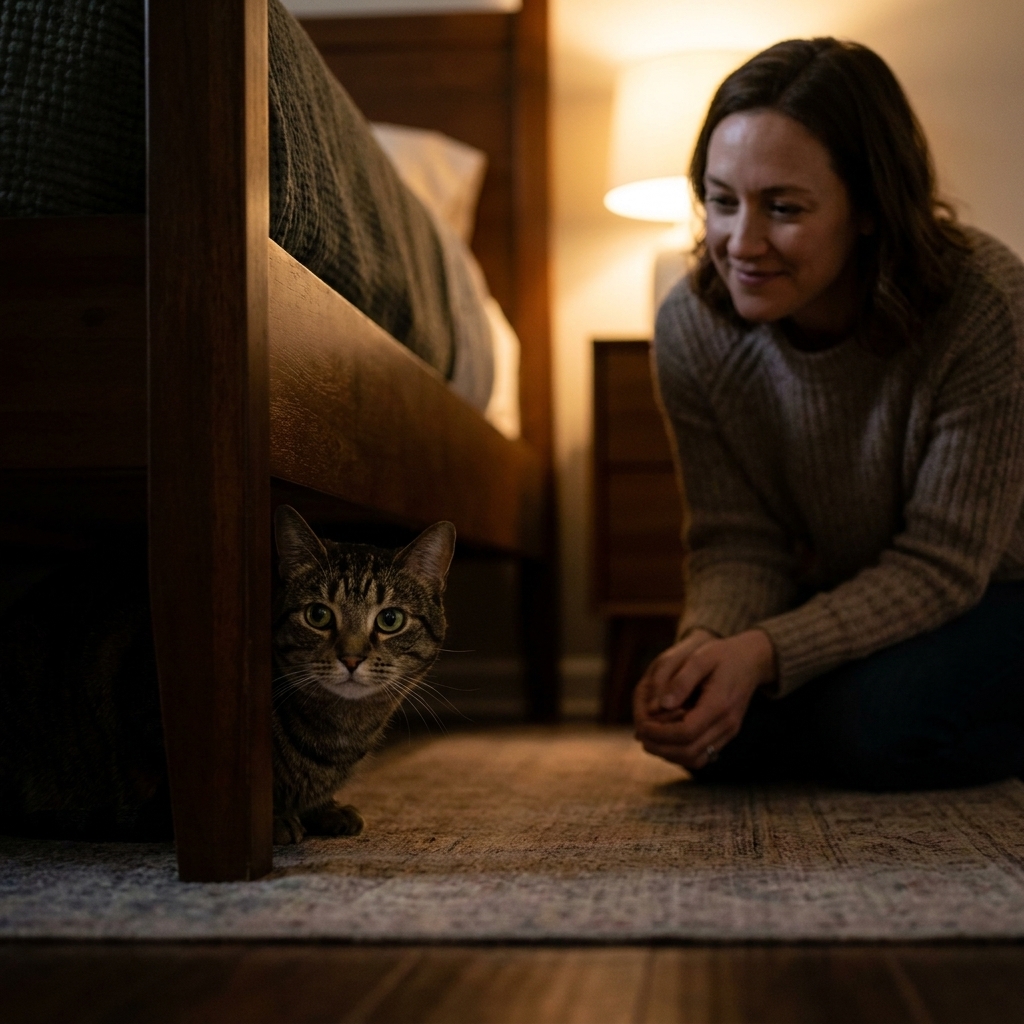
- Crouched body, hiding, wide eyes
- Vocalizing near doors, windows, or under furniture
Signs to consider pain or illness
- Sudden increase in yowling without an obvious trigger
- Meowing when jumping, using stairs, or being touched
- Changes in litter box habits, appetite, or grooming
- Hiding more than usual or seeming “not themselves”
If your gut says “this is different,” trust that. You know your cat’s normal.
Rule out medical causes
Because Siamese are naturally chatty, it is easy to assume loud vocalizing is just personality. But a noticeable change deserves a quick health check, especially if your cat is:
- Yowling at night when they did not before
- Acting clingier or more irritable than usual
- Vocalizing around the litter box
- Eating less or more, or losing weight
Common culprits I see in rescue and behavior consults include dental disease, feline lower urinary tract disease (FLUTD), constipation, arthritis, hyperthyroidism in older cats, and gastrointestinal discomfort.
Red flags to call a vet
- Straining in the litter box, frequent trips, or crying while urinating
- Blood in urine, vomiting, or not eating for a day
- Sudden weight loss, increased thirst, or a dramatic behavior shift
- Hiding plus pain signals when touched
If your cat is intact, spaying or neutering can dramatically reduce vocalizing tied to heat cycles, roaming, and sexual behaviors, and it protects long-term health. It will not fix every cause of yowling, but for hormonally driven noise it is often a game-changer.
Reduce meowing kindly
The goal is not to silence your cat. The goal is to teach a more peaceful way to communicate, and to make sure their needs are actually being met.
1) Do not reward the yowl
If your Siamese yowls and you immediately feed them, pick them up, or start a game, they learn: yowl equals results.
Instead:
- Wait for a pause in the vocalizing, even one second.
- Then respond with attention, food, or play.
- Be consistent. Intermittent rewards can create very persistent habits, like slot machines.
This is hard at first. Expect a temporary increase called an “extinction burst,” where your cat gets louder because the old strategy is not working. Stay calm and hold the line.
2) Teach a quieter ask
I love giving chatty cats a replacement behavior that still lets them communicate. You can reward:
- A quiet sit
- A nose touch to your hand
- Going to a mat
- Gentle chirps instead of long yowls
Start easy. When your cat approaches and is quiet for a beat, say a cheerful marker word like “yes,” then deliver a treat. Over time, that quiet moment becomes the behavior they offer to “ask nicely.”
3) Schedule play like it matters
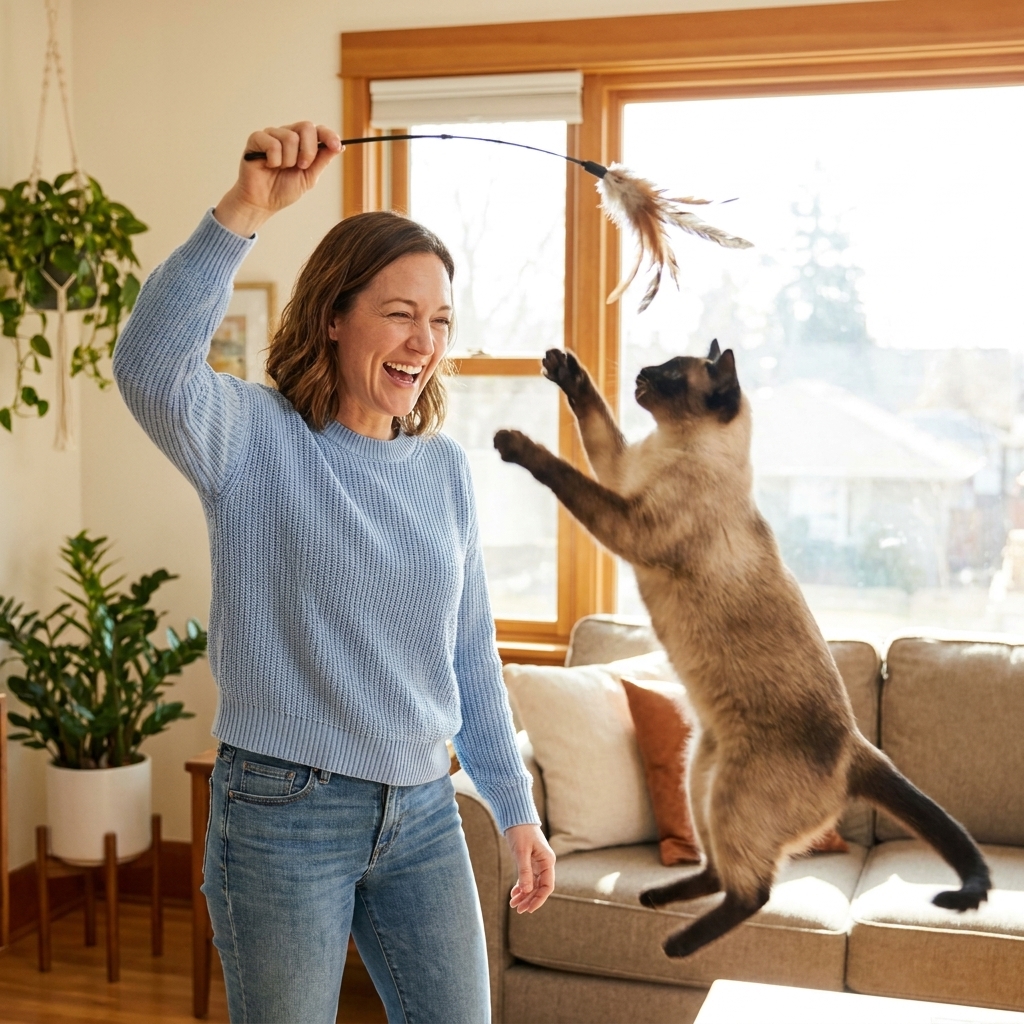
Many Siamese yowl because they are underplayed, not underfed. Aim for two to four short sessions daily.
- Use wand toys to mimic prey movement.
- Let your cat catch the toy at the end to prevent frustration.
- Finish with a small snack or meal to complete the hunt cycle.
Enrichment that helps
Think of vocalizing as energy needing an outlet. The more appropriate outlets you provide, the less your cat has to yell about.
Food puzzles
- Use puzzle feeders for part of daily meals.
- Hide small portions in several locations to encourage “hunting.”
- Rotate puzzles to keep them interesting.
Vertical space
- Add a tall cat tree, wall shelves, or a window perch.
- Provide at least one quiet, elevated resting spot.
Window management
If your Siamese yowls at the window, the view may be exciting or stressful.
- If it is overstimulating, use frosted window film on the lower half or close blinds during peak times.
- If it is enriching, add a perch and a bird feeder outside the window, placed safely away from glass to reduce frantic behavior.
Social needs
Siamese often struggle with long stretches of solitude. If you are gone a lot, consider:
- Hiring a cat sitter for a midday play session
- Enrichment toys that dispense treats on a timer
- In some cases, a compatible feline companion, introduced slowly and thoughtfully
Separation anxiety tip
If you suspect separation anxiety, do not wait until you are desperate. Start with predictable routines, enrich the environment before you leave, and practice short, calm departures that slowly build duration. For true separation anxiety, a vet and a qualified behavior professional can make a huge difference, and in some cases medication support is appropriate.
Night yowling
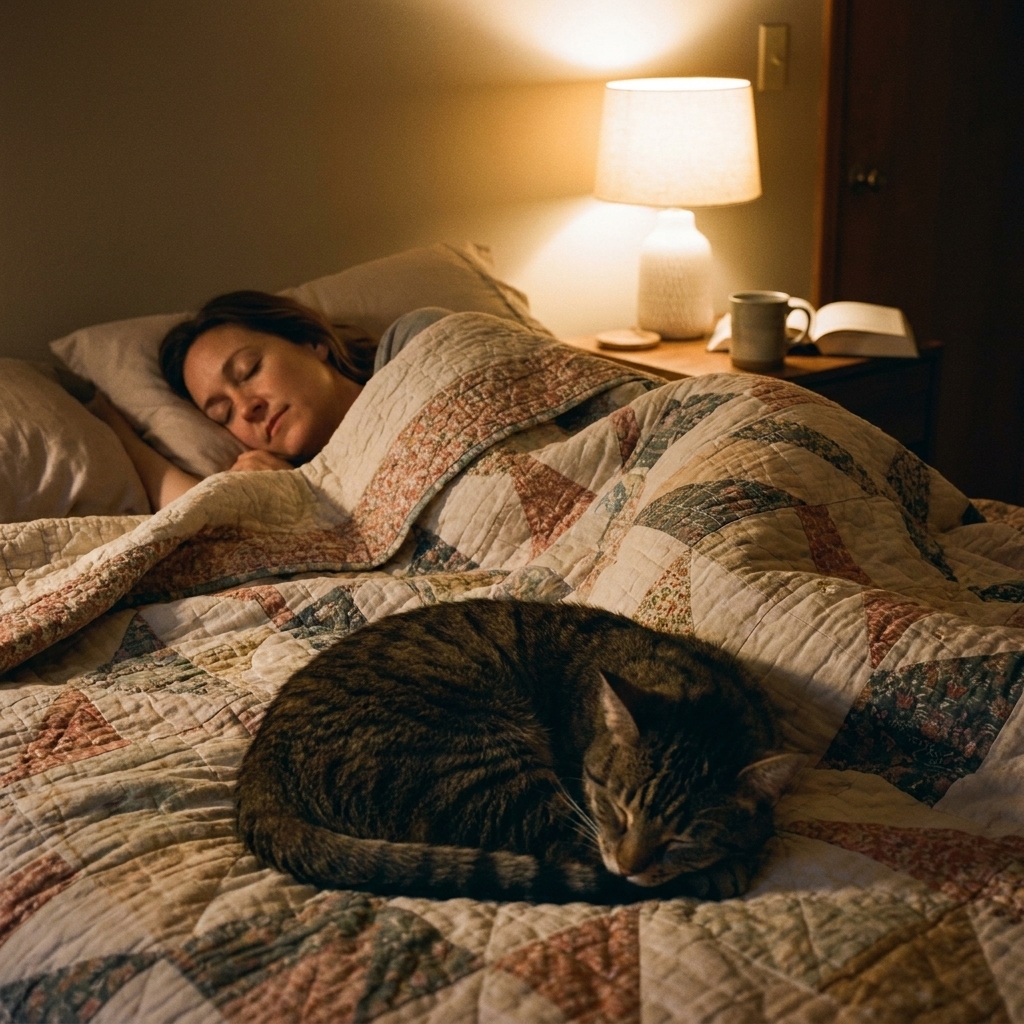
If your Siamese saves their best opera performance for 2 a.m., you are not alone. Here is what tends to work.
Try a bedtime routine
A simple “hunt, eat, groom, sleep” rhythm often helps cats settle overnight.
- Play for 10 to 15 minutes
- Offer a meal or a substantial snack
- Set up a cozy sleep area
Avoid midnight negotiations
If you get up, talk, or feed your cat when they yowl, you may accidentally train them to wake you up. If medical causes are ruled out, respond only when they are quiet, and keep nighttime responses boring and brief.
Decide on bedroom access
Some Siamese settle better if they can sleep with you. Others do better with the door closed, as long as you provide:
- A warm bed outside the bedroom
- Access to water and litter
- A safe toy or two
Pick one plan and be consistent for at least two weeks before deciding it “does not work.”
What not to do
I know how frayed you can feel when you are on day ten of loud meowing. But these tactics often backfire, especially with sensitive, people-bonded breeds like Siamese.
- Do not punish vocalizing by yelling, spraying water, or startling your cat. You may create anxiety, which can increase yowling.
- Do not use bark-style anti-noise devices designed for dogs. They are stressful and not appropriate for cats.
- Avoid reinforcing by accident if your cat finds attention rewarding. For many Siamese, eye contact, talking, or getting up can be the “prize.” If you must respond, wait for one second of quiet and keep it low-key.
When to get help
If you have met the basics and your Siamese is still vocalizing excessively, you deserve support.
Consider a veterinarian visit first, then a qualified feline behavior professional if:
- The yowling is sudden, intense, or paired with behavior changes
- There is aggression, litter box avoidance, or destructive behavior
- You suspect separation anxiety or chronic stress
- You feel stuck in a reinforcement loop and cannot break it
A tailored plan can make a dramatic difference, especially when we identify the specific triggers and what your cat is getting out of the yowl.
FAQ
Are Siamese cats always loud?
Most Siamese are more vocal than average, but “how loud” varies by individual, environment, and routine. A fulfilled Siamese with predictable play and feeding schedules is usually much easier to live with than a bored or stressed one.
Do Siamese get louder with age?
Some do, especially if there are medical issues (like hyperthyroidism or pain) or cognitive changes. Any increase that feels out of character is worth a vet conversation.
Will my Siamese stop yowling if I ignore them?
Ignoring can help if the yowling is attention-seeking, but only if you also teach what does work (quiet sits, touch, going to a mat) and meet their needs for play, enrichment, and routine. Ignoring without enrichment often makes the problem worse.
Is it cruel not to respond when they meow?
It is not cruel to avoid rewarding screaming. What would be cruel is ignoring a cat whose needs are unmet or who may be in pain. The kind middle ground is: meet needs proactively, then respond to calm communication.
The takeaway
Your Siamese is not being “too much.” They are being Siamese. Once you learn what their vocalizing is communicating and you consistently reward calmer ways of asking, the volume usually drops and the bond gets stronger.
And if you are living with a tiny, loud roommate who has Opinions about everything, I see you. Clementine would absolutely approve.