The first time I fostered a litter of bottle babies, I learned that tiny paws have big feelings. Those kittens would “bicycle” their front feet against anything soft: a blanket, their siblings, my hoodie sleeve. Years later, my tortie Clementine still does it with the confidence of a cat who pays rent in vibes, while my orange tabby Waffles looks surprised every time his own paws start making biscuits.
Kneading is one of those behaviors that can look a little odd, feel a little painful (hello, claws), and usually means your cat is comfortable and soothed. It can also show up during stress, excitement, or other big internal moments, so context matters. Here’s what’s going on under those paws, why some cats knead people while others prefer blankets, and when kneading is normal affection versus a sign you should dig a little deeper.
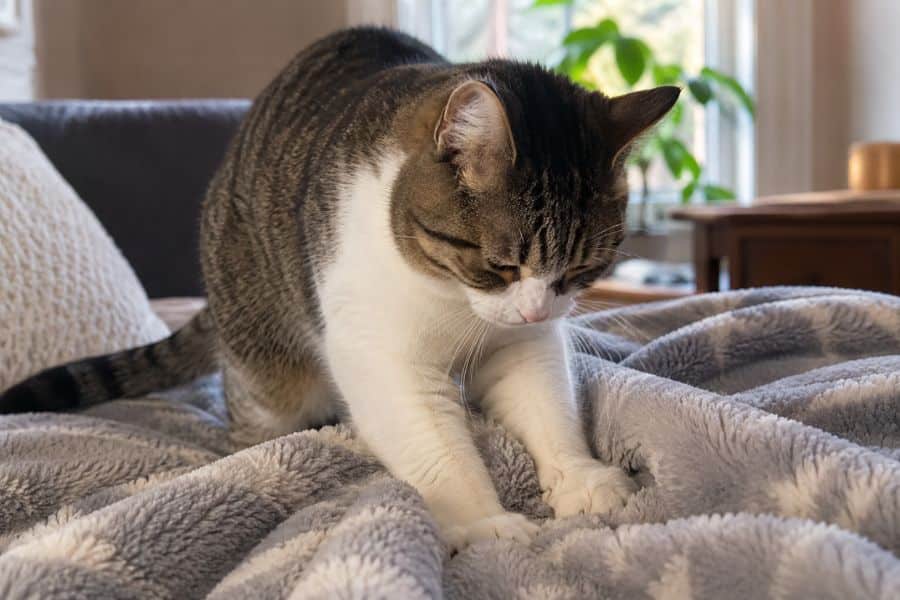
What is kneading?
Kneading is the rhythmic pushing motion cats make with their front paws, alternating left and right. Many cats purr, drool, or get a dreamy expression while they do it. Some keep claws sheathed, and others extend them (which can turn “aww” into “ow”).
You’ll most often see kneading on soft surfaces like blankets, beds, plush cat beds, your stomach, or your thighs. Some cats knead right before they settle in to sleep, while others do it as a greeting ritual.
Why cats knead
1) A leftover nursing reflex from kittenhood
The most common theory is that kneading starts in infancy. Nursing kittens knead their mother’s belly, which is thought to help stimulate milk flow. That motion becomes strongly associated with warmth, fullness, and safety.
Even after weaning, many cats keep the behavior because it’s soothing. Think of it as a self-comfort habit with deep roots: when your adult cat kneads, their nervous system is often trying to return to “I am safe.”
2) Scent marking with the feet
Cats have scent glands in and around their paws. When they knead and especially when they scratch, they can leave behind subtle scent signals that other cats may detect.
So if your cat kneads your blanket, your lap, or your chest, they may be doing a sweetly possessive little ritual: mixing their scent into a favorite resting spot or favorite person.
3) Stress relief and self-soothing
Kneading can also be an emotional reset. Many cats knead when they’re relaxed, but some knead when they’re mildly anxious, overstimulated, or trying to settle after an exciting moment.
That’s why kneading often shows up before sleep. It’s the feline version of fluffing a pillow, taking a breath, and winding down.
Why your cat kneads you
If you’re the chosen dough, it usually means your cat feels secure with you. Your body is warm, it smells like you (their safe social group), and it moves a little, which can mimic the softness and responsiveness kittens experience when nursing.
Common reasons cats knead people include:
- Affection and bonding: many cats knead during cuddle time or when you return home.
- Comfort seeking: cats may knead you when they want reassurance.
- Territory and “this is mine” energy: scent marking can be directed at a favorite human.
One note from my foster-coordinator years: cats also learn what works. If kneading makes you talk softly, pet them, or settle in, the behavior gets reinforced. That’s not manipulative. It’s smart social learning.
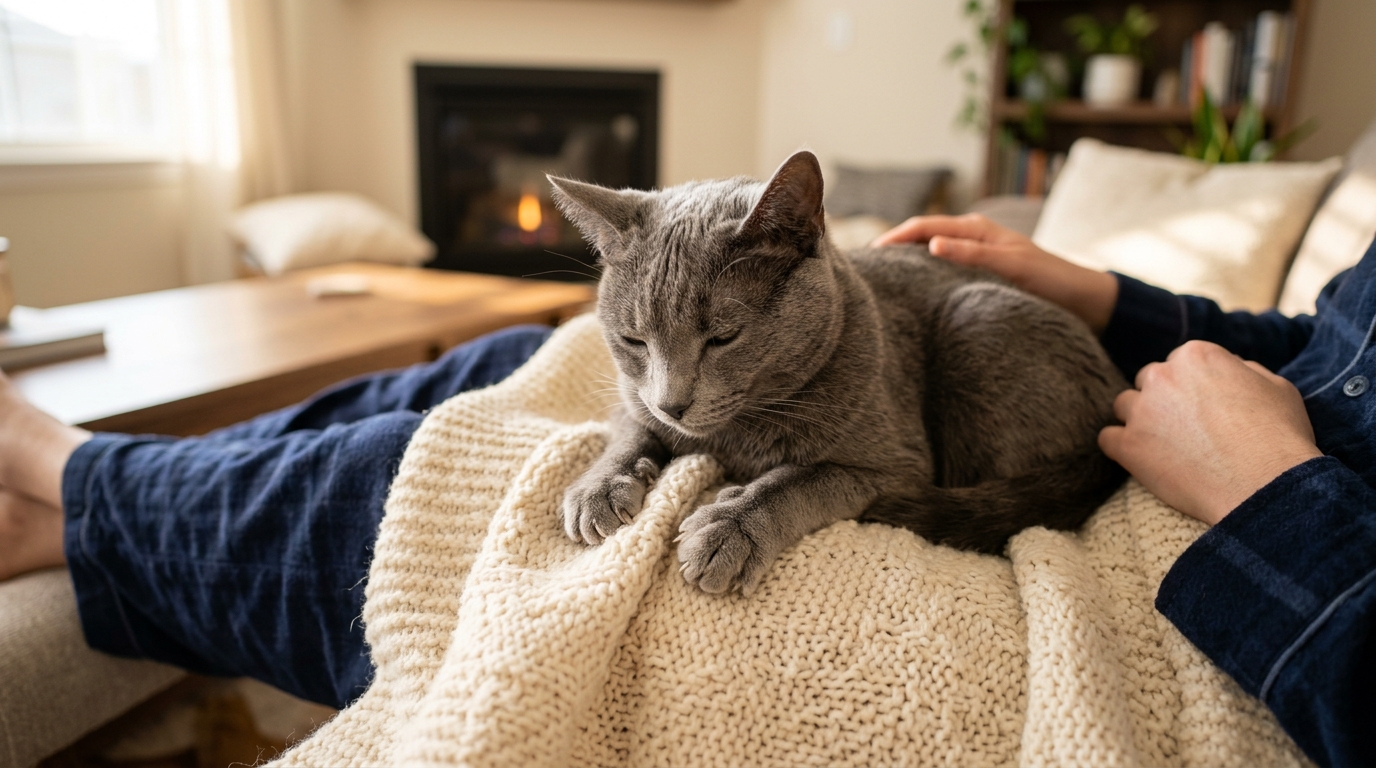
Why cats knead blankets
Kneading fabric is incredibly common and often tied to nesting behavior. Cats may paw at soft material to make a spot feel right before they flop down. Indoors, the blanket is the “nest.”
Your cat might knead blankets when:
- They are preparing to lie down or nap
- The fabric feels similar to their kittenhood bedding
- They’re pairing comfort with scent marking
- They’re decompressing after play, visitors, or household changes
Is kneading always a good sign?
Often, yes. A cat who kneads with relaxed ears, soft eyes, and a loose body is usually feeling safe and content.
That said, any behavior can shift meaning depending on context. Kneading is worth a closer look when it shows up with sudden intensity, new clinginess, hormonal behaviors, or signs your cat isn’t physically comfortable.
When to pay attention
Sudden clinginess or behavior changes
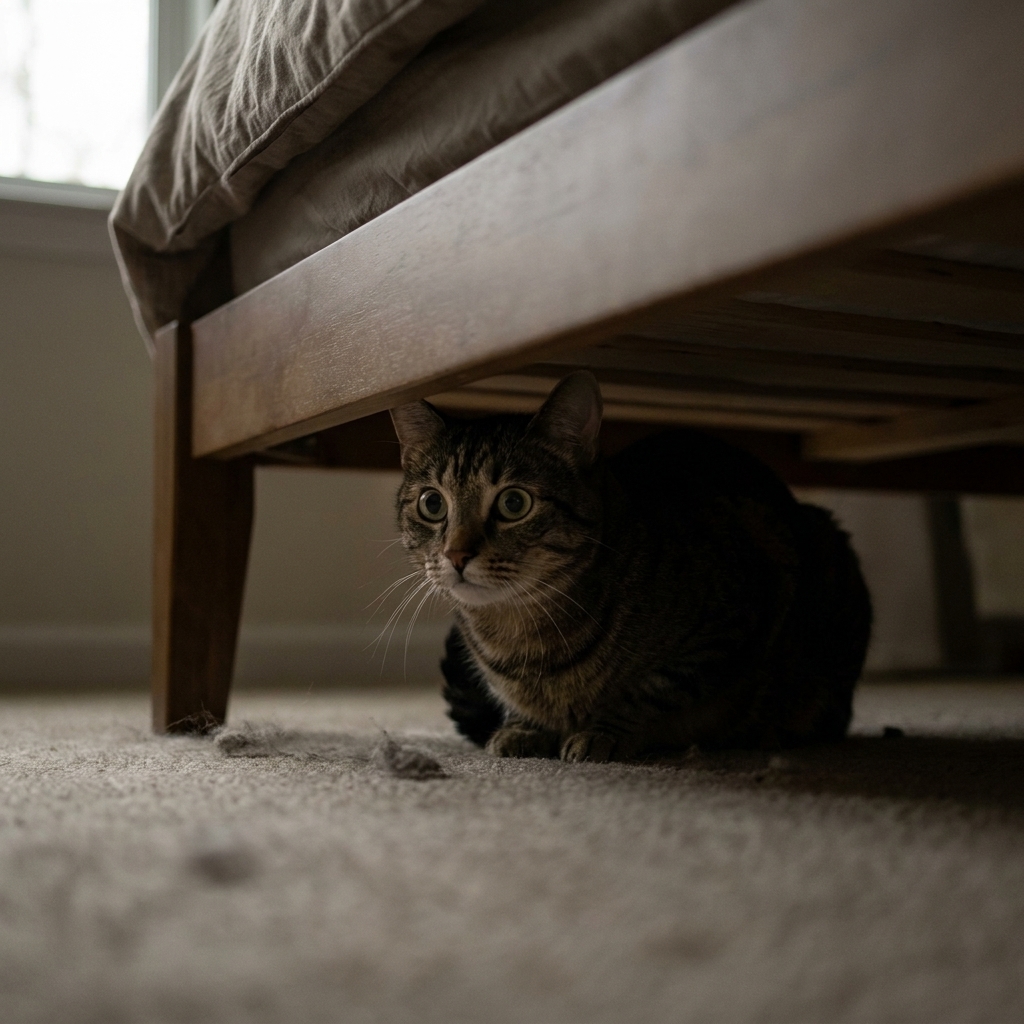
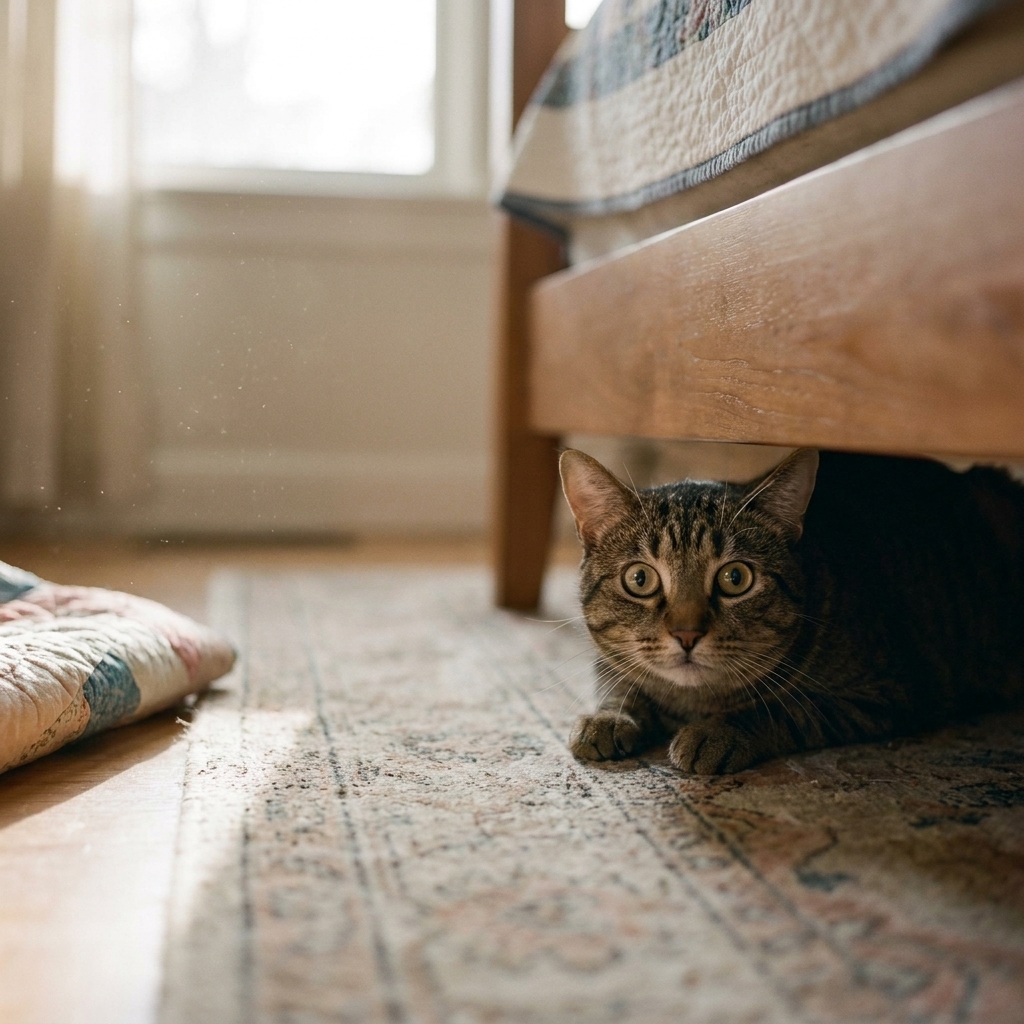
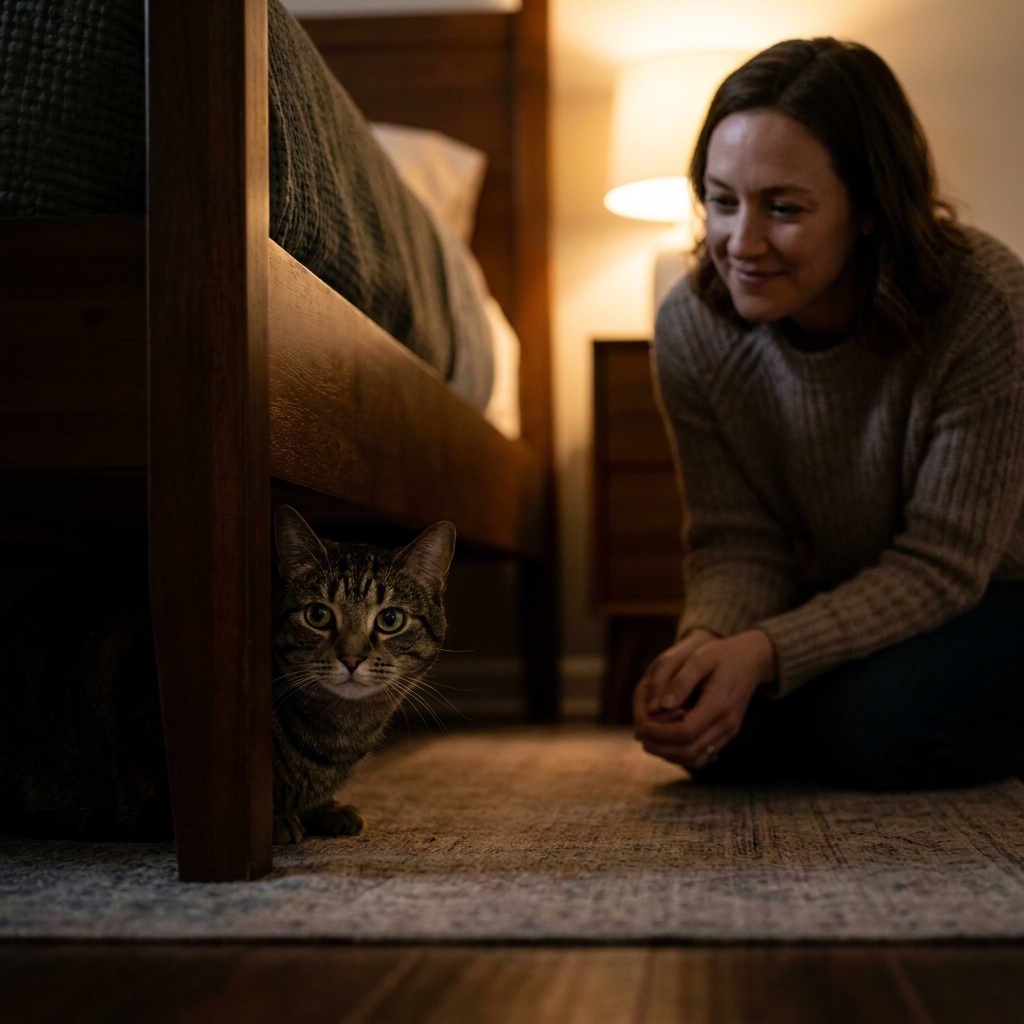
If your cat never used to knead and suddenly starts doing it frequently, especially paired with increased following, vocalizing, hiding, or changes in appetite, treat it as a general “something changed” signal.
Common triggers include:
- Household stress (moves, new pets, schedule shifts)
- Resource tension (not enough litter boxes, resting spots, or quiet space)
- Medical issues that change comfort levels
Kneading that looks frantic
Kneading can be part of a conflicted emotional state. If your cat kneads while their tail is twitching, pupils are very dilated, ears are pinned, or they’re easily startled, they may be overstimulated or stressed rather than cozy.
If you see those signs, end the interaction and give your cat space. Let them reset somewhere quiet.
Possible pain, especially arthritis
Some cats shift behaviors when they hurt. If kneading appears alongside stiffness, reluctance to jump, hiding, decreased grooming, or irritability, pain should be on your radar. Arthritis is common in adult and senior cats and often goes unnoticed because cats are so good at masking discomfort.
If you suspect pain, schedule a vet visit. Don’t wait for a limp. Cats rarely read the textbook.
Fabric nursing in an adult cat
Some cats suckle, chew, or “nurse” on blankets while kneading. In many cats, this is simply a comfort behavior and not an emergency. It is more common in cats weaned early, in certain breeds, and in cats with strong self-soothing habits.
It deserves extra attention if:
- Your cat is ingesting fabric (risk of intestinal blockage)
- The behavior becomes obsessive and hard to interrupt
- You notice hair loss, skin sores, or dental issues
- It’s new and coincides with stress or environmental changes
Seek urgent veterinary care if you suspect fabric was swallowed and you notice vomiting, lethargy, a tight or painful belly, refusing food, or no poop. Blockages can escalate quickly.
When in doubt, your vet can help you rule out medical contributors, and a behavior consultant can help you build a plan that reduces stress and redirects safely.
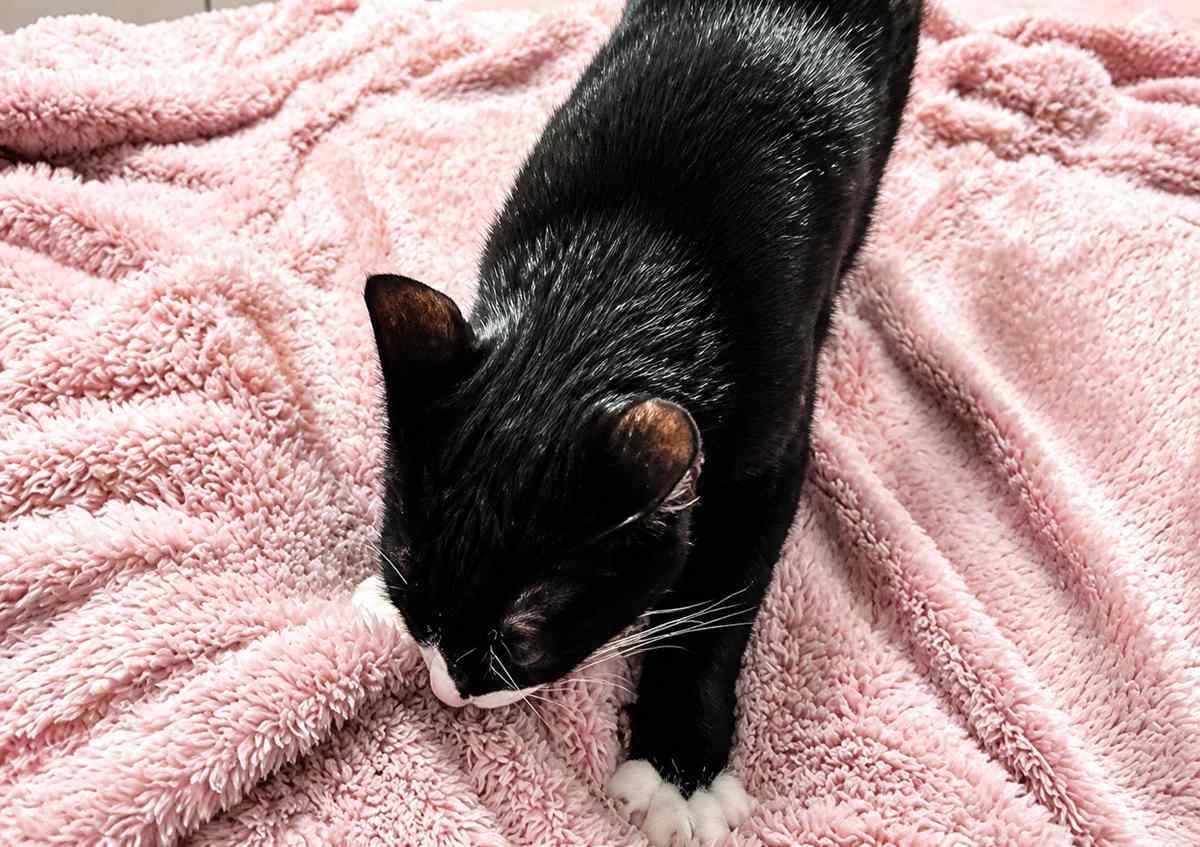
Protect your skin from claws
Kneading is normal, and it’s often emotionally important to your cat. The goal is not to “correct” it. The goal is to make it safe and comfortable for both of you.
Start with a barrier
- Place a thick blanket on your lap before cuddle time.
- Use a pillow as a buffer between your cat and your thighs or stomach.
- Offer a dedicated kneading blanket on the couch or bed. Many cats will choose it if it’s soft and already smells like them.
Keep nails cat-friendly short
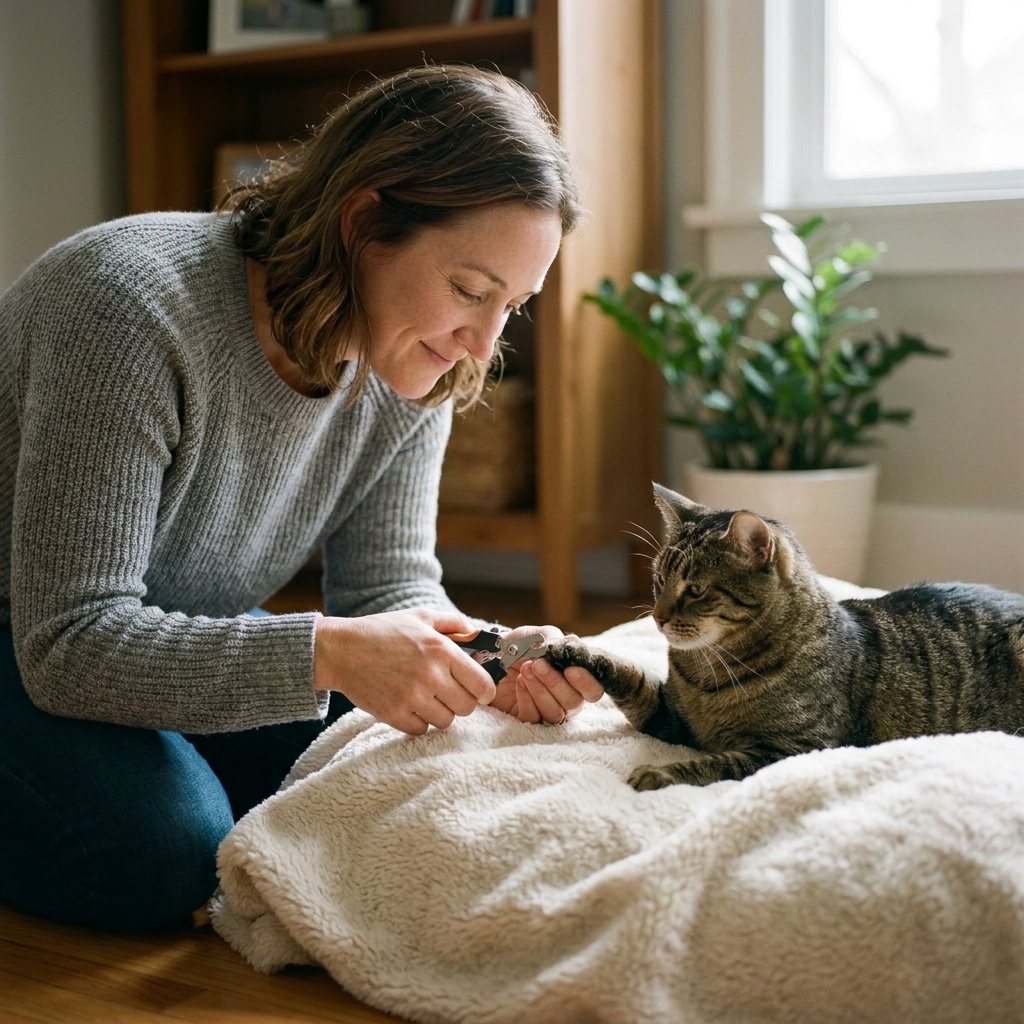
Regular nail trims make a huge difference. If you’re new to trimming, aim for tiny, frequent trims rather than big stressful sessions.
- Trim just the sharp tip
- Pair with treats and calm praise
- Stop before your cat gets annoyed
Redirect gently
If claws come out, avoid yelping, pushing, or scolding. Big reactions can startle your cat and create confusing associations.
Instead:
- Freeze for a moment to avoid exciting them further.
- Slide a blanket under their paws or lift them onto the kneading blanket beside you.
- Reward the new spot with soft petting if they enjoy it, or a treat afterward.
Consider nail caps if needed
Soft nail caps can be helpful for people with fragile skin, medical considerations, or very pointy-kneed cats. If you use them, correct sizing and proper application matter, and you’ll want to monitor nails and toes regularly. Nail caps can reduce scratches, but they do not replace addressing stress, pain, or handling issues if those are part of the picture.
What not to do
- Don’t punish kneading. It can increase stress and make your cat less predictable.
- Don’t force-handle an overstimulated cat. Give space and try again later.
- Don’t declaw. It’s an amputation with serious welfare risks and can create lifelong behavior problems.
Common questions
Why does my cat purr and knead at the same time?
Purring plus kneading is often a sign of deep relaxation and positive bonding. Some cats also purr to self-soothe when they’re a little wound up, so look at the whole body: relaxed posture and slow blinking usually means contentment.
Why does my cat drool when kneading?
Happy drooling can happen when cats are extremely relaxed, especially if kneading is tied to kittenhood comfort. If drooling is new, excessive, smelly, or paired with pawing at the mouth, get a vet check to rule out dental pain or nausea.
Why does my cat knead before sleep?
It’s a settling ritual. The surface feels good, it smells right, and the rhythmic motion helps them downshift into rest.
Do hormones ever play a role?
Sometimes. Intact cats can show an uptick in kneading-like behaviors alongside other signs of sexual maturity, like yowling, spraying, restlessness, or mounting. If kneading comes bundled with those changes, talk to your vet about spay or neuter timing and rule-outs.
Do all cats knead?
No. Some cats knead daily, some only occasionally, and some barely ever. Personality, early kittenhood experiences, and household comfort all play a role.
Takeaway
In most homes, kneading is a comfort behavior and a compliment. It’s likely part nursing reflex, part scent routine, and part self-soothing. If your cat kneads you, there’s a good chance you are officially in their inner circle.
Keep an eye out for changes that don’t fit your cat’s normal pattern, especially sudden clinginess, frantic body language, fabric ingestion, signs of pain, or hormone-driven behavior shifts. Otherwise, set yourself up with a cozy blanket shield, keep nails trimmed, and let the biscuits happen.