If your cat splits time between two homes, the most helpful thing you can do is create one shared written cat care plan that both sides follow. The goal is not perfection. It is consistency: same food, same litter rules, same cue words, and the same plan for “what if something goes wrong.”
Concrete answer: use a single shared document that covers daily routine, supplies, medical info, behavior notes, and a handoff checklist, then agree on a “no surprises” rule where any change gets written down and messaged to the other home before the next handoff.

Why a written plan matters
Keep routines consistent between homes and tell the other caregiver about changes in eating, grooming or litter box use. Call the vet if your cat seems ill.
A written plan helps because it:
- Prevents double dosing and missed doses when medications or supplements are involved.
- Keeps food transitions slow and consistent (a big deal for sensitive tummies).
- Makes behavior support predictable, which can reduce stress-based problems.
- Gives any helper a roadmap (grandparents, pet sitters, older kids).
Also, it lowers the emotional temperature between people. When the plan is on paper, it is less about who remembers better and more about what you both agreed to do.
Pick one source of truth
Keep one shared copy so both homes can find the current instructions and vet contact.
Good options
- A shared note in a phone app both sides can edit.
- A shared document (view and edit access for both).
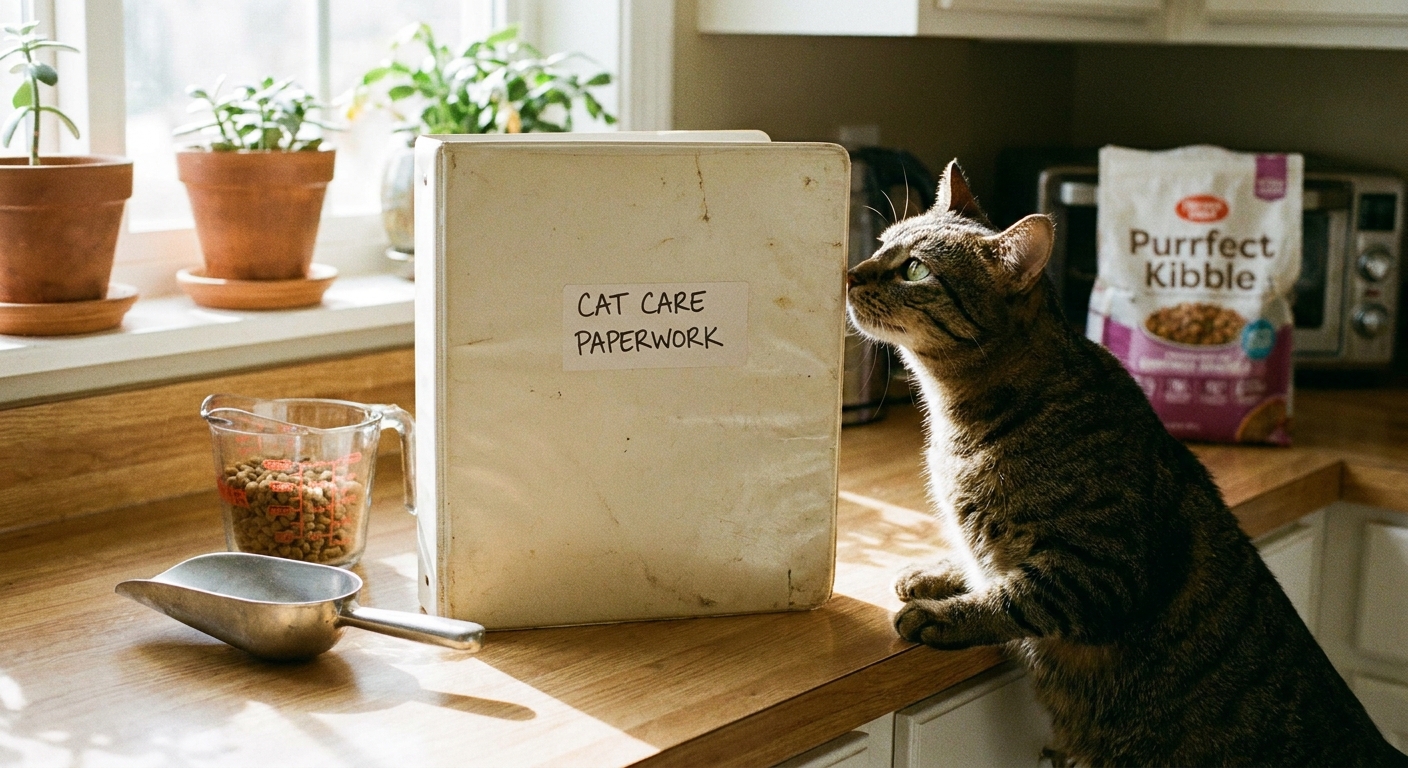
- A printed binder that travels with the cat, plus a photo of each page on both phones.
Make it workable on tired days
Design it so someone can skim it in under 2 minutes. Use short sections, bullet points, and “if this happens, do this” language.
What to include in the plan
Write down the details both households need for daily care.
1) Cat profile
- Name and nicknames the cat responds to
- Microchip number (if applicable)
- Birthday or approximate age
- Normal body language: “relaxed looks like…,” “stressed looks like…”
- Handling preferences: where your cat likes to be touched and where they do not
2) Daily routine (morning, evening, bedtime)
Write this like a checklist, not a paragraph. Include:
- Meal times and portion method (for example: “use the 1/4 cup scoop”)
- Wet food versus dry food routine
- Water setup (fountain or bowl, preferred location)
- Playtime: type (wand toy, chase, puzzle feeder) and typical duration (for example: 10 to 15 minutes)
- Grooming tasks (brushing, nail trims, tooth brushing if applicable)
- Any cue words you use, like “all done,” “off,” “come,” or “treat time”
Consistency is especially helpful with cue words. If one home says “down” and the other says “off,” your cat may not care, but your training progress will.
3) Food details and safe treat rules
Record the food and amounts you agreed to use in both homes.
- Exact food name(s) and flavor(s)
- How much per day, and how it is split between meals
- How to measure (scoop size, can size, kitchen scale if you use one)
- Treat limit per day (or a simple “treats only during training” rule)
- What never to feed (for example: dairy if it causes diarrhea, or any known allergies)
If a change is needed, add a line that says: “No food changes without a written transition plan.” For many cats, a slow transition is gentler, often over about 7 to 10 days, but your veterinarian can advise on timing if your cat has medical needs.
4) Litter box setup and cleaning rules
Litter box differences between homes can be a reason cats “suddenly” stop using the box.
- Litter type and brand
- Box type (open, covered) and whether liners are used
- Where boxes are placed (quiet, low-traffic area)
- Scooping schedule (daily is ideal for most cats)
- Deep clean schedule (as needed; often every 2 to 6 weeks)
- Accident protocol: how to clean (enzymatic cleaner), where to note it, when to tell the other home
5) Medications, supplements, and preventive care
If your cat takes anything at all, this section should be extremely clear.
- Medication name, dose, and timing
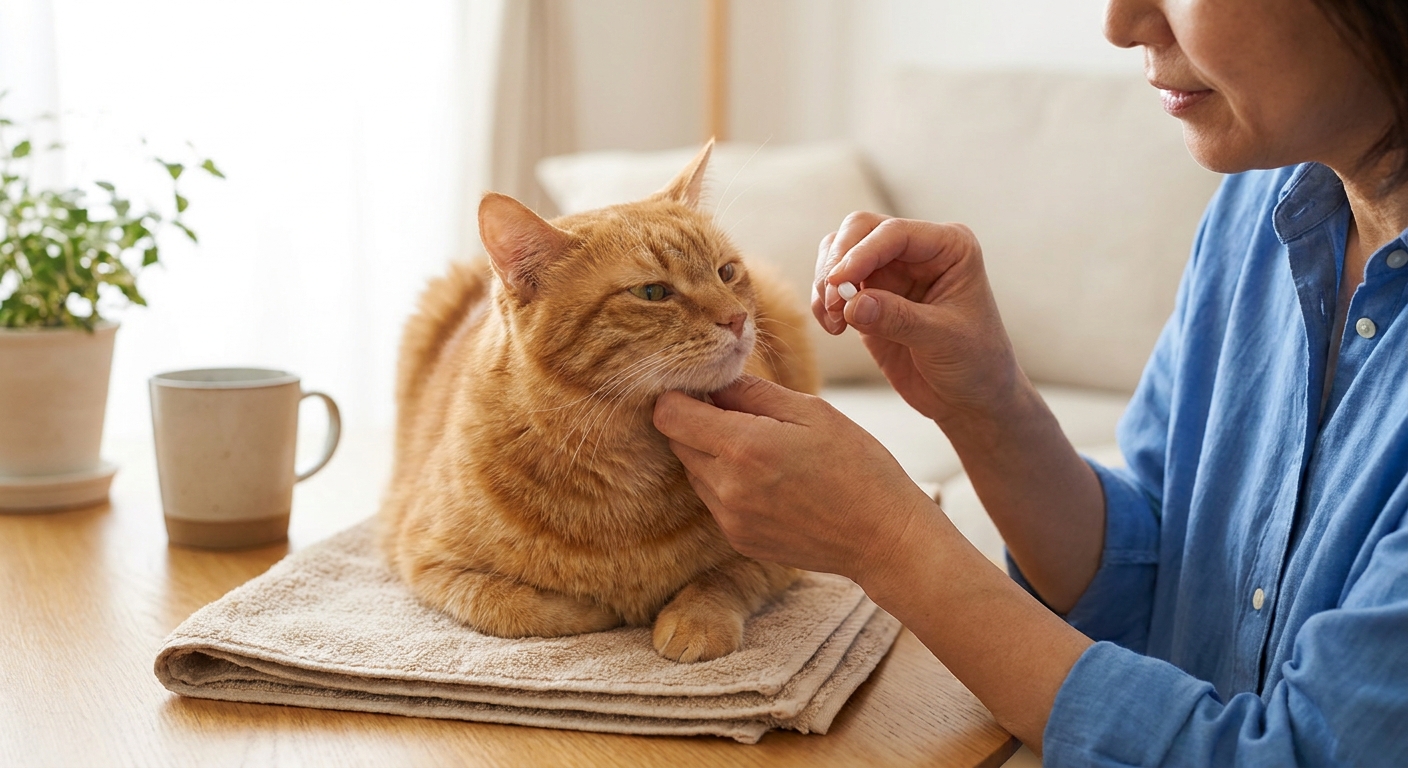
- How it is given (in food, pill pocket, liquid syringe)
- What to do if a dose is missed (this is a great “ask your veterinarian” line to include)
- Flea and tick prevention schedule if used
- Any known side effects that mean “call the vet”
Important: avoid guessing. If you are unsure about dosing, timing, or missed doses, that is veterinarian territory.
6) Vet, emergency, and poison control info
- Primary veterinarian name, clinic, phone number
- Nearest emergency vet to each home with phone number and address
- Permission statement: who can seek care, who will be notified, and how costs are handled (keep it factual and calm)
- Any current diagnoses or past major medical history (brief)
If your homes are far apart, list an emergency clinic near each address. In an urgent moment, searching while panicking is the worst.
7) Behavior support plan (reward-based)
Include what helps your cat feel safe and what tends to backfire. Keep it friendly and non-blaming.
- Preferred calming supports (quiet room, hiding spots, routine play)
- Reward-based handling notes: “offer a treat, wait for approach, take breaks”
- Scratch plan: which scratching posts are “yes,” and what to do when scratching starts in the wrong place
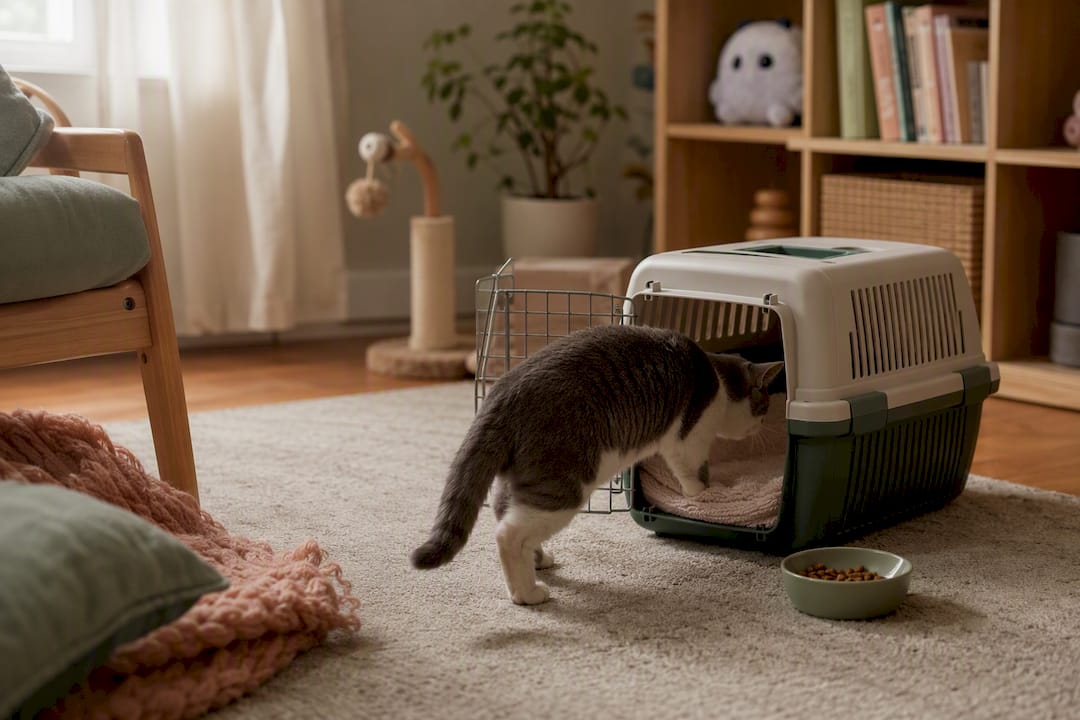
- Carrier plan: where it is stored, how you keep it positive (treats nearby, short practice sessions)
Avoid force. If a cat is escalating, the plan should say something like: “Pause, give space, and try again later with smaller steps.”
Handoff rules that help
Add a section for notes at every handoff.
The 5-minute handoff checklist
- When did the cat last eat and how much?
- Any vomiting, diarrhea, constipation, or appetite changes?
- Litter box notes (normal pee/poop, any straining, any misses)?
- Any meds given in the last 24 hours?
- Any unusual behavior (hiding, aggression, yowling, limping)?
Keep it short. The goal is not a full debrief of everyone’s week. It is a quick health and routine update.
Pack the same travel kit every time
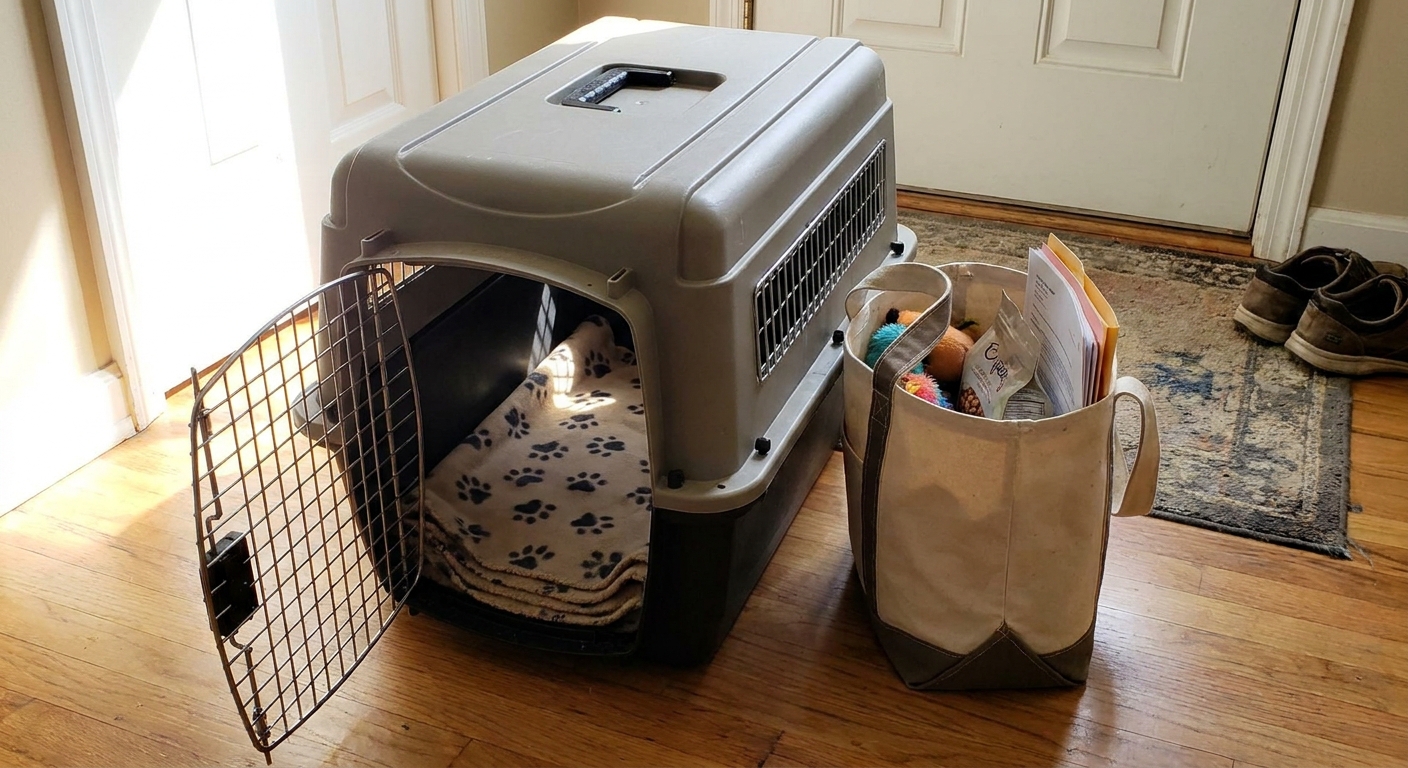
Consider a small tote that always goes with your cat, stocked with:
- Two days of food (in case of delays)
- Any medications and dosing tools
- A familiar blanket or bed that smells like “home”
- One favorite toy
- Copies of vet info
Transport safety (do not skip this)
For car trips, transport your cat in a secured carrier, not loose in the vehicle. And once you arrive, avoid opening the carrier outdoors or in unfamiliar open spaces. A scared cat can bolt faster than you think.
Basics each home should have
Keep basic supplies ready in both homes so the cat has familiar resources after a move.
- Litter box setup that matches the plan (and enough boxes for your cat’s needs)
- Scratchers and a stable resting spot
- Food and water setup (including measuring scoop or scale if you use one)
- A small “landing zone” room if your cat needs decompression after arriving
If other pets live in one home, add a short note about introductions and separation. Even cats who “know the routine” sometimes need a slower re-entry after travel.
How to handle changes calmly
Here is the rule that keeps things peaceful: no surprise changes.
If anyone wants to change food, litter, medication timing, or even the brand of treats, write it into the plan and message the other home before the next handoff. Not because anyone needs permission to care for the cat, but because cats thrive on predictability and medical mix-ups are real.
Use observations, not accusations
Try language like:
- “Observation: she ate half her dinner two nights in a row.”
- “Request: can we keep treats to training only this week and see if her stool improves?”
- “Plan: if she skips breakfast again, we will call the vet for advice.”
This keeps the focus where it belongs: on your cat’s wellbeing.
Example plan in real life
Hypothetical example: Clementine spends weekdays with Home A and weekends with Home B. Both homes use the same shared note.
- Routine: Breakfast at 7:30 a.m., dinner at 6:30 p.m., 10 minutes of wand play before dinner.
- Food: Same brand and flavor of wet food, plus measured dry food using the same scoop size. Treats limited to 5 per day.
- Litter: Unscented clumping litter, boxes scooped nightly. Any box miss is logged with date and a short note.
- Behavior: If she hides at arrival, both homes follow the same script: quiet room, carrier door open, food and water nearby, no forced coaxing.
- Handoff: A quick message after transfer: “Ate full breakfast, normal stool, no meds today, played for 8 minutes.”
Nothing fancy. Just consistent, written, and easy to repeat.
When to call the vet
Everyday care plans are great, but some issues should not be solved with trial and error between homes. Call your veterinarian for guidance if you notice:
- Not eating for 12 to 24 hours, or a big drop in appetite (sooner for kittens or cats with diabetes or other medical conditions)
- Repeated vomiting or diarrhea
- Straining to urinate or very frequent trips to the litter box
- Sudden hiding, aggression, or signs of pain (like crying when picked up)
- Weight loss or weight gain you cannot explain
If your cat has an ongoing condition, ask your veterinarian if there are specific red flag signs to add directly into the shared plan.
FAQ
Should the plan travel with the cat or stay digital?
Ideally both. Keep the main plan digital so it is easy to update, and keep a printed one-page emergency sheet in the carrier or travel tote so nobody is hunting for phone service in a stressful moment.
What if the two homes disagree on feeding amounts or treats?
Use the plan to set one agreed baseline and track outcomes. If weight, stool, or appetite are concerns, that is a good moment to bring your veterinarian into the decision so it is not one home versus the other.
How do we keep routines consistent when homes are different?
Match the parts that matter most to cats: food type, meal timing (within reason), litter type, and daily play. Your cat can handle different couch shapes. They struggle more with surprise food changes and unpredictable litter situations.
Can kids follow a written cat care plan?
Yes, if it is short and checklist-based. Give kids clear green light tasks (scoop with supervision, refill water, 5 minutes of play) and keep medication tasks adult-only unless your veterinarian has advised otherwise.
The takeaway
A shared written cat care plan is one of the kindest things two homes can do for a cat who is already doing a big job: living in two territories, loving two families, and trying to keep the rules straight.
Keep it simple, keep it updated, and make handoffs boring in the best possible way. Your cat will thank you with calmer meals, steadier litter box habits, and a lot more relaxed blinking.
Put shared cat care in one ledger
Give each task a named home and a backup. Use one line each for food and medication, the next appointment, planned expenses and emergency contacts. At every handoff, mark what was done so the next household can follow the agreed schedule.
Agree in advance who can approve emergency care, how either household can reach the vet and what to do if the usual driver or caregiver is away. Keep sensitive records private and share only what both caregivers need.