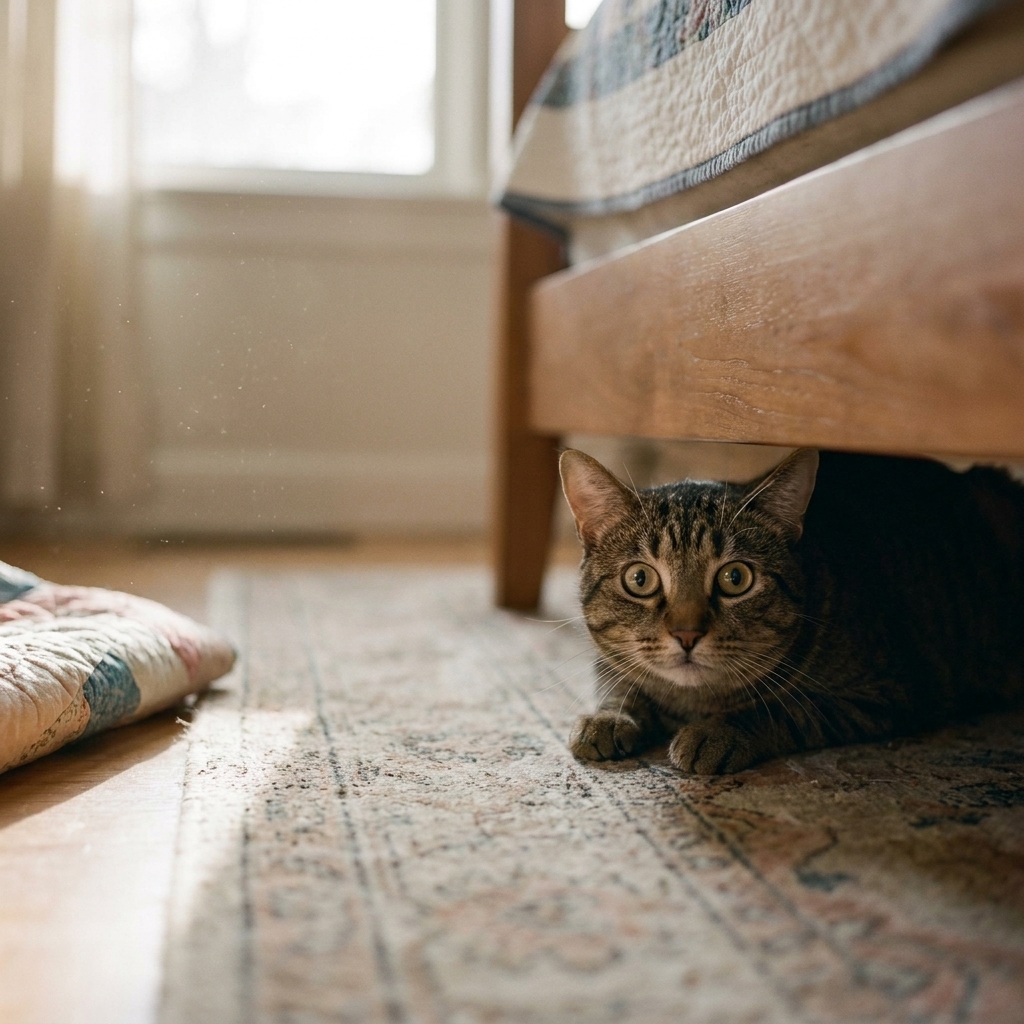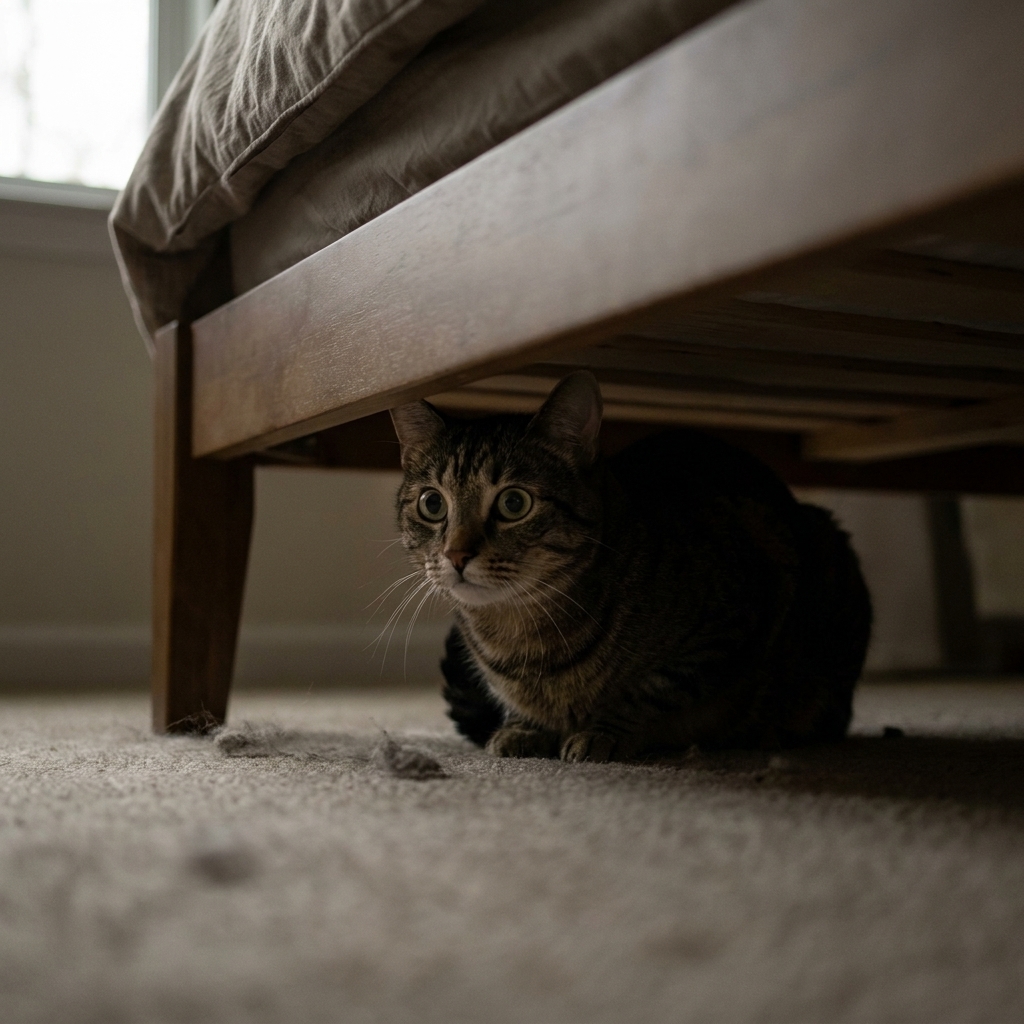
I grew up fostering kittens, and I cannot count the number of times I watched a terrified “found outside” cat decompress in a quiet spare bedroom and slowly remember how to feel safe. I have also seen the other side: a confident indoor cat who lights up when they get a little controlled outdoor time and come back in satisfied, not overstimulated.
If you are weighing indoor versus outdoor life, you are not being dramatic or overprotective. You are doing the hard work of balancing safety, health, and happiness. Let’s walk through the three most common setups, what they mean for risk and longevity, and how to keep an indoor cat from feeling like they are missing out.
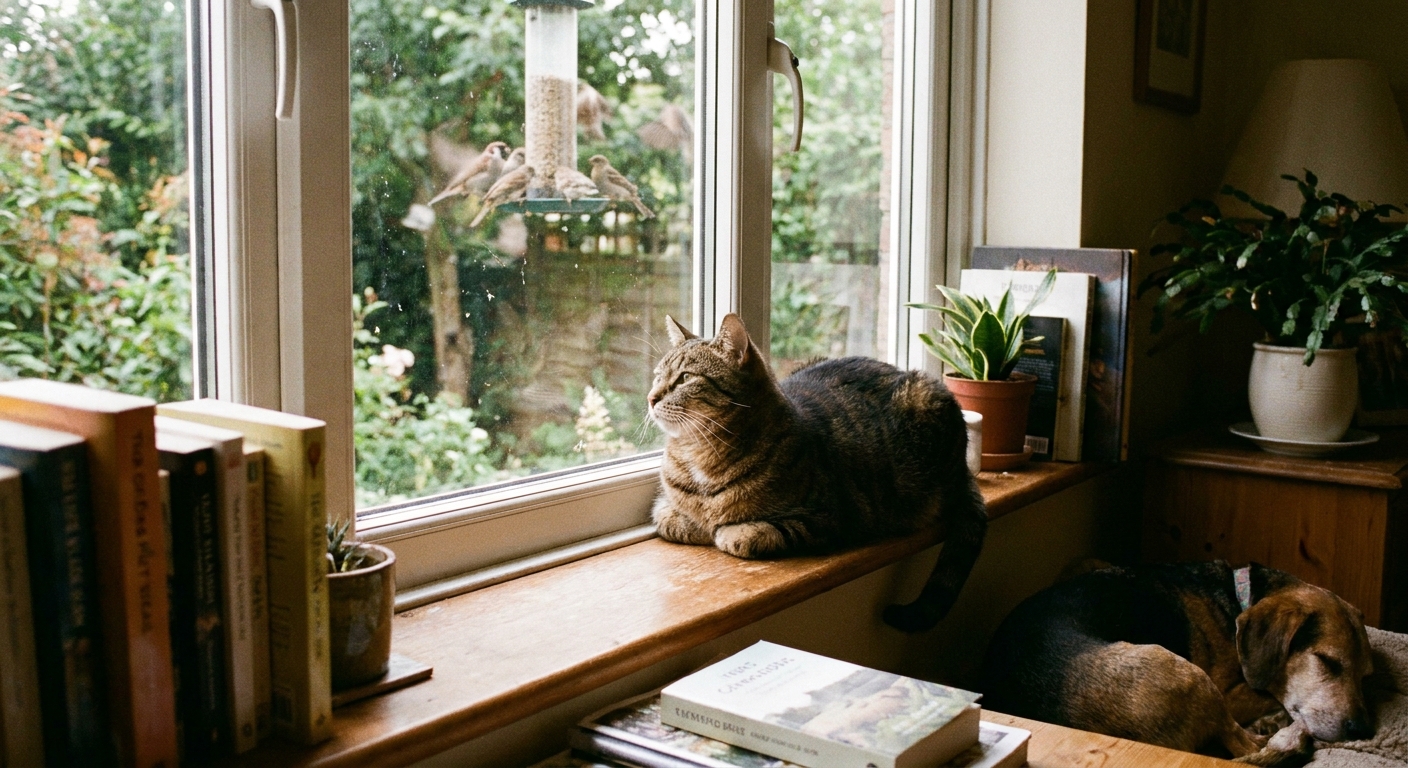
The three lifestyles
People use “outdoor cat” to mean a lot of different things. These are the three categories that matter for safety and health.
1) Fully indoor
Your cat lives inside full-time, with outdoor exposure limited to secure, enclosed spaces like a screened porch, a closed carrier, or a fully enclosed catio.
2) Supervised or contained outdoor time
Your cat goes outside only with safety controls in place, such as:
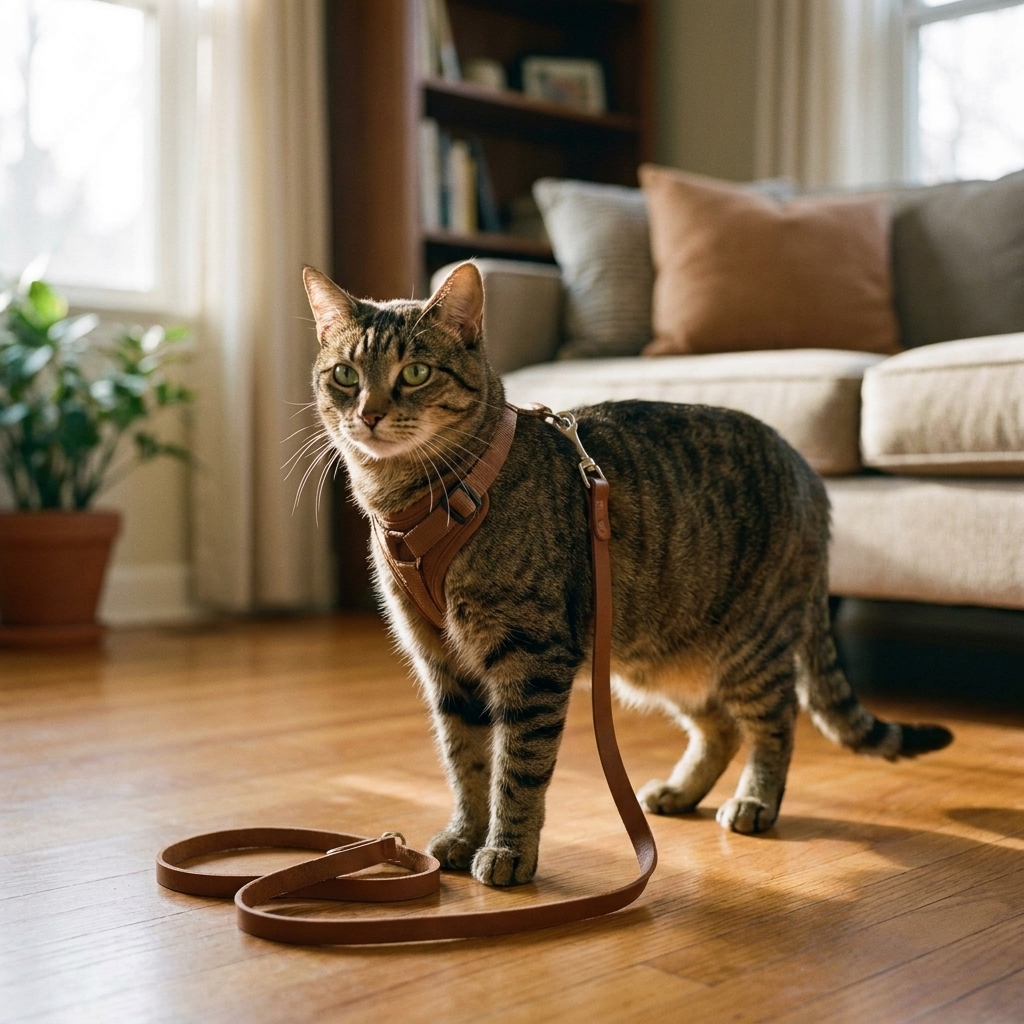
- Harness and leash walks
- A secure catio or enclosed run
- A stroller or backpack carrier
- A fenced yard that is truly escape-resistant for cats
This setup aims to provide fresh air and variety while keeping the biggest risks, like cars and fights, as low as reasonably possible.
3) Free roaming
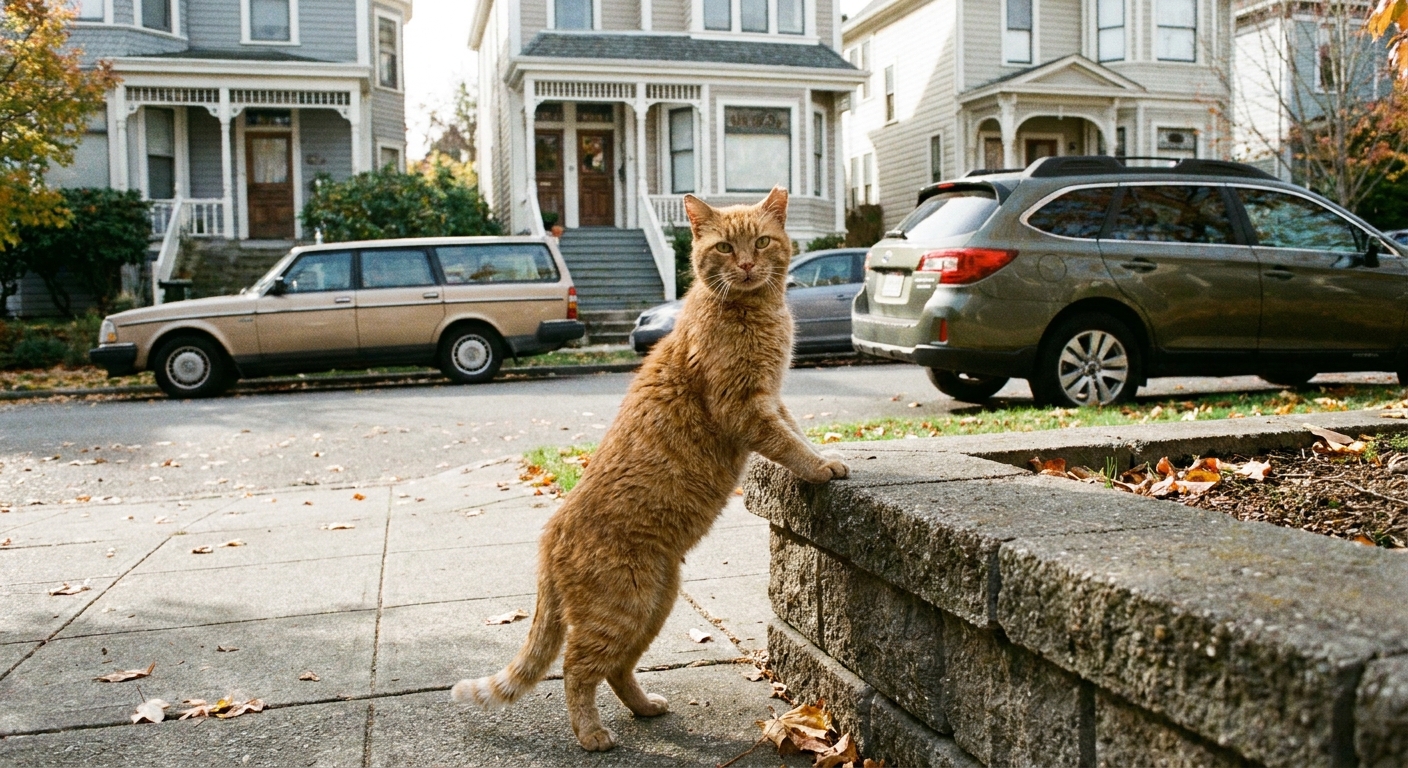
Your cat goes outside unsupervised, often for hours at a time, and can leave your property. This includes “indoor-outdoor” cats who come and go as they please through a door or window.
Lifespan and outdoor access
In general, indoor cats often live longer than truly free-roaming cats, but exact numbers vary widely by region, traffic patterns, predators, veterinary care access, and what “outdoor” actually looks like in a given household.
The big difference is not that indoor cats are magically healthier. It is that they are far less likely to encounter sudden, life-shortening events like vehicle trauma, predation, poisoning, or severe infections from bite wounds.
Supervised or contained outdoor time usually sits in the middle. It can add enrichment without dramatically increasing risk, but only if the “contained” part is truly contained.
Why longevity shifts
- Trauma risk is different indoors. Cars, loose dogs, coyotes, and territorial cat fights do not happen in a living room.
- Infectious exposure is different outdoors. Outdoor contact increases exposure to parasites and contagious diseases.
- Chronic stress can add up. Some cats thrive outdoors, but others may experience ongoing stress from patrols, being chased, or frequent confrontations. In some cats, stress can contribute to behavior changes and stress-related issues such as urinary flare-ups.
If your cat is elderly, immune-compromised, or has a chronic condition like kidney disease, diabetes, asthma, or heart disease, the safety and predictability of indoor life is usually a major advantage.
Biggest risks of free roaming
I am not here to scare you. I am here to name the real risks clearly so you can make an informed choice for your cat and your neighborhood.
Cars and driveways
Even in “quiet” areas, cats can dart into streets. Nighttime visibility, distracted drivers, and faster suburban cut-through traffic make this risk larger than many people expect. Driveways are risky too. Cats like to nap under cars and can be hard to spot.
Predators and dogs
Depending on where you live, predators can include coyotes, foxes, and, in some regions, birds of prey. Off-leash dogs are also a major concern. A dog does not have to be aggressive to injure a cat.
Fights and bite wounds
Cat bites and scratches are not just superficial. Bite wounds often seal over and trap bacteria, leading to abscesses that can become serious quickly. Outdoor cats are also more likely to be exposed to contagious diseases during fights.
Poisoning and toxic exposure
Outdoors, cats can encounter:
- Rodenticides and pest baits
- Antifreeze or automotive fluids
- Toxic plants in neighboring yards
- Human food trash, bones, or spoiled meat
Trapped or stolen
It happens more than people think: cats get locked in sheds, garages, or crawl spaces. Friendly cats can also be “adopted” by someone else who assumes they are stray, especially if they are not microchipped or do not wear a breakaway collar.
Disease and parasites
Indoor cats can still get sick, of course, but outdoor exposure changes the odds.
Parasites
Outdoor and free-roaming cats are at higher risk for:
- Fleas (and flea allergy dermatitis)
- Ticks (and tick-borne illness risk varies by region)
- Intestinal parasites like roundworms and hookworms from hunting or contaminated soil
- Ear mites through contact with other cats
Even supervised outdoor time can mean you need more consistent parasite prevention, especially during warm seasons.
Cat-to-cat disease exposure
Free roaming increases exposure to contagious diseases spread through close contact, fighting, and shared spaces. Two that come up often in rescue work are:
- FIV (most commonly spread through deep bite wounds)
- FeLV (spread through close contact like grooming and saliva sharing, and it can also spread via bite wounds and from mother to kittens)
Not every outdoor cat contracts these, but the risk is fundamentally higher when cats mingle unsupervised.
Zoonotic concerns
Some parasites and infections can affect humans too, especially kids and immune-compromised family members. If your household includes a baby, a toddler who plays in dirt, or someone undergoing chemotherapy, “indoor-only” often becomes the simplest, safest baseline.
Non-negotiables if your cat goes out
If your cat has any outdoor exposure, even a “quick yard sniff,” these basics are worth treating as mandatory:
- Microchip and keep the registration updated
- Breakaway collar with ID if your cat will tolerate it
- Vaccines recommended by your veterinarian for your region and lifestyle
- Parasite prevention appropriate to your area and season
- Spay or neuter to reduce roaming, fighting, and accidental litters
Keeping indoor cats happy
The strongest argument for outdoor access is usually quality of life. Cats are intelligent predators with bodies designed to stalk, chase, climb, and problem-solve. Indoors, they need us to bring that world to them.
The good news is that indoor enrichment does not have to be complicated or expensive. What matters is meeting core needs: hunting behavior, vertical space, safe hiding, scratching, and novelty.
Think in daily calories of activity
Especially if your cat eats meals, not free-feeds, you can turn part of their food into enrichment.
- Use puzzle feeders for a portion of daily kibble or treats.
- Scatter feed in a snuffle mat or across multiple small dishes in different rooms.
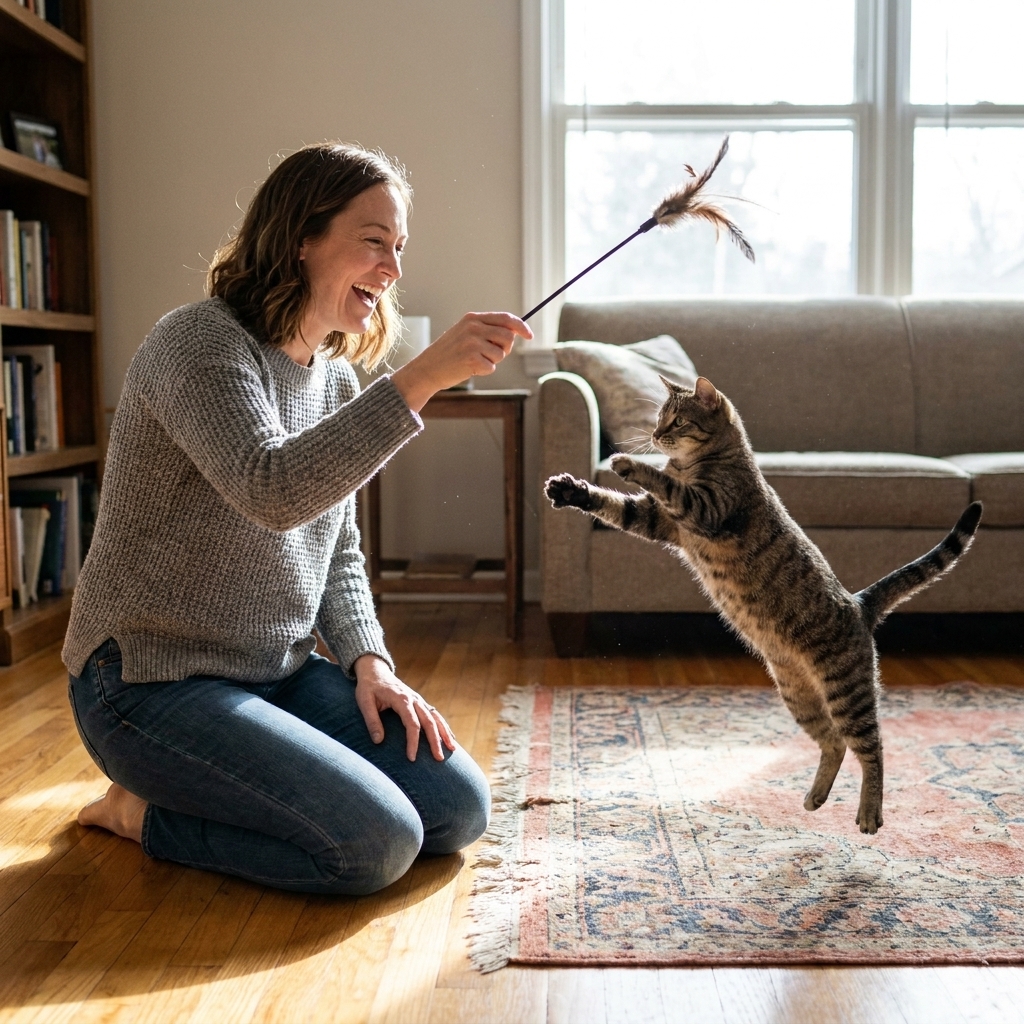
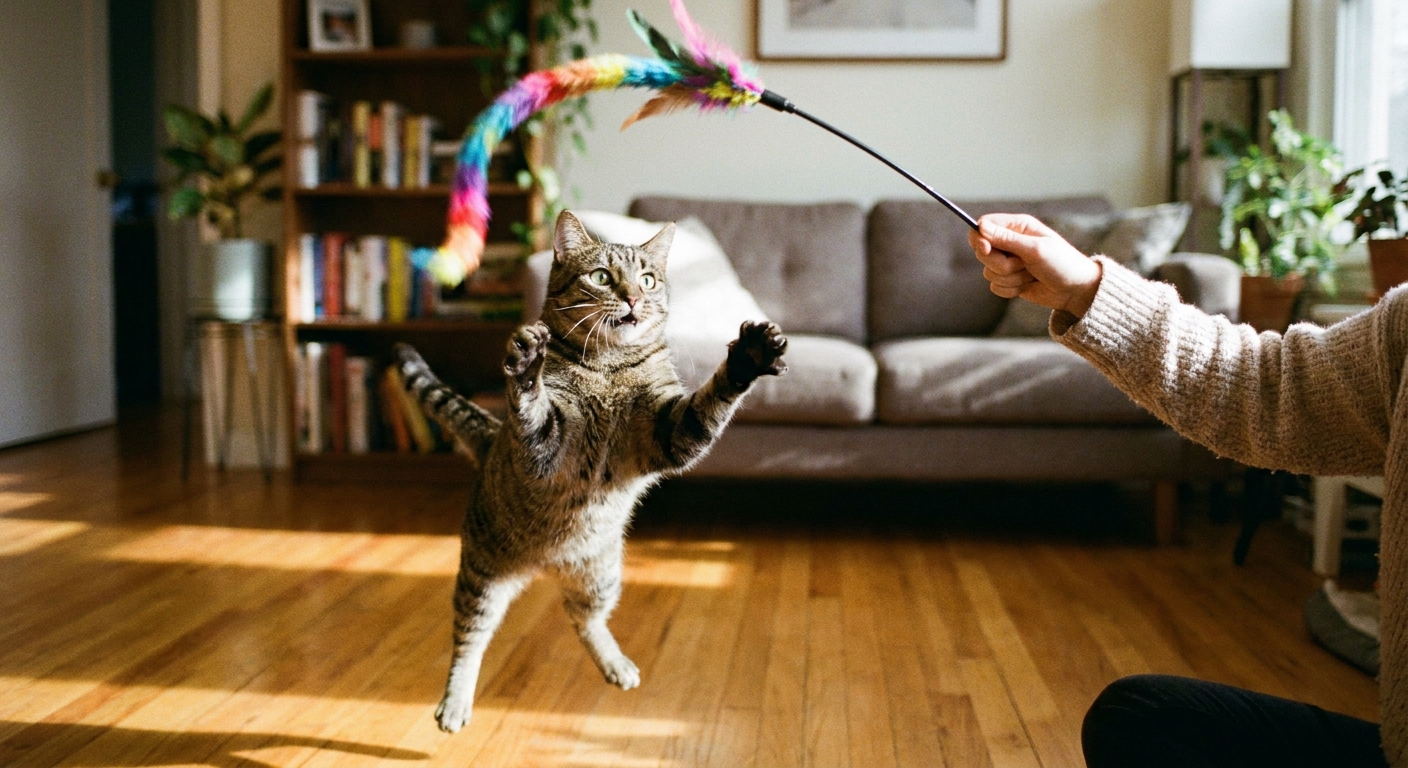
- Try short “hunt sessions” with a wand toy before meals, then serve food as the “catch.”
Build vertical territory
Cats feel safer when they can get up high. Add:
- A tall, stable cat tree
- Window perches
- Wall shelves designed for cats (installed securely)
Vertical space often reduces household tension in multi-cat homes because it creates more ways to pass each other without conflict.
Scratching that works
Scratching is not misbehavior, it is maintenance and communication. Offer a mix:
- One tall vertical scratcher that lets your cat fully stretch
- One horizontal scratcher near favorite resting spots
- Cardboard and sisal options to match preference
Make windows cat TV
A simple window perch plus a bird feeder placed outside can be incredibly enriching.
One important safety note: if your cat hangs out in open windows, make sure screens are secure and intact, consider window stops, and do not assume a screen will hold if a cat launches at a bird.
Rotate novelty, do not overwhelm
Instead of leaving every toy out all the time, rotate a few weekly. For cats who get overstimulated, novelty in small doses is better than a constant stream of new items.
Supervised outdoor time
For many families, supervised outside time is the compromise that feels right: enrichment without the full risk profile of free roaming.
What it can look like
- Harness training for walks or yard time
- Catio time for sun, scents, and lounging
- Carrier outings on a porch, patio, or quiet park bench
Pitfalls to avoid
- Rushing harness training. Many cats need days or weeks to feel normal in a harness.
- Assuming fenced yard means safe. Most cats can scale typical fences.
- Going out at peak wildlife times. Dusk and dawn are active times for wildlife in many areas.
If your cat becomes frantic at the door after outside time, you are not failing. That just means you need clearer routines, more indoor enrichment, or a different type of outside experience.
How to choose
I like to think of this as a risk equation: your cat’s personality and health plus your environment and your ability to supervise.
Your environment
- Traffic: Are there fast roads nearby, delivery trucks, or cut-through streets?
- Predators: Coyotes, foxes, raptors, loose dogs, even aggressive neighborhood cats.
- Neighbors: Pesticide use, open garages, people who dislike cats, outdoor dogs.
- Weather: Heat, cold snaps, storms, and seasonal hazards like antifreeze leaks.
Your cat
- Kittens and adolescents: Curious, impulsive, and still learning boundaries. They get into trouble quickly.
- Adult cats: Often easier to harness train and more predictable, though some are bold escape artists.
- Seniors: Higher risk from injuries, slower reaction time, and more vulnerable to illness and temperature extremes.
- Former strays: Some adapt beautifully to indoor life, others do best with a safe outdoor outlet like a catio.
Other pets at home
If you have multiple cats, “inside only” can work wonderfully, but it often requires more territory and more structured play. If you have a dog, supervised outdoor time for the cat may need careful management so the cat always has an easy escape route back inside.
If your cat roams now
If your cat is currently free roaming, switching to indoor-only overnight can be stressful for everyone. A gradual plan is often kinder and more successful.
Tighten routines
- Bring your cat in before dusk, and keep them in overnight.
- Feed meals indoors on a predictable schedule.
- Add an evening play session to replace the night patrol urge.
Increase indoor value
Make indoors the place where the best things happen: meals, play, cozy heated beds, and calm attention.
Use supervised time as a bridge
Some cats transition best when they still get a controlled outdoor outlet, like a harness walk or catio time, while they learn that indoors is safe and satisfying.
Do not skip the health basics
If your cat goes outside now or has in the past, talk to your veterinarian about parasite prevention and appropriate vaccines for your area and your cat’s lifestyle.
Community and wildlife
This part varies a lot by location, but it is worth a quick check before you decide.
- Local rules: Some cities and HOAs have roaming, nuisance, or leash-style ordinances that apply to cats too.
- Neighborhood dynamics: Even cat-friendly neighbors may not love a cat using their garden beds. On the flip side, some people set traps or use deterrents, which can be dangerous for a roaming cat.
- Wildlife impact: Many cats hunt if given the chance. If protecting local birds and small animals matters to you, supervised time or catio life can reduce that impact significantly.
Quick comparison
If you want the summary you can screenshot and come back to later, this is it.
| Factor | Fully indoor | Supervised or contained outdoor | Free roaming |
|---|---|---|---|
| Trauma risk (cars, fights, predators) | Lowest | Low if containment is secure | Highest |
| Parasites and infectious exposure | Lowest overall | Moderate | Highest |
| Mental enrichment | High with good setup | Often very high | High, but unpredictable stress |
| Owner control and predictability | Highest | High | Lowest |
FAQ
Do indoor cats get depressed?
Indoor cats can become under-stimulated, which may look like low energy, clinginess, irritability, or destructive behavior. The fix is usually not letting them roam. It is adding predictable play, foraging opportunities, climbing space, scratching options, and calm resting spots.
Is it cruel to keep a cat indoors?
Not when the indoor environment meets their needs. A safe, enriched home is a valid, humane way to keep a cat, and it often supports a longer life. The part that feels cruel is usually boredom, not the walls themselves.
What about cats that cry at the door?
Door crying is common, especially if a cat has a history of roaming. Build a routine: scheduled play, scheduled meals, and if you choose, scheduled supervised outside time. Random sometimes-yes, sometimes-no access often makes the crying worse.
Are catios safer than leash walks?
A well-built, fully enclosed catio is typically lower risk than leash walks because there is less chance of escape and fewer surprise encounters. Leash walks can still be safe for many cats, but they require more training and constant attention.
What is the safest option overall?
Fully indoor is generally the safest for preventing trauma and limiting disease exposure. For many cats, adding secure, supervised outdoor time delivers the enrichment people want without the high risks of free roaming.
My bottom line
If you are choosing between your cat’s happiness and their safety, I want to gently reframe that. You are choosing between different ways to meet the same needs.
For most cats, a fully indoor life with thoughtful enrichment is both kind and safe. If your cat truly thrives on fresh air and novelty, supervised or contained outside time can be a wonderful add-on. Free roaming can feel natural, but the risk profile is real, and it is not a judgment to decide those risks are not acceptable where you live.
Whatever you choose, the goal is the same one I had back when I was a kid bottle-feeding shelter kittens: a cat who feels secure, understood, and able to do cat things every day.