If you share your home with a Bengal, you already know the vibe: beautiful, bold, and powered by what feels like a tiny internal motor. Bengals are smart, athletic cats. The breed originated from crossings between domestic cats and the Asian leopard cat, but most pet Bengals today are many generations removed and are bred for domestic temperament standards.
The good news is that “high energy” is not the same thing as “bad behavior.” When a Bengal’s needs are met, a lot of the challenging stuff like loud vocalizing (yes, sometimes it sounds like yelling), midnight chaos, counter surfing, or rough play often softens. Let’s turn that big energy into healthy outlets you can actually live with.
Why Bengals act like they have a full-time job
I like to explain Bengals as working cats in a pet cat world. They tend to have:
- High prey drive (they want to chase, stalk, pounce)
- Fast learning (they train quickly, including training you)
- Low boredom tolerance (under-stimulated Bengals will invent entertainment)
- Big body confidence (they leap, climb, and grab without much hesitation)
If your Bengal is getting “spicy” around the house, it is often one of three things: they are under-enriched, over-aroused, or accidentally rewarded for the exact behavior you want to stop.
A realistic daily enrichment plan
Many Bengals do best with a predictable rhythm: intense play, then food, then rest. You are essentially mimicking the hunt-eat-groom-sleep cycle.
The 15-5-5 routine
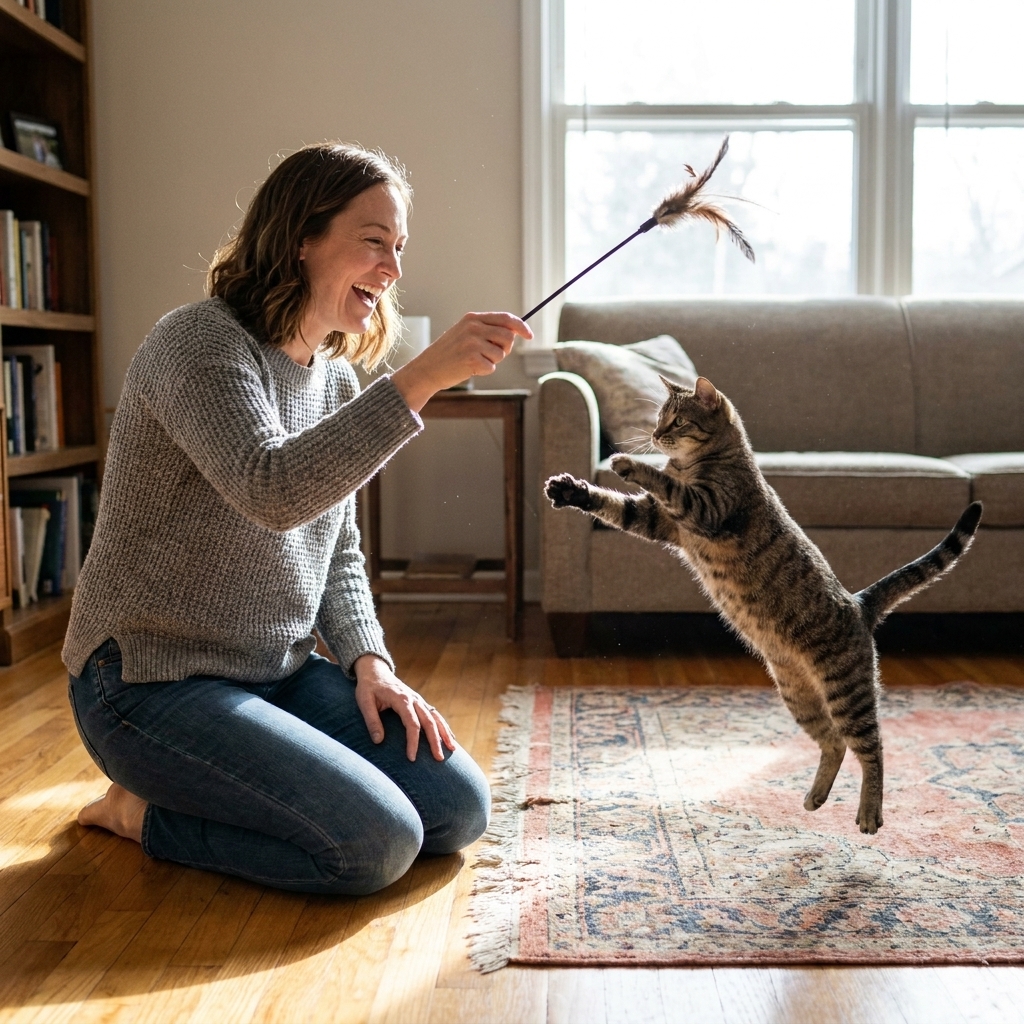
- 15 minutes of interactive play (you control the toy)
- 5 minutes of a food reward (meal, lick mat, or puzzle)
- 5 minutes of calm decompression (grooming, window perch, or a cat-safe chew option like a silvervine stick)
Do this twice daily if you can, especially morning and evening. Many “midnight zoomies” are really “I slept all day and now I have a lot to say about it.”
On busier days
If you cannot do two full sessions, prioritize one high-quality session and add independent enrichment (food puzzles, a bird feeder view, a new box with paper, or a foraging scatter of kibble).
Toys that actually work
Bengals often outgrow basic toys quickly, not because they are picky, but because the toy stops behaving like prey. Rotate options so your cat stays curious.
Interactive play
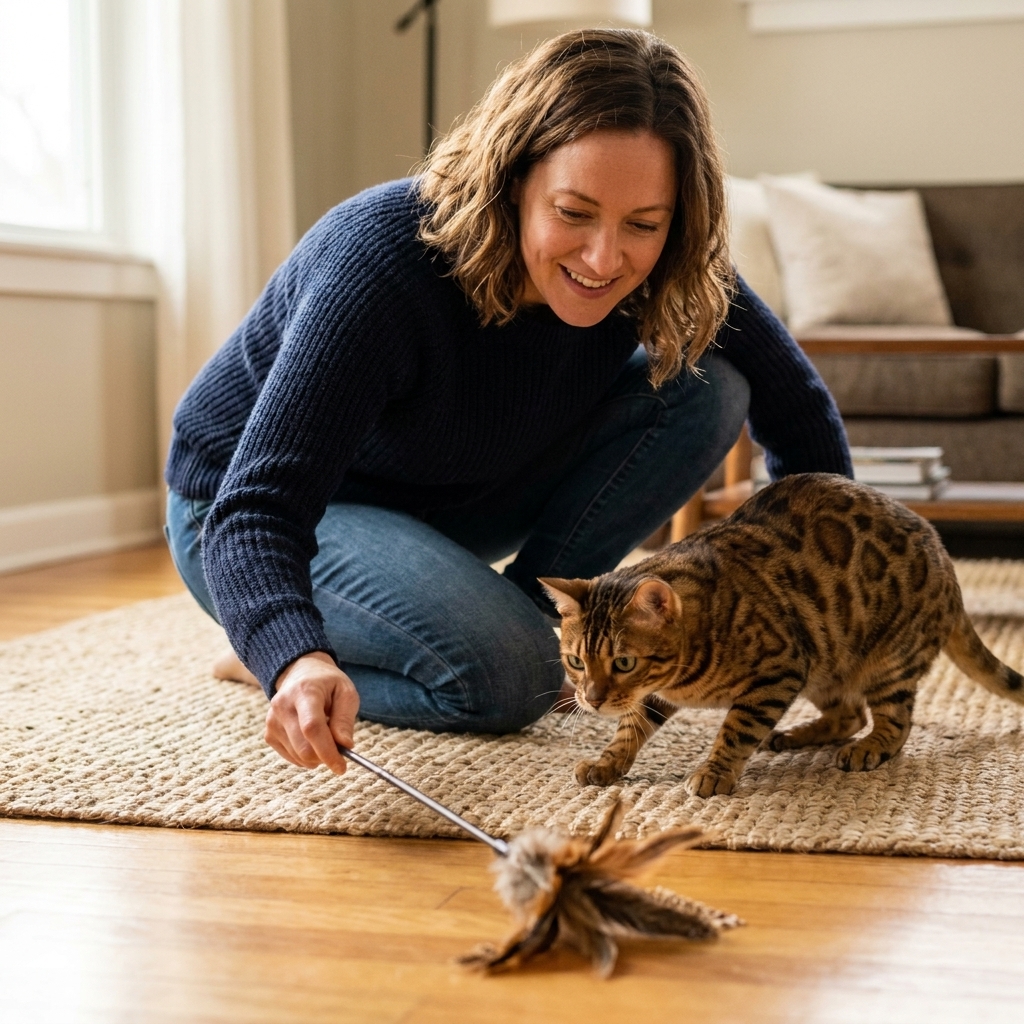
- Wand toys with long, durable lines and replaceable lures
- “Skitter” toys that dart along the floor like a mouse
- Fetch-friendly toys (soft balls, springs, light crinkle toys)
Tip: Make the “prey” hide, freeze, and escape. Constant waving in the air can frustrate a driven hunter. Let them stalk behind furniture, then burst out for a chase.
Safety note: Strings, ribbons, and wand lines should be supervised. Put them away after play to reduce chewing and ingestion risks.
Independent play
- Track toys with a captive ball
- Kick toys (long, stuffed toys they can bunny-kick safely)
- Crinkle tunnels for ambush games
If your Bengal gets overstimulated and starts biting hands or ankles, swap in a kick toy immediately and step away. You are teaching, “Teeth go on this, not on humans.”
Puzzle feeders
- Rolling treat balls for dry food
- Stationary puzzles with sliding compartments
- Snuffle mats for slower foraging
Start easy. If the puzzle is too hard, many Bengals will either scream at it or fling it across the room like a tiny weightlifter.
Train your Bengal
Training is enrichment. It is also one of the cleanest ways to prevent problem behaviors because it gives your Bengal a job that pays.
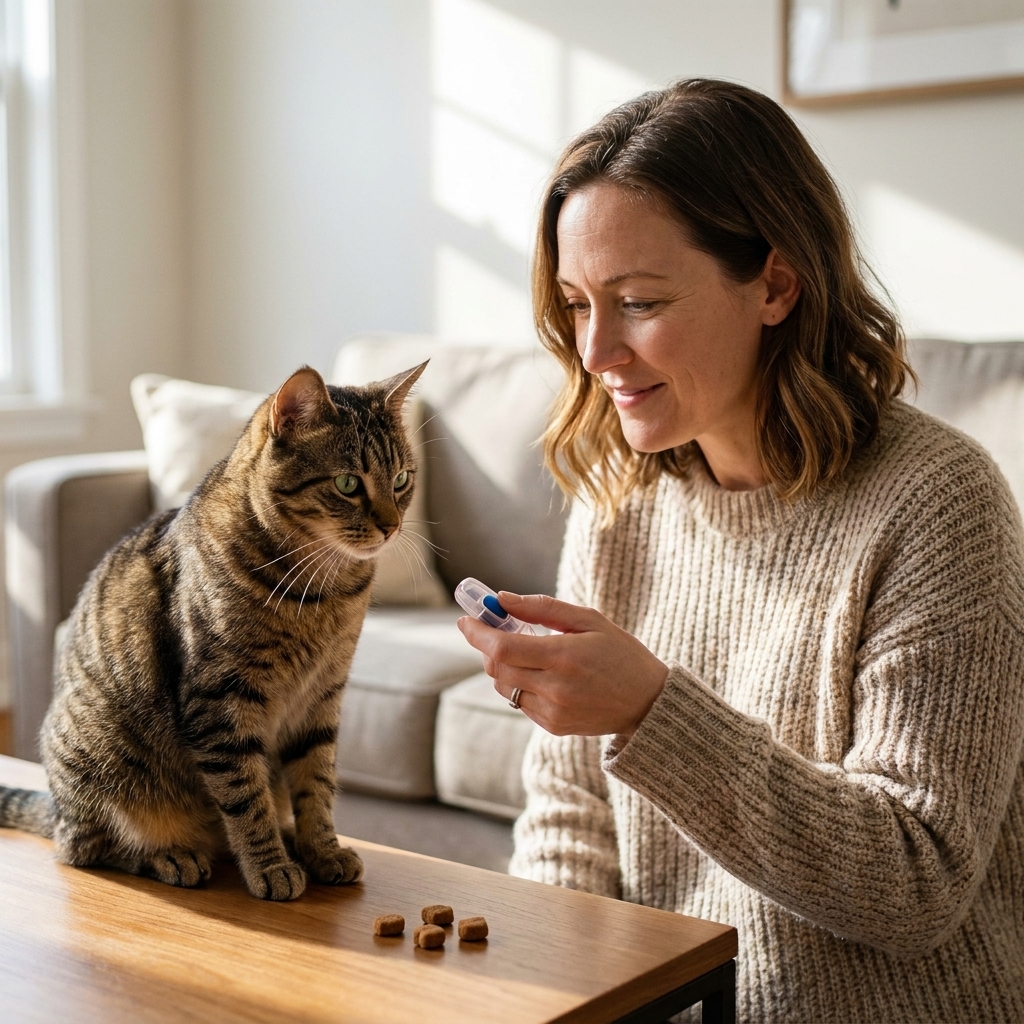
Clicker training basics
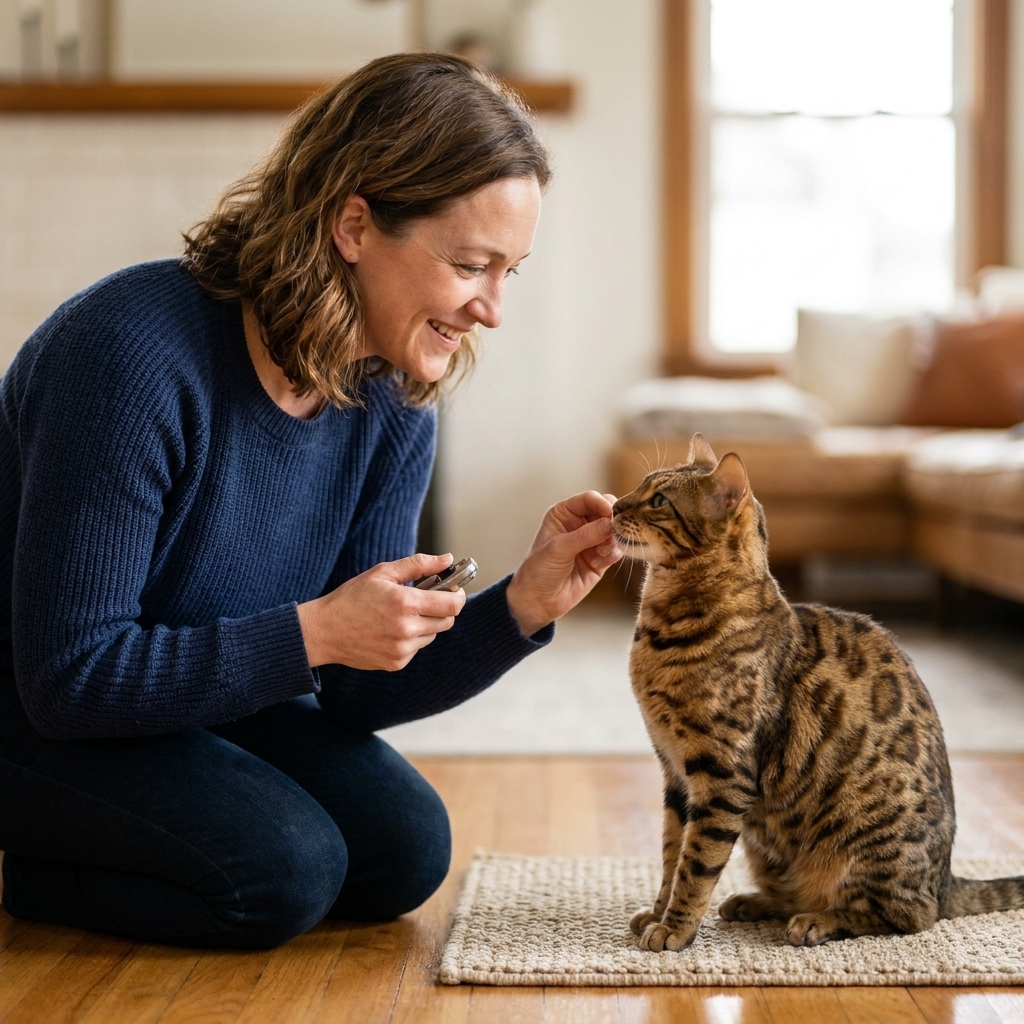
You will need: a clicker (or a consistent marker word like “yes”), and pea-sized treats.
- Charge the marker: click, treat. Repeat 10 to 15 times.
- Teach one simple cue: “touch” (nose to your hand) is my favorite starter.
- Keep sessions short: 2 to 4 minutes, 1 to 3 times daily.
High-impact skills
- Go to mat (settling on a specific bed)
- Stationing (stay on a perch while you cook)
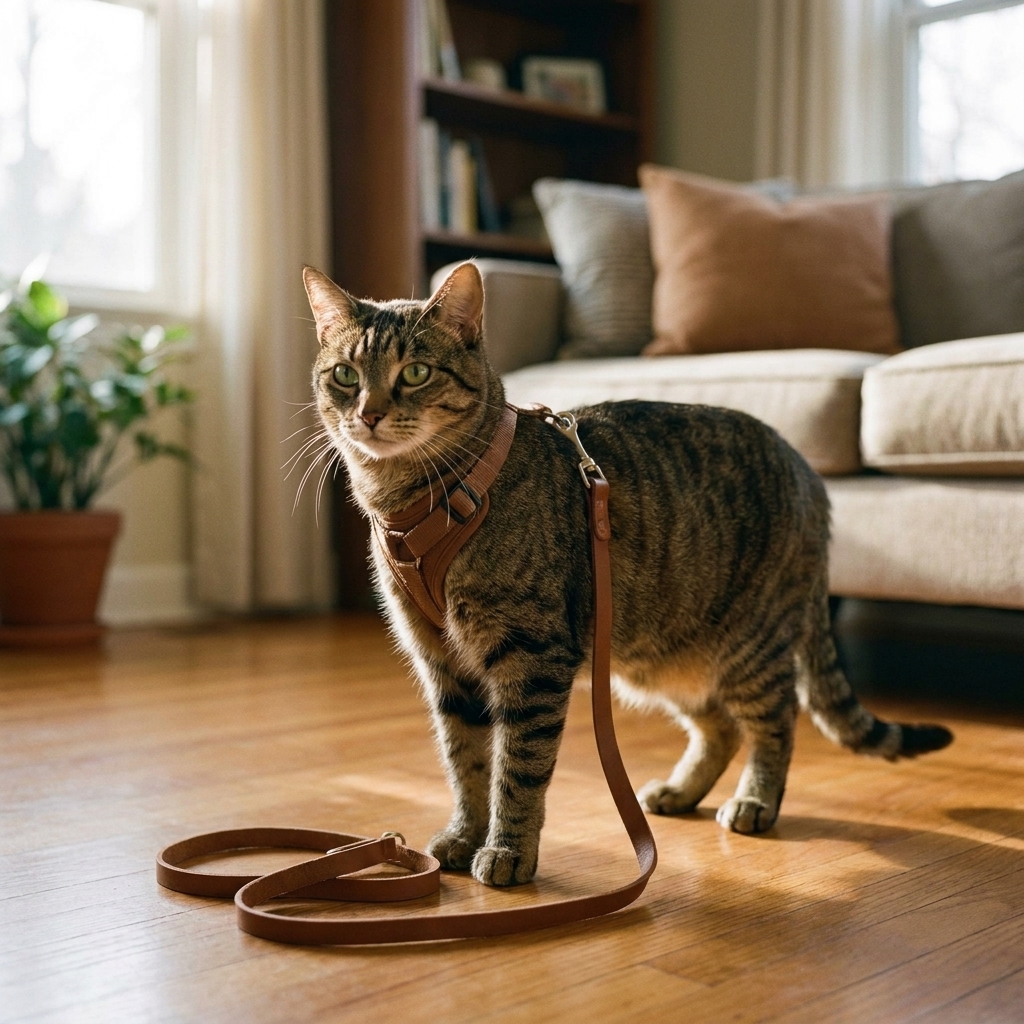
- Harness skills (calm acceptance of harness, then leash)
- Targeting to redirect (touch replaces ankle biting)
One of my favorite household “life hacks” is teaching a Bengal to hop onto a stool or cat tree on cue, then rewarding there. It turns counter surfing into a predictable, rewarded alternative.
Build a Bengal-friendly home
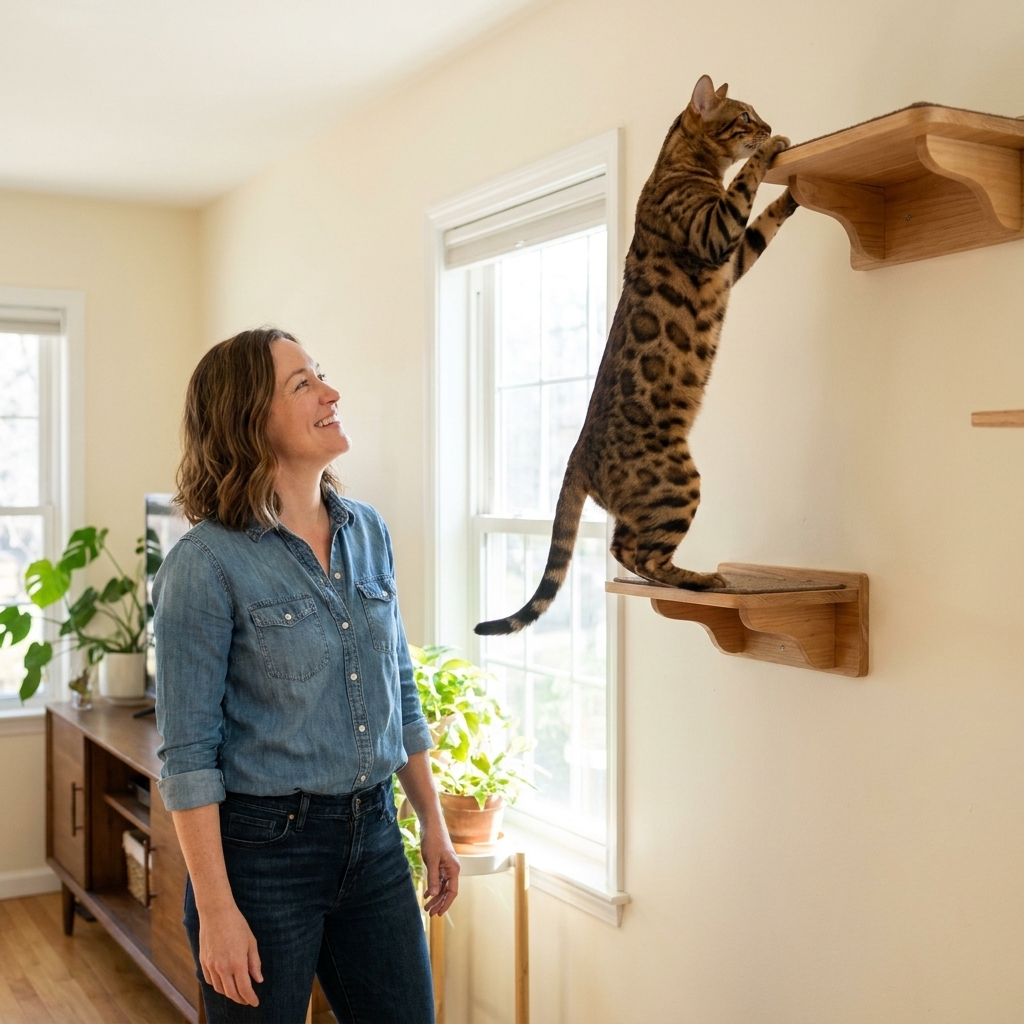
Bengals are vertical athletes. If you do not provide legal climbing routes, they will choose the fridge, curtains, or the top of your bookshelf.
Vertical territory
- Cat tree(s) tall enough to matter, ideally near a window
- Wall shelves spaced for safe jumps (and secured into studs)
- Window perches with a stable mount
Scratchers that save furniture
- One tall vertical scratcher (at least as long as your cat when stretched)
- One horizontal scratcher (cardboard or sisal mat)
- One “bonus” scratcher near the problem spot
Place scratchers where your Bengal already wants to scratch. Location matters more than brand.
Maintenance helps: Keep nails trimmed so climbing and play stay safer for everyone. If nail trims are a wrestling match, ask your veterinarian or groomer for a quick demo and try micro-sessions at home (one paw, one treat, done).
Bird TV without chaos
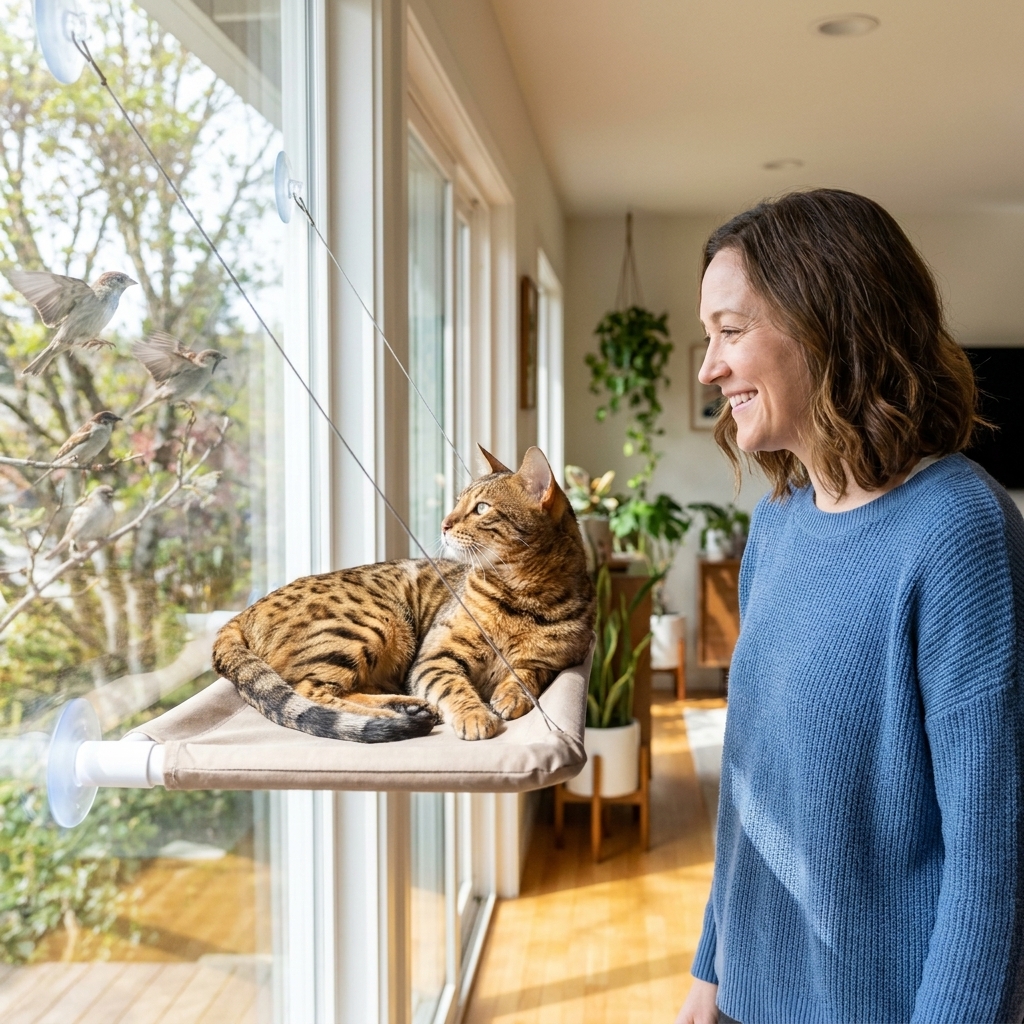
A safe window setup can occupy a Bengal for long stretches:
- Put a sturdy perch in a sunny window
- Add a bird feeder outside if possible
- Consider frosted film on lower panes if outside triggers cause stress
Common behavior problems
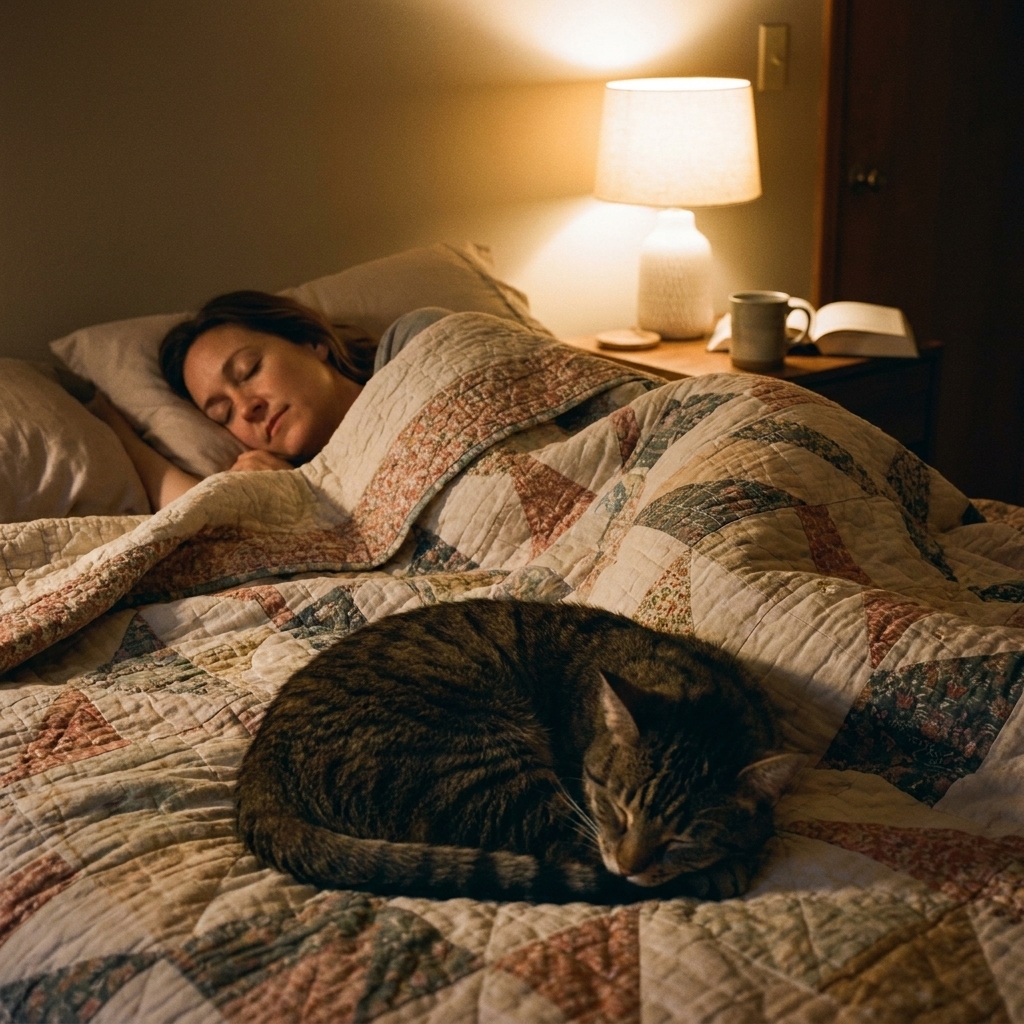
Midnight zoomies
Try:
- An evening play session that ends with food
- A small bedtime snack in a puzzle feeder
- Closing bedroom doors only if you can provide an alternative sleep spot and enrichment outside
Avoid roughhousing right before bed. It can wind a Bengal up like a toy with a key.
If nighttime yowling has become a routine, the hardest (and most effective) ingredient is consistency. As long as you are sure your cat is safe and their needs are met, avoid getting up to play or offer attention “just to settle them.” That is how a Bengal learns that 3 a.m. screaming works. A timed feeder for an early-morning meal can help break the pattern without you becoming the vending machine.
Play biting and ambush attacks
This is usually over-arousal plus a lack of appropriate “prey.”
- Increase interactive play earlier in the day
- Carry a small kicker toy to redirect
- Freeze and remove attention if teeth touch skin, then redirect to a toy
If your Bengal regularly breaks skin, involve a qualified behavior professional and your veterinarian to rule out pain or medical triggers.
Yowling and constant demands
Bengals are talkers, but persistent vocalizing can mean boredom, anxiety, or learned behavior.
- Reward quiet moments, not the yelling
- Use timed feeders for predictable meals
- Add training sessions for mental work
Destructive behavior
When I see shredding, chewing, or knocking items down, I ask two questions: “Where is the cat allowed to climb?” and “How are they earning food?” Increase legal outlets first, then manage access to tempting areas while you retrain.
Enrichment Bengals love
Harness training and safe outdoor time
Many Bengals love “adventure time,” but it should be structured and safe.
- Choose a well-fitted H-style or vest harness
- Start indoors, reward calm, and build slowly
- Keep first outdoor sessions brief and quiet
Avoid walking a cat on a collar alone. Cats can slip collars, and pressure on the neck is riskier. A properly fitted harness is the safer default.
Cat wheels
Some Bengals take to a cat wheel quickly and use it as a consistent energy outlet. Introduce it with treats and toys, and let your cat approach at their own pace. Do not force a cat onto a wheel, and supervise early sessions until you are confident your cat uses it safely.
Water play, the safe version
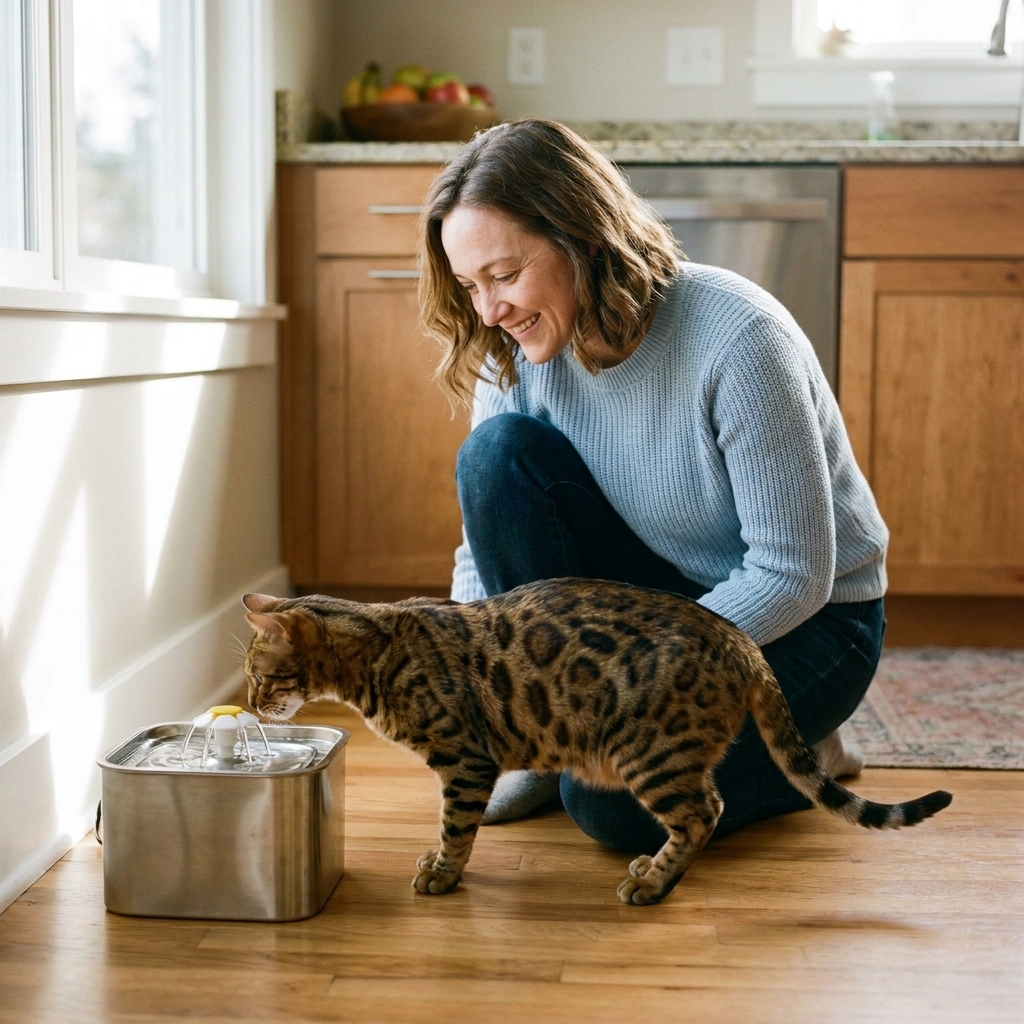
A lot of Bengals are fascinated by water. If yours is, try:
- A pet fountain with multiple flow settings
- A shallow tray with floating toys, supervised
- Ice cubes in a wide bowl for batting
Multi-cat and family tips
Bengals can do beautifully in busy households, but they need clear rules and enough resources.
If you have another cat
- Provide multiple play sessions so your Bengal does not use the other cat as a toy
- Add vertical escape routes so the less energetic cat can opt out
- Use separate feeding stations to prevent food guarding
If you have kids
- Teach kids to use wand toys, not hands
- Practice “statue game” when the cat gets rowdy: freeze, hands to self, call an adult
- Set up a calm cat-only zone so your Bengal can rest
When it might be medical
Sometimes behavior that looks like energy is actually discomfort or stress. Talk with your veterinarian if you notice:
- Sudden behavior changes
- New aggression or hiding
- Over-grooming or skin irritation
- Changes in appetite, thirst, or litter box habits
Pain, digestive upset, and urinary discomfort can all show up as irritability, restlessness, or attention-seeking. In older cats, conditions like hyperthyroidism can also look like “extra energy,” louder vocalizing, or a suddenly shorter fuse.
Quick FAQ
How much play does a Bengal need?
Many adult Bengals thrive with about 30 to 60 minutes of interactive play a day, split into 2 or 3 sessions. Kittens and young adults may need more, and seniors or cats with medical issues may need less. Quality matters more than quantity: think hard sprints and problem-solving, not just random toy waving.
Do Bengals calm down with age?
Many Bengals mellow somewhat after the adolescent phase, often around 2 to 4 years. But they usually stay more active than the average cat. The best predictor of a calmer Bengal is not age. It is enrichment.
Are laser pointers okay?
They can be, with rules. Always end with a “catch” using a physical toy, then offer a treat or meal. Without that finish, some cats get frustrated because the hunt never completes.
What is the biggest mistake you see with Bengals?
Assuming they will “self-entertain” without a plan. A bored Bengal will absolutely entertain themselves. You just might not like their chosen hobby.
Takeaway
Living with a Bengal is a little like living with a tiny, opinionated athlete. When you provide daily intense play, brain work through training and puzzle feeding, and a home that supports climbing and scratching, many problem behaviors shrink to manageable quirks. You are not trying to “calm your Bengal down” so much as giving that energy a healthy place to go.
If you want a simple starting point: pick one wand toy your Bengal loves, commit to the 15-5-5 routine for two weeks, and add one new vertical route. Small changes, big peace.