Ragdolls are basically walking clouds: plush, silky, and very cuddly. That semi-long coat is part of the magic, but it also comes with two common headaches for cat parents: mats in friction zones and hairballs during seasonal sheds.
The good news is that Ragdoll grooming does not need to be an hour-long salon appointment. You can prevent most tangles and cut down hairballs with a simple, consistent routine and the right tools. This guide walks you through what to do, in what order, and what to change if your Ragdoll is wiggly, sensitive, or already has mats.
Why Ragdolls mat and get hairballs
The Ragdoll coat in plain English
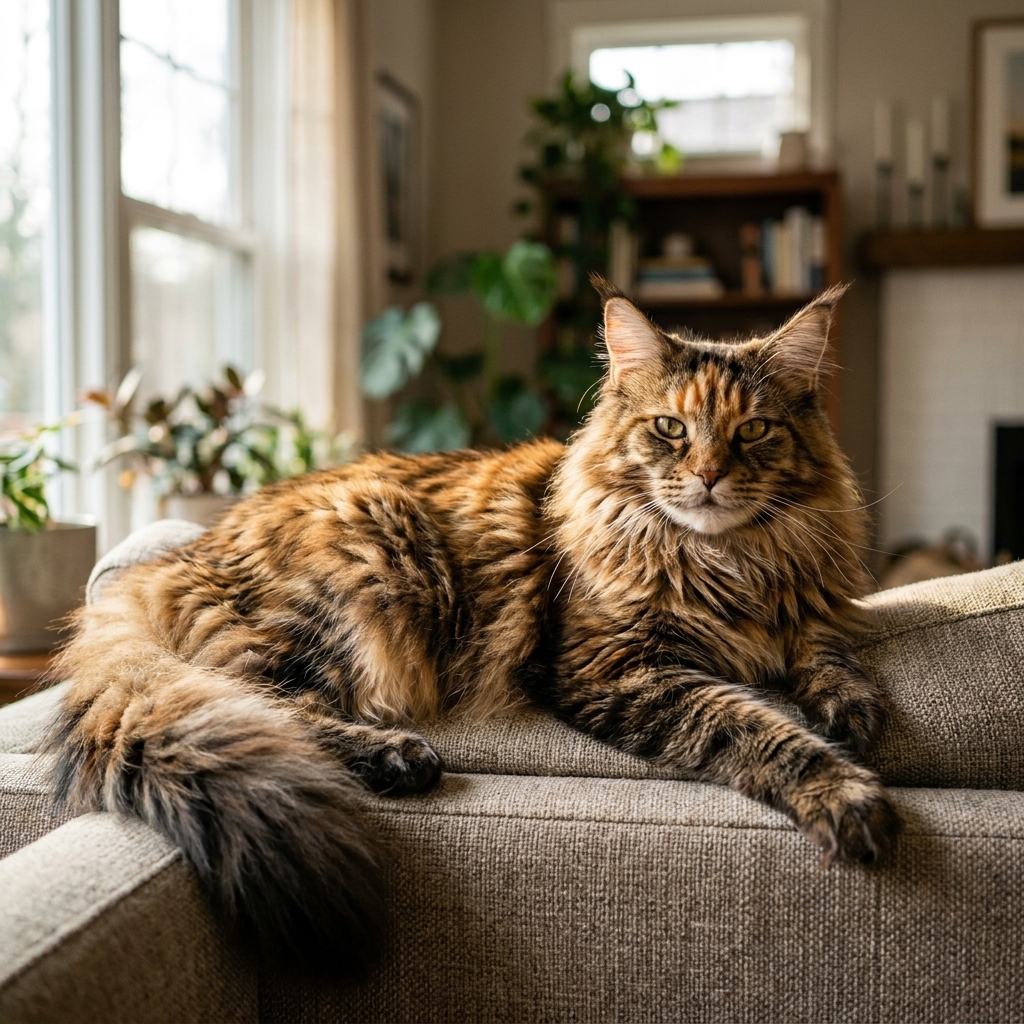
Ragdolls have a soft, semi-long coat that tends to be finer and silkier than many longhaired breeds. They are often described as having a less dense, woolly undercoat than some other longhaired cats, but coat type and thickness can vary by individual.
Mats form when loose hair gets twisted together by movement, moisture, and static. Think of it like a tiny knot that tightens every time your cat walks, jumps, or rolls.
Common mat zones
- Behind the front legs (armpits): constant rubbing
- Under the collar area (if your cat wears one)
- Chest ruff and belly: softer hair, more movement
- Britches (back of the thighs)
- Base of the tail: heavy shedding zone
Why hairballs happen
Hairballs are often a grooming management issue. The more loose hair your cat swallows while self-grooming, the more likely they are to vomit a hairball. Regular brushing removes that loose hair before your cat can ingest it.
That said, frequent hairballs or frequent vomiting is not always just about shedding. Overgrooming from skin irritation or allergies, parasites, stress, or digestive issues can all play a role. If hairballs seem excessive or your cat is vomiting often, it is worth a vet conversation.
Your grooming toolkit
You do not need a drawer full of gadgets, but you do need tools that match a semi-long, fine coat. If you only buy two things, make it a stainless steel comb and a gentle slicker brush.
Must-haves
- Stainless steel greyhound-style comb (medium and fine teeth): your best mat detector. If the comb cannot glide to the skin, a tangle is forming.
- Soft slicker brush (fine, flexible pins): great for lifting loose hair from the topcoat without yanking.
Nice-to-haves
- Detangling spray for cats: helps reduce static and friction. Choose fragrance-free when possible.
- Grooming gloves or a rubber curry-style brush: useful for very grooming-shy cats as a first step.
- Cat-safe wipes: for spot-cleaning the chest, paws, or rear end.
Use with caution
- Furminator-style deshedding blades: these can remove too much coat and irritate skin if overused or used with heavy pressure. Some groomers use similar tools carefully, but many Ragdolls do best with a slicker and comb.
- Scissors: I do not recommend using scissors to cut out mats at home. Cat skin is thin and can “tent” up into the mat. Clippers are safer if removal is truly needed.

Step-by-step grooming routine
This is a realistic routine you can actually keep up with. Do the quick version most days and the full version 1 to 2 times per week.
Step 1: Set up a calm station (1 minute)
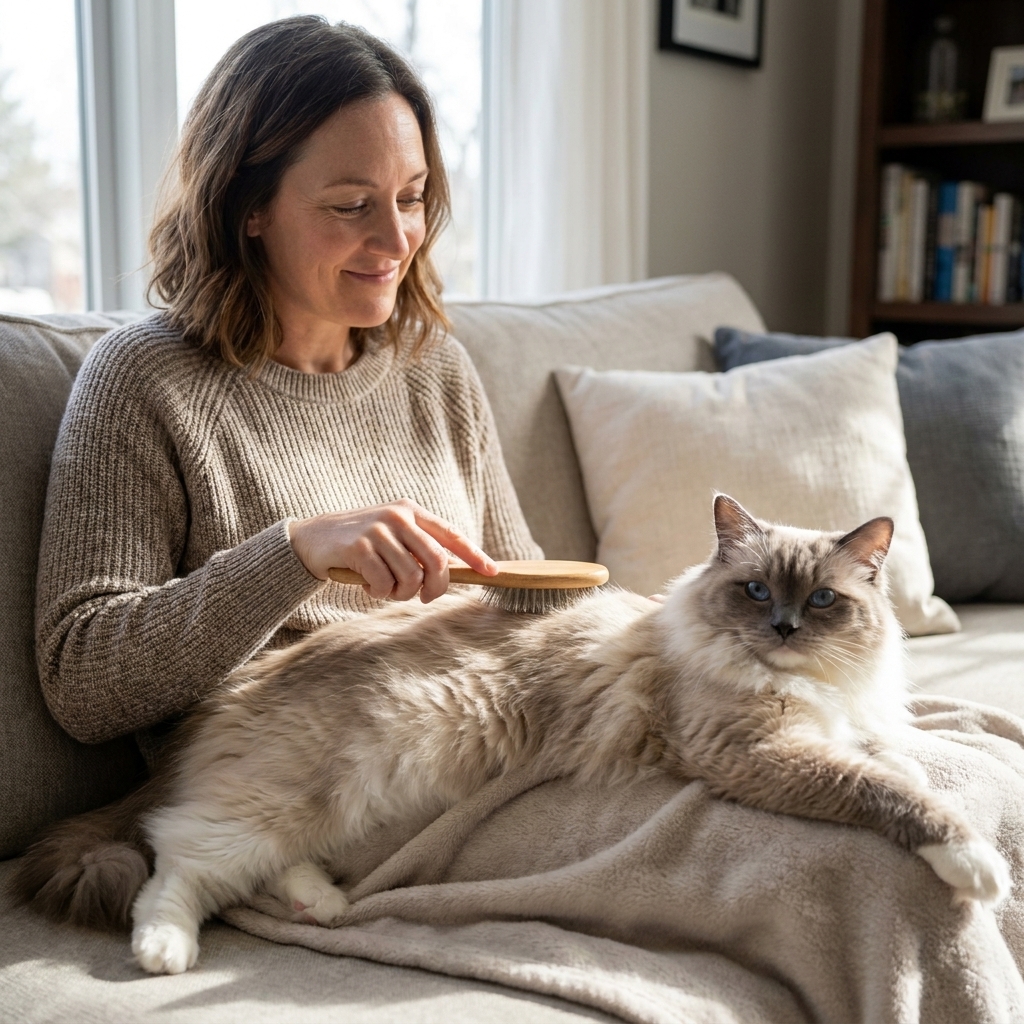
Choose a spot your cat already likes, like the couch, a cat tree platform, or your bed. Put down a towel or yoga mat so your Ragdoll feels stable.
- Keep sessions short at first. Think 2 to 5 minutes.
- Have treats ready. Lickable treats can help keep the head busy.
Step 2: Do a mat check (1 minute)
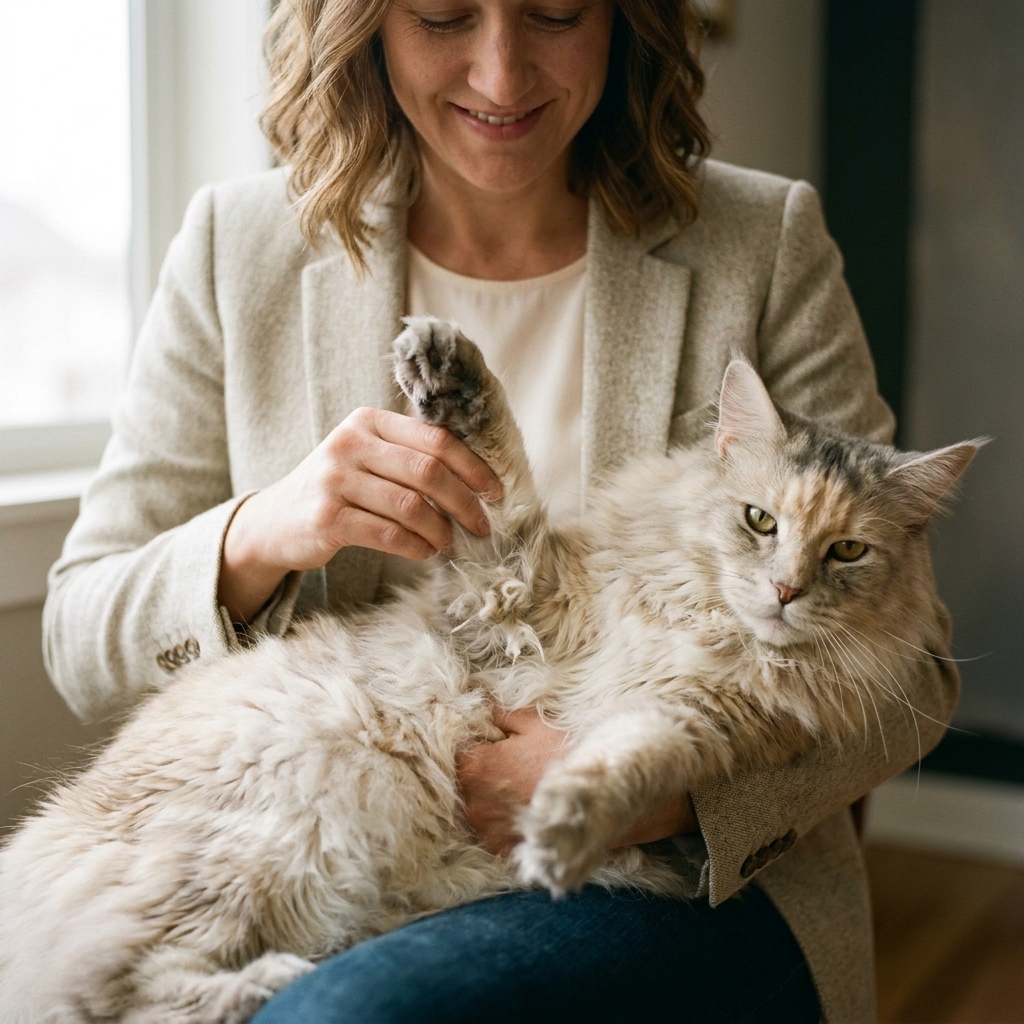
Before you brush, run your hands over friction zones: armpits, chest, belly, and britches. You are feeling for clumps, tight areas, or a “crunchy” texture.
If you find a small tangle, pause and address it before you brush the rest. Brushing over a knot just tightens it.
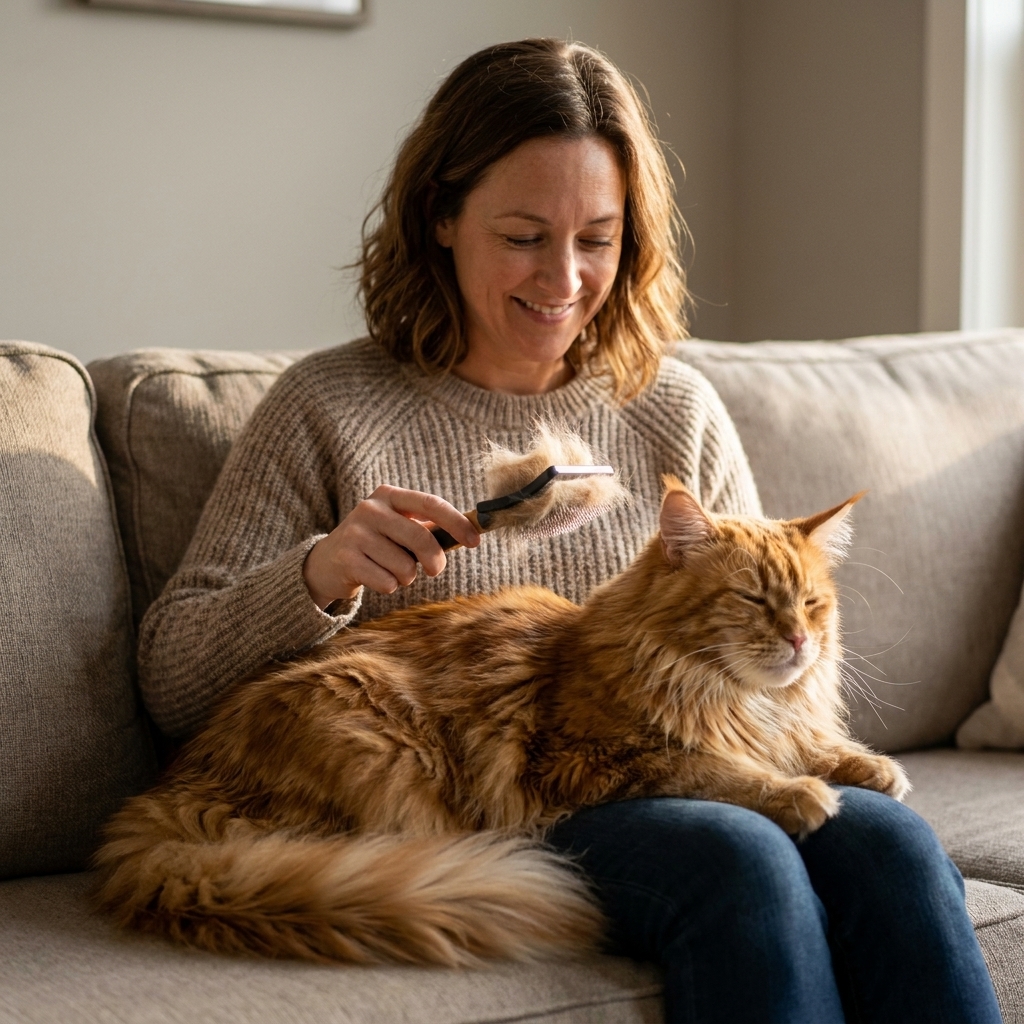
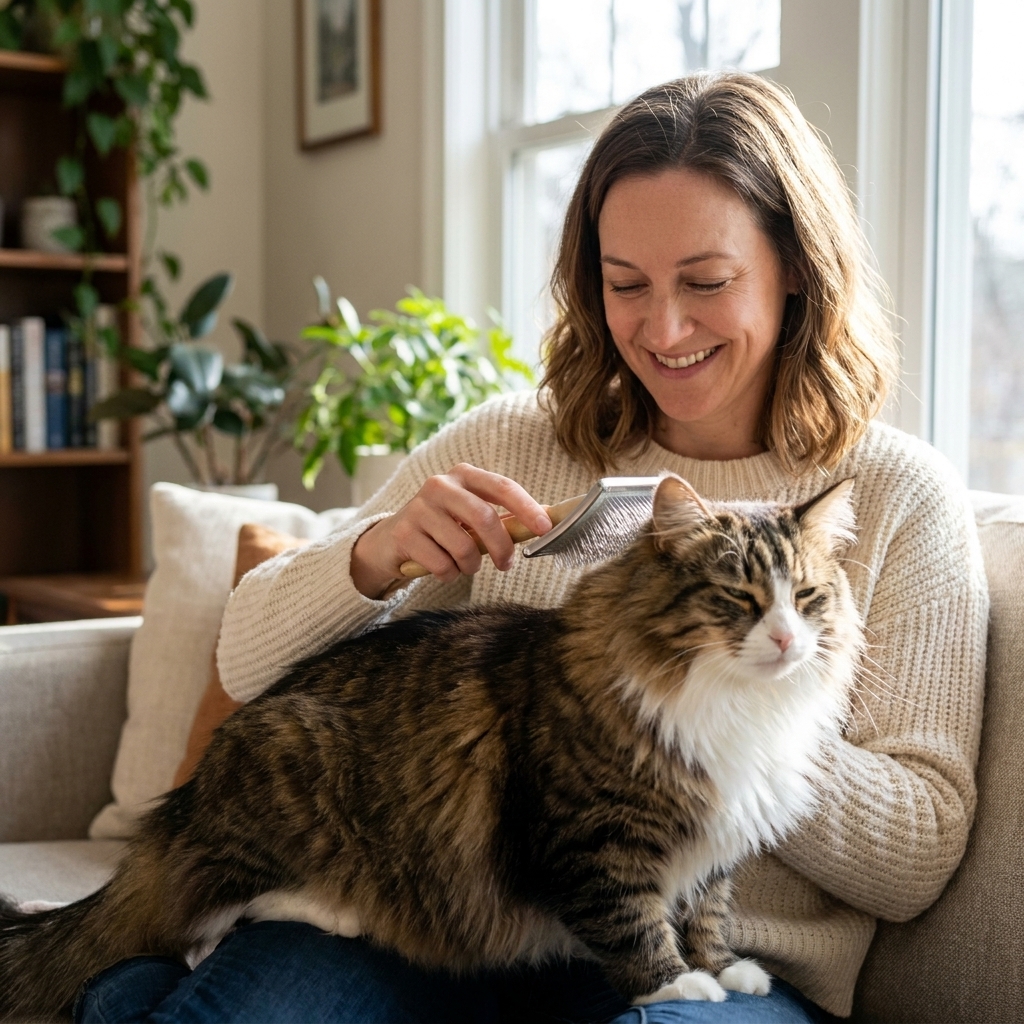
Step 3: Slicker brush with the coat (2 to 5 minutes)
Use gentle, short strokes in the direction the hair naturally lies. Your goal is to pull out loose shed hair, not scrape the skin.
- Start where your cat likes it most, often the back and sides.
- Save sensitive areas (belly, armpits) for last.
- If your brush is snagging, switch to the comb and find the tangle.
Brush-burn check: keep pressure light and let the pins do the work. If you notice redness, warmth, or your cat suddenly flinches, stop and reassess your pressure and tool choice.
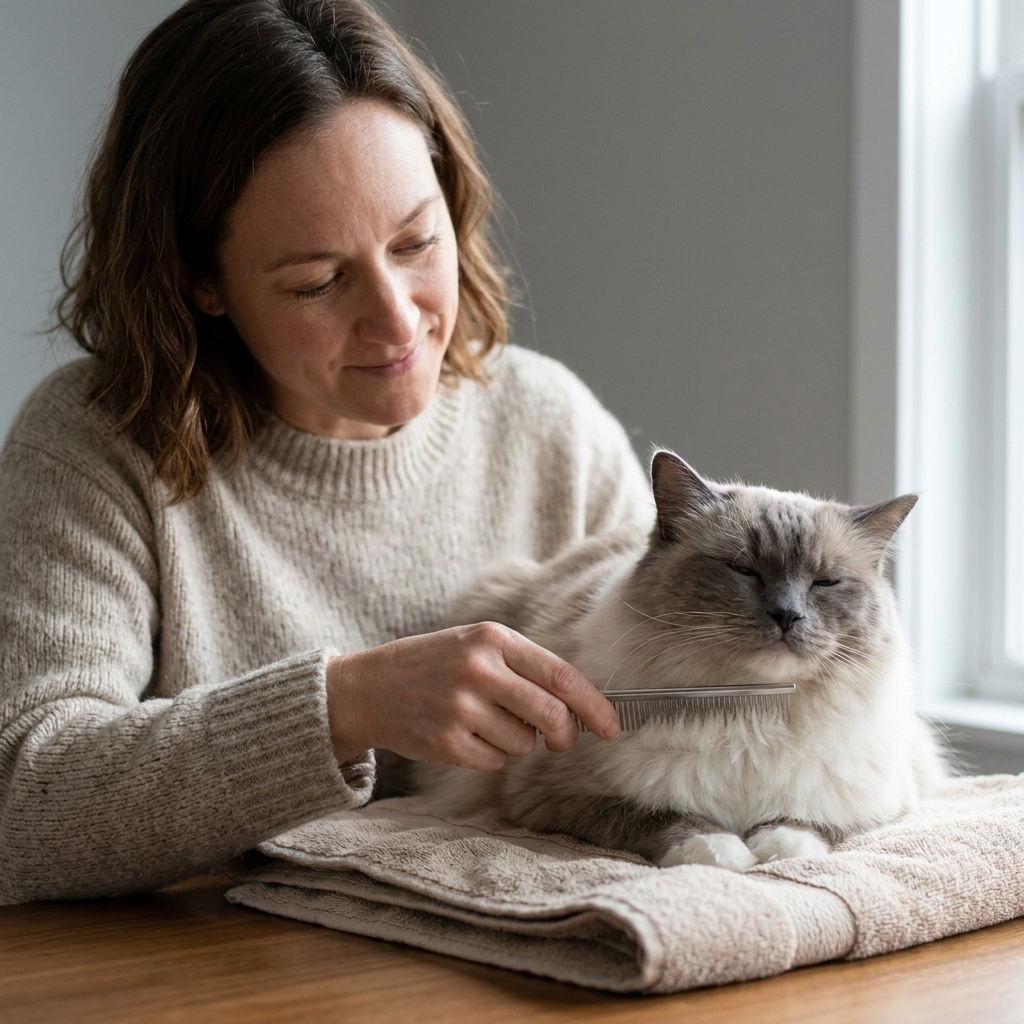
Step 4: Line comb to the skin (3 to 8 minutes)
This is where mat prevention really happens. The technique is called line combing: lift the coat and comb in layers so you reach the hair close to the skin, not just the fluffy top.
A simple rule: if the comb does not pass through smoothly down to the skin, stop and investigate. That is how you catch mats while they are still tiny and fixable.
Step 5: Hit the hairball zones (1 to 3 minutes)
During shedding seasons, spend extra time on the areas that release a lot of loose hair:
- Back and hips
- Base of the tail
- Britches
These zones often look fine on the surface but hide a surprising amount of loose fluff that your cat will otherwise swallow.
Step 6: End on a win (30 seconds)
End before your cat gets irritated. Offer a treat, a short play session, or a favorite chin rub. Over time, this is what turns grooming from “tolerated” into “accepted.”
How often to groom
Coat needs vary, but here is a reliable starting schedule:
- Quick brush: 3 to 5 times per week (2 to 5 minutes)
- Full brush and comb: 1 to 2 times per week (10 to 20 minutes)
- Heavy shedding periods: daily quick brushing for 1 to 2 weeks can make a huge difference
If your Ragdoll is prone to mats, bump up combing frequency rather than brushing harder. Gentle and frequent beats intense and occasional.
Safe detangling
Mats happen to the best of us. The key is handling them in a way that protects your cat’s skin and your relationship with them.
For tiny tangles
- Spritz a little cat-safe detangling spray onto your hands, not directly onto your cat.
- Use your fingers to gently separate hairs.
- Then use the comb, starting at the outer edge of the tangle and working inward.
For medium mats
- Hold the hair at the base of the mat between your fingers to protect the skin from pulling.
- Use the comb to pick at the mat from the tips toward the base.
- Work in short bursts. Take breaks.
For large or skin-tight mats
These are a job for a professional groomer or your vet clinic. Skin-tight mats can hide sores and can tear skin when pulled. If your Ragdoll is older, overweight, arthritic, or grooming less, mats can escalate quickly.
If you need an urgent at-home solution, electric clippers with a guard are safer than scissors, but many cats will not tolerate the sound. If you attempt it, use quiet pet clippers, keep the blade cool, and stop immediately if your cat struggles or the mat feels stuck to the skin. When in doubt, book a groom.
Hairball prevention beyond brushing
Brushing is the foundation, but a few lifestyle tweaks can help hair move through the digestive tract more smoothly.
Hydration matters
Dehydration can contribute to constipation, which can make hair harder to pass. Encourage drinking with a fountain, multiple water stations, and wet food if it works for your cat’s diet plan.
Nutrition and fiber
Some cats benefit from modest dietary fiber to help move ingested hair along. This might mean a hairball-focused diet, a vet-approved fiber supplement, or adding a small amount of fiber-rich food recommended by your veterinarian. If your cat has vomiting, diarrhea, or a sensitive stomach, get guidance before changing anything.
Environmental support
- Regular play may support normal gut motility and overall wellbeing.
- Stress reduction can reduce overgrooming in anxious cats.
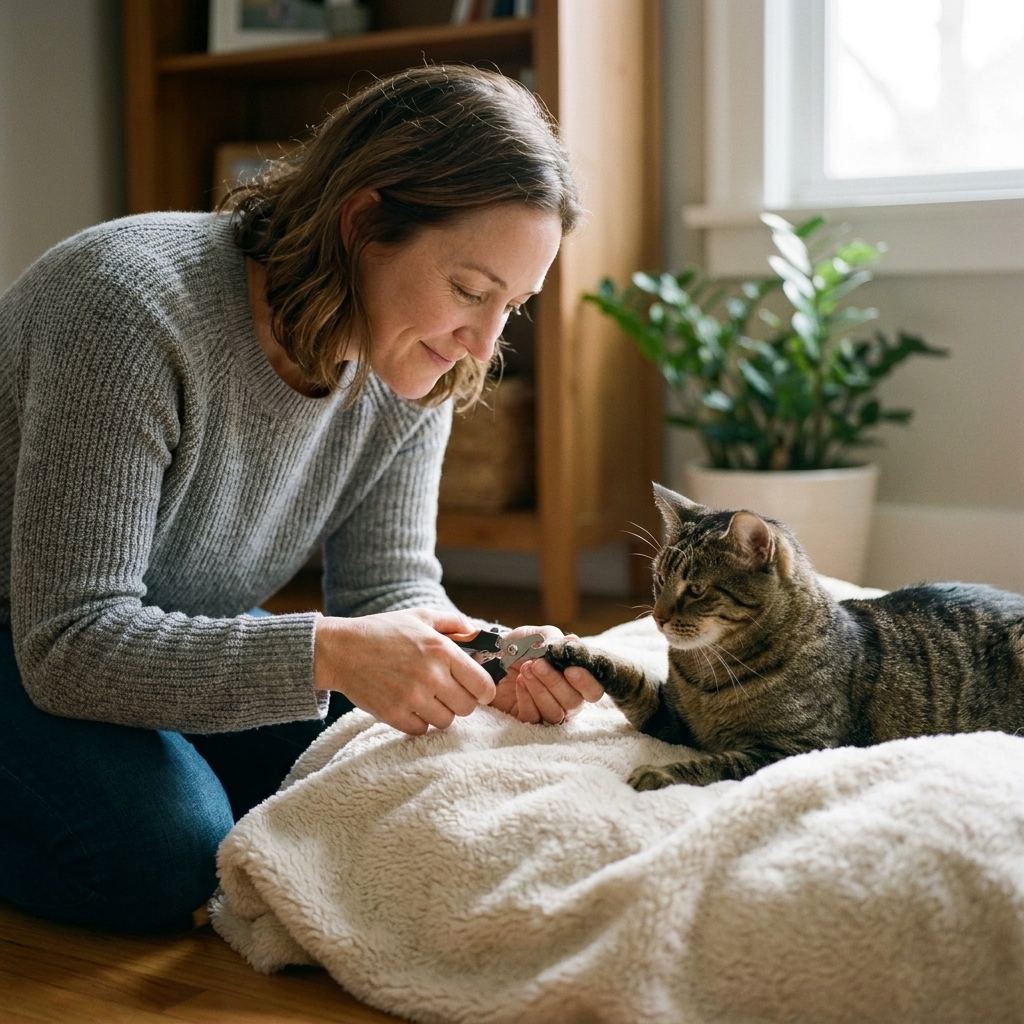
- Routine nail trims can reduce snagging on fabric and carpets, which helps prevent broken nails and coat tangles that start after a snag.
Bathing and sanitary upkeep
Do Ragdolls need baths?
Usually, no. Most healthy Ragdolls keep themselves clean. A bath can help during peak shedding or if your cat got into something sticky, but frequent bathing can dry skin and make the coat more prone to tangling.
If you do bathe, use a cat-specific shampoo, rinse thoroughly, and dry completely. Damp fur mats easily.
Sanitary trims
Some Ragdolls with very fluffy rear ends or recurring stool stuck to fur benefit from a sanitary trim by a groomer. It is not about aesthetics. It is about comfort and hygiene, especially for kittens, seniors, or cats with mobility limitations.
If your Ragdoll hates grooming
If your cat acts like the brush is personally offensive, you are not alone. Many cats are sensitive to touch in specific areas, or they have learned that grooming predicts discomfort. We can change that.
Use micro-sessions
- Do 10 to 20 seconds of brushing.
- Give a treat.
- Stop before your cat bolts.
Build up slowly. Consistency matters more than duration.
Pick the right time
Groom when your Ragdoll is naturally calmer, often after a meal or a play session. Avoid trying to groom during high-energy periods.
Respect no-go zones
If your cat guards their belly or armpits, do not start there. Earn trust on easy areas first, then gradually work closer to sensitive spots.
Watch body language
Early stress signs include skin twitching, tail flicking, ears rotating back, sudden grooming, and “airplane ears.” If you wait for growling or swatting, you have already pushed too far. Pause, reward, and try again later.
When it might be medical
Sudden mats, dandruff, greasy coat, or a Ragdoll who stops grooming can be a clue that something else is going on. Consider a vet check if you notice:
- New or worsening mats despite regular brushing
- Overgrooming, bald patches, or scabs
- Repeated vomiting (with or without hairballs)
- Constipation, straining, or small hard stools
- Bad breath, drooling, or chewing avoidance (dental pain can reduce self-grooming)
- Significant weight gain, stiffness, or trouble reaching the back and hips
Urgent red flags: repeated unproductive retching or gagging, lethargy, reduced appetite, a painful belly, or a cat that cannot keep food or water down. Those signs can point to a blockage or another urgent issue, so do not wait it out.
Quick recap
If you want the simplest version to screenshot mentally, here it is:
- 3 to 5 times a week: quick slicker brush, focusing on back, hips, base of tail
- 1 to 2 times a week: line comb down to the skin in layers, focusing on armpits, chest, belly, and britches
- Any time you feel a knot: stop, detangle gently, do not brush over it
- During shed season: increase frequency, not force
Ragdoll grooming FAQ
Do Ragdolls mat less than other longhaired cats?
Many do, but “less” does not mean “never.” Ragdolls still mat in friction areas and during seasonal sheds, especially if they are not combed down to the skin regularly.
What brush is best?
My top combo is a soft slicker brush plus a stainless steel comb. The slicker removes loose hair efficiently, and the comb is what prevents hidden mats from setting up close to the skin.
Can I shave my Ragdoll to prevent mats and hairballs?
Shaving can be appropriate in cases of severe matting, medical needs, or for cats who cannot be groomed safely at home. As a routine strategy, it is usually not necessary. Regular combing and a realistic schedule are typically enough and keep the coat protective and comfortable.
How do I reduce hairballs fast?
Brush daily for 1 to 2 weeks, especially the back half and base of the tail, and prioritize hydration. If your cat is vomiting frequently, gagging often without producing a hairball, or seems uncomfortable, check in with your vet rather than assuming it is “just hairballs.”