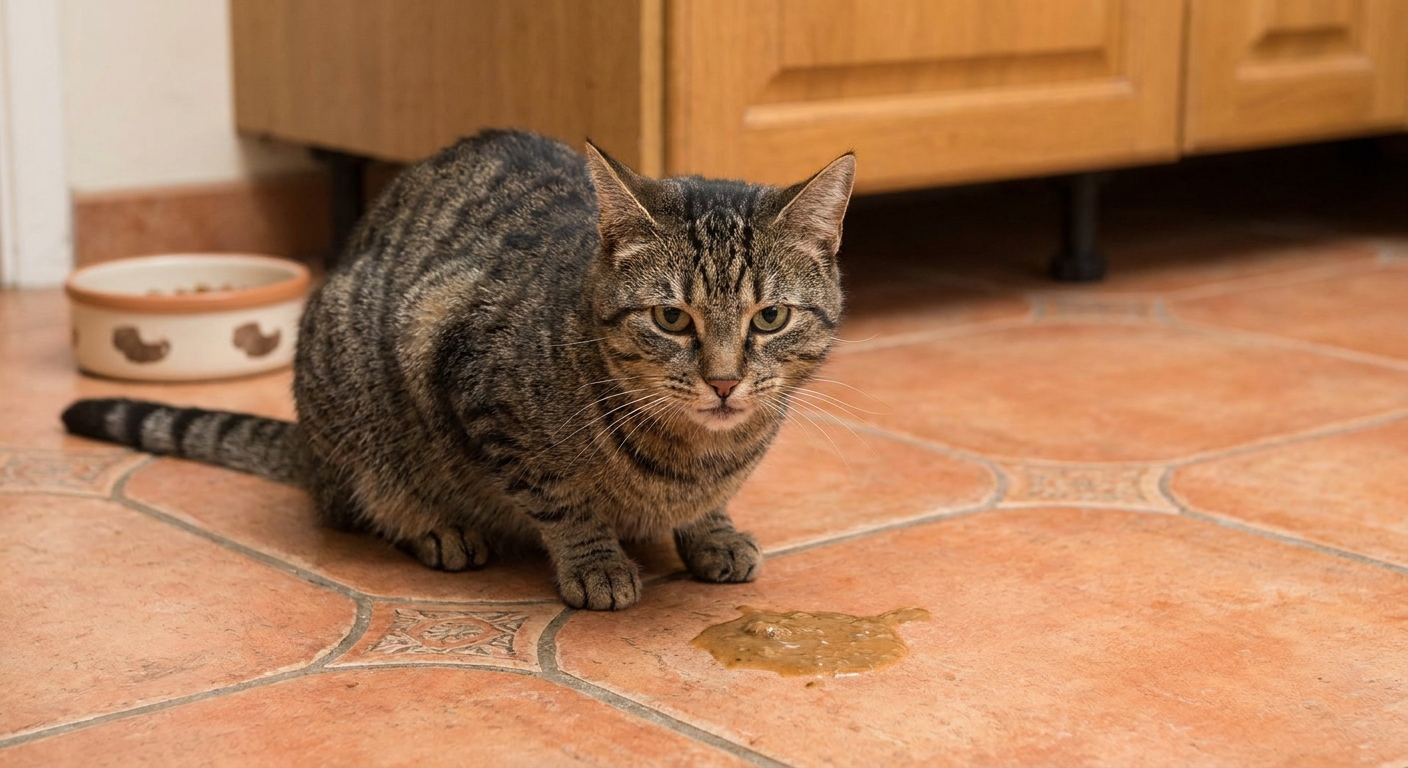
The first time I saw Clementine’s third eyelid peeking up, I did what a lot of cat parents do. I leaned in too close, squinted back at her squinty eye, and immediately convinced myself something was terribly wrong.
Sometimes, it is a real problem. Other times, it’s just your cat’s built-in “eye windshield wiper” doing its job or lingering a bit longer than usual after a nap. The trick is knowing which is which, and what signs mean it’s time for a vet visit.
What the “third eyelid” is
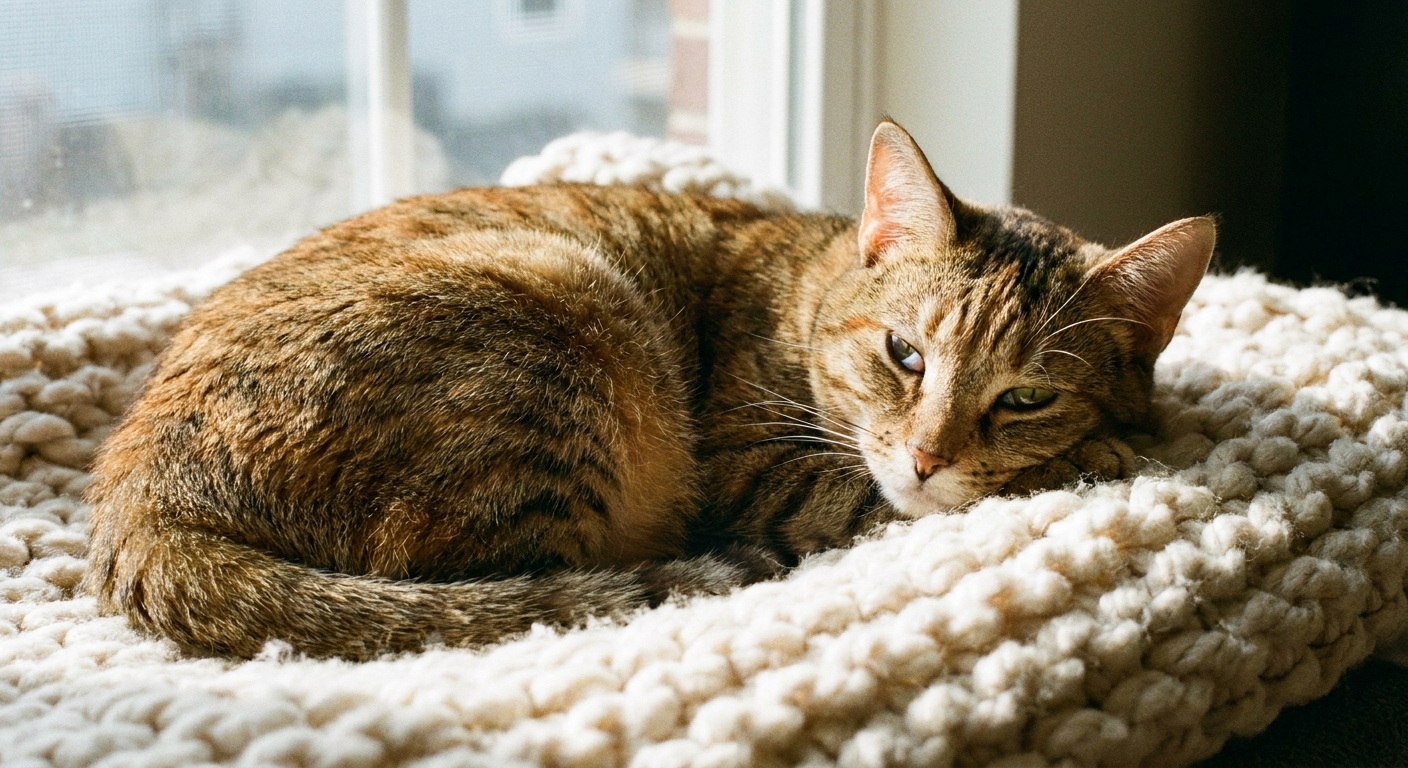
Your cat has an extra eyelid called the nictitating membrane. It’s a thin, usually pale pink or whitish tissue that sits in the inner corner of the eye (near the nose). In a healthy, alert cat, you typically cannot see much of it.
What it does
- Protects the eye from scratches, debris, and trauma.
- Helps support the tear film by contributing to it and helping distribute it across the cornea.
- Supports immune defense because it contains lymphoid tissue that can help respond to irritation and infection.
It’s normal for the nictitating membrane to flick up briefly when your cat is sleepy, waking up, or if you gently open the eyelids while they’re dozing. It should slide back out of sight quickly once they’re alert.
When it’s normal
Usually normal
- Just woke up and the third eyelid lingers briefly.
- Deep relaxation with slow blinks and no other symptoms.
- Temporary stress (like a car ride) can make it more noticeable in some cats, but it should not persist once they settle.
More concerning
If the nictitating membrane stays visible beyond a nap and wake cycle, keeps returning throughout the day, or shows up with squinting, discharge, redness, cloudiness, or behavior changes, assume it’s a symptom, not a quirk.
A helpful rule of thumb I used as a foster coordinator: eyes don’t “wait and see” well. Small eye problems can become painful or vision-threatening quickly.
Common reasons it’s showing
Third eyelid elevation is not a diagnosis by itself. It’s a sign that something is irritating the eye, affecting the tissues around it, or your cat’s body is under stress.
1) Conjunctivitis
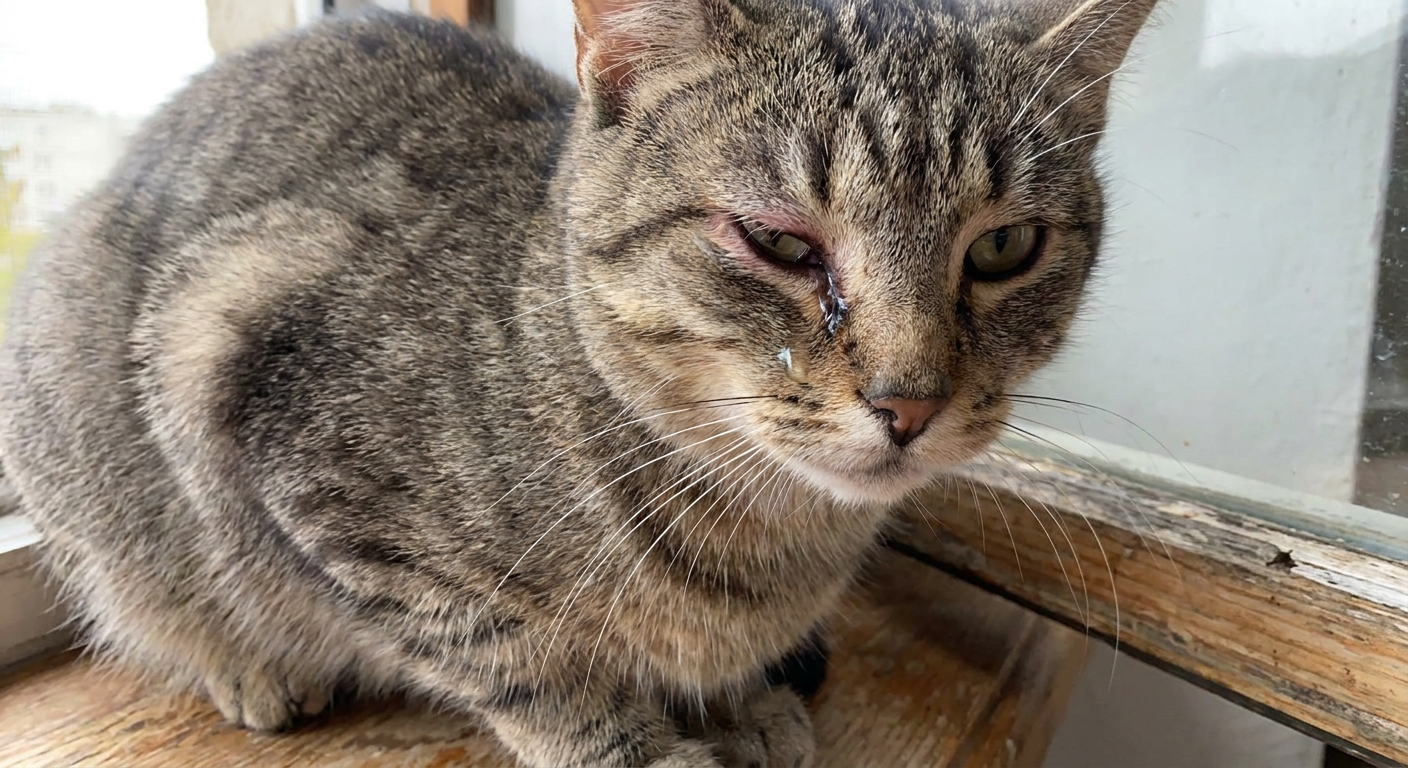
Conjunctivitis can happen from viral infections (like feline herpesvirus), bacterial overgrowth, allergies, or irritants.
- What you may see: red or puffy eyelids, watery eyes or mucus, crusting, frequent blinking, pawing at the face, third eyelid visible.
- Often affects: one eye at first, but can spread to both.
2) Corneal scratch or ulcer
Corneal ulcers are painful. They can come from rough play, a foreign body, or an infection that damages the cornea.
- What you may see: squinting, keeping the eye closed, tearing, sensitivity to light, rubbing the face, third eyelid up.
- Why it matters: ulcers can worsen fast and sometimes require urgent treatment to protect vision.
If your cat is squinting or holding an eye shut, treat it as a same-day vet issue.
3) Dehydration or feeling unwell
When cats are dehydrated or systemically unwell, the third eyelids can become more visible. Sometimes it’s because the eyes look slightly sunken, and sometimes it’s part of a broader illness response.
- What you may see: low energy, reduced appetite, dry or tacky gums, constipation, vomiting, diarrhea, or decreased drinking.
Even mild dehydration can snowball in cats, especially if they are not eating.
4) GI upset and Haws syndrome
Some cats develop prominent third eyelids in both eyes alongside gastrointestinal issues like diarrhea. This is sometimes called Haws syndrome. The eyes themselves may look otherwise normal (not red, not goopy), but the third eyelids are clearly up.
- What you may see: third eyelids visible in both eyes, diarrhea, appetite changes, weight loss, or a recent parasite history.
It still warrants a veterinary check because parasites, infections, and other GI problems can be involved, and you want to rule out eye-specific disease too.
5) Upper respiratory infection
Cat colds can involve the eyes. Herpesvirus in particular can flare during stress and cause recurring eye trouble.
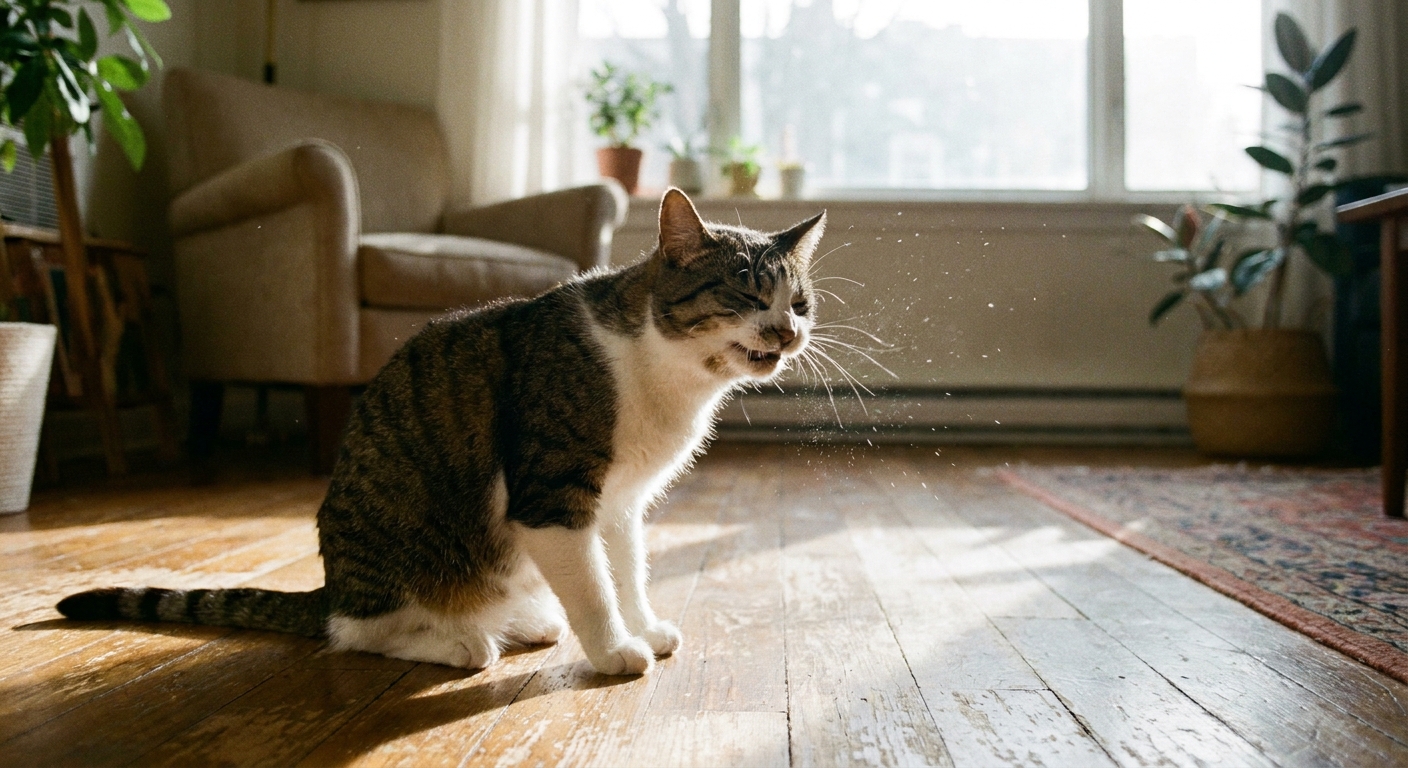
- What you may see: sneezing, nasal discharge, watery eyes, squinting, third eyelid visible, reduced appetite (often because smell is impaired).
6) Foreign body or irritant
Dust, litter particles, plant matter, or a tiny speck can irritate the eye and trigger the third eyelid to rise.
- What you may see: sudden tearing, blinking, pawing at the eye, mild swelling, third eyelid popping up.
Do not try to “dig out” anything you think you see. It’s very easy to cause damage.
7) Pain, stress, or systemic illness
Sometimes the third eyelid shows because your cat is dealing with something that is not primarily an eye problem, like fever, significant pain, or other systemic illness. Cats are masters at hiding discomfort, so this can be one of the subtle hints.
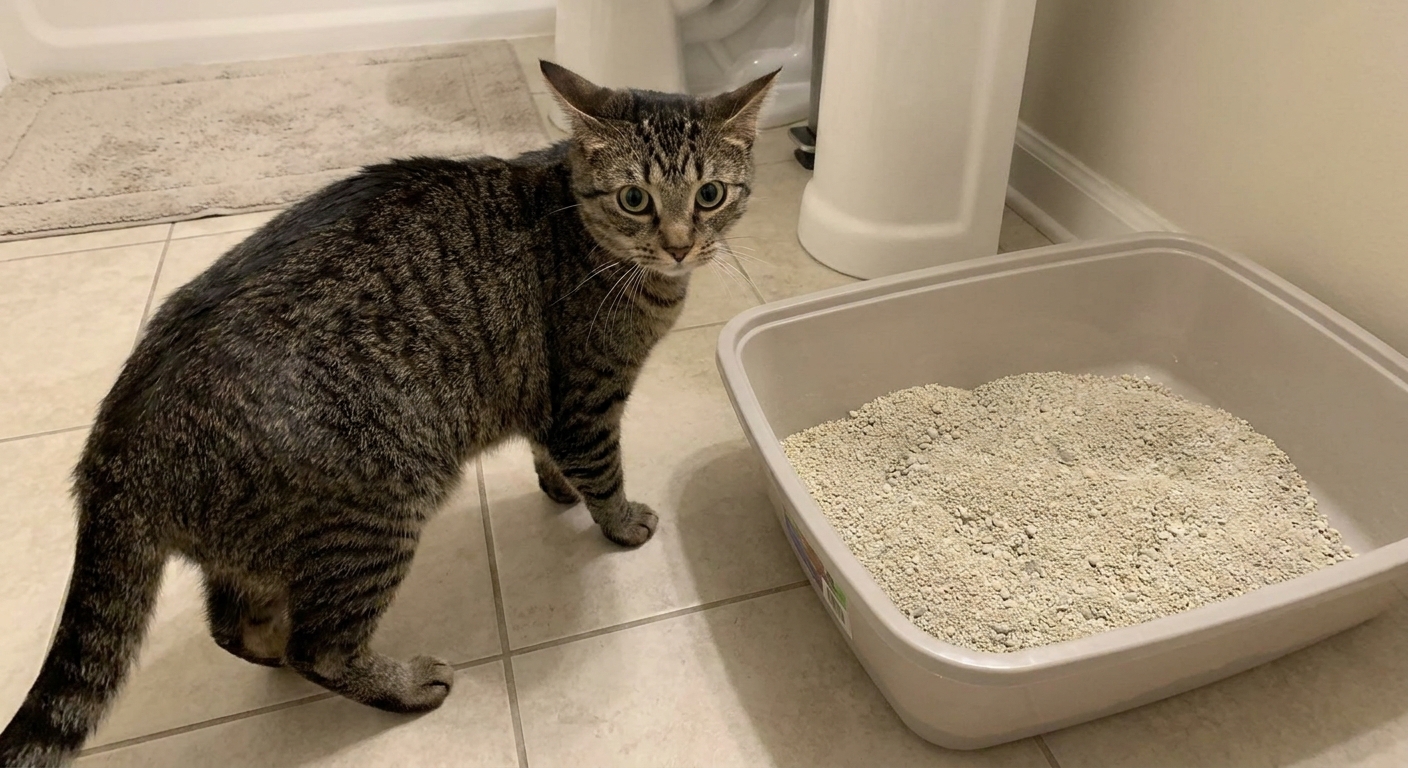
- What you may see: hiding, decreased grooming, appetite drop, weight loss, changes in litter box habits, and a general “not themselves” vibe.
8) Neurologic or behind-the-eye causes
Conditions that affect the nerves around the eye, the eyelids, or the space behind the eye can change eyelid position. Two patterns vets watch for include:
- Horner’s syndrome (often includes a droopy upper eyelid, smaller pupil, and third eyelid elevation on one side). It can be linked to ear disease, neck or chest issues, trauma, or sometimes no clear cause.
- Orbital pain or swelling (behind the eye), which can make the eye look abnormal and lead to third eyelid elevation. Causes can include trauma, infection, inflammation, or a mass.
If you notice unequal pupil sizes, facial asymmetry, a bulging eye, sudden changes on one side, or obvious pain, get your cat seen promptly.
9) Third eyelid gland prolapse (cherry eye)
This is less common in cats than dogs, but it happens. Instead of a flat pale membrane sliding up, you may see a pink or red rounded bulge at the inner corner of the eye.
- What you may see: a fleshy lump at the inner corner, irritation, tearing, pawing at the eye.
Cherry eye is not something to treat at home. Your vet needs to confirm what it is and discuss options.
10) After sedation or anesthesia
Some cats have visible third eyelids while waking up from sedation or anesthesia. If it’s mild and resolves as they become fully alert, it can be normal. If it persists, or if the eye looks painful or irritated, call your vet.
Red flags to call the vet
If any of the following are present, I recommend contacting your veterinarian the same day (or an emergency clinic if your cat seems painful or the eye looks severely affected):
- Squinting or holding an eye closed
- Eye looks cloudy, blue, or has a visible spot on the surface
- Thick yellow or green discharge
- Significant redness or swelling
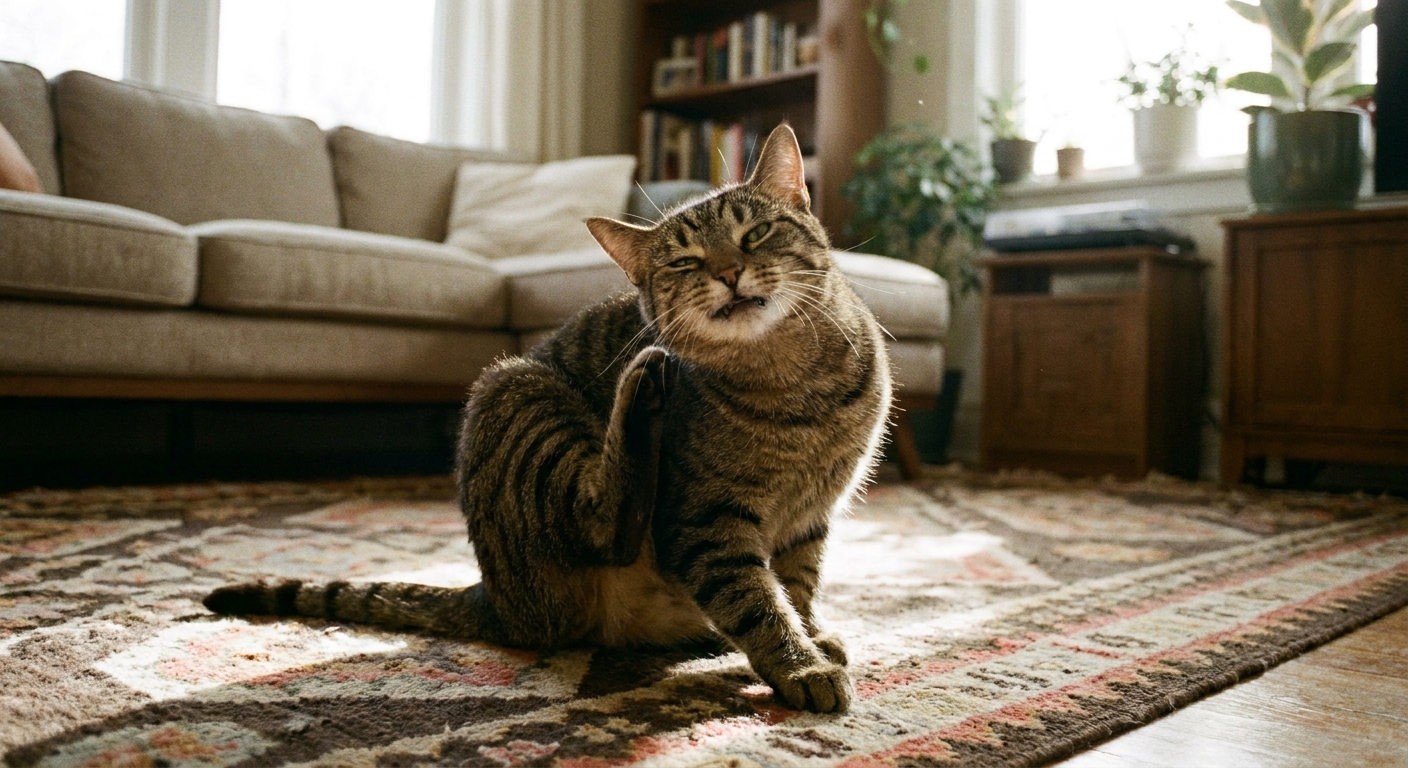
- Your cat keeps pawing at the eye or rubbing the face on furniture
- Third eyelid stays up beyond a few hours or does not go back down after sleep and waking
- Unequal pupils, sudden cross-eyed appearance, a new droopy eyelid, or a bulging eye
- Recent trauma (fall, fight, hit by something, rough play)
- Not eating, vomiting, diarrhea, lethargy, or hiding along with the eye change
If your cat is a kitten, a senior, immunocompromised, or has a known herpes history, lean toward an earlier exam.
What you can do at home
While you’re arranging care or watching a mild, short-lived episode, here are safe steps that help without risking harm.
1) Take a quick photo
Snap a clear photo in good light from the front and from each side. This helps you track whether the third eyelid is improving and gives your vet useful information.
2) Check the whole cat
- Is your cat eating and drinking normally?
- Any vomiting or diarrhea?
- Sneezing or nasal discharge?
- Any squinting or rubbing?
3) Prevent self-trauma
If your cat is rubbing the eye, ask your vet about using an e-collar. Self-rubbing can turn a minor irritation into a serious corneal ulcer.
4) Wipe discharge only if needed
You can use a clean cotton pad or soft gauze lightly dampened with sterile saline made for eyes to wipe crust from the fur around the eye. Wipe from the inner corner outward, and use a fresh pad each pass.
Do not flush the eye forcefully and do not try to remove anything stuck to the eyeball.
5) Skip unprescribed drops
Please avoid using human eye drops or leftover pet medications unless your veterinarian specifically tells you to. Some products are unsafe for cats, and steroid-containing drops can make certain conditions (especially corneal ulcers) dramatically worse.
6) Avoid common DIY hazards
- No hydrogen peroxide in or near the eye.
- No essential oils or herbal products around the eye.
- No contact lens solution unless it is specifically labeled as sterile saline appropriate for rinsing eyes.
- No tap water eye rinses if you are trying to “wash something out.” Stick with veterinary guidance and sterile products.
What the vet may do
Knowing what to expect can make the appointment less stressful.
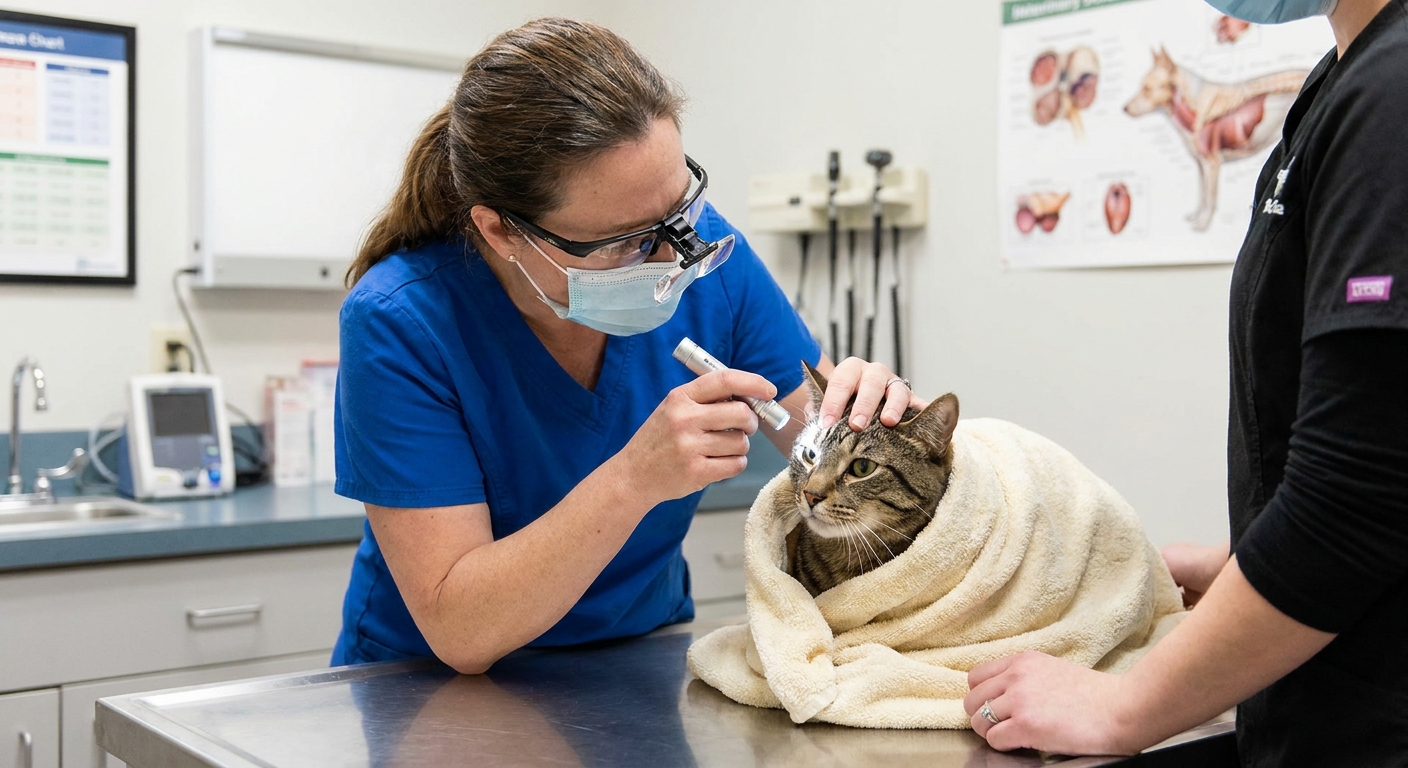
- Full eye exam including eyelids and the space under the lids.
- Fluorescein stain to check for corneal ulcers or scratches.
- Eye pressure check in some cases to help rule out glaucoma or uveitis.
- Additional tests as needed, which may include tear film assessment, staining patterns, or other diagnostics based on what your vet sees.
- General physical exam because systemic illness can show up in the eyes.
Treatment depends on the cause and may include prescription antibiotic drops, antiviral support, pain control, lubrication, deworming, fluids, or treatment for the underlying illness.
FAQ
Why is my cat’s third eyelid showing in one eye?
One-sided third eyelid elevation often points to a local issue like conjunctivitis, a scratch, a foreign body, pain behind the eye, or nerve-related changes (like Horner’s syndrome). Because corneal ulcers can be one-sided and very painful, a one-eye problem is worth prompt veterinary evaluation.
Why is my cat’s third eyelid showing in both eyes?
Both eyes can be affected by conjunctivitis, upper respiratory infections, dehydration, sedation recovery, or systemic illness. Some cats also show both third eyelids with GI upset (sometimes referred to as Haws syndrome). If both are up and your cat is acting off, it’s time to call your vet.
My cat’s third eyelid shows when sleepy. Is that okay?
Yes, brief appearance during sleep or right after waking can be normal. It should recede when your cat is alert, and the eye should look clear, comfortable, and not goopy or red.
Can stress make it show?
It can, especially temporarily. Stress can also trigger herpesvirus flare-ups in cats who carry it, which can cause true eye inflammation. If the third eyelid stays up or your cat is squinting, assume it’s medical rather than purely stress.
Is it always an emergency?
Not always, but eye issues can escalate quickly. If there is squinting, cloudiness, thick discharge, swelling, trauma, or your cat seems unwell, treat it as urgent.
The takeaway
The third eyelid is a normal part of your cat’s eye, and a quick peek during sleep can be no big deal. But if it’s staying visible, especially with squinting, discharge, redness, cloudiness, or changes in appetite and energy, it’s your cat’s way of saying something is going on.
If you’re unsure, trust that instinct and call your veterinarian. With eyes, it’s always better to be a little “overcautious” than a day late.